Nail Clipper Reviews: How to Compare Types, Ergonomic Designs and Premium Trends
A nail clipper looks simple, but the difference between a clean trim and a rough, splitting edge often comes down to small design decisions. Buyers comparing nail clipper reviews are usually looking for more than a low-cost grooming accessory. They want a tool that cuts predictably, feels stable in the hand, suits different nail thicknesses and remains hygienic over repeated use. For personal care brands, salons, gift-set developers and retail buyers, the evaluation also includes packaging compatibility, finish consistency and long-term customer satisfaction.
This guide explains how to assess nail clipper types, ergonomic features, design trends and maintenance requirements without relying on vague claims. Whether you are choosing a clipper for everyday personal use or reviewing options for a product line, the goal is the same: a precise, comfortable and durable tool that performs well in real grooming conditions.
What Nail Clipper Reviews Should Actually Evaluate
Useful nail clipper reviews should focus on performance and user experience rather than appearance alone. A polished finish can make a tool look premium, but the cutting edge, lever resistance and jaw alignment determine whether it works well. When comparing clippers, pay close attention to the details that affect both the first cut and repeated use over time.
A strong review should consider the following points:
- Cut quality: The blades should meet evenly and cut the nail cleanly instead of crushing, tearing or leaving jagged edges.
- Jaw opening: A wider opening is useful for thicker toenails, while a smaller, controlled opening can be better for fingernails.
- Lever feel: The handle should provide enough leverage without requiring excessive pressure.
- Grip stability: The clipper should not twist or slip when used at different angles.
- Edge finishing: Smoothly finished corners reduce discomfort and help the tool feel more refined.
- Cleaning access: Nail debris should be easy to remove, and the surfaces should be simple to wipe after use.
For business buyers, reviews should also address consistency. One good sample is not enough if the product will be sold in quantity. Check whether multiple units feel similar in hand, whether the cutting action is consistent and whether the finish appears uniform across the batch. You can explore related beauty tool products to compare how different grooming tools approach form, finish and usability.
Common Nail Clipper Types and Their Best Uses
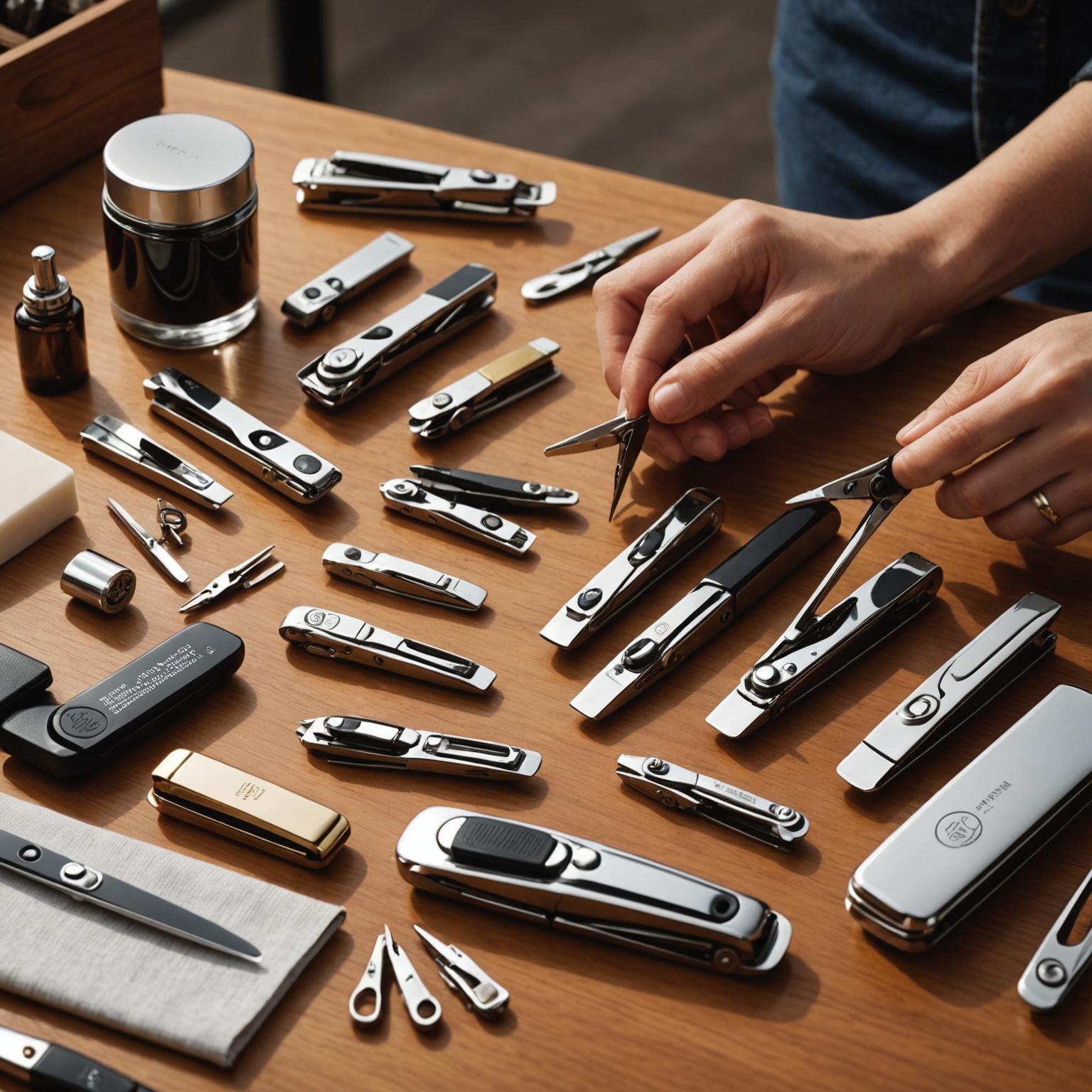
Different nail clipper types are designed for different trimming tasks. The best choice depends on nail thickness, user preference and where the tool will be used. A compact fingernail clipper is convenient for travel, but it may not have the jaw strength or opening needed for thicker toenails. A toenail clipper can offer more cutting force, but it may feel too large for detailed fingernail work.
| Clipper type | Typical use | Key buying considerations |
|---|---|---|
| Standard fingernail clipper | Routine trimming of fingernails | Look for smooth leverage, aligned blades and a comfortable size for one-hand use. |
| Toenail clipper | Thicker nails and wider nail plates | Check jaw opening, handle strength and whether the cutting edge feels stable under pressure. |
| Wide-jaw clipper | Users who need extra clearance | Useful when nails are thicker, but the tool still needs controlled blade alignment. |
| Angled or curved clipper | More controlled shaping | Evaluate whether the curve matches natural nail shape without encouraging over-trimming. |
| Multi-function clipper | Travel kits and compact grooming sets | Integrated files or cleaning tools can be convenient, but they should not compromise cutting performance. |
For retail or private-label planning, it is often better to build a small, practical range than to offer many similar items. A balanced selection may include a fingernail clipper, a toenail clipper and a compact travel-friendly option. If your audience includes professional grooming users or gift buyers, finish quality and packaging presentation may matter as much as the mechanical design.
Why Ergonomic Nail Clippers Matter
Ergonomic nail clippers are not only for users with reduced hand strength. A better grip and more controlled lever action improve the trimming experience for almost everyone. The user is often cutting at an angle, using the non-dominant hand or trimming nails after a shower when surfaces may be slightly damp. A clipper that feels secure helps reduce rushed cuts and uneven edges.
Key ergonomic features include a lever with enough surface area for the thumb, a grip texture that improves control, rounded edges that do not press uncomfortably into the fingers and a shape that allows the hand to keep a natural position. Curved handles or slightly widened levers can reduce the amount of force needed for each cut. However, bigger is not always better. A bulky tool may be difficult to position precisely, especially for smaller fingernails.
When evaluating ergonomic designs, consider different user groups. A travel customer may prefer a compact, lightweight clipper that stores easily in a pouch. A salon or grooming professional may prefer a more substantial tool that feels stable through frequent use. Older users may value a wider lever and less hand strain. The best ergonomic design is the one that matches the actual use case rather than simply adding size or decoration.
Premium Design Trends Without Sacrificing Function
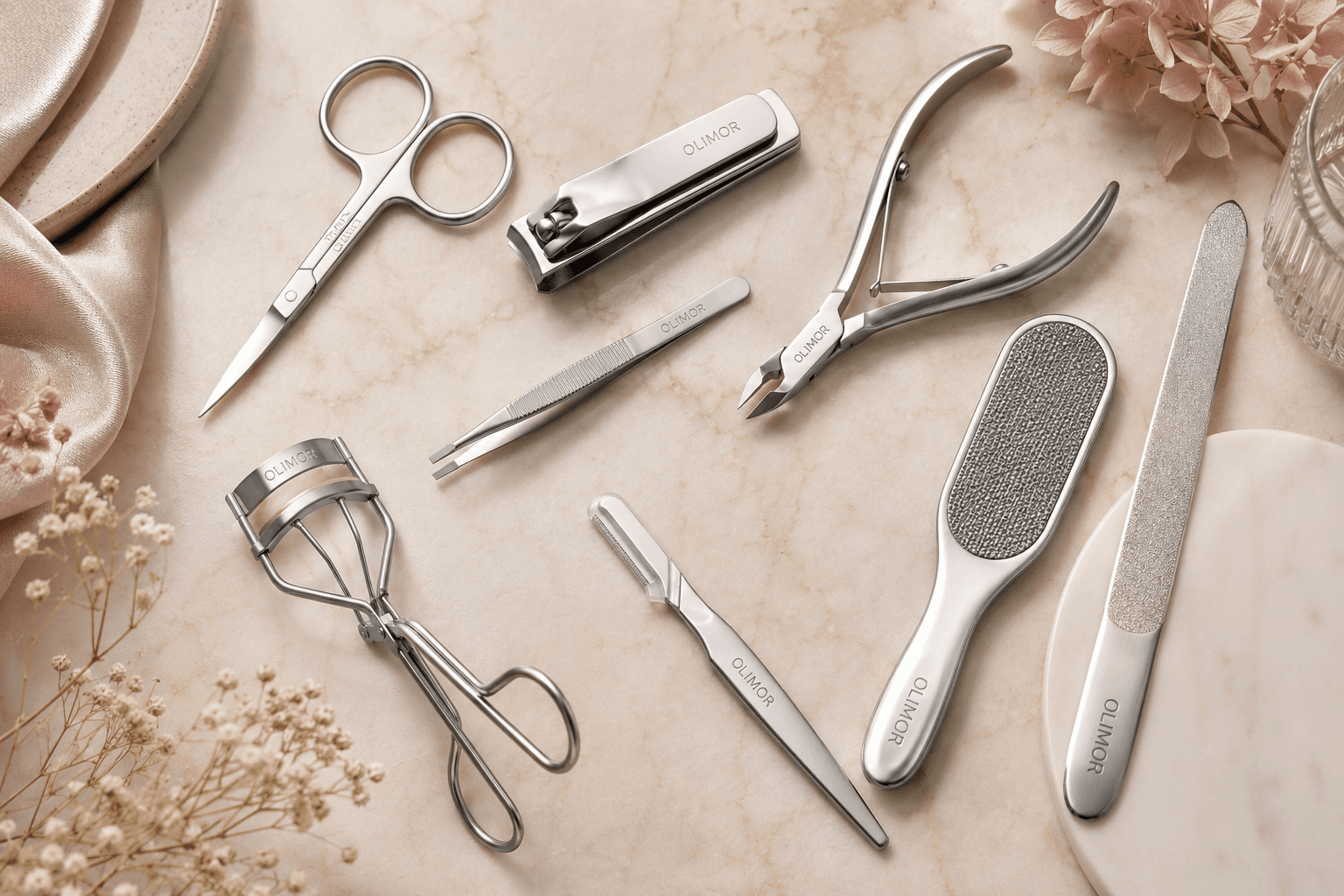
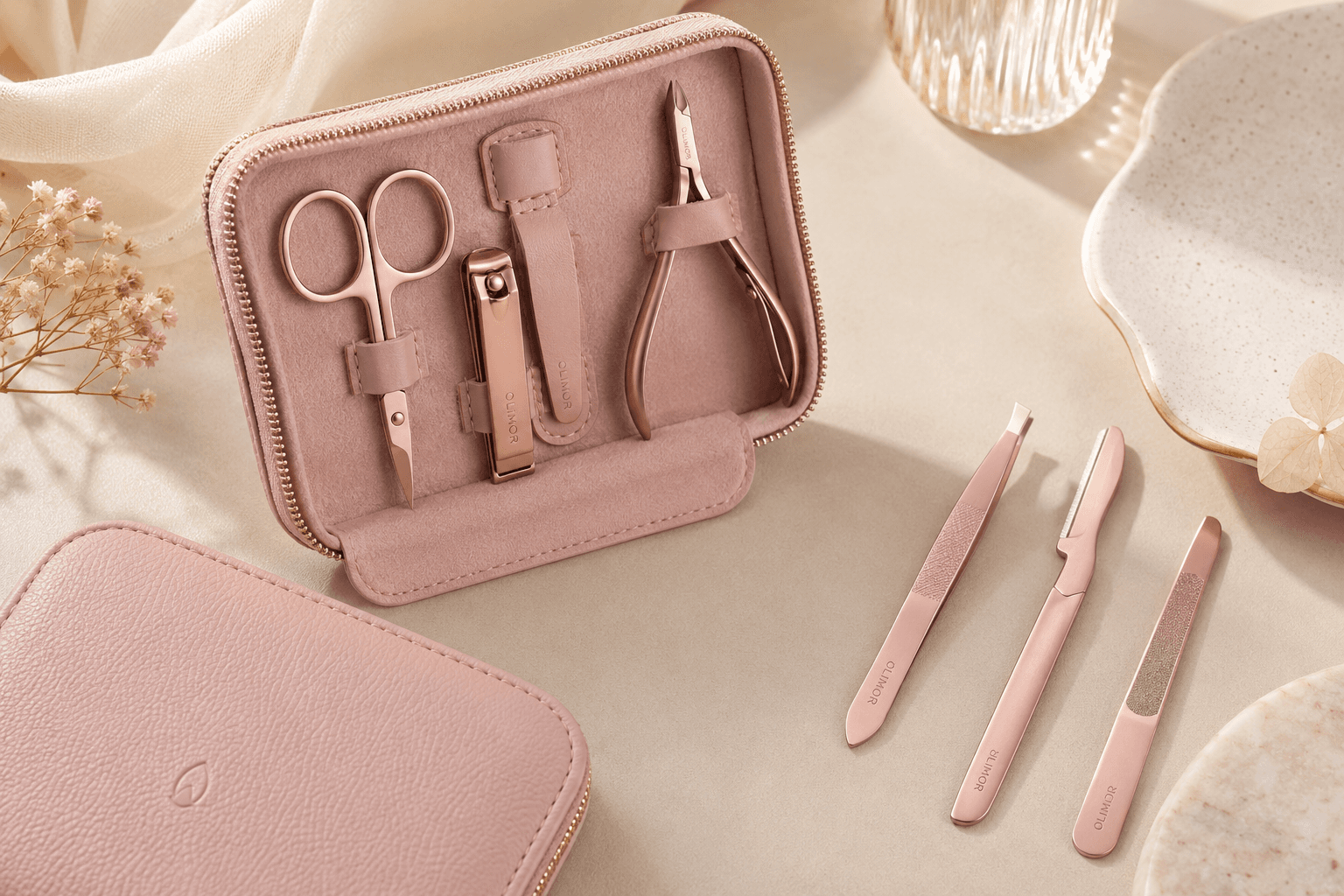
Modern nail clippers increasingly reflect the same visual expectations found in skincare tools, hair accessories and personal grooming sets. Brushed metal finishes, clean silhouettes, compact forms and coordinated accessory kits are common in premium product development. These details can make a nail clipper feel suitable for gift sets, hotel amenities, retail displays or personal care collections.
Still, a premium look should not distract from basic cutting performance. A highly polished surface may show fingerprints. A dark coating may look attractive, but buyers should consider wear points where the lever moves or where the clipper contacts hard surfaces. A slim profile may look refined, but it still needs enough strength for reliable trimming. The best premium tools balance appearance, grip, cutting alignment and clean finishing.
For brands building a broader grooming assortment, nail clippers should also coordinate with related items such as tweezers, scissors, files or cosmetic tools. Consistent finish direction, packaging dimensions and user instructions help create a more professional presentation. Visit Olimor Beauty product collections to review how different beauty tool categories can be organized for retail, gifting or sourcing discussions.
Material, Finish and Manufacturing Questions to Consider
The original material and finishing process have a direct effect on durability, hygiene and perceived value. Many precision clippers are made from stainless steel, a practical choice because it supports sharp edges and can be cleaned easily. However, buyers should avoid assuming that all stainless steel tools perform the same. Blade grinding, heat treatment, polishing and assembly accuracy all influence the final result.
When reviewing a nail clipper for sourcing, use a structured checklist instead of relying only on appearance:
- Check blade contact: Close the clipper slowly and confirm that the cutting edges meet evenly from one side to the other.
- Test cutting feel: The action should feel firm and controlled, not loose, sticky or uneven.
- Inspect the lever and pin: Movement should be stable without excessive side-to-side play.
- Review surface finishing: Edges should feel smooth, with no sharp burrs around the handle, file area or jaw.
- Assess cleaning practicality: Debris should not become trapped in areas that are difficult to access.
- Compare multiple samples: Consistency across units is essential for retail or promotional programs.
Packaging should also match the product position. A basic clipper may need simple protective packaging with clear product information. A premium clipper may require a case, insert or giftable presentation. In either case, instructions for safe trimming, cleaning and storage can reduce misuse and improve customer satisfaction.
Cleaning and Maintenance for Long-Term Performance
Even a well-made nail clipper can perform poorly if it is not cleaned and stored properly. Nail clippings, moisture and cosmetic residue can collect around the jaw and lever. Over time, this buildup may affect hygiene and make the cutting action feel less smooth. Maintenance does not need to be complicated, but it should be consistent.
After each use, remove nail debris and wipe the tool with a clean cloth. If needed, rinse briefly under warm water, then dry it thoroughly. A disinfecting wipe or alcohol wipe can be used for added hygiene, especially when the tool is shared in a household or used in a professional environment. The clipper should be stored in a dry place rather than left in a damp bathroom area for long periods.
Users should also avoid forcing a small fingernail clipper through very thick nails. Excessive pressure can damage the edge, misalign the lever or create an unsafe cut. For thicker toenails, choose a suitable toenail or wide-jaw clipper and trim gradually with several small cuts rather than one deep cut. This approach helps reduce splitting and gives better control over the final shape.
How to Choose the Right Nail Clipper for Your Audience
The right clipper depends on who will use it and how it will be sold. For everyday consumers, comfort, clean cutting and easy maintenance are the main priorities. For travel kits, compact size and safe storage become more important. For premium retail, finish quality, packaging and a refined hand feel can influence purchase decisions. For professional or salon use, repeatable performance and hygiene-friendly surfaces are especially important.
If you are comparing options for a product line, define the intended customer before reviewing samples. Is the clipper for a basic personal care kit, a premium grooming set, a travel accessory or a professional environment? Once the use case is clear, it becomes easier to judge jaw size, lever shape, finish and packaging. For sourcing support or product discussions, you can contact Olimor or send an inquiry with your target application and evaluation priorities.
A reliable nail clipper is built from many small decisions: blade alignment, leverage, grip, finish, cleaning access and packaging. Reviews that focus on these details help buyers move beyond generic descriptions and choose tools that feel better in real use. Whether you prefer a compact fingernail clipper, a stronger toenail clipper or a premium grooming accessory, the best option is the one that delivers controlled cutting, comfortable handling and practical long-term care.
Tag: