Nail Clipper Quality: How to Choose Clippers That Cut Smoothly
A nail clipper looks simple, but the difference between a rough cut and a clean cut is often decided by small details: blade alignment, lever feel, edge sharpness, hand control, and how well the tool resists corrosion over time. For personal care buyers, retailers, and grooming product teams, nail clipper quality matters because it affects user comfort immediately. A clipper that crushes, bends, or tears the nail can leave uneven edges and encourage splitting. A well-made clipper should trim cleanly with steady pressure and minimal follow-up filing.
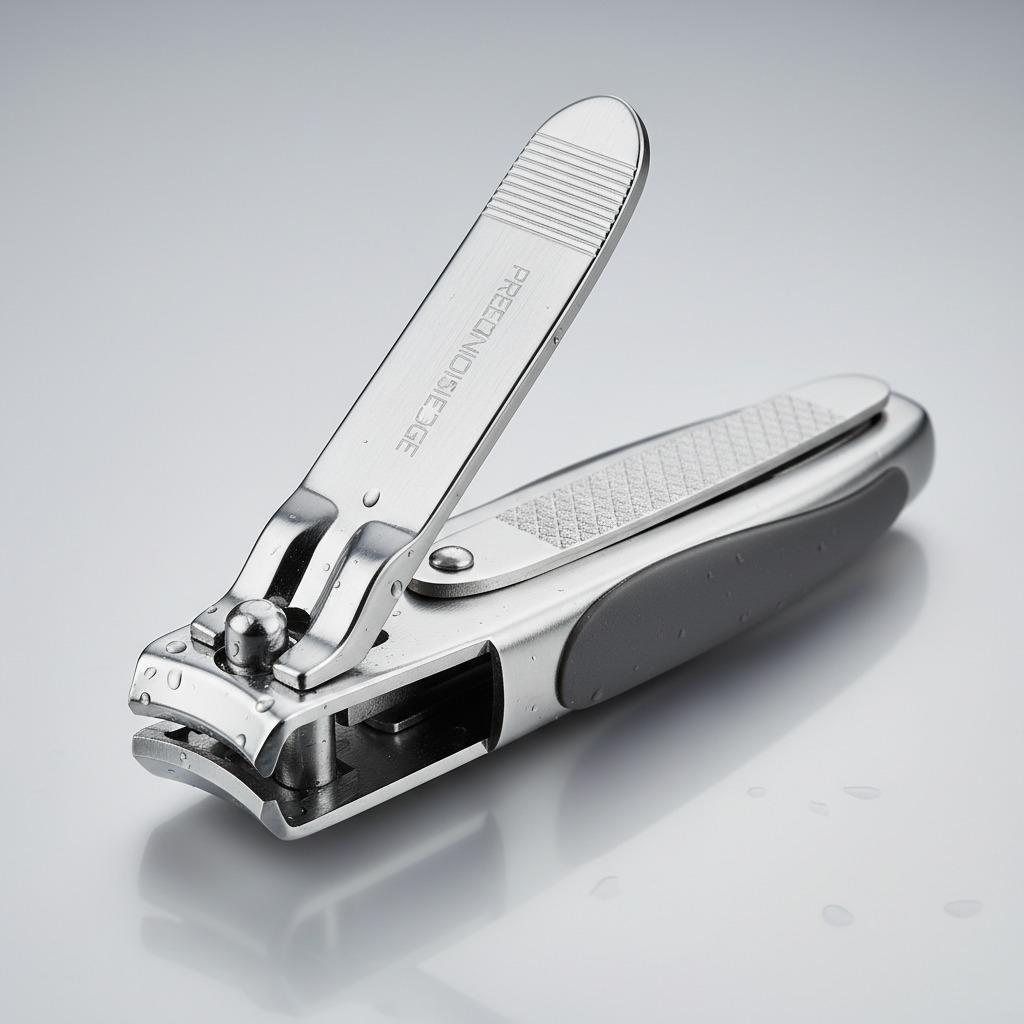
Olimor Beauty offers the PrecisionGrip Nail Clipper as a practical example of what shoppers often look for in a reliable everyday grooming tool: premium stainless steel construction, an ergonomic handle for control, sharp rust-resistant blades, and a built-in nail file on the lever. This guide explains how to evaluate those features before choosing a nail clipper for daily use, travel kits, retail assortments, or private-label sourcing discussions.
Why Nail Clipper Quality Shows Up in the First Cut
The first sign of a good clipper is not how shiny it looks on a shelf; it is how it behaves when it meets the nail. High-quality nail clippers make a decisive cut instead of flattening the nail plate before breaking through it. The blades should meet evenly from one side to the other, and the lever should provide enough mechanical advantage that the user does not need to squeeze excessively.
Smooth nail cuts are especially important for people who trim frequently, carry grooming tools while traveling, or assemble manicure kits for resale. A jagged cut usually means more filing, more time, and a higher chance of catching the nail edge on fabric. A clean cut reduces the need for correction and gives the user a more predictable result.
When evaluating clippers across beauty tool products, look beyond basic claims such as “sharp” or “durable.” The useful question is how the tool combines sharpness, alignment, leverage, and control. A sharp blade with poor alignment may still leave an uneven edge. A sturdy body with an uncomfortable lever may be difficult for some users to operate. Nail clipper quality is the balance of these factors.
Stainless Steel, Blade Alignment, and Edge Performance
The PrecisionGrip Nail Clipper is described as being crafted from premium stainless steel, a material choice commonly associated with strength, corrosion resistance, and long-term grooming use. Stainless steel is often preferred for nail tools because clippers are exposed to moisture during bathroom storage, hand washing, cleaning, and travel. Rust resistance helps preserve the cutting edge and keeps the tool easier to maintain.
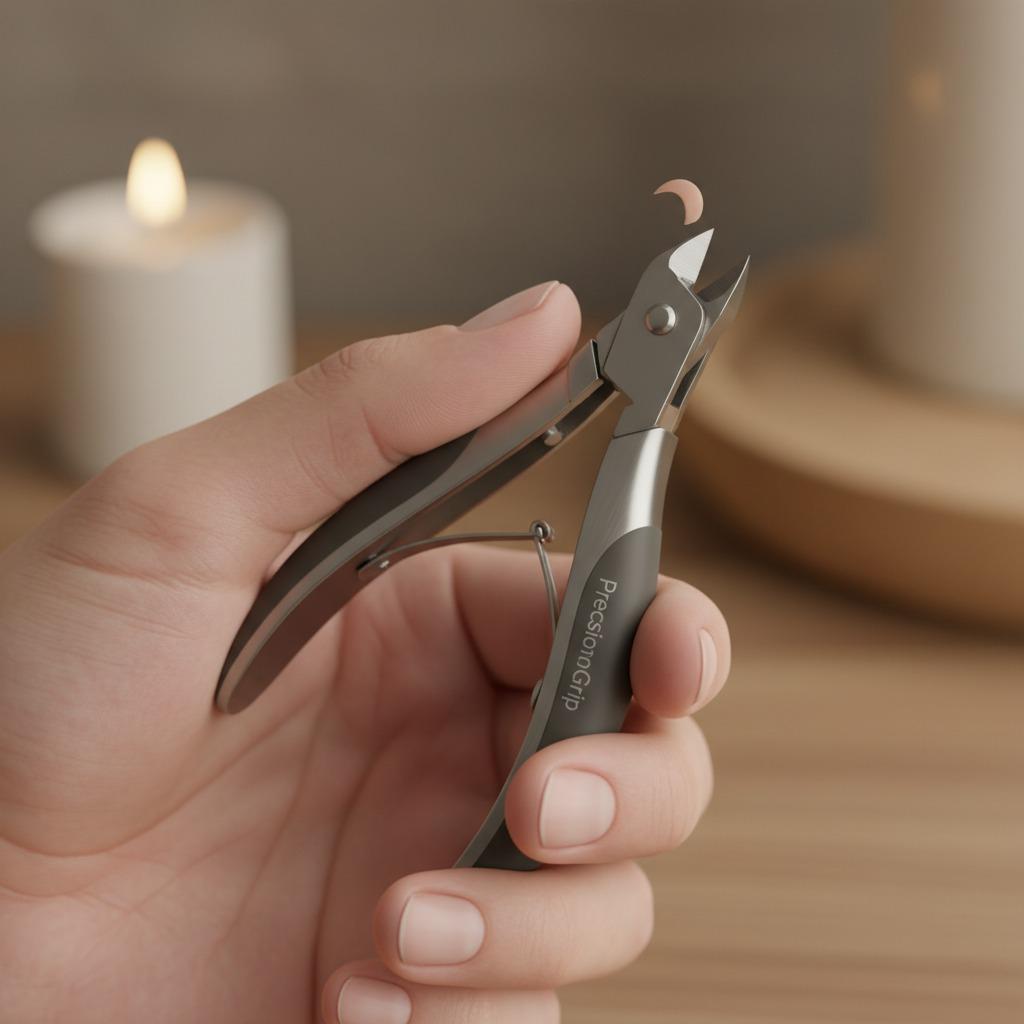
Material alone, however, does not guarantee performance. Blade geometry and alignment are equally important. The cutting edges should close cleanly without gaps. The tips should not cross awkwardly, and the blade curve should match the type of nail trimming the product is intended for. A clipper used for fingernails typically needs fine control and a clean arc, while heavier trimming needs stronger leverage.
For product teams comparing samples, a simple inspection process can reveal a lot:
- Check blade contact: Close the clipper slowly and see whether the edges meet evenly across the full cutting surface.
- Test lever smoothness: The lever should move without scraping, wobbling, or sticking.
- Look for clean finishing: Edges around the handle, file, and body should not feel sharp against the fingers.
- Trim sample material carefully: A good clipper should cut cleanly rather than bend or crush the edge.
- Assess corrosion exposure: Consider how the product will be stored, cleaned, packaged, and used in humid environments.
These checks are useful whether you are selecting a single grooming tool or building a range of nail care items for a store or beauty set.
Ergonomic Control Matters as Much as Sharpness
The PrecisionGrip Nail Clipper includes an ergonomic handle designed to improve control. This is not a minor detail. The user’s hand position determines how accurately the clipper can be placed, how much pressure is needed, and whether the cut follows the intended nail shape. A slippery or uncomfortable lever can cause the user to cut too deeply or trim at an awkward angle.
Good ergonomic design should help the hand feel steady. The lever should provide enough surface area for the thumb, and the body should remain stable between the fingers. For travel use, the clipper also needs to be compact enough to pack easily without becoming too small to handle comfortably.
Comfort is especially important for repeat use. A salon, grooming kit brand, hotel amenity buyer, or retailer may be thinking about many users with different hand sizes and habits. A clipper with a balanced lever and controlled grip can serve a wider audience than a tool that only performs well when held in one precise way.
The Value of a Built-In Nail File on the Lever
The PrecisionGrip Nail Clipper includes a built-in nail file on the lever, making it suitable for daily grooming and on-the-go care. A built-in file does not replace a full manicure file for shaping, but it is valuable for smoothing a corner immediately after trimming. This is particularly useful when traveling, before meetings, after a nail snag, or when maintaining a compact personal care kit.
When evaluating a clipper with an integrated file, check whether the file is easy to access and whether it adds function without making the lever uncomfortable. The surface should be positioned so users can smooth the nail edge safely. For retail kits, a built-in file can also reduce the number of separate tools needed in a small pouch, making the kit simpler and lighter.
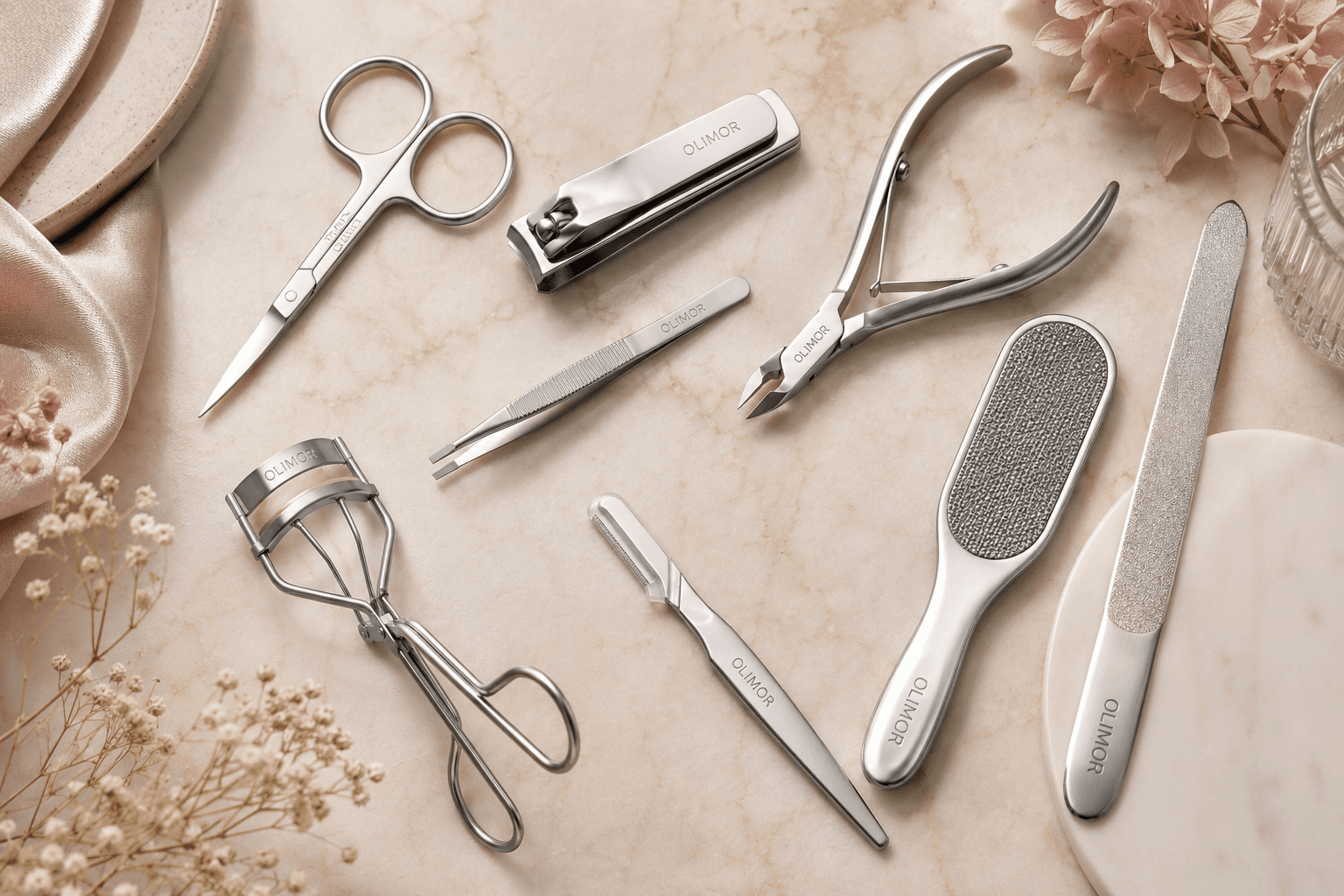
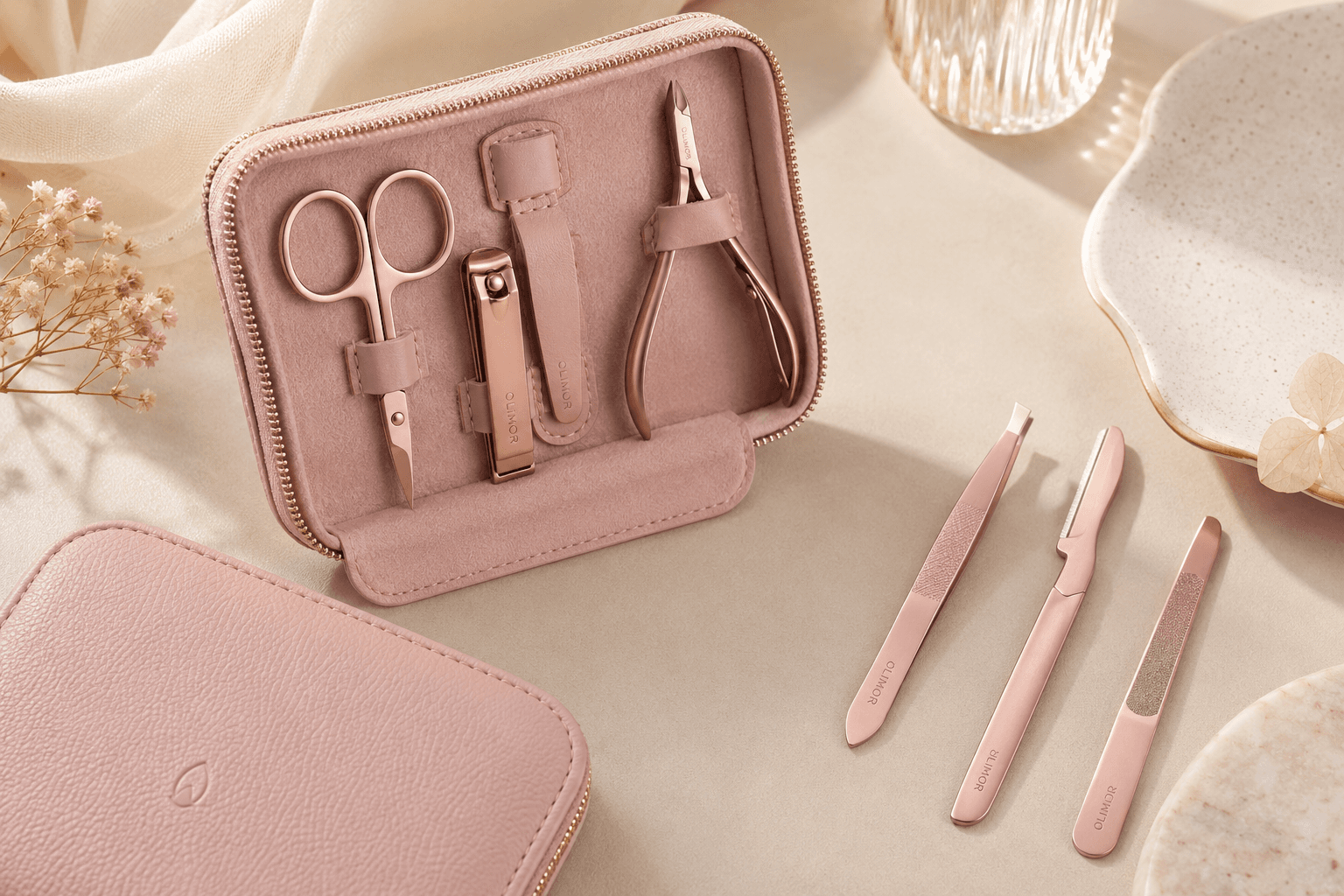
For buyers exploring related grooming items, Olimor’s product collections can help compare how different beauty tools fit into a complete nail care or personal care assortment.
How to Match a Nail Clipper to the Use Case
Not every nail clipper is purchased for the same purpose. A buyer sourcing for a travel kit may prioritize compact size, an integrated file, and protected packaging. A retailer may focus on shelf presentation, consistent finishing, and a design that appeals to a broad customer base. A personal user may care most about the feel of the lever and whether the blades leave a clean edge.
Use case should guide selection. For everyday bathroom use, rust-resistant blades and easy cleaning are important because the tool may be stored in a humid place. For travel, the clipper should feel secure in a pouch and not catch on fabric. For gift sets or grooming kits, the finish should be consistent and the file should add visible utility. For bulk purchasing, sample inspection should include cutting feel, lever stability, and appearance consistency across multiple units.
If your team is comparing options or preparing a sourcing brief, it helps to list the intended user, packaging format, care instructions, and any preferred material or finish requirements before you send an inquiry. Clear requirements make it easier to evaluate samples against the same standard instead of relying on appearance alone.
Care and Maintenance for Longer-Lasting Smooth Cuts
Even a high-quality nail clipper performs better when it is cared for properly. After use, remove nail debris from the cutting area and wipe the tool dry, especially if it is stored near a sink or used after washing hands. Moisture left around the hinge or blade can affect the feel of the lever over time. Store the clipper in a dry pouch, drawer, or grooming case rather than leaving it loose in a damp bathroom.
Avoid using a nail clipper on materials it was not designed to cut. Paper, tags, wires, or plastic can dull the blade or affect alignment. If the clipper includes a built-in file, use it for light smoothing rather than heavy reshaping. For shared tools, cleaning between users is important for hygiene. For retail or kit instructions, simple care language can reduce misuse and help customers get better performance from the product.
Sourcing Questions That Help Identify Real Quality
For businesses, nail clipper quality should be evaluated through repeatable questions rather than only product photos. The original design features of the PrecisionGrip Nail Clipper point to several useful criteria: stainless steel construction, ergonomic handling, rust-resistant blades, quality checks, and integrated filing. When reviewing samples or discussing a program, focus on measurable observations.
- Does the clipper cut smoothly across the full blade width?
- Is the lever stable, comfortable, and easy to press?
- Are the visible surfaces cleanly finished without rough edges?
- Does the built-in file feel accessible and practical?
- Is the tool suitable for the intended packaging, travel format, or retail display?
- Are quality checks applied from material selection through final assembly?
These questions help separate a clipper that simply looks acceptable from one that offers dependable daily use. If you need help comparing nail care tools for a project, you can contact Olimor with your intended application and selection priorities.
Choosing a Clipper That Users Will Keep Using
A good nail clipper earns its place by being reliable every time it is picked up. The best choice is not always the most decorative option; it is the one that cuts cleanly, feels controlled in the hand, resists corrosion, and includes practical details such as a built-in file when portability matters. The PrecisionGrip Nail Clipper reflects these priorities with stainless steel construction, an ergonomic handle, sharp rust-resistant blades, and lever-integrated filing for everyday and travel use.
For personal buyers, focus on smooth cutting feel and comfortable handling. For business buyers, add consistency, finishing quality, packaging fit, and sample-to-sample reliability to the evaluation. A well-chosen nail clipper supports neat grooming with less effort, fewer rough edges, and a better experience from the first trim to regular long-term use.
Tag: