Nail Clipper ODM: How to Build a Custom Grooming Tool That Buyers Trust
A nail clipper looks simple, but small design decisions affect comfort, cutting control, durability, packaging value, and repeat purchase potential. For beauty brands, private label distributors, retail chains, and promotional buyers, a nail clipper ODM project is not only about placing a logo on a ready tool. It is about choosing the right structure, finish, user experience, and inspection points so the finished product feels dependable in daily grooming.
Olimor Beauty supports nail clipper ODM development for buyers who need practical beauty tools with clear customization goals. Whether the product is intended for home grooming, travel kits, salon retail, gift sets, or everyday personal care ranges, the planning process should begin with function. A good clipper should trim cleanly, feel stable in the hand, fit the intended price position, and arrive in packaging that reflects the brand without creating unnecessary complexity.
What Nail Clipper ODM Means for Beauty Tool Buyers
ODM, or original design manufacturing, is useful when a buyer wants a supplier to provide product development support, manufacturing knowledge, and customization options. For nail clippers, ODM may involve adapting the clipper body shape, grip feel, blade curve, surface finish, built-in file, packaging format, and brand presentation. The aim is to create a product that fits the buyer’s market without starting every engineering detail from zero.
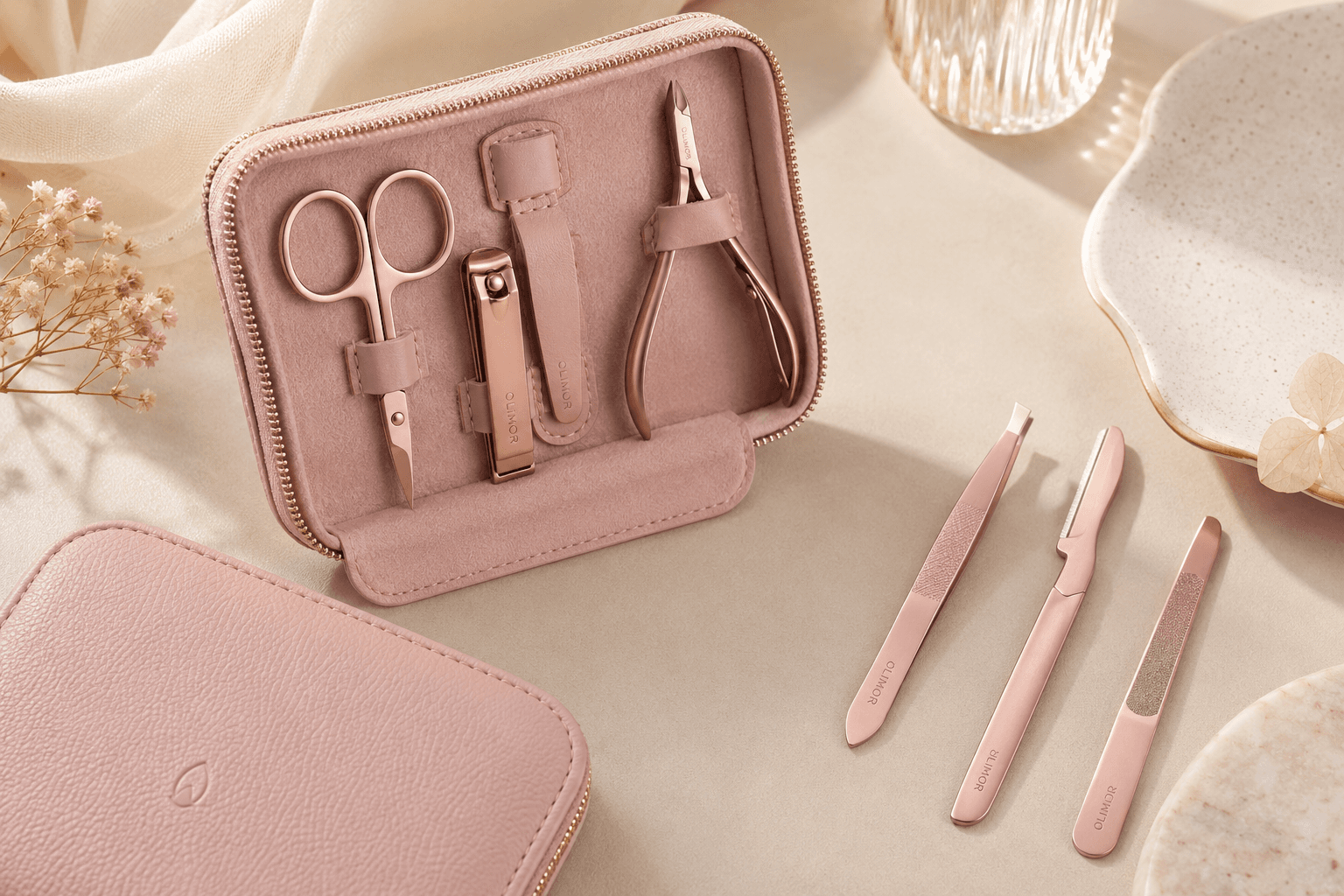
This approach is especially practical for brands that want a custom made nail clipper but also need efficient development. Instead of treating the clipper as a commodity, ODM allows the buyer to define a user profile. A travel-focused line may need a compact size and secure packaging. A salon retail line may place more emphasis on a polished metallic appearance and clean cutting feel. A gift set may need coordinated finishing across several grooming items.
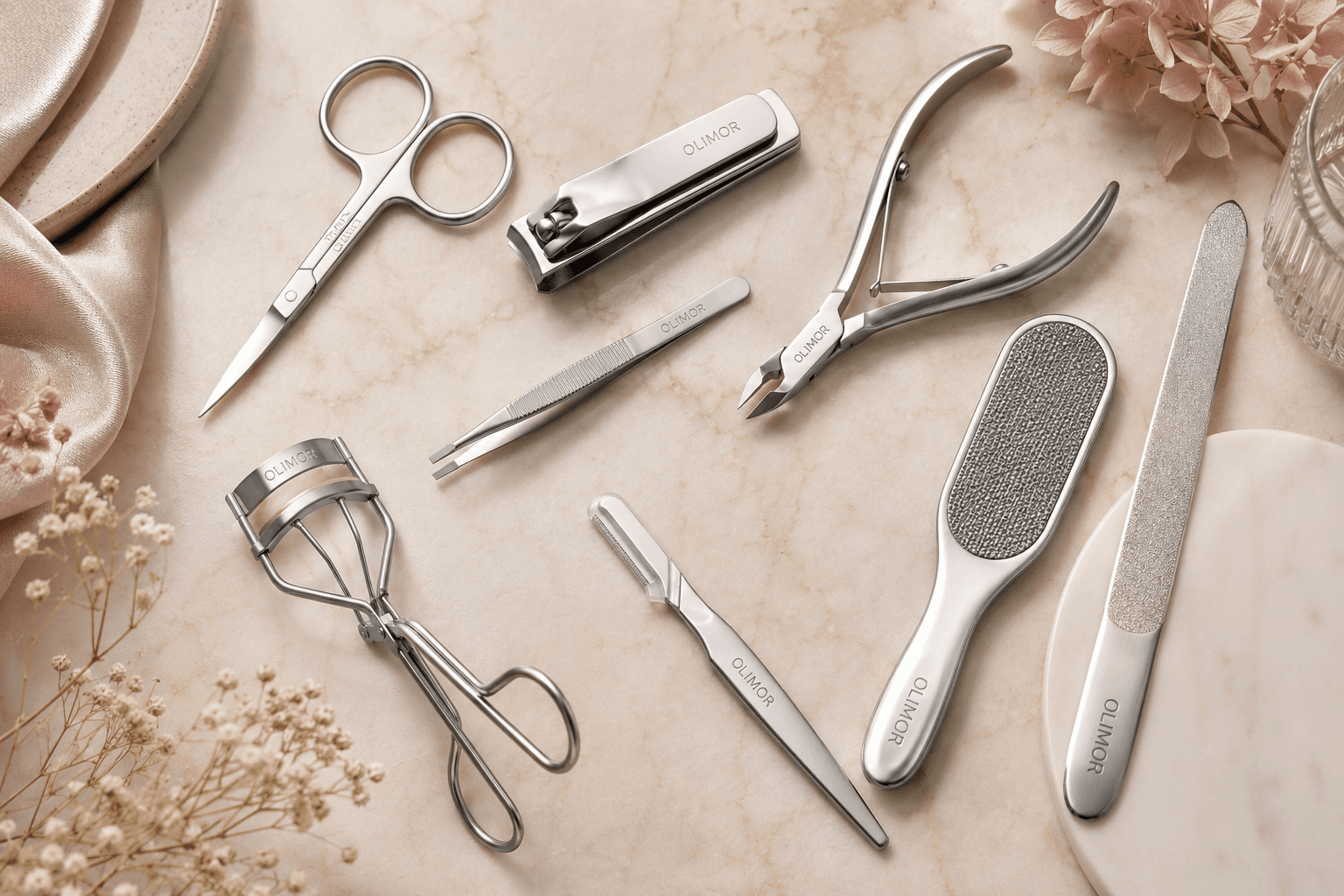
Buyers can review related categories through Olimor’s beauty tool products and compare how different grooming tools are presented across product collections. This helps define whether the nail clipper should stand alone or coordinate with tweezers, scissors, cuticle tools, or other personal care accessories.
Core Design Choices: Blade, Body, Grip, and File
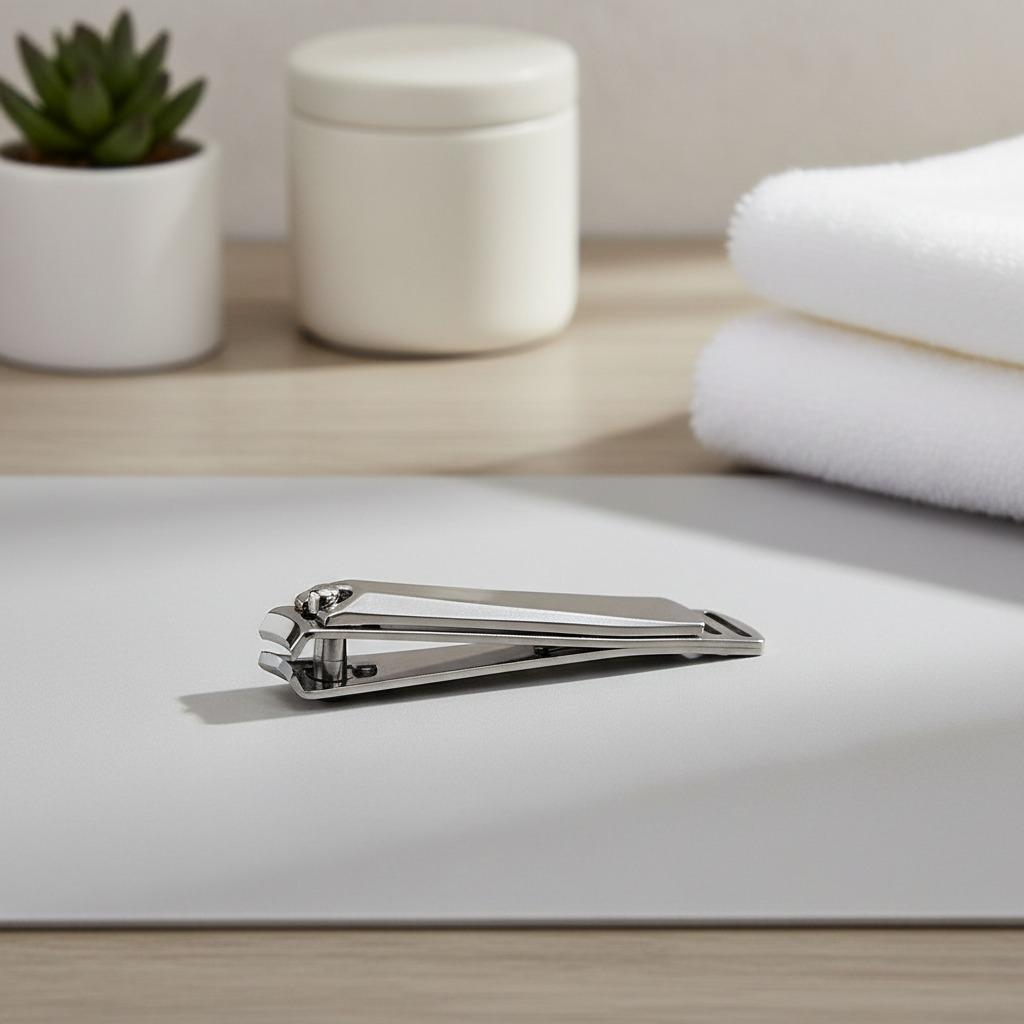
The most important part of any nail clipper is the cutting edge. The original product direction emphasizes sharp, curved blades, and that is a meaningful feature because the curve helps match the natural shape of the nail. For ODM planning, buyers should consider whether the clipper is mainly for fingernails, toenails, travel use, or general grooming. Each use case can affect the preferred cutting width, lever feel, and body size.
Stainless steel construction is also a useful choice for grooming tools because it supports a clean metallic appearance and everyday durability. However, material choice should be reviewed together with finishing, edge preparation, and inspection method. A clipper can look attractive in a product photo but still fail the user if the lever feels loose, the cutting edges do not meet evenly, or the built-in nail file is uncomfortable to use.
For a custom project, focus discussion around the following points:
- Blade alignment: the cutting edges should meet consistently, without obvious gaps or twisting.
- Blade curve: the curve should suit the intended user and nail type, especially for general consumer use.
- Lever pressure: the clipper should not require excessive force, but it should still feel controlled.
- Grip comfort: ergonomic shapes and comfortable grip areas help users trim with confidence.
- Built-in file: if included, the file should be positioned for convenient use without weakening the product’s clean appearance.
- Compact size: portability matters for travel kits, handbags, men’s grooming sets, and retail impulse purchases.
- Finish consistency: a minimalist metallic finish should appear uniform across the visible surfaces.
Customization That Adds Value Without Adding Risk
Customization should make the product more suitable for the market, not simply more complicated. A custom made nail clipper may include a modified handle contour, logo placement, surface treatment, color direction, gift packaging, or accessory set pairing. The key is to decide which changes will be visible and valuable to the end user.
For example, a beauty retailer may benefit from a refined metallic finish and simple branded packaging that communicates hygiene and precision. A travel-focused brand may prefer compact packaging, a built-in file, and a secure closure or sleeve. A promotional buyer may place more importance on logo clarity and cost-effective presentation. A salon retail buyer may want the clipper to feel heavier, smoother, and more premium in hand, while still keeping the design easy to clean.
The best customization briefs are specific. Instead of saying “make it premium,” define the experience: smooth lever movement, clean trimming, no sharp burrs on touch points, uniform finish, readable logo, and packaging strong enough for the chosen sales channel. These details give the supplier a clearer target and reduce misunderstandings during sampling.
Quality Checks for a Reliable Nail Clipper Supplier
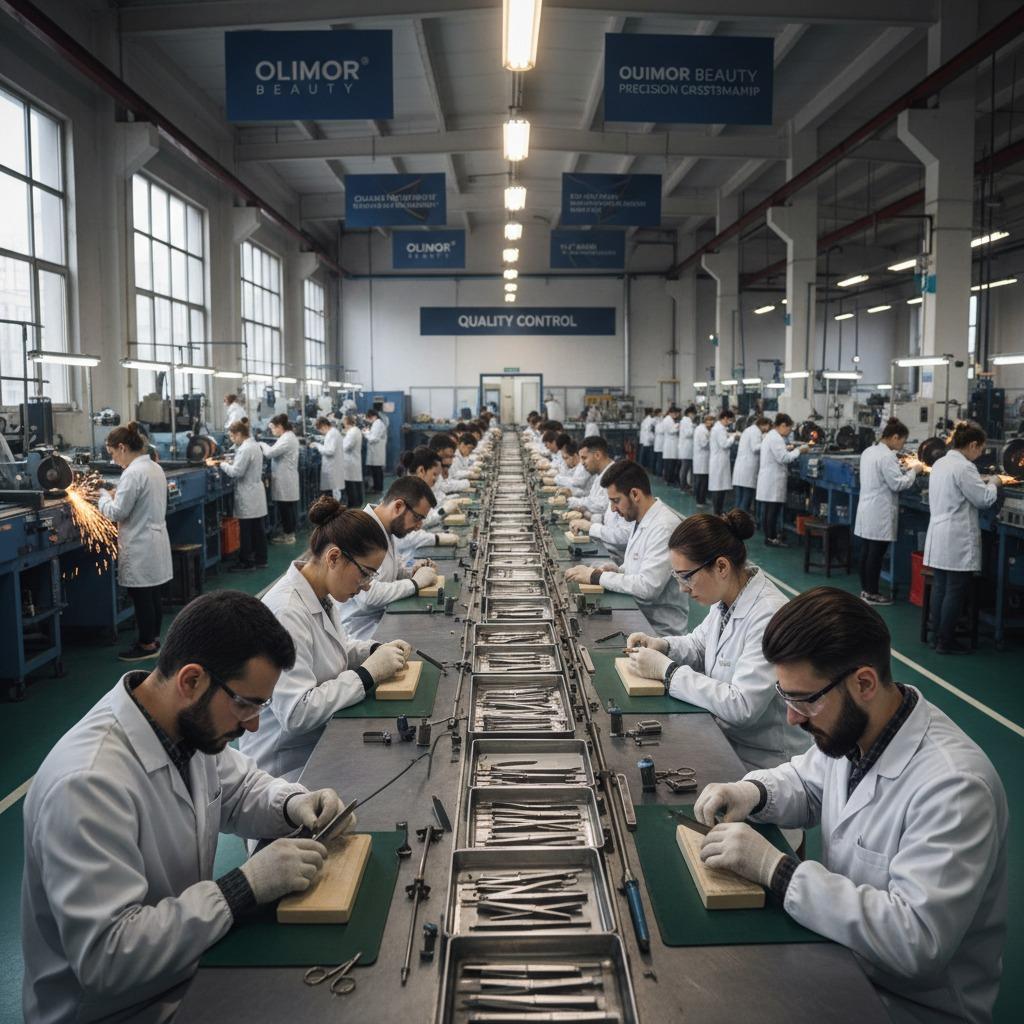
Choosing a reliable nail clipper supplier requires more than comparing appearance. Quality assurance should cover the tool before, during, and after production. Olimor Beauty’s nail clipper ODM process emphasizes inspection from raw materials through final packaging, which is important because problems can appear at many stages: uneven edges, surface scratches, inconsistent logos, weak packaging, or poor alignment after assembly.
A practical buyer checklist can include the following review areas:
| Check Point | Why It Matters | What to Review |
|---|---|---|
| Cutting performance | Determines user satisfaction | Clean trimming, smooth pressure, blade contact |
| Surface finish | Affects retail appearance | Scratches, stains, color consistency, polished areas |
| Ergonomics | Improves control and comfort | Grip shape, lever length, pressure required |
| Built-in nail file | Adds convenience | Placement, texture, usability, safety of edges |
| Logo and branding | Protects brand presentation | Position, readability, durability of marking |
| Packaging | Supports shipping and selling | Fit, protection, labeling space, retail display needs |
Inspection standards should be agreed before production. Buyers should define acceptable and unacceptable defects in practical language. For nail clippers, that may include visible rust, loose movement, misaligned blades, rough burrs, uneven printing, packaging dents, or inconsistent finish. Even when final specifications are still being developed, early agreement on quality expectations helps prevent avoidable disputes.
Packaging and Sourcing Decisions for Different Sales Channels
A nail clipper sold in a supermarket, online beauty store, salon, hotel amenity kit, or gift set may require a different packaging strategy. Packaging should protect the clipper, present the brand clearly, and match the way the product will be displayed or shipped. Overly complex packaging can increase cost and development time, while packaging that is too weak can make a good tool look low value.
For online sales, buyers should consider how the product will appear in images and whether the packaging can handle parcel shipping. For retail display, hang holes, card size, barcode area, and product visibility may matter. For grooming kits, the clipper must fit securely beside other tools without rubbing or scratching. For promotional programs, logo visibility and efficient packing may be the main priorities.
Sourcing decisions should also include a realistic review of timeline, sampling steps, artwork confirmation, and final inspection. Before confirming a custom order, prepare brand files, target market notes, packaging preferences, and any legal labeling requirements for the destination market. If you are still comparing product directions, you can contact Olimor to discuss the project scope or send an inquiry with your basic requirements.
How to Brief a Nail Clipper ODM Project Clearly
A clear brief saves time and improves the quality of samples. Start with the intended customer: everyday home users, travelers, salon clients, gift buyers, men’s grooming customers, or general beauty consumers. Then define the product role: a single clipper, part of a manicure set, a retail accessory, or a branded promotional tool.
Next, describe the required features. If stainless steel construction, a minimalist metallic finish, ergonomic shape, curved blade, compact size, and built-in nail file are important, list them in priority order. Include reference notes for grip feel, preferred logo location, packaging style, and any market restrictions. The more clearly the buyer separates required features from optional preferences, the easier it is to manage cost, sampling, and production decisions.
A professional ODM conversation should also include questions about consistency. Can the supplier maintain the selected finish across production? How will blade sharpness and alignment be checked? What packaging sample will be approved before mass production? How will defects be categorized? These questions are not only technical; they protect the buyer’s brand reputation after the product reaches customers.
Building a Better Custom Nail Clipper With Olimor Beauty
A successful nail clipper ODM project combines practical engineering, user comfort, clean appearance, and dependable quality control. The best result is not necessarily the most complicated design. It is a clipper that trims well, feels comfortable, looks consistent, fits its sales channel, and represents the buyer’s brand with confidence.
Olimor Beauty works with buyers who want to turn grooming tool ideas into finished products with thoughtful customization. By focusing on blade performance, stainless steel construction, ergonomic details, built-in convenience features, and packaging suitability, a custom nail clipper can become a reliable part of a broader beauty tool range. For brands and distributors planning their next grooming product, careful ODM preparation is the first step toward a nail clipper that customers will use, keep, and buy again.
Tag: