Nail Clipper ODM: Building a Custom Tool for Precision and Reliability
For beauty brands, retailers and grooming product buyers, a nail clipper may look simple at first glance. In practice, it is a small tool where comfort, blade alignment, material choice and finishing quality directly affect customer satisfaction. A clipper that feels smooth, cuts cleanly and holds up through repeated use can become a dependable everyday item in a personal care range. A poorly designed one can lead to rough edges, uncomfortable pressure or disappointing reviews.
Nail clipper ODM services are useful when a brand wants more than a standard off-the-shelf tool but does not need to build every technical detail from zero. With an ODM approach, buyers can develop a custom made nail clipper around an existing manufacturing foundation, then refine the finish, user feel, packaging and market positioning. Olimor Beauty supports this type of product development for brands that need practical, reliable beauty tools suited to their own sales channels.
What Nail Clipper ODM Means for Beauty Tool Buyers
ODM, or original design manufacturing, allows a brand to work with a supplier that already understands the product structure, manufacturing process and quality risks of a category. For nail clippers, this can shorten development time compared with a fully original engineering project while still leaving room for customization.
A custom made nail clipper project may include decisions about the body shape, surface finish, handle feel, blade curvature, packaging format and visual branding. The goal is not only to make the tool look different. The more important goal is to match the product to the buyer’s target customer. A travel grooming kit, a salon retail shelf product and a mass-market personal care set may all require different balances of appearance, durability, price positioning and packaging.
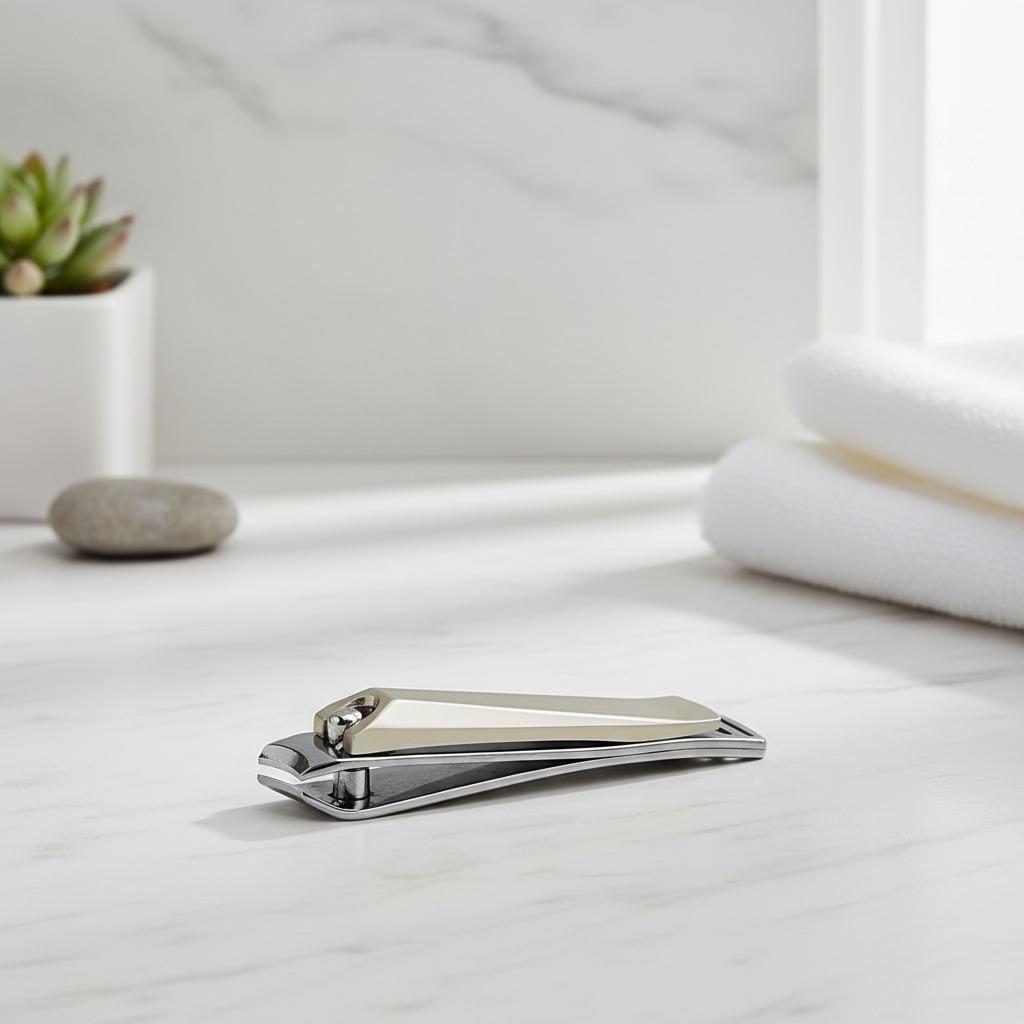
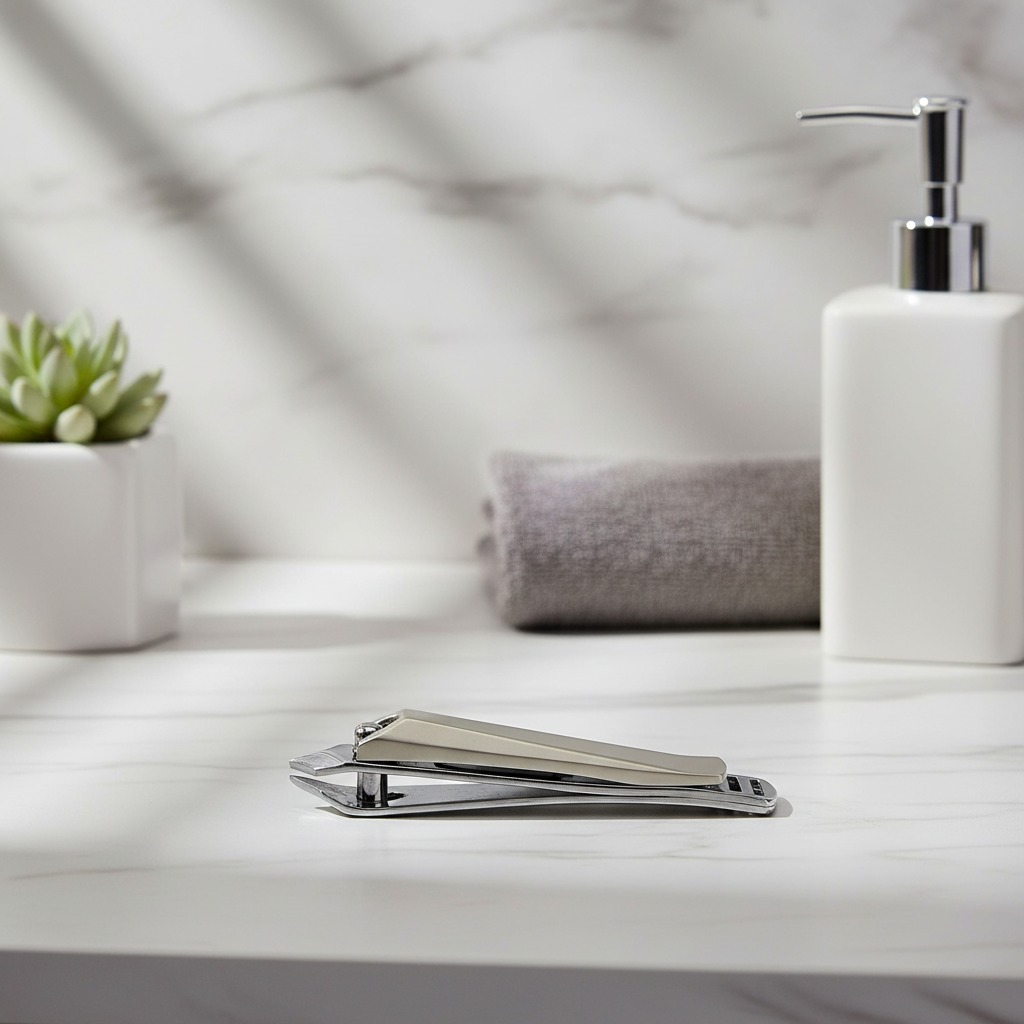
Olimor Beauty focuses on the practical connection between product design and daily use. The supplied nail clipper design uses a stainless steel body with a contemporary matte finish, sharp curved blades and an ergonomic form intended for natural handling. These elements are important because they influence both the first impression and the actual cutting experience.
Key Product Details That Affect Cutting Performance
When sourcing a nail clipper, buyers should look beyond basic appearance. The performance of the tool depends on several small details working together. Blade sharpness matters, but blade alignment, leverage and grip comfort are just as important. A clipper that requires excessive force may feel cheap even if the material looks attractive. A clipper that cuts smoothly but has an awkward grip may not suit older users, travel sets or frequent grooming routines.
The stainless steel body described for this nail clipper is a practical choice for a grooming tool because it gives the product a clean, durable feel. The matte finish adds a modern appearance and can make the surface more comfortable to hold than a highly slippery finish. Curved blades are also important because fingernails and toenails are naturally arched; a well-formed curve can help create a cleaner cut when used correctly.
- Blade contact: Check whether the cutting edges meet evenly from one side to the other.
- Cutting feel: The lever should move smoothly and should not require excessive pressure.
- Edge result: A good clipper should reduce splitting, crushing or ragged nail edges.
- Grip comfort: The body and handle should feel stable in the hand, including for quick trimming.
- Finish consistency: The matte surface should appear even and should match the intended retail positioning.
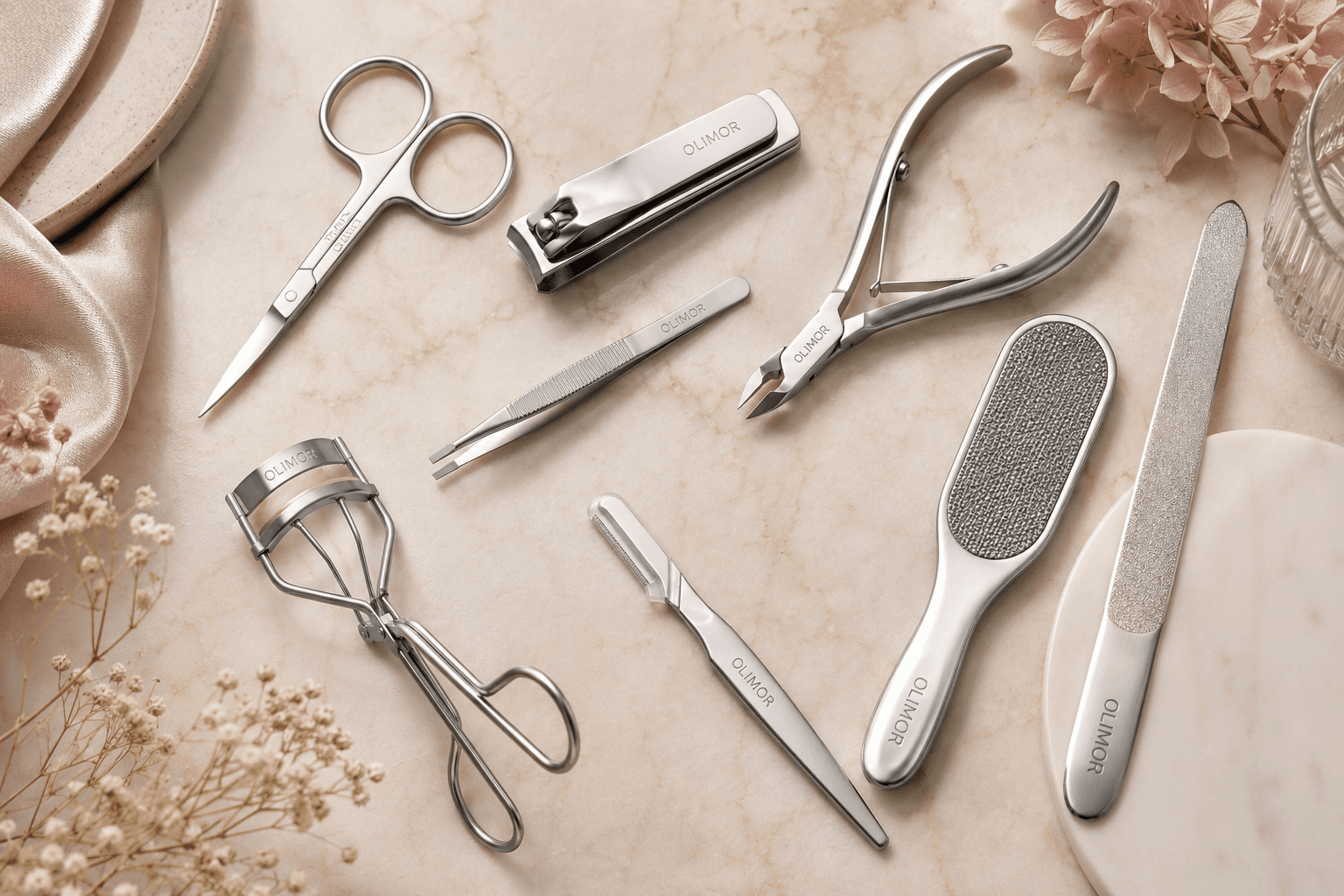
These criteria are especially important for brands adding nail tools to a broader beauty assortment. If you are comparing related categories, you can review Olimor’s beauty tool products to consider how a nail clipper might sit alongside tweezers, scissors, grooming accessories or other personal care tools.
Customization Choices That Should Serve the User
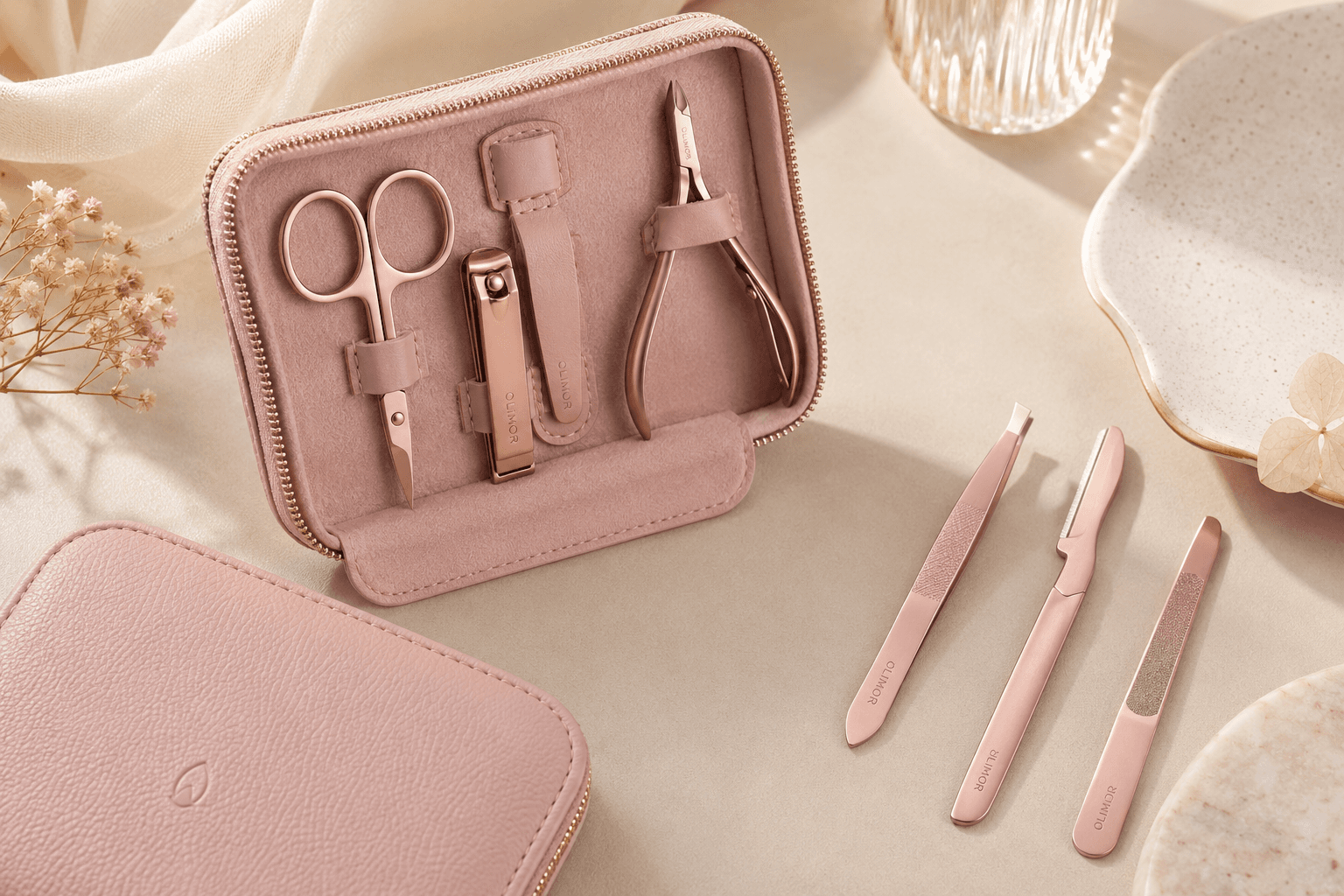
Custom design should begin with the customer’s use case. A nail clipper for a compact travel kit may need a neat shape, simple packaging and easy storage. A beauty retail product may place more emphasis on visible finish, shelf presentation and perceived quality. A grooming set may need the clipper to coordinate with other tools in color, material impression and packaging layout.
Common ODM decisions include the external finish, logo placement, packaging style and overall presentation. However, cosmetic changes should not interfere with performance. For example, a decorative surface should still allow stable handling. Packaging should protect the cutting edges during shipping and storage. Branding should be visible but should not make the tool uncomfortable to use.
Before confirming a custom made nail clipper, buyers can prepare a simple product brief. This helps the supplier understand whether the project is intended for value retail, gift sets, salon resale, e-commerce bundles or private label personal care ranges.
- Define the target user and sales channel.
- Clarify the preferred finish, grip feel and visual direction.
- Identify packaging requirements for retail, e-commerce or set assembly.
- Confirm which performance details are most important, such as smooth cutting or compact size.
- Review samples for comfort, blade alignment, finish and packaging fit before approval.
This process keeps customization focused on measurable user value rather than decoration alone. If the nail clipper will be part of a wider product plan, browsing Olimor’s product collections can help buyers think about consistency across different beauty tools.
Quality Control From Materials to Final Packaging
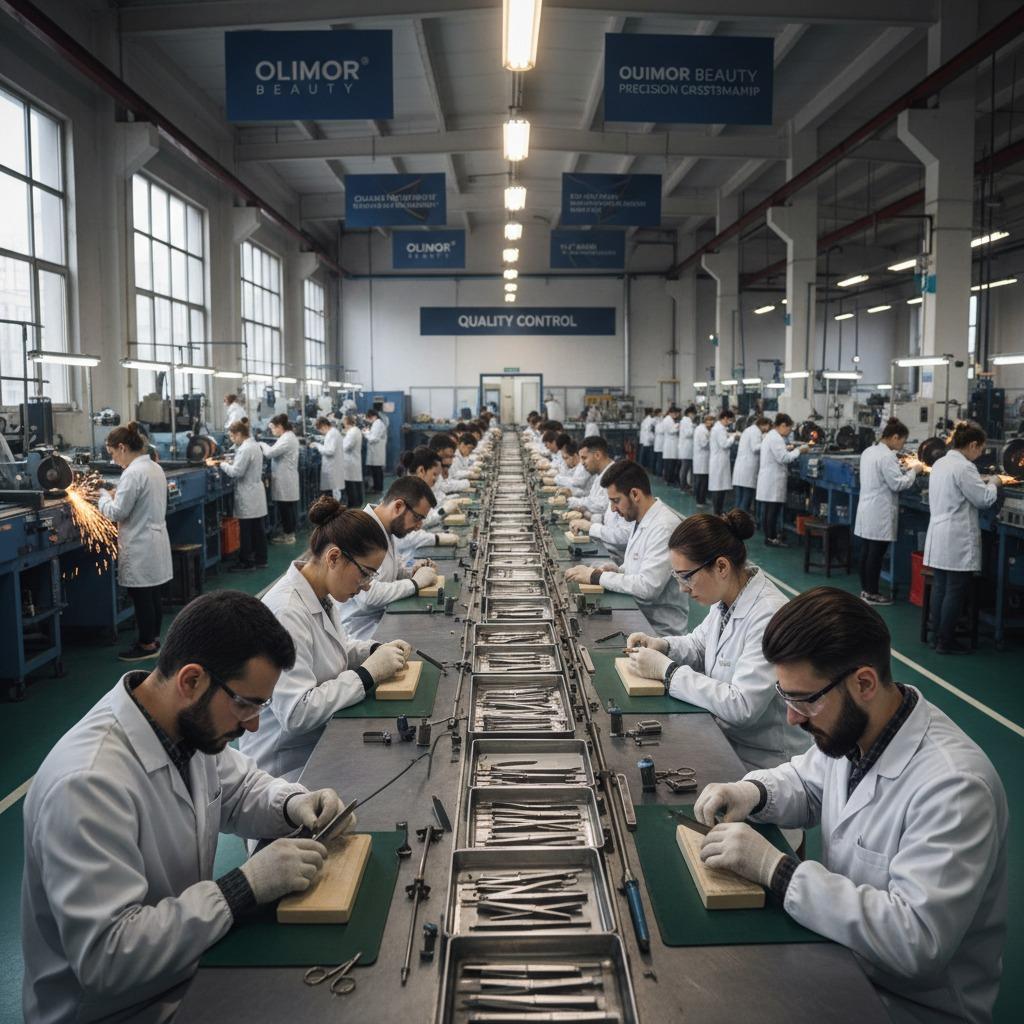
A reliable nail clipper supplier should be able to discuss quality control in a way that is specific to the product. Olimor Beauty’s nail clipper ODM process includes quality checks from raw materials to final packaging. For buyers, this matters because problems can happen at many stages: material selection, forming, sharpening, assembly, surface finishing, cleaning, packaging and carton handling.
In nail clipper production, inspection should not be limited to appearance. A shiny or attractive tool can still fail if the blade edges do not meet correctly. Likewise, a tool that cuts well can disappoint customers if the finish is inconsistent or if the packaging does not protect the product. For private label and ODM buyers, quality control should connect the functional standard with the brand promise.
| Inspection Area | Why It Matters | Buyer Review Point |
|---|---|---|
| Material and body finish | Influences durability, appearance and hand feel | Check stainless steel appearance and matte finish consistency |
| Blade edge and curve | Determines how cleanly the clipper cuts | Test on appropriate sample material and review edge smoothness |
| Assembly and leverage | Affects comfort and force required during use | Open and close repeatedly to assess smooth movement |
| Packaging | Protects the tool and supports retail presentation | Confirm the product is secure, clean and correctly oriented |
How to Evaluate a Reliable Nail Clipper Supplier
Selecting a supplier is not only about receiving a quotation. A strong supplier should help the buyer avoid common sourcing mistakes, such as choosing a finish that looks good in a photo but feels slippery in use, or approving packaging that does not protect the cutting edges. Communication is also important. The buyer should be able to discuss intended positioning, customization priorities and inspection expectations in clear terms.
When comparing suppliers, pay attention to sample quality and the consistency between samples. One good sample is useful, but the bigger question is whether the supplier can repeat the same standard in production. Look at the blade alignment, finish uniformity, lever movement and packaging cleanliness across multiple pieces. For ODM projects, also consider how clearly the supplier explains available customization options and any limitations.
Olimor Beauty positions its nail clipper ODM service around precision, durability and practical customization. The product’s stainless steel body, matte finish, sharp curved blades and ergonomic handling are all relevant to buyers who want a beauty tool that feels dependable in everyday grooming routines.
Planning Your Nail Clipper ODM Project
A successful nail clipper project starts with a defined product direction. Buyers should decide whether the tool is a standalone retail item, part of a grooming kit, a promotional beauty accessory or a private label addition to an existing personal care line. That decision will influence the level of customization, packaging structure and quality expectations.
It is also helpful to prepare reference points for the desired user experience. Do you want a compact clipper for portability, a more substantial feel for home use, or a clean matte look for modern retail packaging? These choices help convert a general ODM inquiry into a product that can be evaluated clearly.
For buyers ready to discuss a nail clipper ODM project, Olimor Beauty can review product direction, customization needs and packaging considerations. You can send an inquiry with your target market and product requirements, or contact Olimor for guidance on building a practical custom made nail clipper for your brand.
A well-made nail clipper does not need exaggerated claims. It needs clean cutting, comfortable handling, consistent finishing and packaging that supports the way the product will be sold. By focusing on these details early, beauty brands can create a nail tool that customers use regularly and trust over time.
Tag: