Nail Clipper ODM Supplier Guide for Custom Grooming Brands
For beauty, grooming and personal care brands, a nail clipper may look simple at first glance, but buyers know that small tools can create big differences in customer satisfaction. A clipper that cuts cleanly, feels balanced in the hand and stays presentable in a retail display is far easier to sell than a generic item selected only by price. That is why many brands look for nail clipper ODM support: they want a ready manufacturing foundation with room to customize the design, finish, packaging and market positioning.
Olimor Beauty works with beauty-tool buyers who need practical, custom made nail clipper solutions for retail, travel kits, grooming sets, promotional assortments and private label programs. This guide explains how to think through ODM selection, what to review before production, and how to build a nail clipper that is reliable enough for daily use while still fitting your brand’s visual identity.
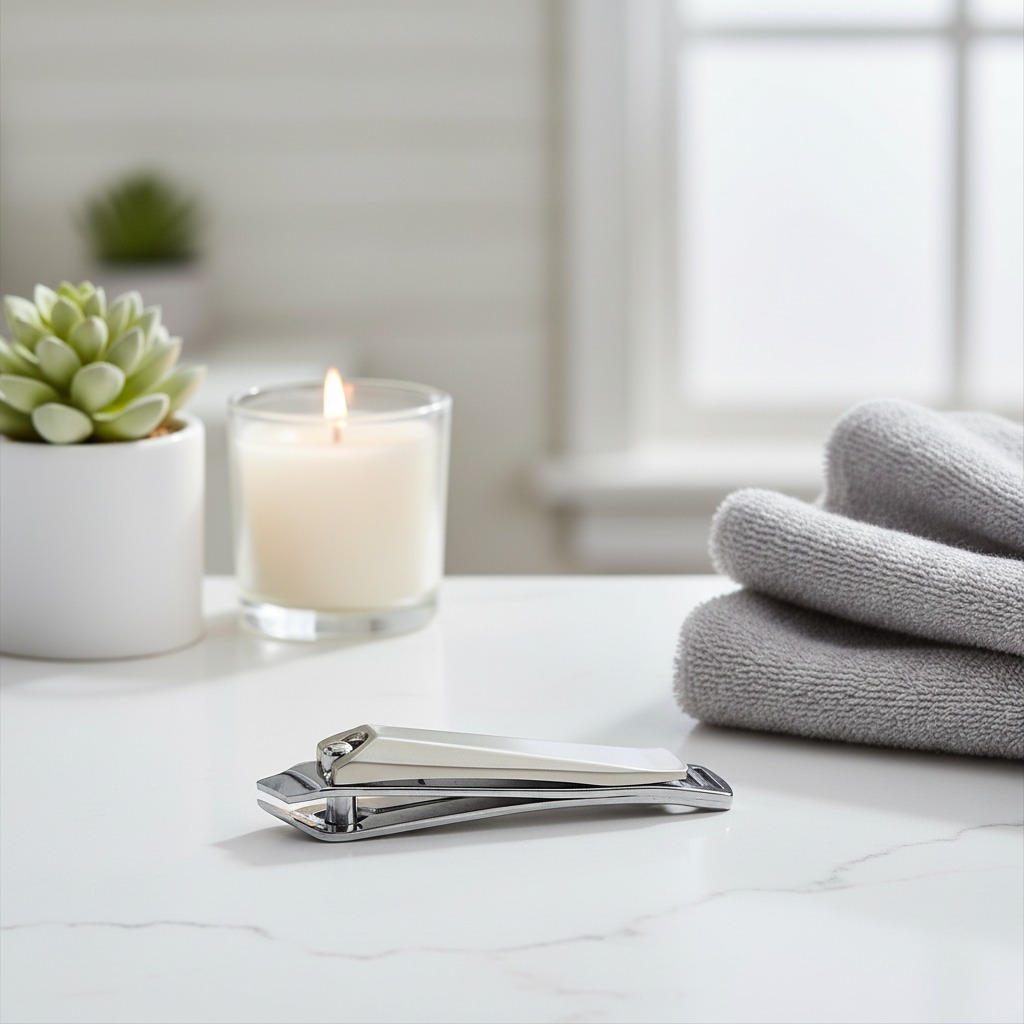
What Nail Clipper ODM Means for Beauty Tool Buyers
ODM stands for original design manufacturing. In a nail clipper ODM project, the supplier provides manufacturing experience, existing product-development knowledge and production capability, while the buyer defines the market direction. This can include decisions about appearance, comfort, packaging style and assortment planning. Compared with developing a clipper from a blank drawing, ODM can help buyers move with clearer technical guidance and fewer unknowns.
For a beauty brand, the goal is not simply to place a logo on a metal tool. The better question is: what job should this nail clipper perform for the end user? A compact clipper may suit travel kits and convenience retail. A sleek metallic finish may fit a minimalist grooming line. An ergonomic shape can be important for daily home use, especially when customers expect better control and less hand strain. These choices should be considered early, because they influence tooling, inspection points, package size and final presentation.
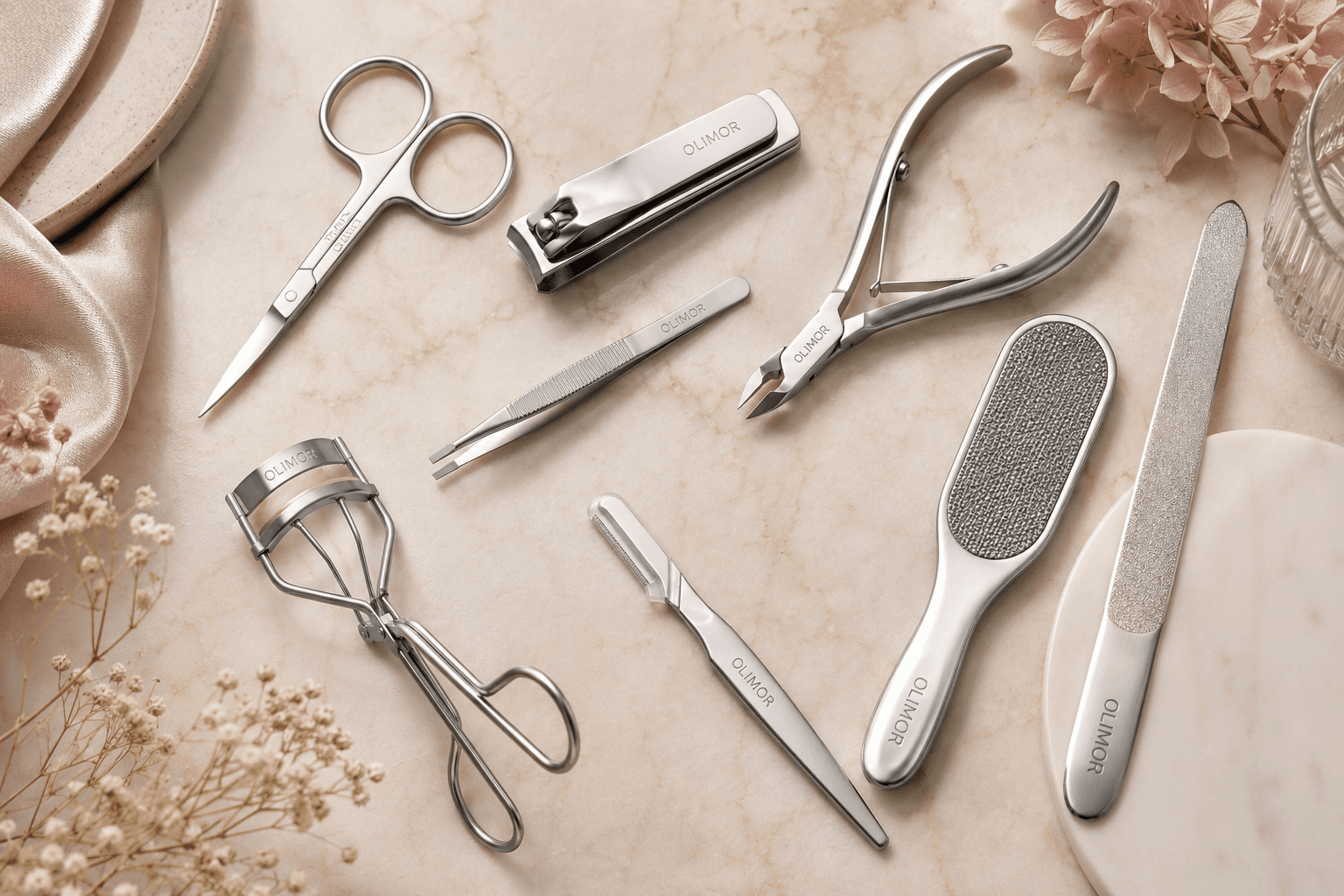
If you are reviewing broader beauty-tool opportunities, you can compare nail clippers with other beauty tool products to decide whether the item should be sold alone, included in a set, or developed as part of a coordinated product family.
Key Decisions Before Customizing a Nail Clipper
A custom made nail clipper program should begin with a clear product brief. The brief does not need to be complicated, but it should define the audience, the sales channel and the functional expectations. A clipper designed for a budget travel pack may have a different target than one positioned for an upgraded grooming display or salon-adjacent retail line.
Useful selection criteria include:
- End user: Is the clipper for everyday home grooming, travel use, gift sets, men’s grooming, beauty retail or professional-style kits?
- Size and portability: Compact designs can be convenient for handbags, toiletry pouches and travel assortments, while larger formats may feel more stable for home use.
- Grip and handling: Ergonomic design matters because the user expects controlled pressure and a clean cut without uncomfortable force.
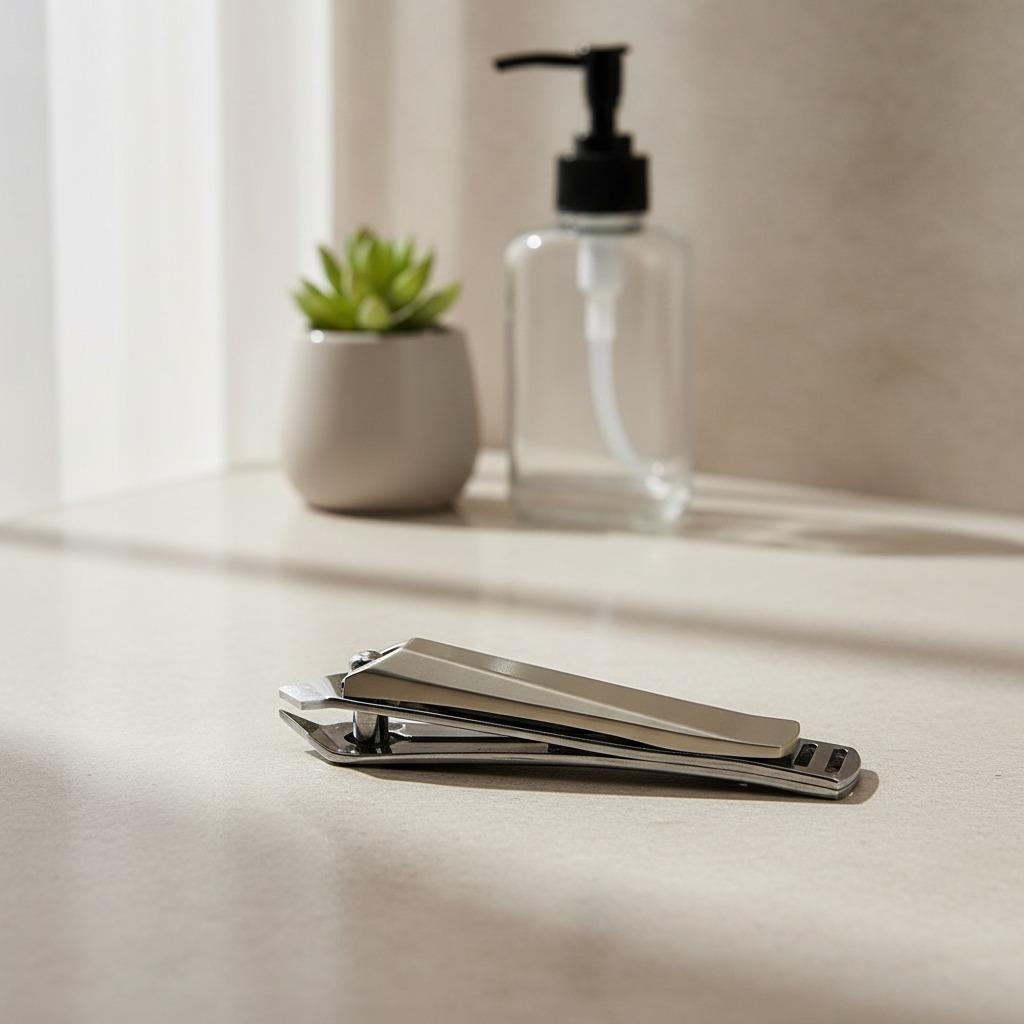
- Material direction: The original product direction highlights stainless steel, which is commonly chosen for durability, a clean metallic look and grooming-tool familiarity.
- Finish and appearance: A sleek metallic finish can support a modern, minimalist presentation, but the surface should also be suitable for regular handling.
- Packaging role: Retail cards, boxes, travel pouches or set packaging should be selected according to where and how the product will be sold.
- Branding placement: Logo size and placement should not interfere with comfort, surface appearance or product function.
Clarifying these points helps prevent a common sourcing problem: approving a sample that looks acceptable on its own, only to discover later that it does not fit the merchandising plan, the package footprint or the customer’s expected use case.
Design Details That Affect Daily Performance
Customers judge a nail clipper quickly. If the tool feels flimsy, slips during use or leaves an uneven edge, the buyer’s brand takes the blame. For that reason, custom design discussions should always connect appearance with performance. A good nail clipper needs a stable lever action, comfortable handling and cutting edges that align properly. The user should be able to trim with controlled pressure rather than excessive force.
Ergonomics are especially important because a clipper is a small tool operated by leverage. Even subtle changes in shape, surface contact and lever feel can influence comfort. A brand may want a cleaner, flatter profile for a minimalist look, but the tool still needs enough grip and control for safe trimming. Similarly, a travel-friendly clipper should be compact without becoming awkward to hold.
Visual design also affects perceived value. A stainless steel nail clipper with a neat metallic finish can communicate cleanliness and durability, but finish consistency should be reviewed under normal retail lighting, not only in close-up sample photos. Edges, joints, logo placement and package presentation all contribute to the final impression. The most successful ODM projects balance brand style with practical user comfort.
Quality Control Points for a Reliable Nail Clipper Supplier
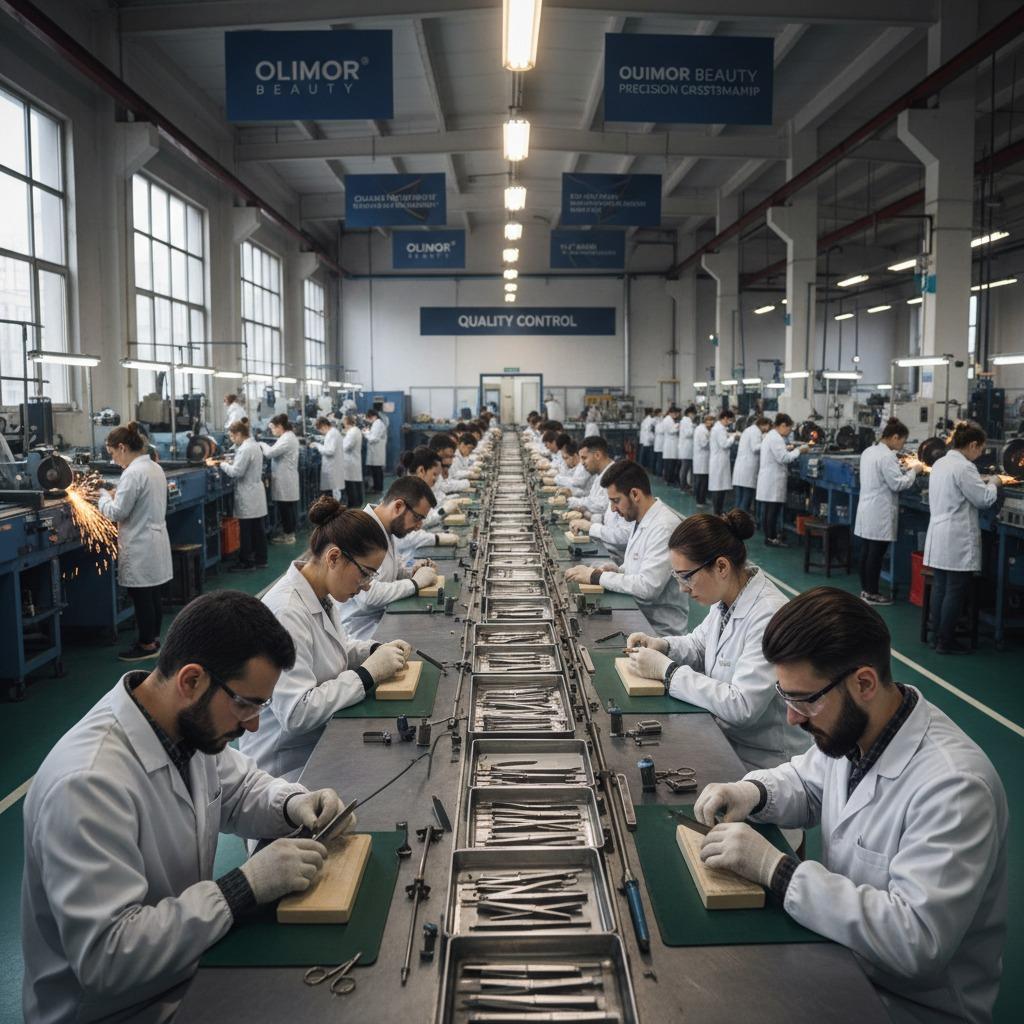
Choosing a reliable nail clipper supplier means looking beyond a product photo. Quality control should cover raw material selection, forming, surface finish, assembly, operation and final packing. Olimor Beauty emphasizes internal quality control throughout production, which is important because small beauty tools can show problems only after repeated handling or closer inspection.
The following checklist can help buyers review samples and pre-shipment expectations in a structured way:
- Cutting alignment: Check that the cutting edges meet evenly and do not twist or leave visible gaps.
- Lever movement: Open and close the clipper multiple times to feel whether movement is smooth, stable and consistent.
- Comfort in hand: Test the clipper with different hand positions to confirm that the shape is not awkward or sharp at contact points.
- Surface finish: Inspect the metallic finish for scratches, uneven polishing, discoloration or marks that would be noticeable at retail.
- Edge safety: Review non-cutting edges and corners so the product feels finished and comfortable to handle.
- Branding clarity: Confirm that any logo or decorative marking is legible, correctly positioned and consistent across samples.
- Packaging fit: Make sure the clipper sits securely in its package and does not move in a way that could damage the finish.
- Carton readiness: Consider how units will be protected during transportation and warehouse handling.
This approach is useful whether you are ordering a simple clipper or building a larger grooming assortment. Consistent inspection language also makes communication with the supplier clearer and reduces ambiguity during approval.
How to Plan Packaging and Brand Presentation
Packaging should support the product’s position. A compact nail clipper intended for travel may need packaging that communicates portability and convenience. A grooming gift set may require a more coordinated presentation. A retail peg display may prioritize visibility, barcode placement and clear product information. Packaging is not only decorative; it protects the product, explains its use and helps customers understand why this clipper belongs in their routine.
Before finalizing packaging, think through the sales environment. Will the clipper be displayed online, in a beauty aisle, in a travel section or inside a kit? Online listings rely heavily on photography and concise copy, so the clipper’s finish and shape should photograph clearly. Offline retail may require stronger front-panel communication and packaging that allows customers to recognize the tool quickly.
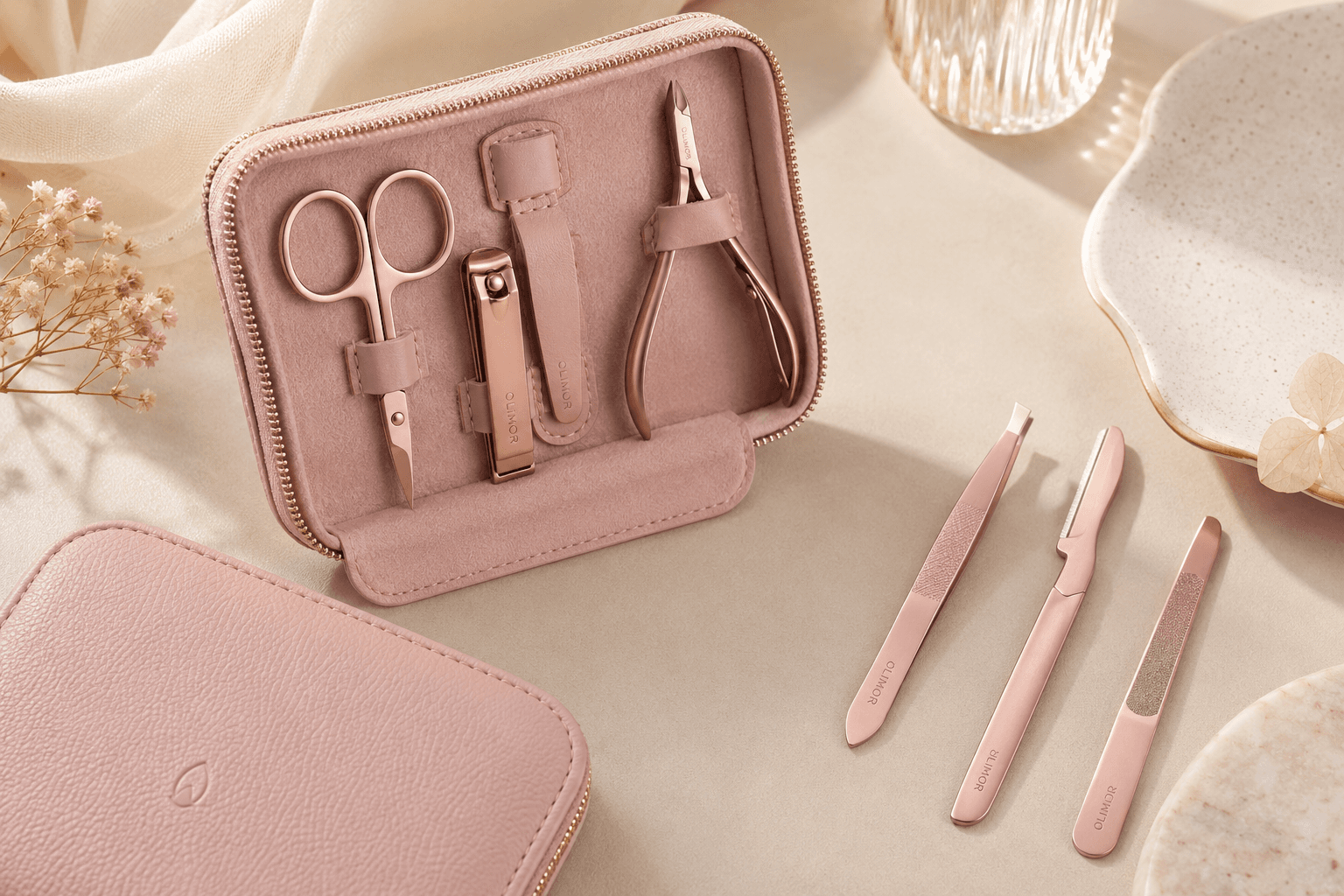
Brands developing related items can browse Olimor product collections for assortment planning ideas. A nail clipper may pair naturally with tweezers, manicure tools, travel grooming accessories or other personal care items, depending on the customer profile and price tier.
Supplier Questions That Lead to Better ODM Outcomes
A productive ODM conversation is specific. Instead of asking only for a catalogue and price, buyers should describe the market goal and then review whether the supplier can support the required product direction. This does not require disclosing every commercial detail, but it does help to share the intended channel, approximate product positioning and any design requirements that are already fixed.
Consider preparing answers to these questions before contacting a supplier:
- Is the nail clipper a standalone product, part of a kit or part of a wider beauty-tool launch?
- Should the final look be minimalist, practical, travel-oriented or giftable?
- Are there preferred package formats or retail display constraints?
- What surface appearance and logo style are appropriate for the brand?
- Which sample review criteria will determine approval?
- Are there market-specific labeling or packaging requirements the buyer must provide?
These questions help both sides focus on manufacturable details. They also reduce the risk of choosing a clipper based only on a first impression, without considering how it will perform in the customer’s hand or survive the retail supply chain.
When a Custom Made Nail Clipper Is the Right Choice
A custom made nail clipper is a smart choice when a brand needs more than a generic grooming accessory. It may be the right direction if you want a consistent look across multiple beauty tools, need packaging that matches your retail strategy, or want to position the product for a specific audience such as travelers, daily grooming users or personal care gift buyers.
ODM is also useful when you want experienced manufacturing input during development. A supplier familiar with nail clipper production can help identify practical limitations, sample review points and quality concerns before they become costly. The key is to approach customization with clear priorities: user comfort, cutting performance, reliable assembly, appropriate finish and packaging that supports the sales channel.
Olimor Beauty provides nail clipper ODM support for buyers seeking custom made grooming tools with practical design direction and consistent quality control. To discuss a project, compare options or prepare a product brief, you can contact Olimor or send an inquiry with your target market, desired presentation and customization needs.
Building a Nail Clipper Program With Long-Term Value
The best nail clipper ODM projects are not built around shortcuts. They start with a clear understanding of the end user, continue through careful sample review and finish with packaging that protects and presents the tool properly. Stainless steel construction, ergonomic design, a sleek metallic appearance and thorough inspection can all contribute to a product that feels dependable in everyday use.
For beauty brands, the opportunity is to turn a familiar grooming tool into a well-considered product that customers trust. By working with a reliable nail clipper supplier and defining the right customization details early, your brand can create a practical item that fits your assortment, supports your visual identity and performs the simple job customers expect: a clean, comfortable trim whenever they need it.
Tag: