Nail Clipper for Retailers: Supplier Insights for Better Buying Decisions
For retailers, resellers and grooming product buyers, a nail clipper is not just a small accessory. It is a frequently purchased personal care tool that has to feel reliable the first time a customer uses it. A clipper that cuts cleanly, sits well in the hand and looks appropriate for the selling channel can support repeat sales. A weak clipper, even if inexpensive, can lead to returns, poor reviews and pressure on customer service teams.
This guide focuses on how to evaluate a nail clipper for retailers and resellers, especially when comparing local sourcing with nail clipper export from China. It also explains what buyers should check before adding a stainless steel clipper to a store, online catalogue, salon retail corner or distributor assortment.
Retailer Needs Are Not the Same as Reseller Needs
A nail clipper for retailers usually has to succeed in a physical shopping environment. The customer may compare it with other grooming tools on a shelf, examine the packaging and make a quick decision based on appearance, perceived durability and price. For this channel, the product needs to communicate value immediately. Clean finishing, a simple product story and dependable packaging matter because the clipper may be displayed alongside nail files, tweezers, scissors and other beauty accessories.
A nail clipper for resellers often has a different job. Online marketplaces, small distributors and multi-item personal care sellers usually need products that are easy to list, easy to pack and consistent from batch to batch. The customer cannot handle the item before purchase, so product photography, dimensions and clear feature descriptions become more important. Packaging may need to protect the clipper in transit while staying efficient for shipping.
For both channels, buyers should avoid judging only by unit cost. A slightly cheaper clipper that arrives with uneven tension, dull blade edges or inconsistent polishing may cost more over time through returns and lost confidence. A practical sourcing decision should balance price, usability, finish, packaging and supplier reliability.
What to Check in a Retail-Ready Nail Clipper
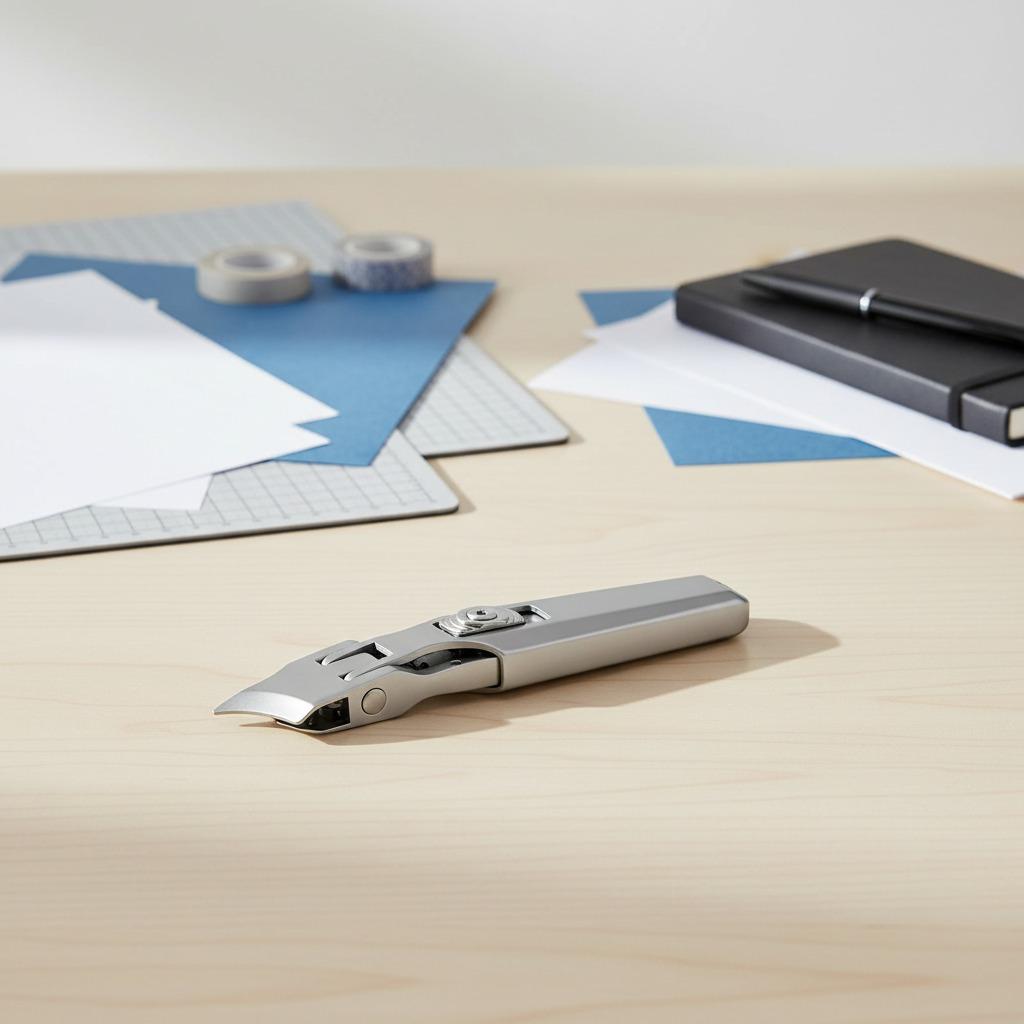
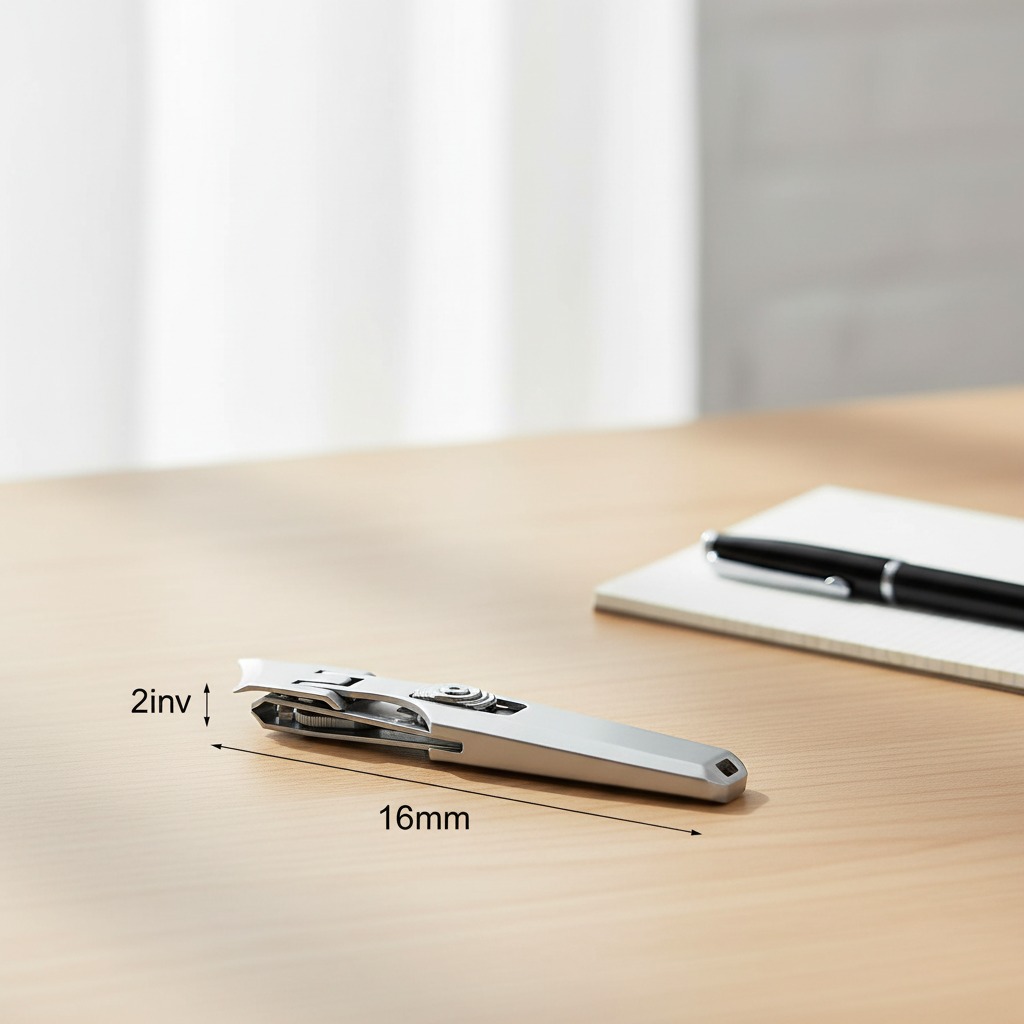
The supplied Olimor Beauty nail clipper is described as a stainless steel grooming tool with a 99 mm length and 49 g weight. It features sharp, curved blades and a built-in file. These details are useful because they help buyers position the item accurately. A 99 mm clipper is substantial enough for many everyday grooming uses, while the built-in file adds a second function without requiring a separate tool in the pack.
When reviewing a nail clipper for a retail or reseller assortment, use a structured checklist rather than relying on appearance alone:
- Cutting performance: The blades should meet evenly and cut cleanly without crushing or tearing the nail edge.
- Blade shape: Curved blades are commonly chosen for natural nail shaping and everyday grooming.
- Hand feel: The lever should be comfortable to press and should not feel loose, rough or unstable.
- Material and finish: Stainless steel is valued for a clean look and practical durability. Check for burrs, scratches and inconsistent polishing.
- Built-in function: A file can improve retail value when it is integrated neatly and does not interfere with clipping.
- Packaging compatibility: The clipper should fit the planned display format, whether blister card, box, pouch or e-commerce protective pack.
- Batch consistency: Dimensions, weight, finish and mechanical feel should remain stable across production lots.
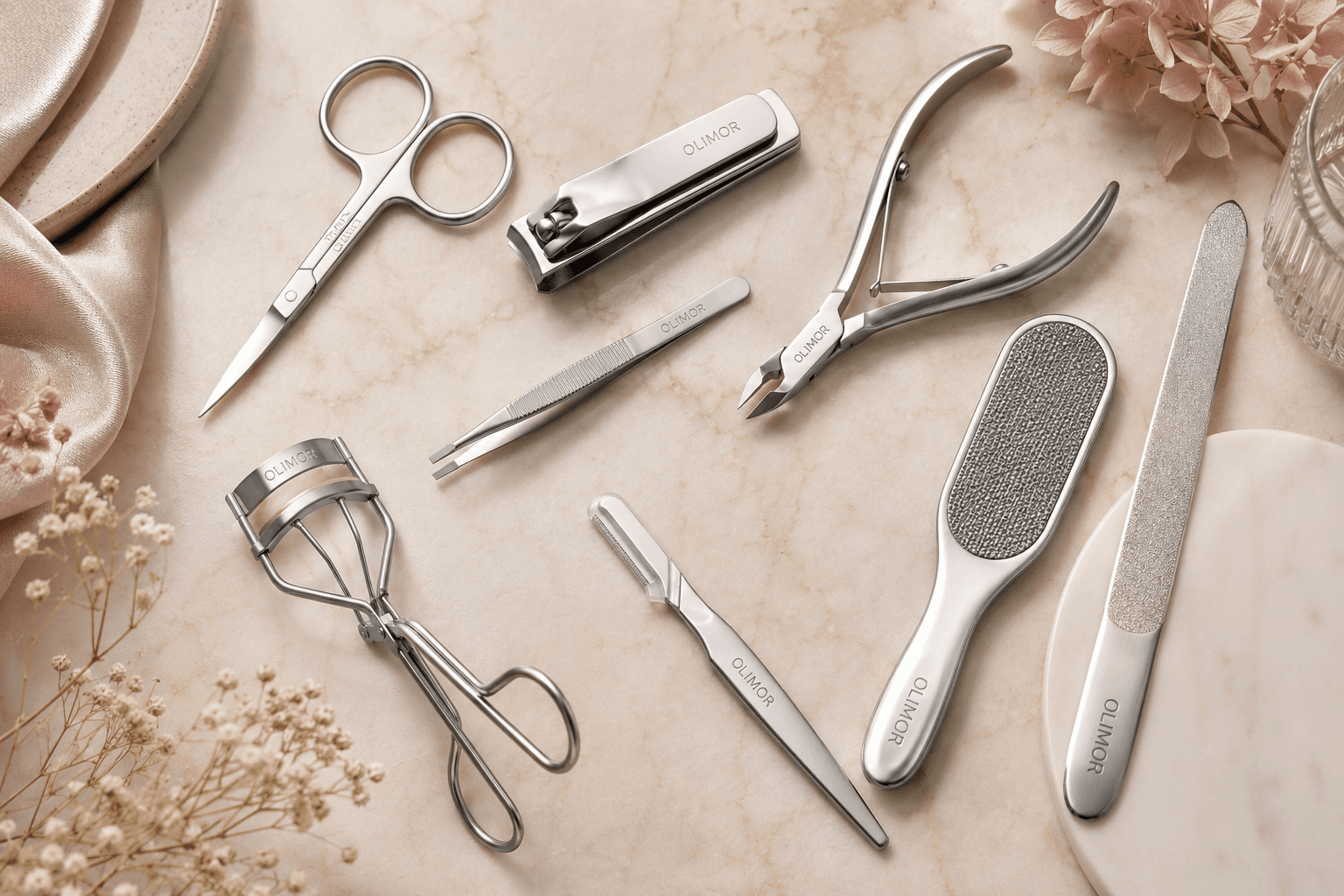
Retail buyers can explore related beauty tool products to compare nail clippers with complementary grooming tools. Viewing a broader range helps define whether the clipper should be sold as a standalone item, part of a manicure set or an add-on product near checkout.
China Export Sourcing Versus Local Sourcing
Nail clipper export from China is attractive to many retailers because China has a mature beauty tool manufacturing and component supply ecosystem. For buyers who need scalable production and repeat orders, export sourcing can provide access to larger manufacturing networks and more flexible assortment planning than some local options.
Local sourcing may still be useful in certain cases. If a retailer needs a very small trial quantity, urgent replenishment or market-specific packaging support, a domestic supplier or distributor may reduce coordination time. However, local sourcing can also bring higher costs, fewer manufacturing options and limited control over the original production source.
The best choice depends on the buyer’s business model. A chain retailer planning a stable grooming accessories program may value direct export sourcing because it supports product consistency and long-term planning. A small reseller testing demand may begin with smaller lots and then move toward direct sourcing after sales data proves the item’s potential.
When comparing sourcing routes, buyers should evaluate the full landed cost, not only the quoted product price. Packaging, inland transport, export documentation, freight, import duties, inspection and potential delays all affect the final margin. A well-organized supplier can help make these variables easier to manage, but the buyer should still maintain a clear purchasing checklist.
Quality Control Questions Buyers Should Answer Early
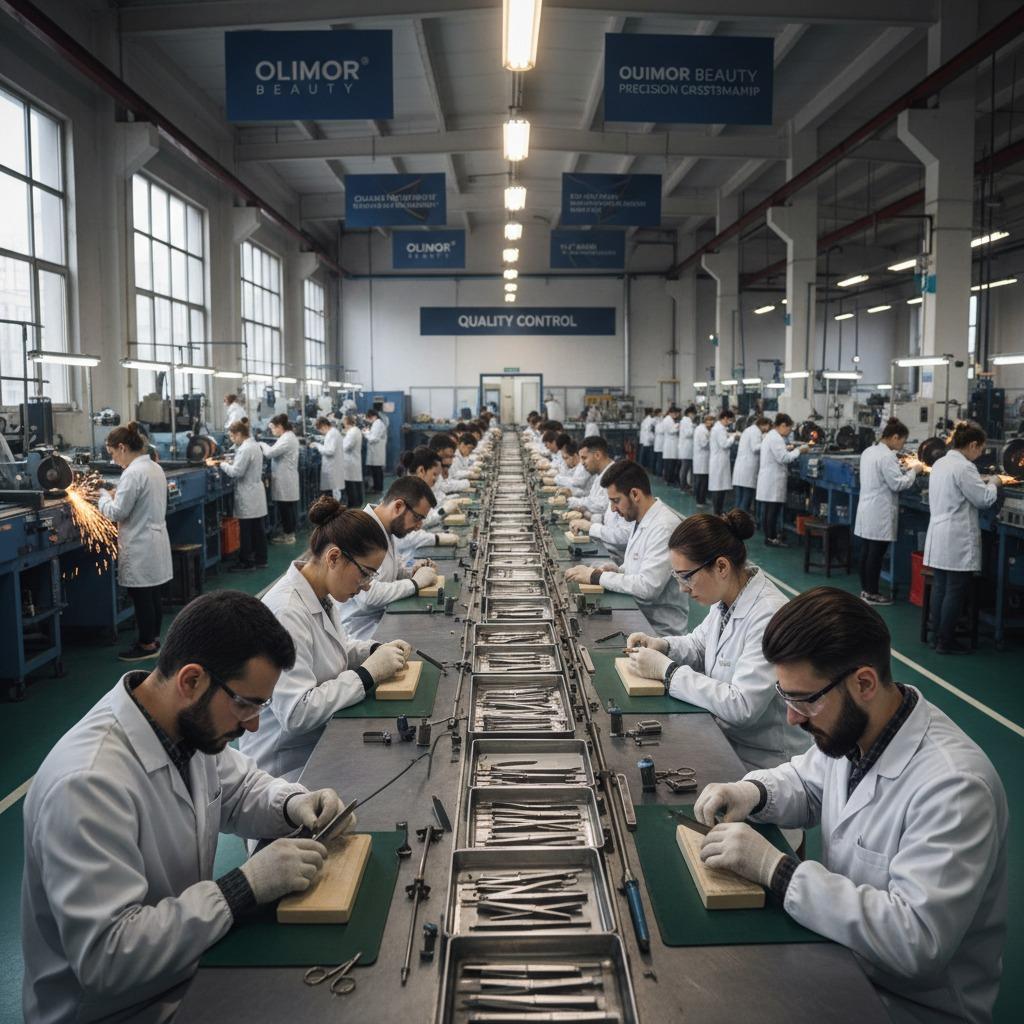
For a simple tool, a nail clipper has several points where quality can vary. A retail customer notices problems immediately: the clipper either cuts cleanly or it does not. Before confirming a purchase, buyers should define what “acceptable quality” means for their channel.
- How should the clipper cut? Define expectations for clean cutting, blade alignment and pressure needed to operate the lever.
- What finish level is suitable? A premium retail shelf may require smoother polishing and more careful visual inspection than a low-price bulk channel.
- How will the file be assessed? If the clipper includes a built-in file, confirm that it is usable, safely finished and positioned correctly.
- What packaging tests are relevant? E-commerce packaging may need more drop and scuff resistance than peg-hook retail packaging.
- How will incoming goods be checked? Decide whether inspection will focus on appearance, quantity, function, packaging or all of these points.
Olimor Beauty’s product description emphasizes stainless steel construction, ergonomic design, sharp curved blades and a built-in file. For retailers, those features should be translated into inspection points: blade sharpness, lever comfort, finish consistency and secure packaging. Clear acceptance criteria reduce disputes and help both buyer and supplier align before production or shipment.
Packaging and Merchandising Decisions
Packaging is one of the most important differences between a nail clipper intended for retail shelves and one intended for reseller distribution. Physical retailers need packaging that communicates quickly. Customers should be able to understand the product type, size, function and hygiene expectations without reading a long description.
Resellers may care more about shipping efficiency and online presentation. A package that looks excellent on a pegboard may be too bulky for e-commerce fulfillment. Conversely, a compact e-commerce pack may not stand out in a store. Buyers should decide where the product will sell before finalizing packaging.
| Sales channel | Packaging priority | Buyer consideration |
|---|---|---|
| Retail store | Visual display and product protection | Check hang hole, barcode area, visibility and shelf impact. |
| Online reseller | Shipping protection and listing clarity | Confirm dimensions, weight, product photos and damage resistance. |
| Salon or spa retail | Clean presentation and professional feel | Match the clipper with other grooming tools and hygiene expectations. |
| Distributor assortment | Consistency and easy handling | Standardize cartons, labels and reorder information. |
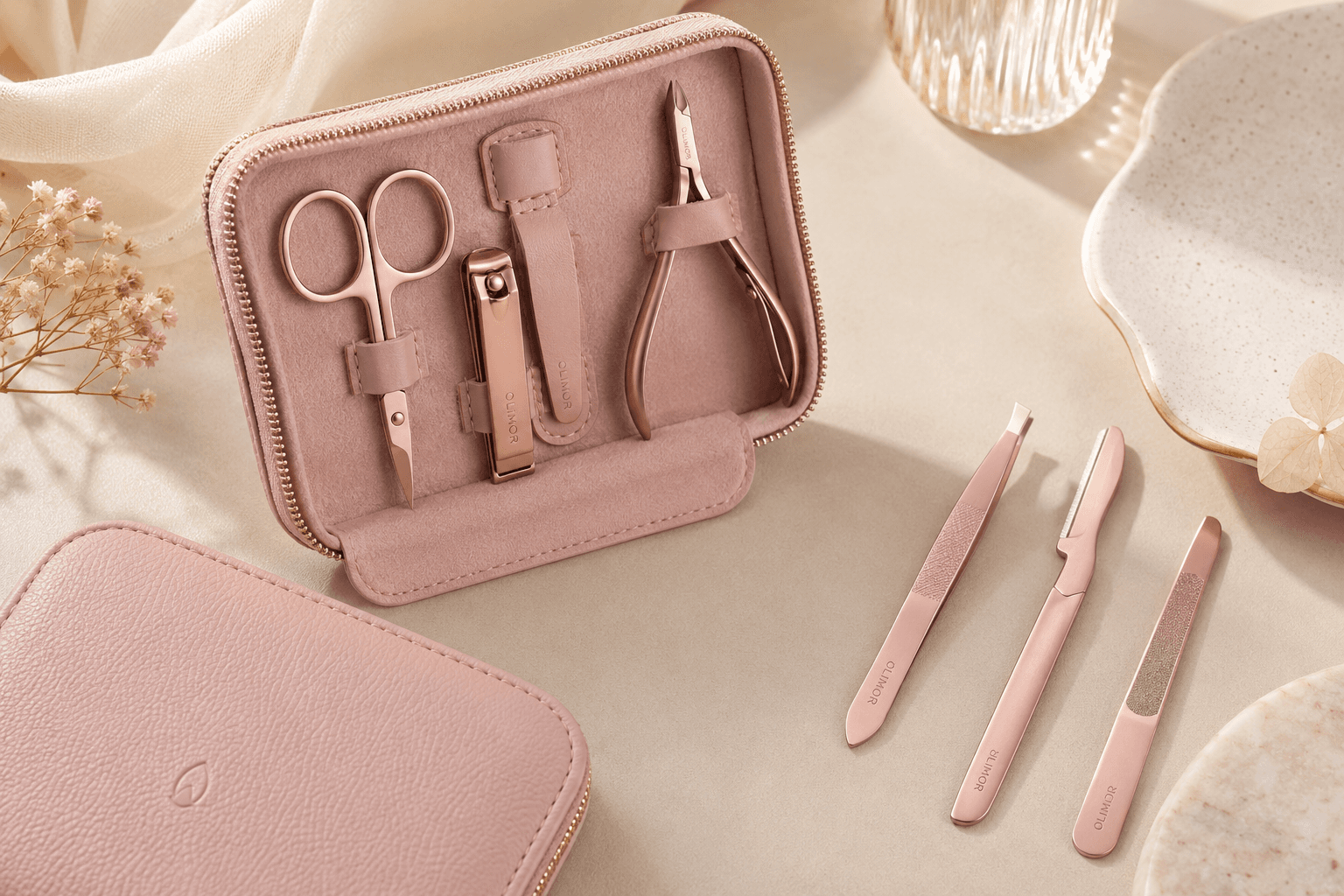
Buyers building a coordinated grooming line can also review Olimor product collections to understand how nail clippers may sit beside other beauty tools. Assortment planning is easier when products share a consistent quality level and retail logic.
How Retailers Can Position a 99 mm Stainless Steel Clipper
The 99 mm, 49 g stainless steel nail clipper described in the product information can be positioned as a practical everyday grooming tool. Its curved blades support natural nail trimming, while the built-in file adds convenience for customers who want a compact solution. The stainless steel appearance also suits minimalist personal care displays and professional-looking grooming sections.
For retailers, positioning should be specific rather than inflated. Instead of making broad claims, explain the features customers can verify: stainless steel body, curved cutting edge, built-in file, 99 mm size and comfortable handling. These details help customers choose the right product and reduce mismatch between expectation and use.
For resellers, clear listing content is essential. Include the dimensions and weight, describe the blade type and show the built-in file in product images if available. If the product is sold in multipacks or as part of a grooming kit, keep the description consistent so customers know exactly what they will receive.
Supplier Evaluation for Long-Term Retail Programs
A nail clipper global supplier should do more than provide a low quote. Retailers need stable communication, repeatable production and a clear understanding of how the product will be sold. When evaluating a supplier, buyers should look at how the supplier handles product details, packaging discussions, inspection expectations and reorder planning.
Useful supplier evaluation points include production consistency, responsiveness to technical questions, ability to support packaging requirements and willingness to clarify product information before an order is placed. It is also helpful to confirm how product photos, carton labels and item descriptions will be handled, especially for resellers managing multiple online listings.
If your business is comparing sourcing options or preparing a new grooming accessories program, you can contact Olimor to discuss general product direction or send an inquiry with your intended channel, packaging needs and target assortment. Providing clear information at the beginning leads to more useful recommendations.
Final Buying Takeaways
A successful nail clipper program depends on more than selecting a low-cost item. Retailers need a clipper that looks appropriate on the shelf, performs reliably and matches the expectations of their customers. Resellers need consistent product information, efficient packaging and dependable repeat supply. For both groups, the core evaluation points remain the same: cutting performance, material, finish, ergonomics, packaging and supplier communication.
The Olimor Beauty stainless steel nail clipper described here offers practical features for retail and reseller channels, including a 99 mm length, 49 g weight, curved blades and a built-in file. By pairing those features with careful sourcing checks, buyers can build a grooming tool offering that is easier to sell, easier to replenish and better aligned with customer expectations.
Tag: