Nail Clipper for Distributors: Export and Distribution Guide
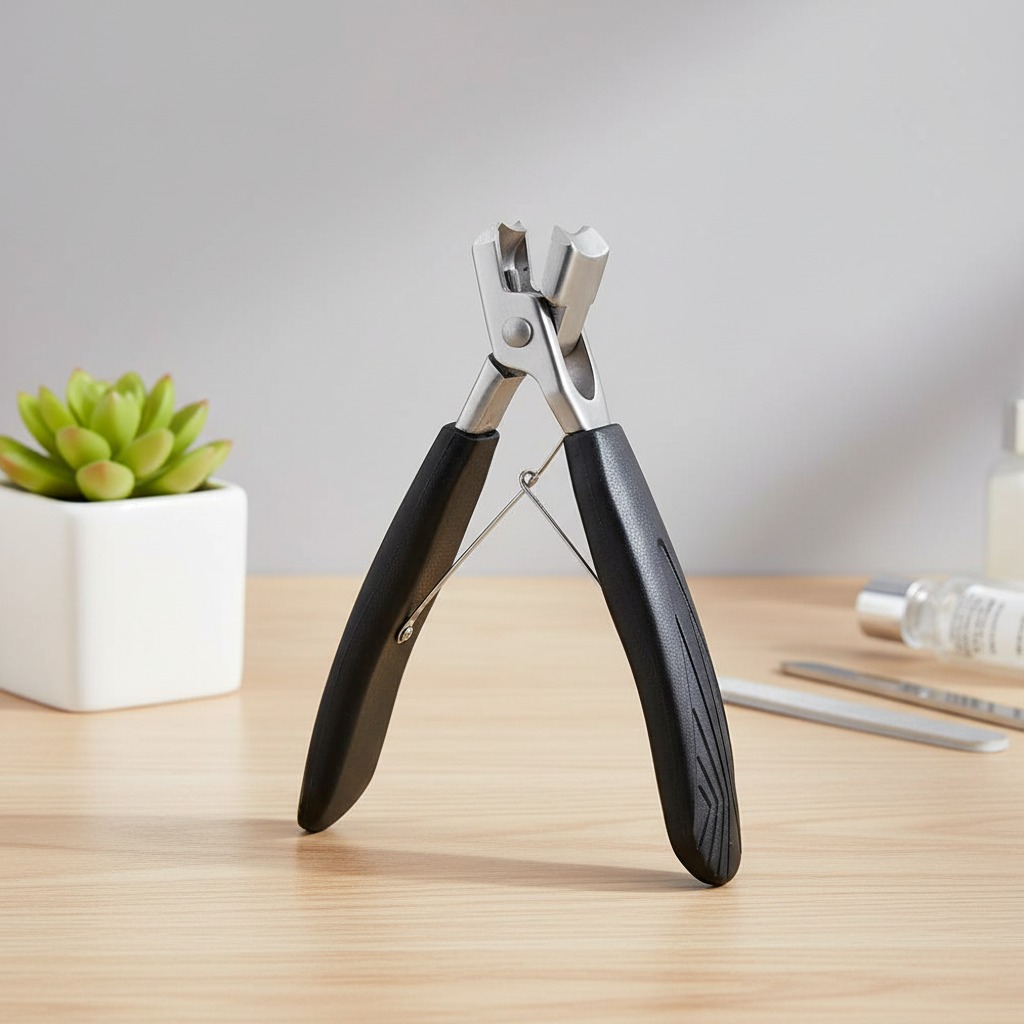
For distributors, a nail clipper is not just a small grooming accessory. It is a repeatable, compact, easy-to-merchandise product that can serve pet shops, grooming salons, online stores and mixed household goods channels. The right choice depends on more than unit cost. Buyers need to compare cutting performance, grip comfort, inspection standards, packaging options, export readiness and how well the product fits the end user’s grooming habits.
This guide focuses on sourcing a pet nail clipper for distribution from China, especially for buyers who supply retailers, resellers and professional grooming channels. Olimor Beauty offers grooming tools including a Professional Pet Nail Clipper with stainless steel blades and ergonomic handles. The supplied product information also notes a lightweight 94 mm model weighing 30 grams, making it suitable for buyers who want a compact tool that can be positioned for everyday pet nail care.
Define the Channel Before Choosing the Clipper
Distributors often make the mistake of selecting a nail clipper only by appearance or purchase price. A better starting point is the sales channel. A product that works well for a pet grooming salon may need different packaging, instructions and promotional emphasis than one sold through a supermarket, marketplace listing or independent pet boutique.
For retailers, shelf appeal and simple consumer messaging matter. Packaging should help shoppers understand the use case quickly: pet nail trimming, comfortable grip, clean cutting and safe handling. For online resellers, product photos, dimensions and clear usage descriptions are more important because customers cannot hold the tool before purchase. For grooming professionals, cutting feel, blade alignment and handle control are usually more persuasive than decorative features.
Before confirming an order, map your target customers into groups. A distributor serving value retailers may prioritize a durable basic clipper with efficient packaging. A distributor selling into pet salons may need a more professional presentation and stricter sample testing. If you carry multiple grooming tools, consider placing nail clippers alongside combs, brushes and other beauty tool products so buyers can build a complete pet care assortment.
Product Features That Matter in Pet Nail Clippers
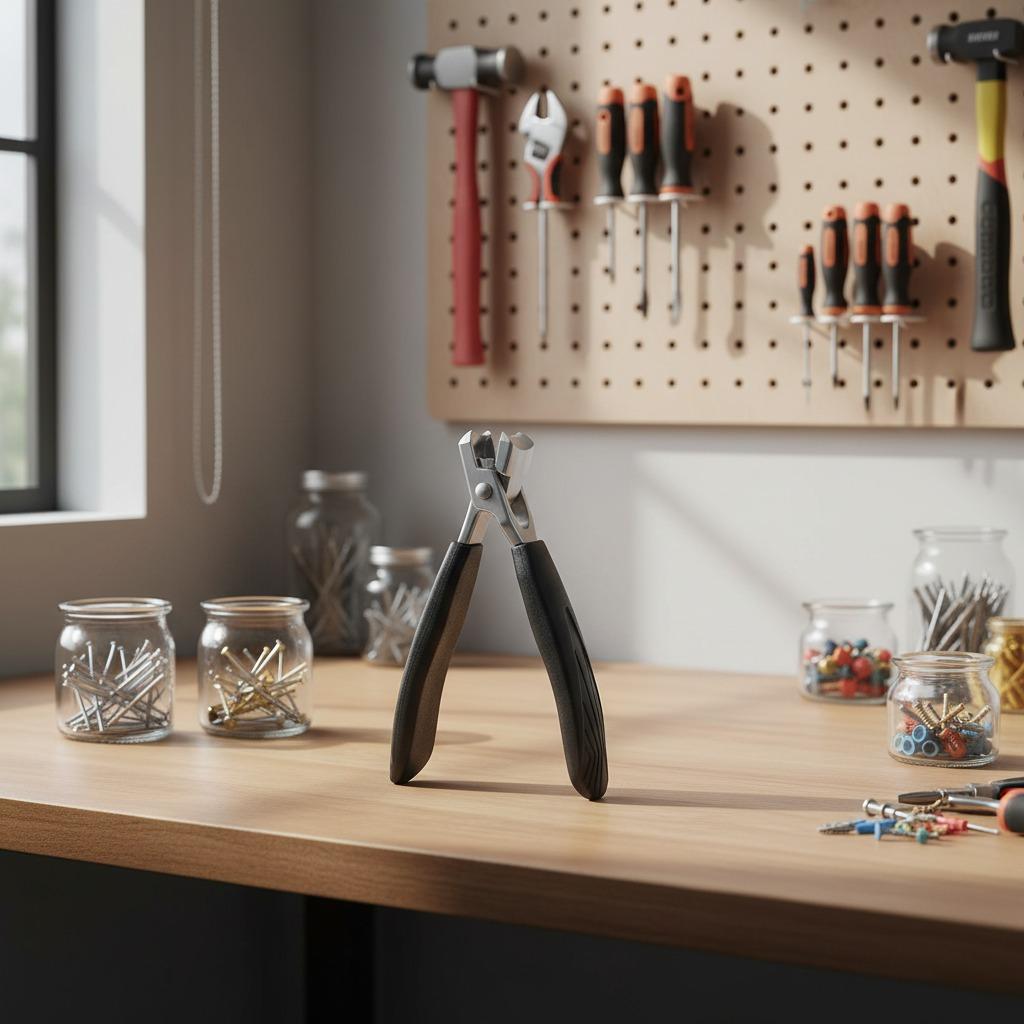
Pet owners and groomers care about control because trimming nails can be stressful for the animal and the user. The original product details describe stainless steel blades and ergonomic handles, both of which are important selection points. Stainless steel blades are commonly valued because they support clean cutting performance and are suitable for a grooming tool that may be used repeatedly. Ergonomic handles help the user maintain a stable grip, especially when trimming small claws or working with a moving pet.
The 94 mm length and 30 gram weight mentioned in the product information suggest a compact, lightweight format. This can be useful for retailers targeting home users, travel grooming kits or small-pet owners. However, distributors should still test whether the tool matches the pet sizes and nail thicknesses most common in their market. A clipper that is comfortable for small dogs or cats may not be ideal for very large breeds if the jaw opening or leverage does not suit thicker nails.
- Blade alignment: The two cutting edges should meet evenly without visible offset.
- Cutting smoothness: Test on suitable sample materials or approved nail-testing methods to evaluate whether the cut is clean rather than crushed.
- Handle stability: The handle should feel secure and should not twist under normal hand pressure.
- Weight balance: A lightweight clipper should still feel controlled in the hand, not flimsy.
- Surface finish: Edges, joints and plastic parts should be smooth enough for consumer use.
- Instruction clarity: Retail packaging or inserts should make safe use easy to understand.
How to Evaluate Samples Before a Distribution Order
Sample review should be more structured than simply opening a parcel and checking whether the product looks acceptable. Create a written sample evaluation sheet so your team can compare nail clippers from different factories or compare multiple production samples from the same supplier. Consistency is especially important for distributors because a retailer may reject a full shipment if a later batch differs from the approved sample.
Begin with visual inspection. Check the blade, handle, joint, spring action if present, printed text and packaging. Then evaluate function. Open and close the clipper repeatedly to confirm that movement is smooth and that the parts return properly. If the handle has a transparent top or geometric pattern, as described in the original product information, inspect whether the surface is clean, well fitted and comfortable to hold. Decorative or grip elements should support use; they should not create sharp edges or weak points.
It is also helpful to separate tests into distributor-level and retailer-level concerns. Distributor-level checks include carton strength, barcode placement, packing count and shipment labeling. Retailer-level checks include consumer presentation, on-shelf clarity and whether the product description reduces misuse. If you need to discuss product samples, packaging or assortment planning, you can contact Olimor with your channel requirements.
Export and Compliance Questions to Set Early
When sourcing a nail clipper export from China, export planning should begin before price negotiation is complete. The product may be small, but unclear specifications can still create customs delays, labeling issues or rework. Distributors should confirm the product name, material description, intended use, packaging format, carton details and documentation needs for the destination market.
Regulatory expectations vary by country and sales channel. Rather than assuming that one document fits every market, create a checklist for your own import process. This is especially important if you supply chain stores or marketplaces that have their own compliance rules. A neutral checklist can prevent confusion between factory capability, importer responsibility and retailer policy.
| Area to Confirm | Why It Matters for Distributors |
|---|---|
| Product description | Helps align customs declaration, retailer listing and consumer packaging. |
| Material information | Supports accurate product files and internal quality comparisons. |
| Packaging language | Reduces relabeling work when selling into different regions. |
| Carton packing | Affects freight planning, warehouse handling and retailer delivery rules. |
| Inspection standard | Creates a shared basis for accepting or rejecting bulk goods. |
| Market documentation | Helps the importer prepare any required files for the destination country. |
Packaging and Merchandising for Retailers and Resellers
Packaging decisions should be based on how the nail clipper will be sold. A hanging card may work well for pet shops where shoppers browse grooming accessories. A compact box may be better for online sellers that want better protection during parcel shipping. Bulk inner packing may be suitable for distributors that supply salons or grooming service providers.
For retailers, avoid overloading packaging with vague claims. Clear benefit statements are more useful: stainless steel blades, ergonomic handle, compact 94 mm size if that specification applies to the selected model, and intended pet grooming use. If the clipper is positioned for small pets or general household pet care, the packaging and listing should say so accurately. Misleading size claims can create returns, poor reviews and retailer complaints.
For resellers, provide product content that is easy to convert into marketplace listings. This may include a concise title, bullet points, size information, care instructions and safety reminders. A distributor can also create bundles with related grooming items from product collections, but the bundle should make practical sense: for example, nail care plus brushing tools, rather than unrelated accessories placed together only to increase order value.
Quality Control Points for Bulk Orders
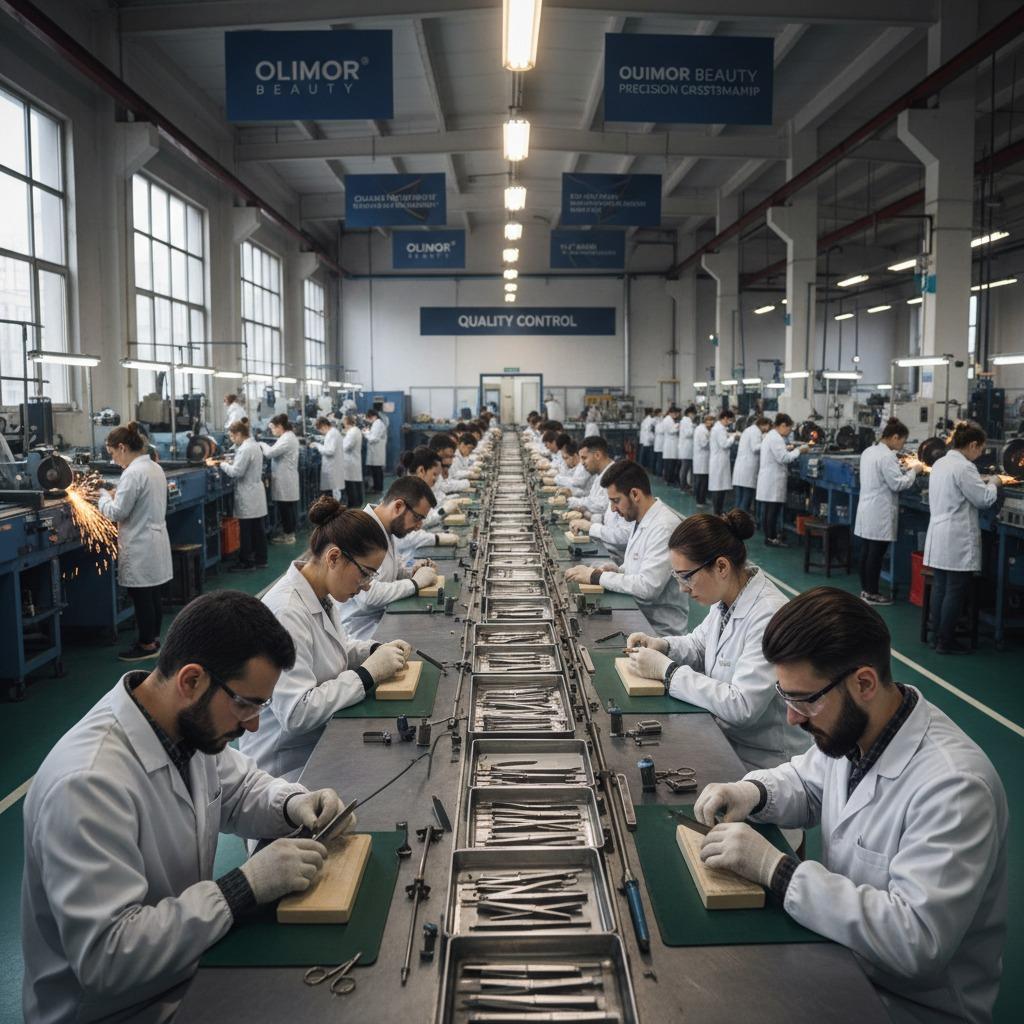
Bulk order inspection should focus on the issues that most often affect customer satisfaction. A pet nail clipper may fail in the market because it cuts poorly, feels uncomfortable, arrives damaged or differs from the approved sample. Building a clear inspection plan helps reduce those risks.
- Approve a reference sample: Keep one signed or clearly identified sample for comparison with production goods.
- Check incoming materials and components: Blade condition, handle finish and joint parts should match the agreed specification.
- Inspect during assembly: Early checks can identify alignment or fitting problems before the full order is completed.
- Perform final random inspection: Review appearance, function, packaging, labeling and carton condition.
- Document nonconformities: Use photos and written notes so decisions are based on evidence, not impressions.
The goal is not to make inspection complicated. The goal is to make acceptance criteria visible. If your market is sensitive to returns, include extra checks for cutting action, handle comfort and packaging damage. If your retailers require barcode accuracy or specific carton labels, place those items directly on the inspection sheet.
Pricing, Terms and Supply Planning Without Guesswork
Distributors need stable supply, but price should be evaluated together with quality level, packing method, order quantity, lead time and after-sales handling. A lower unit price may become expensive if the packaging is weak, the product needs relabeling or the inspection standard is unclear. Compare total landed cost rather than factory price alone.
When planning purchases, estimate demand by channel. Pet grooming items may sell steadily, but promotional seasons, new retailer launches and marketplace campaigns can create sudden spikes. Keep enough buffer for replenishment while avoiding excessive inventory of a single package style. If you serve several markets, consider whether one neutral package can work across them or whether each region needs local language and retailer-specific labeling.
For quotations or product discussions, provide the expected sales channel, destination country, preferred packaging, target order timing and any required documentation. Clear information helps the supplier respond with more relevant options. Buyers ready to begin a sourcing conversation can send an inquiry with their nail clipper distribution requirements.
Building a Reliable Nail Clipper Distribution Program
A successful nail clipper program is built on repeatable quality and accurate positioning. The product should be easy for retailers to explain, reliable enough for resellers to promote and practical for pet owners to use at home. For the Professional Pet Nail Clipper described by Olimor Beauty, the key buyer-facing points are stainless steel blades, ergonomic handles, a compact 94 mm format and a lightweight 30 gram design where those specifications apply.
Use samples to confirm performance, use documentation to avoid export confusion, and use packaging that matches the sales channel. By treating a nail clipper as a serious grooming tool rather than a low-involvement accessory, distributors can reduce returns, support retailers more effectively and build a product line with stronger long-term value.
Tag: