Importing Stainless Steel Nail Clippers from China: What Buyers Should Check
For beauty retailers, grooming brands, wholesalers, and distributors, nail clipper export from China remains an important part of the global personal care supply chain. Nail clippers are compact, practical, easy to merchandise, and suitable for many sales channels, from pharmacies and supermarkets to beauty tool sets and online grooming categories. The opportunity is clear, but successful sourcing depends on more than finding a low unit price. Buyers need to understand blade performance, hand feel, material consistency, finishing quality, packaging readiness, and supplier communication before placing an order.
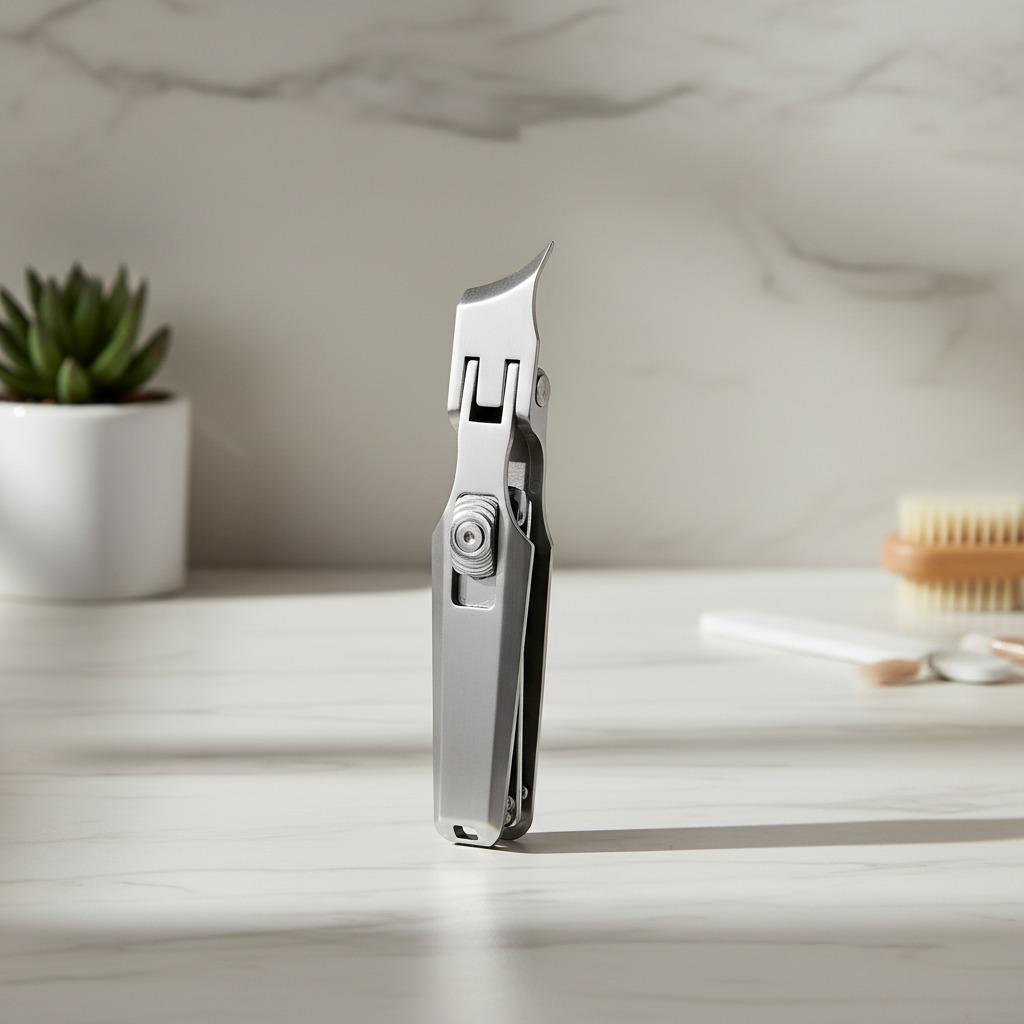
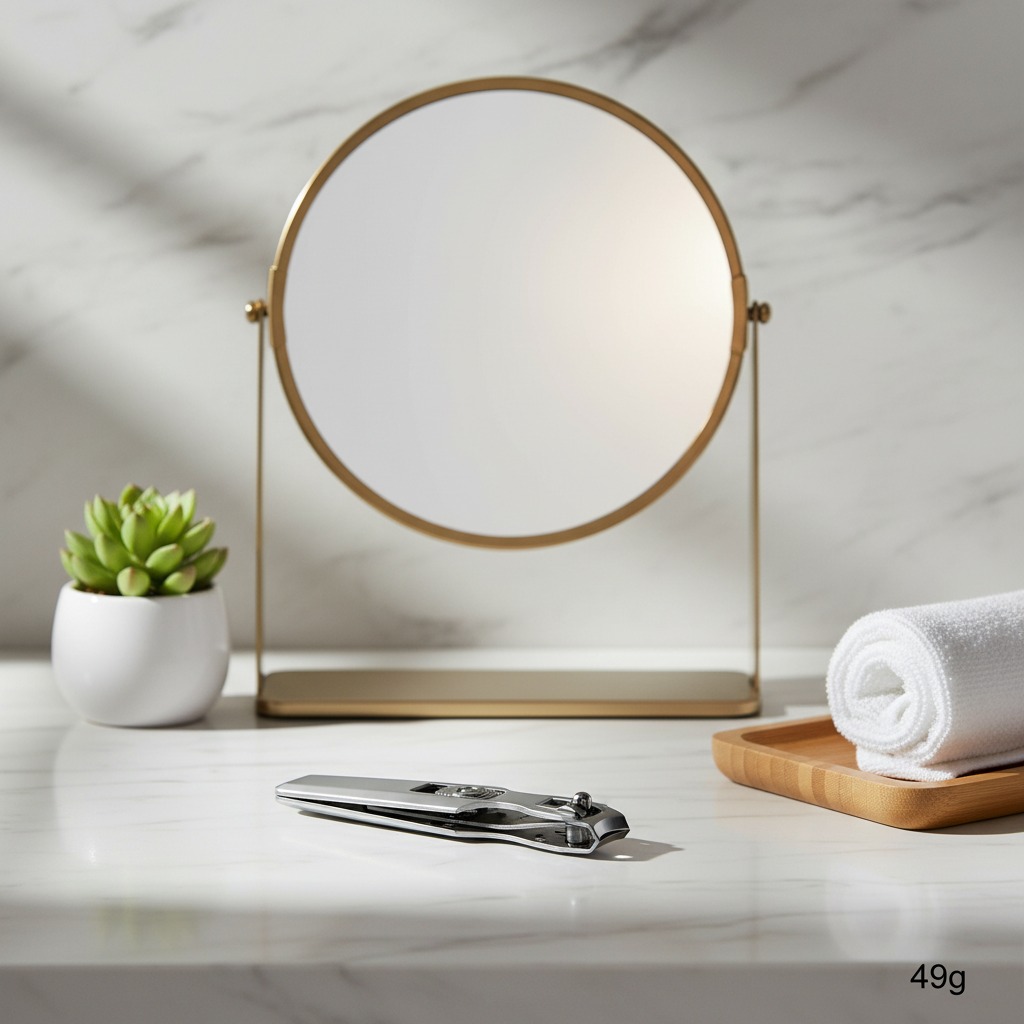
Olimor Beauty supplies beauty tools for international buyers, including stainless steel nail clippers designed for clean trimming and comfortable handling. One referenced clipper specification is a 99 mm length and 49 g weight, with curved blades, an ergonomic handle, and a sleek modern finish. Those details are useful because they describe the product in terms that matter to importers: size, feel, cutting control, and shelf appeal. This guide explains how to evaluate a nail clipper order from China with practical criteria you can use during product comparison, sampling, and purchase planning.
Why Nail Clippers Are a Strong Export Category
Nail clippers are small tools, but buyers should not treat them as simple commodities. A clipper that looks acceptable in a catalog may perform poorly if the cutting edges are misaligned, the lever feels loose, or the blade angle leaves ragged nail edges. At the same time, a well-made stainless steel clipper can support repeat sales because customers recognize the difference during daily use.
China is a major sourcing base for grooming tools because many factories and trading partners have experience with metal forming, polishing, assembly, finishing, and export packing. For buyers, this can make it easier to compare options across product shape, size, surface finish, and packaging presentation. The real sourcing advantage comes when you define your requirements clearly. A general request for “good quality nail clippers” is too vague. A better request includes intended customer level, preferred size, blade shape, finish, packaging format, and inspection expectations.
Before comparing suppliers, review where the nail clipper will be sold. A professional salon retail display may need a different finish and packaging approach than a value-oriented multipack. A travel grooming kit may prioritize compact size, while a standalone retail clipper can justify a stronger handle and more polished appearance. Matching the product to the use case is the first step toward a successful import program.
Product Details That Matter More Than Catalog Photos
Photos are helpful for first screening, but they cannot fully show how a nail clipper cuts or feels in the hand. When evaluating stainless steel nail clippers, focus on the functional details that affect customer satisfaction. Olimor Beauty’s referenced nail clipper features a 99 mm length and 49 g weight, which places emphasis on a stable grip rather than an ultra-light pocket-only design. Its curved blades are intended for clean trims, while the ergonomic handle helps users control pressure.
Use the following checklist when reviewing samples or preparing your internal product brief:
- Blade alignment: The upper and lower cutting edges should meet evenly without visible gaps at the cutting point.
- Cutting feel: A good clipper should cut smoothly without crushing, tearing, or forcing the nail.
- Lever resistance: The lever should feel secure and controlled, not too loose or excessively stiff.
- Handle comfort: Check whether the shape supports stable thumb pressure during repeated use.
- Edge finish: Corners and contact surfaces should feel smooth enough for safe handling.
- Surface appearance: Look for consistent polishing, no obvious stains, and a finish suitable for your target price level.
- Size suitability: Confirm whether the clipper is intended for fingernails, toenails, travel kits, or general household use.
These points are especially important for importers building a product line. If your buyers return tools because they feel dull, pinch the skin, or look inconsistent on the shelf, the original savings disappear quickly. Sampling should therefore include actual cutting tests, packaging review, and side-by-side comparison with your current products.
How to Compare Nail Clipper Suppliers from China
Choosing a nail clipper global supplier is not only about production price. It is also about whether the supplier understands export expectations, can communicate product details clearly, and can support consistent repeat orders. A supplier does not need to overwhelm you with claims; they should be able to answer practical questions and provide samples that match the final production direction.
When comparing potential partners, organize your evaluation around clear business needs. For example, a distributor may care most about stable packaging and carton labeling, while a private label beauty brand may focus on finish, logo placement options, and retail presentation. A wholesaler may need a balanced specification that performs reliably without adding unnecessary cost.
| Evaluation Area | What to Check | Why It Matters |
|---|---|---|
| Product sample | Cutting performance, handle feel, blade shape, finish consistency | Confirms whether the product suits your target customer |
| Material and construction | Stainless steel use, assembly stability, edge smoothness | Affects durability, appearance, and customer experience |
| Quality checks | Raw material review and final product inspection approach | Helps reduce inconsistent shipments and avoid basic defects |
| Packaging support | Retail pack style, labeling area, barcode needs, carton marks | Prevents delays when goods arrive at your warehouse or sales channel |
| Communication | Clear answers, sample confirmation, documented requirements | Reduces misunderstandings before production |
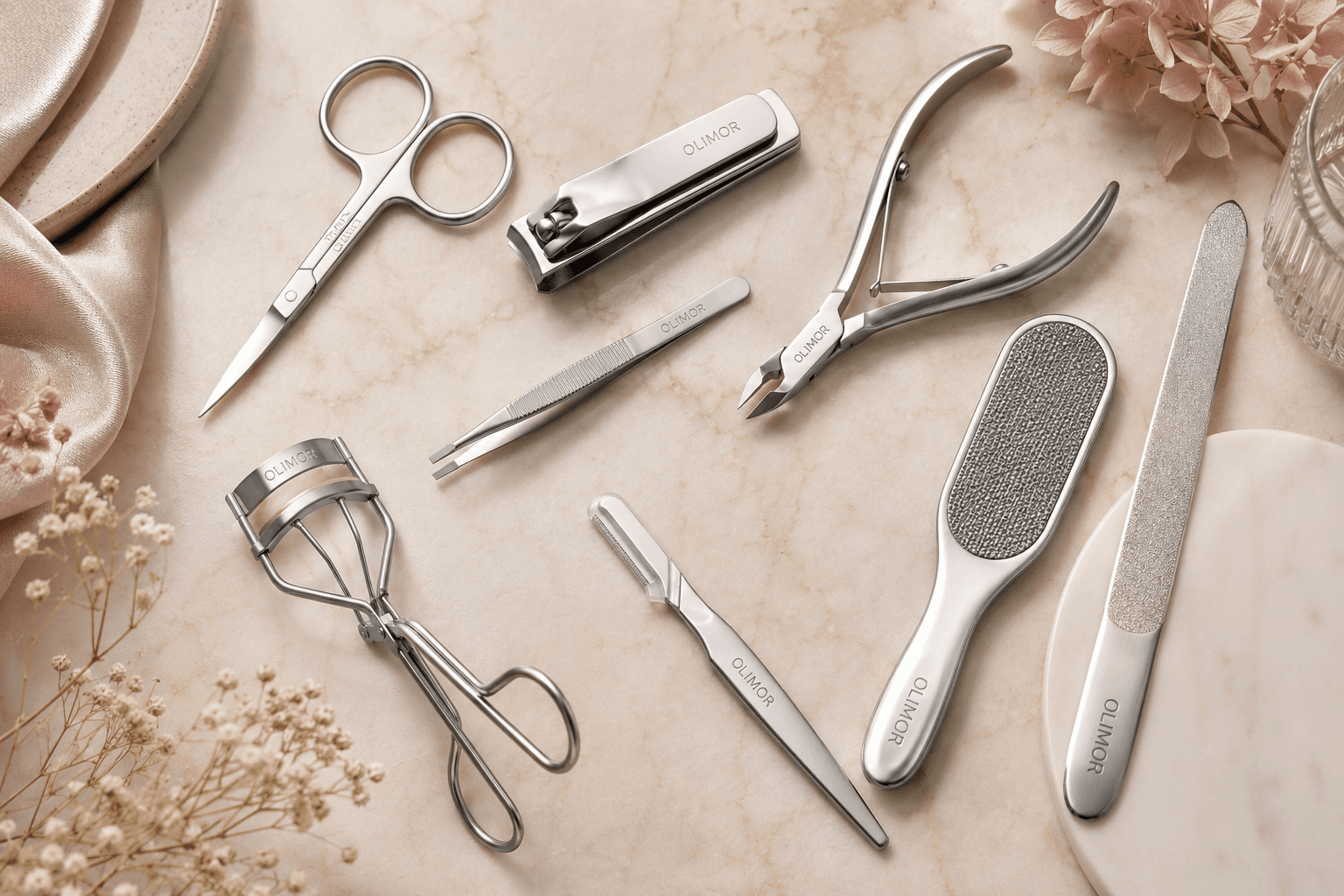
Olimor Beauty focuses on beauty tool products for international buyers. If you are comparing nail clippers with other grooming items, you can review broader beauty tool products or browse product collections to consider how a clipper fits into a wider retail assortment.
Import Planning: From Sample Approval to Shipment Readiness
Import nail clipper from China projects work best when the buyer prepares a written requirement sheet before final confirmation. This document does not need to be complicated, but it should remove guesswork. Include the product reference, approved sample photos, size expectations, finish preference, packaging artwork status, carton labeling instructions, and inspection points. If you have market-specific labeling or compliance requirements, include them early in the discussion so the packaging and documentation can be planned properly.
A practical import workflow may look like this:
- Define the sales channel: Decide whether the clipper is for retail display, e-commerce, kits, wholesale, or professional resale.
- Confirm the product direction: Review size, weight, blade curve, handle shape, and finish against your customer expectations.
- Request and test samples: Use real trimming tests and check consistency across more than one piece when possible.
- Finalize packaging details: Confirm artwork, barcode placement, warnings, language, and carton information.
- Document inspection criteria: List unacceptable issues such as loose levers, misaligned blades, rough edges, stains, or damaged packaging.
- Plan logistics communication: Confirm shipment terms, packing data, and required documents before goods are ready.
This approach is useful whether you are launching a new beauty tool line or replacing an existing supplier. It also helps your internal team compare samples objectively. Instead of relying on subjective comments such as “looks nice,” your team can record cutting performance, surface finish, lever feel, and packaging condition.
Packaging and Merchandising Considerations
A nail clipper is often purchased quickly, so packaging must communicate the product’s value at a glance. For a stainless steel clipper with a modern finish, packaging should protect the surface from scratches while showing enough of the tool to build confidence. If the product will be sold online, packaging also needs to survive handling and make fulfillment straightforward.
Consider how your buyer will encounter the product. In a physical store, hanging cards, blister packs, or compact boxes may need strong visual hierarchy and clear product naming. In an e-commerce bundle, the clipper may be part of a grooming set where protection and unboxing consistency matter more than front-facing shelf display. For wholesale distribution, carton labeling and inner packing can be just as important as the individual pack because warehouse teams need to identify items quickly.
Buyers should also check whether packaging materials, printing, and labeling match destination market expectations. Avoid leaving these decisions until the end of production. Packaging changes can affect lead time, inspection, and shipping preparation, especially when artwork approval is involved.
Quality Control Points for Stainless Steel Nail Clippers
Quality control for nail clippers should cover both appearance and function. A polished surface may look attractive, but the tool still fails if the blades do not meet evenly. Likewise, a clipper may cut well but be rejected by retailers if the finish is scratched or the packaging is dented. The inspection plan should therefore include a balanced review of product function, cosmetic condition, assembly, and packing.
For incoming or pre-shipment checks, buyers can define defect categories. Critical issues may include unsafe sharp burrs or broken parts. Major issues may include poor blade alignment, loose lever assembly, visible rust-like marks, or packaging that cannot be sold. Minor issues may include small cosmetic imperfections within an agreed tolerance. The goal is not to create unrealistic standards, but to make sure the goods match the approved sample and are suitable for sale.
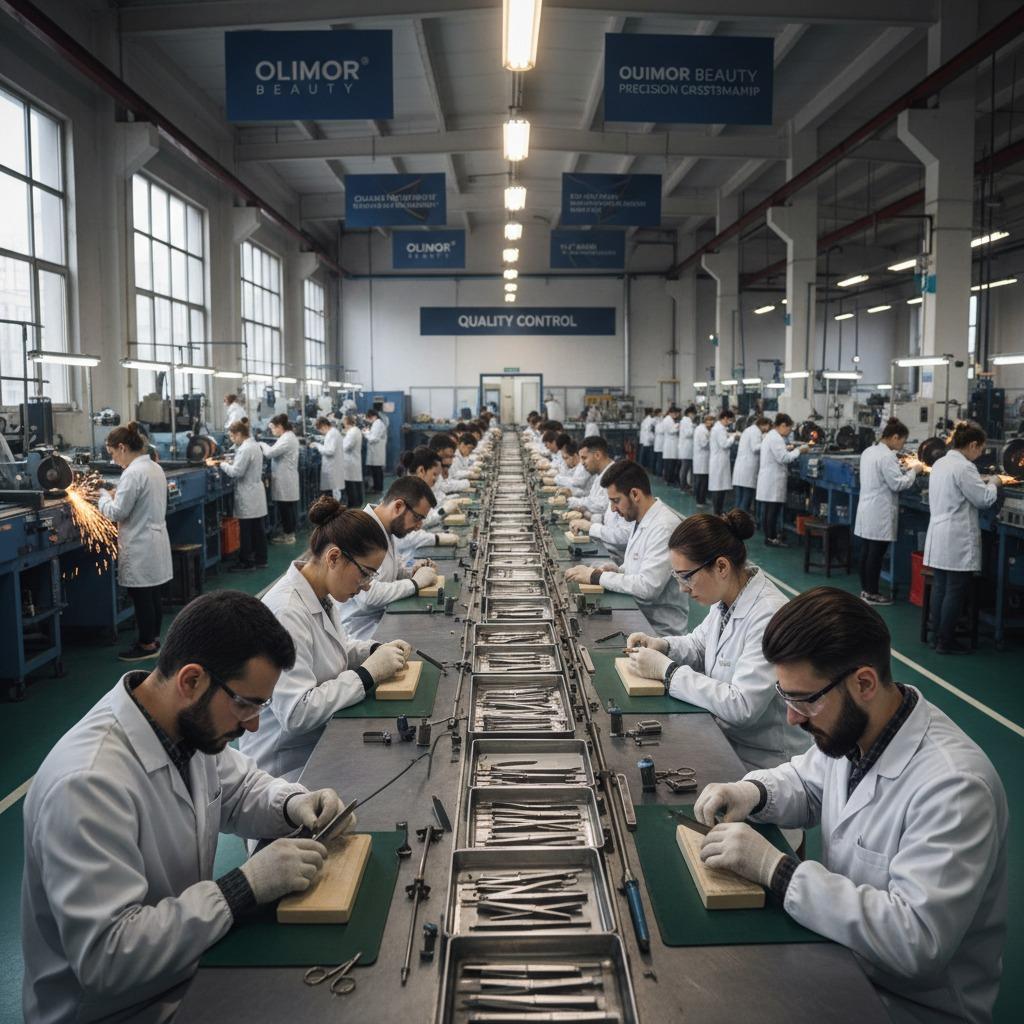
Olimor Beauty emphasizes quality checks on raw materials and final products in its nail clipper supply process. Buyers can strengthen this process by providing clear approval samples and written standards. The more precise the standard, the easier it is for both sides to judge whether production is acceptable.
Building a Better Nail Clipper Sourcing Brief
A strong sourcing brief saves time and reduces back-and-forth communication. For this type of product, include the intended market, customer type, preferred material direction, size reference, cutting performance expectations, finish preference, packaging style, and order documentation needs. If the 99 mm, 49 g stainless steel clipper profile suits your assortment, use those details as a reference point when discussing samples and packaging options.
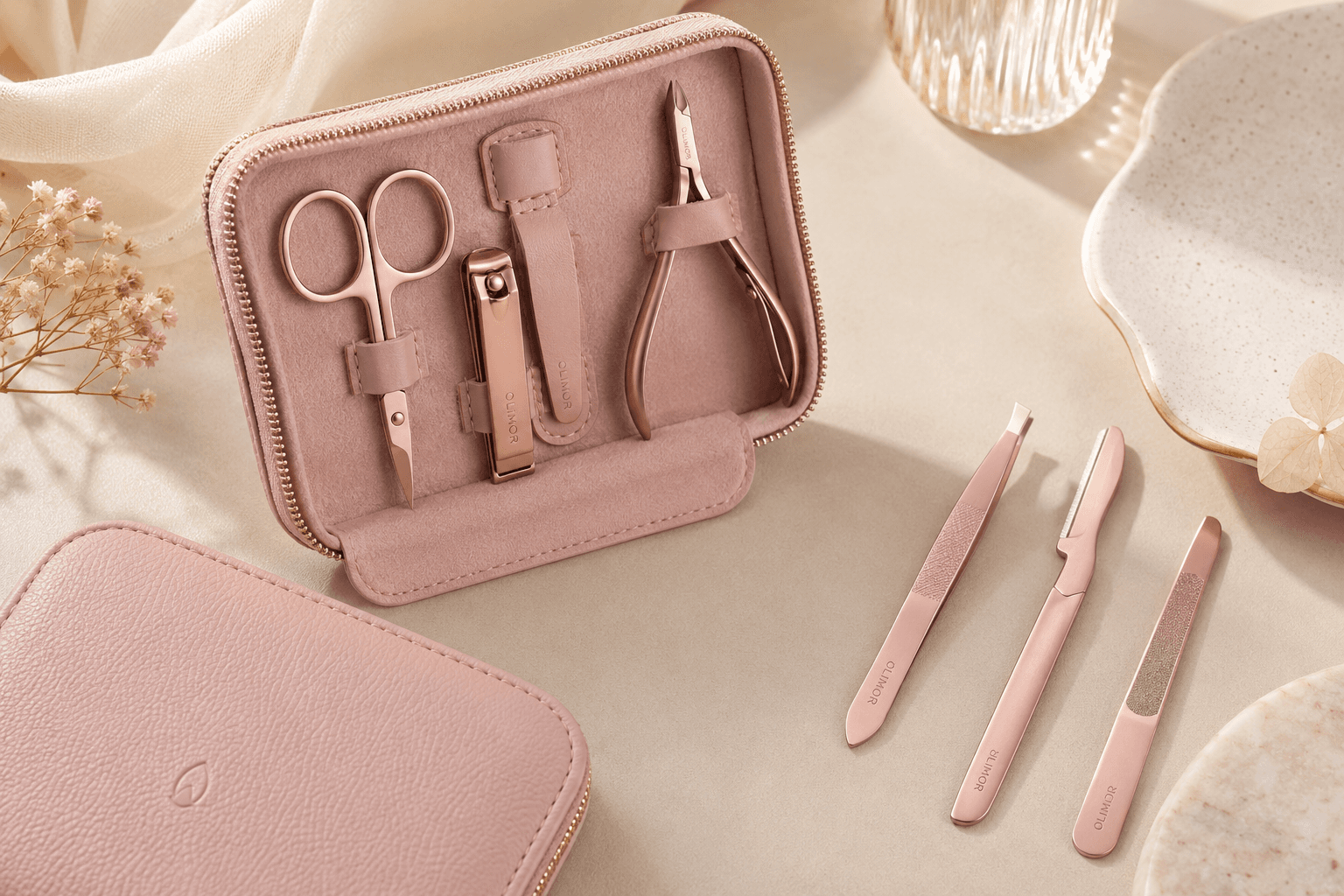
Also think about assortment strategy. A single nail clipper can sell as a standalone item, but it can also support grooming kits, travel care sets, manicure accessories, or seasonal personal care promotions. If you are developing a wider range, align the finish and packaging with other beauty tools so the collection looks consistent on the shelf.
For product comparison, custom requirements, or export discussions, you can contact Olimor or send an inquiry with your target channel and product expectations. A clear brief helps match the nail clipper to the right buyer need, whether your priority is retail presentation, dependable trimming performance, or a balanced everyday grooming tool for international distribution.
Tag: