Tweezer Tension Guide for Precise Brow Grooming and Better Beauty Tool Sourcing
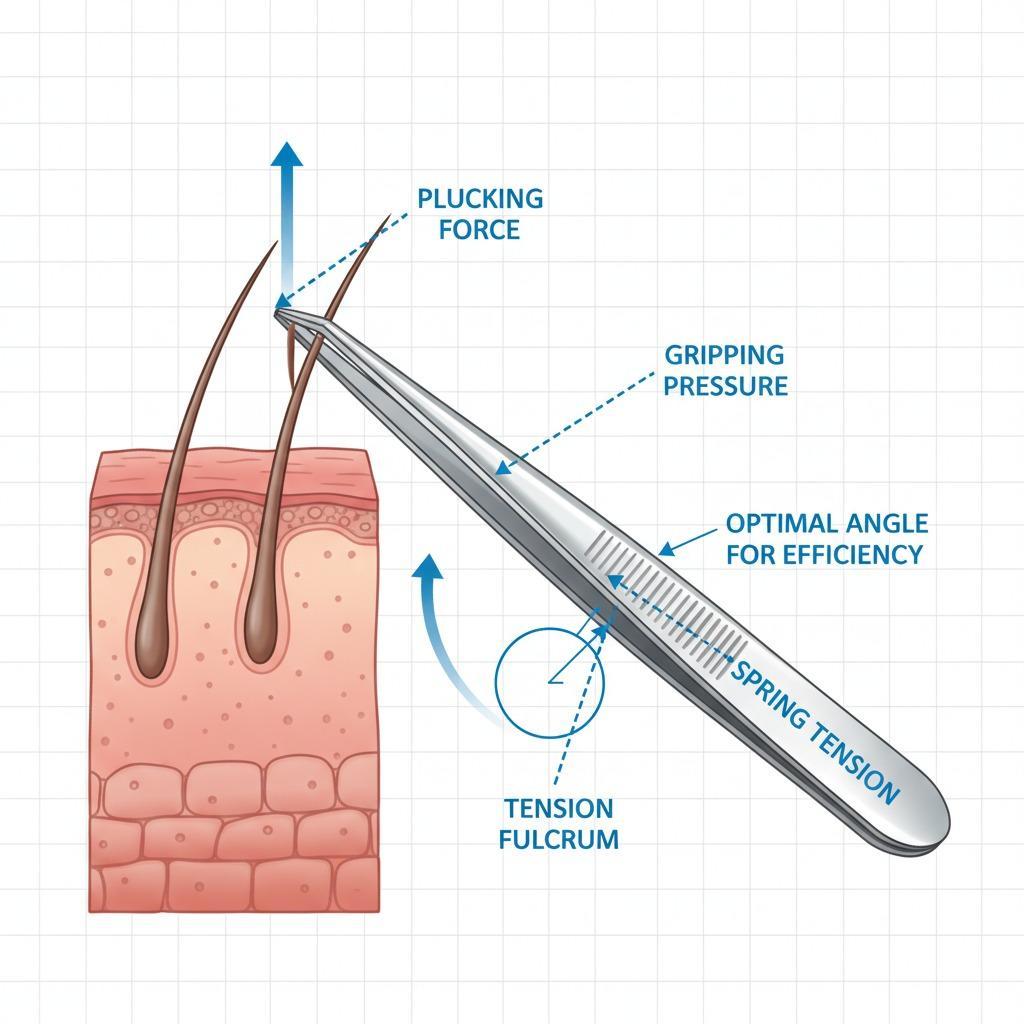
Tweezer tension is the resistance a user feels when pressing the tweezer arms together. For eyebrow grooming, it affects grip, control, comfort and consistency. A tweezer can look attractive in packaging, but if the tension is too loose or too stiff, the user may struggle to remove short brow hairs cleanly.
For retail buyers, salon suppliers and private-label beauty tool teams, tension should be evaluated together with tip alignment, tip shape, surface finish, hand comfort and packaging protection. The goal is not simply to choose a tweezer that closes; it is to select a tool that grips hair predictably at the root, releases cleanly and remains comfortable through repeated use.
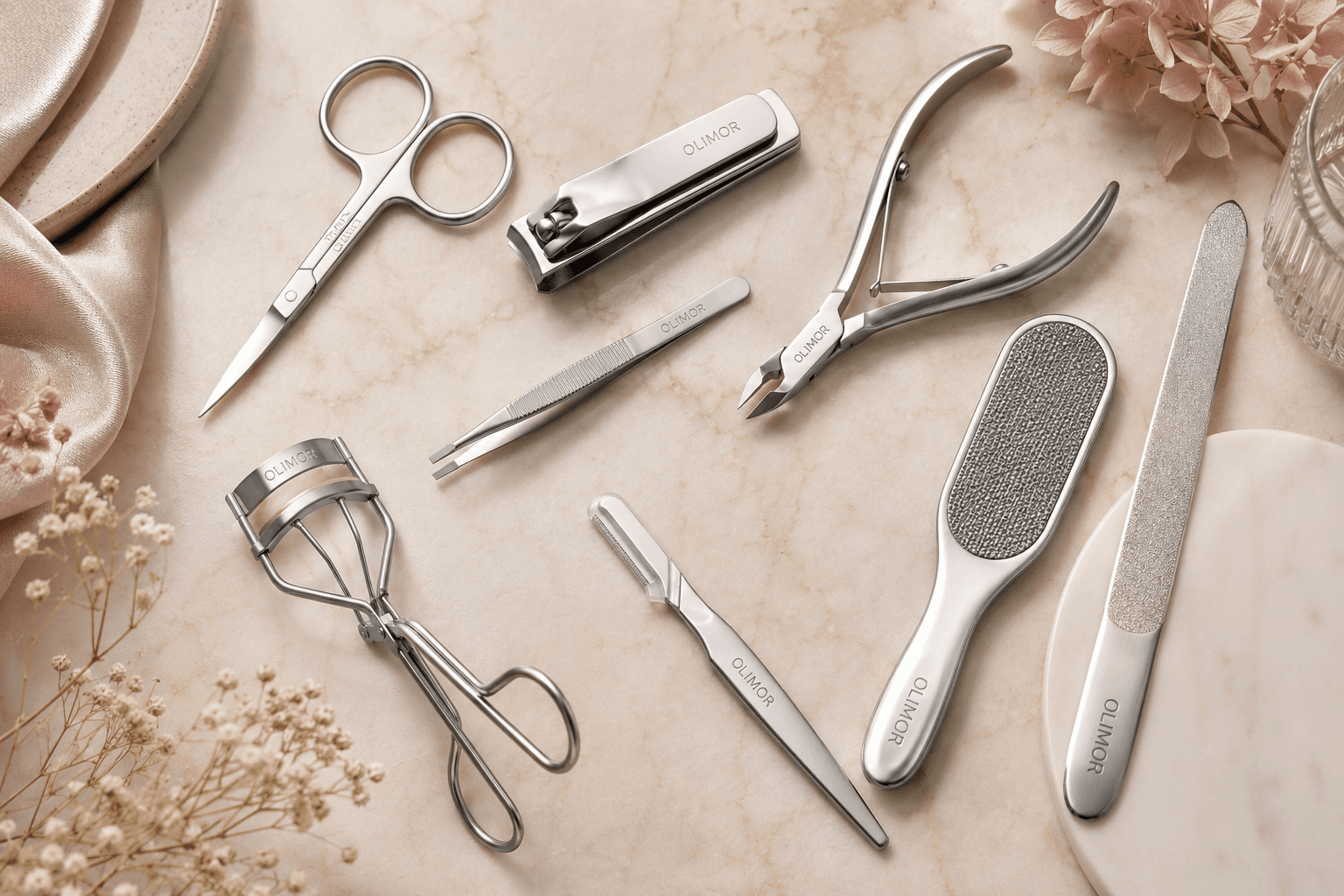
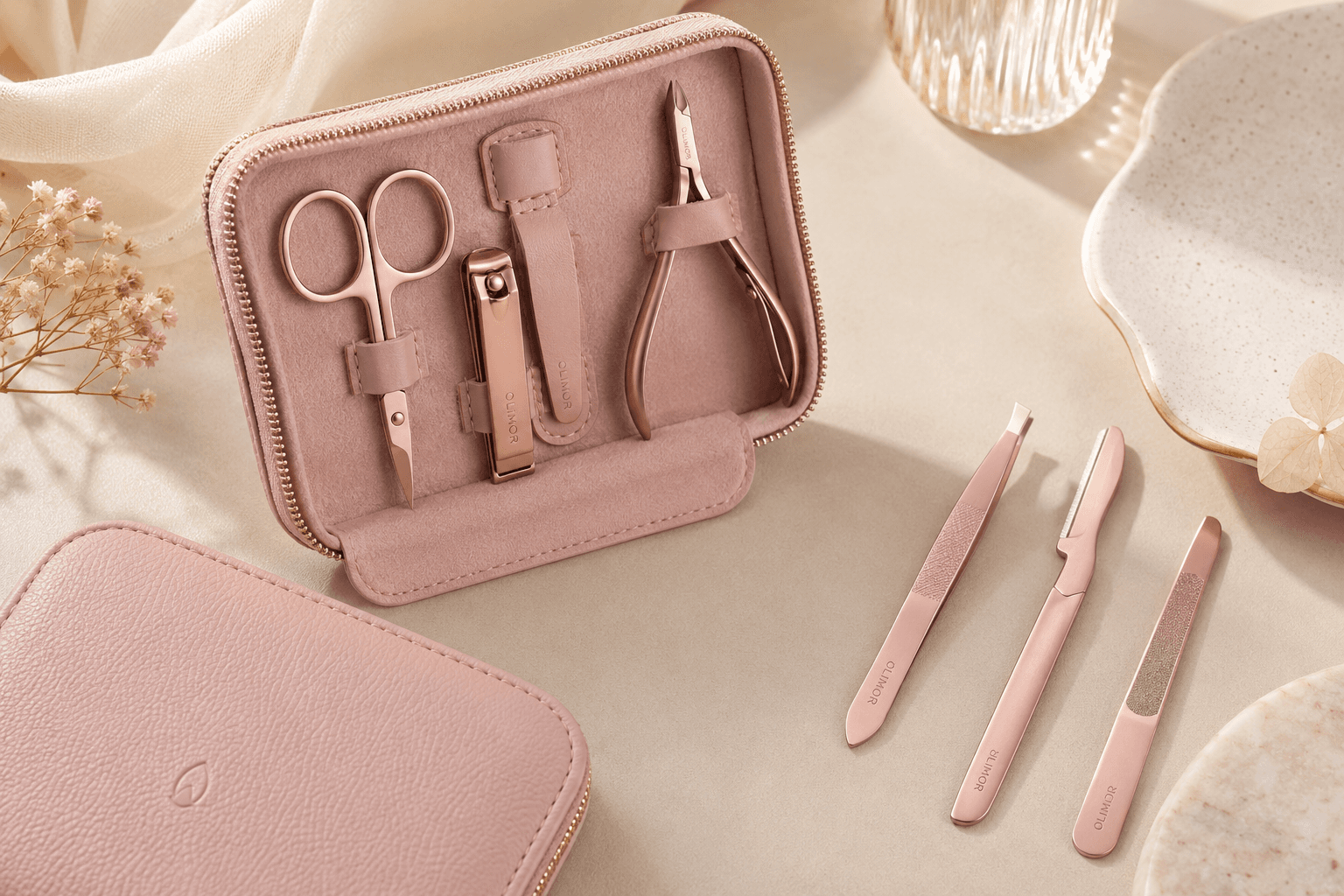
This guide explains how tension works, how to compare tweezer types, what to inspect before purchasing and how to discuss requirements with a supplier. Buyers comparing eyebrow tools can also review Olimor Beauty’s broader beauty tool products to evaluate tweezers alongside related grooming items.
What Tweezer Tension Means in Daily Brow Grooming
Tweezer tension comes from the body shape, arm thickness and spring behavior of the tool. When the user squeezes the arms, tension determines how much finger pressure is needed before the tips meet. In practical terms, it controls whether the tweezer feels weak, balanced or tiring.
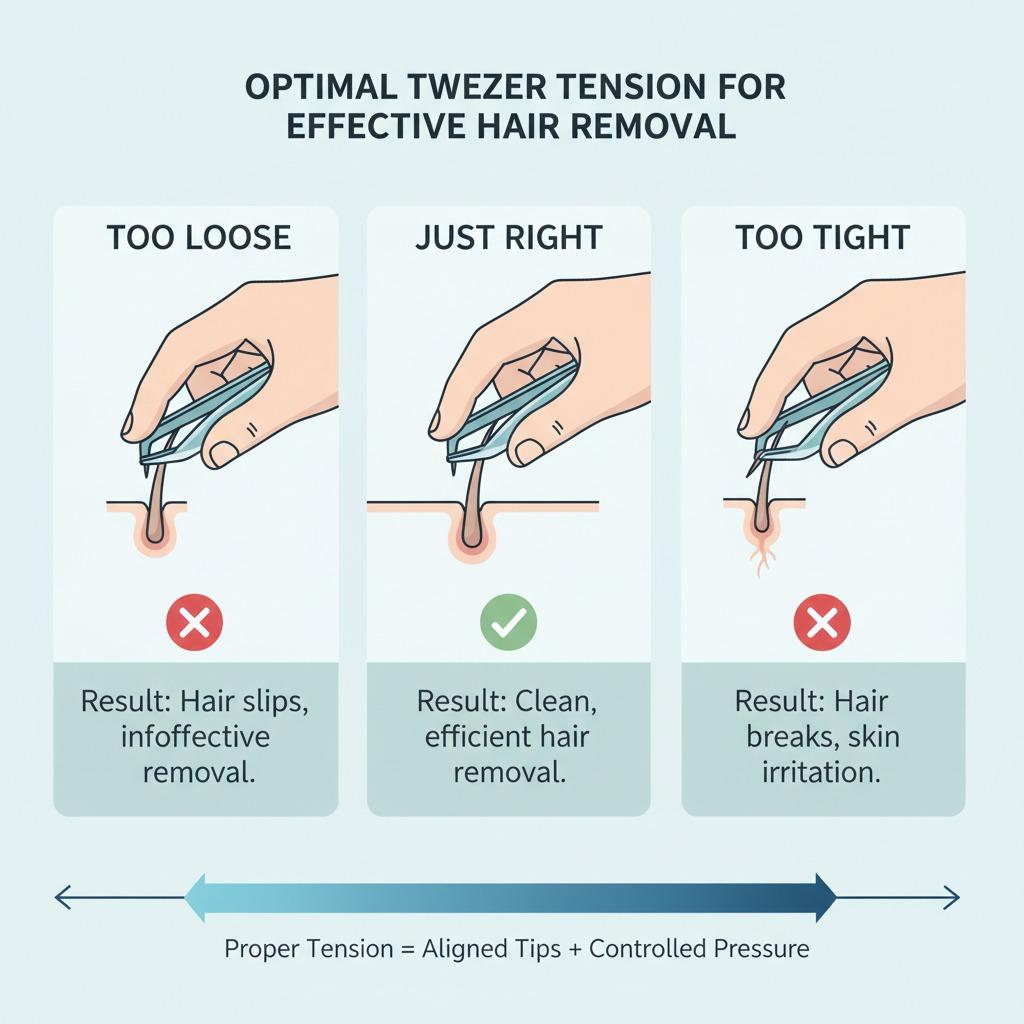
Low tension may feel easy at first, but it can reduce grip. The tips may touch lightly without holding fine brow hairs firmly, causing the user to make repeated attempts. This is frustrating for personal grooming and inefficient in professional brow work. Repeated plucking attempts can also irritate the same area of skin.
High tension can create the opposite problem. The tweezer may grip strongly, but the user must squeeze harder for every hair. Over a brow-shaping session, this can lead to hand fatigue, rushed movements and less accurate placement. A tool that feels impressive for one squeeze may become uncomfortable during real use.
Balanced tension gives enough resistance to control the tips without forcing the fingers to work too hard. The closing movement should feel smooth, steady and predictable. For most eyebrow grooming tasks, the best tension is not the strongest tension; it is the level that helps the user place the tips accurately and grip a single hair with confidence.
Why Tip Alignment Is as Important as Tension
Tension only matters if the tips meet correctly. A tweezer with firm spring pressure can still perform poorly when the gripping edges are misaligned. If one corner touches first, if there is a visible gap, or if the tips overlap, the tool may miss hairs, break hairs or pinch the skin.
Tip alignment should be checked slowly under good lighting. When the arms close, the working edges should meet evenly across the gripping surface. The contact should feel smooth, not gritty or scratchy. The tips should not twist sideways as pressure is applied.
For B2B sourcing, alignment is a quality point rather than a cosmetic detail. One well-aligned sample is useful, but consistent alignment across several samples is more meaningful. Buyers should request or inspect multiple units when comparing options because brow tool performance depends on repeatability, not only appearance.
Alignment also interacts with tip shape. A slant tip has a longer contact edge and may be more forgiving for general eyebrow shaping. A pointed tip has a smaller working area, so even a minor alignment issue can be more noticeable. For detail tools, careful tip inspection is especially important.
Choosing the Right Tweezer Type for the User
Different tweezer tips suit different grooming tasks. A retail assortment may include several types so customers can choose based on skill level and grooming purpose. A salon supply range may focus on tools that provide predictable handling through repeated use.
| Tweezer type | Best use | What to check before buying |
|---|---|---|
| Slant tip | General eyebrow shaping, routine brow maintenance and common retail use | Check that the slanted edge meets evenly and grips short hairs without sliding. |
| Pointed tip | Fine detail work, isolated hairs and precision grooming | Check that the points align accurately and are handled with care during storage. |
| Flat tip | Gripping broader areas or thicker hairs | Check whether the broad edge closes flat and whether visibility is suitable for brow work. |
| Pointed slant | Detail work with some shaping flexibility | Check both the leading point and the slanted gripping edge for clean contact. |
Slant tweezers are often the most versatile choice for eyebrow grooming because the angled edge can follow the brow line while still giving enough gripping surface. Pointed tweezers are useful for precise detail work, but they require careful handling and should not be pressed into the skin. Flat tips may suit stronger gripping needs, although they can be less convenient for detailed brow shaping.
When building a product line, match the tool to the expected user. Beginners often benefit from easy visibility and stable grip. Professional users may prioritize consistency, tension feel and tip accuracy. Gift sets or grooming kits may include more than one shape to cover both shaping and detail maintenance.
Comfort and Finish Details That Affect Precision
Comfort is not separate from performance. If the tweezer is slippery, sharp where the fingers rest or too stiff, the user may squeeze unevenly. Uneven finger pressure can cause the tips to shift just as the hair is being gripped.
Useful comfort details include a smooth body finish, edges that do not feel harsh against the fingers and a shape that can be held securely. Some users prefer a wider body because it gives more contact area for the fingers. Others prefer a slim profile because it improves visibility near the brow line. Neither design is automatically better; the right choice depends on the target user and sales channel.
Surface finish should be assessed by touch as well as sight. A polished-looking tweezer may still feel uncomfortable if edges are not smooth where the user applies pressure. For retail beauty tools, the first impression in the hand matters because customers often associate comfort with quality. For salon tools, finish and hand feel matter because the tweezer may be used repeatedly during the day.
How to Inspect Tweezers Before Placing an Order
A structured inspection helps buyers compare tweezers more fairly. Instead of relying only on appearance or a single squeeze, evaluate how the tool closes, grips, releases and feels after repeated use. The same checklist can support retail buying, salon supply selection and private-label discussions.
Practical tweezer inspection checklist
- Tip alignment: Close the tweezer slowly and check for even contact without visible gaps, twisting or overlap.
- Tension feel: Press the arms several times. The resistance should feel smooth, controlled and consistent.
- Grip performance: Test whether the tweezer can hold a fine hair without repeated slipping.
- Release: After gripping, the tips should open cleanly without sticking or feeling uneven.
- Finger comfort: Check whether the body is easy to hold and whether the resting edges feel smooth.
- Visibility: Confirm that the tip shape allows the user to see the hair and brow line clearly.
- Finish: Look for clean surfaces and consistent appearance across samples.
- Packaging protection: Make sure tips are protected from pressure, rubbing or impact during storage and shipping.
- Lot consistency: Compare several units rather than judging performance from one sample only.
For commercial sourcing, define acceptable inspection criteria before confirming an order. Criteria may include functional grip, visible alignment, finish condition and packaging integrity. If tweezers will be sold as part of a wider beauty range, review them with complementary items from the Olimor Beauty collection so the assortment feels coherent in function, finish and customer positioning.
Cost Factors Without Reducing the Decision to Price
Tweezer cost is influenced by more than the tool’s visible shape. Buyers should consider the level of tip finishing, alignment control, surface treatment, packaging requirements, customization needs and inspection expectations. A lower-cost tweezer may be acceptable for a basic promotional program, while a more refined tool may be better suited to salon use, gift sets or retail displays where touch and performance are important.
Packaging can also affect total cost and product performance. A simple sleeve may help protect the tips, while retail packaging may need to support display, branding and customer education. For pointed or finely finished tweezers, protection is especially important because tip damage can affect performance before the customer ever uses the tool.
Customization may include logo, color, finish, set configuration or packaging direction, depending on supplier capability and project requirements. Buyers should avoid assuming that every design can be customized in the same way. It is better to discuss the target market, intended use, packaging style and quality expectations early so the supplier can recommend practical options.
Problem Solving: Common Tweezer Performance Issues
Many tweezer complaints come from a small number of performance issues. Identifying the cause helps buyers decide whether the problem is related to design, production consistency, handling or use.
The tweezer slides over fine hairs
This may be caused by weak tension, poor tip contact, unsuitable tip shape or worn gripping edges. Check alignment first, then compare the tool against another sample from the same batch.
The tweezer cuts hair instead of removing it
Hair breakage can happen when the tips are too sharp at the contact edge, when alignment is uneven or when the user grips the hair away from the root. For brow grooming, the tips should hold hair securely without acting like a blade.
The hand tires quickly
Excessive tension is a common cause. A tweezer may need too much finger pressure even if the tips are accurate. Buyers should test repeated opening and closing, not only first impressions.
The tweezer pinches skin
Misalignment, overlapping tips or poor user visibility can increase the risk of pinching. Tip shape matters here. Pointed tips require more care, while slant tips often provide better general control for brow shaping.
Care and Maintenance for Consistent Performance
Even a good tweezer can lose precision if it is dropped, stored loosely or used for non-grooming tasks. The tips are the working area and should be protected from impact and pressure. A small change in alignment can make a noticeable difference when removing short brow hairs.
After use, wipe the tweezer clean and keep it dry before storage. In professional settings, follow the hygiene procedures required by the workplace and local rules. Avoid cleaning or sterilizing methods that may damage the finish, alter alignment or conflict with supplier care instructions.
Users should not use eyebrow tweezers to open packaging, scrape surfaces, pull threads from hard materials or perform household tasks. These habits can bend or dull the tips. A grooming tweezer performs best when it is reserved for grooming.
For consumer products, buyers should also pay attention to applicable safety and labeling obligations in their destination market. Public bodies and rules such as the U.S. Consumer Product Safety Commission and the EU General Product Safety Regulation may be relevant depending on the product, packaging and sales region. Always verify current versions and request supplier documents appropriate to the order; do not assume certification unless it is documented.
How to Evaluate a Tweezer Supplier
A good supplier conversation should move beyond a product photo. Ask how the tweezer is intended to be used, what tip types are available, how samples can be assessed and what customization or packaging options are practical for the project. Clear requirements help prevent mismatched expectations.
For eyebrow tweezers, useful supplier discussion points include target customer, tip style, finish preference, packaging protection, logo or branding needs, sample review process and inspection criteria. If the tool will be sold in a kit, discuss how it pairs with other grooming items. If it will be sold to salon users, emphasize consistency and hand comfort.
Buyers can use the product inquiry form to share intended use, quantity planning, packaging direction and customization questions. For broader sourcing discussions, the contact page is a practical starting point for clarifying requirements before sample evaluation.
FAQ: Samples, MOQ, Customization, Quality and Lead Time
Can buyers request tweezer samples before ordering?
Sample discussions are recommended for B2B sourcing because tension, alignment and comfort are best evaluated by hand. Availability depends on the specific product and project requirements, so buyers should confirm sample options directly.
Is there a minimum order quantity for tweezers?
MOQ can vary by product type, customization, packaging and production arrangement. Buyers should ask for the applicable MOQ for the exact tweezer style and branding plan they are considering.
Can eyebrow tweezers be customized?
Customization may be possible for elements such as finish, logo, packaging or set configuration, depending on the selected item and supplier capability. Confirm feasibility before finalizing artwork or retail plans.
How should quality be checked before shipment?
Quality checks should focus on tip alignment, tension consistency, surface finish, packaging condition and functional grip. Buyers should agree on inspection points in advance rather than relying only on appearance.
What affects lead time for tweezer orders?
Lead time may be affected by product selection, sample approval, customization, packaging requirements and order complexity. Confirm the current schedule with the supplier for each project.
Key Takeaway for Better Brow Tool Selection
Tweezer tension is a small detail with a large effect on grooming results. Balanced resistance helps the user control the tips, but it must be paired with accurate alignment, suitable tip shape, comfortable handling and proper care. For B2B buyers, the best tweezer choice is the one that performs consistently for the intended user, sales channel and packaging plan.
By inspecting samples carefully, comparing tip types and discussing requirements clearly with the supplier, buyers can build a more reliable eyebrow grooming assortment and give end users a tool that feels precise, comfortable and practical in daily use.
Tag: