Nail Clipper Pivots: The Small Mechanism Behind a Clean Cut
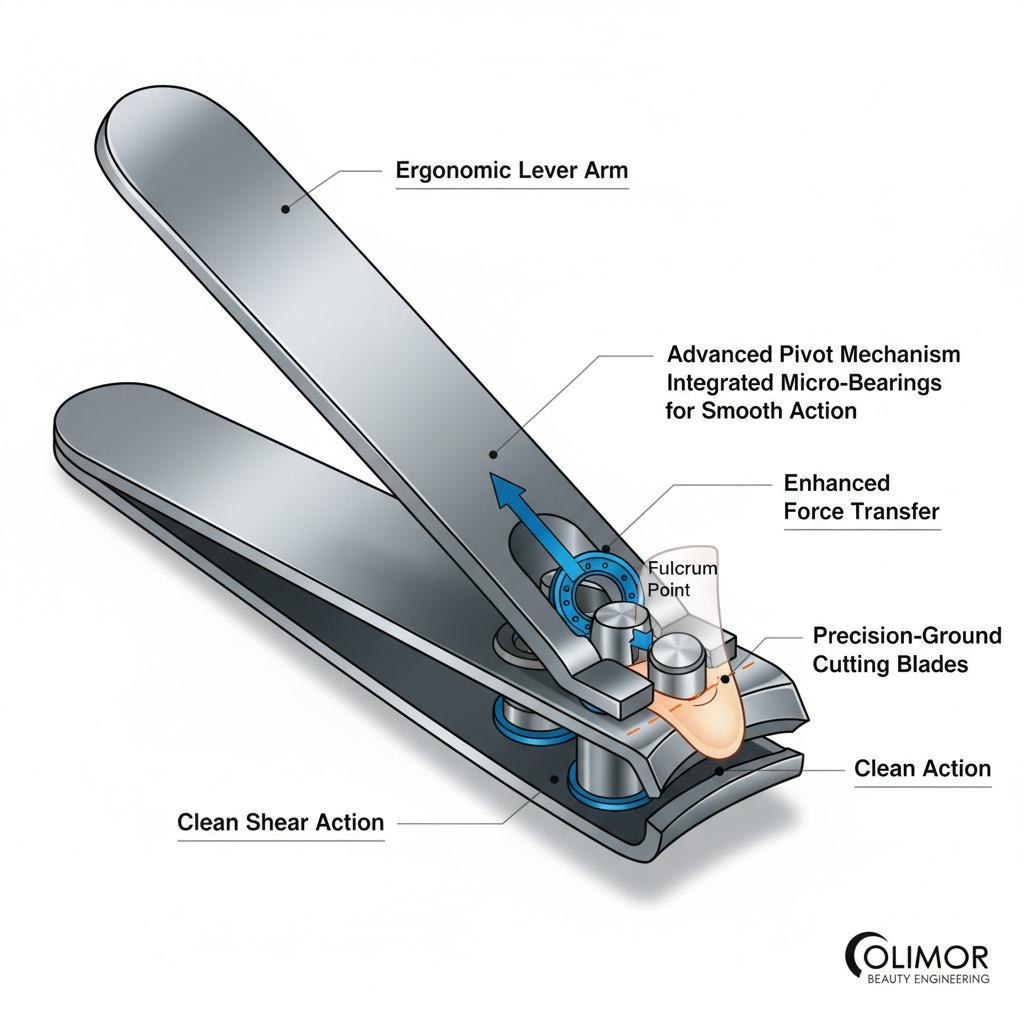
A nail clipper looks simple from the outside: two cutting jaws, a lever, and a compact body that fits easily into a grooming kit. The part that often decides whether the tool feels sharp, steady, and controlled is the pivot. Nail clipper pivots connect the lever action to the cutting jaws, transferring hand pressure into a clean trimming motion. When the pivot is well aligned and moves smoothly, the clipper closes evenly. When it is poorly fitted, dry, loose, or rough, the user may feel drag, side movement, or an uneven bite at the nail edge.
For beauty tool buyers, salon supply companies, and personal care brands, the pivot is worth close attention. It affects first impression, repeated-use comfort, maintenance needs, and perceived product quality. At Olimor Beauty, nail clippers are part of a broader beauty tool category where mechanical detail matters as much as surface appearance. If you are comparing beauty tool products, understanding the pivot can help you evaluate samples more objectively and avoid relying only on weight, polish, or packaging.
Why the Pivot Determines Cutting Feel
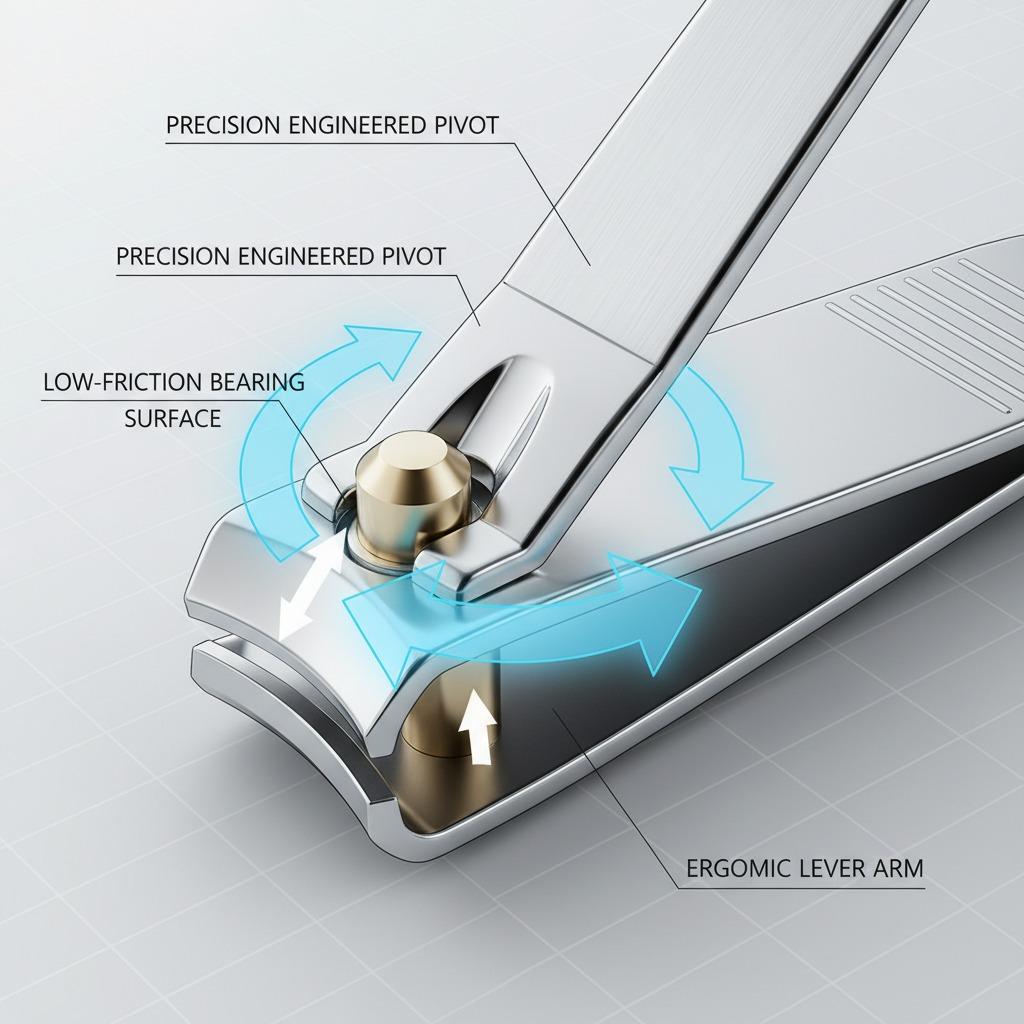
The pivot is the rotating point that allows the nail clipper lever to press the upper cutting jaw downward. A strong blade edge is important, but the blade cannot perform consistently if the pivot does not hold the moving parts in the correct path. The best cutting feel usually comes from a balance of three things: controlled rotation, stable alignment, and low friction.
Controlled rotation means the lever moves through its range without sudden sticking or wobbling. Stable alignment means the upper and lower cutting edges meet where they should, rather than shifting sideways. Low friction means the user does not need excessive force to complete the cut. Together, these qualities help produce a trim that feels predictable instead of harsh.
This is especially important for smaller grooming tools because users notice tiny mechanical differences immediately. A clipper that hesitates at the pivot can make the nail bend before the cut is completed. A clipper that closes too loosely can feel imprecise. A clipper that requires too much force may be uncomfortable for frequent users, older users, or anyone trimming thicker nails.
Friction Control: What Buyers Should Look For
Friction is not automatically bad. A pivot needs enough resistance to feel controlled, but not so much that the lever scrapes, squeaks, or jams. In nail clippers, friction problems often appear as rough lever movement, uneven return, visible rubbing marks around the pivot area, or a cut that feels delayed after pressure is applied.
When reviewing a sample, do not judge the pivot only by opening and closing it once. Test the tool repeatedly with moderate pressure and observe whether the motion stays consistent. A clean pivot action should feel similar from the first press to the twentieth press. If the lever becomes warmer, rougher, or noisier after repeated operation, that may indicate avoidable friction or inconsistent finishing around the contact surfaces.
For practical comparison, use this checklist during sample review:
- Opening and closing feel: The lever should move smoothly without gritty resistance.
- Side-to-side play: The moving parts should not shift noticeably when light lateral pressure is applied.
- Cutting edge meeting point: The two edges should close evenly across the intended cutting area.
- Noise: A loud scrape or squeak can suggest rough contact surfaces or insufficient lubrication.
- Repeat performance: Several consecutive cuts should feel consistent, not progressively heavier.
- Post-use inspection: Check for metal dust, fresh scratches, or deformation around the pivot area.
How Pivot Alignment Affects Precision
Precision in a nail clipper is not only about sharpness. It is also about whether the cutting force reaches the nail in a straight, controlled way. If the pivot allows misalignment, the cutting edges can meet unevenly. The result may be a crushed edge, a partial cut, or a small tear that needs extra filing.
Alignment matters for both fingernail and toenail clippers, though the demands may differ. Fingernail clippers are often expected to feel light and exact, especially for shaping smaller nail edges. Toenail clippers may need a more stable closing action because the nails are generally thicker. In both cases, the pivot must support the lever without letting it twist under pressure.
Buyers should also look at the relationship between the pivot and handle ergonomics. A comfortable lever shape is helpful, but if the pivot point is not properly positioned, the user may need to press harder than expected. Good mechanical design allows force to be transferred efficiently, reducing hand strain while keeping the cut controlled.
Material and Manufacturing Questions That Matter
The original product context highlights stainless steel tools and the importance of mechanical engineering in everyday grooming products. Stainless steel is widely valued in beauty tools because it can offer strength, corrosion resistance, and a clean appearance when properly selected and finished. However, the pivot still needs careful construction. A polished exterior does not guarantee smooth internal movement.
When evaluating a nail clipper for retail, salon, or private label use, the most useful questions focus on how the tool is made and checked rather than on vague claims. The following table can help organize a product discussion or sample inspection.
| Review Area | What to Check | Why It Matters |
|---|---|---|
| Pivot fit | Look for stable movement with minimal looseness. | Loose pivots can reduce cutting accuracy and make the tool feel cheap. |
| Friction control | Operate the lever repeatedly and listen for scraping or squeaking. | Excess friction can increase hand effort and accelerate wear. |
| Cutting alignment | Check whether the jaws meet evenly across the cutting edge. | Uneven contact may cause partial cuts or rough nail edges. |
| Surface finishing | Inspect edges, corners, and the area around the pivot. | Rough finishing can affect comfort, safety, and perceived quality. |
| Cleaning access | Consider whether nail dust can be removed easily after use. | Better cleanability supports hygiene and long-term performance. |
Maintenance Tips for Longer Pivot Performance
Even a well-made nail clipper benefits from basic maintenance. The pivot is a moving part, and moving parts can collect nail dust, moisture, skin oils, and residue from storage. Over time, buildup may increase friction or interfere with clean closure.
For everyday users, maintenance should be simple. Wipe the clipper after use, especially around the cutting edge and pivot area. Keep it dry before storing it in a pouch, drawer, or travel case. If the pivot feels stiff, remove visible debris carefully and use an appropriate small amount of lubricant only if suitable for the tool and its intended use. Avoid soaking the clipper for long periods unless the care instructions allow it, because prolonged moisture can affect appearance and movement even on corrosion-resistant materials.
For retailers and distributors, care instructions are part of product value. A short, clear maintenance note can reduce returns caused by misuse and help customers understand why a precision grooming tool should be kept clean and dry. If your brand sells grooming kits, consider whether the clipper will sit next to damp items, cosmetics, or abrasive tools that could affect the finish or pivot movement.
Choosing Nail Clippers for Different Buyers
Different customers judge nail clippers in different ways. A home user may focus on comfort, compact size, and an easy cut. A salon buyer may care more about repeat performance, hygiene routines, and how the tool feels across many uses. A gift set buyer may consider presentation, but the clipper still needs to work reliably once removed from the package.
When choosing nail clippers for a product line, connect the pivot requirements to the intended user. For a travel grooming item, the pivot should feel secure enough to avoid rattling in a case. For a frequent-use manicure tool, smooth repeated action is more important than decorative appearance. For a value-focused assortment, the clipper still needs enough alignment and friction control to avoid disappointing the user on the first trim.
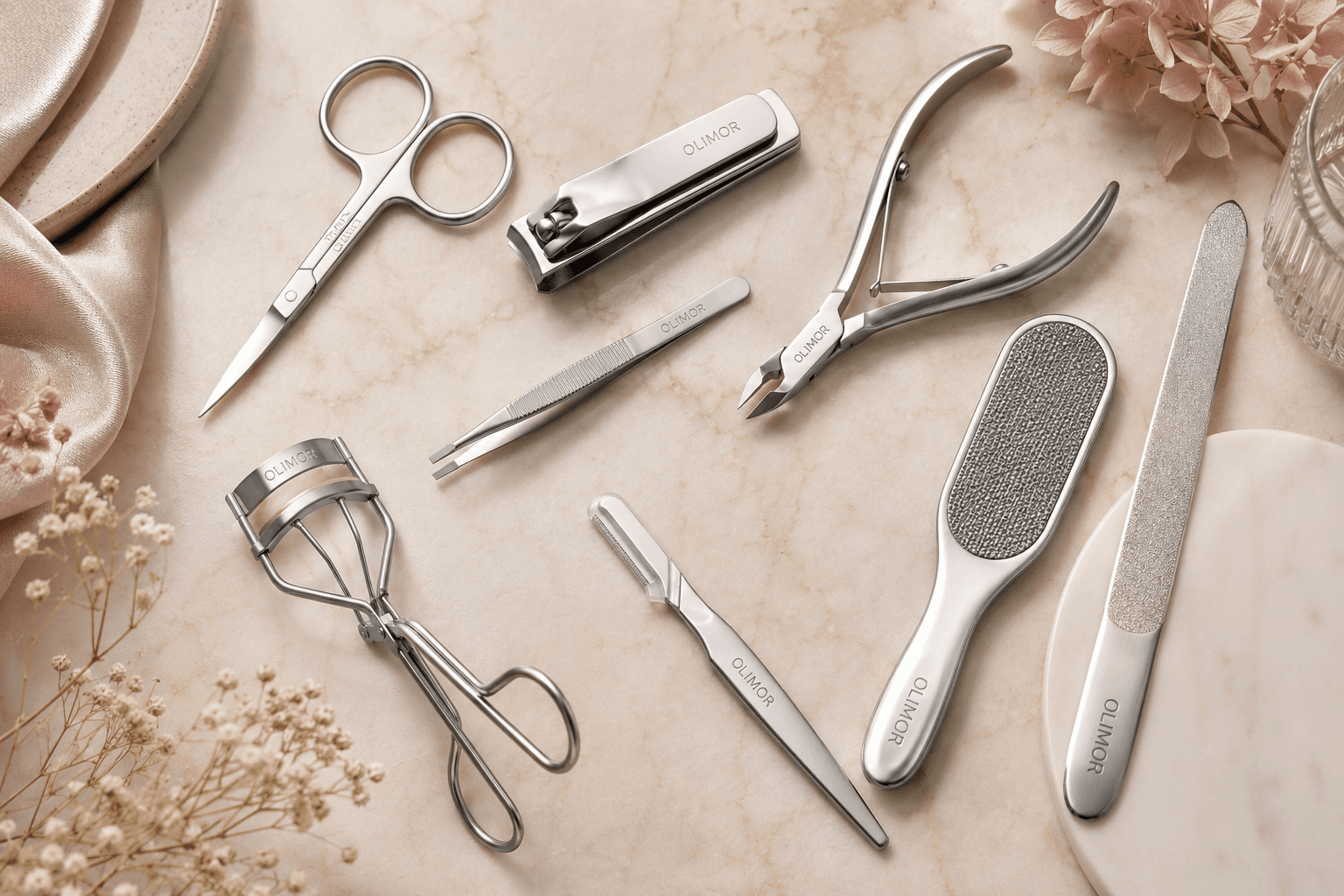
If you are building a broader assortment, review related product collections to think about how the clipper fits with tweezers, scissors, files, and other personal care tools. Consistency across the set matters: a well-finished clipper next to a rougher accessory can make the whole kit feel uneven, while a reliable pivot action helps reinforce quality the moment the customer uses it.
Sample Testing Before a Larger Order
A nail clipper sample should be tested with a repeatable method. Visual inspection is useful, but the pivot is best evaluated through use. Prepare several samples if available, then compare them under the same conditions. Open and close each tool multiple times, trim nails or an appropriate test material if suitable, and record differences in force, sound, alignment, and comfort.
A simple sample test can include these steps:
- Inspect the clipper for burrs, uneven finishing, or visible pivot gaps.
- Operate the lever slowly and then quickly to detect sticking or looseness.
- Check jaw alignment when the cutting edges close.
- Make several test cuts and note whether pressure feels consistent.
- Clean the tool and inspect the pivot area for trapped debris or wear marks.
- Compare multiple samples to see whether the feel is consistent across units.
This kind of review helps buyers separate cosmetic quality from mechanical quality. A clipper can look polished in a product photo but still feel rough in the hand. Conversely, a simple design with a well-made pivot can deliver a dependable grooming experience.
Work With Olimor Beauty on Practical Beauty Tool Selection
Nail clipper pivots may be small, but they have a direct effect on cutting control, comfort, and user confidence. For organic product selection, the best approach is to evaluate the pivot as part of the whole tool: material, finishing, alignment, ergonomics, cleanability, and repeat performance. This gives buyers a clearer basis for choosing products that feel reliable beyond the first impression.
Olimor Beauty focuses on beauty tools where everyday details matter. If you are comparing nail clippers or planning a grooming tool assortment, you can contact Olimor to discuss product direction, sample evaluation, and the type of buyer experience you want to create. For purchasing questions or project requirements, you may also send an inquiry with your target market and product needs.
Tag: