How to Use Cuticle Nippers Safely and Avoid Common Nail Care Mistakes
Cuticle nippers are precision nail care tools designed for trimming loose, dead skin around the nail fold. Used well, they help create a clean manicure surface and reduce ragged edges that can catch on clothing or split further. Used carelessly, they can cut living skin, cause soreness, or leave the cuticle line uneven. The difference is usually not force; it is preparation, blade control, hygiene, and knowing when not to cut.
Olimor Beauty offers cuticle nippers for nail care users who need controlled trimming rather than rough tearing or pulling. This guide explains how to select the right nipper, prepare the nail area, make small and safe cuts, clean the tool, and avoid the habits that often lead to irritation. If you are comparing manicure implements for salon, retail, or personal-care assortments, you can also browse Olimor beauty tool products or review related product collections.
What Cuticle Nippers Are Meant to Remove
A cuticle nipper should not be used to cut deeply into the living skin around the nail. Its main purpose is to trim lifted, dry, or dead skin that is already loose. Many manicure problems begin when users mistake the protective nail fold for removable cuticle. Cutting too much can make the nail area tender and may create tiny openings where dirt and bacteria can enter.
Before trimming, look closely at the nail. The pieces suitable for removal are usually pale, dry, thin, and detached from the surrounding skin. Skin that is pink, firm, attached, or sensitive should be left alone. A neat result comes from removing only what is necessary, not from making the cuticle line disappear.
- Trim: loose hangnails, dry lifted skin, and small ragged edges.
- Avoid cutting: attached skin, swollen areas, irritated tissue, or any area that feels painful.
- Pause if needed: if the skin bleeds, stings, or becomes red, stop trimming and allow it to recover.
How to Choose a Cuticle Nipper for Better Control
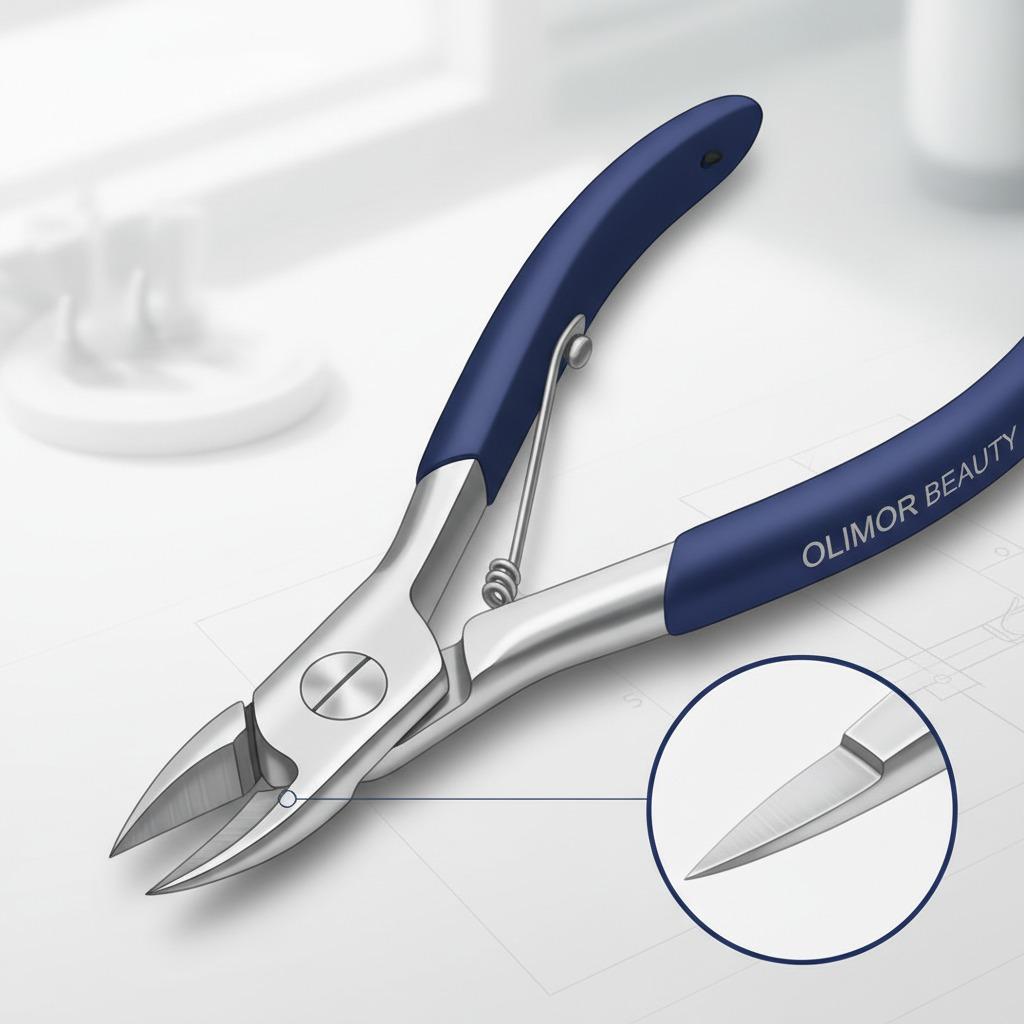
The best cuticle nipper is not simply the sharpest tool; it is the tool that lets the user make small, accurate cuts with a steady hand. Olimor Beauty cuticle nippers are described with stainless steel construction and ergonomic handles, two practical features for buyers to consider. Stainless steel is commonly valued in nail tools because it supports routine cleaning and durability. Ergonomic handles can help reduce hand fatigue, especially during repeated use.
When evaluating cuticle nippers, focus on details that affect control and repeatable performance. A buyer comparing tools for professional or retail use should check the feel of the spring action, blade alignment, grip comfort, and packaging protection. These factors influence the user experience as much as the appearance of the tool.
| Selection point | Why it matters | What to check |
|---|---|---|
| Blade alignment | Helps create clean cuts without tugging | Tips should meet evenly without crossing or leaving a gap |
| Handle comfort | Improves stability during small snips | Grip should feel secure without forcing the wrist |
| Spring response | Reduces effort during repeated opening and closing | Movement should be smooth and predictable |
| Finish and edges | Supports safe handling and easier cleaning | Surfaces should feel smooth, with no rough burrs |
Prepare the Nail Area Before Cutting
Preparation is one of the simplest ways to avoid over-cutting. Dry cuticles can look larger and tougher than they are, which encourages users to apply too much pressure. Softening the area first makes it easier to see what is loose and what should remain untouched.
Start by washing the hands and cleaning under the nails. Soak fingertips in warm water for a few minutes or apply a cuticle softener or nail oil according to the product directions. Gently push back only the softened cuticle with an appropriate pusher if that is part of your routine. Do not scrape aggressively across the nail plate, as rough pressure can make the nail surface look scratched or uneven.
Good lighting is also important. A bright, steady light helps you distinguish loose dead skin from living tissue. If your hands are damp after soaking, dry them enough so the nipper does not slip. Place the tool, a clean towel, and moisturizer within reach before you begin.
Step-by-Step: How to Use Cuticle Nippers Properly
The safest technique is based on small movements. Cuticle nippers are not scissors for long sweeping cuts. They are designed for short, controlled snips. Moving slowly may feel less efficient at first, but it produces a cleaner line and reduces the risk of cutting too far.
- Clean the tool first. Wipe and disinfect the nipper according to your hygiene routine before it touches the skin.
- Hold the nipper steadily. Rest your hand on a table to reduce shaking. Keep the wrist relaxed and the blades visible.
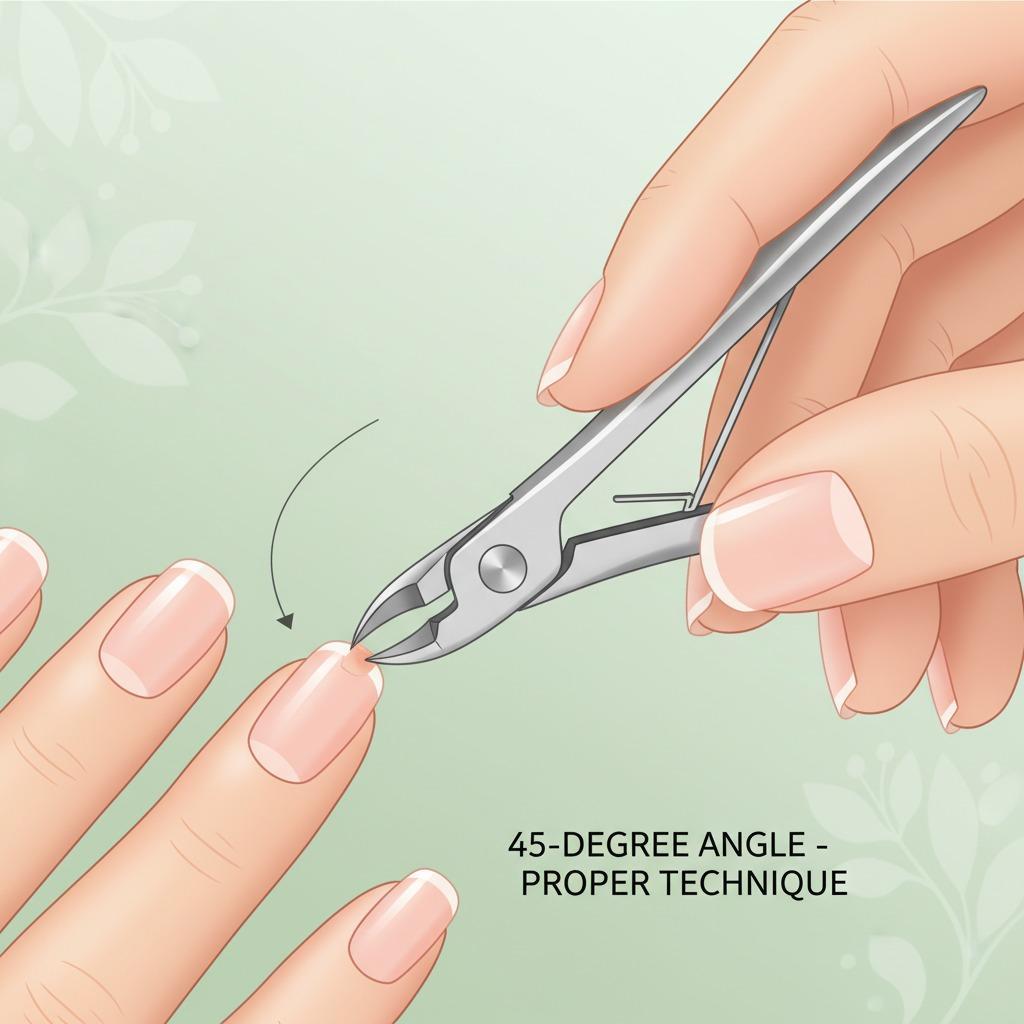
- Work at a shallow angle. Position the blades close to the loose skin without pointing the tips downward into the nail fold.
- Take tiny snips. Trim only the lifted edge. Do not pull the skin upward while cutting, because that can tear beyond the intended point.
- Move gradually around the nail. Follow the natural curve instead of trying to create a new shape.
- Stop before the area looks raw. A neat manicure should still leave the protective skin barrier intact.
- Moisturize afterward. Apply cuticle oil or hand cream to reduce dryness and help keep the surrounding skin flexible.
If you are new to nippers, trim less than you think you need. You can always refine a small dry edge later, but you cannot undo a deep cut immediately. For professional buying questions or tool comparisons, you can send an inquiry to Olimor or contact Olimor for product discussion.
Common Mistakes That Lead to Irritation
Most poor results come from a few repeated habits. Applying too much pressure is one of the most common. Sharp blades should do the work; squeezing hard often means the user is cutting attached skin or using a tool that is not suitable for the task. Another mistake is trimming the entire cuticle line simply because the tool is in hand. Healthy skin does not need to be removed.
Skipping hygiene is also a serious problem. Nail tools touch skin folds where moisture and debris can collect. Cleaning before and after use helps reduce contamination, especially if tools are used by more than one person in a professional environment. A personal tool should still be cleaned because bacteria can remain on the blades after contact with skin.
- Do not bite or pull hangnails before cutting. Pulling can tear healthy skin beyond the original loose edge.
- Do not share unclean tools. Shared tools require appropriate sanitation between users.
- Do not cut inflamed skin. Redness, swelling, or pain is a sign to stop and let the area recover.
- Do not use dull or misaligned blades. They can crush or tug instead of making a clean trim.
- Do not rush both hands equally. Your non-dominant hand may need more time and lighter pressure.
Cleaning, Storage, and Maintenance
A cuticle nipper performs better and lasts longer when it is cleaned and stored correctly. After use, remove visible skin debris from the blade area with a clean wipe or brush reserved for tool care. Disinfect the tool using a method suitable for the working environment and the tool material. Dry it thoroughly before storage, because trapped moisture around the joint can affect movement over time.
Store nippers with the tips protected. The fine cutting edges can be damaged if they knock against other metal tools in a drawer. A pouch, sleeve, or dedicated compartment helps protect both the blades and the user’s fingers. Do not use cuticle nippers to cut artificial nails, wire, packaging, or other hard materials. Misuse can dull the blades or affect alignment.
Check the tool regularly. If the blades no longer meet cleanly, if the spring feels unstable, or if the handle becomes difficult to control, the nipper may need servicing or replacement. For salon and retail buyers, consistent inspection procedures are important because the user experience depends on every piece feeling reliable, not just the first sample reviewed.
Buying Considerations for Salons, Retailers, and Beauty Tool Sourcing
Cuticle nippers are small tools, but they carry high expectations. A customer notices quickly if a nipper tugs, slips, feels uncomfortable, or arrives with rough finishing. For sourcing teams, the evaluation should include both appearance and functional handling. Samples should be checked by people who understand nail care, not only by visual inspection.
Consider the complete buying context: target user skill level, preferred handle feel, packaging requirements, cleaning expectations, and after-sales communication. A salon-focused buyer may prioritize smooth spring action and repeated-use comfort. A retail buyer may also consider how clearly the product can be presented with safe-use guidance. A distributor may need consistency across batches and packaging that protects the tips during transport.
Olimor Beauty positions cuticle nippers as precision tools for nail care, with attention to quality checks from material handling through final packaging as stated in the product description. When reviewing any cuticle nipper option, align your selection with the end user’s routine: quick home maintenance, manicure service, travel kits, or professional tool assortments. The right choice should make careful trimming easier, not encourage aggressive cutting.
Final Tips for Healthier-Looking Cuticles
Good cuticle care is conservative. Soften first, cut only loose dead skin, keep the blades clean, and moisturize after each session. If the skin around the nails is constantly dry, the long-term answer is often regular hydration and gentler hand care, not more frequent cutting. Cuticle nippers are most useful when they are treated as precision tools for small corrections.
With steady technique and proper maintenance, cuticle nippers can help create a clean manicure finish while protecting the nail fold. Whether you are choosing tools for personal use or building a professional beauty tool range, prioritize control, hygiene, and comfort over aggressive trimming. That approach delivers a neater result and a better nail care experience.
Tag: