Precision Tweezers: Selection, Use, Care and B2B Sourcing Guide
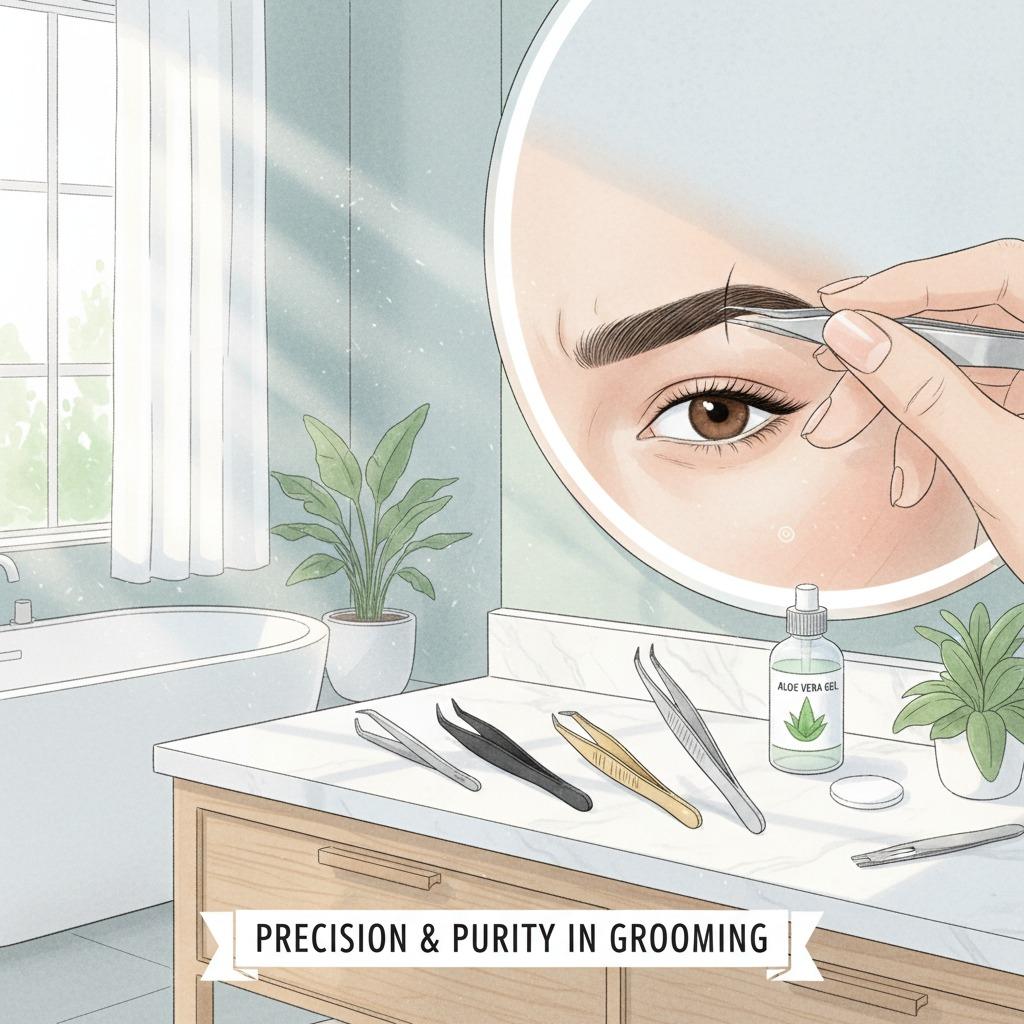
Precision tweezers are small tools, but their design and handling strongly affect grooming results. A well-aligned stainless steel tweezer can grip fine hairs close to the root, while poor technique or damaged tips can snap hair, increase repeat pulling and irritate the skin. For beauty retailers, salons, brow services and private-label tool buyers, the right tweezer is not only a cosmetic accessory; it is a daily-use grooming instrument that must feel controlled, clean and reliable.
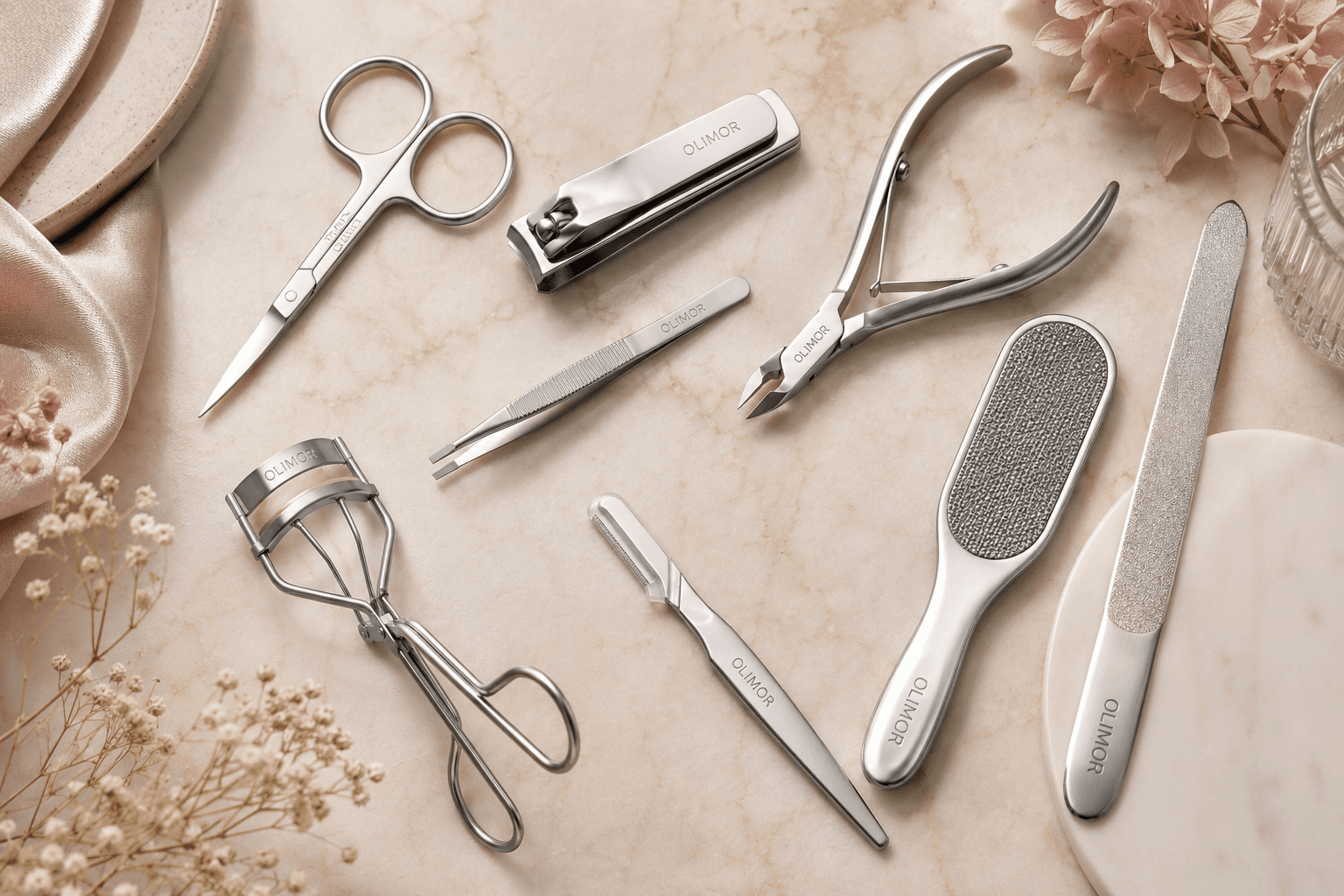
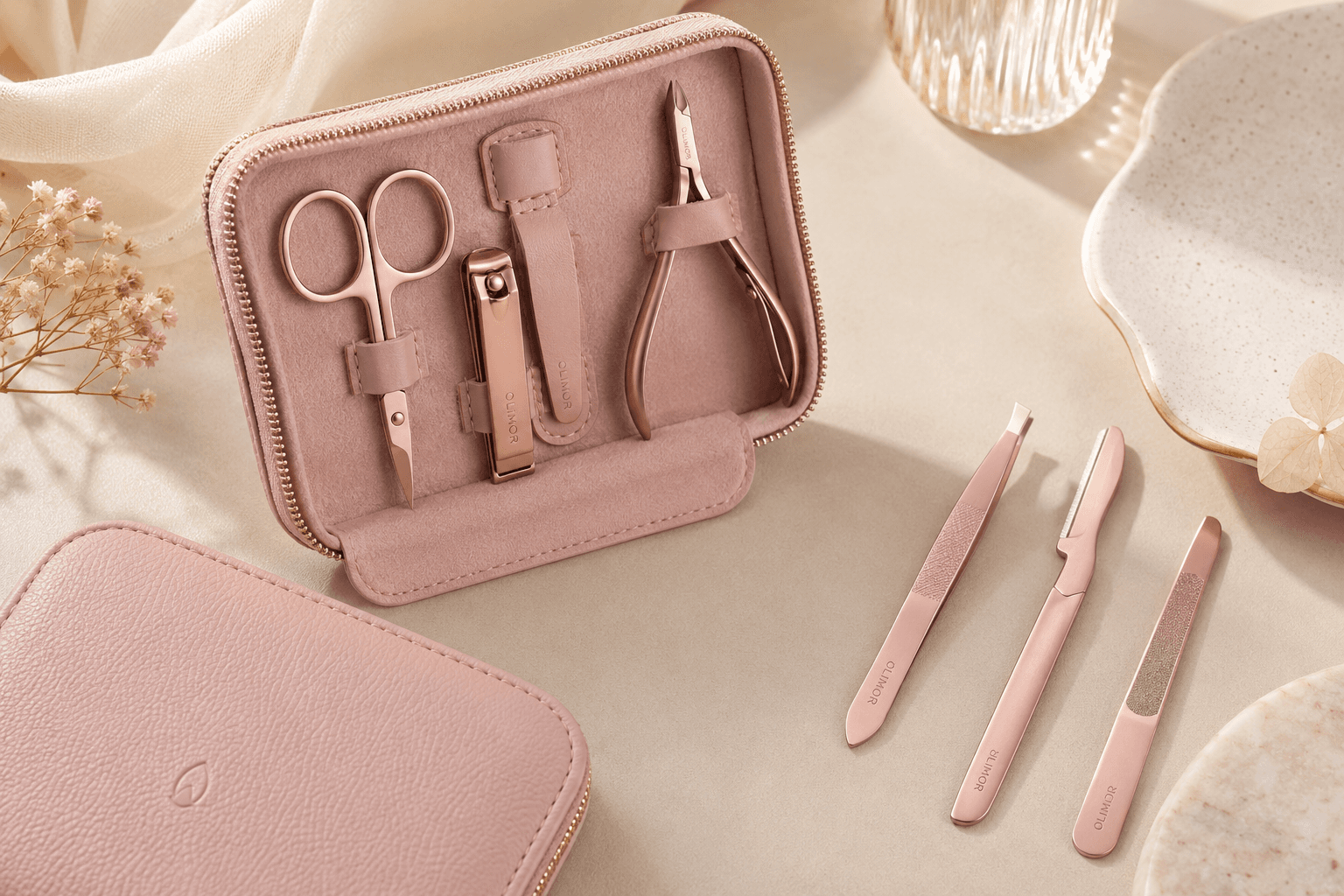
This guide explains how to choose between angled, straight and curved tweezer tips, how to tweeze with less irritation, how to maintain stainless steel tools and what B2B buyers should check before placing an order. Olimor Beauty offers practical beauty tools for accurate grooming tasks, including stainless steel tweezers in several tip shapes. Buyers can review broader beauty tool options through the Olimor product range or compare related categories in the beauty tool collections.
What Makes a Tweezer Precise?
A precise tweezer does three things well: it closes evenly, grips the hair securely and gives the user enough control to remove only the intended hair. The tip shape matters, but it is only one part of performance. Tip alignment, arm tension, surface finish and cleanliness all influence whether the tool grips cleanly or slips.
Stainless steel is commonly used for quality beauty tweezers because it supports routine cleaning and can resist corrosion when properly maintained. However, material alone does not guarantee good performance. The tweezer tips must meet accurately, the gripping edges should be cleanly finished and the arms should flex with manageable pressure. If the tips are misaligned, rounded, oily or damaged, even a stainless steel tweezer may fail to remove fine hair efficiently.
For retail buyers and sourcing teams, precision should be evaluated through hands-on inspection, not only from photos. Ask how the supplier checks raw materials, tip finishing, closure alignment and final appearance. Olimor Beauty’s stated focus includes raw material review through final inspection, which is the type of process detail buyers should discuss when comparing suppliers.
Compare Angled, Straight and Curved Tweezer Tips
The best tweezer tip depends on the task. Brow shaping, facial detail work and removing visible stray hairs do not all require the same geometry. Choosing the wrong tip can make the user work harder, grip too much hair or lose visibility near the skin.
| Tip style | Best fit | Advantages | What to watch |
|---|---|---|---|
| Angled tip | Brow shaping and general facial grooming | The slanted edge can sit close to the skin while keeping the user’s hand out of the sightline. It is often the most versatile choice for everyday grooming. | Users should avoid grabbing several brow hairs at once unless that is intentional. |
| Straight tip | Working along a defined line or gripping multiple visible hairs | The flat edge can help when alignment and straight borders matter, such as cleaning a broad area outside a brow guide. | It requires careful placement because it can remove more hair than expected. |
| Curved tip | Detail work in small areas where visibility and hand clearance are important | The curved form can improve access and viewing angle for selected tasks. | Buyers should test whether the curve suits the target user’s handling preference. |
For a personal grooming kit, an angled tweezer often covers the widest range of needs. For a salon, brow bar or retail set, offering more than one tip style can make sense because different users have different habits. For sourcing, decide whether the target customer needs a single everyday tweezer, a multi-tip set or a professional assortment.
Prepare Skin Before Tweezing
Good tweezing begins before the first pull. Clean, dry skin is easier to inspect and less likely to transfer oil, makeup or residue to the tweezer tips. If the skin is slippery, fine hairs are harder to isolate and the tool may slide along the hair shaft instead of gripping near the base.
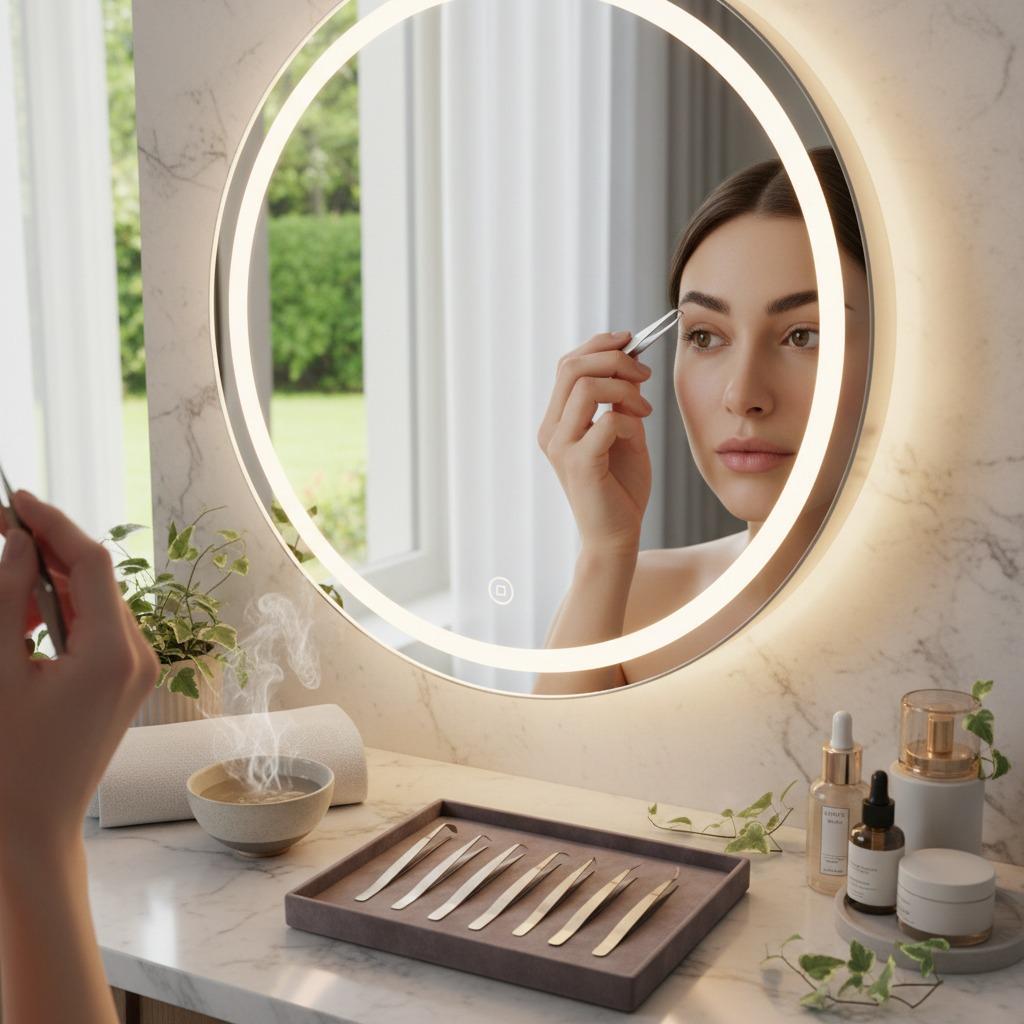
Wash the area with a gentle cleanser and pat it dry. If shaping brows, remove foundation, sunscreen or brow gel from the brow line first. Brush brow hairs into their natural position so it is easier to see which hairs sit outside the intended shape. Bright, even lighting is more useful than excessive magnification because it helps the user judge both individual hairs and overall symmetry.
A brief warm compress or tweezing after a shower may make the skin feel more comfortable for some users. Avoid aggressive scrubbing, harsh exfoliation or heavy steaming immediately before tweezing, especially on sensitive skin. Do not tweeze over broken, sunburned, infected or actively inflamed skin. Where irritation, infection or unusual skin reaction is present, users should follow qualified medical or professional advice instead of forcing hair removal.
Use the Right Technique to Reduce Breakage and Irritation
The main goal is to remove the hair from the root with one controlled motion. Pulling straight upward, especially on hairs that grow at an angle, can snap the shaft and leave a dark dot or stubble-like feel. Repeated attempts on the same hair increase redness and discomfort.
- Identify one hair and confirm it is outside the desired grooming line.
- Hold the surrounding skin gently taut without stretching aggressively.
- Place the tweezer tips close to the base of the hair, not at the end.
- Grip firmly enough that the hair does not slide.
- Pull in the direction of natural hair growth with one smooth motion.
- Pause after a few hairs and check the overall shape in normal lighting.
For brows, remove obvious strays first and step back frequently. Many over-tweezing mistakes happen when the user stays close to a mirror and focuses on tiny differences between the two brows. Brows are naturally not identical, and trying to force exact symmetry can make them too thin. A clean brow pencil guide can help: mark the preferred shape, then tweeze only the hairs outside the guide.
For chin, upper lip or other facial detail areas, work slowly and keep the skin clean. If a hair is too short to grip above the surface, wait until it grows enough for clean removal. Digging into the skin with a tweezer tip can cause small wounds, discoloration and more irritation.
Aftercare: Redness, Ingrown Hairs and Comfort
Temporary redness after tweezing is common, especially around the brow bone, upper lip and chin. The goal is to keep aftercare simple. Avoid repeatedly touching the area, applying heavy makeup immediately or using strong acids or retinoids on the freshly tweezed area right away. A clean, cool compress can help calm visible redness. Some users choose a simple soothing product such as aloe, provided their skin tolerates it.
Ingrown hairs are more likely when hair breaks below the surface or when buildup traps the emerging hair. Pulling with the direction of growth helps reduce breakage. Gentle exfoliation on non-irritated days may help keep the area clear, but exfoliation should not be used as a way to force out a trapped hair immediately after tweezing. If swelling, spreading redness, pain or signs of infection appear, the user should stop grooming the area and seek appropriate professional guidance.
Clean, Store and Inspect Stainless Steel Tweezers
A tweezer that is not clean or aligned will not perform like a precision tool. Oil, skincare residue and makeup can build up on the gripping edges. Dropping tweezers into a makeup bag without tip protection can bend or dull the tips. Even a small alignment problem can make fine hair slip.
For personal use, wipe the tips after each session and disinfect them before storage. Let the tool dry fully before putting it away. Store tweezers where the tips will not rub against eyelash curlers, nail tools or other metal objects. If a protective cap is available, use it.
For salons, spas and brow services, hygiene procedures should follow local rules and the latest guidance from applicable regulators or public health bodies. In the United States, for example, state cosmetology boards and local health departments may set requirements for tool sanitation. Buyers selling into the European Union should also understand general product safety obligations, including the EU General Product Safety Regulation where applicable. Always verify current versions, local requirements and supplier documents instead of relying on assumptions.
Maintenance Checklist for Repeatable Performance
- Clean after use: Remove visible residue from the tips and arms.
- Disinfect appropriately: Use a method suitable for the tool material and the service environment.
- Dry before storage: Avoid leaving moisture on stainless steel tools.
- Protect the tips: Prevent impact, bending and abrasion during storage or shipping.
- Check closure: Confirm both tips meet evenly when light pressure is applied.
- Watch for slipping: Replace or remove from service if fine hairs are no longer gripped reliably.
- Inspect surface finish: Look for burrs, dents or rough edges that could scratch skin.
B2B Sourcing: How to Evaluate Precision Tweezers
For retailers, distributors and beauty tool brands, tweezer quality affects customer satisfaction quickly. Packaging may attract the first purchase, but performance determines reviews, repeat orders and returns. A sourcing review should focus on the real use experience: grip, comfort, finish, cleanliness and consistency.
Start with intended use. Are the tweezers for a basic personal care kit, a brow grooming set, a salon retail display or a professional service environment? A low-complexity retail item may prioritize a versatile angled tip, while a more complete grooming set may include angled, straight and curved tips. If the product is intended for professional use, cleaning compatibility and repeat inspection become more important.
Next, ask the supplier practical questions. What materials are used? How are incoming materials checked? How is tip alignment inspected? Are the edges checked for burrs? How are tools protected during packing? What customization options are available for finish, packaging or sets? Do not rely only on broad claims such as “high quality.” Ask for samples and inspect them under the conditions your customers will actually use.
Supplier Evaluation Checklist
| Evaluation area | What to check | Why it matters |
|---|---|---|
| Material and finish | Confirm stainless steel use and examine surface consistency. | Supports routine cleaning and a professional appearance when maintained properly. |
| Tip alignment | Close the arms with light pressure and look for gaps or uneven contact. | Misaligned tips can slip, snap hairs or frustrate users. |
| Gripping test | Test fine hair or suitable fibers to judge control. | Shows real-world performance better than appearance alone. |
| Hand comfort | Assess arm tension, balance and ease of repeated use. | Excessive pressure can tire the hand and reduce accuracy. |
| Inspection process | Ask about raw material review, in-process checks and final inspection. | Helps buyers understand consistency before larger orders. |
| Customization | Discuss tip mix, packaging, branding and assortment needs. | Aligns the product with sales channel and customer expectations. |
Cost depends on several factors that should be compared carefully: material selection, tip finishing complexity, quantity, packaging, customization, inspection requirements and shipping method. Avoid evaluating suppliers only by the lowest unit quote. A tweezer that slips, arrives with bent tips or creates inconsistent user experience can create higher downstream costs through complaints, returns and brand damage.
Olimor Beauty can discuss stainless steel tweezer options for grooming assortments, professional kits and retail beauty tools. To compare products, visit precision beauty tools. For sourcing questions, customization discussions or sample requests, send a product inquiry or reach the team through Olimor contact support.
Common Tweezing Problems and Practical Fixes
The tweezer slips off fine hair. Clean the tips first, because skincare residue can reduce grip. If slipping continues, inspect the closure for gaps or rounded edges. The tool may be damaged or poorly aligned.
Hair breaks instead of coming out. Grip closer to the root and pull in the direction of growth. Avoid grabbing only the end of the hair. If the hair is too short, wait until it is long enough for a secure hold.
Skin becomes very red. Work in shorter sessions, avoid tweezing irritated skin and use a cool compress afterward. Do not apply strong active skincare immediately to freshly tweezed skin.
Brows become uneven. Stop tweezing and reassess in normal lighting. Use a brow pencil guide next time and remove only obvious strays before making shape changes.
The tweezer used to work but no longer grips. Check whether it was dropped, bent or stored without tip protection. Clean, inspect and replace it if alignment cannot be restored.
FAQ
Can B2B buyers request tweezer samples before ordering?
Yes. Samples are useful for checking tip alignment, grip, finish, comfort and packaging direction before committing to a larger order. Share the intended use and preferred tip styles so the sample review is relevant.
Is there a fixed MOQ for Olimor tweezers?
MOQ can depend on the product type, customization, packaging and order requirements. Buyers should confirm current MOQ directly through an inquiry rather than assuming one standard quantity.
Can tweezers be customized for retail or brand programs?
Customization may involve assortment choices, packaging direction or branding requirements, depending on the project. Provide target channel, expected tip styles and any artwork or packaging needs for review.
How should quality be checked before shipment?
Practical checks include material and finish review, tip closure inspection, grip testing, burr inspection, packaging protection and final visual review. Buyers should request supplier documents that match their own quality requirements.
How is lead time determined?
Lead time can vary with product selection, quantity, customization, packaging confirmation and production schedule. Confirm timing with the supplier after specifications are clear.
Key Takeaway
Effective tweezing depends on both the tool and the method. Choose the tip style for the task, prepare clean skin, grip hair close to the root, pull with the direction of growth and maintain the tool carefully. For B2B sourcing, evaluate stainless steel tweezers through real handling tests, alignment inspection, finish quality, supplier communication and packaging suitability. A precise tweezer should not simply look polished; it should help the user remove hair cleanly, comfortably and with control.
Tag: