











Import Nail Clippers from China: Practical Supplier Insights for Beauty Tool Buyers
Importing nail clippers from China can be a sensible sourcing route for wholesalers, beauty tool distributors, private-label buyers, salon supply companies, and e-commerce sellers. Nail clippers are small, repeat-purchase grooming tools, but they are not simple products to source well. Blade sharpness, hinge stability, plating quality, packaging durability, and inspection discipline all affect whether the final item feels reliable in the customer’s hand.
China remains a major manufacturing base for beauty and personal care tools because buyers can compare a wide range of factories, finishing options, packaging formats, and export experience. For importers, the opportunity is not only a lower unit cost. The real value is the ability to build a product line that matches a specific retail channel: basic daily-use clippers, salon-ready grooming kits, compact travel tools, or multifunctional nail care accessories.

Why Import Nail Clippers from China?
The main appeal of importing nail clippers from China is supplier variety. A buyer can compare different blade shapes, handle profiles, finishes, and packaging options in one sourcing market. This is useful when a product must fit a particular customer expectation, such as compact size for travel, comfortable leverage for home use, or a clean retail presentation for pharmacy and beauty channels.
Cost efficiency is another reason many companies evaluate Chinese suppliers. Nail clippers are often ordered in volume, and small changes in material waste, polishing time, assembly efficiency, or carton design can affect landed cost. However, buyers should avoid judging suppliers by unit price alone. A cheaper clipper that arrives with dull blades, loose pins, uneven plating, or weak packaging can create returns and damage a retail brand.
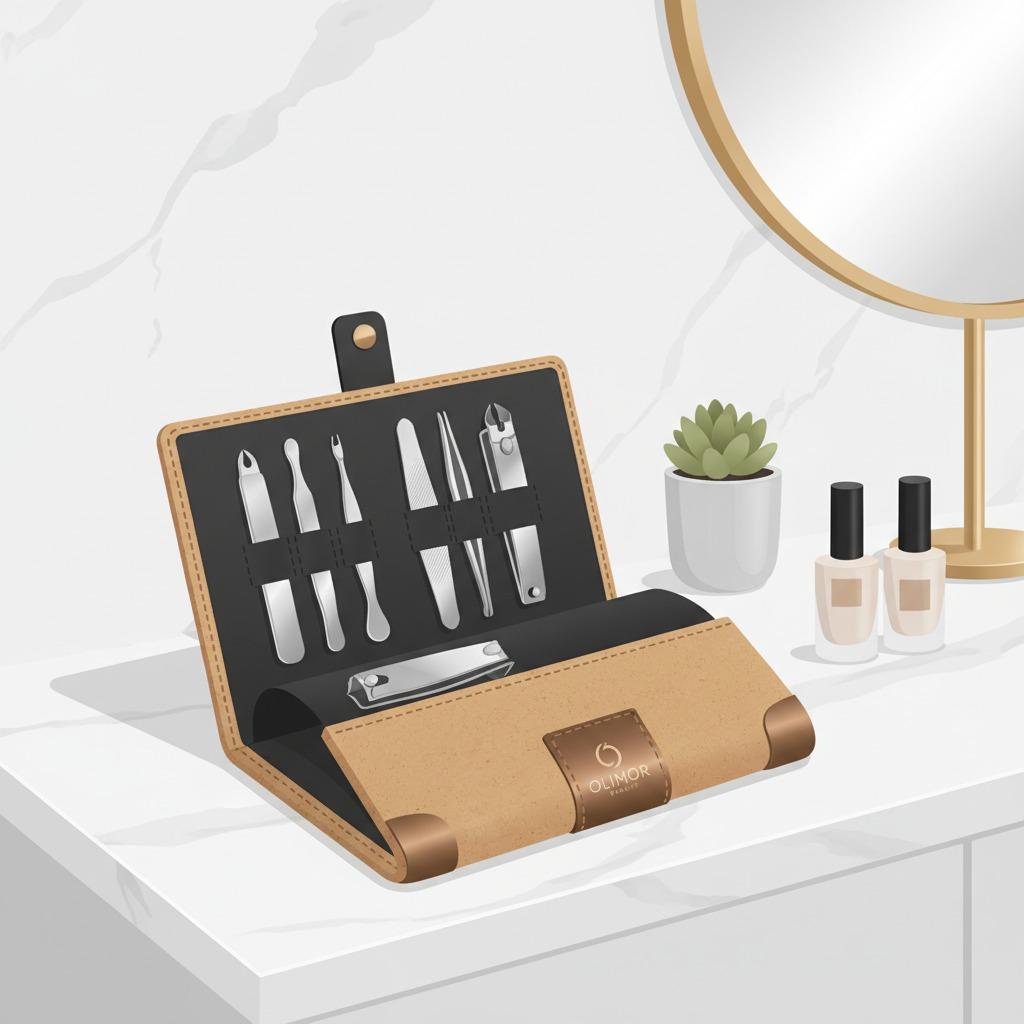
Importing also gives buyers access to related beauty tool categories. If you are building a broader grooming range, review Olimor Beauty’s beauty tool products to understand how nail tools can sit beside other personal care accessories. For assortment planning, the product collections page can also help buyers think beyond a single SKU and toward a coordinated shelf or online catalog.
Key Quality Factors in Nail Clipper Sourcing
A nail clipper looks simple, but its performance depends on small mechanical details. The cutting edges must align cleanly. The lever must apply pressure smoothly. The body should resist bending during normal use. Surfaces should feel comfortable, without rough edges that catch the skin. These details are especially important for importers selling under their own brand because the tool may be judged repeatedly over months of use.
Before confirming an order, buyers should compare samples from more than one supplier and test them in ordinary use conditions. Do not rely only on photos or catalog descriptions. A polished clipper can look attractive online while still having weak cutting performance or inconsistent spring-back.
- Blade alignment: Check whether the upper and lower cutting edges meet evenly from side to side.
- Cutting feel: Test on different nail thicknesses to see whether the cut is clean or leaves tearing.
- Lever stability: Open and close the clipper repeatedly and look for wobbling or looseness.
- Surface finishing: Inspect corners, holes, and edges for burrs, scratches, or uneven polishing.
- Corrosion resistance: Review the material and surface treatment with the supplier and consider practical storage conditions.
- Packaging strength: Confirm whether blister cards, boxes, pouches, or bulk packaging protect the tool during transit.
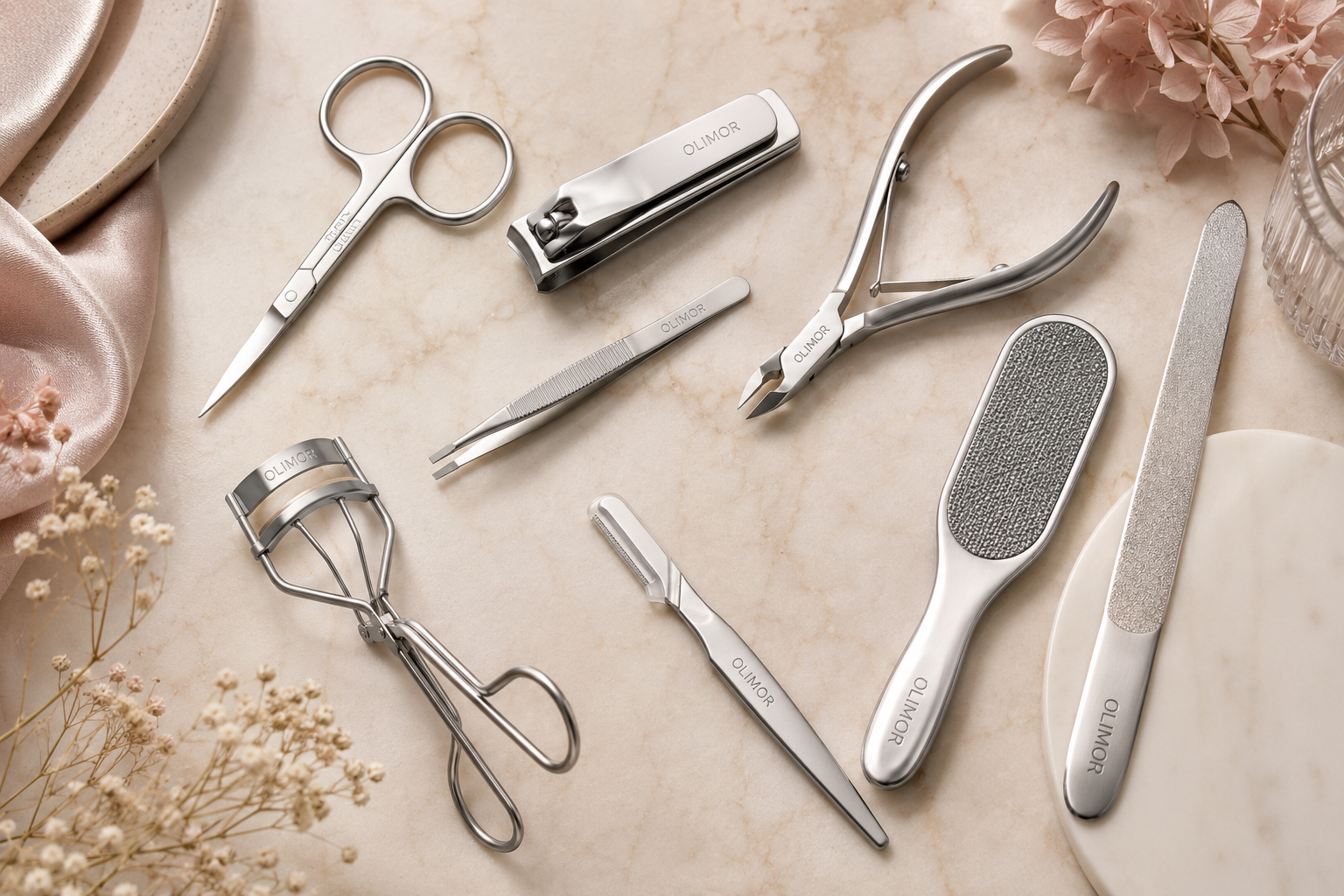
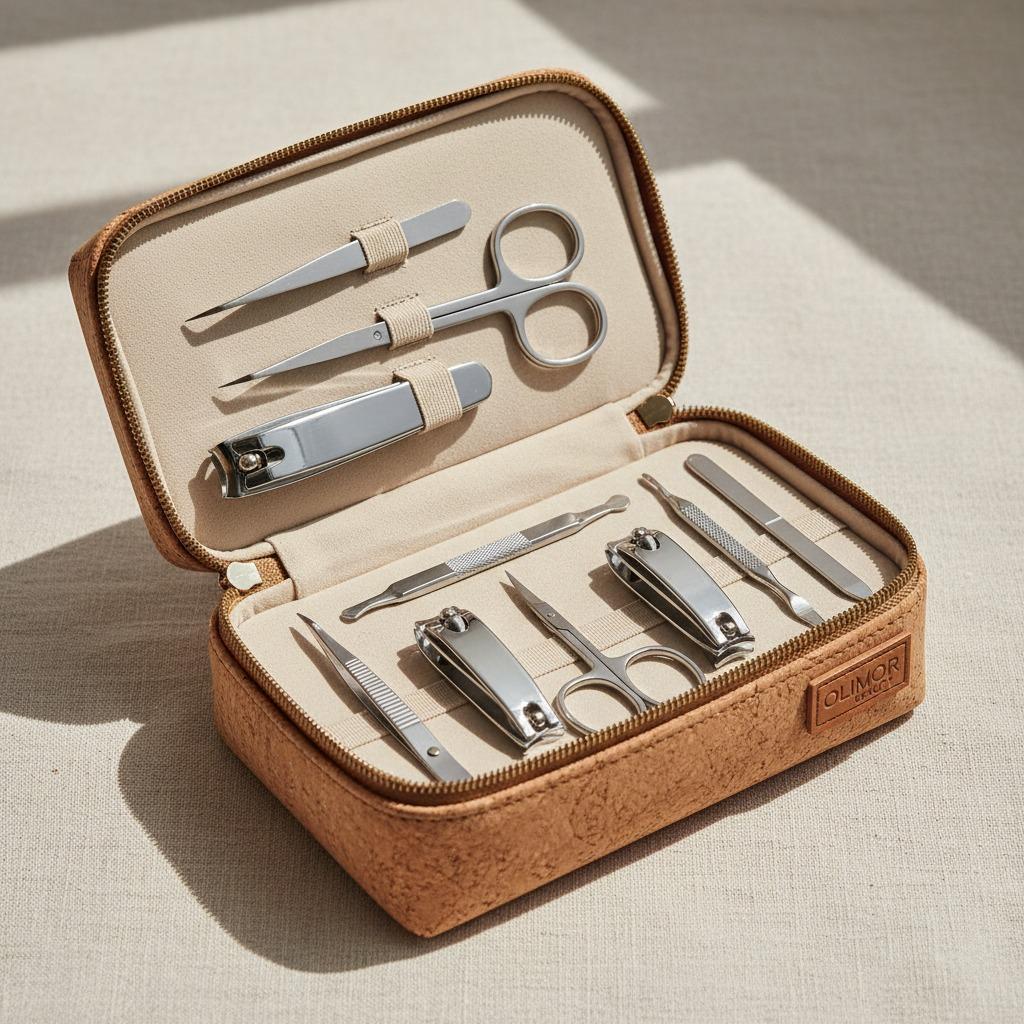
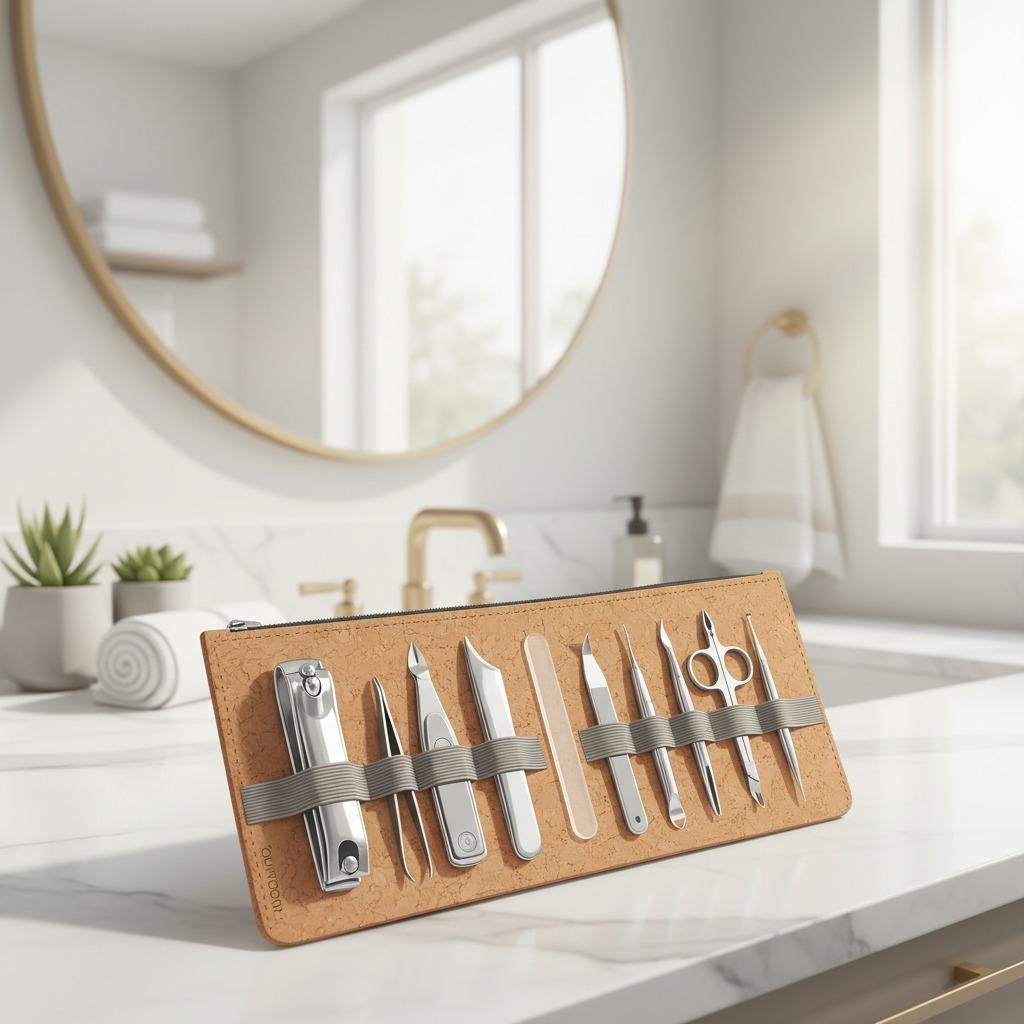
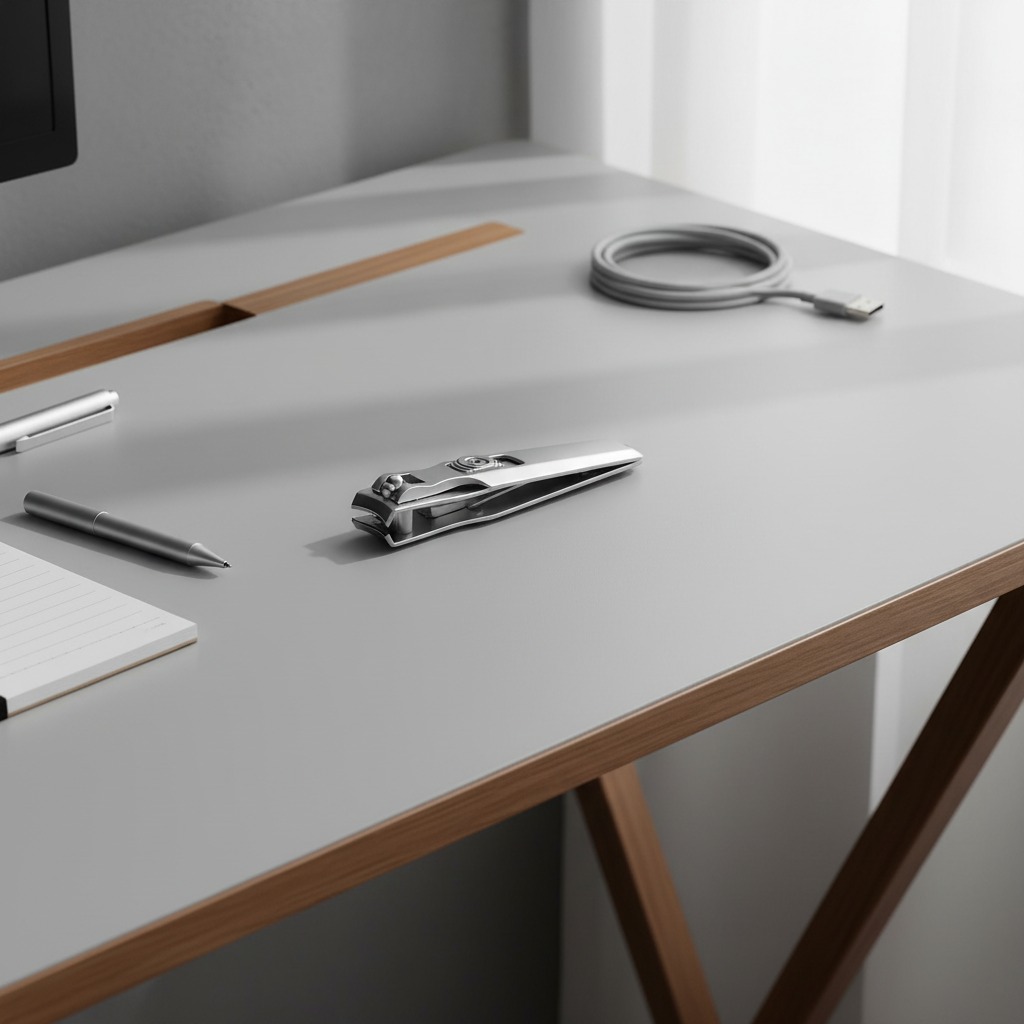
The original page references a sleek Silver Nail Clipper and a multifunctional Line Cutter Tool. If you are considering similar items, use samples to confirm the real hand feel, cutting accuracy, and portability rather than relying only on product names. A compact tool can be convenient, but it still needs to perform consistently.
Global Supplier Versus Local Sourcing: What Changes?
Local sourcing can offer advantages when a buyer needs small replenishment orders, immediate communication, or a domestic invoice structure. It may also reduce import administration for companies that are not ready to manage overseas purchasing. The trade-off is that local options may provide a narrower selection, fewer customization choices, and a higher cost per unit.
Working with a global nail clipper supplier can provide broader product development flexibility. Buyers may compare handle sizes, different finishes, nail file combinations, hang-card packaging, gift set packaging, or tools intended for retail display. For businesses building a long-term range, this flexibility can matter more than a single low-cost order.
| Decision Point | Local Sourcing | Importing from China |
|---|---|---|
| Product variety | Often limited to stocked items | Wider selection of shapes, finishes, and packaging |
| Customization | May be restricted or expensive | More options to discuss for branding and retail presentation |
| Lead time | Can be faster for available inventory | Depends on production, inspection, and shipping method |
| Quality control | Can inspect domestically before buying | Requires sample approval, production checks, and shipment inspection |
| Landed cost | Simpler calculation but often higher unit cost | Can be cost-efficient when freight, duty, and defects are managed |
Supplier Evaluation Questions Before You Import
A professional import process begins before price negotiation. Buyers should first define the target channel, expected retail price range, packaging needs, and inspection standard. A nail clipper for a low-cost multipack is not evaluated the same way as a premium-looking grooming accessory. The more clearly the buyer defines the product role, the easier it is to compare supplier proposals.
Useful evaluation questions include:
- What product types are currently available? Compare existing nail clipper styles before requesting changes.
- Which materials and finishes are offered? Record the supplier’s exact descriptions and sample references.
- Can pre-production samples be approved? Keep one approved sample as the benchmark for production inspection.
- How are sharpness and alignment checked? A clear inspection method is better than a general promise of quality.
- What packaging formats are supported? Confirm retail display, barcode placement, language requirements, and carton strength.
- What export documents can be provided? Document needs vary by destination market and shipment method.
- How are defects handled? Agree on inspection timing, acceptable quality limits, and communication steps before mass production.
If your team is planning a product inquiry, you can send an inquiry with your intended market, packaging preference, and order goals. If you need help clarifying whether a nail clipper, grooming set, or related beauty tool is the better fit, contact Olimor with the use case and buyer channel.
Packaging, Branding, and Retail Readiness
Packaging is not just decoration for nail clippers. It protects the cutting edge, prevents scratches, supports barcode scanning, and communicates the product’s purpose. For retail channels, packaging also affects shelf presentation and customer confidence. For e-commerce, it must survive parcel handling without creating excess size or weight.
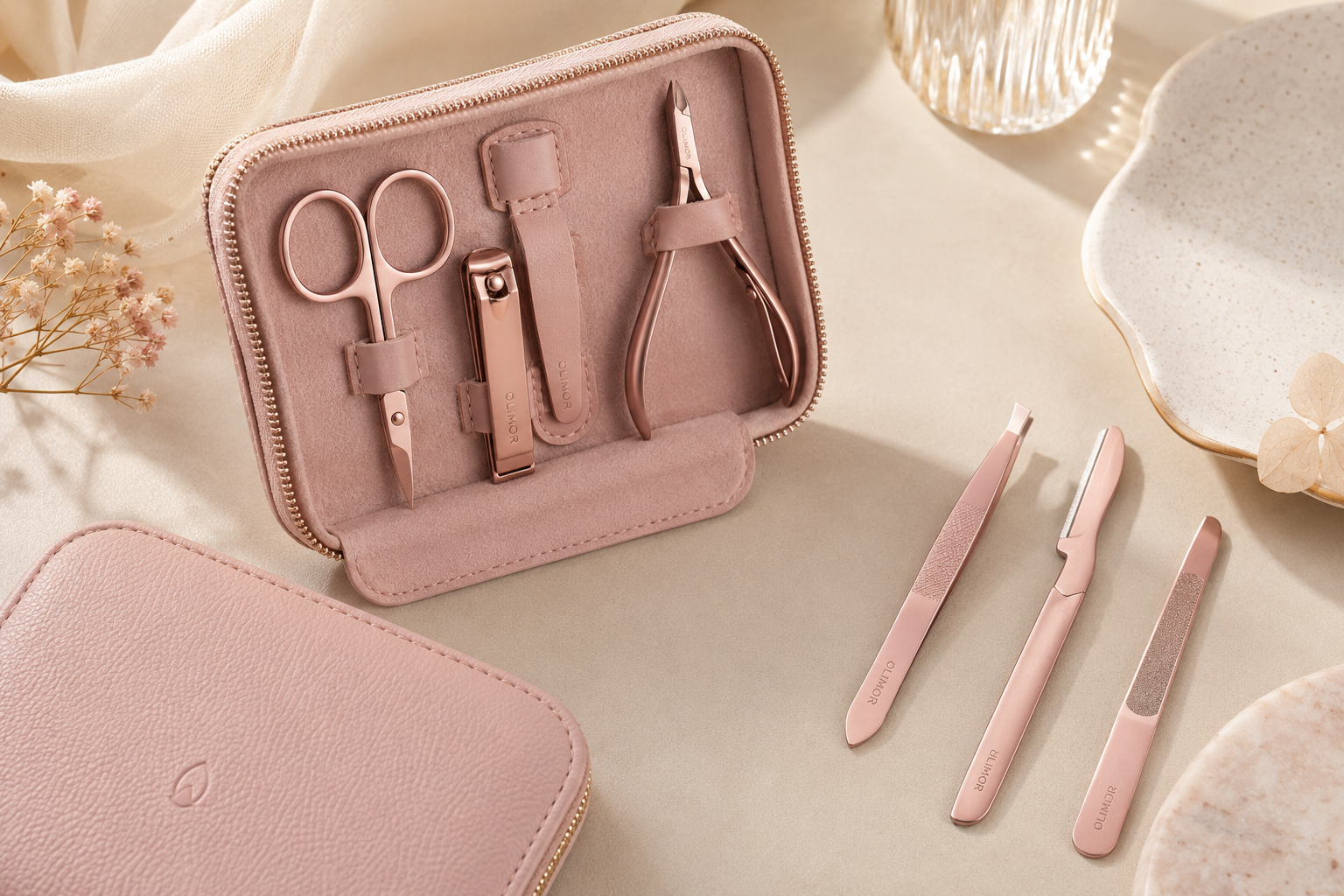
Common packaging directions include simple bulk packing for distributors, blister card packaging for retail display, small boxes for giftable grooming items, or pouches for travel sets. The right option depends on your sales channel and margin structure. Before ordering, confirm dimensions, carton quantity, inner packing, and whether the clipper is fixed securely inside the package. Movement during shipping can cause scratches even when the tool itself is well made.
Branding decisions should also be practical. A logo may look clear on a digital mockup but less consistent on a curved or polished metal surface. Request physical samples when branding placement is important. Check whether the mark remains readable after normal handling and whether it interferes with the clean appearance of the tool.
Import Planning: Cost, Logistics, and Risk Control
The purchase price is only one part of nail clipper import planning. Buyers should calculate landed cost, including packaging, inland transport, export handling, freight, insurance if used, duty, customs clearance, and local delivery. A small metal tool can be economical to ship, but packaging volume may change the freight calculation significantly.
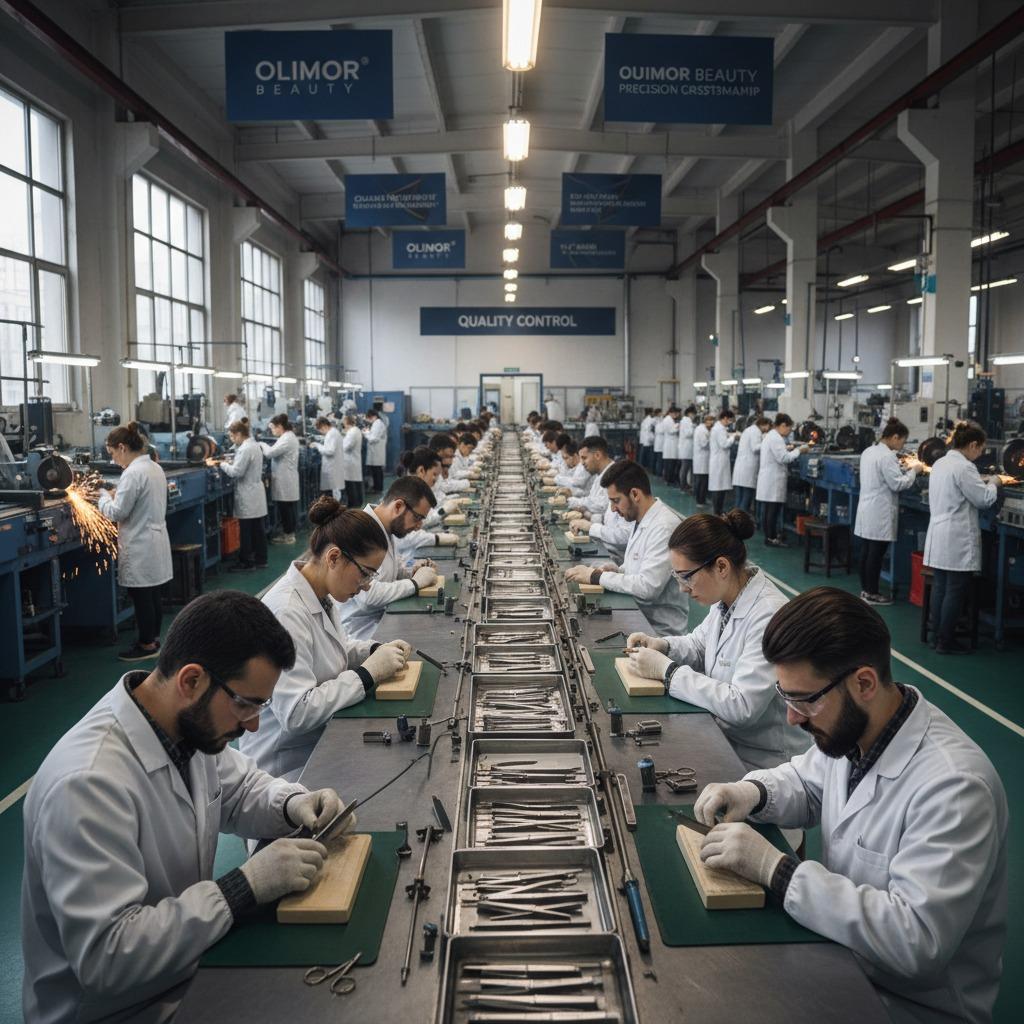
Risk control is especially important for first orders. Start with sample approval, confirm specifications in writing, and use clear inspection criteria. Photographs and videos can help during communication, but they should not replace a structured pre-shipment inspection when the order is commercially important. The inspection should compare production goods against the approved sample and review appearance, function, quantity, packaging, carton marks, and basic workmanship.
For repeat orders, keep records of defects, customer comments, and packaging damage. This feedback helps refine future production. A supplier relationship becomes more valuable when both sides can improve the item over time instead of treating each purchase as an isolated transaction.
Building a Stronger Nail Clipper Import Program
The best sourcing results come from balancing price, consistency, and product fit. Importing nail clippers from China can support a broad range of buyers, but success depends on disciplined comparison and clear quality expectations. Focus first on the intended user and channel, then evaluate the supplier’s ability to deliver reliable cutting performance, clean finishing, protective packaging, and stable export communication.
Whether you are sourcing a single Silver Nail Clipper style, exploring a multifunctional tool, or planning a broader grooming assortment, the same principle applies: approve the sample carefully, define the inspection standard, and calculate the full landed cost before scaling the order. With that approach, nail clipper export from China can become a practical part of a long-term beauty tool supply strategy.