











Importing Nail Clippers from China: How to Source with Confidence
Nail clippers look simple, but they are not a product to buy carelessly. A clipper with weak leverage, rough edges, poor plating, or blades that dull quickly can create customer complaints and repeat-purchase problems. For wholesalers, retailers, salon suppliers, and private-label beauty businesses, the goal is not only to find a low unit price. The real goal is to source a dependable grooming tool that cuts cleanly, feels comfortable in the hand, travels well, and arrives in packaging suitable for your sales channel.
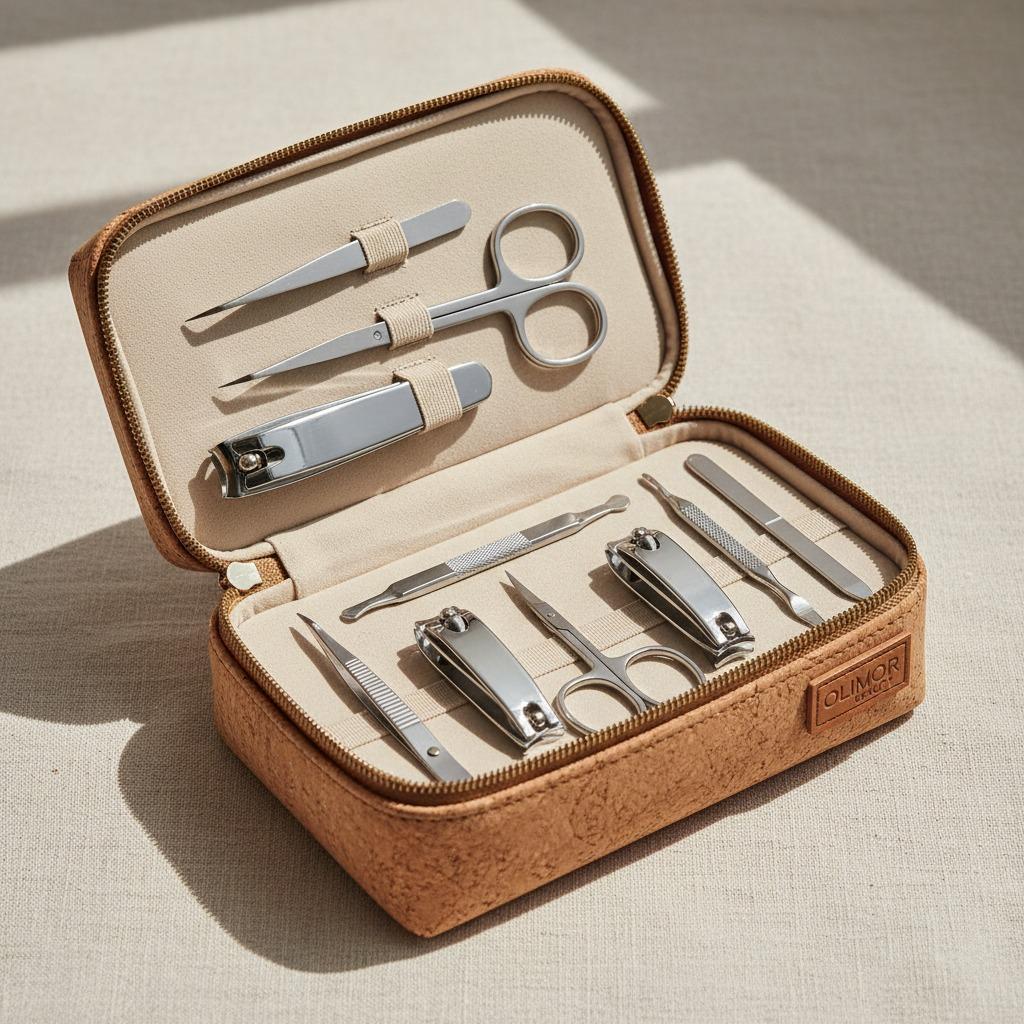
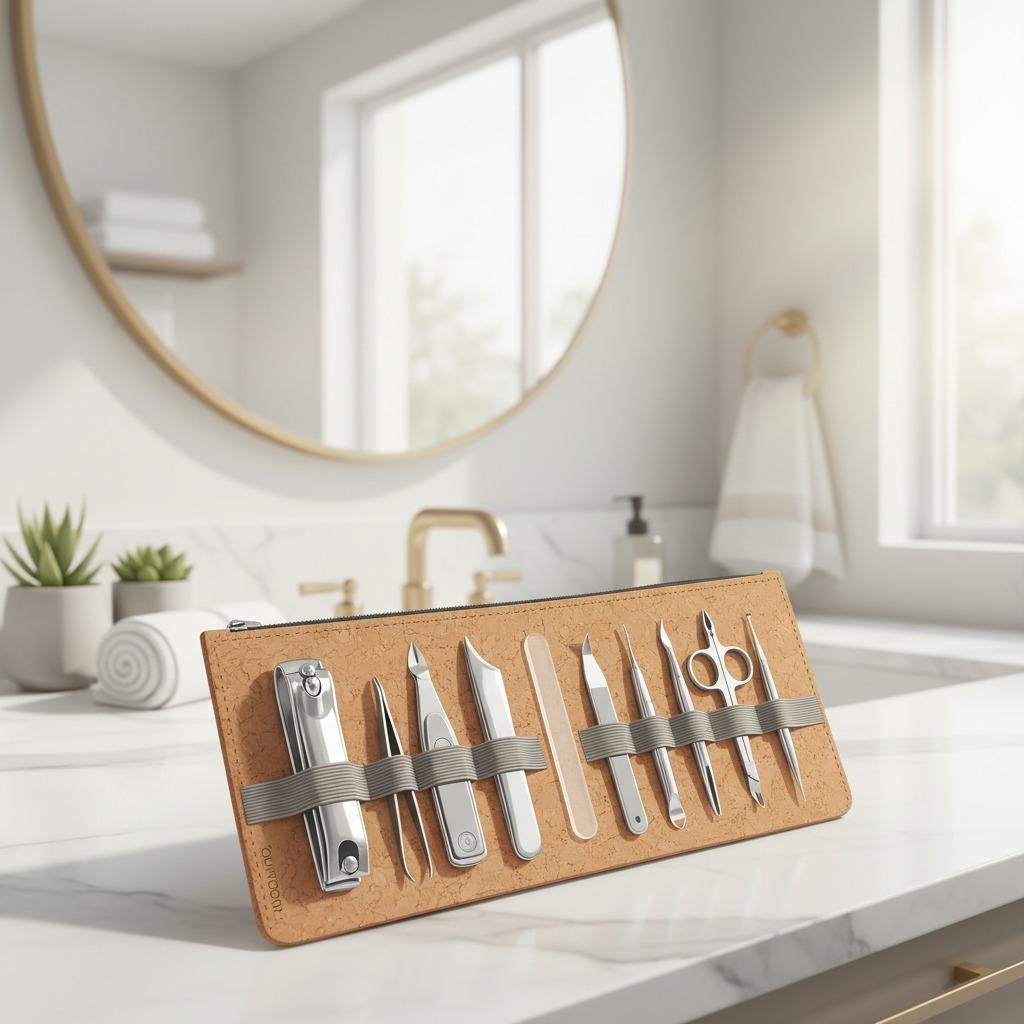
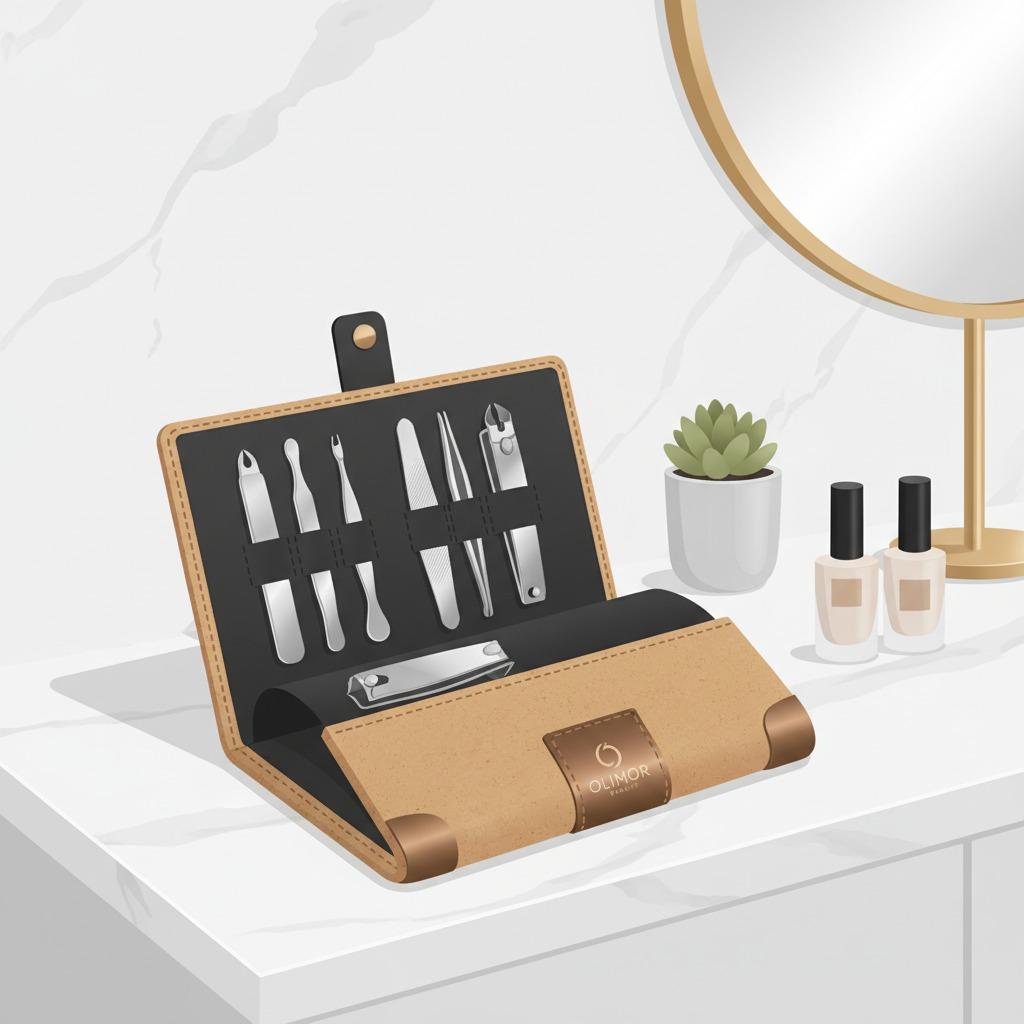
China remains an important manufacturing base for nail clippers and related beauty tools because buyers can access a wide supplier ecosystem, multiple product styles, and export experience. This does not mean every product is equal. A professional sourcing decision should compare materials, blade finishing, ergonomics, quality control, packaging options, and communication before an order is placed. If you are reviewing beauty tool products for retail or distribution, nail clippers are a category where small details make a visible difference.
Why Buyers Consider Nail Clipper Export from China
Importing nail clippers from China is attractive because the supply chain can support a broad range of market needs. Buyers may look for compact daily-use clippers, salon-oriented tools, travel-friendly grooming items, or simple retail multipacks. In many domestic markets, local stock may be convenient but limited in design choice, packaging flexibility, and sourcing transparency. Importing allows a buyer to compare several factories or trading partners and select a product that better fits the intended customer.
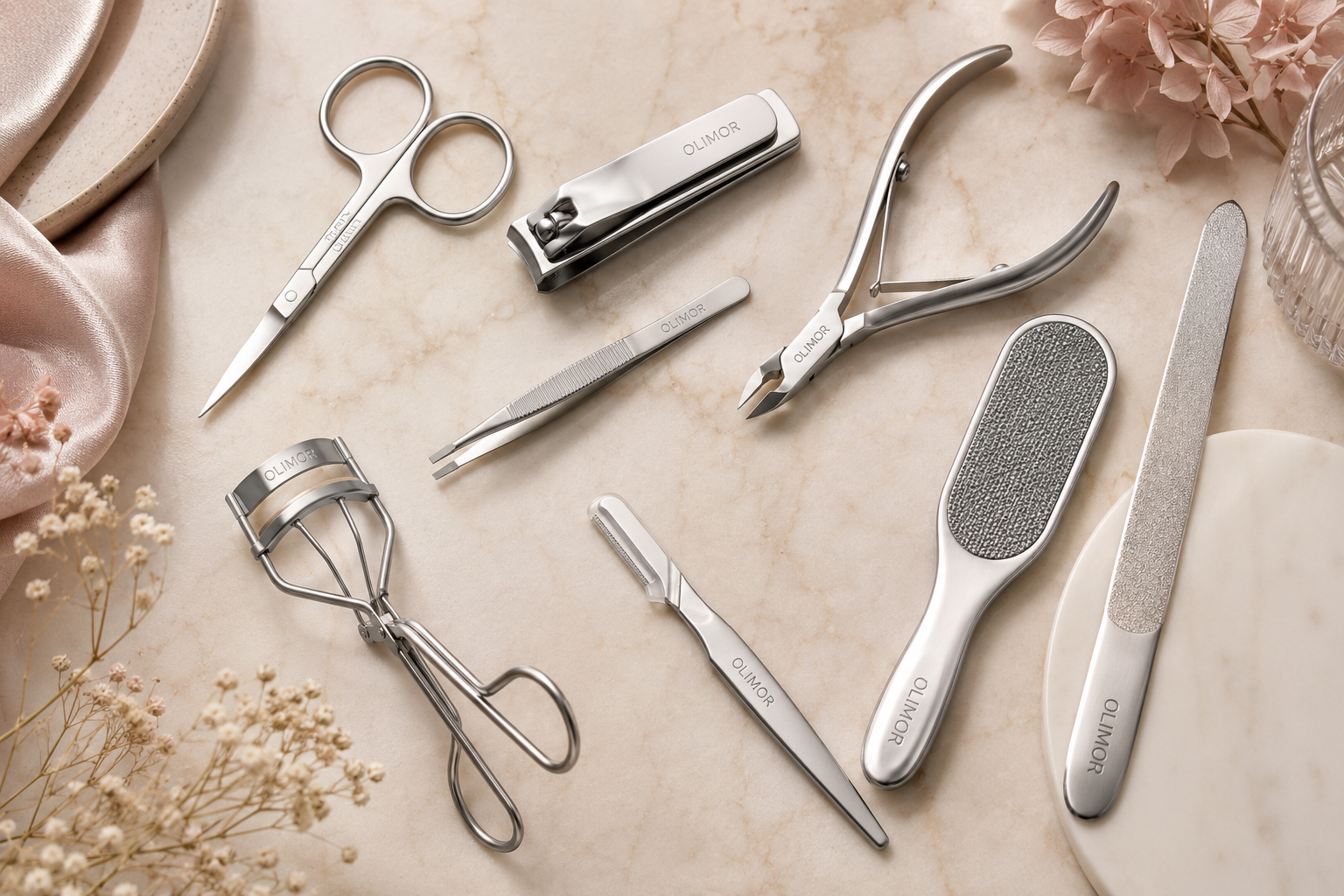
For nail clippers, the most important sourcing advantage is usually variety. Chinese suppliers often offer different shapes, lever styles, blade curves, handle finishes, colors, and accessory combinations such as a built-in file. This matters because a supermarket buyer, an online beauty brand, and a salon distributor may all need different product presentations. A minimalist stainless steel clipper may suit travel grooming, while a larger lever design may be better for customers who prefer easier pressure control.
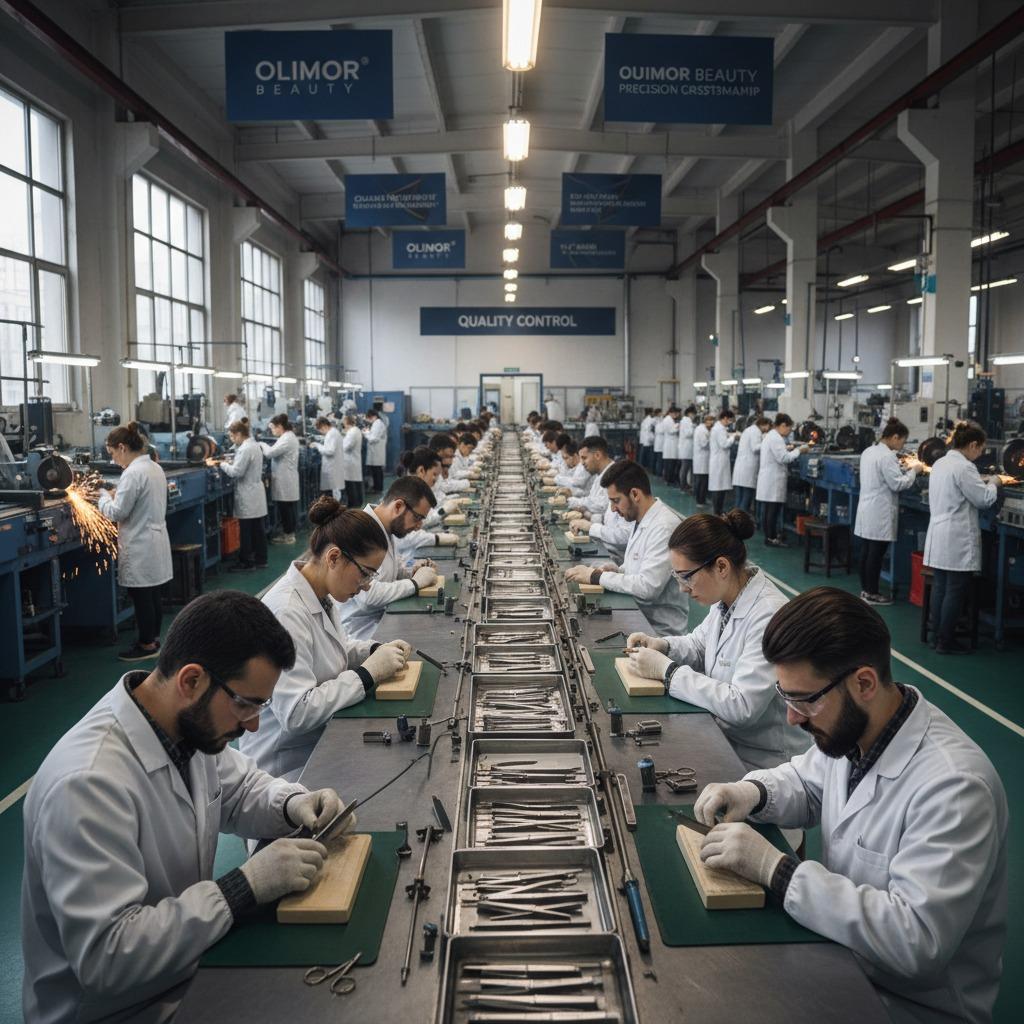
Export experience also matters. A supplier familiar with international trade should understand carton packing, barcode or label requirements, documentation routines, and the need for consistent batch quality. These points may not be visible in a product photo, but they affect how smoothly the order moves from production to warehouse receiving.
Product Details That Separate Good Clippers from Poor Ones
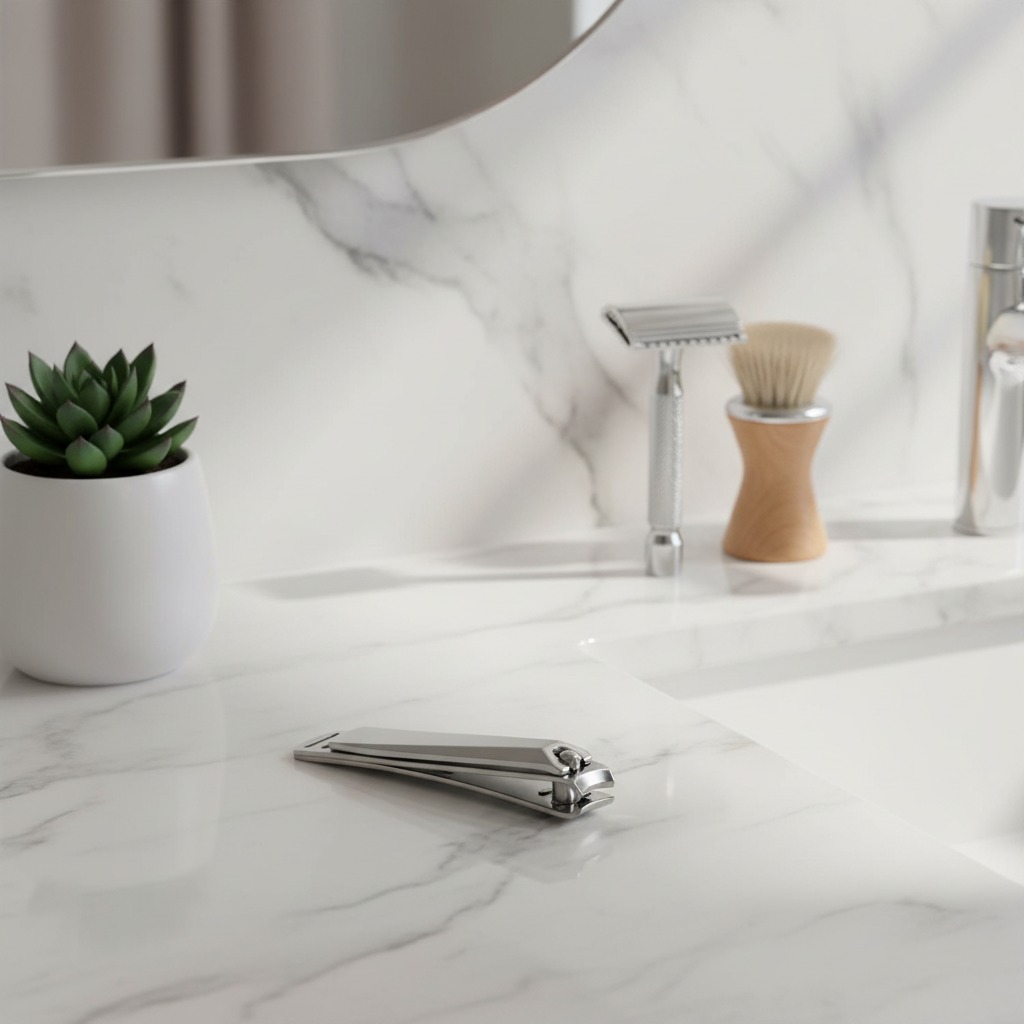
A nail clipper should cut cleanly without crushing the nail. The cutting edges need to meet evenly, the lever should provide enough force without bending, and the surface should be smooth where the hand touches the tool. When comparing imported nail clippers, focus on the details that influence real user experience rather than only appearance.
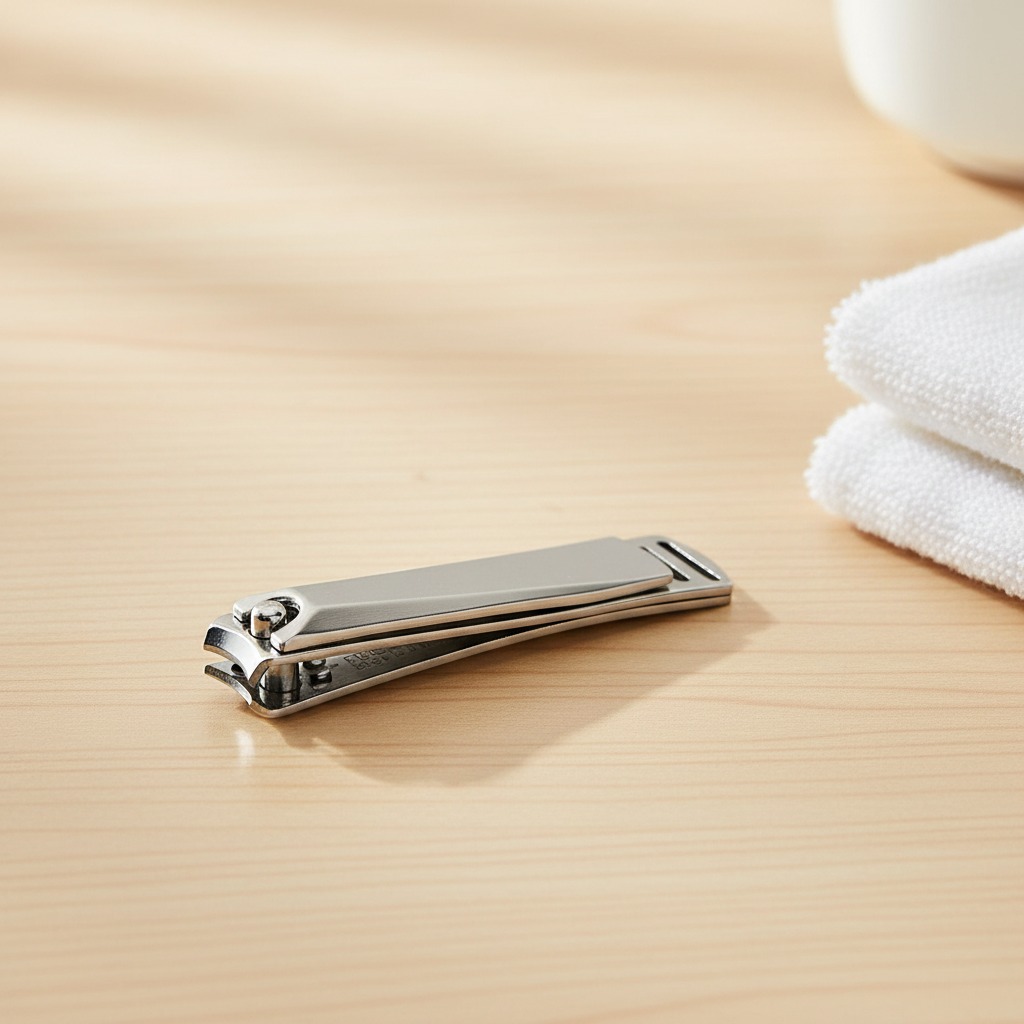
- Blade alignment: The upper and lower cutting edges should meet evenly from side to side. Misalignment can leave ragged edges or require repeated cuts.
- Blade curve: A curved blade can follow the natural nail shape, while a straighter edge may suit other trimming preferences. Choose based on your target users.
- Material choice: Stainless steel is commonly preferred for grooming tools because it supports durability and resistance to corrosion when properly finished.
- Lever strength: The lever should press smoothly, return properly, and not feel loose. Weak leverage makes trimming uncomfortable.
- Edge finishing: Corners and side surfaces should be free from burrs. Rough finishing can make even a sharp clipper feel low quality.
- Portability: Compact products are easier to sell for travel, handbags, office drawers, and daily personal grooming kits.
- Added functions: A built-in file can be useful for quick touch-ups, provided it is securely integrated and not overly rough.
The supplied product information references a compact nail clipper measuring 70 mm in length and weighing 30 g. Those dimensions can be useful for buyers seeking a portable grooming tool, but they should still be evaluated alongside blade sharpness, grip comfort, and packaging suitability. A small size is helpful only if the tool still delivers a clean cut.
Domestic Sourcing vs. Importing: What to Compare
Domestic purchasing can be easier when speed is the top priority. It may offer lower communication barriers, smaller trial orders through local distributors, and faster replenishment from existing inventory. However, the available selection may be narrower, and the buyer may have less control over the manufacturing source, packaging format, or finish details.
Importing nail clippers from China may require more planning, but it gives the buyer more room to define the product. For example, a distributor might compare several stainless steel finishes, decide whether a built-in file is necessary, and review packaging formats for retail display. An online brand may care more about product photography, compact shipping size, and consistent appearance between production batches.
| Decision Area | Domestic Buying | Importing from China |
|---|---|---|
| Product variety | Often limited to available local stock | Broader choice of sizes, finishes, and packaging |
| Lead time | Can be faster for stocked items | Requires production and shipping planning |
| Customization | May be limited through distributors | More opportunity to define presentation and features |
| Quality control | Depends on local supplier transparency | Can be structured through samples, inspection, and batch checks |
The right decision depends on your business model. If you need immediate replacement stock, domestic purchase may be practical. If you are building a repeatable nail care line or reviewing wider product collections, importing can provide more control over the product and sales presentation.
How to Evaluate a Nail Clipper Global Supplier
A supplier should be assessed by more than a catalog image. Strong communication, sample consistency, packaging knowledge, and inspection discipline are essential. Olimor Beauty focuses on beauty tools, so buyers considering nail clippers should prepare a structured evaluation process to make comparison easier.
- Request clear product photos and measurements. Confirm length, weight, blade shape, surface finish, and whether the file is included.
- Review samples under real use conditions. Test on different nail thicknesses, check edge smoothness after cutting, and evaluate the comfort of the lever.
- Check consistency across multiple samples. One good sample is not enough. Look for repeatable blade alignment and surface finishing.
- Confirm packaging expectations. Decide whether the product needs simple bulk packing, individual retail packaging, hang cards, or other presentation formats.
- Define acceptable appearance standards. Cosmetic issues such as scratches, plating marks, oil residue, and burrs should be addressed before production.
- Clarify inspection points. Include blade sharpness, opening and closing action, rust resistance expectations, packaging condition, and carton labeling.
This approach helps avoid vague quality discussions. Instead of saying a clipper should be “high quality,” the buyer can define exactly what must be checked. That makes communication more practical and reduces the chance of disagreement when goods are ready to ship.
Packaging, Positioning, and Use Cases
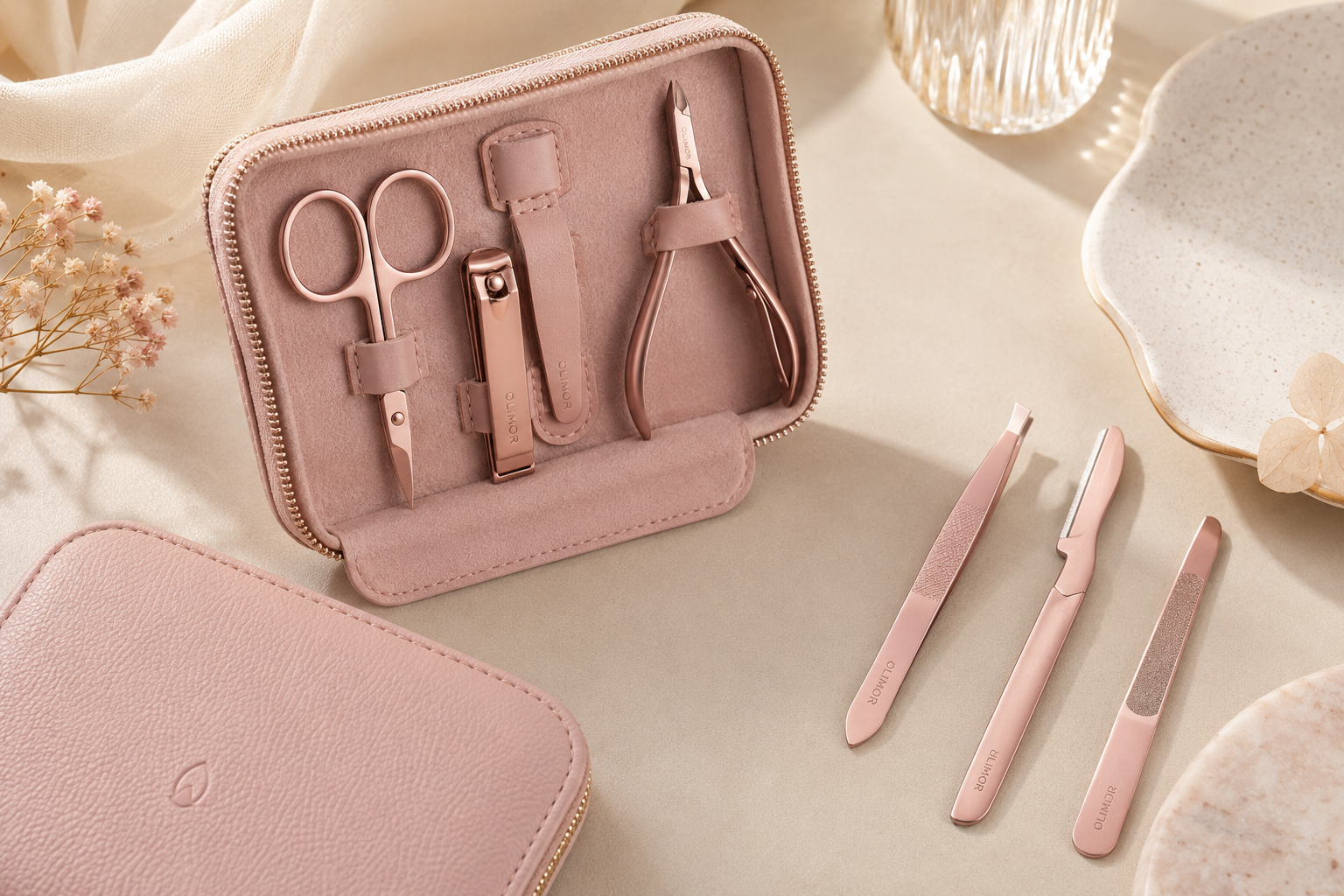
Nail clippers are sold in many channels, and each channel has different priorities. A pharmacy display may need simple visual packaging and easy shelf identification. A salon supplier may focus on durability and professional appearance. An online seller may prioritize compact packaging that protects the clipper during parcel delivery without adding unnecessary shipping volume.
Before selecting a product, decide where it will be used and who will buy it. For travel kits, compact size and light weight are important. For daily home grooming, a comfortable grip and dependable cut may matter more. For gifting or retail sets, the finish and packaging presentation need to match the customer’s price expectation. A 70 mm, 30 g nail clipper can be positioned as portable, but the final market fit depends on finish, packaging, and price structure.
It is also useful to think about after-sale issues. Nail clippers with rough edges, loose levers, or inconsistent cutting performance are more likely to create returns. A slightly better product specification may protect margin by reducing complaints, even if the initial unit cost is not the absolute lowest.
Maintenance Guidance Buyers Can Pass to Customers
Good customer education can improve satisfaction and product lifespan. Nail clippers should be kept clean and dry after use, especially if they are stored in a bathroom or travel pouch. Customers should avoid using a nail clipper on materials other than nails, because cutting plastic tags, wire, or hard objects can damage the blade edge. If the clipper includes a file, it should be used lightly for smoothing rather than heavy shaping.
Retailers can add simple care instructions to packaging or product listings: wipe after use, store in a dry place, keep away from children, and replace the tool if the cutting edge becomes damaged. These instructions are brief, but they help customers understand that a nail clipper is a precision grooming item rather than a disposable metal object.
Building a Smarter Import Plan
Importing nail clippers from China can be a strong choice when the buyer treats sourcing as a quality and positioning decision, not only a price search. Start by defining the customer, preferred size, blade style, packaging format, and inspection requirements. Then compare suppliers based on samples, communication, and consistency.
If you are preparing a nail clipper sourcing project or comparing grooming tools for a wider product range, you can send an inquiry with your target market, expected packaging, and preferred product features. For questions about available beauty tool options, you may also contact Olimor. A clear sourcing brief helps turn a small grooming item into a reliable product your customers can buy with confidence.