Import Nail Clipper from China: Strategic Trade Benefits for Beauty Tool Buyers
Importing nail clippers from China can be a practical sourcing decision for distributors, beauty tool brands, wholesalers, salon suppliers, and ecommerce retailers that need consistent grooming products at commercial scale. Nail clippers look simple, but buyers know that small differences in blade alignment, stainless steel quality, spring tension, lever feel, surface finishing, and packaging can affect customer satisfaction and repeat orders.
China remains a major manufacturing base for manicure and personal care tools because it combines metal processing, polishing, assembly, packaging, and export logistics in one supply chain. For buyers, the opportunity is not only lower unit cost. The stronger benefit is access to production flexibility, broad supplier choice, and the ability to compare finishing, packaging, and quality control options before committing to larger orders.
This guide explains how to evaluate the trade benefits of importing nail clippers from China, what to check before purchase, and how to build a sourcing plan that supports long-term product reliability.
Why China Is a Strong Source for Nail Clipper Imports
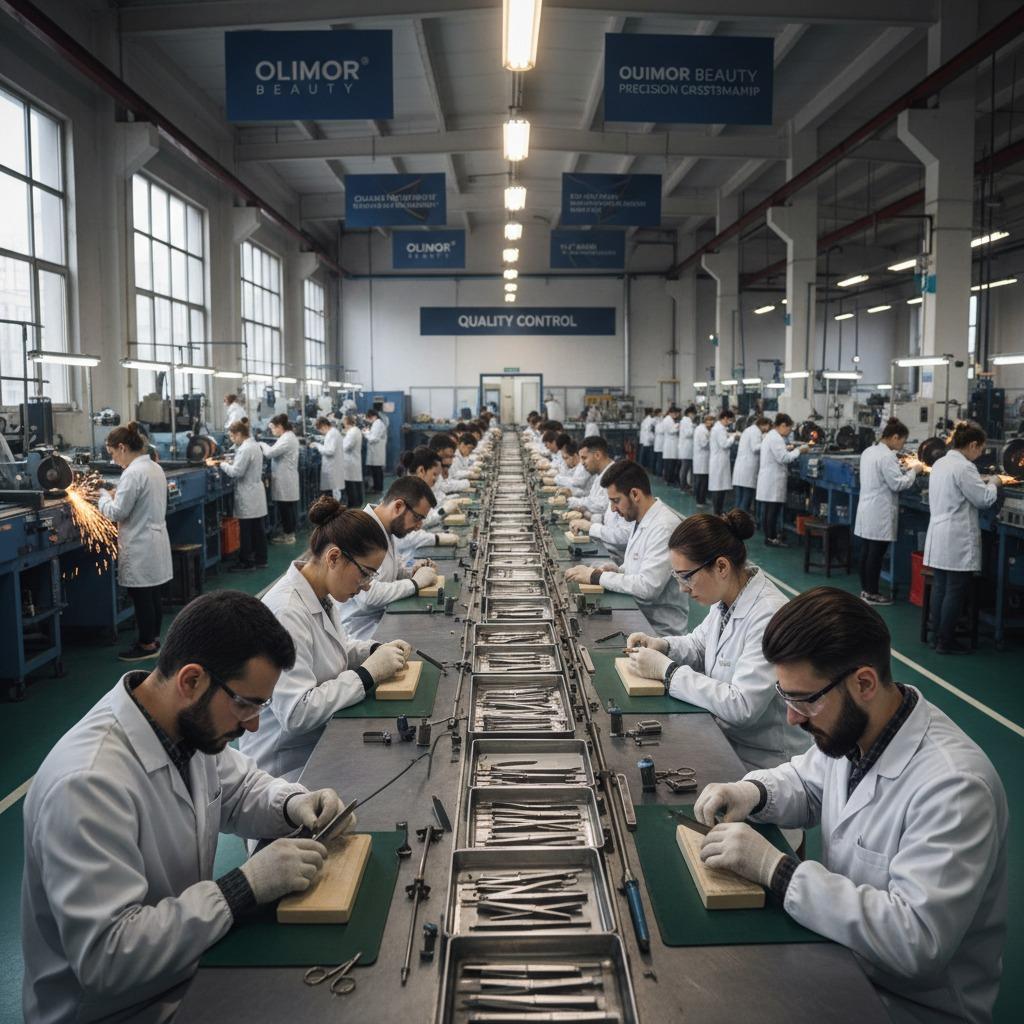
A nail clipper is a compact product, but it requires several manufacturing steps: cutting and shaping the steel, heat treatment or hardening where applicable, polishing, sharpening the cutting edges, assembling the lever and pin, inspecting the bite, and packing the final tool. China’s advantage comes from a dense network of suppliers that can support these steps efficiently.
For importers, this ecosystem can make it easier to source a complete nail clipper program rather than a single item. A buyer may need standard clippers, toenail clippers, travel sizes, retail blister cards, bulk packaging, or private packaging for different sales channels. China’s supplier base gives buyers more room to compare those options and align products with price points.
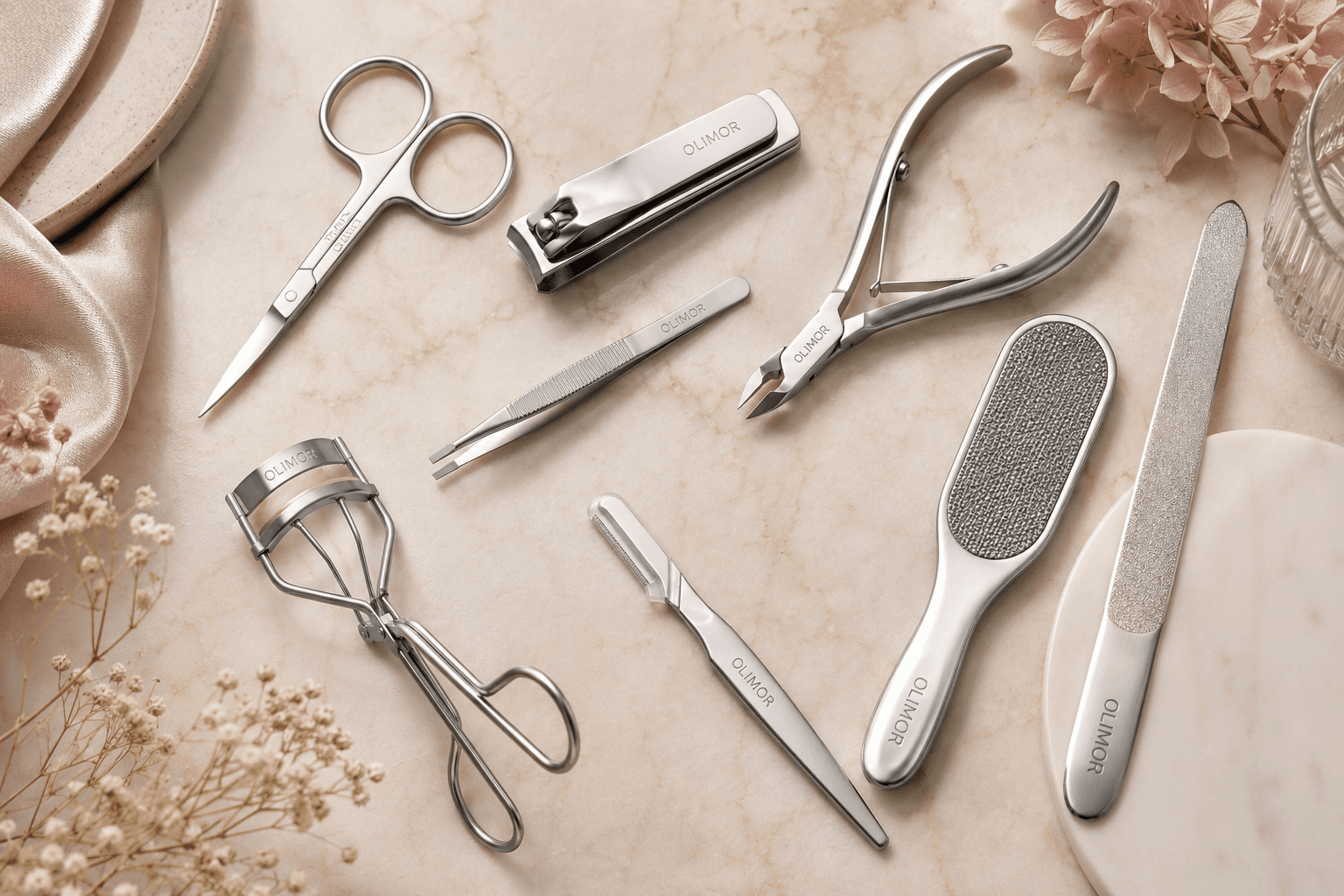
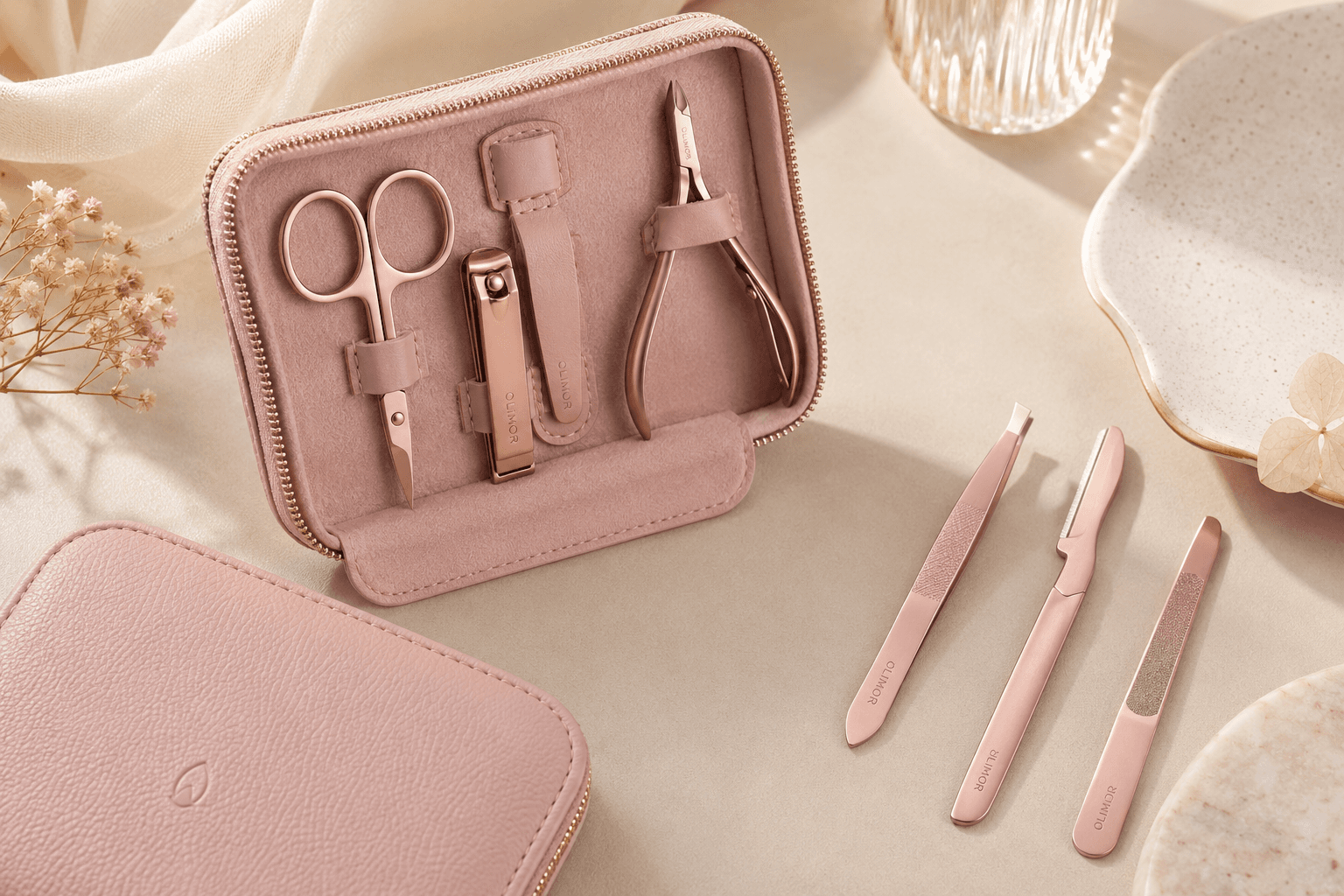
Olimor Beauty focuses on beauty tools and grooming products for business buyers. If you are building or expanding a beauty tool range, you can review related beauty tool products to understand how nail clippers may fit alongside other manicure, pedicure, and personal care items.
Product Details Buyers Should Verify Before Importing
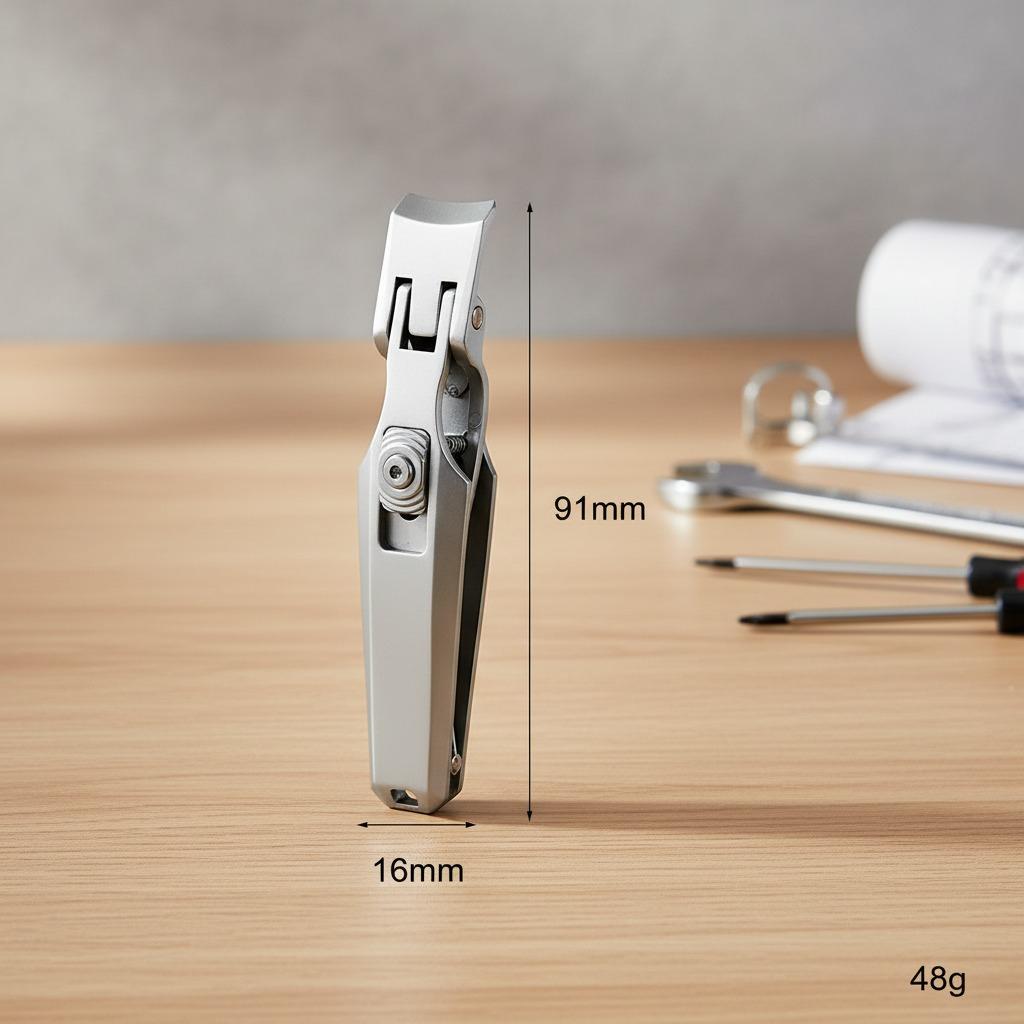
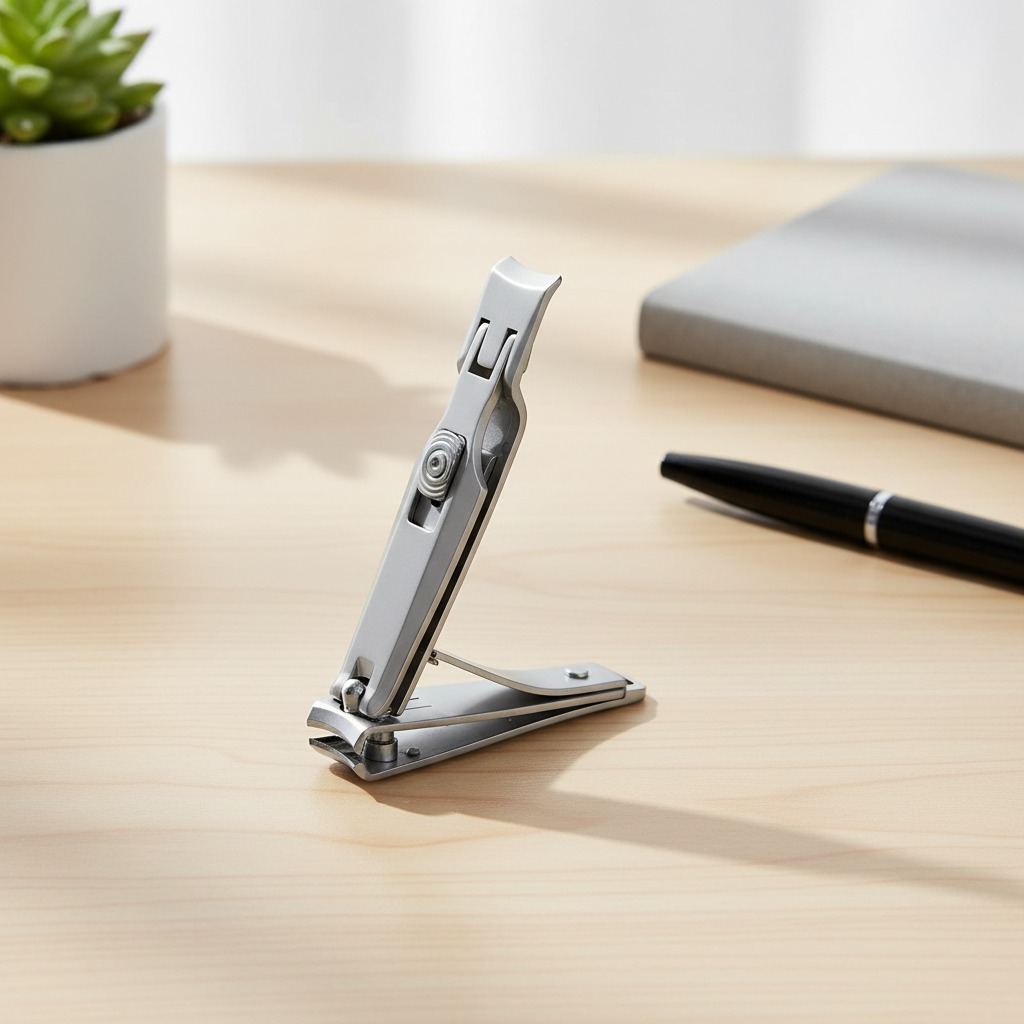
The original product information highlights a nail clipper made from stainless steel, with a length of 91 mm, width of 16 mm, and weight of 48 grams. These details matter because size and weight influence how the tool feels in the hand and how it is positioned in retail or professional use.
For many markets, stainless steel is preferred because it is associated with durability, clean appearance, and resistance to everyday moisture exposure. However, buyers should still evaluate the actual finish and cutting performance rather than relying on material name alone. A stainless steel nail clipper can vary widely depending on blade sharpness, edge matching, surface polishing, and assembly precision.
- Blade alignment: The upper and lower cutting edges should meet evenly without visible gaps.
- Cutting feel: The clipper should cut cleanly without crushing, splitting, or requiring excessive pressure.
- Lever comfort: The lever should be easy to press and stable during use.
- Surface finish: Edges should feel smooth, with no sharp burrs on the body or handle.
- Pin and hinge fit: The assembled clipper should feel secure, not loose or rattling.
- Packaging suitability: Packaging should match the sales channel, whether retail display, ecommerce shipping, or wholesale supply.
China vs. Local or Alternative Global Suppliers
Local suppliers can be useful when speed, small quantities, or simplified communication are the main priorities. They may also be convenient for urgent replenishment. However, local sourcing often involves higher labor and operating costs, and selection may be limited if products are purchased from existing importers rather than direct manufacturers.
European, American, or other international suppliers may offer boutique positioning or specialized craftsmanship, but they may not always provide the scalability required for large retail programs. China’s benefit is its balance of cost efficiency, manufacturing depth, and export experience. Buyers can compare suppliers by price, quality level, finish, packaging service, and export readiness.
| Sourcing option | Main advantage | Buyer consideration |
|---|---|---|
| China supplier | Broad selection, scalable production, competitive sourcing options | Requires clear specifications, inspection standards, and logistics planning |
| Local distributor | Shorter delivery time and easier domestic communication | May have higher pricing and fewer customization options |
| Specialty overseas maker | Potential for niche positioning or premium craftsmanship | May have limited capacity, longer negotiation cycles, or higher costs |
Strategic Trade Benefits for Retailers, Wholesalers, and Brands
The main trade benefit of importing nail clippers from China is the ability to design a sourcing structure around your market. A budget retailer may prioritize stable cost and simple packaging. A salon supplier may focus on cutting comfort and stainless steel finish. An ecommerce seller may need compact packaging that protects the product during parcel delivery. A brand owner may care about consistent appearance across a full grooming set.
Because nail clippers are small and relatively easy to pack, they can also work well as part of a broader beauty tool shipment. Combining nail clippers with other grooming items may help simplify purchasing, reduce supplier management work, and create a more complete product offer. Buyers can explore Olimor Beauty product collections when planning how clippers fit into a wider personal care assortment.
Another benefit is product repeatability. Once a buyer confirms the target size, weight, finish, packaging, and inspection criteria, future orders can follow the same standard. This is especially important for retailers that need the same product presentation across stores, marketplaces, or regional distributors.
Quality Control Points That Protect Import Value
A low purchase price does not create value if the nail clipper performs poorly. For this product category, quality control should focus on the user’s physical experience. A clipper can look acceptable in photos but fail in daily use if the cutting edge is uneven or the lever pressure is uncomfortable.
- Confirm the reference sample. Keep an approved sample that defines size, weight, finish, cutting feel, and packaging.
- Set visual standards. Define acceptable limits for scratches, stains, burrs, uneven polishing, and color variation.
- Test cutting performance. Check whether the clipper cuts smoothly across the blade width without leaving jagged edges.
- Review assembly strength. Inspect the lever, pin, and hinge for stability after repeated opening and closing.
- Check packaging before shipment. Confirm barcode placement, language requirements, inner carton protection, and retail presentation where relevant.
For importers, these checkpoints help turn supplier comparison into measurable purchasing decisions. Instead of choosing only by quotation, the buyer can compare total value: product consistency, finish, usability, packaging accuracy, and export communication.
Logistics and Import Planning Considerations
Nail clippers are compact, but import planning still matters. Buyers should consider shipment method, carton strength, product labeling, customs documentation, and any market-specific requirements that apply to personal care tools. Lead time should include sample confirmation, production, inspection, export handling, and final delivery, not only the factory production period.
It is also useful to decide early whether the order is intended for retail shelves, online fulfillment, wholesale distribution, or promotional use. Each channel may require different packaging. Retail shelves often need strong visual presentation. Ecommerce orders may need packaging that resists bending or scratching during shipping. Wholesale customers may prefer efficient carton packing and easy inventory identification.
If you are preparing a purchase plan or comparing specifications, you can send an inquiry with your target quantity, packaging direction, and quality expectations. For broader sourcing discussions, buyers can also contact Olimor to review suitable beauty tool options.
How to Choose the Right Nail Clipper Supplier in China
A reliable supplier should be able to discuss the product in practical terms: material, size, weight, finish, packaging, inspection process, and export documents. Buyers should look for clear communication and sample consistency, not only attractive product photos. The best supplier relationship is built around agreed standards that can be repeated order after order.
Before placing a larger import order, prepare a simple specification sheet. Include the 91 mm length, 16 mm width, 48 gram weight if those are the required product details, along with stainless steel material, preferred finish, packaging style, labeling needs, and inspection points. This reduces misunderstanding and gives both sides a clear basis for production and quality review.
Importing nail clippers from China can support cost control, product range expansion, and consistent supply when managed with clear standards. For beauty tool buyers, the strongest strategy is to combine China’s manufacturing advantages with disciplined product evaluation. That approach helps turn a small grooming item into a dependable part of a professional product line.
Tag: