Import Nail Clippers from China: How to Balance Quality, Cost, and Reliability
Importing nail clippers from China can be a practical choice for distributors, beauty retailers, grooming brands, promotional product buyers, and salon supply companies. Nail clippers look simple, but a reliable product depends on blade alignment, steel quality, lever tension, surface finishing, packaging protection, and consistent inspection. A low unit price is only valuable when the clipper cuts cleanly, resists corrosion in normal use, and arrives ready for retail or professional distribution.
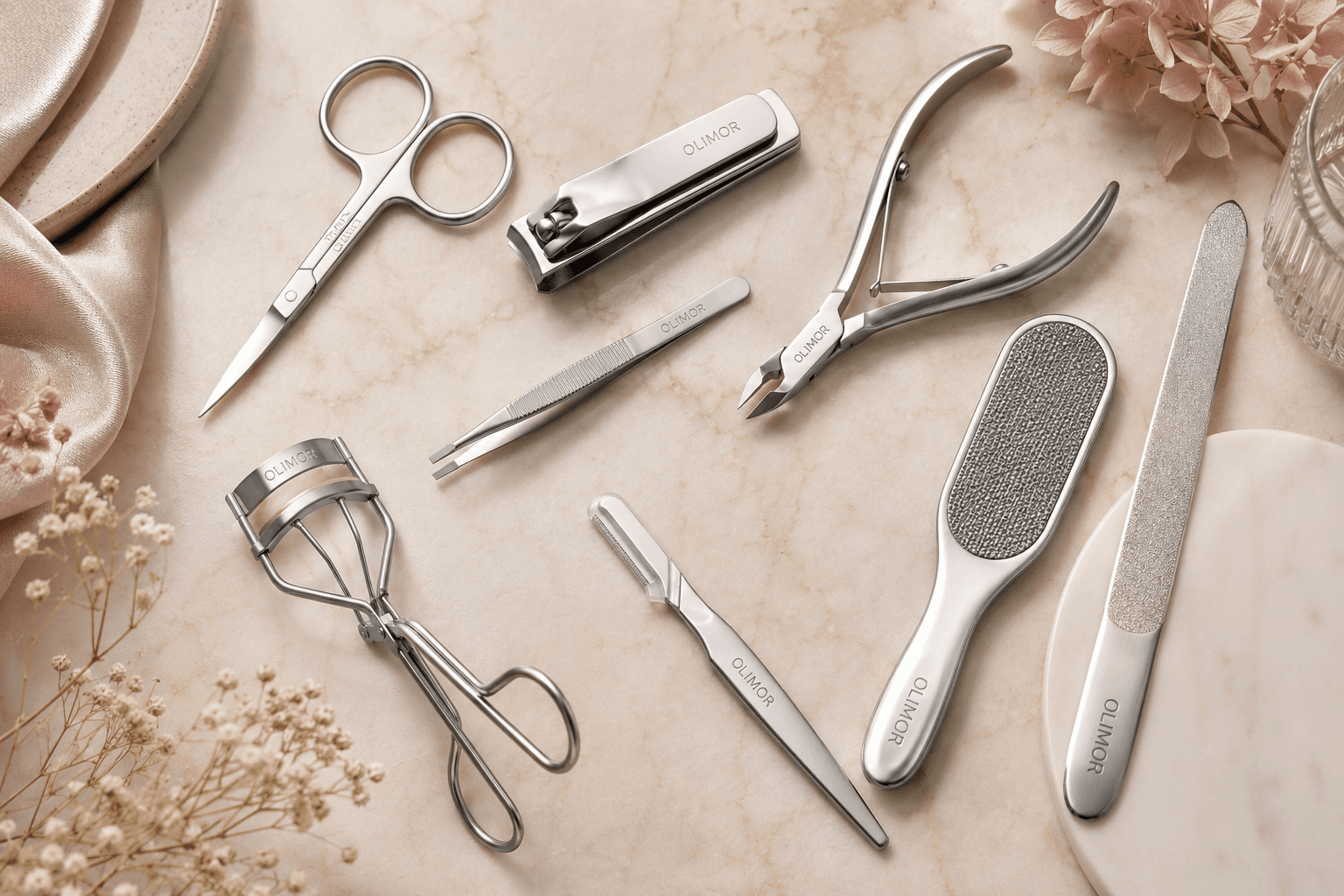
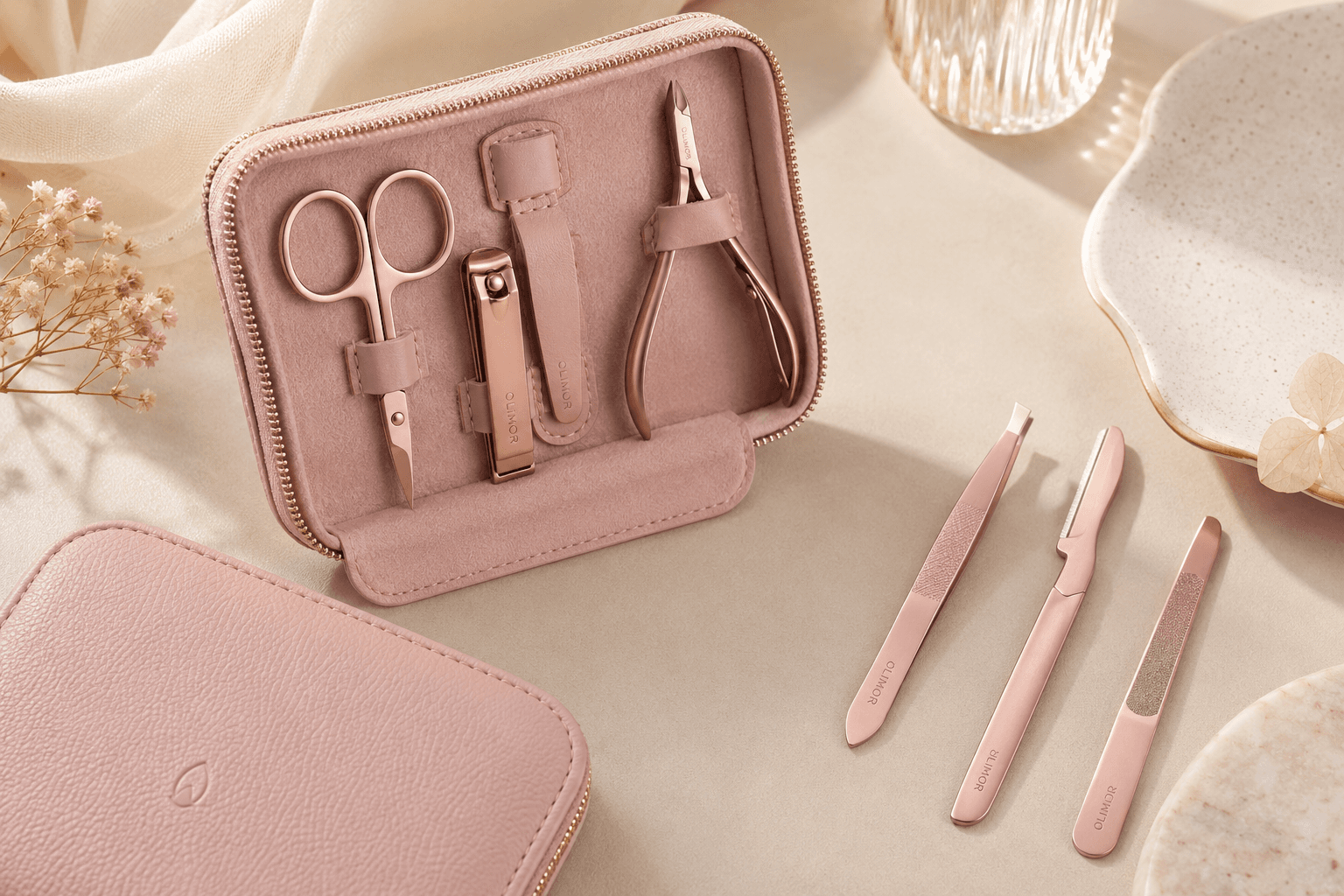
This guide explains how to evaluate Chinese nail clipper sourcing with a focus on cost control and dependable product quality. It is written for buyers comparing domestic production, China-based suppliers, and other international options. If you are building a broader grooming range, you can also review Olimor Beauty’s beauty tool products or browse related product collections to understand how nail care tools may fit into a complete assortment.
Why Import Nail Clippers from China?
China has a mature manufacturing base for personal care tools, including everyday nail clippers, compact travel clippers, stainless steel styles, and clippers with added functions such as built-in nail files. For buyers, the advantage is not only lower production cost; it is the ability to compare a wide range of designs, finishes, packaging formats, and order configurations in one supply market.
Domestic sourcing may offer short lead times and easier communication within the same market, but it often comes with higher labor and overhead costs. Some buyers also find that local factories have fewer standard tooling options for common grooming accessories. China-based sourcing can give importers more flexibility when choosing between simple retail packs, private-label packaging, travel sets, or nail care items that complement other beauty tools.
The best result comes from treating nail clippers as precision grooming tools rather than commodity hardware. A poor clipper can crush or split the nail instead of cutting smoothly. A good clipper should feel stable in the hand, open and close cleanly, and keep the upper and lower blades aligned after repeated use. These points should drive supplier selection as much as price.
Quality Criteria That Matter Before You Place an Order
When comparing nail clipper suppliers, focus on the details that affect everyday performance. Stainless steel construction is commonly preferred because it is durable and easier to maintain, but the buyer should still check surface finishing, blade sharpness, and corrosion resistance expectations. A polished clipper can look attractive in photos while still having rough edges, loose rivets, or weak cutting force.
Use a structured checklist during sample review. The following points help separate a usable product from one that may create returns or complaints:
- Blade alignment: The upper and lower cutting edges should meet evenly from one side to the other, without obvious gaps or overlap.
- Cutting performance: The clipper should trim natural nails cleanly without tearing, bending, or requiring excessive hand pressure.
- Lever tension: The lever should move smoothly and feel secure, not loose, rattling, or overly stiff.
- Edge safety: Corners and side surfaces should be finished to avoid scratching the user or damaging packaging.
- Surface finish: Check for visible stains, scratches, pitting, uneven polishing, or coating defects.
- Corrosion expectations: If the clipper is marketed for travel, salon, or bathroom use, define how moisture exposure should be handled.
- Added functions: If the clipper includes a nail file, confirm that it is positioned safely and does not loosen during use.
- Packaging fit: Retail cards, pouches, or boxes should hold the clipper firmly so it does not rub, open, or puncture the pack in transit.
For importers, the most important habit is to approve real samples before committing to bulk production. Product photos are helpful for shape and style, but they cannot prove cutting feel, blade contact, or lever comfort.
China Compared with Other Supplier Regions
Different sourcing regions can serve different goals. European or North American suppliers may be appropriate for small-batch premium positioning or when local-origin labeling is important. Some buyers use regional suppliers for boutique lines where craftsmanship and domestic branding carry a higher retail price. However, these routes may limit customization choices or increase the final cost per unit.
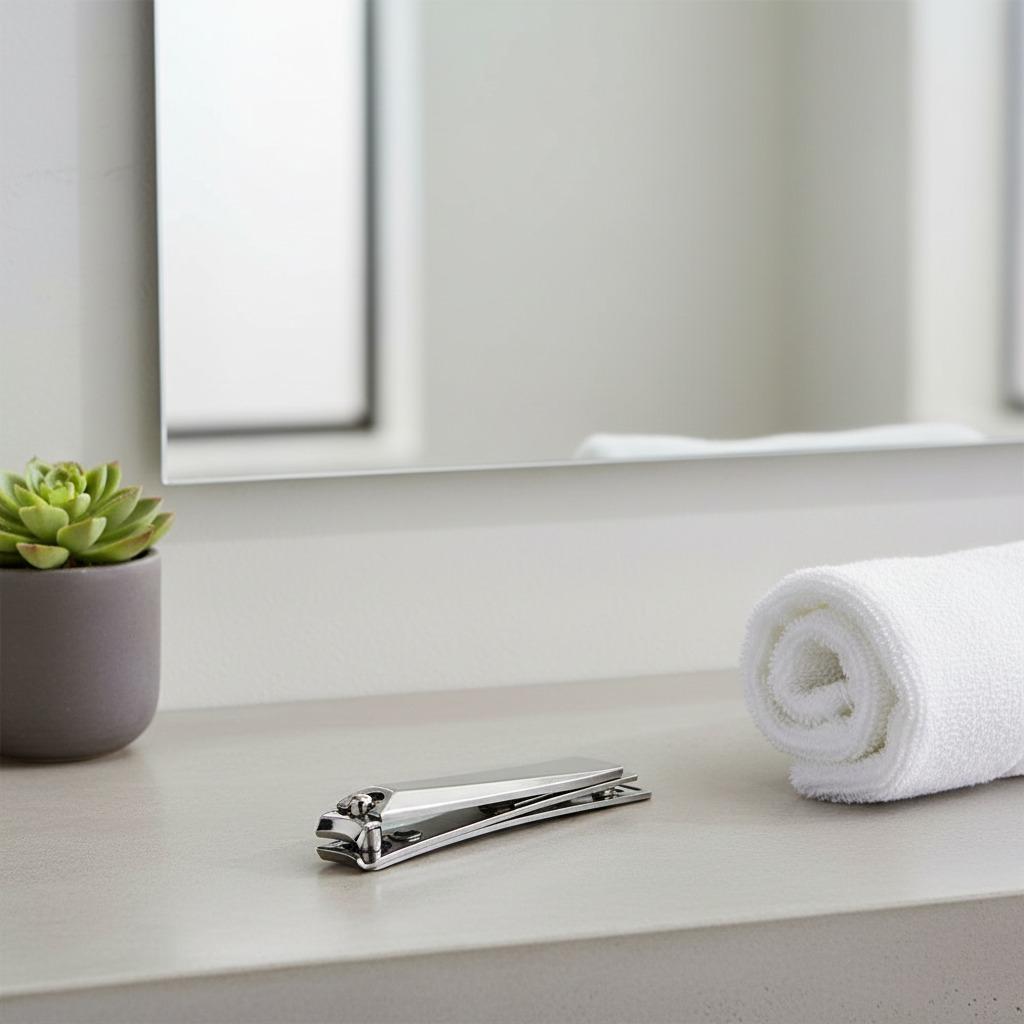
China is often selected when buyers need a practical balance of variety, production scale, and cost efficiency. Within the Chinese nail clipper supply chain, importers can compare compact clippers, larger grooming tools, curved blade styles for natural nail shaping, and designs that include a file. The original product description references compact 70 mm nail clippers weighing about 30 grams, which illustrates the type of small, travel-friendly format many buyers look for when building an everyday grooming line.
That said, “made in China” is not a quality guarantee by itself. Supplier capability varies. One factory may specialize in lower-cost promotional tools, while another may focus on better polishing, tighter blade alignment, or retail-ready finishing. The sourcing task is to match the factory’s strengths with your channel: supermarket, salon supply, e-commerce, travel kit, gift set, hotel amenity, or private-label beauty range.
Cost Factors Beyond the Unit Price
Import cost should be assessed as a landed cost, not only as the quoted unit price. A slightly cheaper clipper can become more expensive if it causes inspection failures, high defect rates, weak packaging, or customer returns. When comparing quotations, organize the cost elements clearly:
| Cost factor | Why it matters | Buyer action |
|---|---|---|
| Tool style and size | Compact, heavy-duty, or multifunction designs may use different materials and processes. | Compare like-for-like samples, not only catalog photos. |
| Material and finish | Stainless steel, polishing, plating, or surface treatment can affect durability and appearance. | Define the finish standard and acceptable cosmetic defects. |
| Packaging | Retail cards, boxes, pouches, and sets change both cost and shipping volume. | Test whether the pack protects the clipper during transport. |
| Inspection | Checking blade alignment and surface defects helps reduce returns. | Set an inspection checklist before production is completed. |
| Freight and duties | Shipping method, carton size, destination rules, and import duties affect landed cost. | Estimate total landed cost before final supplier comparison. |
Many buyers focus on negotiating the lowest price first. A better approach is to decide the intended retail level, required performance, and packaging standard, then compare suppliers against that same specification. This keeps the discussion objective and prevents accidental downgrades in steel thickness, finishing, or pack quality.
Packaging and Retail Presentation Decisions
Nail clippers are small, but packaging plays a large role in sales and damage prevention. A clipper thrown loosely into a thin carton may arrive scratched or with the lever shifted out of position. Retail packaging also communicates quality before the customer touches the product.
Common packaging options include simple poly bags for bulk distribution, blister cards for hanging retail displays, paper cards for lower plastic use, small boxes for giftable presentation, and pouches for travel sets. The right choice depends on the sales channel. An e-commerce seller may need packaging that prevents movement inside a shipping mailer, while a brick-and-mortar retailer may prioritize shelf visibility and barcode placement.
Before confirming packaging, review artwork space, safety warnings if required in your market, country-of-origin labeling, barcode placement, and carton packing method. The clipper should not press through the retail pack, and sharp edges should not create scuff marks. For private-label projects or range planning, buyers can contact Olimor to discuss practical product and packaging questions.
Inspection Steps for Import Orders
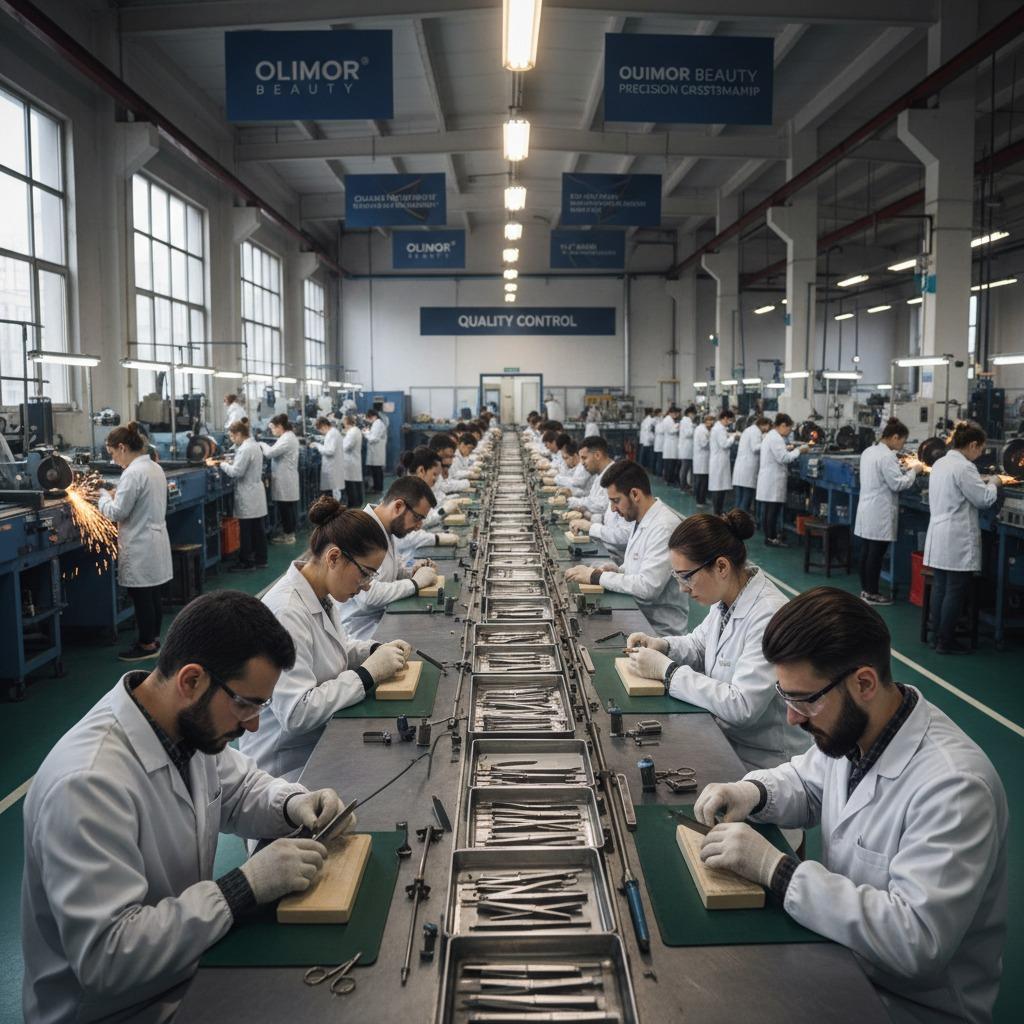
A nail clipper inspection should include both appearance and function. Cosmetic defects matter because beauty tools are often judged visually, but function is even more important. Randomly selected units should be opened, closed, and tested for cutting action. Inspectors should also check whether the lever sits correctly, the pin or rivet is secure, and the file component, if present, is not loose.
A practical pre-shipment inspection can include carton count, packaging confirmation, barcode and label review, surface finish check, blade alignment check, functional cutting test, and drop or vibration simulation when retail packaging is fragile. The inspection standard should be agreed before production so the supplier understands what will be accepted or rejected.
If the order is part of a larger beauty tool program, consistency across products also matters. Matching finishes, coherent packaging design, and stable quality levels can help a retailer present the nail clipper as part of a dependable grooming range rather than a standalone low-cost accessory.
How to Choose a Nail Clipper Supplier in China
Shortlist suppliers based on product fit, communication quality, sample consistency, packaging capability, and willingness to define quality standards in writing. A strong supplier should be able to provide clear photos, physical samples, packaging options, and production details relevant to your order. Buyers should also confirm export documentation needs and ensure the supplier understands the destination market’s labeling and compliance expectations.
Avoid relying on a single sample if the order will be large or the product will carry your brand. Request samples from more than one production batch when possible, and compare cutting feel across units. If the first sample is excellent but later samples vary noticeably, that may indicate unstable process control.
For buyers ready to compare nail clipper options or plan a broader beauty tool assortment, Olimor Beauty can help organize product discussions around practical specifications, packaging, and sourcing goals. You can send an inquiry with your intended market, preferred clipper type, packaging direction, and estimated use case so the conversation starts with the details that affect quality and cost.
Final Buying Advice
Importing nail clippers from China can deliver strong value when the buyer controls specifications instead of purchasing only by price. Look closely at blade alignment, cutting feel, stainless steel finishing, packaging protection, and inspection procedures. Compare suppliers by total landed cost and expected reliability, not just the initial quote.
A well-sourced nail clipper is a small product that can support repeat purchases, travel kits, salon retail, promotional grooming sets, and everyday personal care ranges. By using clear quality criteria and disciplined sample approval, importers can benefit from China’s broad nail clipper manufacturing base while protecting brand reputation and customer satisfaction.
Tag: