Import Nail Clippers from China: How to Compare Quality, Cost and Supplier Fit
Nail clippers are small, but they are not simple products for importers. A poor clipper can crush the nail, rust quickly, feel uncomfortable in the hand or damage a retailer’s reputation after only a few customer complaints. For wholesalers, beauty tool distributors, salon suppliers and private label buyers, the decision to import nail clipper products from China is usually driven by three needs: dependable cutting performance, competitive unit cost and enough design variety to serve different retail channels.
China remains a major sourcing destination for grooming tools because its supplier base can support metal processing, polishing, assembly and packaging within mature export networks. That advantage does not remove the need for careful selection. The best sourcing decision comes from comparing the product’s cutting feel, steel finish, hinge action, lever comfort, corrosion resistance, packaging protection and consistency across cartons. This guide explains how to evaluate imported nail clippers in a practical way before placing an order.
Why Import Nail Clippers from China Instead of Buying Locally?
Local sourcing can be useful when a buyer needs immediate inventory, small replenishment quantities or a familiar distributor. However, local stock often limits product variety and may include additional markups from several trading layers. Importing directly from China can give buyers access to a wider range of grooming tool options and more control over finish, packaging and assortment planning.
The main advantage is not simply a lower price. A successful import program should reduce the total cost per sellable unit while maintaining a stable product experience. For a nail clipper, that means clean cutting edges, a lever that does not feel flimsy, a surface that resists corrosion during storage and packaging that prevents scratching during ocean or air shipment.
Importers should also think about channel fit. A supermarket buyer may prioritize a simple carded package and a competitive price point. A salon distributor may want a heavier feel, a polished finish and packaging that communicates hygiene and precision. An online seller may need packaging strong enough to survive parcel delivery and product photography that clearly shows size, blade shape and handle design. Reviewing beauty tool products across a supplier’s range can help you understand whether the factory or exporter is focused on the same market level you plan to serve.
Product Features That Matter More Than Decoration
Many import discussions begin with appearance, but performance details should come first. A nail clipper is judged the moment a customer presses the lever. If the blades are misaligned, dull or too thick at the cutting edge, the product will feel cheap even if the surface looks polished.

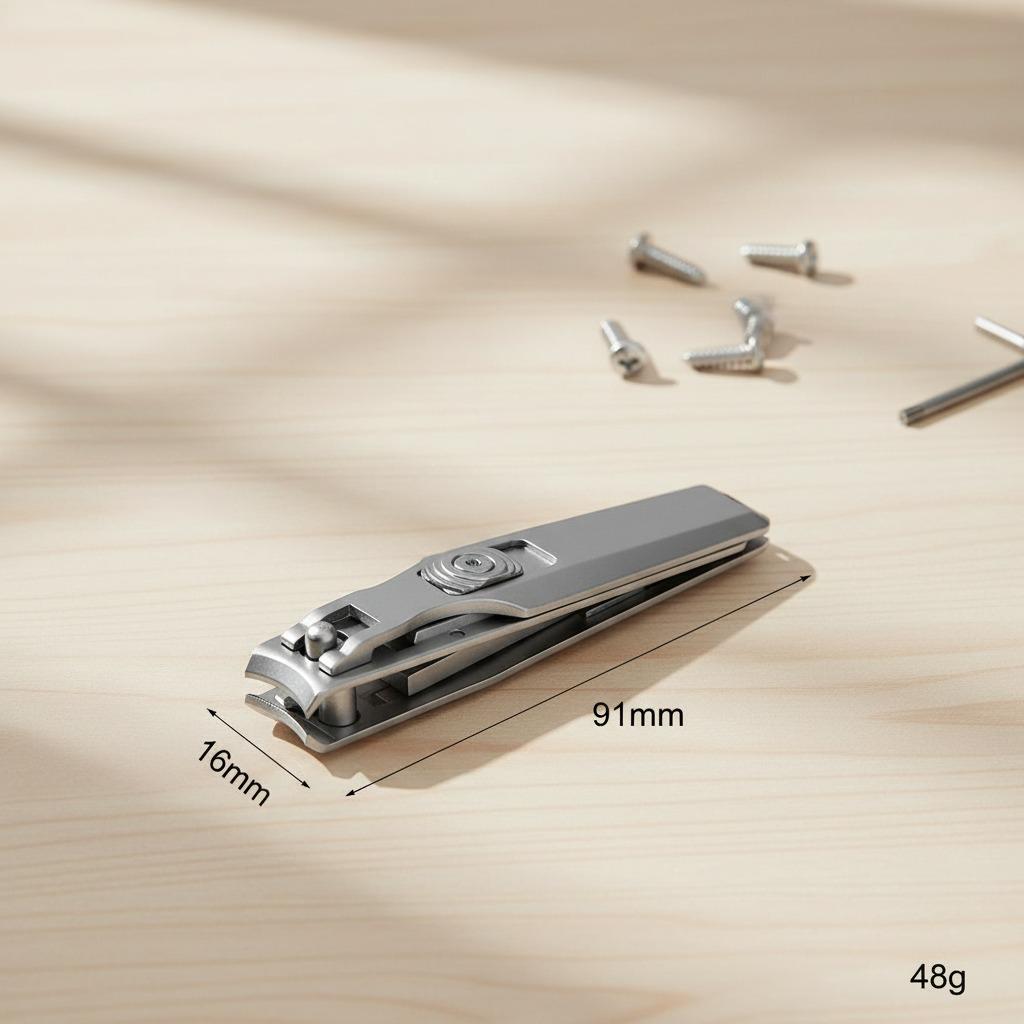
Olimor Beauty’s nail clipper information highlights a compact size of 91 mm length, 16 mm width and 48 g weight, making it suitable for daily grooming and travel use. Those dimensions are useful reference points for buyers because they show how small changes in size affect user experience. A clipper that is too short may feel weak in adult hands, while a clipper that is too bulky may be less convenient for toiletry kits, travel retail or impulse-buy displays.
Stainless steel construction is also important because nail clippers are commonly used in bathrooms, salons and travel bags where moisture exposure is likely. Stainless steel does not automatically guarantee quality, but it is a strong starting point for durability and corrosion resistance. Buyers should still evaluate finishing, edge sharpness and assembly consistency rather than accepting material claims alone.
- Blade alignment: The upper and lower cutting edges should meet evenly without gaps or twisting.
- Cutting feel: The clipper should cut cleanly without crushing, tearing or requiring excessive pressure.
- Lever stability: The lever should rotate smoothly and feel secure when pressed.
- Surface finish: Polished or brushed areas should be consistent, without sharp burrs around edges.
- Corrosion resistance: The product should be suitable for humid storage and normal grooming environments.
- Portability: Size and weight should match the target channel, whether travel, salon, retail or household use.
Local Supplier Convenience vs. Chinese Export Efficiency
The choice between local purchasing and importing from China should be based on total business needs, not only unit price. Local suppliers may offer faster delivery, easier communication within the same time zone and lower initial order risk. This can be useful for testing a new market or filling a short-term inventory gap.
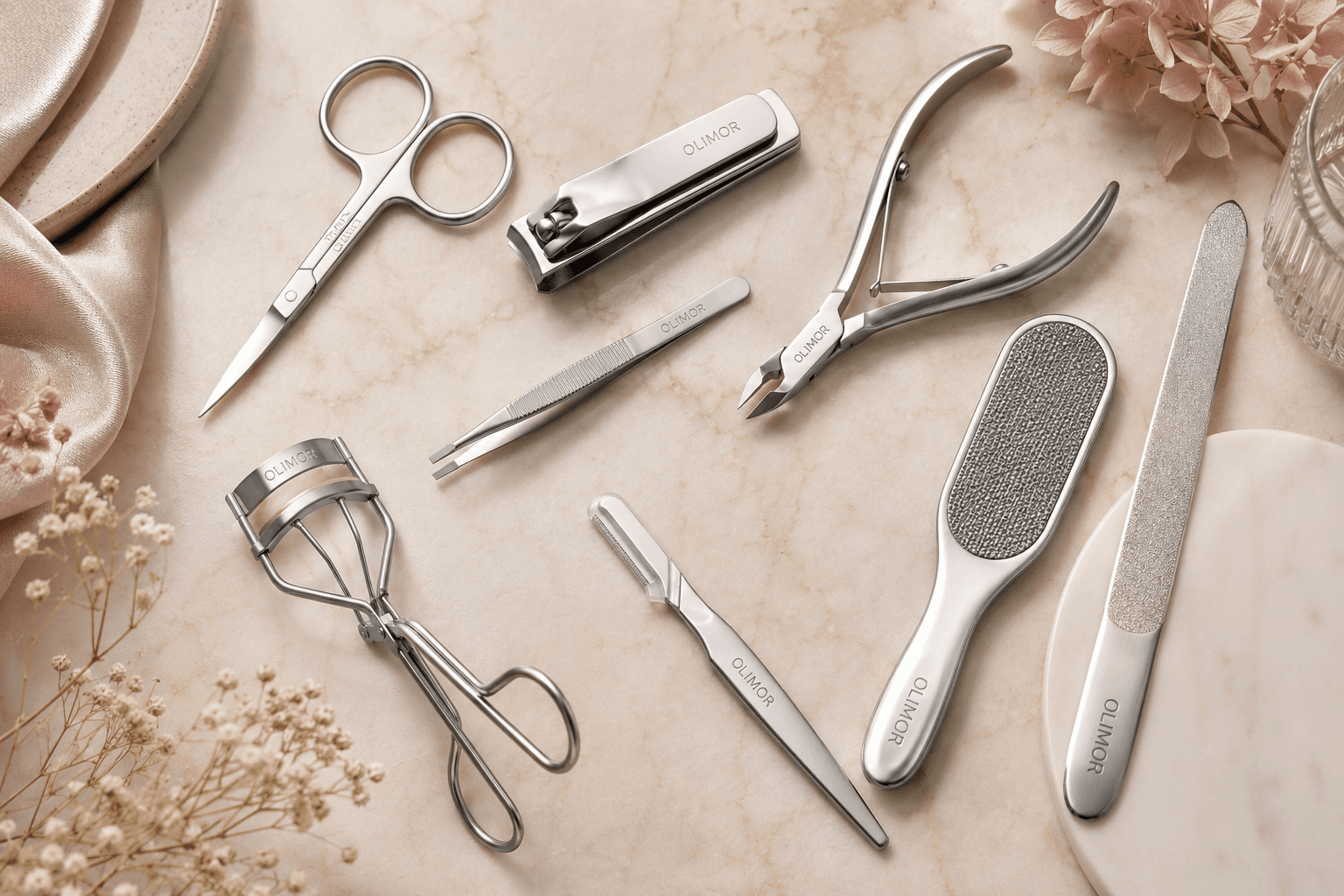
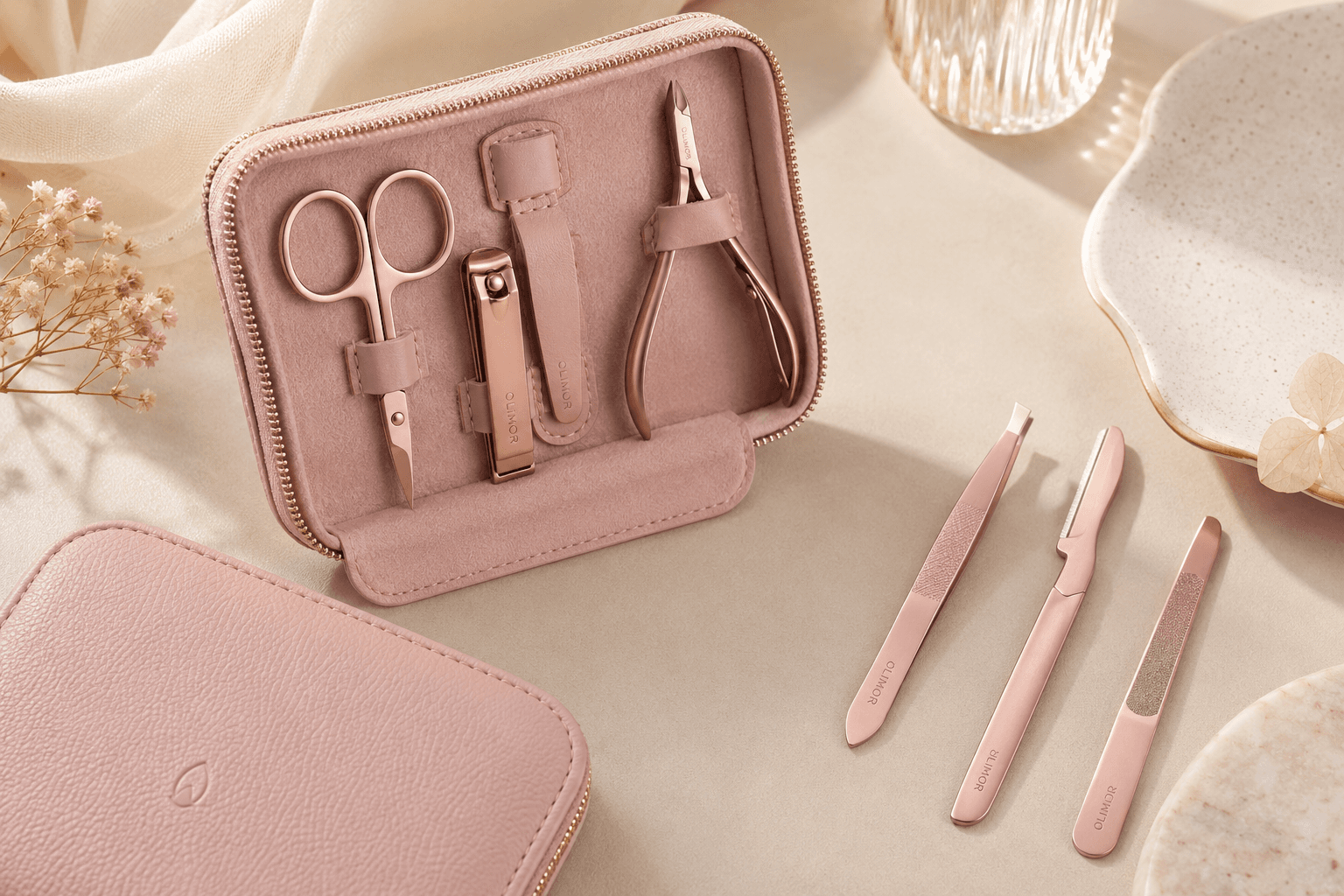
Chinese export suppliers, on the other hand, may offer stronger variety, more scalable production and better control over product configuration when the buyer has a clear specification. If the importer needs a consistent grooming tool line across several retail seasons, direct import can make planning easier. It may also allow the buyer to coordinate nail clippers with other grooming accessories, such as tweezers, scissors or manicure sets, through related product collections.
| Buying Factor | Local Supplier | Importing from China |
|---|---|---|
| Speed for urgent stock | Often faster for small replenishment | Requires import planning and transit time |
| Product variety | Limited to available inventory | Broader design and packaging options may be available |
| Cost structure | Simple local purchase price | Unit cost plus freight, duty, inspection and handling |
| Specification control | Usually limited to stock items | Better suited to planned sourcing requirements |
Quality Checks Before Confirming an Import Order
A nail clipper is a mechanical product, so quality control should include more than visual inspection. Before approving a bulk order, buyers should prepare a simple checklist that can be used for samples, pre-shipment inspection and internal receiving checks. The goal is to define what a sellable unit looks and feels like before cartons arrive.
- Review sample consistency. Test several samples, not only one. Check whether each piece cuts with the same pressure and whether the lever returns properly.
- Inspect the cutting edge. Look for uneven sharpening, visible gaps, chips or roughness near the blade mouth.
- Check comfort in use. Press the lever with dry and slightly damp hands to see whether the grip and angle remain practical.
- Examine finishing details. Run a cloth along edges and corners. If the cloth catches, the product may have burrs that customers will notice.
- Evaluate packaging protection. Nail clippers can scratch each other during transit if packed loosely. Inner packaging should reduce movement and contact damage.
- Confirm carton labeling needs. Importers should prepare any required item codes, quantity marks or handling labels based on their warehouse process.
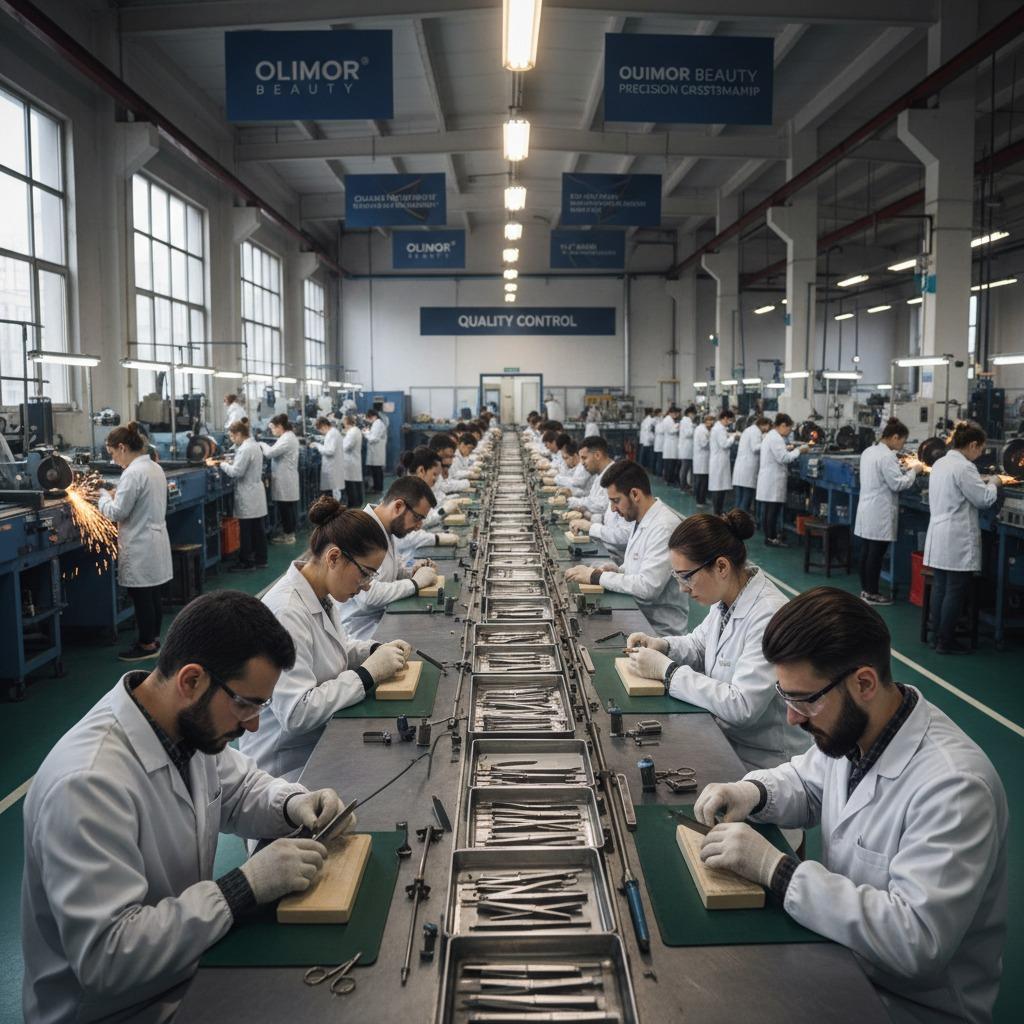
Olimor Beauty emphasizes quality checks from raw materials to packaging. For importers, that kind of process language is useful only when it is supported by clear approval standards. A buyer should define acceptable appearance, cutting performance and packaging condition so both sides are working from the same expectations.
Packaging, Branding and Retail Presentation
Packaging can determine whether a nail clipper sells as a basic utility item or a more considered grooming accessory. For low-cost retail, compact packaging and clear product visibility may matter most. For online sales, packaging should protect the metal finish during fulfillment and should be easy to photograph. For salon distribution, a cleaner, more professional presentation may support higher trust.
Buyers should avoid choosing packaging only by appearance. The package must hold the clipper firmly, protect the cutting edge and prevent surface marks. If a nail clipper includes a built-in lever, the package should not force the lever into an awkward angle during storage. If the product is shipped in mixed cartons with other grooming tools, inner separation becomes even more important.
Before finalizing artwork or retail format, importers can prepare a packaging decision sheet that covers barcode placement, safety warnings if needed, item description, country-of-origin marking requirements and warehouse scanning needs. These details are not decorative, but they prevent delays when goods reach a distribution center or retail compliance review.
Sourcing Questions for Nail Clipper Importers
A strong sourcing discussion should be specific. Instead of asking only for the best price, buyers should compare suppliers based on product repeatability, communication clarity and the ability to support a defined quality standard. The following questions help separate a basic quote from a usable sourcing plan:
- What nail clipper sizes and weights are available for the intended sales channel?
- Which parts are stainless steel, and how is the surface finished?
- How is blade sharpness checked during production?
- What packaging formats are suitable for retail, wholesale or e-commerce delivery?
- How are products separated inside cartons to reduce scratches or lever damage?
- What sample approval steps are used before bulk production?
- What information is needed from the buyer for labeling, artwork or carton marks?
Clear answers to these points make it easier to compare offers from different nail clipper global suppliers. They also reduce the risk of approving a product that looks acceptable in a photo but performs poorly in customer use. If you are preparing specifications for a grooming tool order, you can send an inquiry with your target size, packaging idea and sales channel so the discussion starts with practical requirements.
Making the Import Decision with Confidence
Importing nail clippers from China can be a smart sourcing choice when the buyer focuses on the complete product: material, cutting performance, lever feel, finish, packaging and delivery planning. The lowest quoted unit price is not always the best value if it leads to returns, corrosion complaints or inconsistent cutting quality. A well-chosen clipper should feel precise, store well and match the expectations of the retail channel.
For buyers comparing domestic stock with Chinese export supply, the practical approach is to start with the end user. A travel customer values compact size and reliable portability. A salon buyer cares about clean cutting and durability. A retailer needs packaging that communicates clearly and survives handling. Once those needs are defined, supplier comparison becomes much easier.
Olimor Beauty works in precision grooming tools, including nail clippers designed for everyday handling and compact use. To discuss suitable sourcing options, packaging direction or related beauty tools, you can contact Olimor and share the market you plan to serve. A clear product brief will help turn the idea of importing from China into a more controlled, quality-focused purchasing decision.
Tag: