Importing Nail Clippers from China: A Practical Buyer Guide
Importing nail clippers from China can be a sensible sourcing route for distributors, beauty tool brands, retailers and procurement teams that need reliable personal care tools at commercial scale. The opportunity is not only about price. A good sourcing decision depends on product usability, material consistency, blade finishing, packaging control, inspection steps and clear communication before production begins.
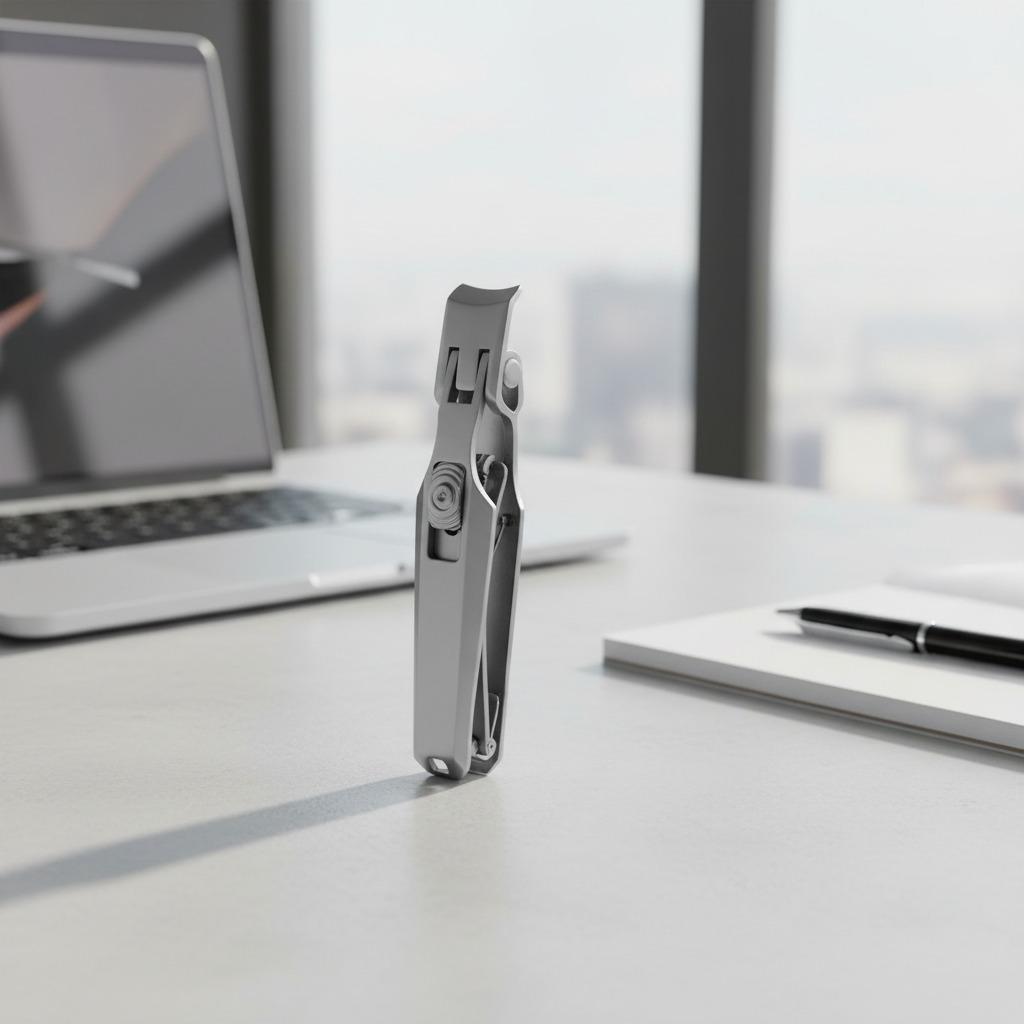
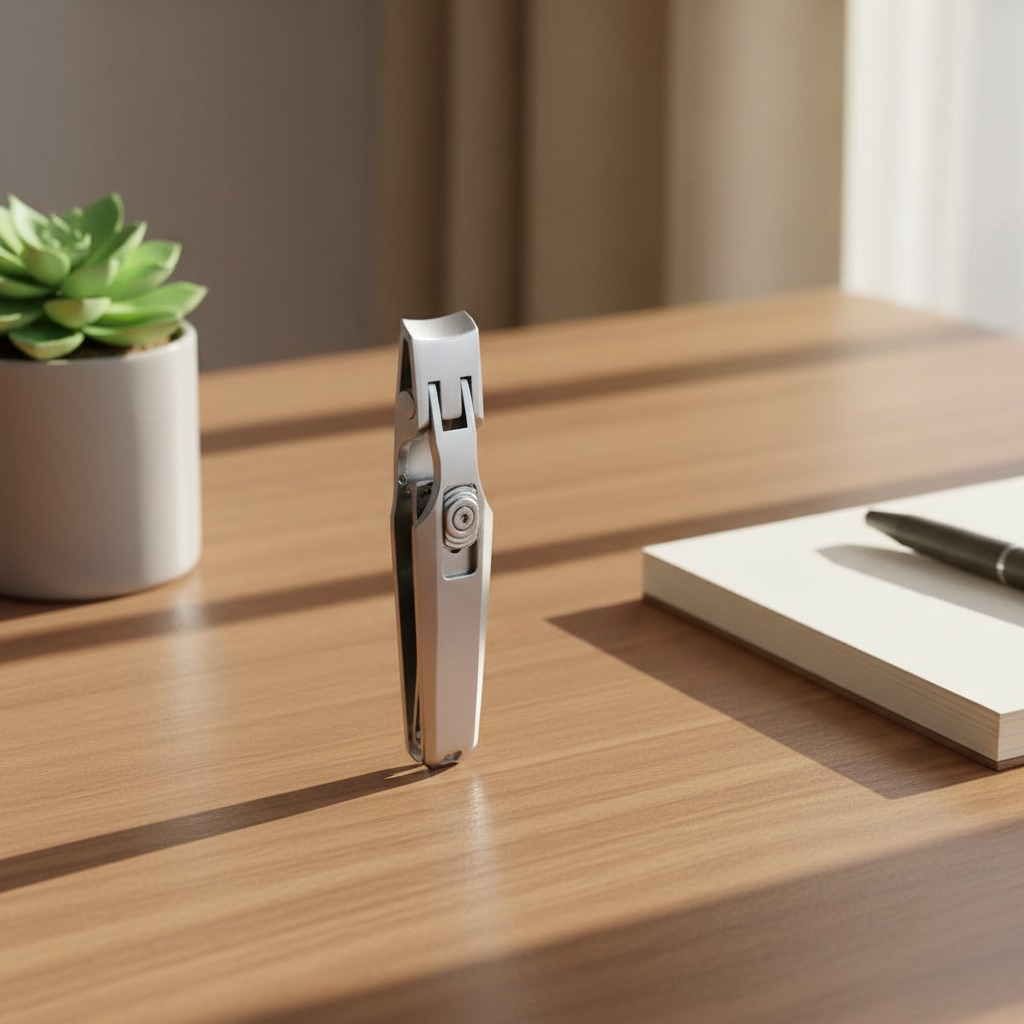
For a small grooming tool, a nail clipper has many details that affect the end user experience. The cutting edge must be sharp enough for clean trimming, the lever should feel stable, the body should resist deformation during use and the finish should be smooth enough for daily handling. In the supplied product example from Olimor Beauty, the nail clipper is described as stainless steel, 91mm in length and 48 grams in weight, with a compact form, comfortable grip and sharp blades for precise trimming. These are the kinds of concrete specifications importers should document before comparing quotations.
Why China Remains a Major Source for Nail Clippers
China is a common sourcing destination for nail clippers because the supply chain for metal personal care tools is broad and mature. Importers can often compare multiple factories, finishes, packaging formats and price levels within the same sourcing region. This gives buyers more room to align product design with market position, whether the goal is a simple retail clipper, a travel grooming tool or a packaged set that fits a beauty aisle assortment.
The main advantage is the combination of manufacturing experience and supplier variety. A buyer can evaluate tool shape, weight, blade sharpness, plating or polishing quality, packaging method and carton packing in one sourcing process. However, broad supply does not automatically mean every option is suitable. The lowest quotation may not include the same finishing standard, inspection level or packaging durability as a slightly higher offer. A good import plan compares total landed value rather than unit price alone.
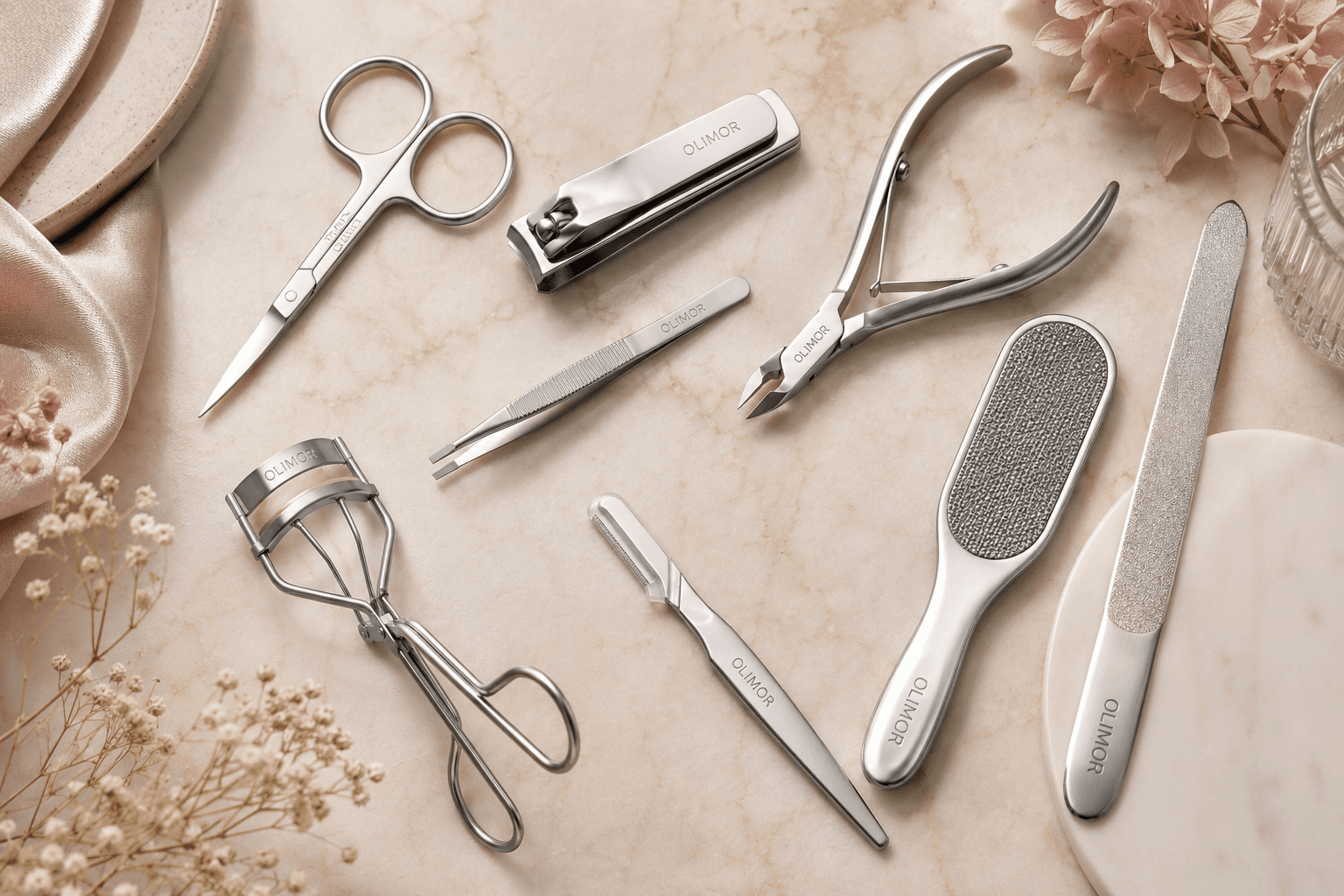
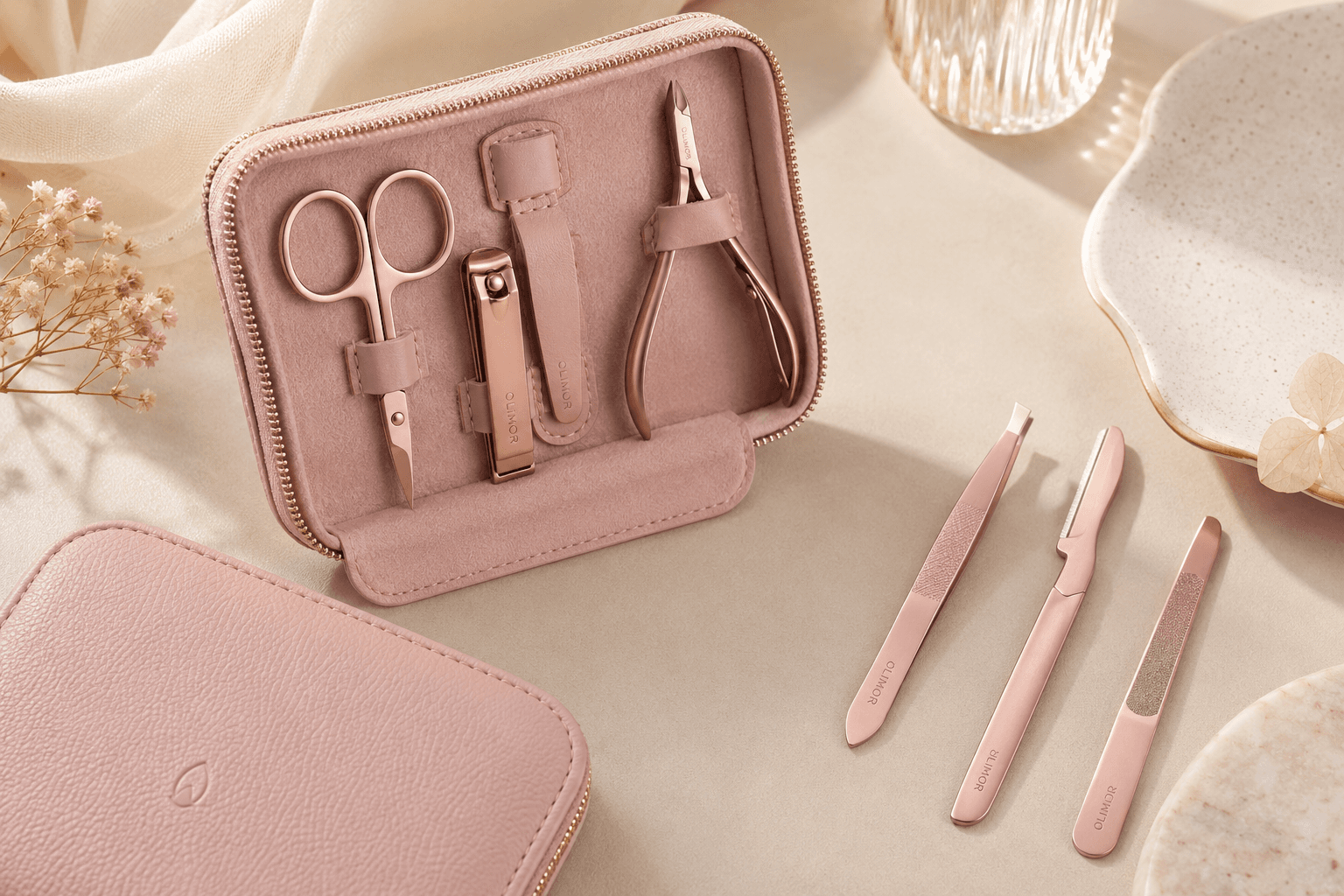
Olimor Beauty focuses on beauty tools and personal care accessories, so buyers reviewing nail clipper sourcing can also compare related beauty tool products to understand how a clipper may fit into a wider grooming or retail program.
Product Details to Confirm Before Placing an Order
Before negotiating packaging or shipment, define the nail clipper itself. This avoids a common sourcing problem: buyers and suppliers using the same product name while imagining different quality levels. A nail clipper can look simple in photos but differ significantly in material thickness, lever tension, jaw alignment and finishing.
- Material: Confirm whether stainless steel is required and how the material will be described on packaging or product pages.
- Size and weight: Use measurable targets. The Olimor Beauty example is 91mm long and weighs 48 grams, which helps define a compact but substantial tool.
- Blade performance: Request a sample and test trimming action on different nail thicknesses. Look for clean cuts rather than tearing or bending.
- Grip and leverage: A comfortable grip and stable lever matter for both consumer use and salon environments.
- Surface finish: Check for burrs, rough edges, visible scratches, uneven polishing or coating flaws.
- Jaw alignment: The two cutting edges should meet evenly. Poor alignment can cause an uncomfortable or ineffective cut.
- Packaging fit: The tool should sit securely in its retail or bulk packaging without damaging the finish during transport.
Buyers should keep approved samples, product drawings or specification sheets as reference standards. If a later shipment differs from the approved sample, the team needs a clear basis for discussion.
Quality Control Points for Nail Clipper Imports
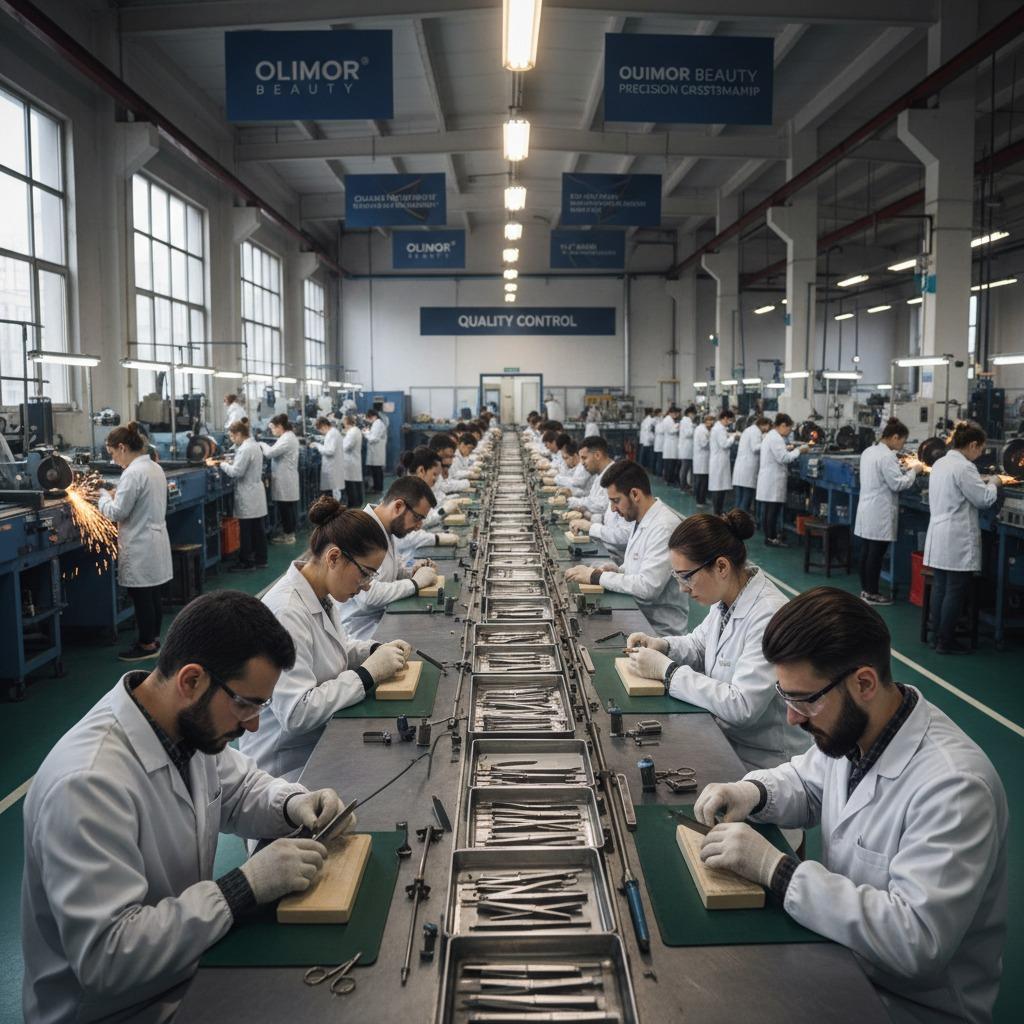
Quality control for nail clippers should start before mass production. The original product information notes quality assurance processes that include inspections from raw materials to packaging. That is an important principle for importers: final inspection alone may catch visible defects, but it may not prevent problems caused by inconsistent materials, weak assembly or poor surface treatment.
A practical inspection plan can include incoming material checks, in-process checks and pre-shipment inspection. For importers without their own inspection team in China, the checklist should still be written in clear terms so the supplier or an independent inspector can follow it consistently.
| Inspection stage | What to check | Why it matters |
|---|---|---|
| Sample approval | Size, weight, cutting feel, finish, packaging layout | Creates the reference for production quality |
| Material and parts | Metal condition, lever fit, pin stability, surface defects | Reduces risk before assembly is complete |
| Production check | Jaw alignment, blade sharpness, grip comfort, visible scratches | Finds recurring issues early enough to correct |
| Packaging check | Barcode position, label accuracy, carton strength, inner packing | Protects the product and supports retail handling |
| Pre-shipment review | Quantity, assortment, carton marks, overall defect rate | Confirms goods before they leave the factory |
For a personal care tool, small defects can become customer complaints. Rough edges, weak leverage or dull blades are easy for consumers to notice immediately. A quality checklist should therefore include functional testing, not only cosmetic inspection.
Comparing Chinese Suppliers with Other Global Options
Importers often compare China with suppliers in Europe, the United States or other Asian markets. Each region may offer advantages depending on order size, brand positioning, lead time, tariff exposure and distribution strategy. China’s strength is usually supplier depth and manufacturing flexibility, while other regions may be selected for shorter domestic logistics, specific retail positioning or established local relationships.
When comparing suppliers, avoid making the decision on factory price alone. A slightly cheaper clipper can become expensive if it has poor cutting performance, high defect rates or packaging that fails during shipment. Similarly, a higher-priced product is not automatically better unless the specification, quality control and service level justify the difference.
Useful comparison criteria include:
- Specification match: Does the supplier understand the required material, length, weight, finish and packaging?
- Sample consistency: Do multiple samples perform the same way, or does quality vary from piece to piece?
- Communication clarity: Are product details, artwork requirements and inspection expectations confirmed in writing?
- Production transparency: Can the supplier explain how raw material, assembly and packaging checks are handled?
- Export experience: Are carton labels, documentation and packing methods suitable for international shipping?
- Category fit: Does the supplier understand beauty and grooming tools, not only general hardware items?
For buyers building a broader assortment, reviewing Olimor Beauty product collections can help identify how nail clippers might be grouped with other grooming, manicure or beauty tool items for retail presentation.
Packaging, Labeling and Compliance Considerations
Nail clippers are compact, but packaging still deserves careful planning. Retail packaging must protect the cutting edge, present the product clearly and carry the information required by the target market. Bulk packaging for wholesale or professional use may require less display value, but it still needs to prevent rubbing, moisture exposure and carton damage during transit.
Importers should prepare artwork and labeling requirements early. This may include product name, material description, country of origin marking, barcode, importer information, safety statements or recycling symbols depending on the destination market. Requirements differ by country and sales channel, so the buyer should confirm applicable rules before printing packaging.
Carton packing is another practical issue. A heavy carton of metal tools can split if the carton grade or sealing method is weak. The internal packing should stop products from moving excessively, especially when polished or finished surfaces are visible in retail packaging. If the clipper is sold online, packaging may also need to survive parcel delivery rather than only palletized freight.
Logistics and Trade Planning for Nail Clipper Exports
International nail clipper trade involves more than factory production. Buyers need to plan shipping terms, documentation, customs classification, duties, delivery timeline and inventory buffer. Small metal grooming tools are easy to consolidate with other beauty tools, but shipment planning still affects landed cost and stock availability.
Clarify the trade term being quoted, what packaging is included, when the goods will be ready and which documents are needed for import customs. If you are combining nail clippers with other beauty tools, align production schedules so one delayed item does not hold the full shipment. For seasonal retail programs, allow time for sample approval, packaging proofing, production, inspection, ocean or air freight and customs clearance.
Tariffs and import rules can change, so the importer should verify duties and compliance requirements for the destination market before confirming the final cost structure. A supplier can provide commercial documents, but the importer is responsible for ensuring the goods meet local market requirements.
How to Start a Focused Nail Clipper Sourcing Discussion
A clear inquiry saves time for both buyer and supplier. Instead of asking only for the best price, provide a concise specification and business context. Include target market, expected packaging type, material preference, size range, finish expectations, quality concerns and shipment destination. If the 91mm, 48-gram stainless steel clipper profile matches your market, mention those measurable details as a reference point.
Before confirming an order, review physical samples, test cutting performance, approve packaging, define inspection standards and confirm shipment terms. This approach helps reduce misunderstandings and makes it easier to compare suppliers on quality and service, not only on quotation sheets.
Companies evaluating nail clipper export from China can contact Olimor for product discussions or send an inquiry with their required specifications, packaging needs and destination market. A well-prepared sourcing request is the first step toward a nail clipper program that is practical to import and acceptable to end users.
Tag: