











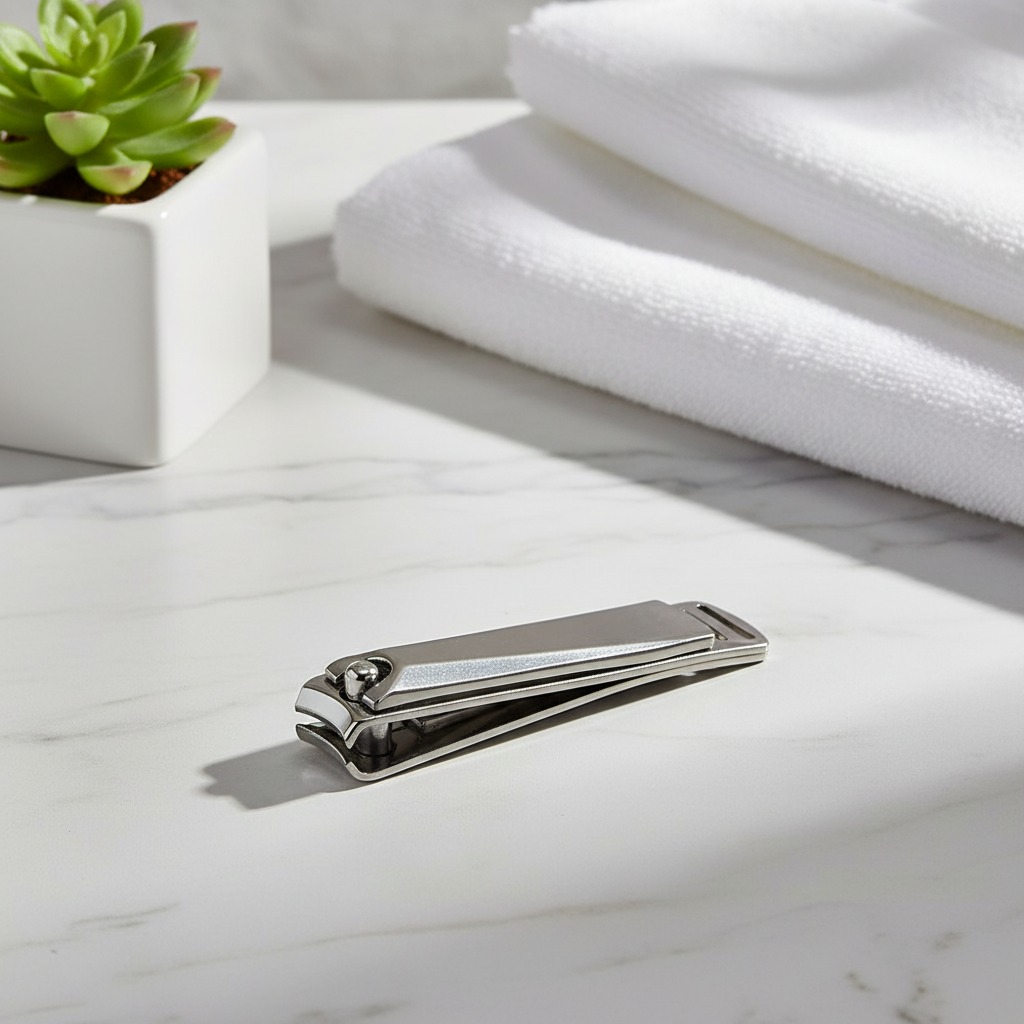
Importing Nail Clippers from China: A Practical Guide for Beauty Tool Buyers
Nail clippers are small, familiar products, but importing them well requires more than choosing the lowest unit price. For wholesalers, beauty distributors, private label buyers, promotional product companies and retail sourcing teams, the right nail clipper order must balance cutting performance, finish consistency, packaging, compliance documents, carton planning and after-sales risk. China remains a major sourcing destination because of its broad manufacturing base for personal care tools, metal processing capability and established export workflows. The opportunity is real, but the best results come from a structured buying process.
This guide explains how to evaluate nail clipper export from China with a practical buyer mindset. It focuses on the questions that affect product quality and commercial reliability: material selection, blade alignment, plating or surface finish, packaging durability, inspection planning and communication with a supplier such as Olimor Beauty.
What Makes Nail Clippers a Good Import Category?
Nail clippers are compact, repeat-purchase grooming tools with demand across pharmacies, supermarkets, beauty stores, salons, travel kits, hotel amenities, online marketplaces and gift sets. Their small size can make them efficient to ship compared with larger beauty tools, while their simple function makes customer expectations very clear: the clipper should cut cleanly, feel stable in the hand and resist early rusting or loosening.
Even simple products can create problems if the specification is vague. A buyer may approve a sample that cuts well, then receive bulk goods with uneven blades, weak levers, rough edges or packaging that scuffs during transport. Importing from China is often cost-effective, but it should be treated as a manufacturing project, not a catalogue purchase. Before comparing offers, define the sales channel, target price range, packaging format and expected user. A nail clipper for a budget multi-pack is not the same sourcing project as a polished clipper for a manicure kit or a retail blister card.
Olimor Beauty works in the beauty tools field, so buyers can begin by reviewing broader beauty tool products and related categories before narrowing the inquiry to nail clippers, grooming sets or custom packaging needs.
Key Product Details to Confirm Before Ordering
A useful nail clipper specification should describe the product in measurable and visual terms. Do not rely only on words such as premium, strong or high quality. Instead, create a checklist that can be used for sample approval, production confirmation and final inspection.
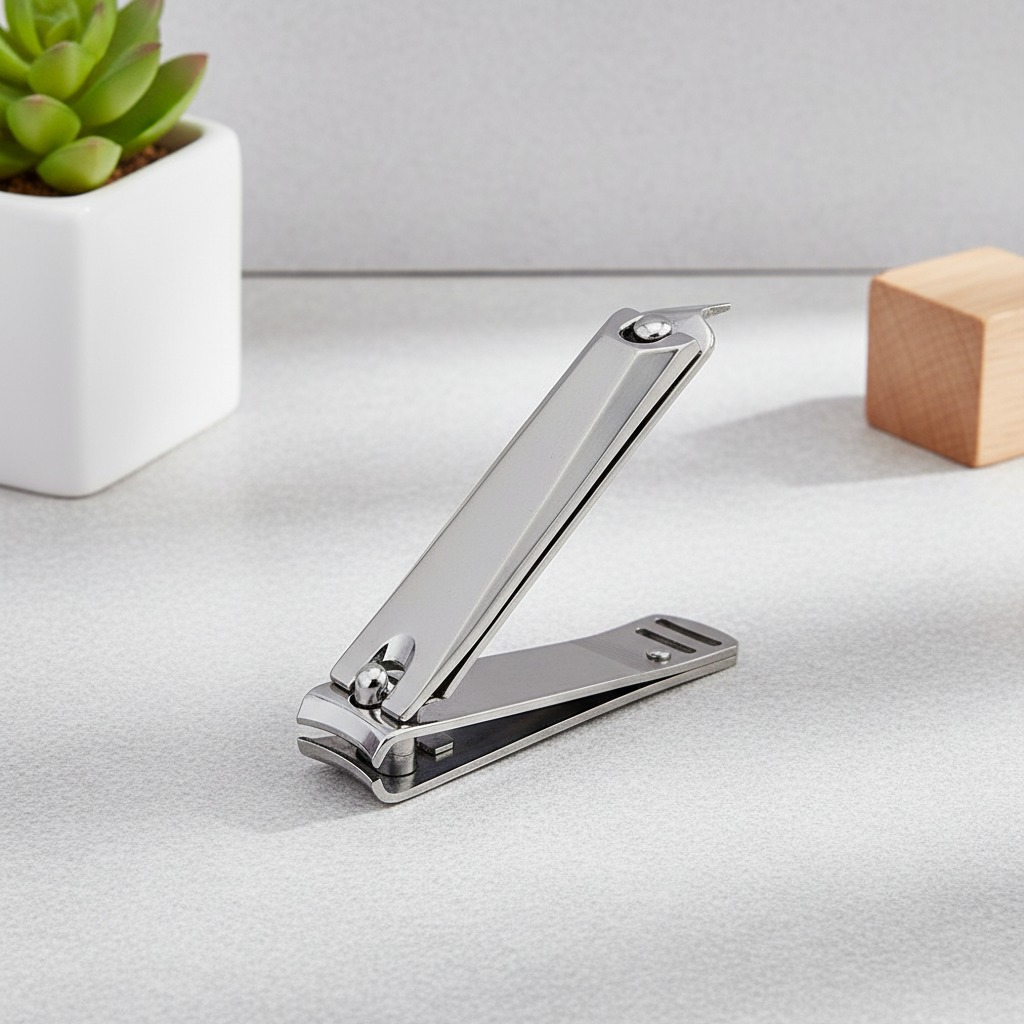
- Clipper type: Fingernail clipper, toenail clipper, baby clipper, slant edge clipper, curved blade clipper or set combination.
- Material and finish: Confirm the base metal, surface treatment, polishing level and whether the finish is plain, matte, shiny, colored or patterned.
- Blade shape: Curved blades are common for fingernails, while larger or straighter cutting edges may suit toenails. The two cutting edges should meet evenly.
- Lever feel: Check whether the lever opens smoothly, has enough pressure for a clean cut and does not wobble excessively.
- Edges and corners: Non-cutting edges should not feel sharp against the hand. Burrs around the file, lever or side plates should be removed.
- Added features: Some clippers include a nail file or keychain hole. Confirm whether these are needed for your market or only add cost.
- Logo and branding: Decide whether the logo will be printed, laser marked, engraved or placed on packaging only.
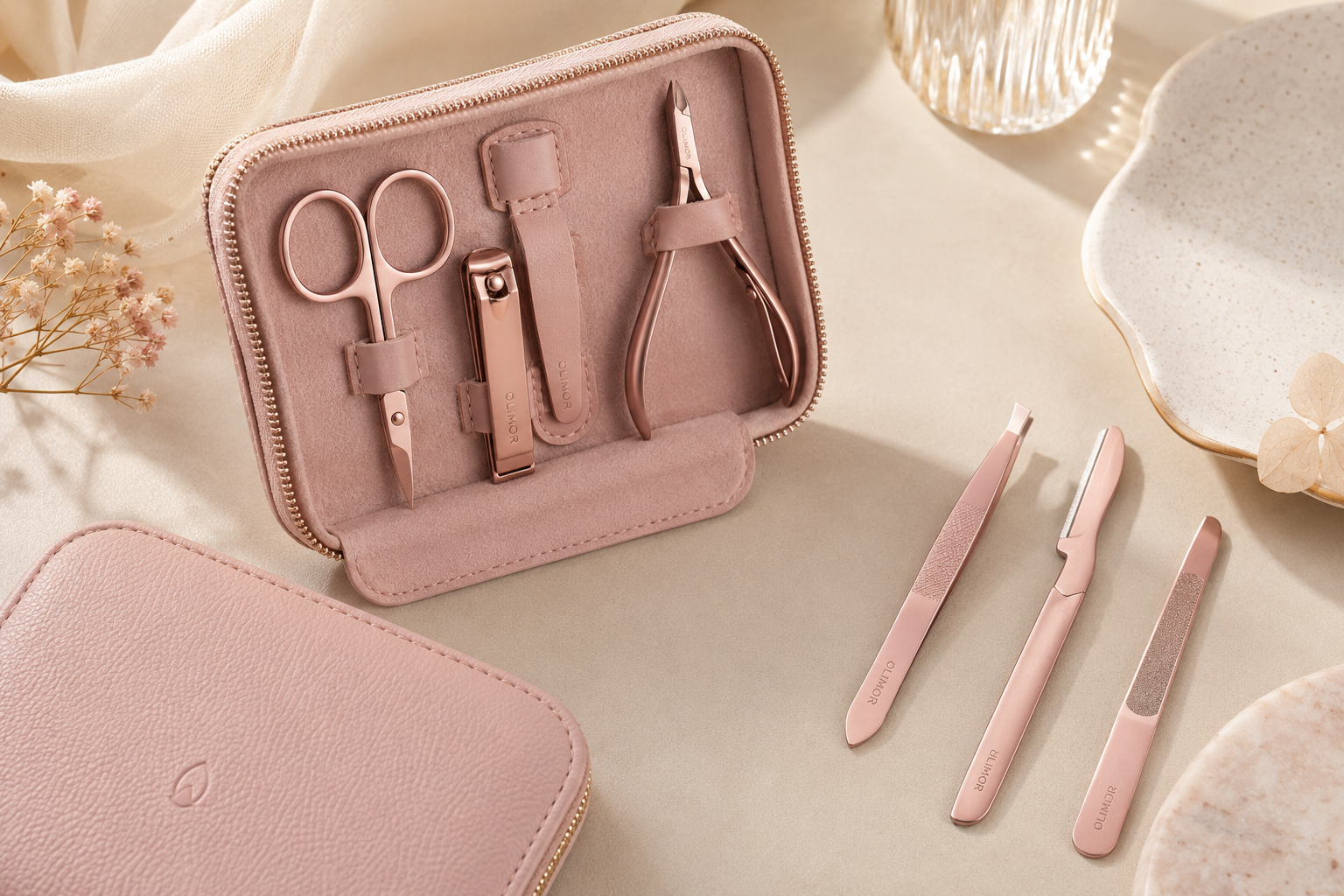
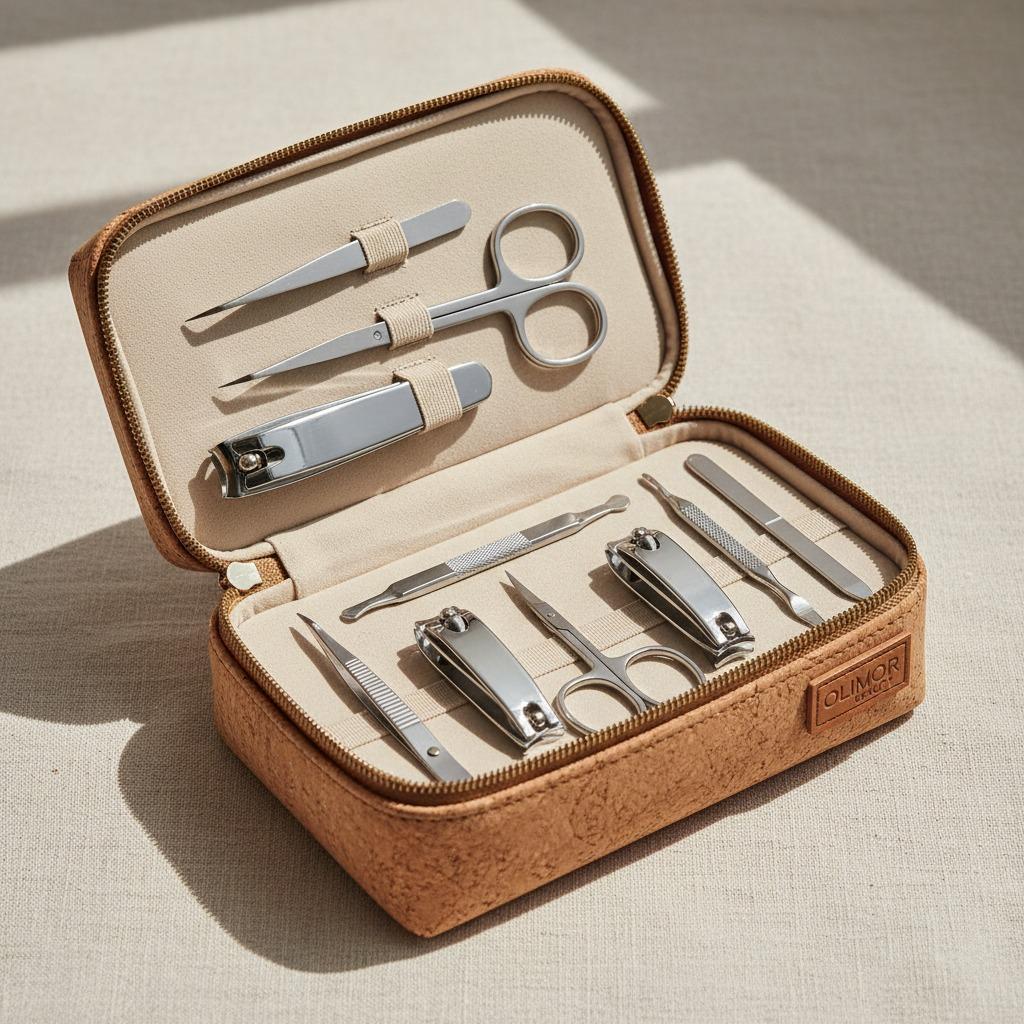
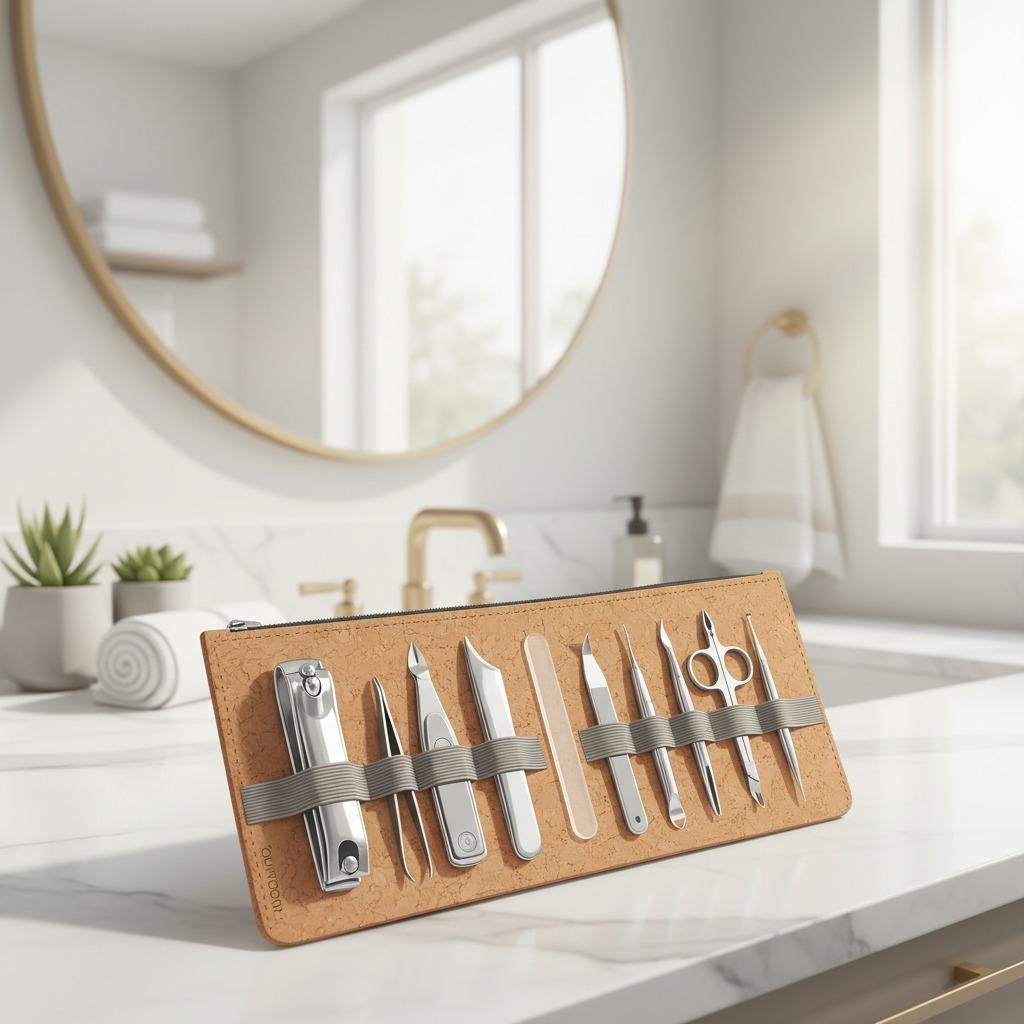
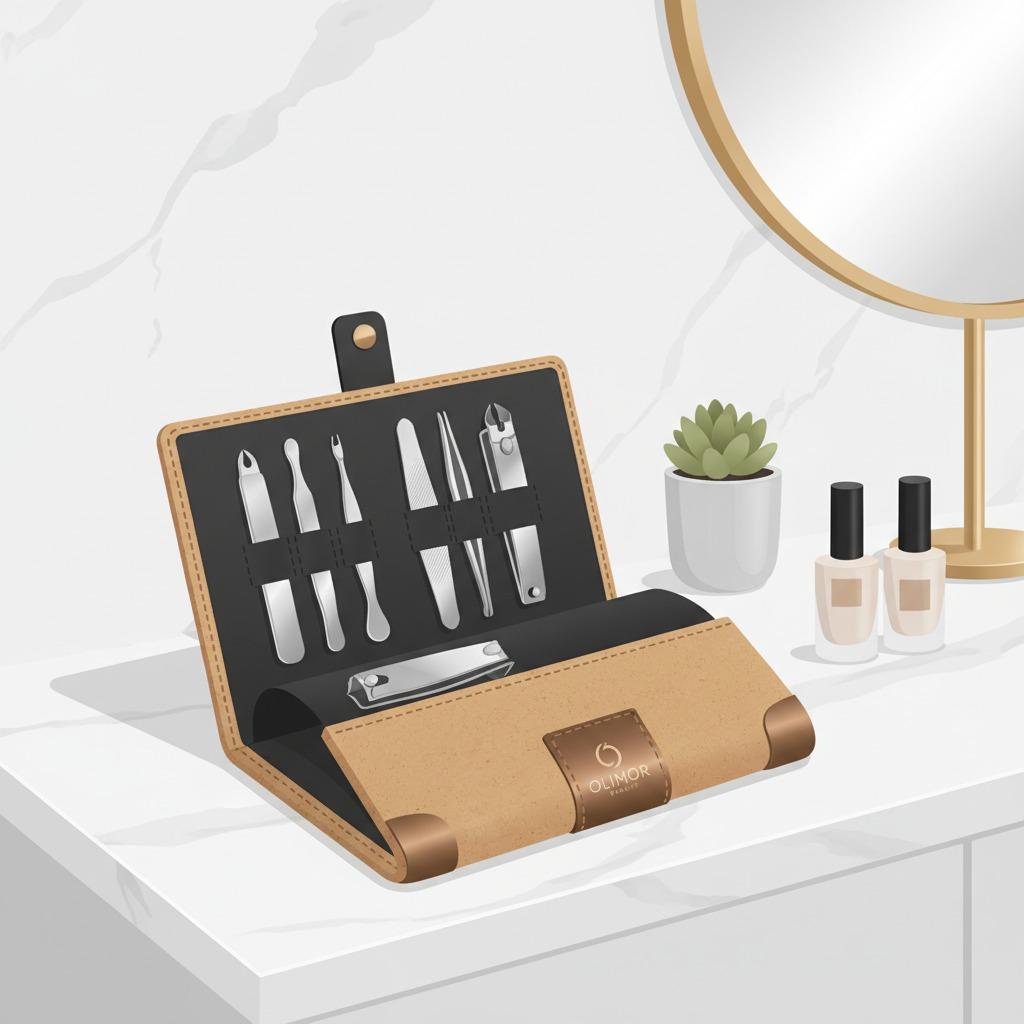
- Packaging: Options may include poly bags, display cards, blister packs, paper boxes, travel cases or set packaging depending on the sales channel.
For importers, the most important point is consistency. A sample should be retained as the approved reference, including the exact finish, packaging layout and cutting feel. If the product will be sold under your brand, request packaging artwork review and barcode placement confirmation before mass production begins.
China vs. Other Nail Clipper Sourcing Options
The international nail clipper trade includes suppliers from many regions. European or Japanese suppliers may be associated with long-established craftsmanship or specialist finishing, but pricing and order flexibility may not fit every distribution model. Some Southeast Asian sources may be attractive for diversification, while domestic sourcing can reduce import complexity for buyers in certain countries. China’s strength is the combination of broad supplier availability, export experience, scalable production options and access to supporting services such as packaging, printing and inspection coordination.
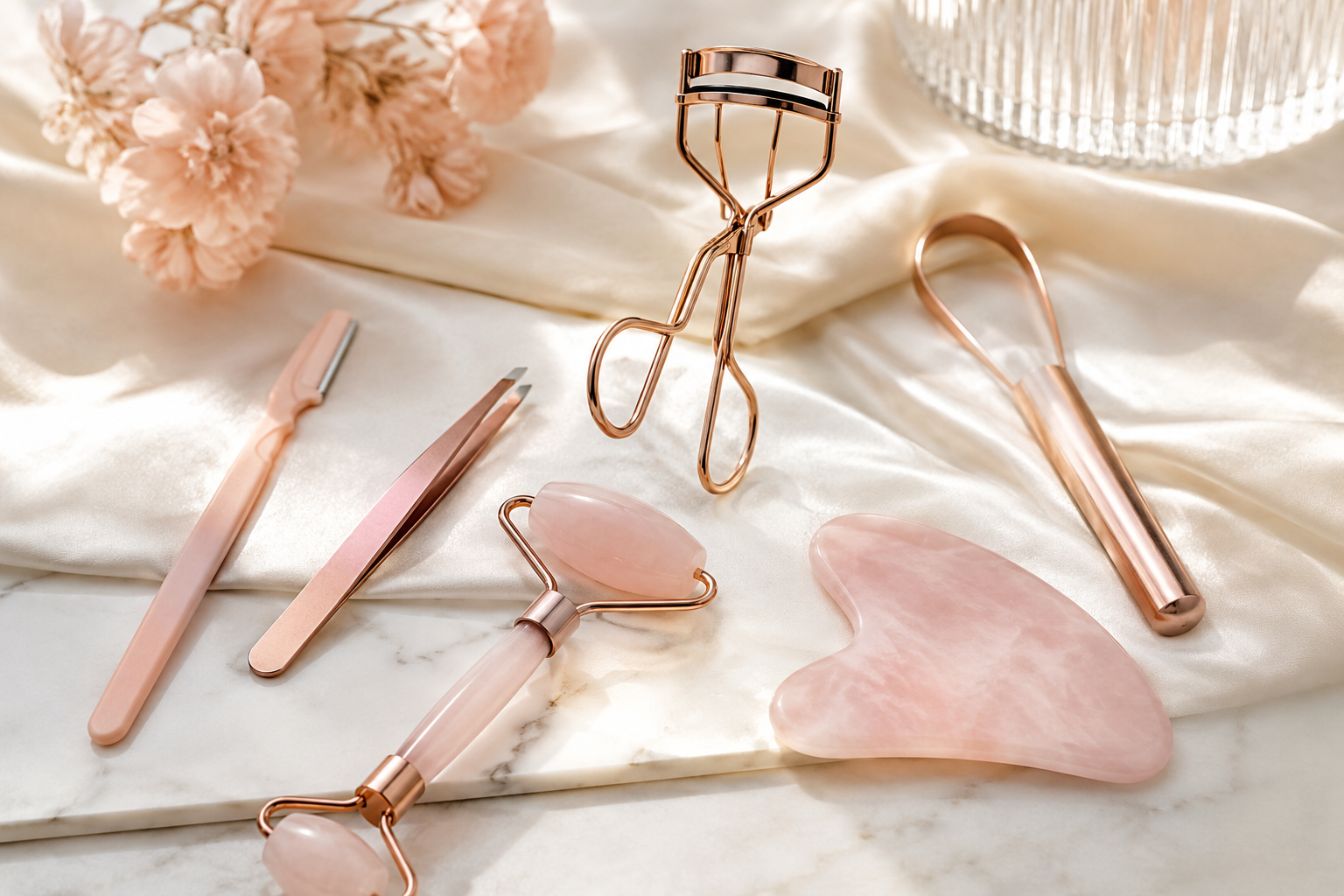
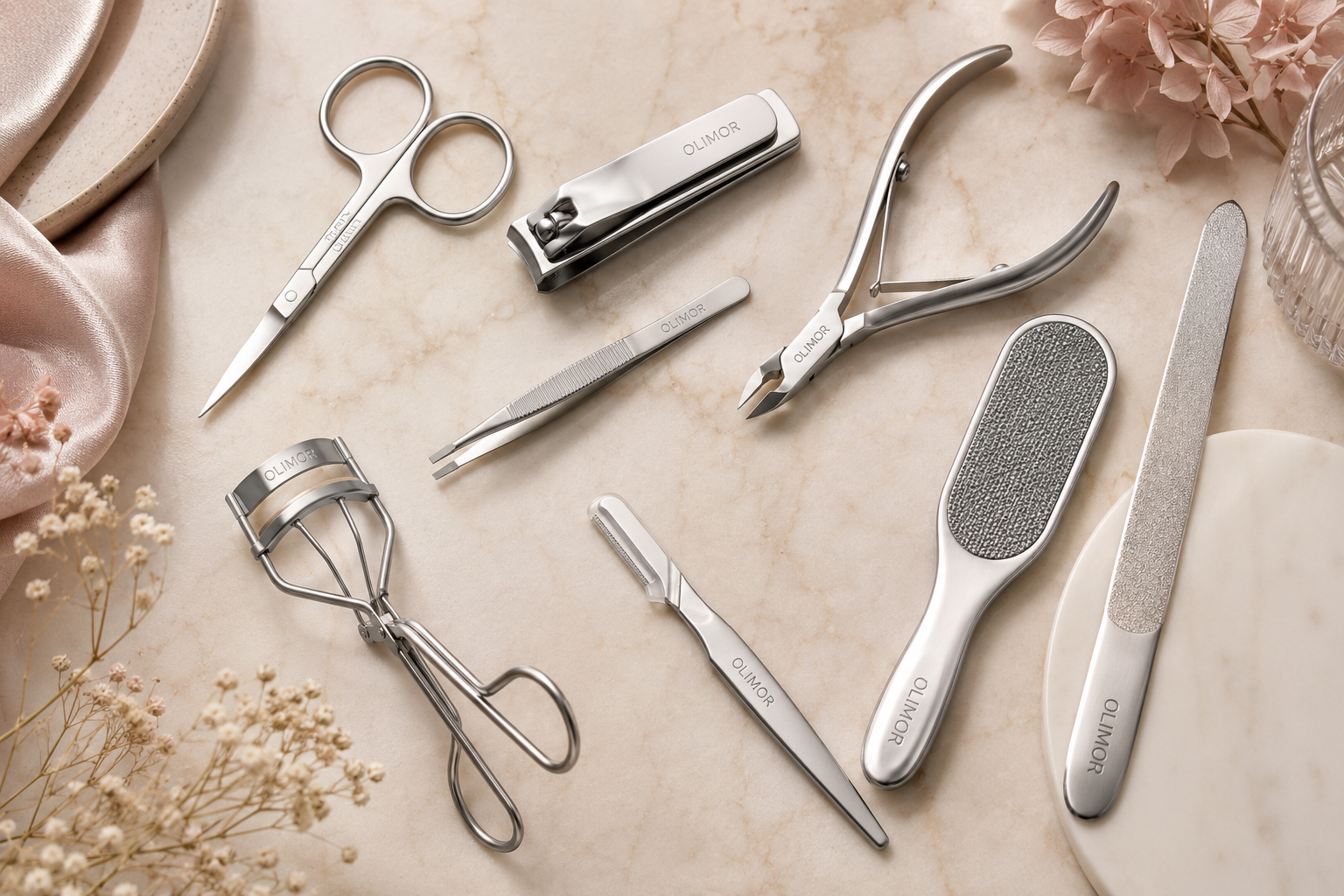
That does not mean every Chinese supplier is equal. The same product description can cover very different quality levels. One factory may focus on low-cost promotional items, while another may be better suited for retail-ready grooming tools. A trading partner may offer a wider assortment across nail clippers, tweezers, scissors, eyelash tools and manicure accessories, which can be useful when building mixed shipments or matching products across a line.
When comparing nail clipper global supplier options, evaluate the total landed result rather than the unit price alone. A cheaper quote can become expensive if packaging fails in transit, the cutting edge is inconsistent, cartons are not marked properly or the product does not match marketplace images. Conversely, a slightly higher quote may be reasonable if it includes better finish control, clearer communication, workable packaging support and a more reliable inspection process.
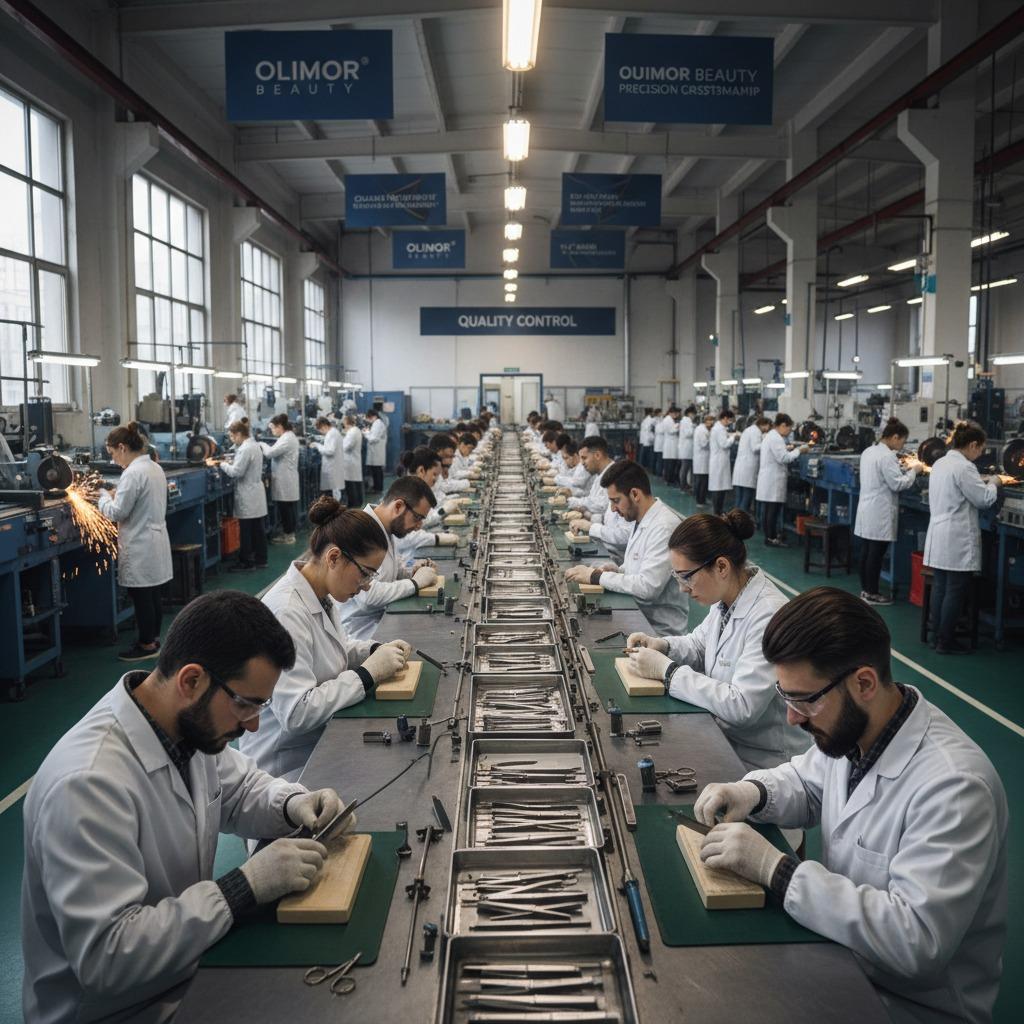
Quality Control Points for Nail Clipper Imports
Quality control for nail clippers should focus on function, safety of handling, appearance and packing. Because the product is mechanical, small alignment problems can affect user satisfaction immediately. A clipper that crushes instead of cutting will generate complaints even if it looks acceptable in photos.
| Inspection Area | What to Check | Why It Matters |
|---|---|---|
| Cutting performance | Blade contact, smooth cut, no obvious snagging | Determines the core user experience |
| Assembly | Lever movement, pin security, stable opening and closing | Reduces returns caused by loose or weak parts |
| Surface finish | Scratches, plating marks, discoloration, fingerprints | Important for retail appearance and brand perception |
| Hand feel | Burrs, sharp non-cutting edges, rough file areas | Helps avoid discomfort during use |
| Packaging | Correct artwork, sealing, scuff protection, carton labels | Protects goods through storage, shipping and display |
For bulk orders, define acceptable defect categories in advance. Critical defects may include unsafe sharp burrs or broken parts. Major defects may include poor cutting, loose levers or wrong branding. Minor defects may include small cosmetic marks that do not affect function but still need limits. Clear definitions help both sides understand what is acceptable before the goods leave the production site.
Packaging and Private Label Decisions
Packaging often determines whether a nail clipper works for its intended channel. An e-commerce item may need protective packaging that photographs well and survives parcel handling. A retail item may need a hang hole, readable care instructions and an attractive front display. A salon or professional kit may need simple but clean packaging that fits with other grooming tools. A promotional order may prioritize compact packaging and clear logo visibility.
Before confirming packaging, consider where the product will be sold and how it will be handled. Blister packaging can show the clipper clearly, but it requires tooling, artwork accuracy and packing care. Paper boxes may support private label presentation, but the paper thickness and insert design should be suitable for the clipper’s weight and finish. If the clipper has a polished metallic surface, packaging should reduce rubbing marks during transit.
Buyers planning a wider beauty assortment can also review Olimor product collections to think about how nail clippers might sit beside tweezers, manicure tools or other personal care items. A consistent packaging system across multiple tools can make a product line easier to merchandise.
Trade Terms, Shipping and Documentation Questions
Importing nail clippers from China involves more than product approval. You also need to plan trade terms, shipping method, carton dimensions, labeling and destination requirements. Air freight may suit urgent samples or smaller launches, while sea freight is usually considered for larger volumes. The best choice depends on order size, delivery schedule and the buyer’s inventory plan.
Documentation needs vary by destination and sales channel. Buyers should prepare a list of required documents before placing an order. This may include a commercial invoice, packing list, product description, HS code discussion, country-of-origin details, packaging marks and any market-specific compliance paperwork. If the goods will be sold through major retailers or marketplaces, check whether they require additional product information, testing reports or labeling rules.
A clear inquiry saves time. Include target market, expected order quantity, preferred packaging, branding method, destination port or address, inspection expectations and sample needs. If drawings or reference photos are available, provide them, but avoid asking a supplier to copy protected designs. For a new project, you can send an inquiry with your desired nail clipper type, packaging concept and shipping destination so the response can be more precise.
How to Build a Better Supplier Conversation
A strong supplier conversation is specific, documented and realistic. Instead of asking only for the best price, ask for options that match your channel. For example, a buyer can request two or three finish levels, packaging alternatives and estimated carton information. This makes the comparison more meaningful and helps identify where cost differences come from.
- Define the clipper size, blade shape and intended user.
- Confirm whether a nail file, keychain hole or set packaging is required.
- Request sample photos or physical samples before bulk approval.
- Review logo placement and packaging artwork carefully.
- Agree on inspection points for cutting, assembly, finish and packaging.
- Check shipping plan, carton marks and required documents before dispatch.
Olimor Beauty can be a practical contact point for buyers who want to source beauty tools with clearer product communication. If you are comparing nail clipper export from China with other supply options, use the same checklist for every quote. That way, you compare real value rather than inconsistent descriptions. For project questions, buyers can also contact Olimor to discuss product direction and sourcing details.
Final Buying Advice for Nail Clipper Importers
The best nail clipper imports begin with a clear specification and end with controlled execution. China offers strong opportunities for buyers who need scalable sourcing, packaging flexibility and access to a wide beauty tool supply chain. However, success depends on confirming the details that users notice first: clean cutting, stable lever action, smooth edges, consistent finish and packaging that protects the product until it reaches the customer.
Before placing an order, keep one approved sample, confirm the packaging proof, define inspection criteria and organize the import documents required for your market. This disciplined approach helps reduce avoidable disputes and supports a more reliable product launch. For distributors and brand owners, a well-sourced nail clipper can be a dependable item within a broader grooming or manicure range when the buying process is handled with care.