Import Nail Clippers from China: A Practical Supplier Guide for Beauty Buyers
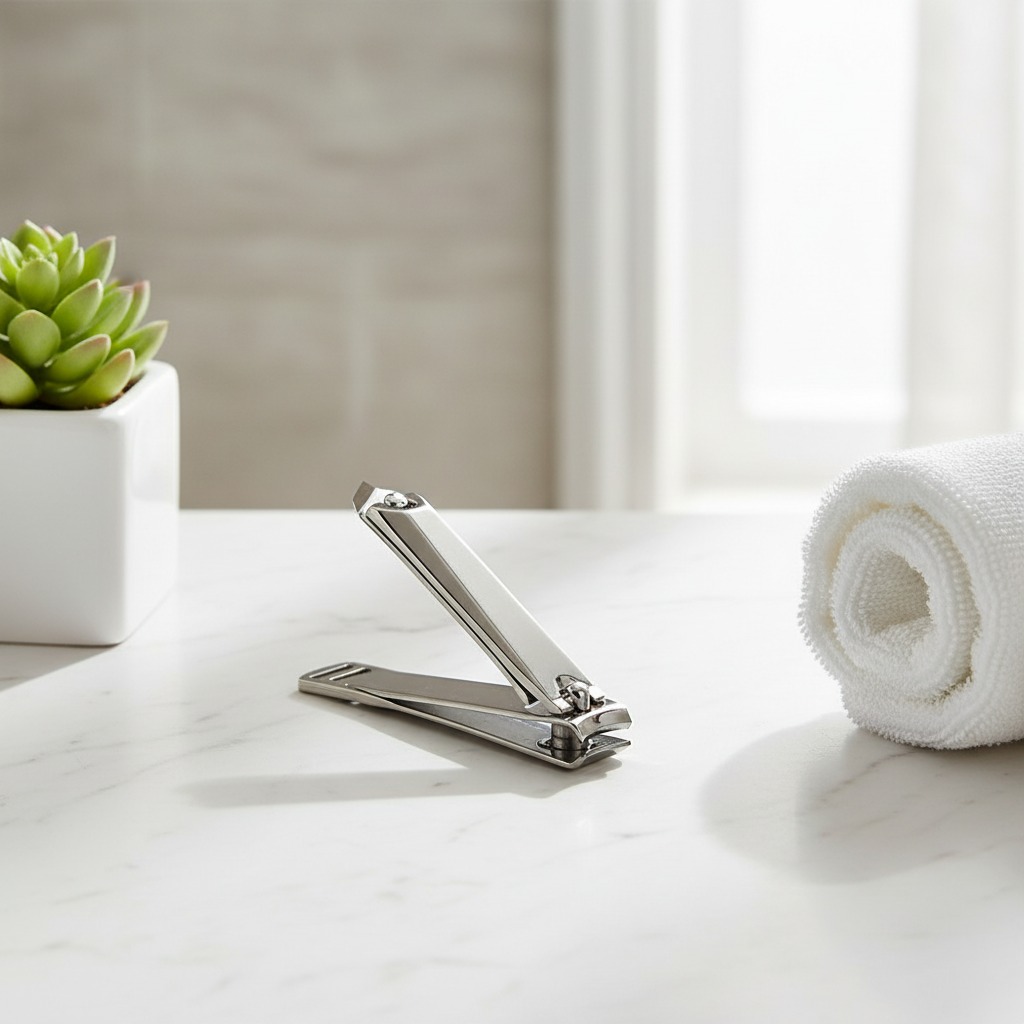
Importing nail clippers from China can be a strong sourcing option for beauty tool distributors, wholesalers, private-label buyers, salon supply companies, gift-set brands and e-commerce sellers. The product is compact, widely used and suitable for repeat purchase, but a successful order depends on more than a low unit price. Buyers need to confirm blade alignment, cutting feel, lever pressure, surface finish, packaging protection, documentation and supplier accountability before approving bulk production.
China is a major production base for metal grooming tools because buyers can usually access broad manufacturing capability, scalable order planning, finish options and export support in one supply chain. Local sourcing may still be suitable for urgent replenishment or very small test runs, but it can limit customization and raise unit cost. The best decision is not simply China versus local supply. It is whether the chosen supplier can consistently produce the nail clipper your market expects and prepare it correctly for your sales channel.
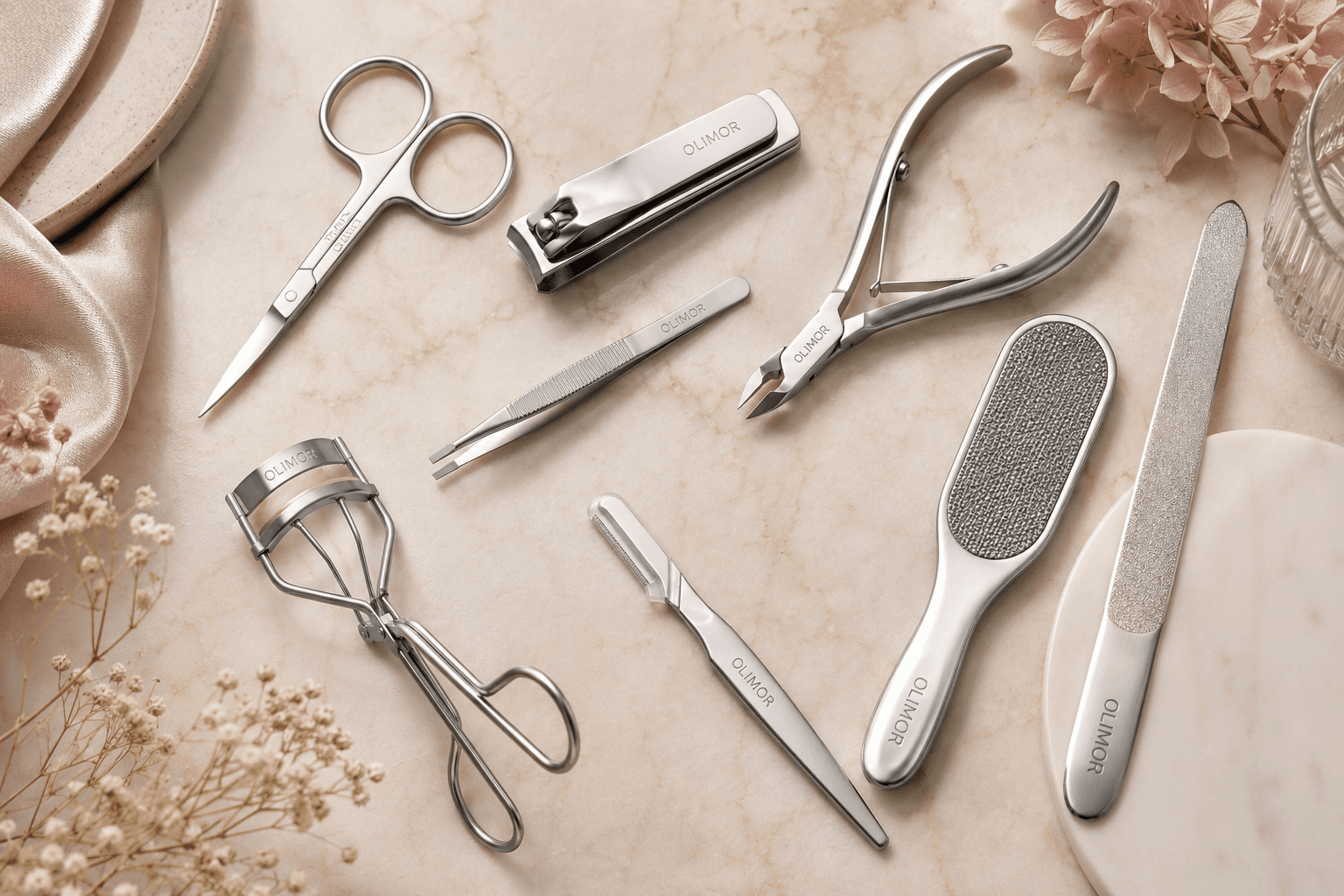
This guide explains how to compare nail clipper suppliers, what to check in samples, which cost factors affect landed price and how to reduce risk before import. Buyers reviewing related grooming items can browse Olimor beauty tool products or compare broader options through the Olimor product collections.
Start with the Buying Purpose Before Discussing Price
A nail clipper looks simple, but different sales channels need different specifications. A low-cost travel kit, a pharmacy retail pack, a salon counter item and a premium manicure set may all use nail clippers, but they do not require the same finish, packaging, inspection level or presentation.
Before requesting quotations, prepare a short sourcing brief. This helps suppliers quote comparable options and avoids confusion later in sampling or packaging development.
Include These Details in Your Sourcing Brief
- Sales channel: retail store, salon supply, online marketplace, promotional kit, manicure set or travel grooming pack.
- Product type: standard nail clipper, compact clipper, larger toenail clipper, clipper with file, or clipper for a grooming set.
- Target user: home user, traveler, salon customer, gift recipient or value-pack buyer.
- Finish preference: polished metal, matte metallic appearance or another available supplier finish.
- Packaging style: bulk packing, individual bag, paper card, box, blister pack or set packaging.
- Branding needs: logo placement, retail artwork, barcode space, language requirements and country-of-origin marking.
- Destination market: country or region for import documentation, labeling and customs review.
- Order planning: estimated volume, sample requirement, replenishment expectation and target shipment window.
If the final specification is not fixed, say so clearly. A capable supplier should be able to show standard options before developing custom tooling, custom packaging or special finishes.
Why Many Beauty Buyers Import Nail Clippers from China
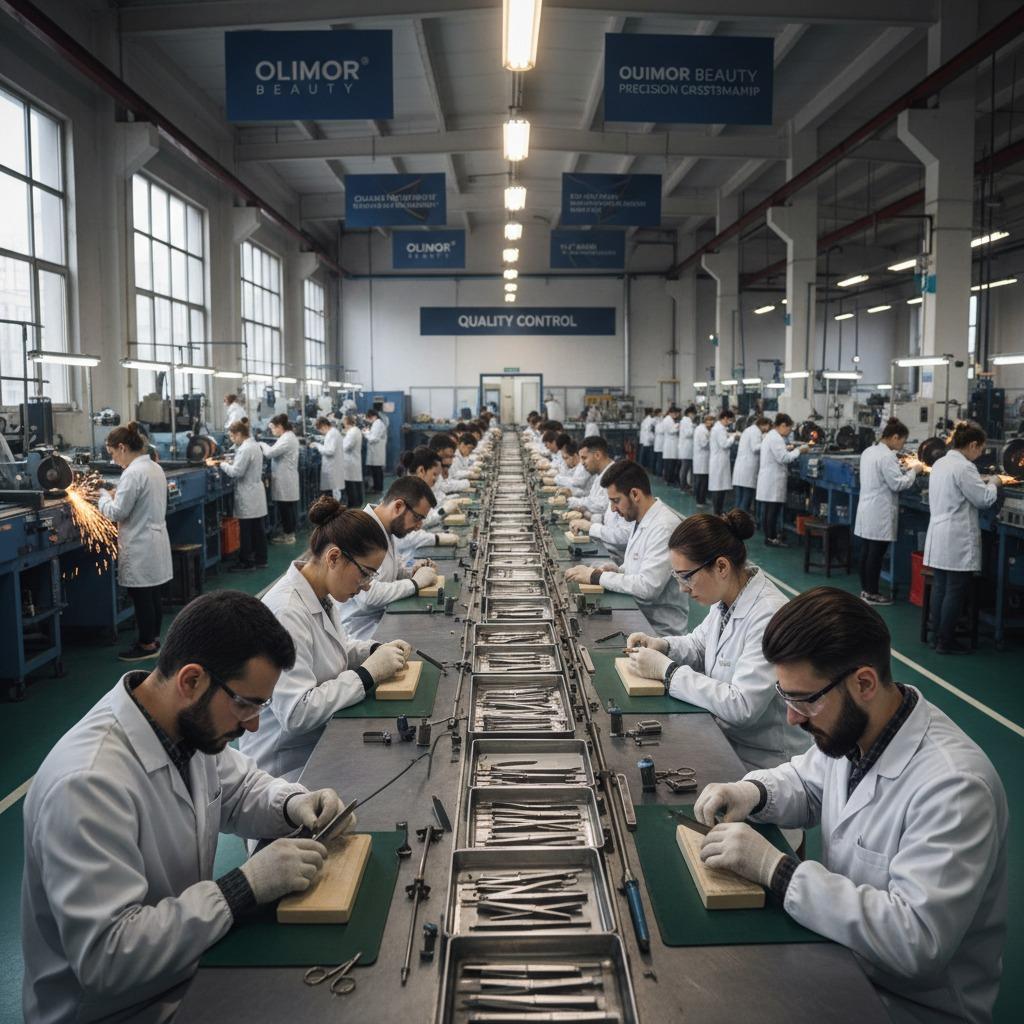
The main advantage of importing nail clippers from China is access to an established grooming-tool supply ecosystem. Nail clipper production may involve metal forming, sharpening, polishing, surface treatment, assembly, cleaning, inspection and packing. A strong supplier network can coordinate these steps repeatedly, which matters when buyers need bulk goods that feel and cut consistently.
Import sourcing also gives buyers more room to match the product to a defined market. A pharmacy buyer may want a practical stainless steel clipper in simple card packaging. A gift-set brand may prioritize a modern matte metallic finish and a compact presentation. A travel retailer may care most about lightweight construction, safe packing and easy storage. Supplied product information referenced stainless steel tools, matte metallic finishes, precise curved blades, ergonomic handling and a compact 70 mm, 30 gram design. Those are examples of the type of product details buyers should confirm early because they affect user experience, packaging structure and landed cost.
Importing is not automatically better for every purchase. International freight, customs clearance, duties, destination charges, warehousing and longer replenishment cycles must be calculated. The sourcing route makes sense when the product specification, volume, packaging requirement and consistency target justify the extra logistics planning.
China Supplier Versus Local Supplier: How to Compare the Real Fit
Local suppliers can be useful when a buyer needs stock quickly, wants to inspect goods in person or is testing a new channel with minimal commitment. They may also simplify communication, domestic freight and returns. The trade-off is that local inventory is often limited to standard models, while customization may still depend on an overseas manufacturer.
When comparing China suppliers with local alternatives, focus on total commercial fit instead of unit price alone. A low ex-factory price can become expensive if packaging is unsuitable, cartons are weak, inspection is unclear or a shipment misses a planned launch. A higher local price may still be acceptable for urgent seasonal demand, small promotional quantities or limited test sales.
| Comparison Point | China Import Supplier | Local or Regional Supplier | Buyer Question |
|---|---|---|---|
| Customization | Often broader options for finish, packaging and private label development | May be limited to available stock or standard catalog items | Do you need a standard clipper or a branded retail-ready product? |
| Replenishment speed | Requires production, export shipping, customs and inventory planning | Usually faster for stocked items | Can your inventory plan absorb international lead time? |
| Landed cost | May be competitive at suitable volume but includes freight, duty and handling | Often simpler to calculate but may have higher unit pricing | Have you compared total delivered cost, not only product cost? |
| Quality control | Needs sample approval, written criteria and shipment inspection support | May allow easier local checking but still needs criteria | Who checks blade alignment, finish and packaging before sale? |
| Packaging | Can support bulk, retail or set packaging when specified early | May be fixed unless custom production is arranged | Will the packaging suit your channel and destination labeling rules? |
How to Evaluate a Nail Clipper Supplier in China
A reliable supplier should be evaluated from several angles: manufacturing capability, product focus, communication quality, sample consistency, packaging options, export experience and willingness to support inspection. Online listings and product photos are only starting points. A polished image does not prove that bulk goods will match the sample.
Supplier Evaluation Checklist
- Company role: Confirm whether you are working with a manufacturer, trading company or combined operation.
- Product focus: Review whether the supplier understands grooming tools or offers an unrelated product mix.
- Manufacturing explanation: Ask how forming, sharpening, finishing, assembly and packing are controlled.
- Sample availability: Request existing samples before committing to custom packaging or special surface finishes.
- Communication: Check whether quotations, material descriptions, packaging dimensions and timelines are written clearly.
- Inspection support: Confirm whether pre-shipment inspection is allowed and what practical checkpoints can be used.
- Export experience: Ask whether the supplier can prepare common commercial documents for your destination.
- Defect handling: Understand how the supplier identifies and separates defective items before shipment.
Clear answers are more useful than broad promises. For stainless steel grooming tools, buyers commonly review blade alignment, cutting edge condition, lever movement, surface polishing, coating or finish uniformity if applicable, and whether all user-contact edges feel smooth.
Product Details That Affect Customer Satisfaction
End users judge nail clippers quickly. A single trimming session can determine whether the tool feels sharp, safe and comfortable. Buyers should define functional requirements before negotiating only on packaging or branding.
Blade Geometry and Cutting Feel
Blade alignment is one of the most important quality points. Curved blades can help follow the natural nail shape, but the curve should be even and the upper and lower cutting edges should meet cleanly. If the edges have gaps, cross incorrectly or feel rough, the clipper may crush or split the nail instead of cutting it cleanly.
Lever Pressure and Ergonomic Handling
Lever pressure affects comfort and control. If the lever is too stiff, the clipper can feel tiring, especially on thicker nails. If it is too loose, users may feel that the tool lacks control. Ergonomic handling is not only about shape; it also depends on grip feel, balance, leverage and the pressure needed to cut.
Surface Finish and User Perception
Surface finishing affects appearance, perceived cleanliness and retail value. Matte metallic finishes can look modern and reduce obvious fingerprints, while polished finishes may look more classic. Buyers should inspect corners, edges, the lever joint and any plated or coated areas for scratches, burrs, discoloration or uneven finishing.
Size, Weight and Channel Fit
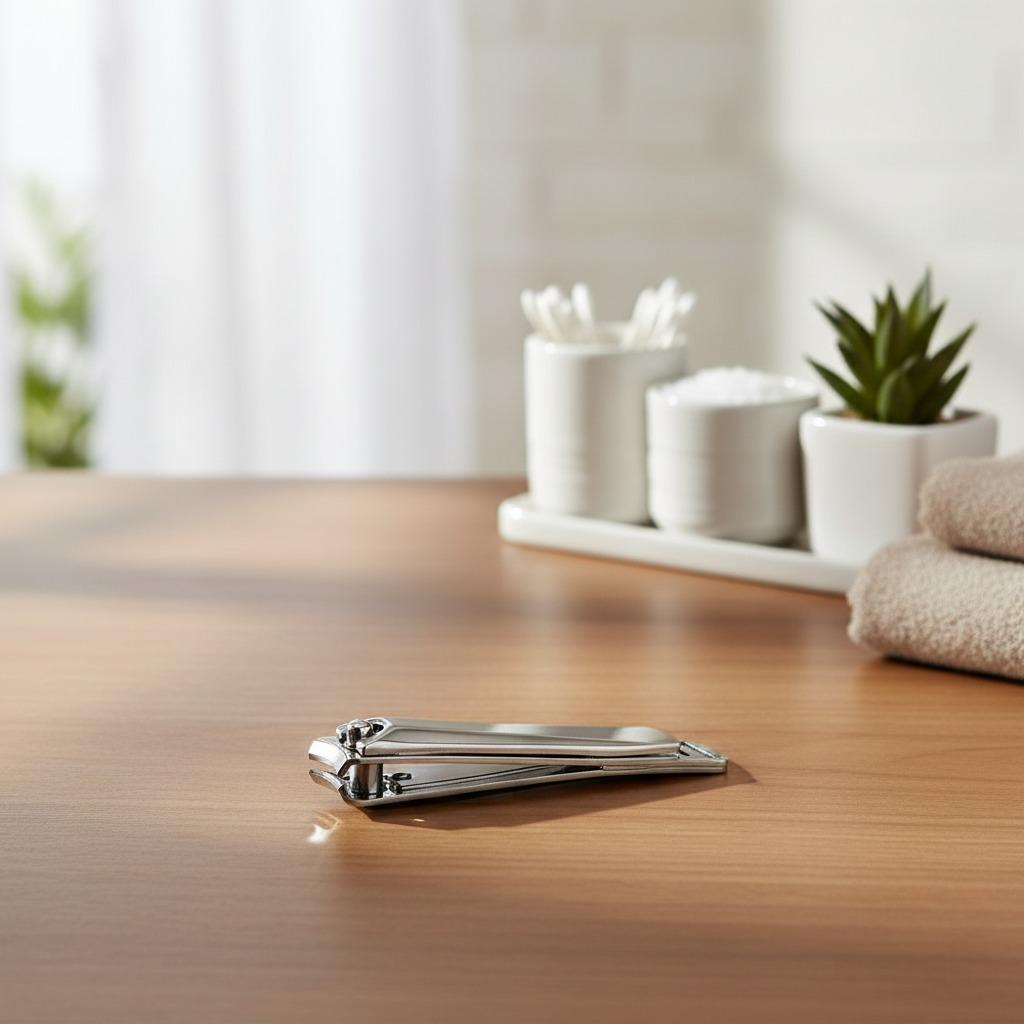
Size should match the intended market. A compact 70 mm, 30 gram clipper, as referenced in supplied product information, may suit home, handbag and travel use. Larger clippers may fit pedicure applications, while mini clippers can work for promotional kits or compact grooming sets. Do not assume one size is suitable for every customer segment.
Sample Testing Before Bulk Production
Samples are essential when importing nail clippers from China. A clipper may look acceptable in a photo but fail in actual handling. Test samples from more than one supplier under the same conditions so your team can compare fairly.
Start with function. The upper and lower cutting edges should meet evenly. The tool should cut cleanly rather than crushing or tearing. Lever movement should be smooth without feeling loose or excessively stiff. Surfaces touched by the fingers should not have sharp burrs. If the clipper includes a file, catcher or attached accessory, check whether that part is secure and useful rather than decorative.
Then review appearance and packaging. Differences in shine, scratches, rough polishing or uneven finish can affect reviews and returns, especially for retail products. If packaging is supplied with the sample, test whether it holds the clipper securely, protects against rubbing and leaves space for required marks, barcodes, warnings or language content.
Quality Control Checklist for Nail Clipper Imports
A nail clipper order should include practical inspection criteria that both buyer and supplier understand. The checklist does not need to be complex, but it should cover function, safety of handling, appearance and packaging. Some buyers use recognized sampling approaches such as ISO 2859-1 for acceptance sampling, but the applicable version, acceptance criteria and inspection plan should be verified with the buyer’s quality team, inspection provider and supplier documentation. Referencing a standard does not replace product-specific checks.
| Inspection Area | What to Check | Why It Matters |
|---|---|---|
| Blade alignment | Cutting edges meet evenly without visible gaps or crossing | Helps prevent nail crushing and uneven trimming |
| Cutting performance | Clean trim using an approved practical test method | Confirms function, not just appearance |
| Lever movement | Smooth opening and pressing with stable resistance | Improves comfort and perceived control |
| Surface finish | No obvious scratches, burrs, discoloration or uneven polishing | Protects retail appearance and user confidence |
| Edges and touchpoints | No sharp burrs on areas held by the user | Reduces discomfort during use |
| Assembly | Rivets, pins, levers and accessories are secure | Supports durability during handling and transport |
| Packaging | Correct count, secure holding, adequate scratch protection | Reduces damage, repacking and receiving disputes |
| Labeling | Country-of-origin, item description, barcode and language content as required | Supports import clearance and retail acceptance |
Packaging Choices and Cost Factors
Packaging affects cost, damage rate, shelf presentation and customs clarity. Some buyers need simple bulk packing for kit assembly or wholesale redistribution. Others need retail-ready packaging such as cards, boxes, blister packs or complete manicure sets.
For bulk packing, the main concern is preventing metal tools from rubbing against each other and creating scratches. For retail packaging, buyers should review how the clipper is fixed inside the pack, whether the product is visible, whether the packaging can survive carton stacking and whether printed information matches destination requirements. Carton marks should match the purchase order, packing list and receiving instructions.
Common Packaging Options
- Bulk packing: Suitable for kit assembly, salon supply or wholesale redistribution; check scratch protection and counted inner packs.
- Individual polybag: Useful for simple distribution or online multipacks; confirm labeling needs and whether the presentation fits the brand.
- Paper card or box: Suitable for retail and gifting; review artwork, barcode placement and carton strength.
- Blister packaging: Useful for retail display and product visibility; confirm sealing quality and destination packaging requirements.
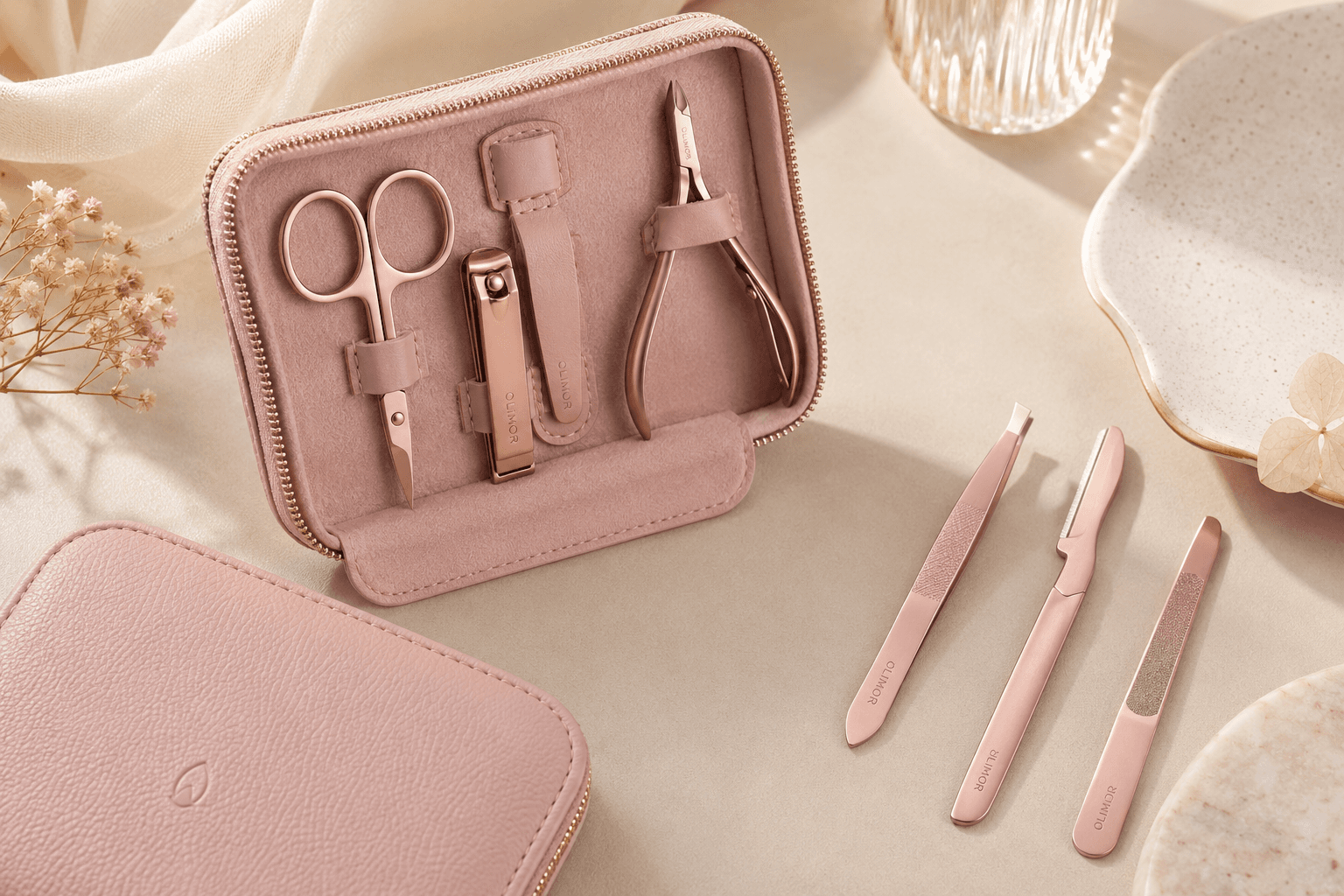
- Set packaging: Suitable for manicure kits or gift packs; check tool fit, movement during transport and consistency across set components.
Cost factors include material selection, finish, packaging complexity, logo method, inspection level, order volume, freight method, duties, warehousing and possible repacking. Buyers should compare landed cost rather than only the quoted ex-factory price. A cheaper clipper may not be cheaper if packaging fails, cartons arrive damaged or goods require sorting before sale.
Compliance, Import Documentation and Labeling
International nail clipper trade requires attention to customs rules, labeling, duties and documentation. Requirements vary by destination, product composition and whether the clipper is sold alone or as part of a manicure set. Buyers should verify tariff classification and import rules with their customs broker or relevant customs authority before shipment. Public bodies such as the World Customs Organization provide the Harmonized System framework, but importers must confirm the applicable classification and documentation for their own market.
Common export documents may include a commercial invoice, packing list, bill of lading or air waybill and certificate of origin when required. Depending on the destination, retailer or marketplace, additional declarations, material details or test reports may be requested. Do not assume one document package fits every country or sales channel.
Labeling should be discussed before packaging is printed. Importers may need to confirm country-of-origin marking, product description, quantity, importer information, warnings, barcode placement and retail language. Packaging corrections after production can delay shipment and create avoidable cost.
How to Reduce Sourcing Risk
The safest import process is structured and documented. Approve a physical sample, confirm the product specification in writing, review packaging artwork before printing and define inspection checkpoints before production finishes. Keep one approved reference sample for comparison with bulk goods.
- Shortlist suppliers: Compare product focus, communication, sample quality, export experience and inspection support.
- Request comparable samples: Test function, finish, packaging and handling under the same conditions.
- Confirm specifications: Record material description, finish, size, packaging, logo method and carton requirements.
- Review documents early: Ask what commercial documents the supplier can provide and verify destination requirements independently.
- Inspect before shipment: Check blade alignment, cutting performance, finish, assembly, count, labels and carton marks.
- Plan replenishment: Allow time for production, export shipping, customs clearance and local receiving.
If you are preparing a private-label nail clipper program or comparing grooming tools for a retail range, Olimor can discuss available product directions and sourcing requirements. Buyers may send project details through the Olimor inquiry page or reach the team through Olimor contact support.
FAQ: Importing Nail Clippers from China
Can I request samples before placing a bulk nail clipper order?
Yes. Samples should be reviewed before bulk production whenever possible. Test blade alignment, cutting feel, lever pressure, surface finish, accessory security and packaging protection. If you approve a sample, keep it as a reference for production and inspection.
Is private label or custom packaging available?
Customization may be available depending on the product model, finish, logo method and packaging structure. Buyers should provide artwork needs, destination labeling requirements and sales-channel expectations early so the supplier can confirm what is practical before production.
What MOQ should I expect for imported nail clippers?
MOQ depends on the supplier, product type, packaging, finish and customization level. Standard models may differ from private-label or custom-packaged orders. Buyers should ask for MOQ by specification rather than assuming one quantity applies to all options.
How should nail clipper quality be checked before shipment?
Use a written checklist covering blade alignment, cutting performance, lever movement, burrs, surface finish, assembly, packaging count, labels and carton marks. If using an inspection standard or third-party inspection plan, verify the applicable version and criteria with your quality team and supplier.
What affects lead time for nail clipper imports?
Lead time can be influenced by sample approval, material and finish selection, packaging artwork, production scheduling, inspection, export shipping, customs clearance and local receiving. Buyers should confirm timelines in writing and build an inventory buffer for replenishment.
Final Buying Advice
The right nail clipper supplier is not simply the one with the lowest quote. A good sourcing decision balances cutting performance, stable manufacturing, suitable packaging, clear documentation, realistic landed cost and responsive communication. Define the product around your customer first, then compare suppliers by how well they can deliver that specification repeatedly. With a clear brief, approved samples and practical quality checks, importing nail clippers from China can support reliable beauty tool programs for retail, salon, travel, promotional and private-label channels.
Tag: