











Import Nail Clippers from China: Practical Sourcing Guide for Beauty Tool Buyers
Importing nail clippers from China can be a smart sourcing decision for beauty brands, distributors, salons, promotional product buyers, and retail chains that need consistent supply and product variety. Nail clippers look simple, but buyers quickly discover that small differences in blade alignment, handle pressure, finishing, packaging, and inspection standards can strongly affect customer satisfaction. A low-cost clipper that pulls, bends, rusts, or feels uncomfortable can damage a product line, while a well-made clipper can become a reliable repeat-order item.
This guide explains how to evaluate nail clippers for import, what to compare when reviewing suppliers, and which quality details deserve attention before production or shipment. It is written for buyers who want practical sourcing criteria rather than broad claims about global trade.
Why China Is a Major Source for Nail Clipper Importing
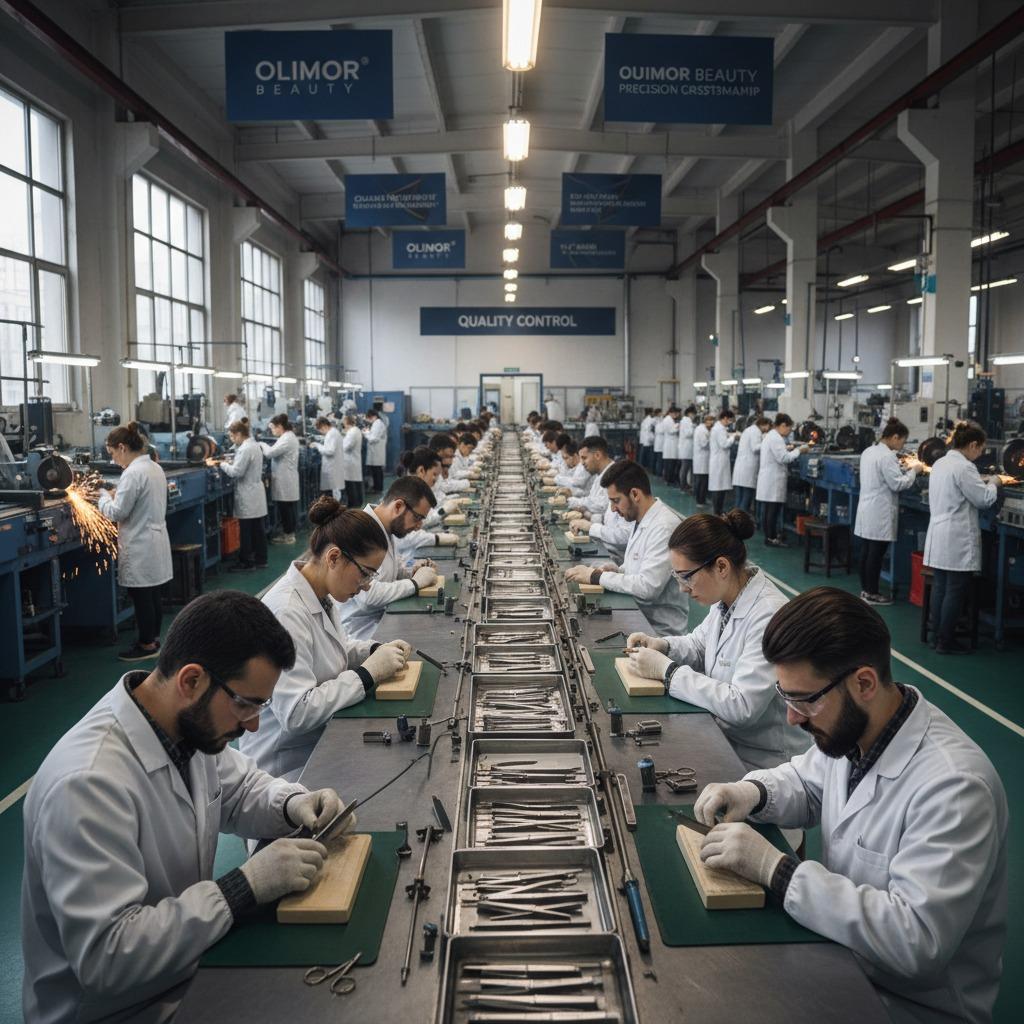
China is an established manufacturing base for beauty tools because many related processes are available in one supply chain: metal forming, blade sharpening, surface finishing, assembly, packaging, and export logistics. For nail clippers, this matters because the final product depends on several small operations being controlled together. A clipper is not only a piece of cut metal; it must open smoothly, meet at the cutting edge, resist daily moisture exposure, and feel stable in the hand.
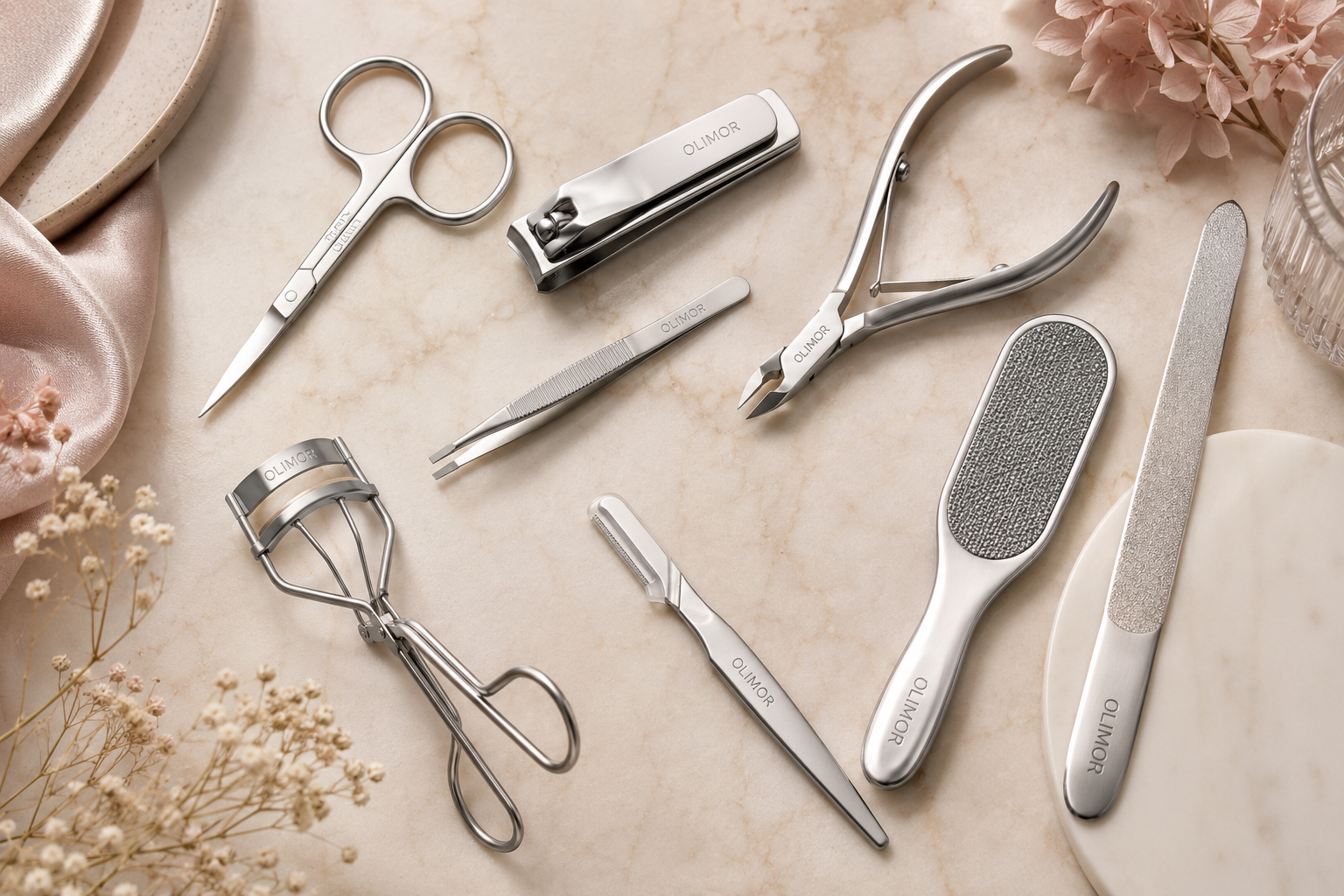
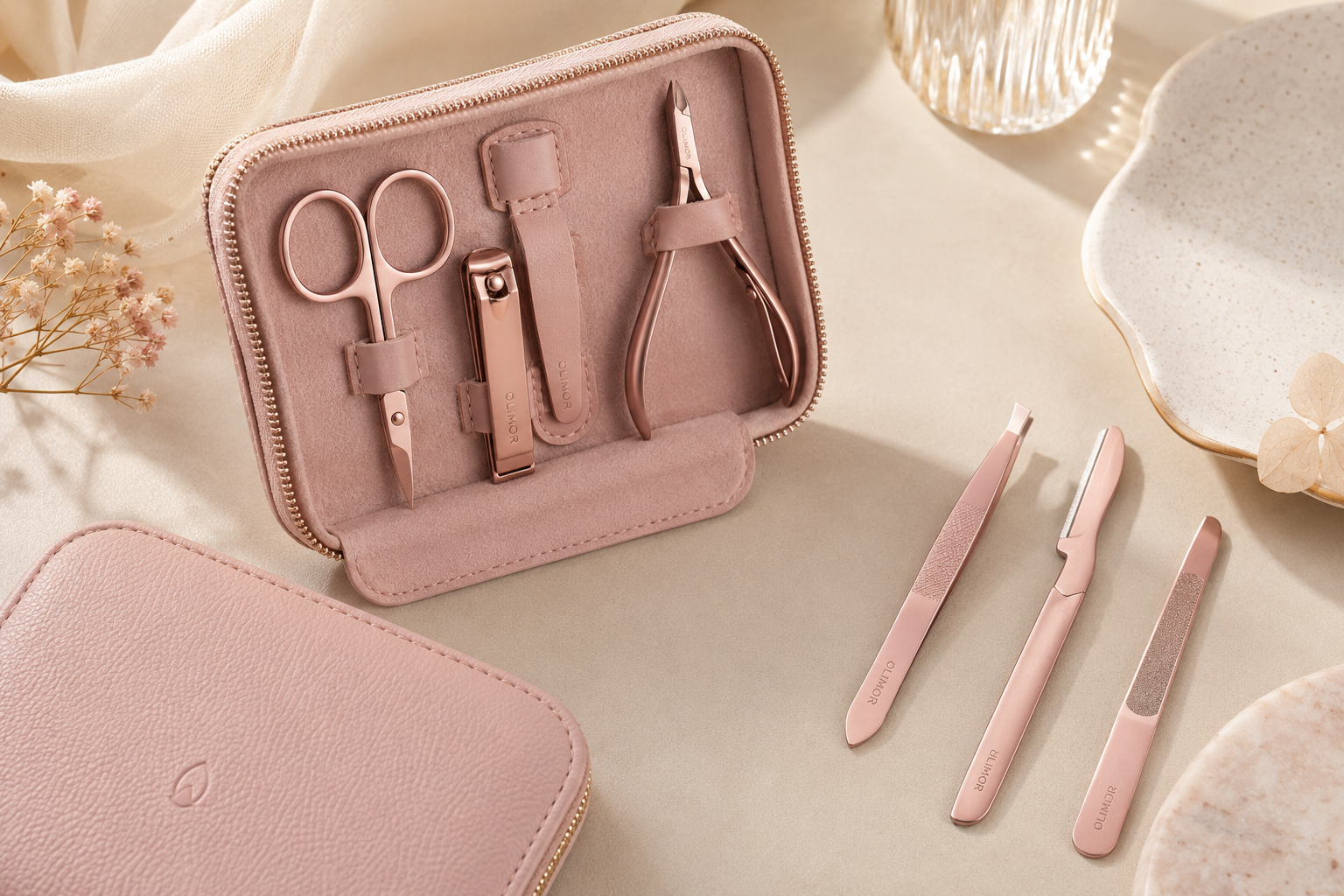
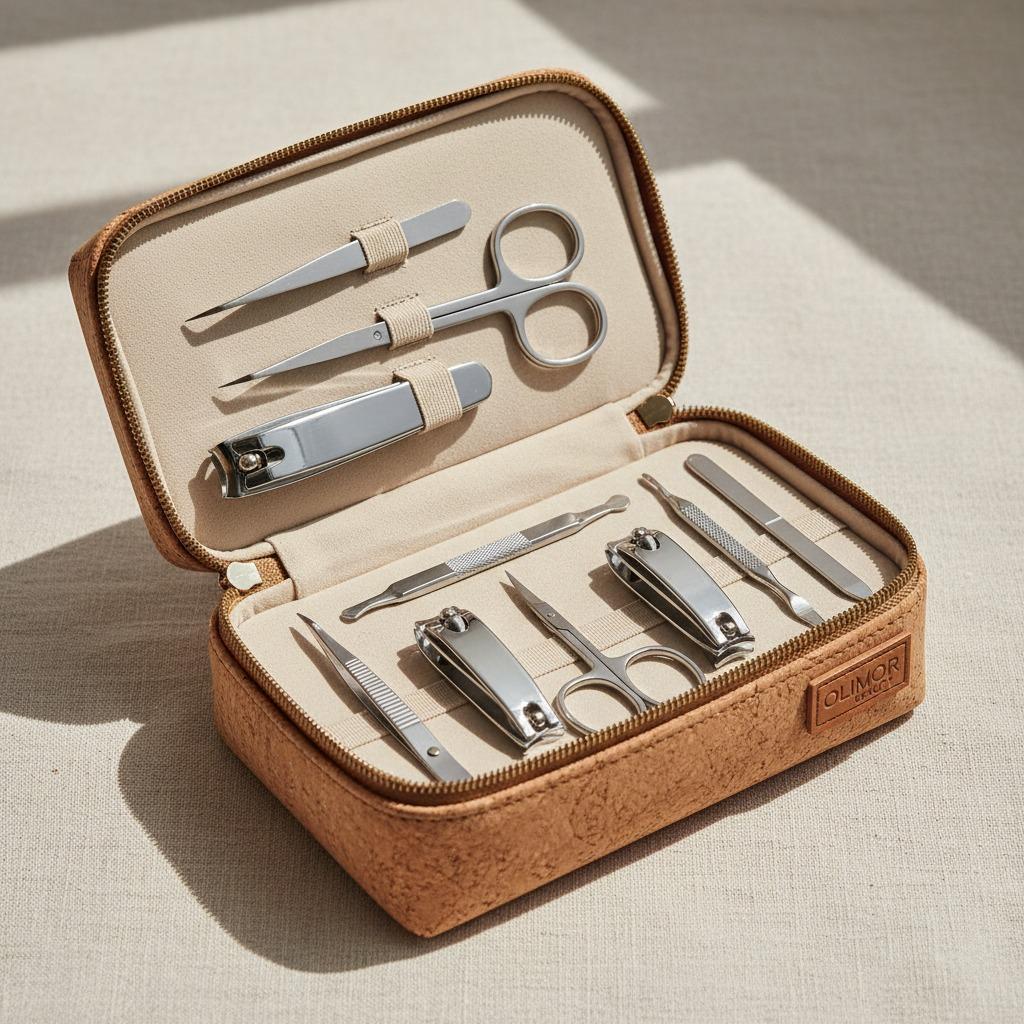
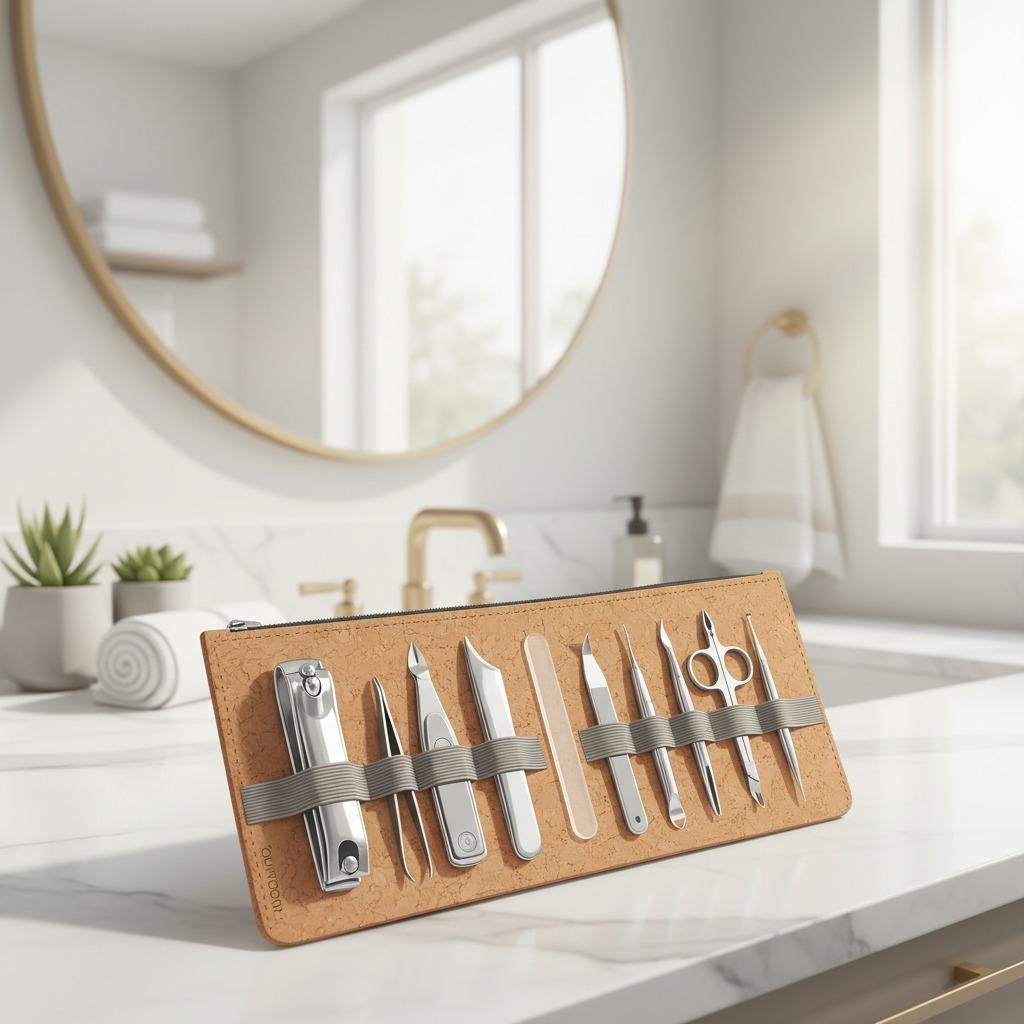
For importers, the main advantages are usually product range, production flexibility, and access to suppliers familiar with export requirements. Buyers can compare different nail clipper sizes, shapes, finishes, packaging formats, and accessory combinations. Some buyers source a basic personal-care clipper for mass retail, while others need a cleaner, more refined grooming tool for beauty sets, salon resale, travel kits, or private label programs.
Olimor Beauty focuses on beauty tools for buyers who need dependable sourcing and clear product communication. You can review broader beauty tool products to compare nail care items with other categories used in personal grooming lines.
Domestic Sourcing vs. International Nail Clipper Trade
Domestic sourcing can be useful when a buyer needs very small quantities, immediate availability, or simple replenishment from a local wholesaler. The trade-off is that selection may be limited and unit costs can be higher because products have already passed through importers, distributors, or retail supply channels.
International nail clipper trade gives buyers more control over product choice, packaging direction, and supplier comparison. Instead of choosing from finished stock only, an importer can evaluate materials, finish, size, logo placement, packaging, carton details, and inspection requirements before placing an order. This control is especially useful for businesses building a consistent nail care assortment.
The decision is not simply “local or China.” A better question is: what level of control does the business need? A salon buying a small number of clippers for internal use may prefer local purchase. A brand, distributor, or retailer planning ongoing sales will usually benefit from direct sourcing because product consistency, repeatability, and margin structure become more important.
Product Details That Affect Nail Clipper Quality
When reviewing a nail clipper sample, do not judge it only by appearance. A polished surface and neat package are positive signs, but cutting performance is the core of the product. The blade edges should meet evenly without visible gaps. The lever should press down smoothly, and the clipper should trim without forcing the user to squeeze excessively.
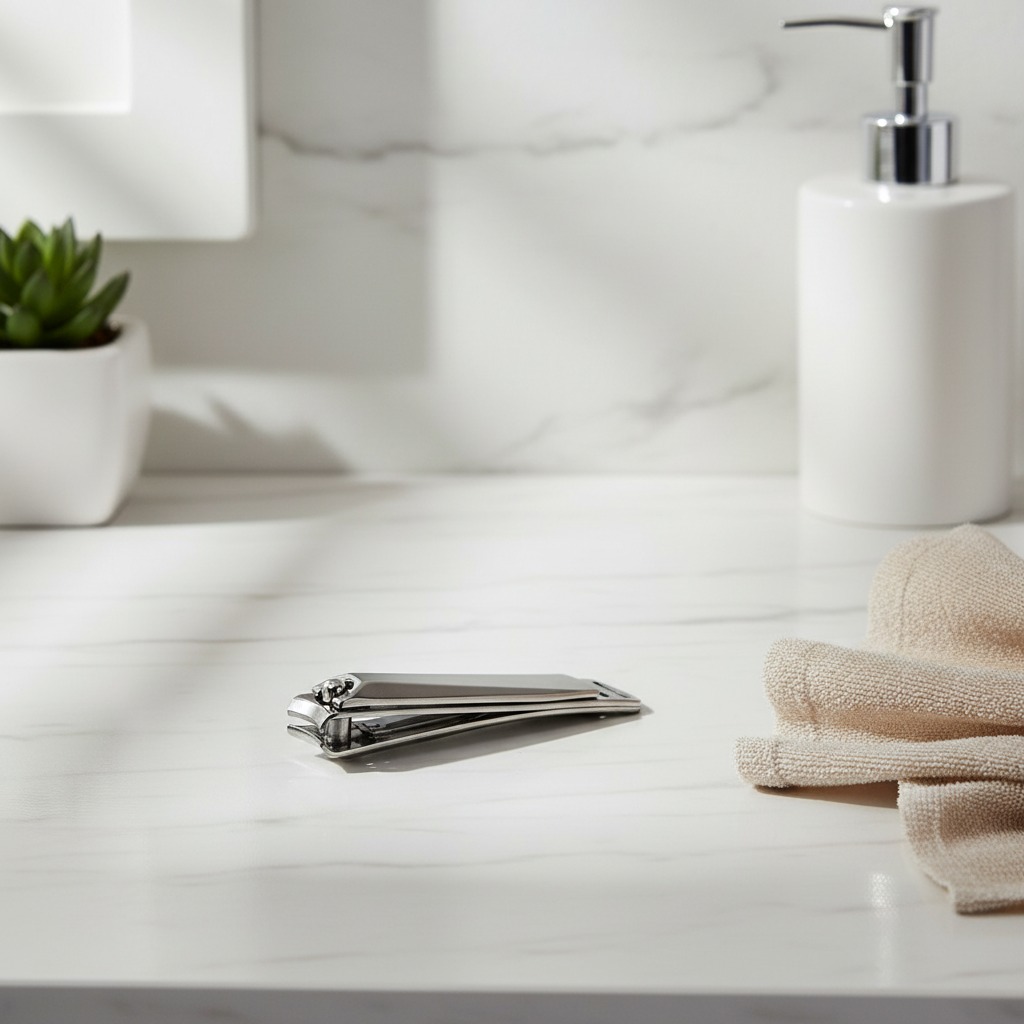
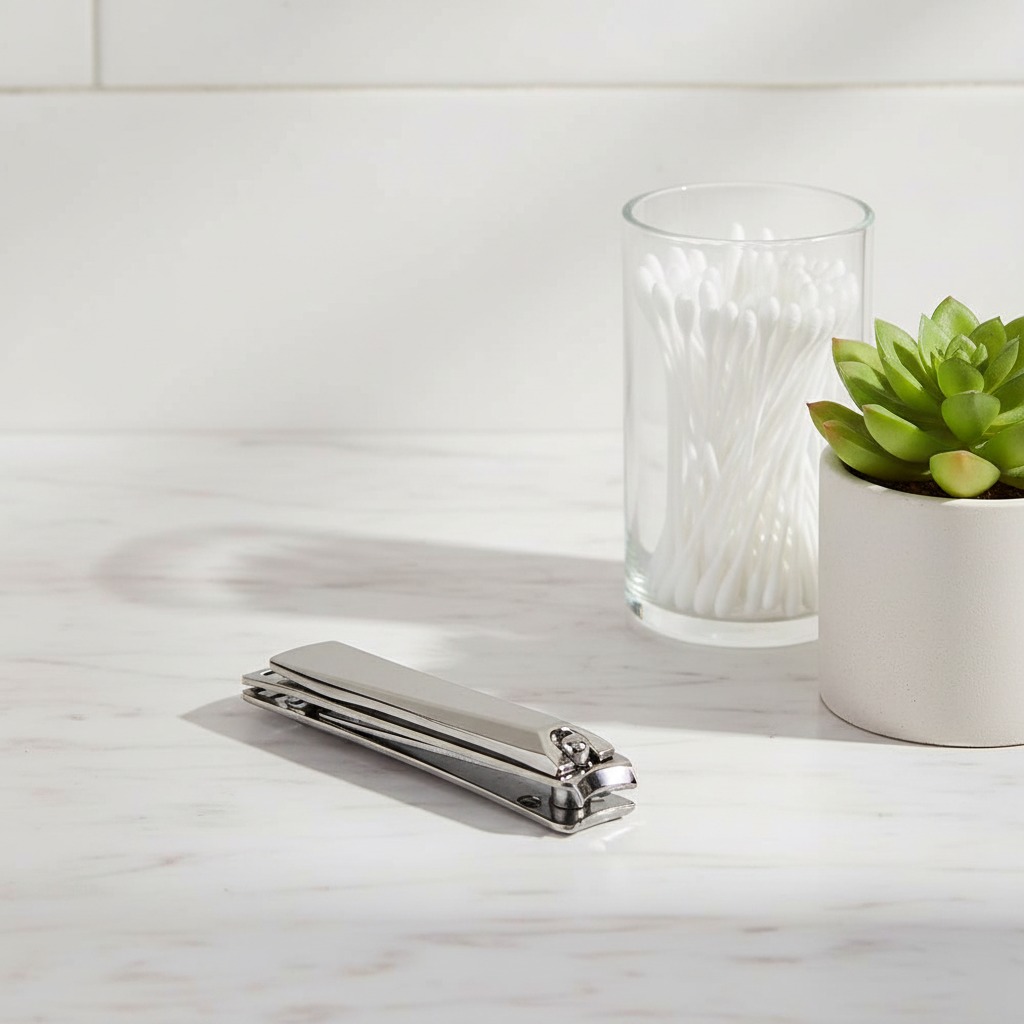
The original product information notes a stainless steel nail clipper and a 70 mm precision-engineered clipper weighing 30 g. Those details are useful reference points when comparing size and hand feel. A compact 70 mm clipper can suit home use, travel pouches, amenity kits, and retail nail-care sets, while the 30 g weight suggests a lightweight tool that should still feel stable if the construction is well balanced.
Buyers should check the following points before approving a nail clipper for import:
- Blade alignment: The two cutting edges should meet cleanly from side to side.
- Cutting pressure: The lever should not feel too stiff or too loose.
- Edge sharpness: The clipper should cut cleanly rather than flattening or tearing the nail.
- Surface finish: Look for scratches, burrs, stains, sharp corners, or uneven coating.
- Grip comfort: The user should be able to hold and press the tool without slipping.
- Rust resistance expectations: Nail tools are often used near water, so finish quality and storage instructions matter.
- Packaging fit: The clipper should not move excessively inside the package during shipping.
How to Compare a Nail Clipper Global Supplier
Choosing a nail clipper global supplier requires more than comparing a quoted price. A very low price can hide weaker finishing, inconsistent blade grinding, thin packaging, or poor batch control. A better comparison includes product performance, communication clarity, production experience, documentation, and how the supplier handles pre-shipment checks.
Start with samples from more than one supplier if possible. Test each sample on different nail thicknesses and inspect multiple pieces, not just one ideal sample. If a supplier provides a beautiful first sample but cannot explain how mass production will match it, the buyer should be cautious. Consistency is the key issue in nail clipper export because small quality changes are easy for customers to notice.
A practical supplier evaluation can include:
- Confirm the exact product: Size, weight, material description, finish, and packaging should be written clearly.
- Review sample quality: Test cutting feel, edge alignment, surface finish, and package strength.
- Define acceptable defects: Clarify how scratches, stains, dull blades, loose levers, or damaged packaging will be handled.
- Check export communication: A reliable supplier should answer product and shipment questions in a consistent, organized way.
- Keep approval records: Save photos, sample notes, packaging files, and carton marks for later comparison.
Buyers comparing multiple categories can also browse Olimor product collections to think about how a nail clipper fits into a wider beauty tool assortment.
Packaging Decisions for Retail, Salon, and Travel Use
Packaging is part of the product experience and also protects the clipper during international shipment. A retail buyer may need hanging cards, blister packaging, paper boxes, or set packaging. A salon distributor may prefer simple protective packaging that is easy to store. A travel or amenity buyer may care more about compact dimensions and clean presentation.
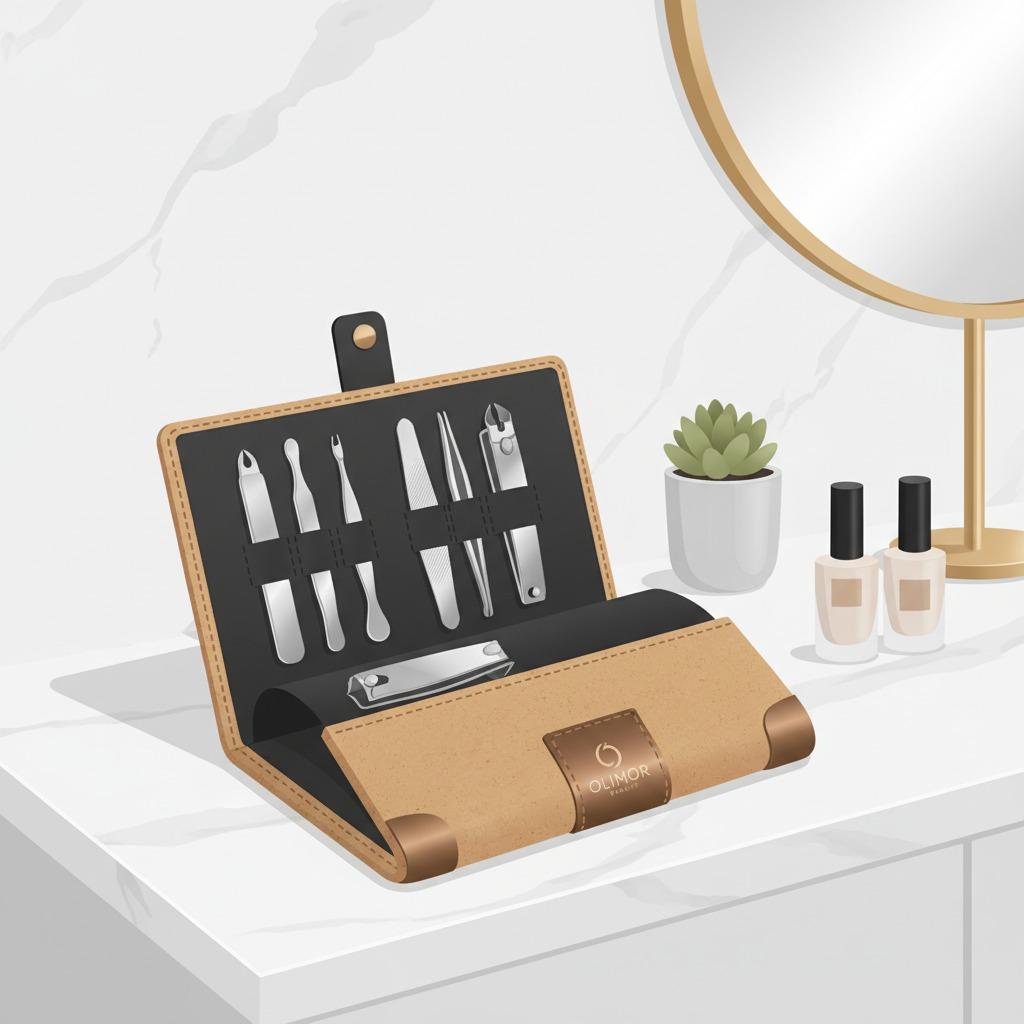
Good packaging decisions begin with the sales channel. For shelf display, the front of the pack must communicate the product clearly and allow the customer to understand size and use. For e-commerce, the package should resist crushing and keep the clipper from scratching other items. For gift or grooming sets, the nail clipper should match the finish and quality level of the other tools in the set.
Importers should also review barcode placement, warning text if applicable, recycling marks, carton labels, and inner packing. Even when the clipper itself is well made, weak packaging can create returns, poor reviews, or extra repacking work after arrival.
Quality Control Before Nail Clipper Export from China
Quality control should be planned before production, not added at the last minute. For nail clippers, buyers can create a simple inspection checklist that covers appearance, function, packaging, and quantity. The checklist does not need to be complicated, but it should be specific enough that both buyer and supplier understand what is acceptable.
Common inspection points include opening and closing action, blade meeting point, cutting test, surface condition, lever stability, package sealing, logo or artwork position, and carton condition. Random checks across cartons are more useful than inspecting only the top layer of one box. If the nail clipper is part of a set, each component should be checked because one weak item can affect the value of the whole set.
Buyers should also keep approved samples for comparison. A retained sample helps resolve questions about finish, weight, size, packaging color, and general workmanship. When an import program repeats over time, these reference samples become even more important.
Sourcing Questions to Clarify Before Placing an Order
Before committing to an import order, prepare questions that help define the product and reduce misunderstanding. These questions are useful whether you are sourcing a simple stainless steel clipper or building a complete nail grooming range.
- What size, weight, and finish will be supplied, and are these details consistent with the approved sample?
- How will blade sharpness and alignment be checked during production?
- What packaging format is suitable for the target sales channel?
- How will products be protected from scratches during packing and shipment?
- What information should appear on the retail pack, inner box, and export carton?
- Which defects are considered minor, major, or unacceptable?
- What files, samples, or approvals are needed before production begins?
If you are planning a new sourcing project or comparing options for a nail clipper import program, you can send an inquiry with your product requirements. For broader sourcing discussions, you may also contact Olimor to outline your target market, packaging needs, and quality expectations.
Building a Better Nail Clipper Import Plan
A successful nail clipper import plan balances cost, usability, consistency, and presentation. China offers strong sourcing opportunities, but the best results come from clear specifications and careful sample review. Buyers should look beyond the lowest unit price and consider how the clipper will perform after repeated use, how it will appear on the shelf or in a set, and how reliably the supplier can reproduce the approved sample.
For beauty tool buyers, nail clippers can be a practical addition to a grooming assortment because they are compact, familiar, and widely used. With the right sourcing process, an imported nail clipper can meet everyday trimming needs while supporting a professional product line. Focus on blade performance, comfortable handling, rust-resistant expectations, packaging strength, and documented quality checks, and the import process becomes easier to manage from sample approval to final shipment.