











Importing Nail Clippers from China: Practical Benefits for Beauty Tool Buyers
For beauty retailers, wholesalers, salon suppliers and grooming kit brands, nail clippers are small products with a large impact on customer satisfaction. A clipper that feels weak, pulls the nail, rusts easily or arrives in inconsistent packaging can damage repeat sales quickly. That is why the decision to import nail clippers from China should be based on more than unit price alone. Buyers need to compare manufacturing capability, finishing options, blade consistency, packaging control and long-term supply reliability.
China remains one of the main sourcing regions for nail clippers because of its established personal care tool supply chain. Buyers can often access a wide selection, from simple daily-use clippers to more refined grooming tools with stainless steel construction, ergonomic handles, gold-tone finishes, compact formats and curved blade designs. The best sourcing decision is not simply choosing the cheapest quote; it is choosing a supplier and product configuration that fits the sales channel, target customer and expected quality level.
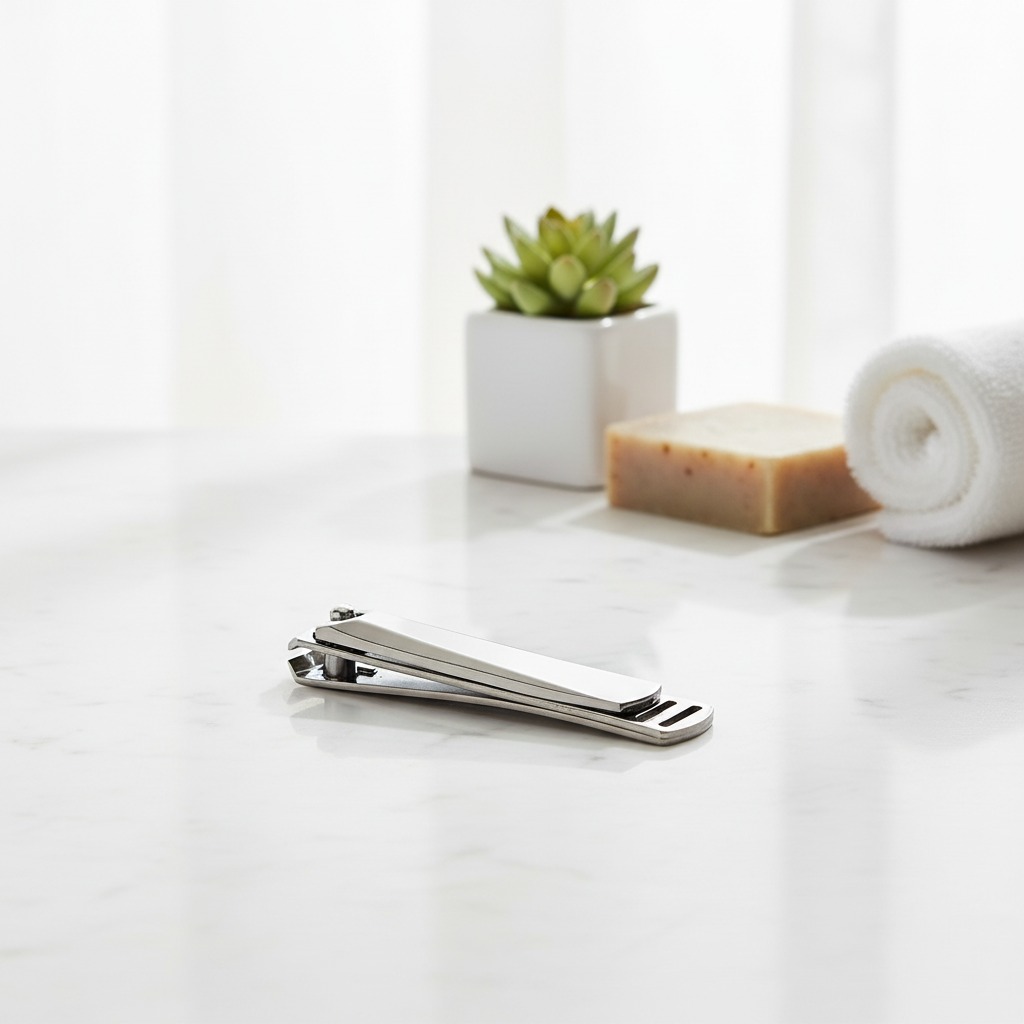
Domestic Sourcing vs. Importing from China
Domestic sourcing can be attractive when a buyer needs very short lead times, small replenishment quantities or a supplier in the same time zone. It may also simplify communication and reduce the number of import steps. However, domestic suppliers may depend on the same overseas manufacturing base while adding local handling, storage and margin. This can make the final price higher, especially for standard nail clipper styles sold in competitive retail categories.
Importing directly from China can give buyers broader control over product selection and packaging decisions. It may also make it easier to compare several factories or trading suppliers at once. For nail clippers, this matters because small design differences can change the product experience: lever resistance, blade alignment, jaw opening, edge sharpness, surface finish and the feel of the handle all influence perceived quality.
The right choice depends on the buyer’s business model. A boutique shop testing a new grooming category may prefer small domestic orders first. A wholesaler, online seller or brand owner planning repeat sales may benefit from building an import process and working closer to the manufacturing source.
Where China’s Nail Clipper Supply Chain Creates Value
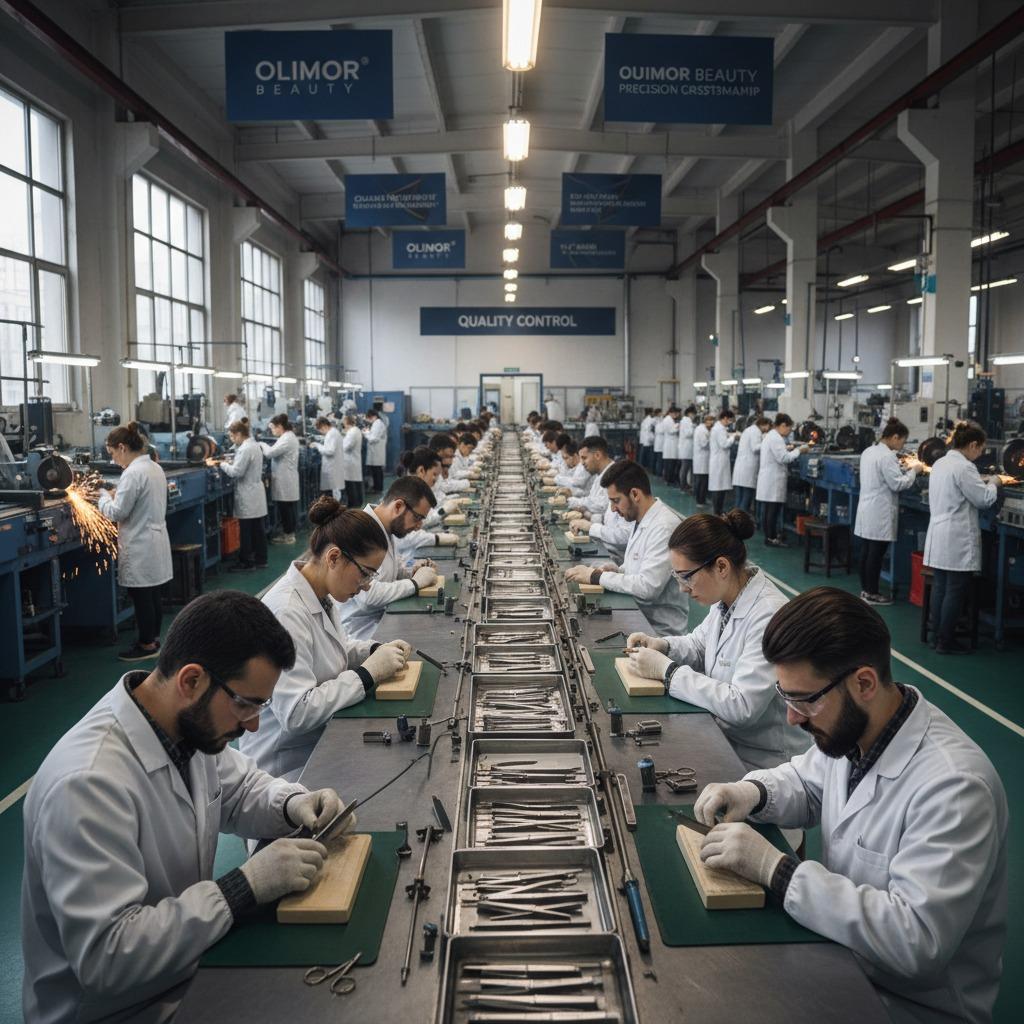
Nail clippers may look simple, but reliable production requires repeatable metal forming, sharpening, polishing, assembly and inspection. China’s advantage is not only low-cost production; it is the concentration of related suppliers. Metal parts, finishing processes, packaging materials, printing, cartons and export logistics are often available within the same regional ecosystem. This can reduce coordination problems and create more options for buyers.
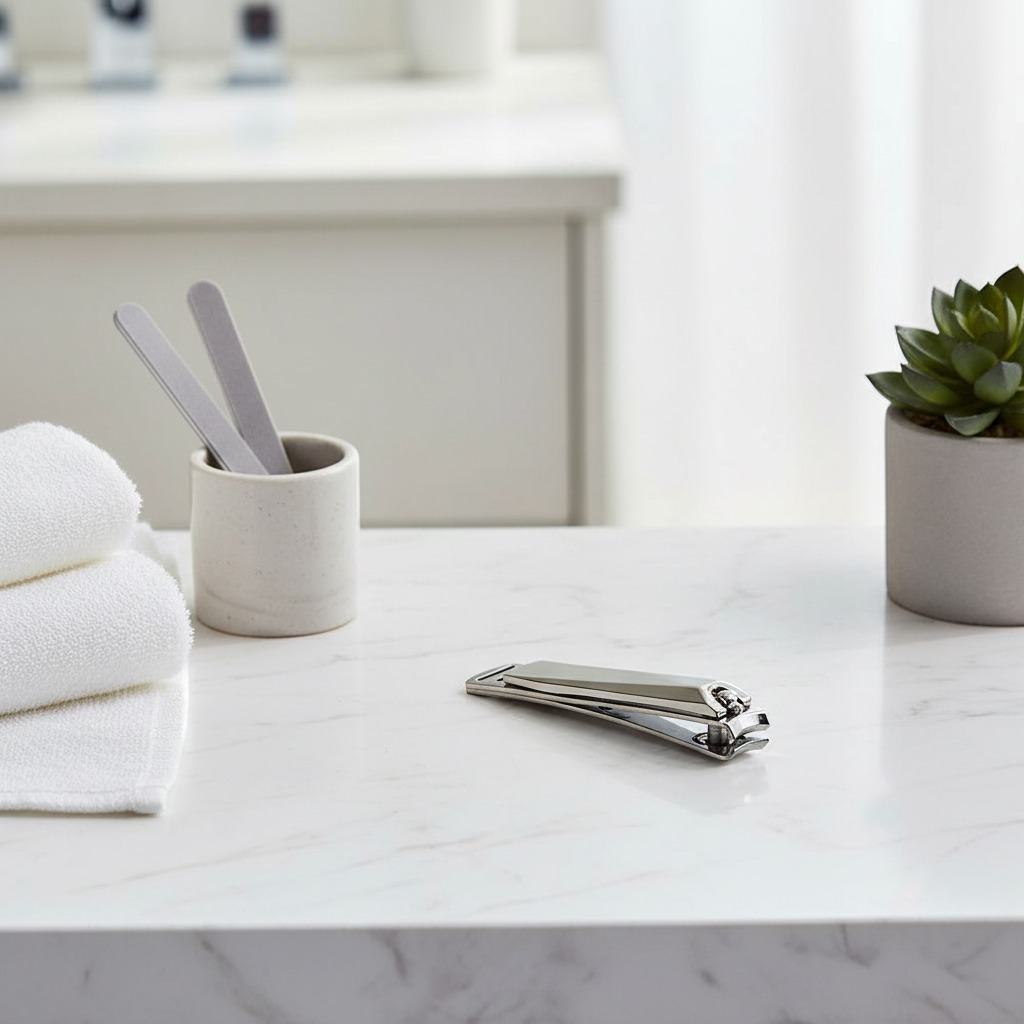
For example, a buyer may want a stainless steel nail clipper with a compact 70mm size for travel kits, a gold-tone finish for a more refined retail appearance, or an ergonomic handle for easier control. These choices are easier to evaluate when the supplier can show existing product types and discuss how changes affect cost, lead time and packaging. Buyers comparing options can also review broader beauty tool products to ensure nail clippers fit the wider assortment strategy.
China’s export experience can also help with routine requirements such as carton packing, barcode placement, retail display packaging and mixed shipments. These are practical details, but they matter when a product must move from factory to warehouse to retail shelf without unnecessary rework.
Quality Factors Buyers Should Check Before Ordering
A nail clipper’s quality is best judged by function, consistency and finish. A shiny surface alone does not prove good cutting performance. Before placing a production order, buyers should examine samples in the same way an end customer would use them. The clipper should cut smoothly, stay aligned after repeated use and feel stable in the hand.
Use the following checklist when comparing a nail clipper global supplier:
- Cutting performance: The blades should meet cleanly and trim without tearing or bending the nail.
- Blade alignment: The top and bottom edges should close evenly across the cutting area.
- Lever strength: The lever should press smoothly without feeling loose, overly stiff or unstable.
- Surface finish: Polished, coated or gold-tone finishes should look even and free from obvious scratches or stains.
- Material suitability: If stainless steel is specified, confirm how the supplier describes the material and finish for the intended price level.
- Ergonomics: Handles should provide enough grip and control, especially for customers who value comfort and precision.
- Packaging fit: Blister cards, boxes, pouches or bulk packing should protect the product and match the sales channel.
- Batch consistency: Samples should not be treated as isolated showpieces; the buyer should define acceptable tolerances for mass production.
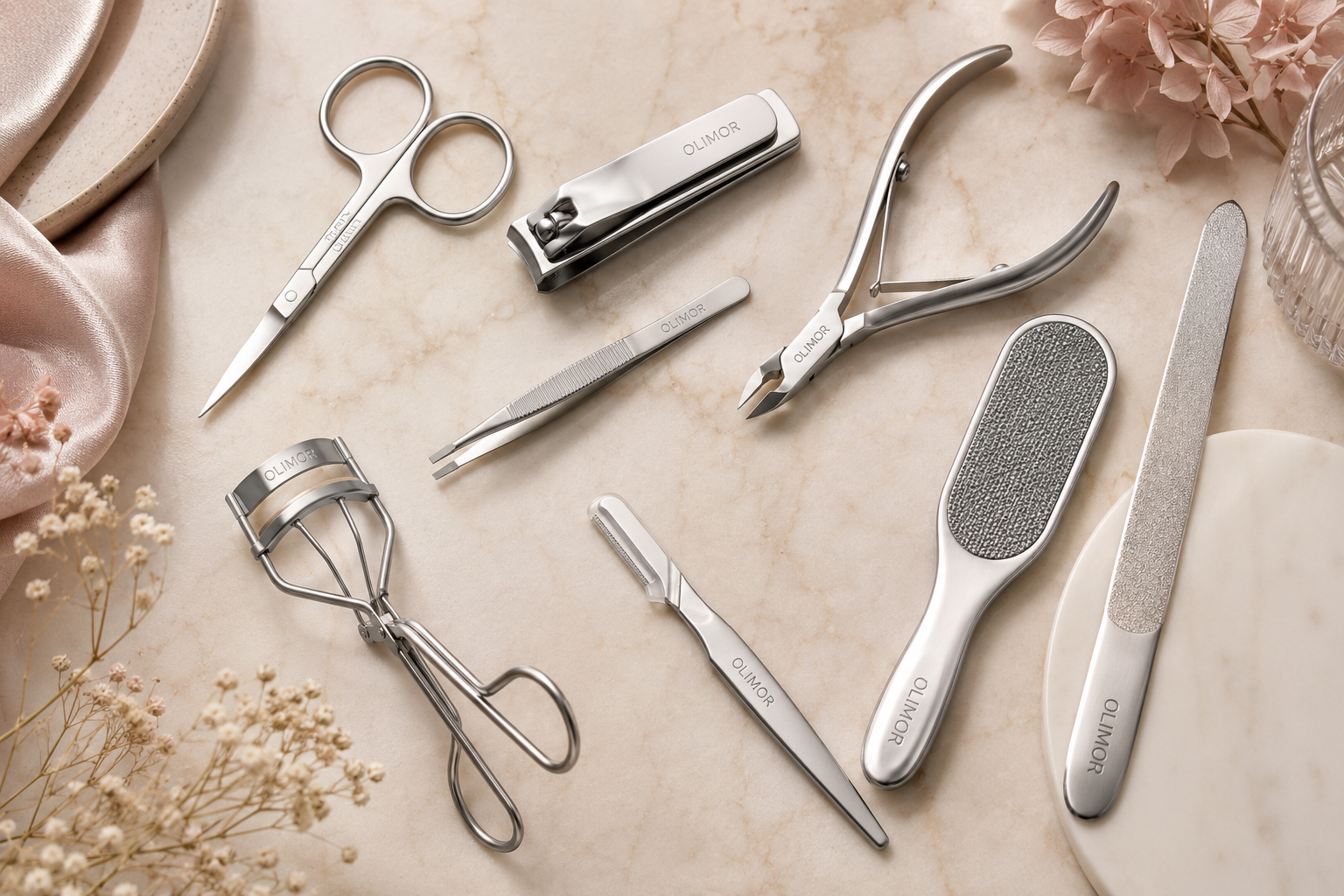
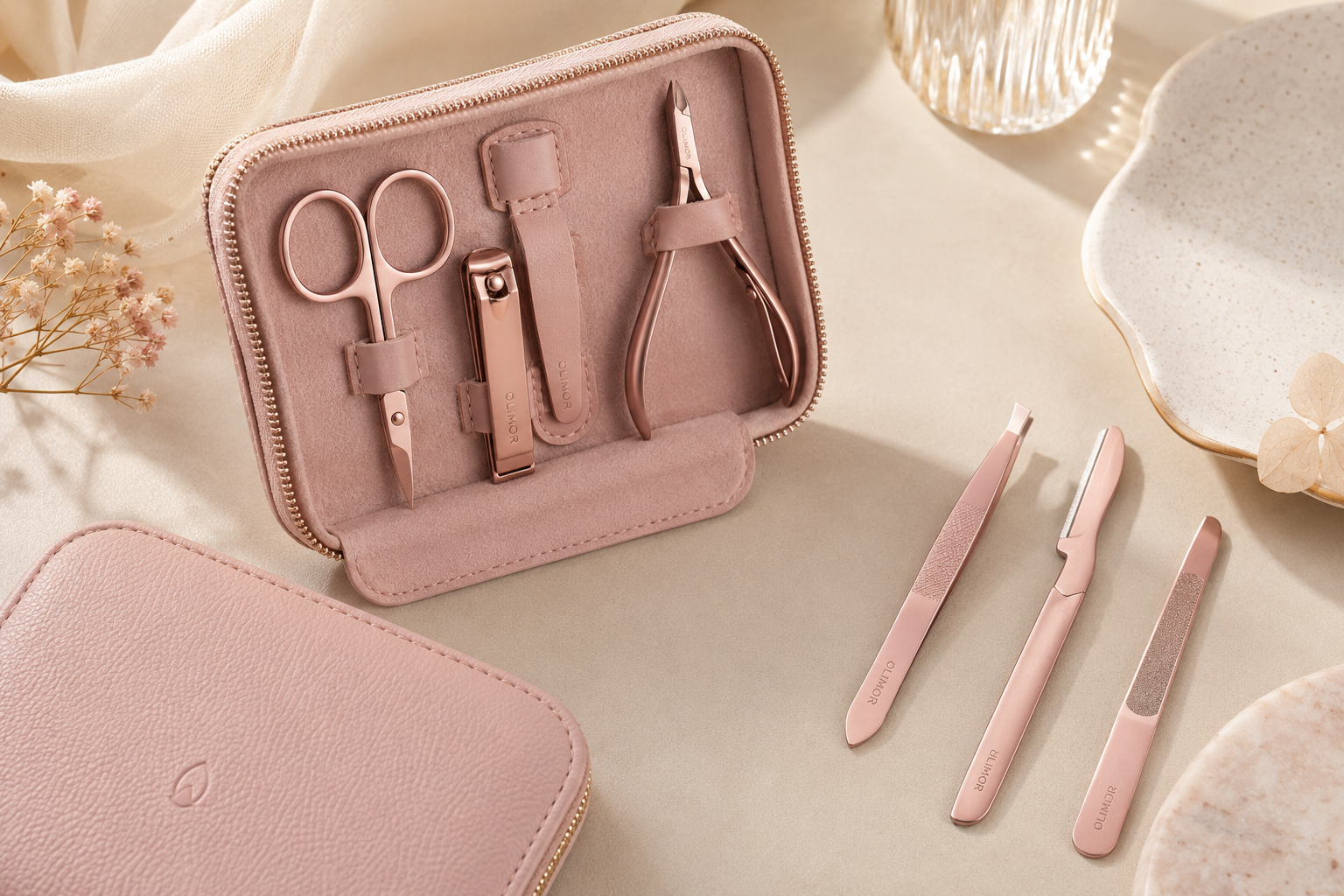
Olimor Beauty focuses on beauty and grooming tools, including nail clippers designed for daily personal care, salon supply and retail assortment planning. Buyers can review related product collections when building a coordinated grooming range rather than sourcing each item separately.
Cost Benefits Without Ignoring Hidden Costs
Importing nail clippers from China can reduce product cost, especially when purchasing at commercial volume. However, the true landed cost includes more than the factory quotation. Buyers should calculate packaging, inner cartons, export cartons, freight, insurance if used, customs duties, local delivery, inspection costs and possible warehousing charges. A low unit price can become less attractive if the product requires repacking, arrives with inconsistent finishing or does not meet the target market’s expectations.
A practical comparison should include these cost categories:
| Cost Area | Why It Matters | Buyer Action |
|---|---|---|
| Unit price | Determines baseline margin but does not show full landed cost. | Compare quotes only when product details and packaging are equal. |
| Packaging | Retail packaging can affect shelf appeal, protection and shipping volume. | Confirm materials, dimensions, printing method and packing count. |
| Freight | Small metal tools are compact, but weight and carton design still affect cost. | Estimate landed cost before approving production. |
| Inspection | Function and appearance defects are easier to correct before shipment. | Define inspection points for cutting, alignment, finish and packing. |
| After-arrival handling | Relabeling or repacking can erase savings. | Set labeling and carton requirements before production begins. |
The goal is not simply to find the lowest quote. The better approach is to define a product level that fits the market, then compare suppliers on their ability to deliver that level repeatedly.
Customization and Packaging Decisions
Customization is one reason many buyers import beauty tools directly. For nail clippers, customization may involve finish, handle shape, size, packaging type or assortment pairing. The original product description highlights stainless steel nail clippers with ergonomic handles, gold-tone finishes, curved blades and compact 70mm designs. These features can support different market positions: a compact clipper may suit travel kits, while a refined finish may work better for gift sets or beauty retail displays.
Before choosing customization, buyers should decide what the customer actually values. A premium-looking finish may improve shelf appeal, but cutting performance remains the main reason the customer will keep using the product. Similarly, elaborate packaging may help in retail stores, while online sellers may prioritize protective packaging and lower shipping weight.
For private label or wholesale planning, it is useful to prepare a short product brief. Include the target customer, sales channel, expected finish, packaging type, order plan and any comparison products. A clear brief reduces misunderstanding and helps the supplier recommend realistic options.
How to Evaluate a Nail Clipper Export Supplier
A reliable nail clipper export from China partner should be able to communicate product details clearly, provide relevant samples and explain production choices. Buyers should be cautious when a supplier avoids discussing differences in material, blade performance, finishing process or packaging quality. A professional supplier does not need to overpromise; they should help the buyer understand trade-offs.
When reviewing suppliers, consider the following steps:
- Request comparable samples. Test each sample on function, grip, finish and packaging rather than judging photos only.
- Clarify the product specification. Record size, finish, blade style, handle design, packaging and carton requirements.
- Confirm artwork and labeling needs. Retail packaging, barcodes and compliance markings should be checked before mass production.
- Define inspection standards. Agree on how cutting performance, alignment, scratches, stains and packing errors will be judged.
- Plan repeat orders. If the product is intended for ongoing sales, confirm how future batches will match the approved sample.
Buyers who are comparing product options or preparing a specification can contact Olimor for communication with the team, or send an inquiry with the intended use, packaging preference and target sales channel.
Choosing the Right Import Strategy
Importing nail clippers from China is most effective when the buyer treats sourcing as a structured process. Start with the customer need, select the right quality level, test samples carefully and calculate landed cost before placing a larger order. Domestic sourcing may still be useful for urgent replenishment or small market tests, but direct importing can offer stronger control over product choice, packaging and long-term pricing.
For beauty tool buyers, nail clippers are not just low-cost accessories. They are everyday grooming products that customers judge by touch and performance. A well-selected clipper can support a retail range, a salon supply catalog, a travel kit or a private-label grooming line. By focusing on function, consistency and practical sourcing details, buyers can use China’s manufacturing and export advantages while protecting product quality and brand reputation.