











Import Nail Clippers from China: A Practical Buyer Guide
Importing nail clippers from China can be a strong option for distributors, grooming brands, wholesalers, promotional product buyers and retailers that need dependable personal care tools at scalable volumes. Nail clippers look simple, but the buying decision is not only about price. A reliable clipper must cut cleanly, feel stable in the hand, resist corrosion during normal use and arrive with packaging that suits the sales channel.
For buyers comparing global sourcing options, China remains important because it has a broad supply base for metal grooming tools, packaging, surface finishing and export logistics. That does not mean every supplier or every product is equal. The best results come from clear product requirements, disciplined sampling and a realistic quality checklist before committing to an order.
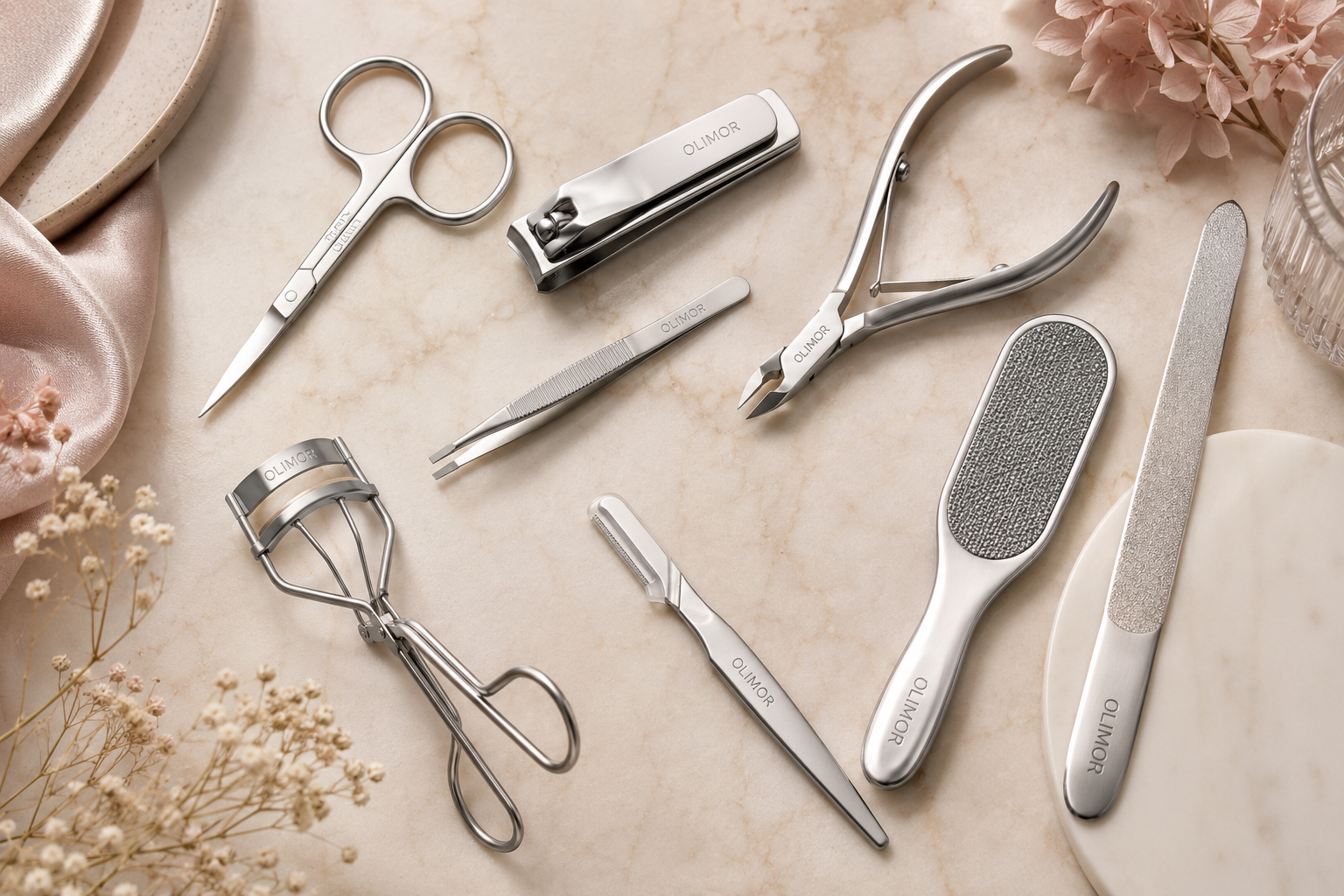
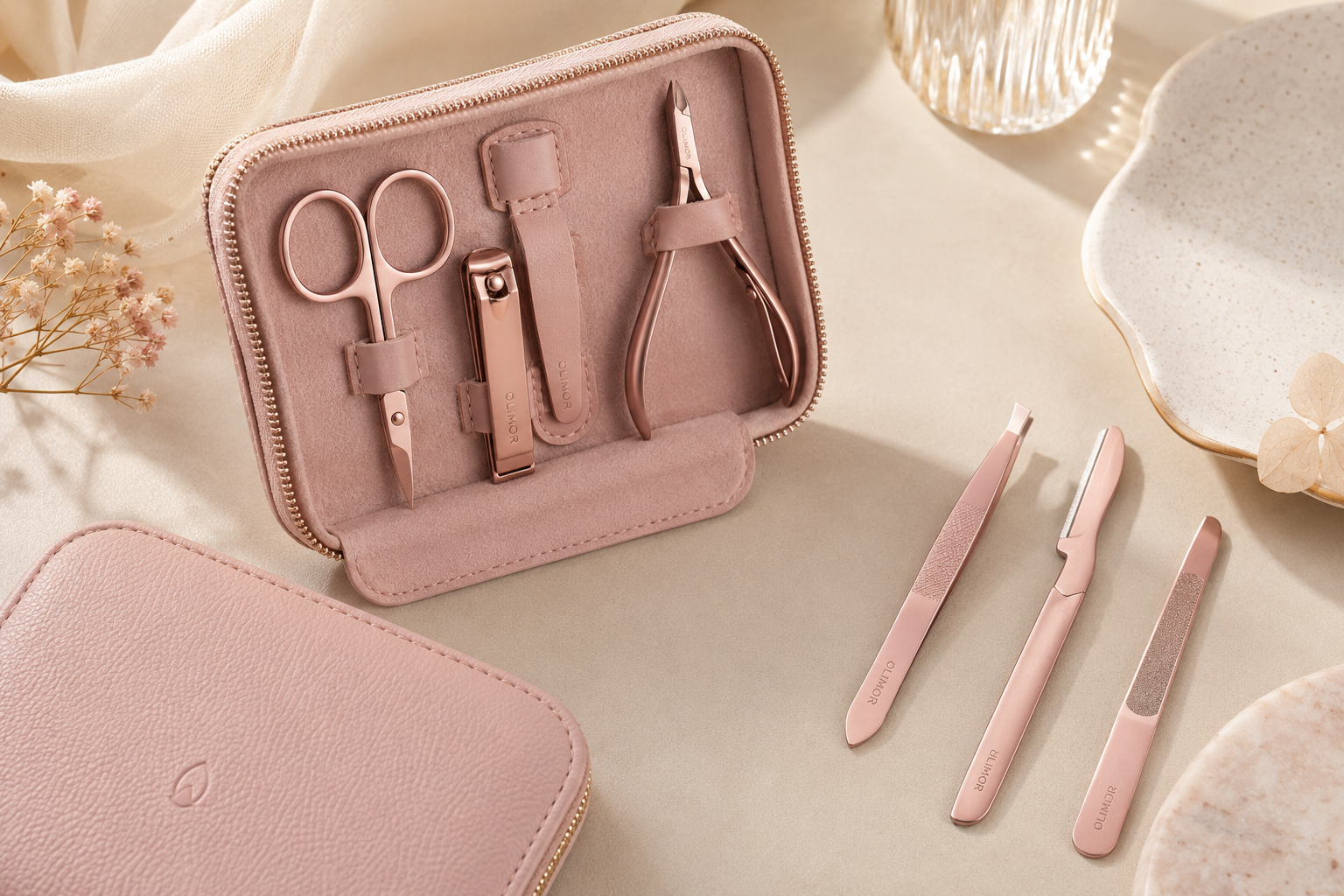
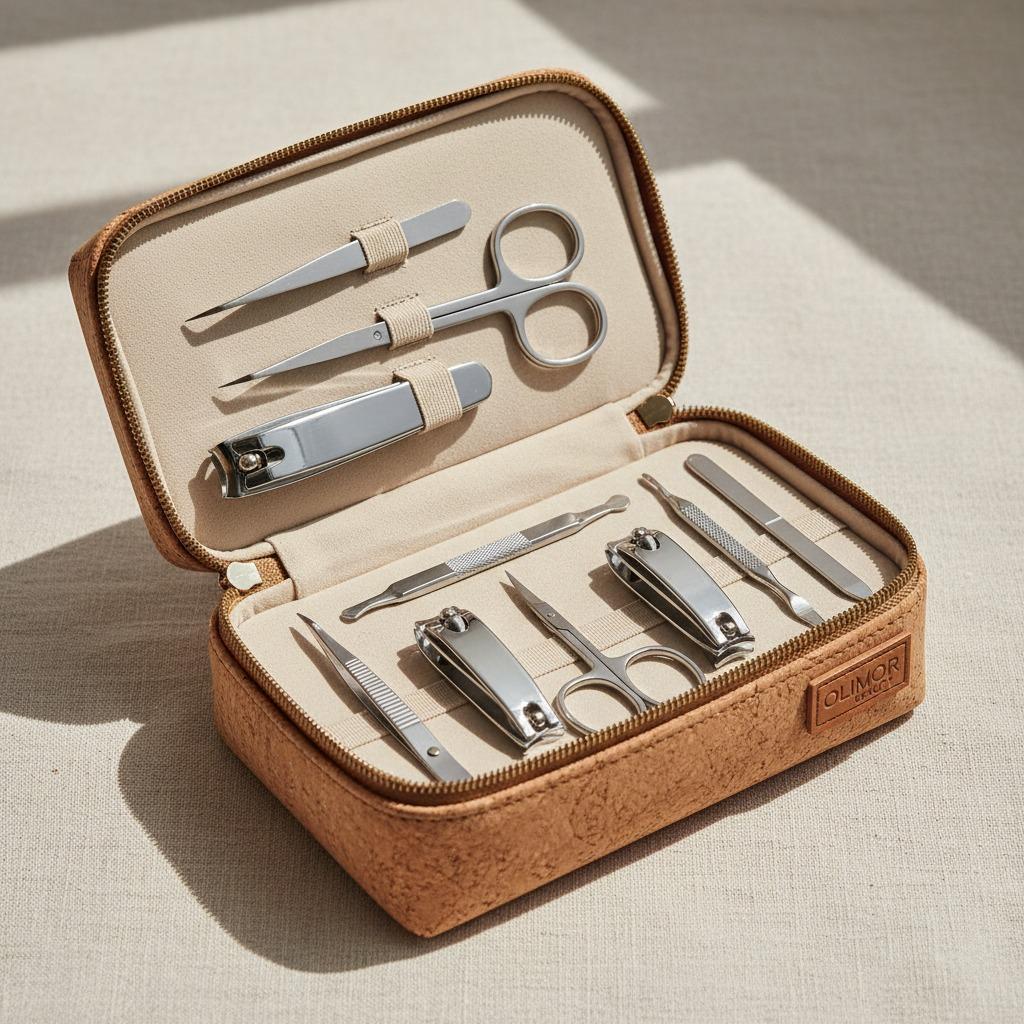
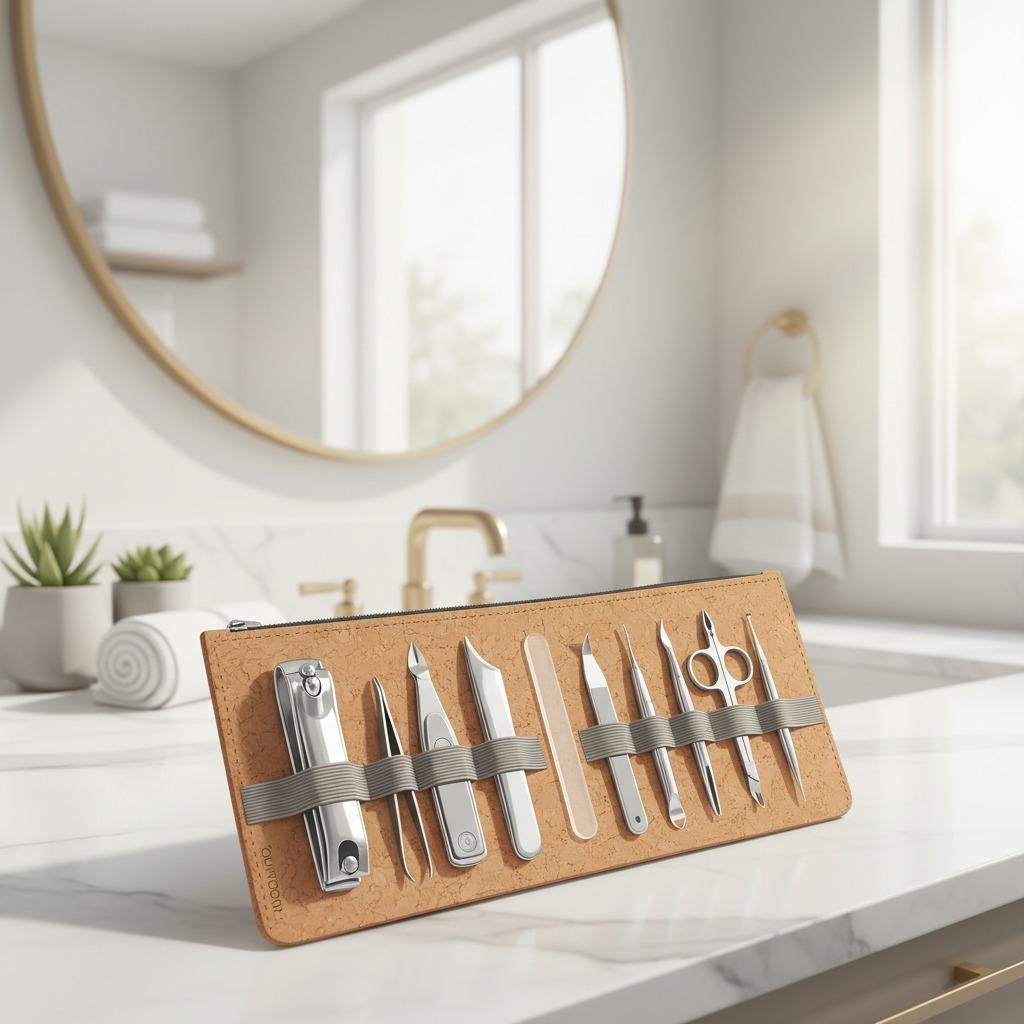
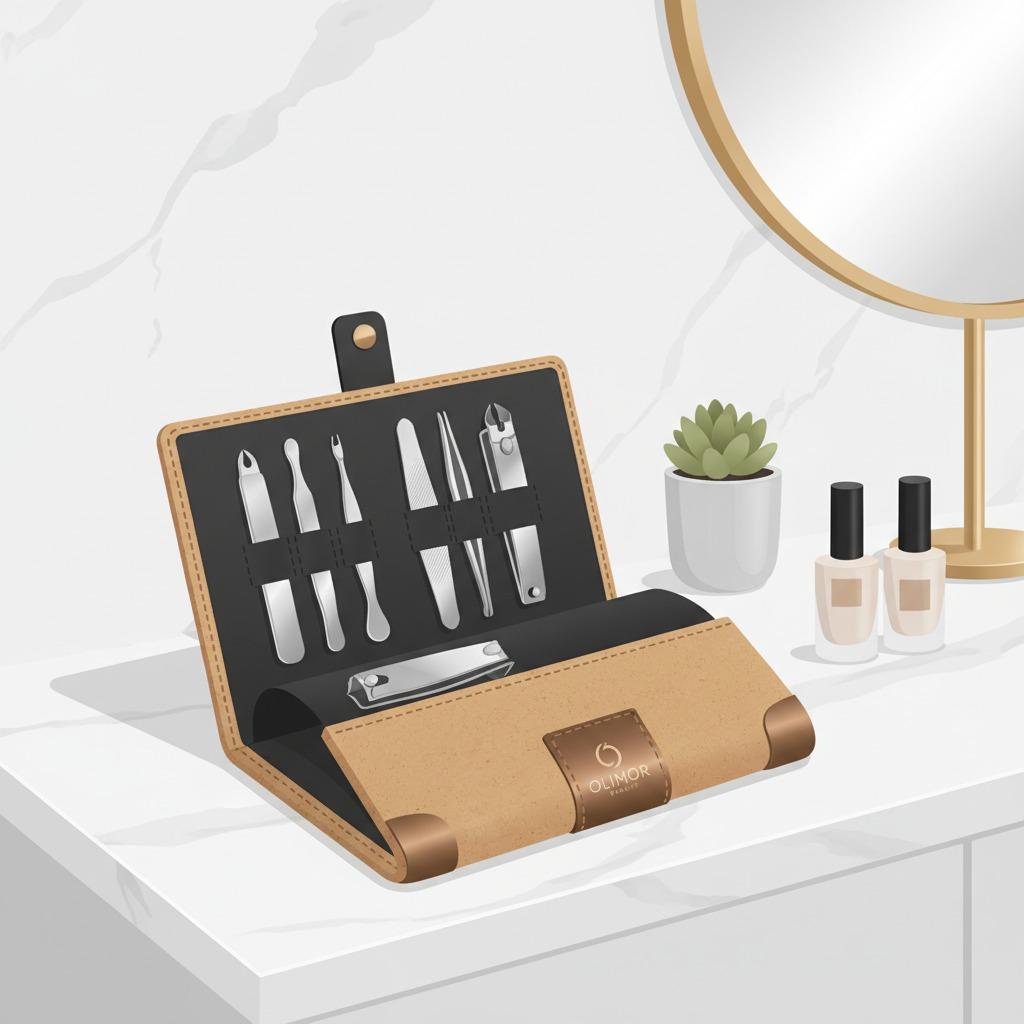
This guide explains how to assess stainless steel nail clippers, what to verify before import, and how to compare China sourcing with alternative supply markets. If you are building a broader personal care range, you can also review Olimor beauty tool products or browse related product collections for category planning.
Why Import Nail Clippers from China?
Nail clippers are compact, lightweight and widely used, which makes them attractive for cross-border trade. They fit many sales formats: drugstores, supermarkets, travel kits, hotel amenities, nail care sets, online stores and private label grooming collections. For many buyers, China offers a practical mix of production experience, component availability and export familiarity.
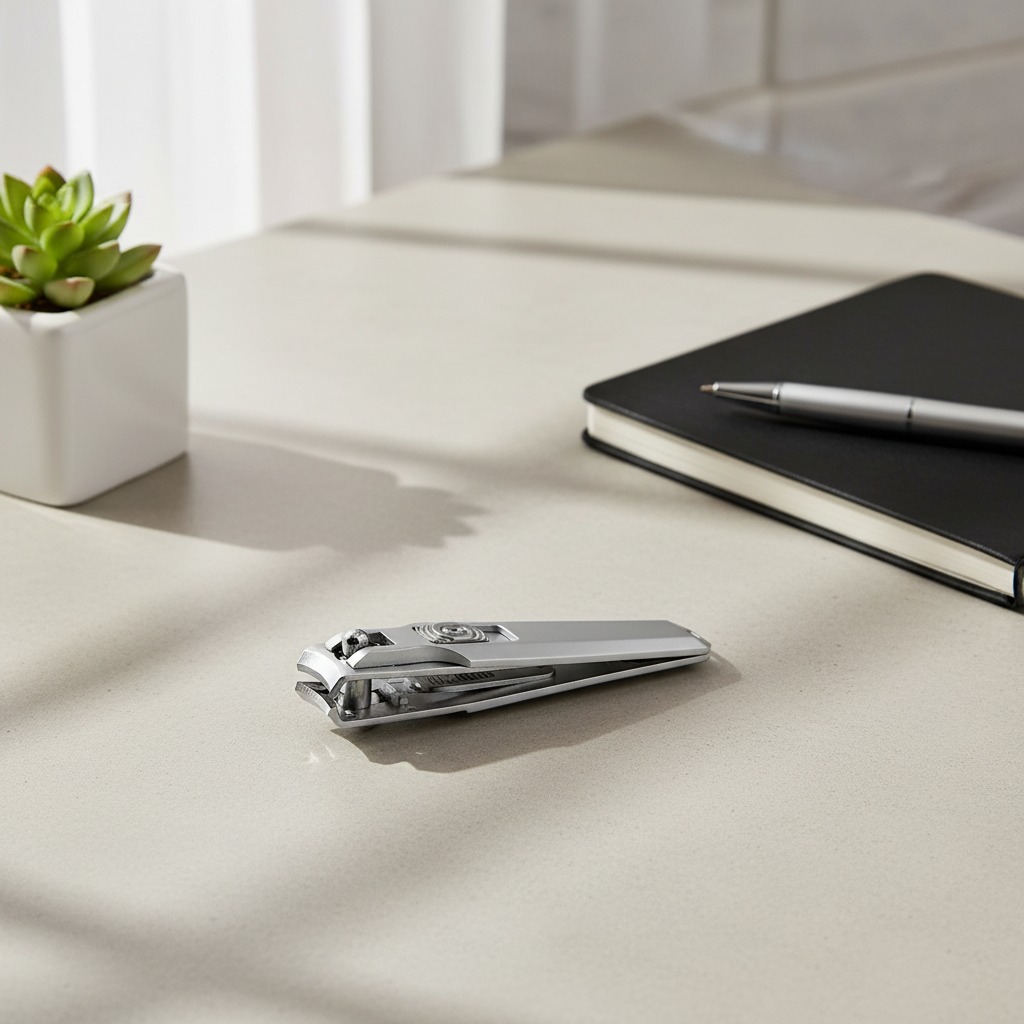
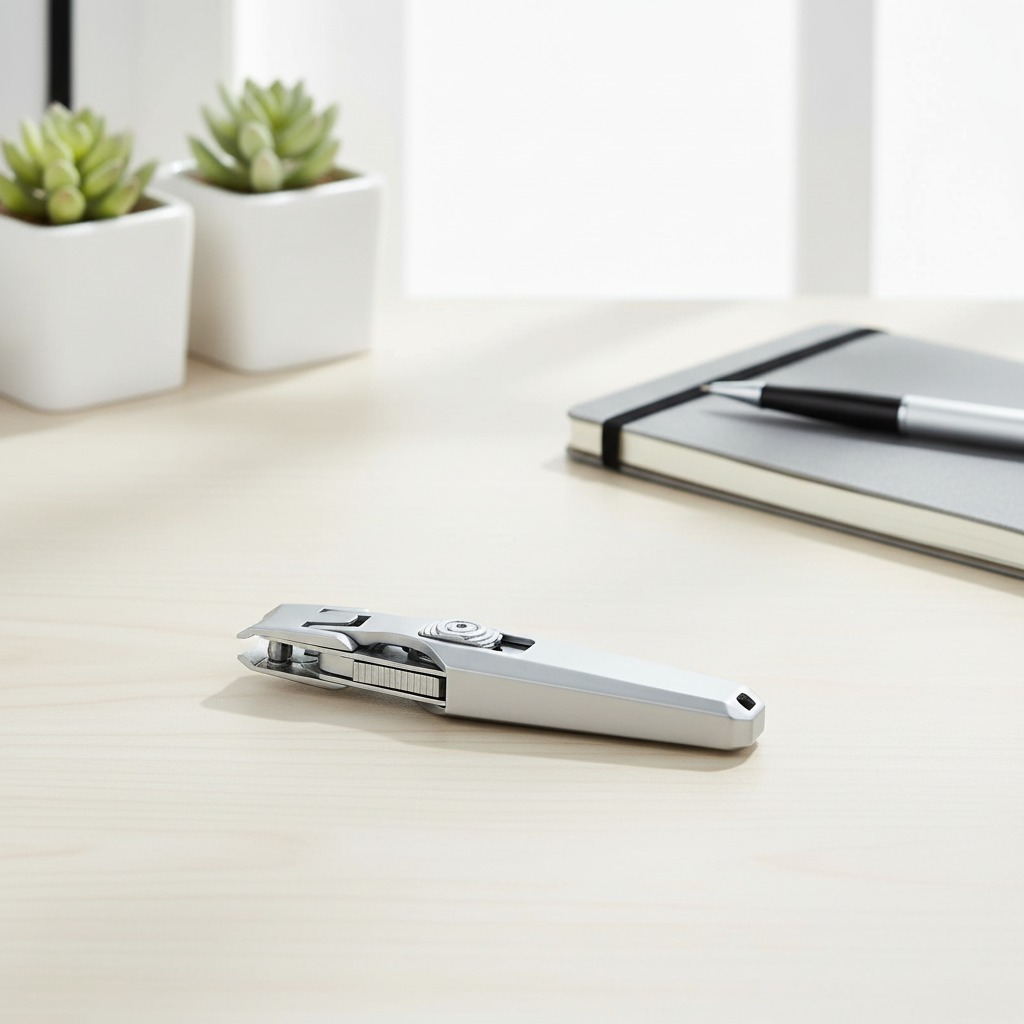
The original product information highlights a stainless steel nail clipper measuring 91 mm in length and weighing 48 g. Those two details matter for sourcing because they help define the target user experience. A 91 mm clipper is generally more substantial than a miniature travel clipper, while a 48 g weight can suggest a more solid hand feel without becoming bulky. When reviewing samples, buyers should compare not only the listed dimensions but also the balance, leverage and cutting response.
Another stated feature is a sharp, curved blade for precise cuts. This is one of the most important performance points in a nail clipper. A curved blade should follow the natural nail shape and cut without tearing, crushing or leaving ragged edges. Because blade alignment and edge finishing can vary between suppliers, buyers should test real samples rather than rely on photos alone.
Key Product Details to Evaluate Before Ordering
A nail clipper is a small item, but it contains several quality factors that affect reviews, returns and repeat purchases. When importing from China, create a product specification sheet that turns general expectations into measurable checks. This helps prevent misunderstandings between the buyer, manufacturer, trading partner and inspection team.
- Material: Confirm the stainless steel construction and decide whether the finish should be polished, matte, brushed or plated. If a particular steel grade is required, it should be documented and verified through the appropriate commercial paperwork or testing plan.
- Size and weight: Use the 91 mm length and 48 g weight as reference points if they match your target product. Check tolerances so the delivered goods do not feel noticeably different from approved samples.
- Blade shape: The curved blade should meet evenly from left to right. Misalignment can cause pinching, splitting or incomplete cutting.
- Lever action: The lever should open smoothly, press down without excessive force and return correctly after use.
- Edge quality: Cutting edges should be sharp enough for clean trimming but finished so that surrounding surfaces do not feel rough or unsafe.
- Surface finish: Look for scratches, stains, burrs, uneven polishing and discoloration, especially on visible retail-facing surfaces.
- Packaging fit: Packaging should protect the clipper, present the product clearly and support barcode, labeling or retail display needs where applicable.
These details are especially important for online retail because customers judge personal care tools by both appearance and performance. A clipper that looks premium in photos but cuts poorly will quickly lead to negative feedback. Conversely, a simple design with consistent blade alignment and comfortable leverage can perform well across multiple channels.
Quality Control Checks for Nail Clipper Imports
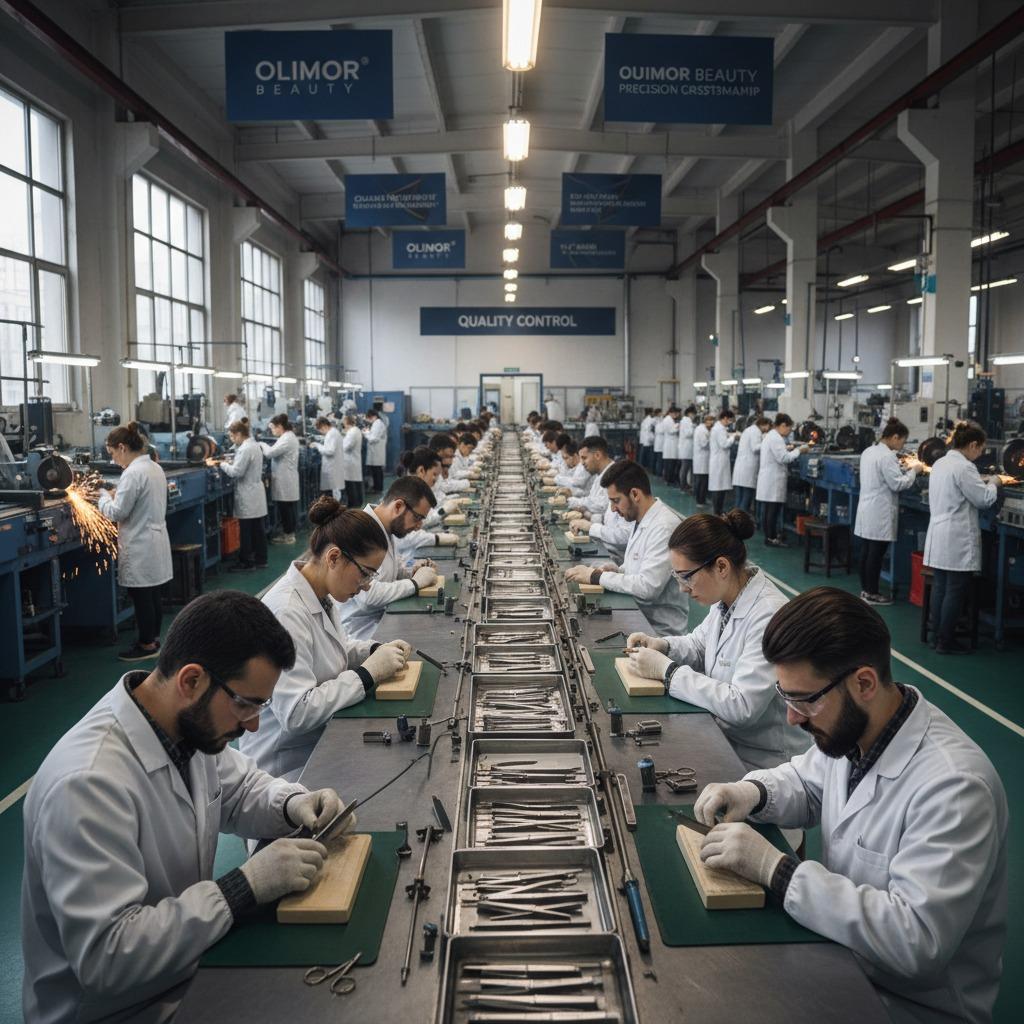
Quality control should begin with sampling and continue through production and pre-shipment inspection. A buyer does not need to create an overly complicated testing system, but the checks should be specific enough to catch common defects before goods leave the factory.
For stainless steel nail clippers, practical inspections often include visual review, functional cutting tests, dimension checks and packaging inspection. The cutting test is particularly important. Samples should be tried on appropriate test materials or nails in a controlled and hygienic manner to evaluate sharpness, blade closure and edge smoothness. If the clipper bends, slips or requires too much pressure, the product may not meet retail expectations.
| Inspection Area | What to Check | Why It Matters |
|---|---|---|
| Blade alignment | Upper and lower blades meet evenly with no visible gap | Prevents tearing, uneven cutting and customer complaints |
| Lever strength | Lever presses smoothly and does not feel loose | Supports comfort and durability during repeated use |
| Surface condition | No burrs, rust spots, sharp non-cutting edges or deep scratches | Protects user safety and retail appearance |
| Size and weight | Matches approved sample and agreed specification | Keeps product experience consistent across shipments |
| Packaging | Correct label, clean printing, secure fit and carton protection | Reduces damage, relabeling work and receiving disputes |
Buyers should also retain approved samples. These become the benchmark for production comparison. If you plan to customize packaging, logo placement or retail display format, approve those elements separately from the clipper itself. A well-made tool can still become a problem if the packaging is weak, mislabeled or unsuitable for the destination market.
China Versus Other Sourcing Markets
International nail clipper trade includes manufacturers and exporters in several regions. European and North American suppliers may appeal to buyers seeking small-batch production, local oversight or specific domestic positioning. Some Southeast Asian markets may offer alternative cost structures or regional logistics advantages. The right choice depends on the buyer’s priorities, not on geography alone.
China is often competitive for nail clippers because many related processes can be sourced within the same industrial ecosystem: metal forming, sharpening, polishing, assembly, packaging and export handling. This can simplify coordination when the buyer needs a standard product, a retail-ready pack or a larger assortment of grooming accessories. However, buyers should still compare suppliers by sample quality, communication accuracy, lead-time reliability, documentation readiness and willingness to follow written specifications.
A useful sourcing comparison should include total landed cost, not only unit price. Freight, duties, inspection, packaging, payment terms, defect risk and inventory timing all affect the final commercial result. A slightly cheaper clipper can become expensive if it causes higher return rates or repackaging work. A more expensive sample may be worthwhile if it improves consistency and reduces after-sales problems.
Packaging and Retail Readiness
Packaging decisions should match the sales channel. A nail clipper for an e-commerce bundle may need protective inner packing and clear product identification. A clipper for retail shelves may require a blister card, box, hanging hole, barcode area or multilingual labeling. A hotel amenity item may require compact packaging and clean presentation. Each format changes cost, carton dimensions and inspection needs.
Before importing, define what information must appear on the packaging and whether the destination market has labeling requirements for personal care items. Buyers should also consider how the product will be handled after arrival. If the goods will be sent directly to a fulfillment center, carton labeling and pack consistency become more important. If the goods will be repacked locally, the buyer may prioritize bulk protection over final retail presentation.
For private label planning, avoid rushing artwork approval. Confirm logo size, placement, print color, barcode readability and carton marks. Request pre-production packaging samples when presentation matters. This step can prevent costly corrections after mass production begins.
How to Prepare a Strong Nail Clipper Inquiry
A clear inquiry saves time and helps suppliers respond with relevant information. Instead of asking only for the lowest price, describe the product, order scenario and quality expectations. If the 91 mm stainless steel clipper with a 48 g weight and curved blade matches your target, include those details in the request.
- State the product type, material preference and target size.
- Share the intended sales channel, such as retail, e-commerce, travel kit or promotional set.
- Clarify whether you need neutral packaging, customized packaging or bulk packing.
- Request sample availability and confirm whether the sample should match the final finish and packaging.
- Ask for production timing, packing method, carton details and export documentation normally provided.
- Define your inspection expectations before production begins.
If you want to discuss a sourcing project, you can send an inquiry with your target specifications. For questions about product options or category fit, contact Olimor with details about your market and intended packaging format.
Final Buying Considerations
Importing nail clippers from China can be commercially effective when buyers treat the product as a precision grooming tool rather than a generic metal item. Focus on blade alignment, stainless steel finish, leverage, size, weight, packaging and repeatable production quality. The stated 91 mm length, 48 g weight and curved blade design provide useful reference points for evaluating the hand feel and cutting purpose of a full-size clipper.
The strongest sourcing decisions are based on samples, written specifications and practical inspection criteria. Compare suppliers by consistency and problem-solving ability, not only by quotation. With a disciplined approach, nail clippers can become a reliable addition to a grooming tools assortment, whether sold individually, included in kits or supplied as part of a broader personal care program.