











Import Nail Clippers from China: A Practical Guide for Beauty Tool Buyers
Importing nail clippers from China can be a sensible sourcing decision for wholesalers, beauty retailers, salon supply companies, private label buyers and online sellers. Nail clippers are small, familiar and easy to underestimate, but they still require careful decisions around cutting performance, comfort, finish, packaging, inspection and shipment planning. A low-cost clipper that feels rough, chips easily or arrives with inconsistent alignment can quickly become expensive through returns, complaints and damaged brand trust.
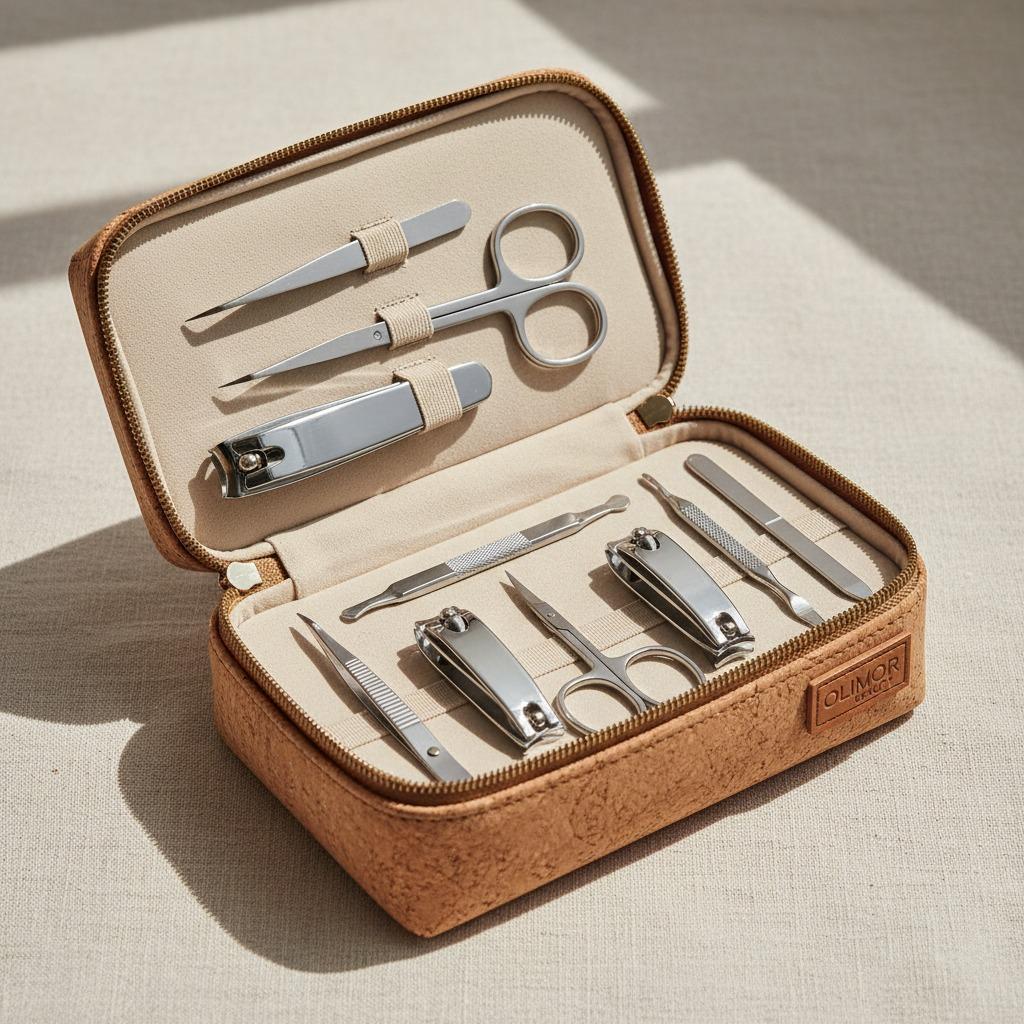
This guide explains how to approach nail clipper sourcing with a buyer’s mindset. It compares local purchasing with international nail clipper trade, outlines what to check in a China-based supplier, and provides practical quality and packaging criteria you can use before placing an order. Olimor Beauty works in the beauty tools category and focuses on practical grooming tools where usability, inspection and presentation all matter. If you are comparing options across beauty accessories, you can also browse Olimor beauty tool products or review broader product collections for sourcing context.
Local Purchasing vs. Importing Nail Clippers from China
Local purchasing has clear advantages. It can reduce communication barriers, shorten replenishment time and make small trial orders easier. For a boutique retailer testing a few pieces or a salon needing immediate stock, a local wholesaler may be convenient. The trade-off is usually less control over factory-level decisions. Buyers may have limited access to packaging options, finish details, cutting-edge refinement or cost structures behind the finished goods.
Importing nail clippers from China is often considered when a buyer wants broader product choice, scalable supply and more direct control over how the tool is specified. China has an established ecosystem for beauty tools, personal care accessories and metal grooming products. This can make it easier to compare different clipper sizes, handle shapes, plating or polishing styles, packaging formats and order configurations. The key is not simply finding the lowest quoted price. The better goal is to match price with consistent usability and predictable fulfillment.
For nail clippers, the most important sourcing question is whether the supplier can repeatedly deliver a tool that cuts cleanly, feels comfortable in the hand and presents well at retail. A slightly cheaper clipper with uneven jaws, burrs or weak spring action can create more after-sales work than it saves. Buyers should evaluate total landed value, including inspection, packaging, freight, duties, storage, defect handling and customer satisfaction.
What Makes a Nail Clipper Export Supplier Reliable?
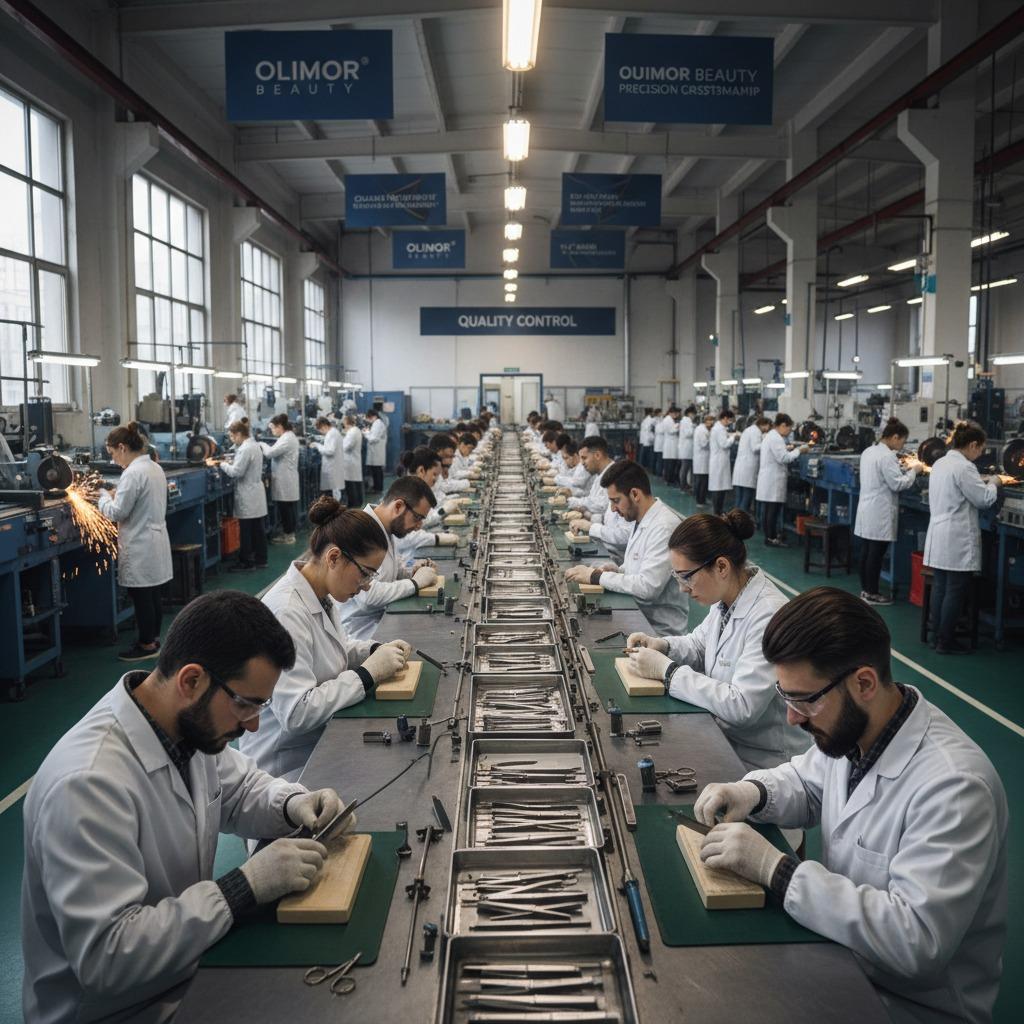
A reliable nail clipper global supplier should be able to explain how the product is made, checked and packed. Even when a product appears simple, consistency depends on the details: metal forming, sharpening, alignment, polishing, assembly tension and final cleaning. A supplier that gives only a price list without answering quality questions may not be the best partner for recurring orders.
When comparing suppliers for nail clipper export from China, focus on these practical points:
- Product consistency: Ask how cutting edges, jaw alignment and lever function are checked during production and before packing.
- Material and finish clarity: Confirm what material, surface treatment and finish options are available, without assuming all stainless steel clippers are identical.
- Sample accuracy: Make sure any pre-production sample represents the same size, weight, finish and packaging expected in the bulk order.
- Packaging control: Check whether retail card, blister, pouch, box or bulk packaging can protect the clipper during international transport.
- Communication discipline: A good supplier should confirm specifications in writing, respond to detail questions and avoid vague promises.
- Export documentation: Commercial invoice, packing list, shipment marks and product descriptions should be consistent with the order and destination requirements.
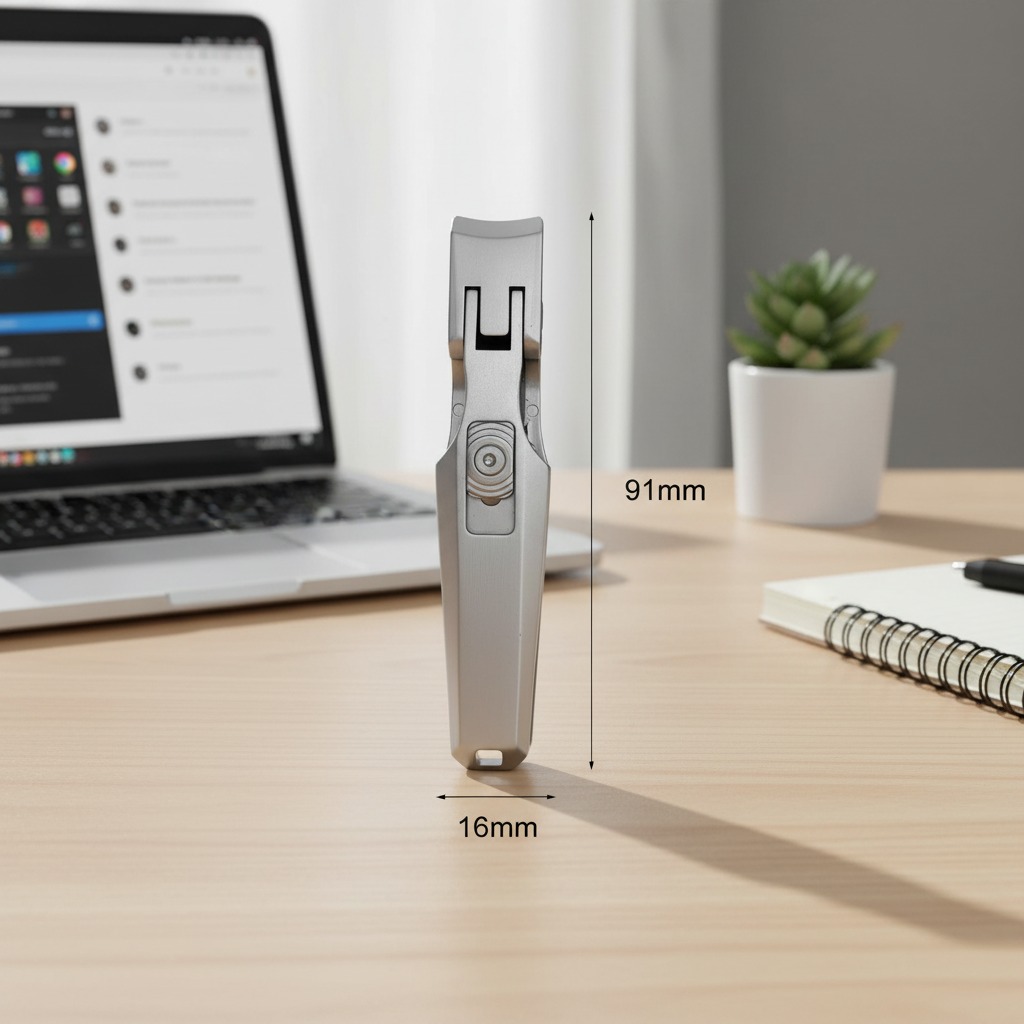
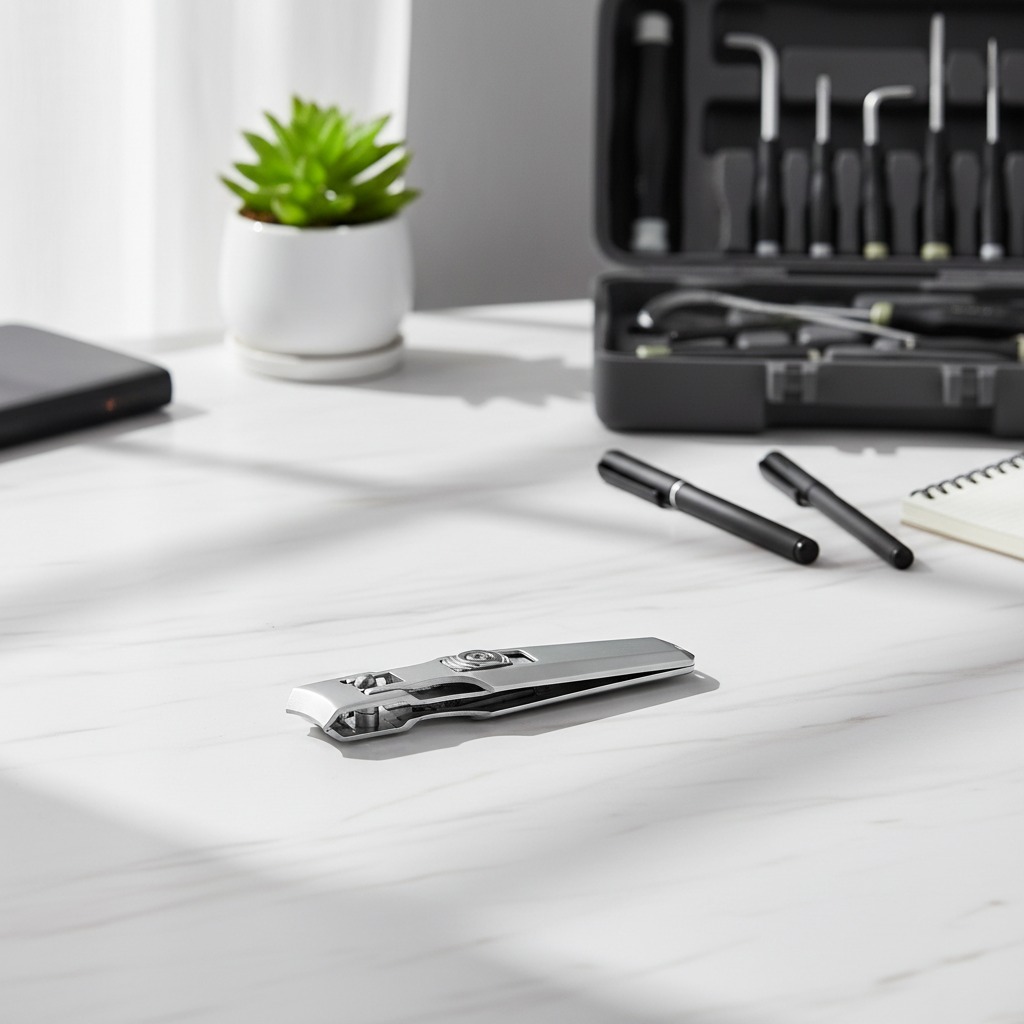
The original product reference for this page includes a sleek 91 mm nail clipper weighing 48 g, described as a stainless steel clipper designed for precision and portability. Those details are useful because they show the type of information buyers should confirm: size, weight, material description and intended use. For other designs, do not rely on appearance alone. Request clear specifications and compare them with physical samples.
Quality Checks That Matter for Nail Clippers
Quality inspection for nail clippers should go beyond checking whether the carton count is correct. The tool’s value comes from how it performs when trimming. Buyers should build a simple but consistent inspection checklist before approving production or shipment.
| Check Point | Why It Matters | What to Look For |
|---|---|---|
| Cutting edge alignment | Poor alignment causes tearing or uneven trimming. | Upper and lower jaws should meet cleanly without obvious gaps. |
| Lever action | The clipper should feel controlled, not loose or stiff. | Open and close several pieces to compare spring and pressure. |
| Surface finish | Visible scratches or rough edges affect perceived quality. | Check polishing, plating consistency and areas near the jaw. |
| Comfort in hand | Small tools still need ergonomic handling. | Assess grip, lever width and whether edges feel sharp against fingers. |
| Cleanliness | Residue or metal dust can create a poor unboxing experience. | Inspect inside packaging and around moving parts. |
| Packaging strength | International transit can damage weak packaging. | Review sealing, insert fit, carton arrangement and product movement. |
For retail buyers, packaging appearance is part of quality. A nail clipper may be functional, but if its card is bent, pouch is stained or barcode is poorly placed, it can be harder to sell. For salon supply and wholesale channels, simpler packaging may be acceptable, but the clipper still needs to arrive clean, separated and protected from scratches.
Choosing the Right Nail Clipper for Your Market
Different markets value different features. A travel-focused buyer may prioritize compact size and secure packaging. A salon distributor may look for durability, clean cutting and easy sanitation. An online seller may need product photography consistency, good retail presentation and clear attribute descriptions. Before comparing nail clipper suppliers, define the customer and selling channel first.
Useful selection criteria include:
- End user: Is the clipper for daily household grooming, salon resale, travel kits, manicure sets or promotional bundles?
- Size and weight: Smaller clippers suit portability, while larger clippers may feel stronger for thicker nails.
- Handle shape: A smooth lever and stable grip help reduce discomfort during use.
- Finish: Mirror, matte, plated or colored finishes each have different visual appeal and maintenance considerations.
- Packaging format: Retail shelves, e-commerce shipping and wholesale cartons require different protection and presentation.
- Branding needs: If branding is required, confirm placement, artwork format and whether the decoration method suits the finish.
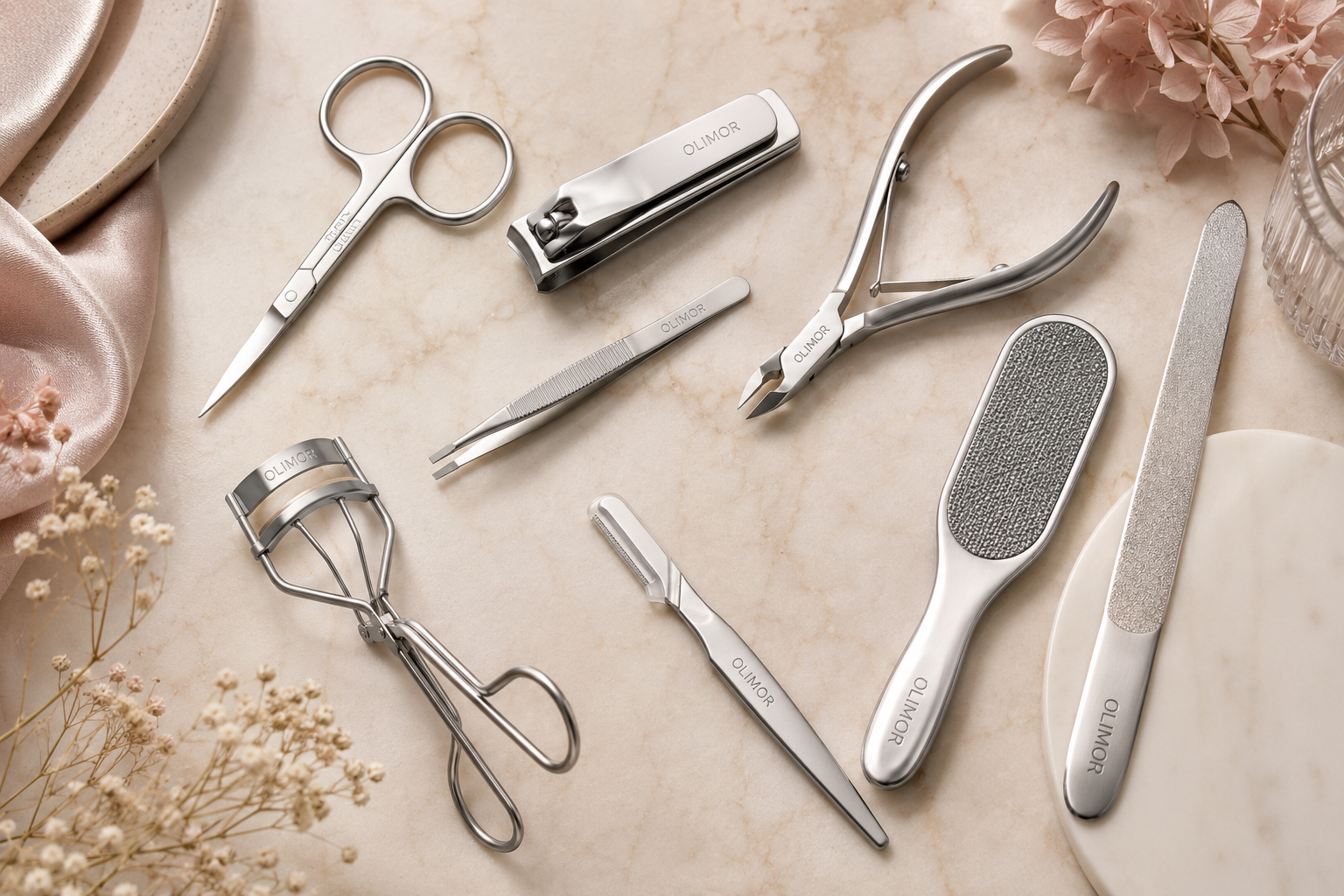
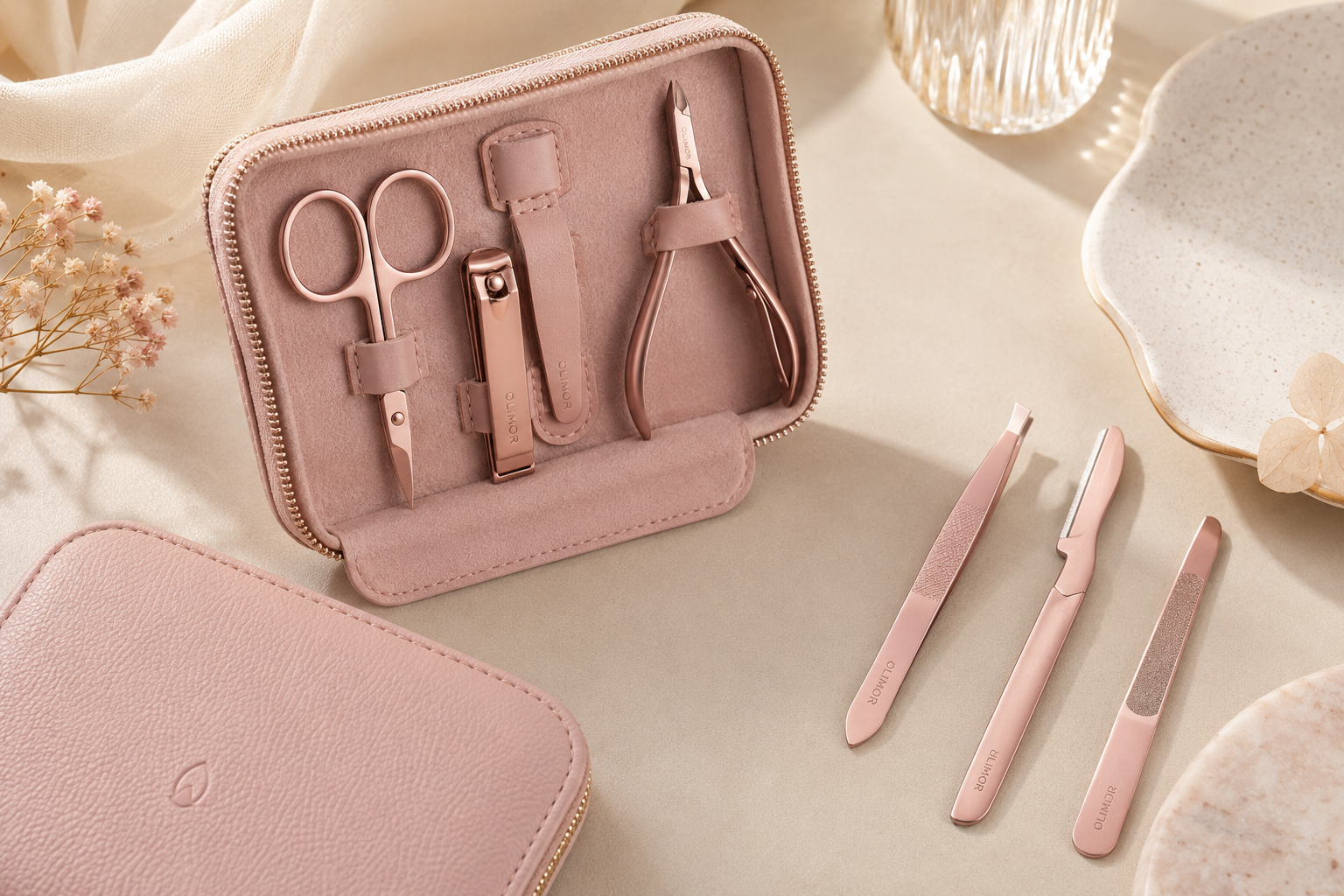
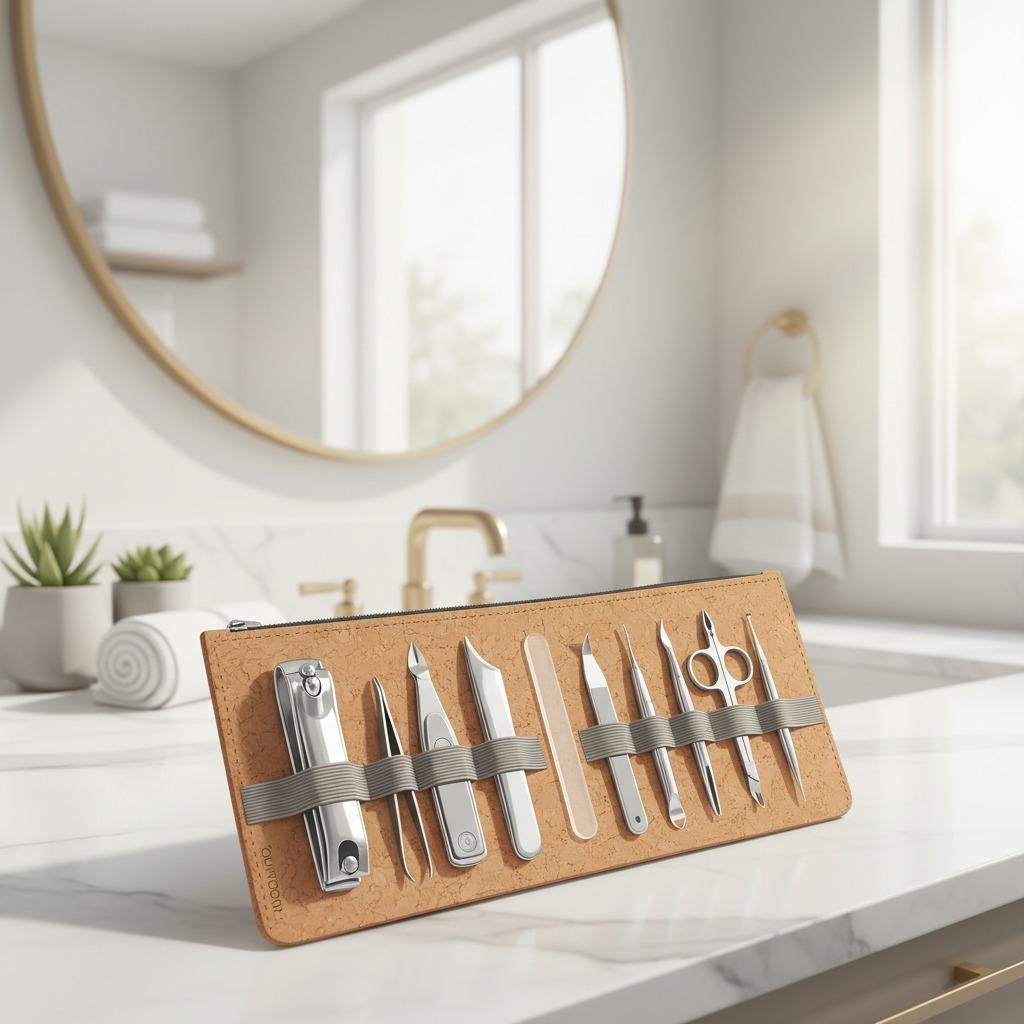
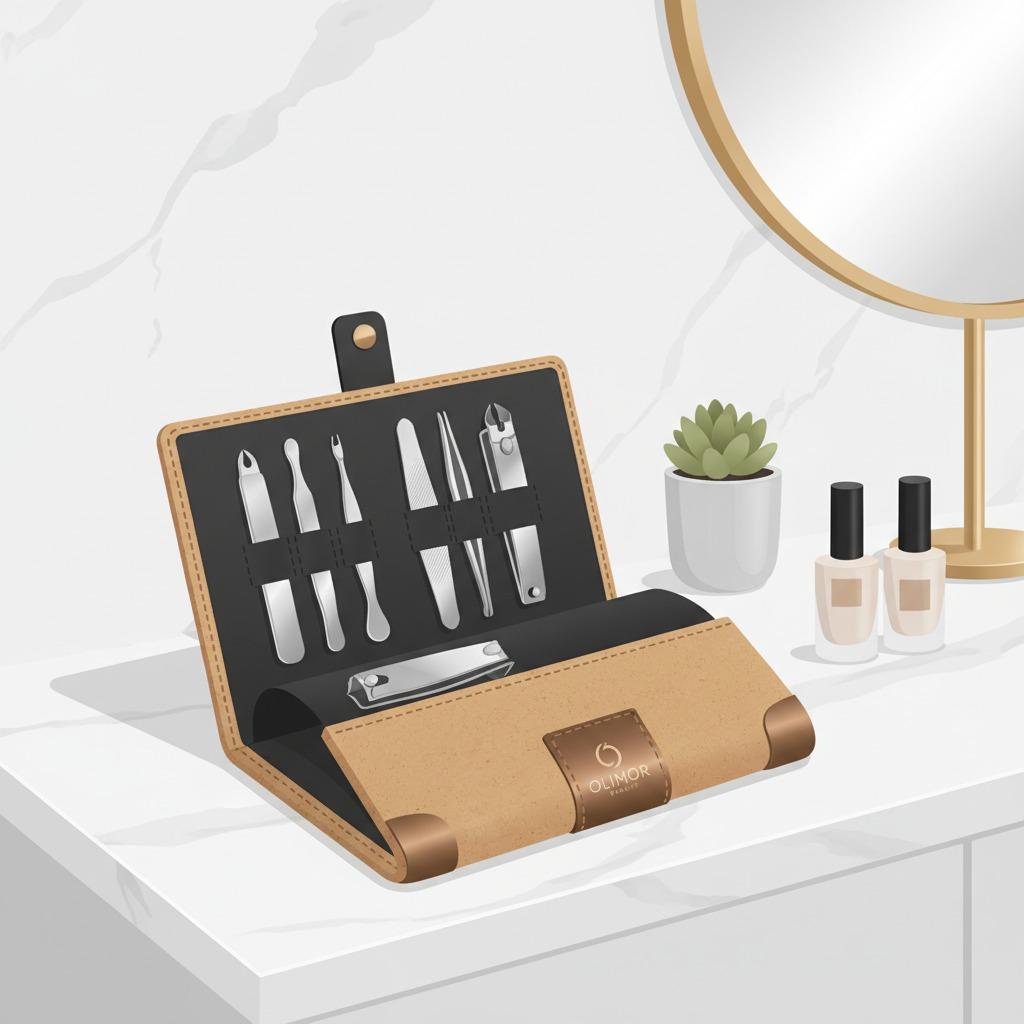
It is also wise to consider how nail clippers fit with other grooming tools in your range. Buyers building a complete beauty accessories offering may compare clippers with tweezers, scissors, manicure tools and related accessories from Olimor beauty tool products. Consistent quality across the category can be more valuable than optimizing one item in isolation.
Managing Cost Without Sacrificing Usability
Cost is one reason many businesses explore nail clipper import from China, but price should be judged in context. A quotation depends on material, size, finish, packaging, quantity, branding, inspection requirements and freight method. If two suppliers quote very different prices for a similar-looking clipper, compare the hidden details before deciding.
Important cost questions include whether the quoted packaging is retail-ready or bulk packed, whether accessories or inserts are included, how cartons are arranged, and whether the finish is the same as the approved sample. Also consider landed cost. Freight, customs duties, port fees, local transport, inspection services and possible repacking can change the real cost per unit.
For recurring buyers, a slightly higher factory price may be justified if it lowers defect rates, reduces packaging damage or improves customer reviews. Nail clippers are often inexpensive per piece, but quality problems can consume staff time quickly because each return or complaint has a handling cost. The most reliable sourcing decision balances unit price with inspection confidence, packaging performance and supplier responsiveness.
Shipping, Documentation and Import Planning
Nail clippers are compact, which can make shipment planning easier than bulky beauty devices, but importers still need organized documentation. Product descriptions should be accurate and consistent across invoices, packing lists and shipping records. Carton marks should match the order, and packaging should be selected with both transit and destination handling in mind.
Before shipment, buyers should confirm product quantity, carton count, gross and net weight, packaging style, shipping terms and destination requirements. If the products are sold through retail or online channels, confirm barcode placement, warning text where relevant, country-of-origin marking expectations and any labeling requirements applicable to the destination market. Regulations vary, so importers should verify local requirements before placing large orders.
When timing matters, build in room for sampling, artwork confirmation, production, inspection, booking, export handling, customs clearance and inland delivery. A sourcing plan that assumes everything will happen perfectly often creates avoidable pressure. Clear milestones help both buyer and supplier work with fewer surprises.
When to Work with Olimor Beauty
Olimor Beauty is a suitable contact point for buyers comparing nail clippers and other beauty tools for wholesale, distribution, private label planning or product range development. A productive inquiry should include the intended market, estimated order scale, preferred packaging style, branding needs if any, target selling channel and any sample requirements. The more specific the sourcing brief, the easier it is to compare realistic options.
If you are preparing to import nail clippers from China, start with a short list of required features rather than a price target alone. Confirm sample quality, define inspection points, review packaging, and calculate landed cost before scaling. For help discussing nail clipper sourcing or related grooming tools, you can contact Olimor or send an inquiry with your product requirements.
Importing can offer strong advantages when managed carefully: wider product choice, scalable production options and more control over the final item. The best results come from treating the nail clipper as a precision grooming tool, not a commodity. With clear specifications and practical quality checks, buyers can source products that are affordable, presentable and dependable for their customers.