Import Nail Clippers from China: How Beauty Tool Buyers Can Source with Confidence
For distributors, beauty retailers, salon suppliers, and private-label buyers, the decision to import nail clippers from China is usually driven by more than price. A nail clipper is a small tool, but customers judge it quickly: the blades must meet cleanly, the lever should feel stable, the body should resist bending, and the finish should look suitable for retail display. If any of those details are weak, a low unit cost will not protect the buyer from returns, complaints, or slow sell-through.
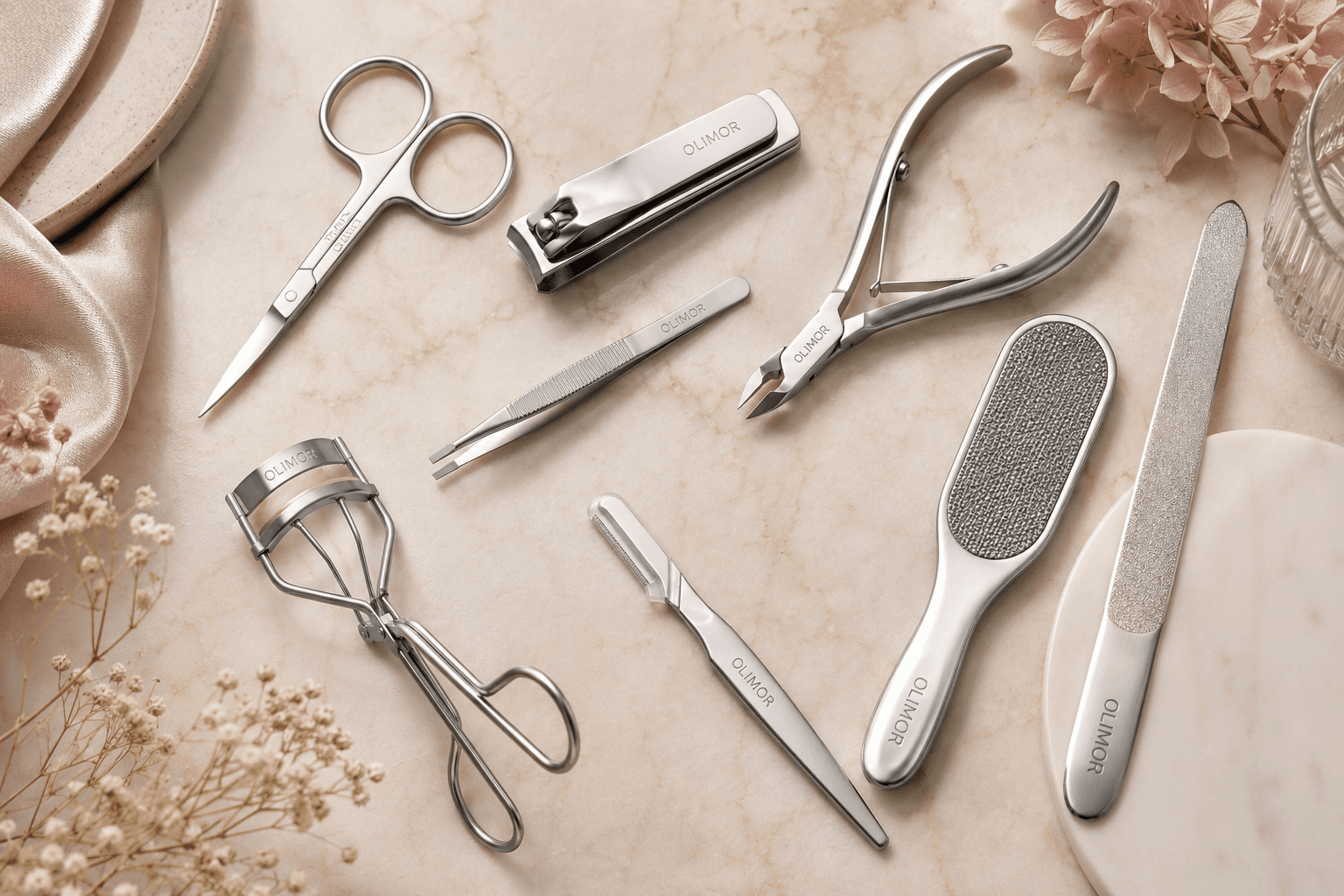
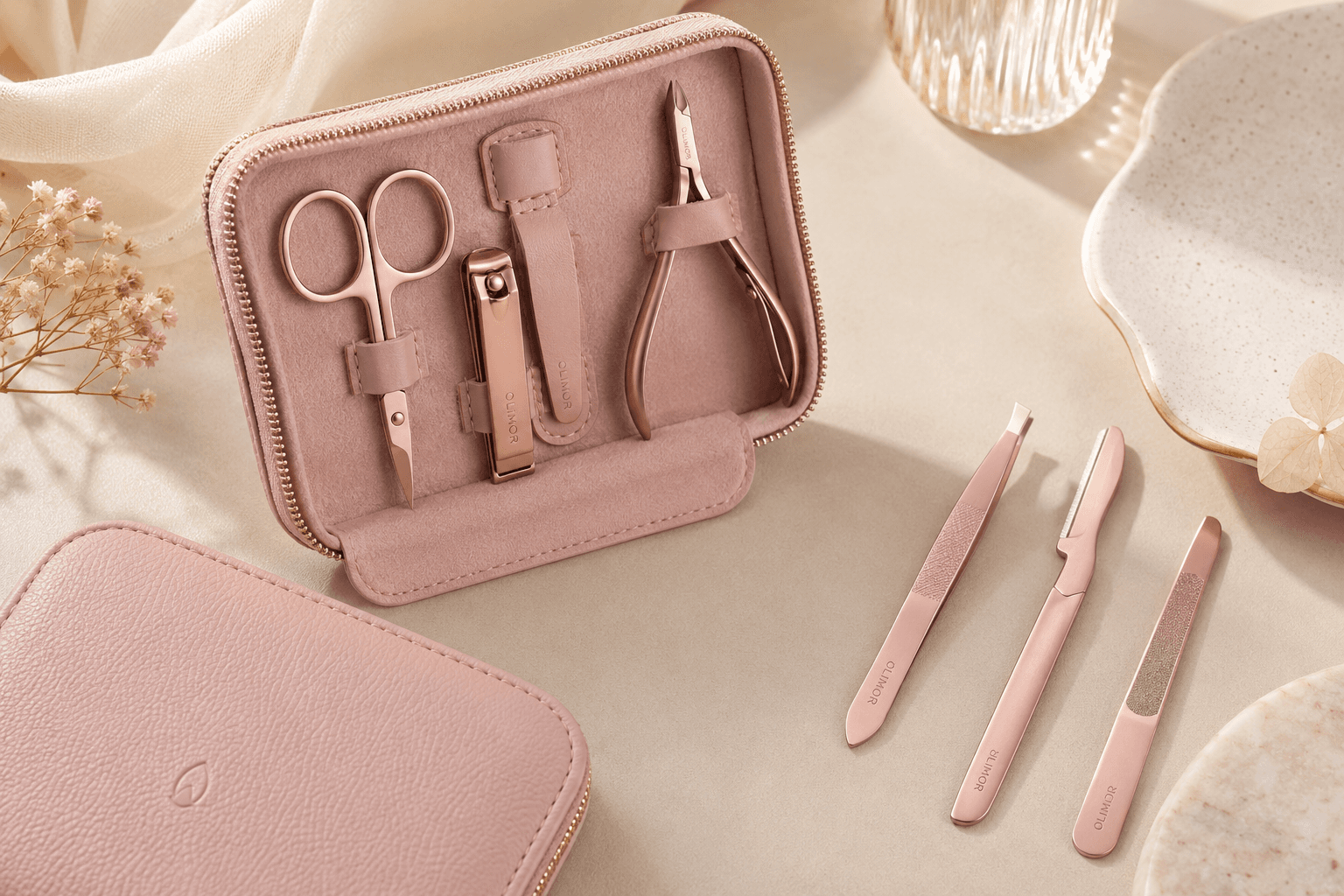
China remains a major sourcing destination for nail clippers because buyers can often compare many construction styles, finishes, packaging formats, and production approaches in one market. For a beauty tools business, that creates flexibility. You can source a simple everyday clipper, a more polished retail item, or a compact tool for travel kits while keeping control over specifications and presentation. Olimor Beauty works with beauty tool categories where practical design, repeatable quality, and clear buyer communication matter. You can explore related beauty tool products to compare how different grooming tools are presented for retail and professional use.
The key is not to treat all nail clippers as interchangeable. A buyer should define the target user, the sales channel, and the quality threshold before comparing quotations. This guide explains what to check when importing nail clippers from China and how to avoid common sourcing mistakes.
Why Import Nail Clippers from China Instead of Sourcing Locally?
Local sourcing can be useful when a buyer needs very small quantities, immediate delivery, or simplified logistics. However, local options may offer fewer design choices and less flexibility in packaging or finishing. For brands that need a competitive assortment, importing from China can provide a wider supplier base and more room to balance quality, cost, and customization.
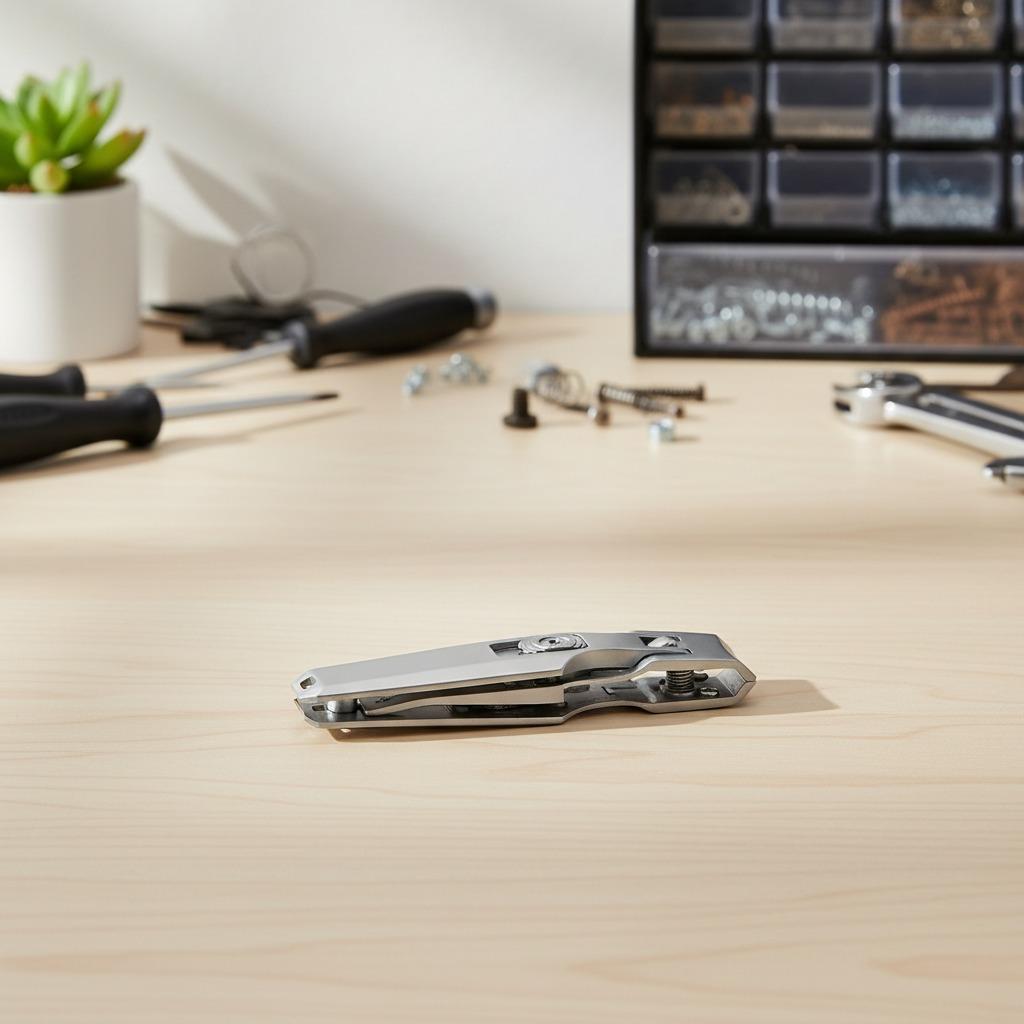
The original Olimor Beauty nail clipper information highlights a compact tool with a 91 mm length, 16 mm width, and 48 g weight. Those measurements suggest a portable clipper that can work for personal grooming kits, retail shelves, travel pouches, or salon back-bar use. The described stainless steel construction, ergonomic grip, sharp curved blades, and minimalist design are the kinds of details buyers should pay attention to because they influence both function and perceived value.

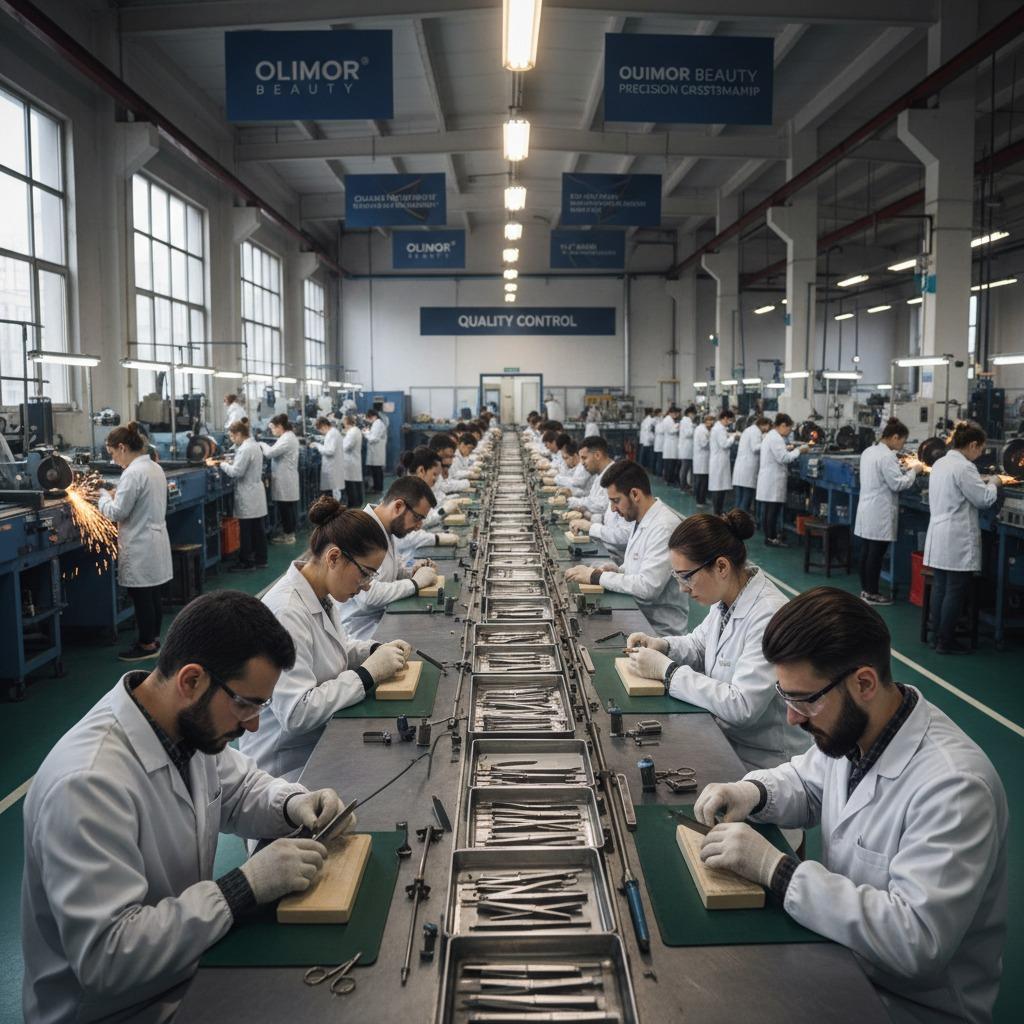
Importing also allows buyers to compare factories or trading partners based on finish consistency, packaging execution, and inspection processes. A nail clipper may look simple, but its quality depends on alignment, blade grinding, leverage, surface treatment, and final handling. When sourcing from China, buyers should move beyond the first price quote and evaluate whether the supplier can keep those details consistent across production.
Core Quality Points to Check Before Ordering
A reliable nail clipper should cut smoothly without crushing, tearing, or splitting the nail edge. Sharp curved blades can help follow the natural contour of the nail, but sharpness alone is not enough. The two cutting edges must be aligned, the lever must transfer pressure evenly, and the pivot area should not feel loose after repeated use.
Use the following checklist when comparing nail clipper samples:
- Blade alignment: Close the clipper slowly and check whether the two cutting edges meet evenly from side to side.
- Cutting feel: Test on different nail thicknesses if appropriate. The cut should feel controlled, not forced.
- Lever stability: The lever should not wobble excessively or feel weak under pressure.
- Grip comfort: An ergonomic grip should support the fingers without sharp edges or slippery handling.
- Surface finish: Check for scratches, burrs, stains, uneven polishing, or rough edges around the handle and cutting head.
- Portability: For a clipper around 91 mm long and 48 g, confirm that the weight feels solid but not bulky for the intended user.
- Packaging fit: The clipper should sit securely in its package without rattling, scratching, or damaging the retail presentation.
Sample review should include more than a visual inspection. Open and close the clipper repeatedly, check the spring-back feel, and inspect the edges under strong light. If the clipper is intended for professional salon resale, the buyer may want a higher threshold for finish and durability than for a basic promotional item.
China vs. Other Nail Clipper Supply Options
International nail clipper trade includes suppliers in several regions, each with advantages. Local or regional suppliers may offer shorter delivery routes and easier communication for some buyers. Boutique producers may focus on small-batch craftsmanship. China, however, is often chosen because it combines broad manufacturing availability with the ability to compare many product grades and packaging styles.
The right decision depends on the buyer’s business model. A retailer building a full grooming category may value consistent supply and packaging flexibility. A salon distributor may care most about hand feel and repeat purchases. An online seller may prioritize compact packaging, clear product photography, and reliable quality from one shipment to the next.
| Sourcing option | Potential advantage | Buyer caution |
|---|---|---|
| Local sourcing | Shorter lead time and simpler communication | May offer limited styles or higher cost for comparable finish |
| China sourcing | Wide supplier base, design variety, and packaging flexibility | Requires clear specifications, sample approval, and import planning |
| Boutique production | May support premium positioning or small runs | Scalability and price competitiveness may be limited |
For many buyers, China is not chosen only because it is cheaper. It is chosen because buyers can define a product target and then search for a supplier capable of meeting that target at scale. The most successful import programs are built on precise requirements rather than vague requests for a “high quality nail clipper.”
Specification Decisions That Affect Cost and Customer Satisfaction
Before requesting a quotation, decide what kind of nail clipper you are actually buying. A general retail clipper, a salon-quality tool, and a travel grooming kit component may share a similar shape, but they can differ in material thickness, finish standard, packaging, and quality control expectations.
Important specification questions include:
- Who is the end user? Personal grooming customers, salon professionals, hotel amenity buyers, and gift-set buyers may judge the product differently.
- What is the intended nail type? A compact clipper for fingernails may not be suitable for thicker toenails unless designed for that use.
- What finish is acceptable? A minimalist stainless steel appearance can look clean and practical, but the buyer should define the acceptable level of polishing and visible marks.
- How should the grip feel? If an ergonomic grip is a selling point, sample testing should focus on comfort, control, and edge smoothness.
- What packaging channel is planned? E-commerce, retail peg display, pouch sets, and professional supply catalogs may require different packaging structures.
A compact clipper with stainless steel construction and curved blades can be positioned as a practical daily tool, but the final value depends on execution. Buyers should confirm that the supplier understands which attributes are functional requirements and which are presentation preferences.
Packaging, Branding, and Retail Readiness
Packaging is often where import projects lose clarity. A good nail clipper can appear low value if the packaging is flimsy, crowded, or inconsistent. On the other hand, excessive packaging can increase shipping volume and cost without improving the customer experience. The right package protects the clipper, communicates the intended use, and supports the sales channel.
For retail, buyers may need a hang card, blister package, paper box, or pouch-based set. For e-commerce, compact packaging that protects the surface finish during shipping may be more important than shelf impact. For salon supply, clear labeling and easy storage may matter more than decorative presentation.
When planning branding, avoid relying only on a logo. Specify the placement, size, print color, and surface finish. Confirm whether branding appears on the clipper, the package, or both. Also check barcode needs, warning text, country-of-origin labeling, and any retailer-specific packaging rules. If you are comparing several beauty categories together, Olimor’s product collections can help frame how tools may be grouped for retail assortment planning.
Import Planning: Samples, Inspection, and Communication
A smooth nail clipper import order usually starts with a clear sample process. Request samples that match the intended material, finish, dimensions, and packaging as closely as possible. If the approved sample is a 91 mm by 16 mm clipper weighing 48 g, record those details and use them as reference points during production review. Small changes in thickness, lever shape, or blade grinding can noticeably change the customer experience.
Inspection should focus on both function and appearance. A practical incoming quality plan may include checking blade closure, cutting performance, lever operation, surface defects, packaging damage, and quantity accuracy. For larger orders, buyers may use third-party inspection or internal inspection standards. The important point is to define pass and fail criteria before production rather than debating quality after goods are finished.
Communication also affects results. Provide photos or drawings where possible, confirm packaging artwork carefully, and keep a record of approved samples. If you need product information for a specific sourcing plan, you can send an inquiry with your target use, packaging needs, and expected sales channel. For broader sourcing questions, contact Olimor to discuss beauty tool requirements.
Common Mistakes When Importing Nail Clippers
The most common mistake is choosing only by unit price. A slightly cheaper clipper may have poor blade alignment, rough edges, weak leverage, or packaging that damages the product during shipping. Another mistake is approving a sample without testing it as an end user would. A nail clipper should be opened, closed, held, and used in a realistic way before approval.
Buyers should also avoid vague product descriptions. Terms like “premium,” “durable,” or “professional” are not enough on their own. Define measurable or observable criteria: length, width, weight, material type as stated by the supplier, surface finish expectations, packaging structure, and acceptable cosmetic defects. The more clearly those details are recorded, the easier it is to compare suppliers fairly.
Finally, do not ignore logistics. Nail clippers are small, but packaging volume, carton strength, labeling, and customs documentation still matter. A well-planned import project considers the complete path from factory packing to warehouse receiving and final customer use.
Building a Competitive Nail Clipper Sourcing Strategy
Importing nail clippers from China can give beauty tool buyers a competitive edge when the sourcing process is disciplined. The advantage comes from matching the right product construction, finish level, packaging, and inspection plan to the intended market. A stainless steel clipper with a compact size, ergonomic grip, and sharp curved blades can be a strong everyday grooming item when the supplier maintains consistency across production.
Rather than searching for the lowest quote, build a comparison around the customer experience. Does the clipper feel stable? Does it cut cleanly? Does the finish look appropriate for your sales channel? Does the packaging protect the tool and explain its use clearly? Those questions help separate a workable import opportunity from a risky purchase.
For beauty retailers, salon suppliers, and grooming tool distributors, China sourcing is most effective when product details are documented early and verified through samples and inspection. With a clear checklist and realistic quality expectations, importing nail clippers can support a reliable, attractive, and commercially practical beauty tool assortment.
Tag: