Custom Nail Clippers for B2B Retail and Distribution
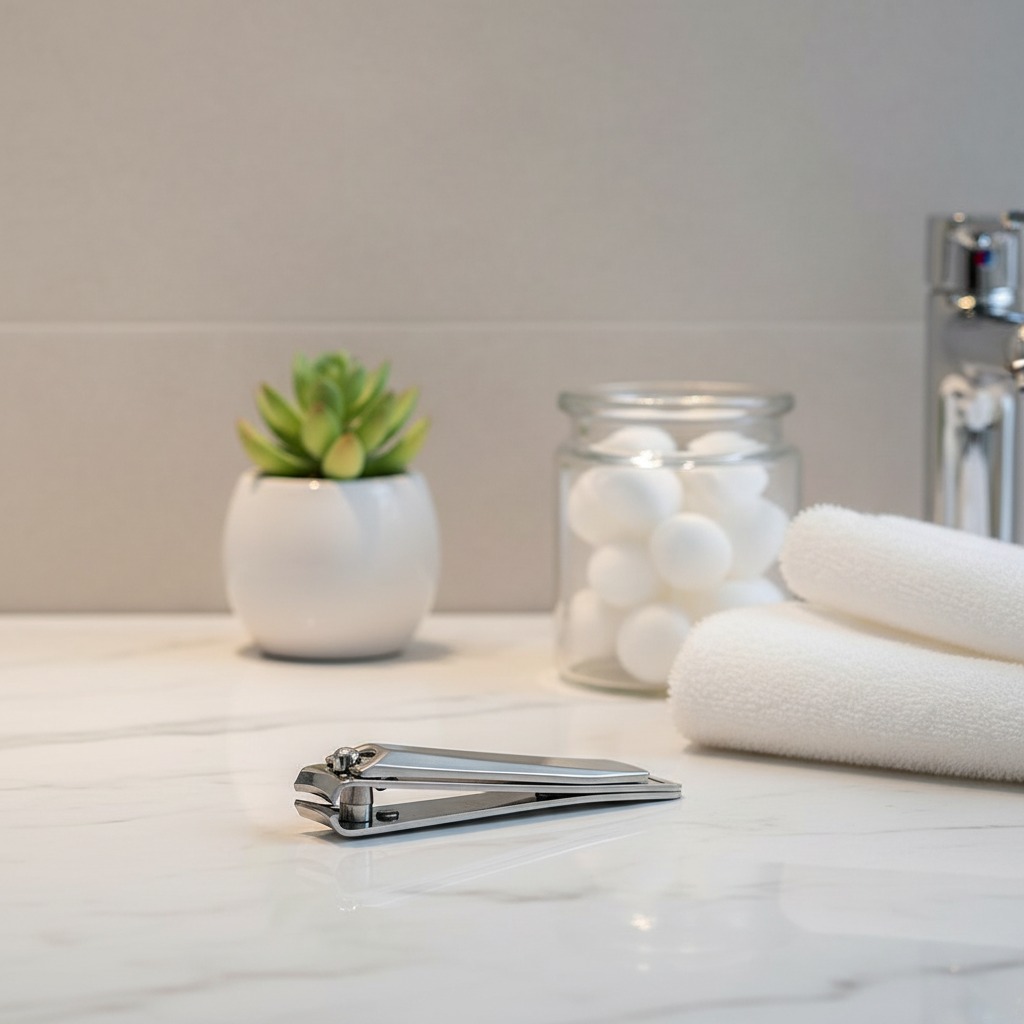
Custom nail clippers are small tools, but they can have a large impact on customer perception. A clipper that feels sturdy, cuts cleanly, and fits neatly into a grooming kit can support retail sales, travel sets, salon resale, promotional programs, and distributor catalogs. For B2B buyers, the real question is not only whether the product looks attractive. It is whether the clipper is consistent enough for bulk supply, practical enough for daily use, and customizable enough to support a clear brand position.
Olimor Beauty offers beauty tool products for business buyers, and the strongest sourcing outcome usually starts with a clear brief rather than a vague request for the lowest unit price. If you want to compare product options first, you can browse Olimor beauty tool products or review the grooming collection before requesting quotes.
Why custom nail clippers work well in B2B channels
Nail clippers are familiar, easy to explain, and suitable for repeat purchase when the quality and presentation are handled well. They belong in everyday grooming kits, travel pouches, salon counters, pharmacy shelves, supermarket personal care aisles, and online beauty stores. That makes them useful for retailers and distributors that want a product with stable demand and simple consumer education.
Because customers already understand the function, your differentiation can focus on quality, grip comfort, packaging, and brand presentation. Customization can support several business goals:
- Retailers may want packaging that matches an existing grooming line.
- Distributors may need a versatile product that works across multiple downstream accounts.
- Salon suppliers may prefer a professional look and secure handling.
- Promotional buyers may focus on compact size, visible branding, and practical daily use.
For business sourcing, the same base product can be positioned differently depending on the channel. A compact clipper may work for a travel kit, a men’s grooming line, a unisex personal care set, or a branded giveaway, but each use case changes what matters most in inspection, packaging, and price structure.
Start with the sales channel and end user
The first sourcing decision should be the end use, not the decoration. A supermarket distributor usually cares about clean packaging, easy replenishment, and a cost structure that supports resale margins. A salon supplier may care more about hand feel, presentation, and product consistency. A travel-kit assembler may need compact dimensions and efficient packing. A promotional buyer may care most about logo visibility and usefulness.
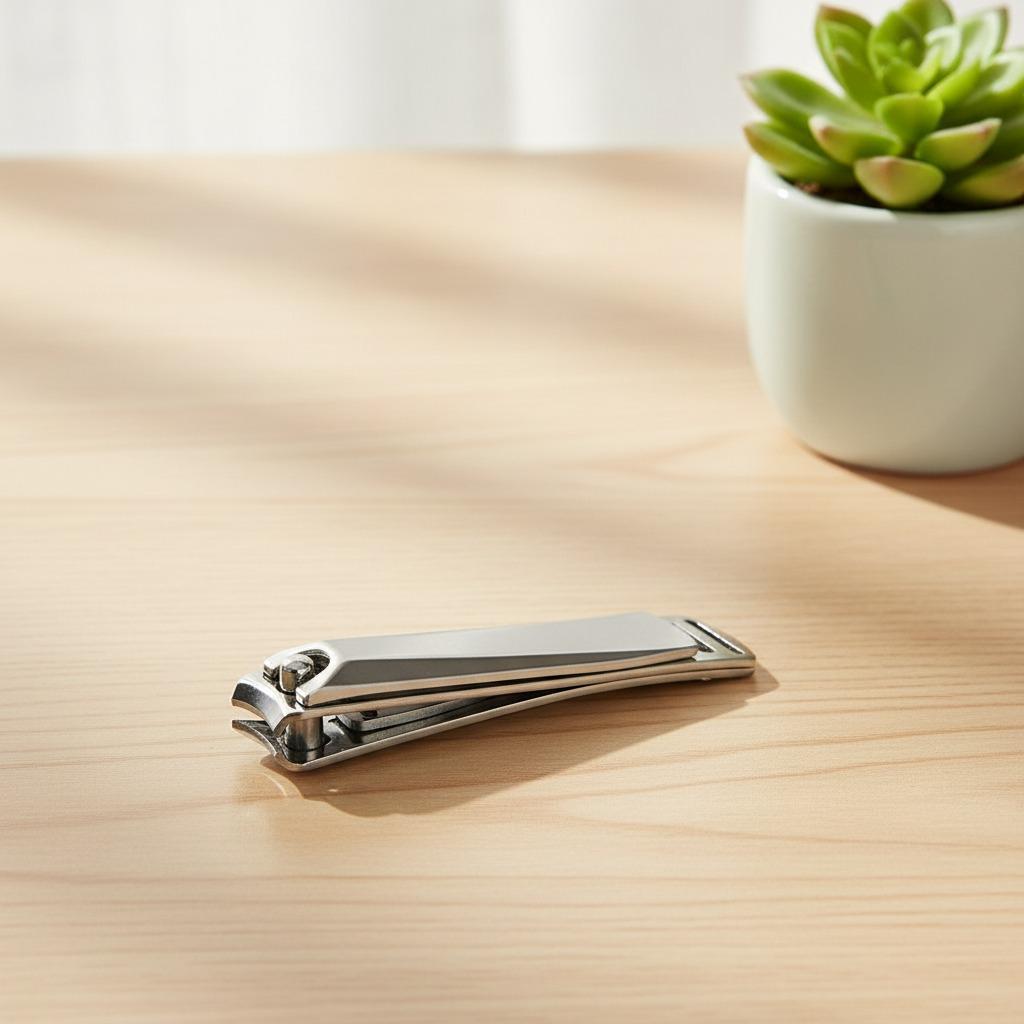
The supplied product details describe a compact nail clipper with a stainless steel body, a length of 70 mm, a width of 15 mm, and a weight of 30 g. Those details help buyers judge whether the clipper suits a pocket set, a travel pouch, a counter display, or a bundled grooming kit. The same product can be appropriate for several channels, but each channel requires a different emphasis.
Channel fit comparison
| Sales channel | What to prioritize | Customization focus | Common risk to avoid |
|---|---|---|---|
| Retail shelf | Fast product understanding, shelf presentation, packaging clarity | Logo placement, retail packaging, benefit communication | Overly complex decoration that hides the product value |
| Distribution | Consistency, replenishment, carton efficiency, downstream flexibility | Neutral design, packaging options, barcode space | Over-customizing for one buyer and limiting resale options |
| Salon supply | Professional look, secure handling, comfortable use | Subtle branding, polished finish, practical pack format | Prioritizing appearance over daily usability |
| Promotional program | Compact size, gift appeal, visible logo, easy bundling | Logo engraving, simple branded packaging | Choosing branding that becomes hard to read on a small surface |
How to evaluate the clipper itself
Before discussing branding or packaging, confirm that the product is usable. A clipper that pulls, slips, or leaves rough edges will create complaints and returns. The supplied descriptions point to several practical details worth checking: a stainless steel body, curved sharp blades, an ergonomic design, and a polished finish. Some supplier descriptions also reference non-slip grips and reliable handling. These are the features that affect customer experience first.
Sample inspection checklist
| Check | What to inspect | Why it matters |
|---|---|---|
| Cutting performance | Whether the curved blades cut cleanly without excess pressure | Protects customer satisfaction and reduces negative reviews |
| Lever feel | Open and close the clipper repeatedly to assess stability and smooth movement | A loose lever suggests weak handling and poor repeatability |
| Grip comfort | Confirm the ergonomic shape is comfortable for different hand sizes | Comfort matters in home use and professional environments |
| Surface finish | Check the polished body for scratches, rough edges, or uneven finishing | Finish affects first impression and perceived value |
| Size suitability | Verify the 70 mm length and 15 mm width fit the intended pack or display | Size affects portability, packaging, and merchandising |
| Weight perception | Assess whether the 30 g feel matches your target customer expectation | Weight influences portability and perceived quality |
| Consistency across units | Review several samples, not just one | Repeatability matters more than a single good sample |
These checks are especially important for distributors, because one poor batch can affect several downstream accounts. Retailers should also think about after-sale impact. A low-cost clipper that generates complaints can cost more than a slightly better-specified product with steadier performance.
Choose customization that supports the product
Customization should improve the commercial fit of the clipper, not weaken its function. The supplied material mentions logo engraving and size adjustment as customization options. Those are practical because they can make the product easier to brand and easier to fit into an existing kit or product family.
Logo engraving can work well on a small metal tool because it creates a durable brand impression. Size adjustment may help if the clipper needs to match a case, tray, or coordinated grooming set. The main rule is to keep the design simple enough that it remains clear on a small surface.
Useful customization decisions
- Logo engraving: Check legibility, placement, scale, and finish after engraving.
- Size adjustment: Confirm the clipper still fits the intended grip and packaging.
- Packaging concept: Make sure the package supports retail display, barcode use, and shipping protection.
- Finish expectations: Align polish level and edge smoothness with your target price position.
If the product is sold individually, the surface and the package both need to communicate quality quickly. If it is part of a gift set, the package may carry most of the brand story while the tool stays simple and durable.
How to compare supplier quotes fairly
Bulk pricing comparisons are only useful when every supplier is quoting the same requirement. If one quote includes engraving, retail packaging, extra inspection, or different carton handling while another quote includes only a plain clipper, the lower number may not reflect the lower true cost. A useful request for quotation should define the product size, material expectation, logo needs, packaging assumptions, order quantity, delivery destination, and inspection requirements.
To compare offers properly, split the cost into parts:
- Base product: the clipper body, blades, and assembly.
- Customization: logo engraving, format changes, or special presentation.
- Packaging: retail box, pouch, insert, label, or carton structure.
- Logistics: packing density, shipping method, and destination handling.
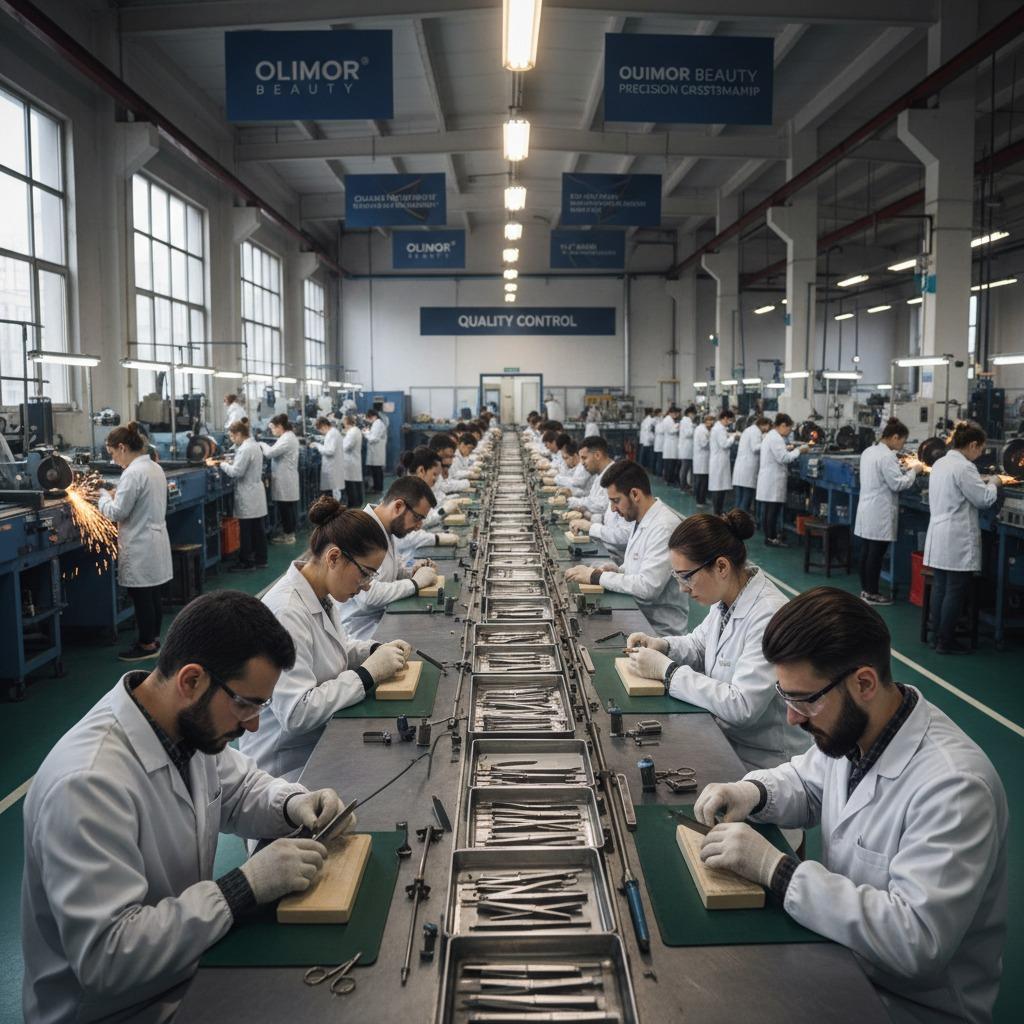
- Quality control: sample approval, inspection, and final packaging review.
This approach is useful for both retailers and distributors because it reveals where value is created and where hidden costs may appear. A quote that looks higher can still be better if it reduces returns, improves shelf appeal, or simplifies receiving.
Supplier evaluation: what business buyers should ask
A good supplier conversation should be specific and practical. The goal is to confirm whether the supplier can deliver the same product consistently, in the right package, for the right channel. Olimor Beauty positions its beauty tools for business buyers, so the conversation should focus on specification, quality control, and commercial fit.
Useful questions include:
- Can the supplier work from a clear written specification rather than a generic request?
- Can sample units be reviewed before larger production?
- How is the finish checked before packing?
- Can the product be adapted for retail, distribution, or set-building?
- What packaging options are available for shelf display or bulk shipment?
For buyers in regulated markets, it can also be reasonable to ask whether the supplier can support documentation aligned with relevant quality systems such as ISO 9001 or with public bodies such as the U.S. CPSC, if applicable to your market. Always verify the current version, the correct product scope, and the actual supplier documents rather than assuming compliance from a product description alone.
For direct discussion, you can send a sourcing inquiry with your target use case and packaging needs, or contact the Olimor team if you want to clarify specification details before requesting samples.
Practical buying checklist for custom nail clippers
If you want a quick process, use this simple sequence before placing a bulk order:
- Define the sales channel and end user.
- Confirm the product size, body material, blade shape, and finish expectations.
- Decide whether logo engraving, size adjustment, or packaging changes are needed.
- Request samples and inspect several units for cutting feel, lever movement, and surface finish.
- Compare quotes using the same assumptions for product, packaging, and quality control.
- Review how the item will be packed, labeled, and stored for your channel.
- Finalise only after the supplier brief matches the actual sample.
This process helps prevent the most common sourcing problem: approving a sample that looks acceptable but is not truly suited to the channel, the packaging system, or the expected price position.
How to position the product for better resale
For retail and distribution, a custom nail clipper works best when it is easy to understand and easy to bundle. A simple product story is usually stronger than a long list of unverified claims. Focus on the features that matter in real use: compact size, stainless steel construction, curved blades, ergonomic handling, polished appearance, and practical customization.
You can position the same clipper in several ways without changing the core product:
- Travel tool: emphasize compactness and portability.
- Grooming essential: emphasize everyday utility and neat presentation.
- Gift set component: emphasize packaging fit and brand consistency.
- Distributor item: emphasize stable supply and broad downstream appeal.
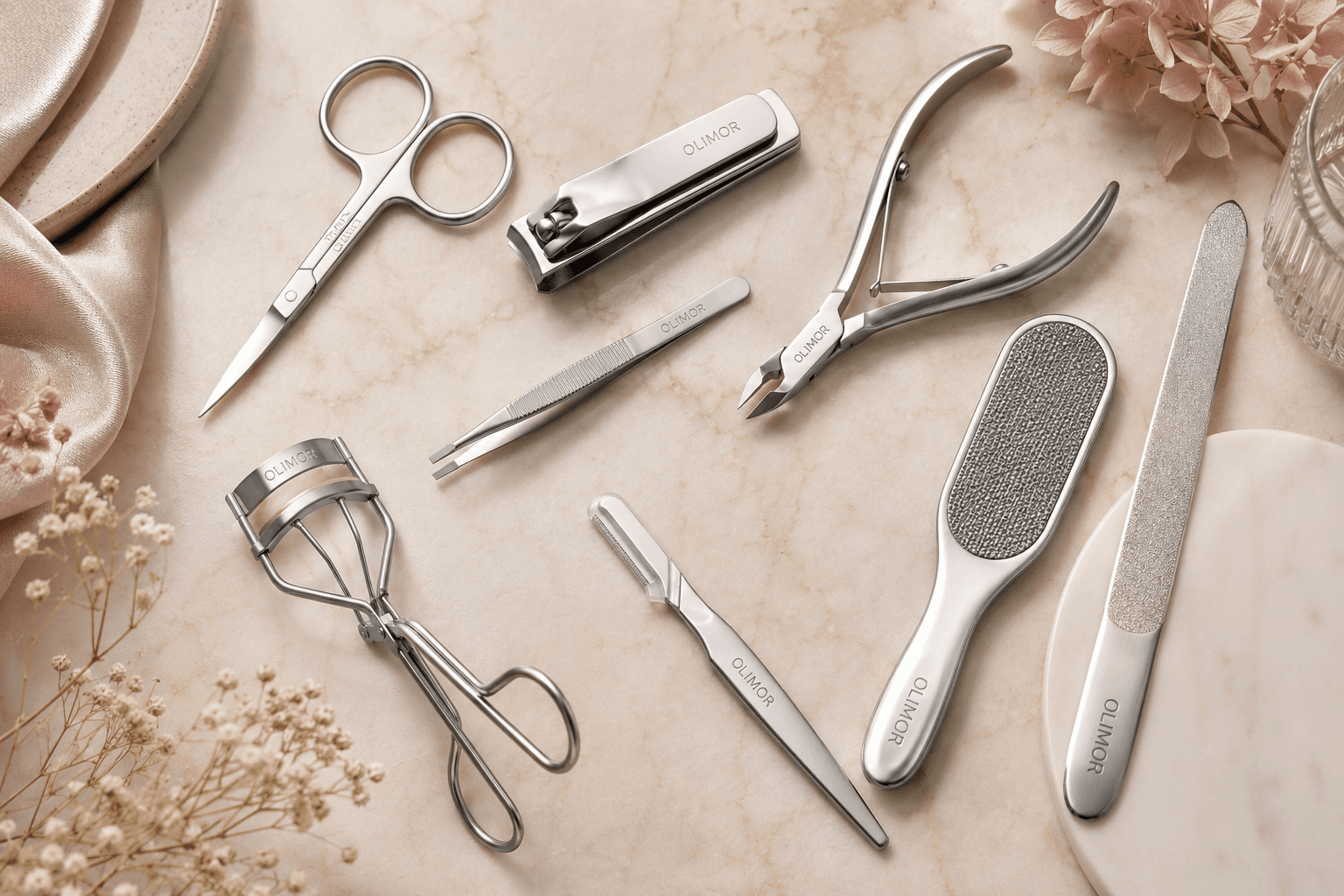
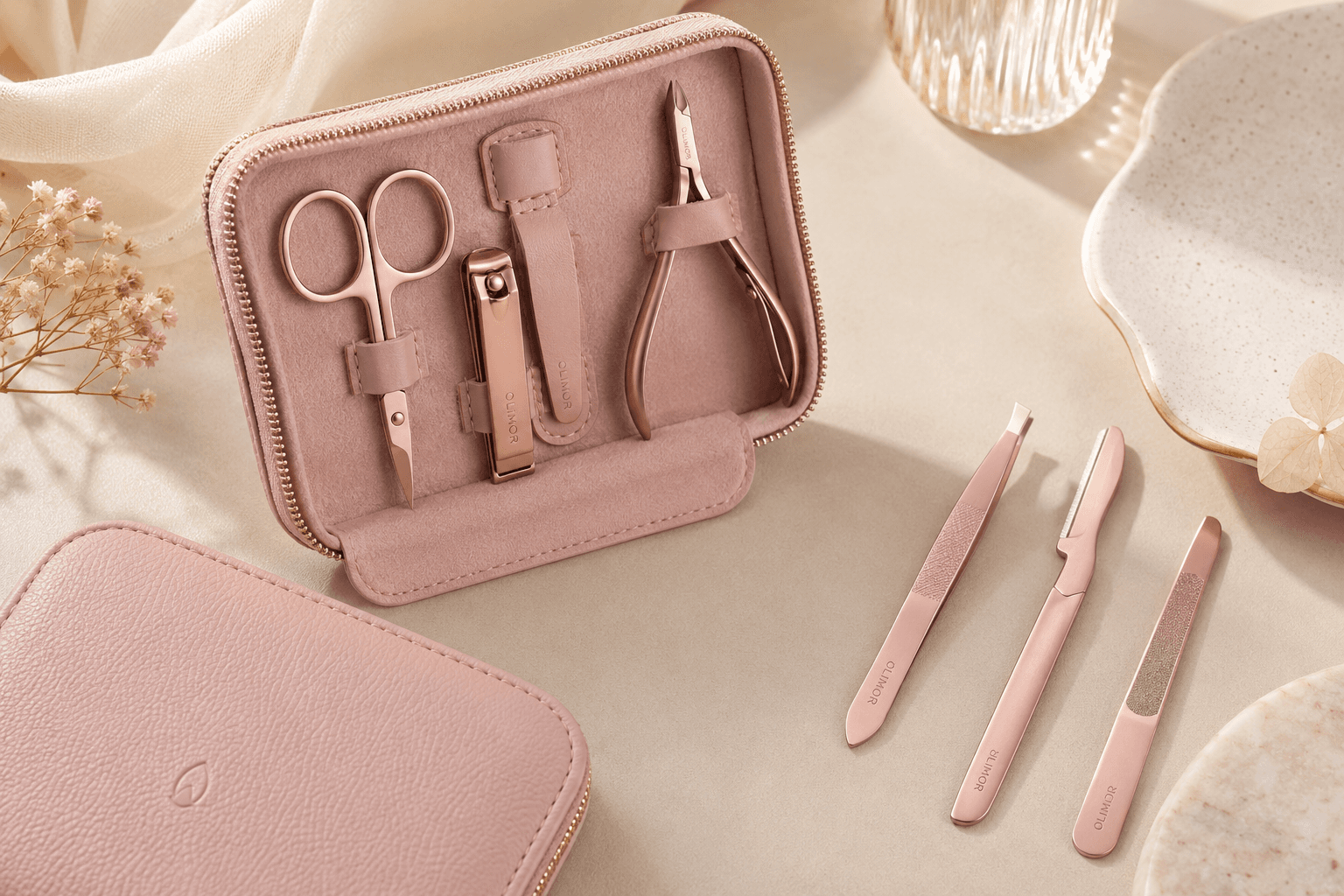
That flexibility is one reason nail clippers remain useful in B2B personal care assortments. They can stand alone or pair with files, tweezers, scissors, or wider manicure sets.
FAQ
Can I request samples before a bulk order?
Yes. Samples are an important part of buyer evaluation because they let you inspect cutting feel, finish quality, and packaging fit before committing to a larger order.
Is there a standard MOQ for custom nail clippers?
MOQ can vary by customization, packaging, and production setup. It is best to ask the supplier for the specific requirement that matches your brief.
What customization options are most practical?
Logo engraving, packaging design, and size adjustment are among the most practical options mentioned in the supplied product information. The best choice depends on your channel and brand position.
How should I check product quality?
Review several samples, test cutting performance, check lever movement, inspect the polished finish, and confirm the size works with your packaging or kit.
How do I avoid paying for the wrong quote?
Make sure every supplier is quoting the same size, material expectation, branding method, packaging format, and inspection scope. Otherwise the lowest number may not be the best value.
Final sourcing takeaway
The best custom nail clipper for B2B retail and distribution is not the one with the most decoration. It is the one that fits the channel, performs consistently, and supports the brand without creating extra risk. Start with the end user, confirm the product construction, keep customization practical, and compare supplier quotes on equal terms.
If you are evaluating a private-label or distribution program, Olimor Beauty can help you frame a clearer product brief and packaging direction. You can request an inquiry when you are ready to discuss samples, customization, or a channel-specific specification.
Tag: