











How to Import Nail Clippers from China Effectively
Importing nail clippers from China can be a practical route for beauty retailers, grooming brands, wholesalers, salons and promotional product buyers that need stable supply and a wide choice of finishes, packaging and price points. The product looks simple, but a poor sourcing decision can lead to dull cutting edges, uneven alignment, rust complaints, weak springs, packaging damage or inconsistent batches. A good importing plan starts before you request a quotation: define the intended customer, inspection standards, packaging needs, shipping method and after-sales expectations.
This guide focuses on how to evaluate nail clipper sourcing from China in a structured way. It uses Olimor Beauty as the relevant supplier context and keeps the discussion practical for buyers who need to compare products, manage risk and prepare for repeat orders. You can also browse related beauty tool products or review Olimor product collections when building a broader grooming-tool assortment.
Start With the Right Importing Route
Most buyers choose between direct sourcing and working through an intermediary. Direct sourcing gives you closer control over product details, packaging, communication and order follow-up. This is useful when nail clippers will be sold under a retail brand, bundled in manicure kits or positioned for salon and grooming customers. You can discuss cutting performance, handle shape, nail catcher design, compact dimensions, carton packing and inspection steps directly with the manufacturing or export team.
Intermediaries can be useful for very small trial purchases or buyers who do not yet have import experience. They may simplify communication and consolidation, especially when several unrelated products are sourced from different factories. The trade-off is less visibility into production, fewer customization options and potentially higher overall cost. If your goal is repeat purchasing, private packaging or consistent quality, direct communication with a beauty-tool supplier is usually worth considering.
Define the Nail Clipper You Actually Need
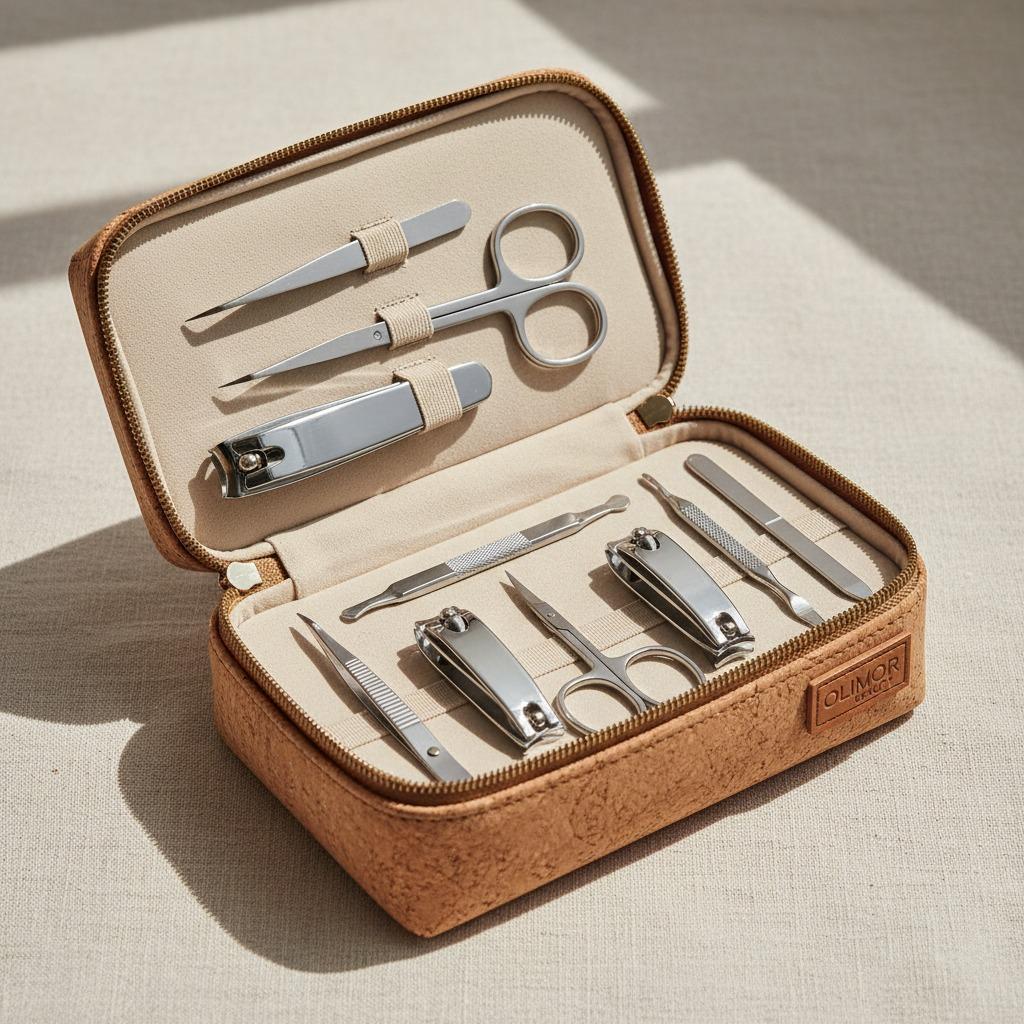
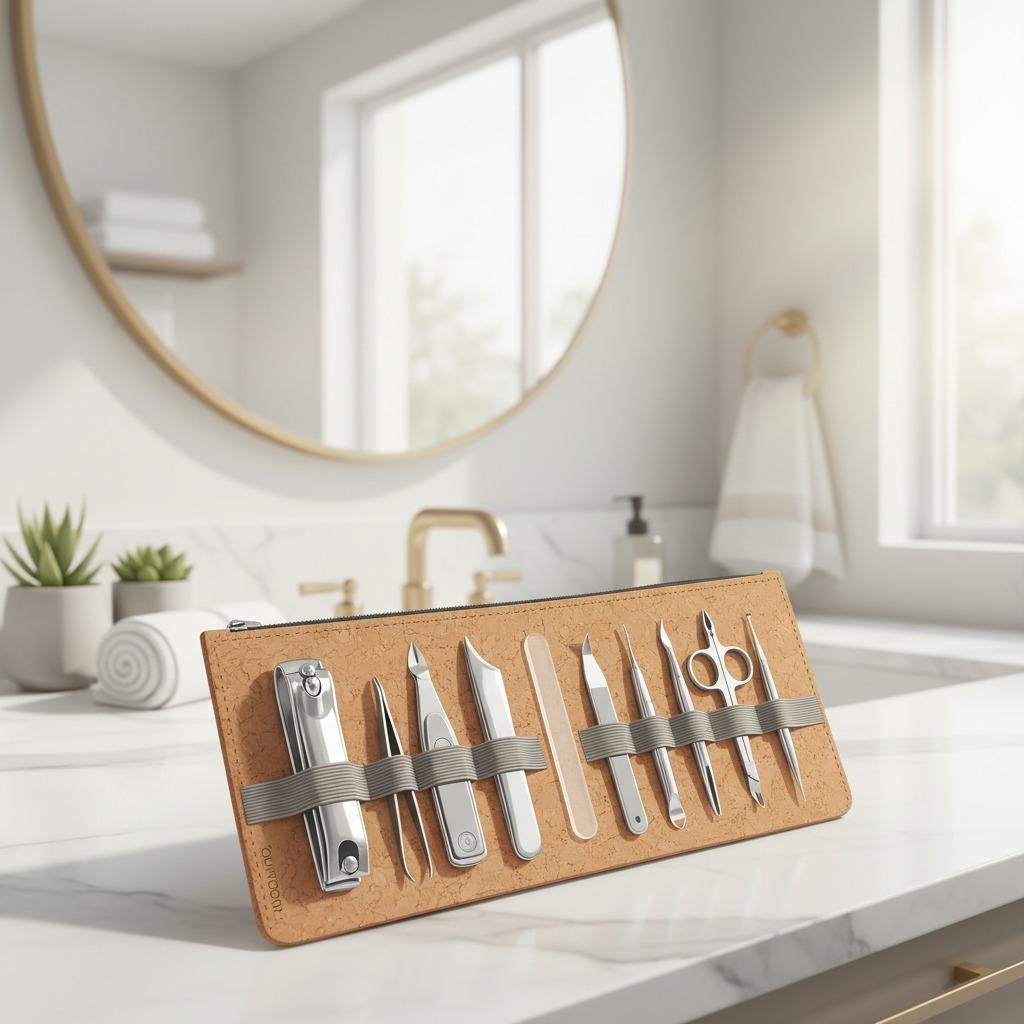
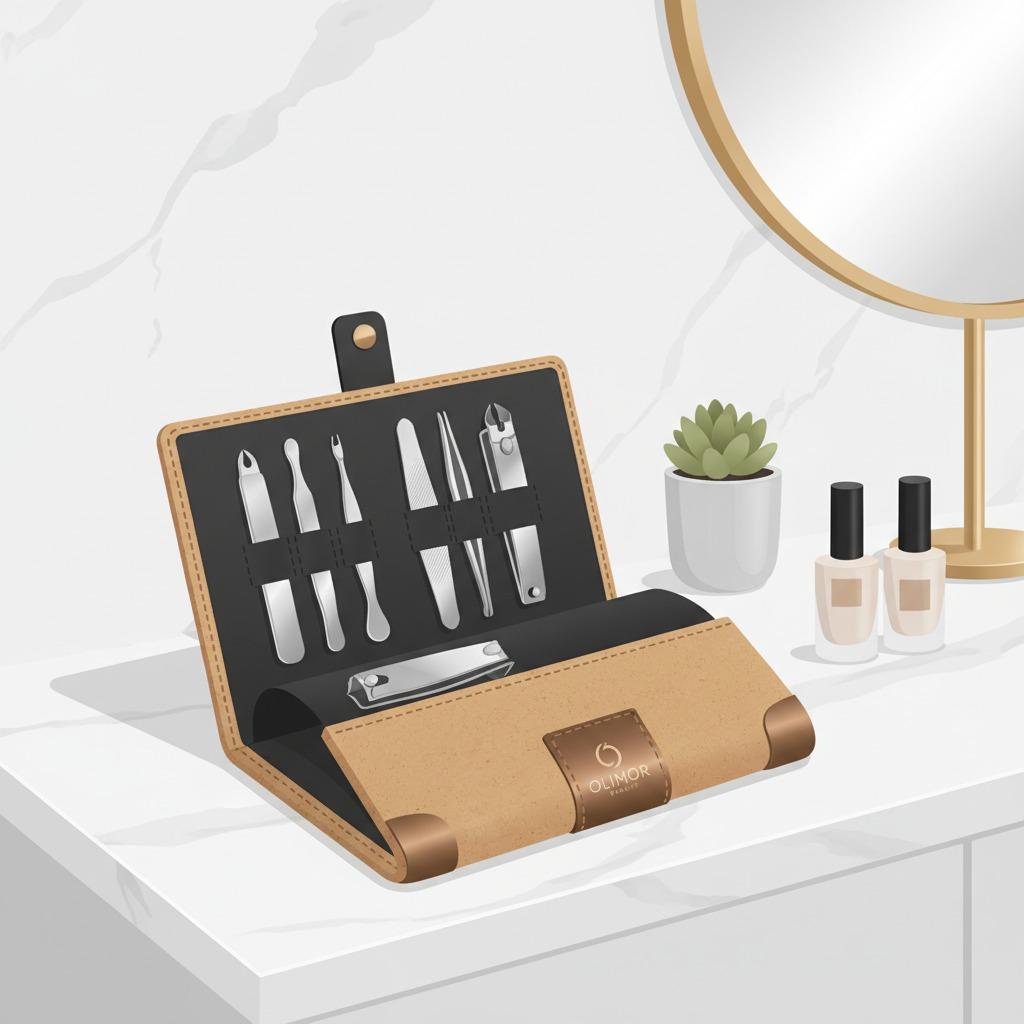
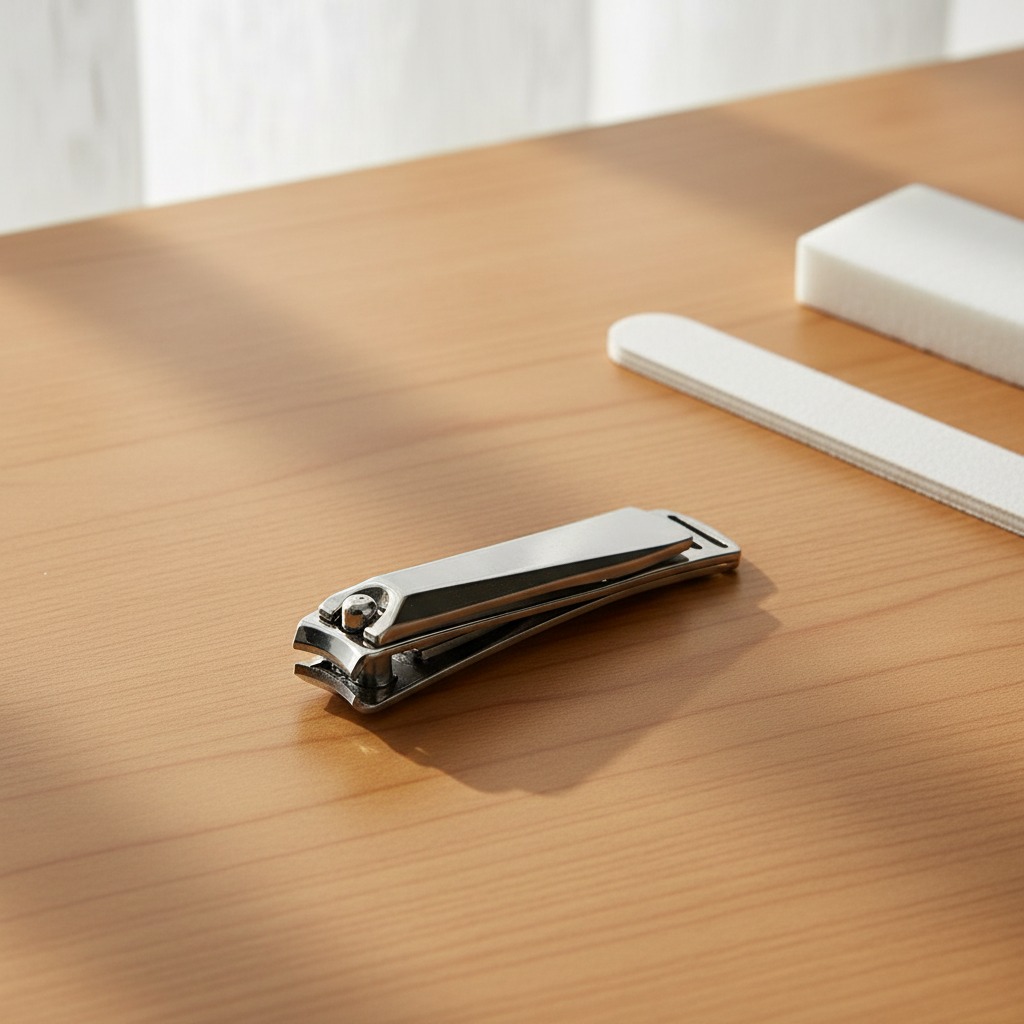
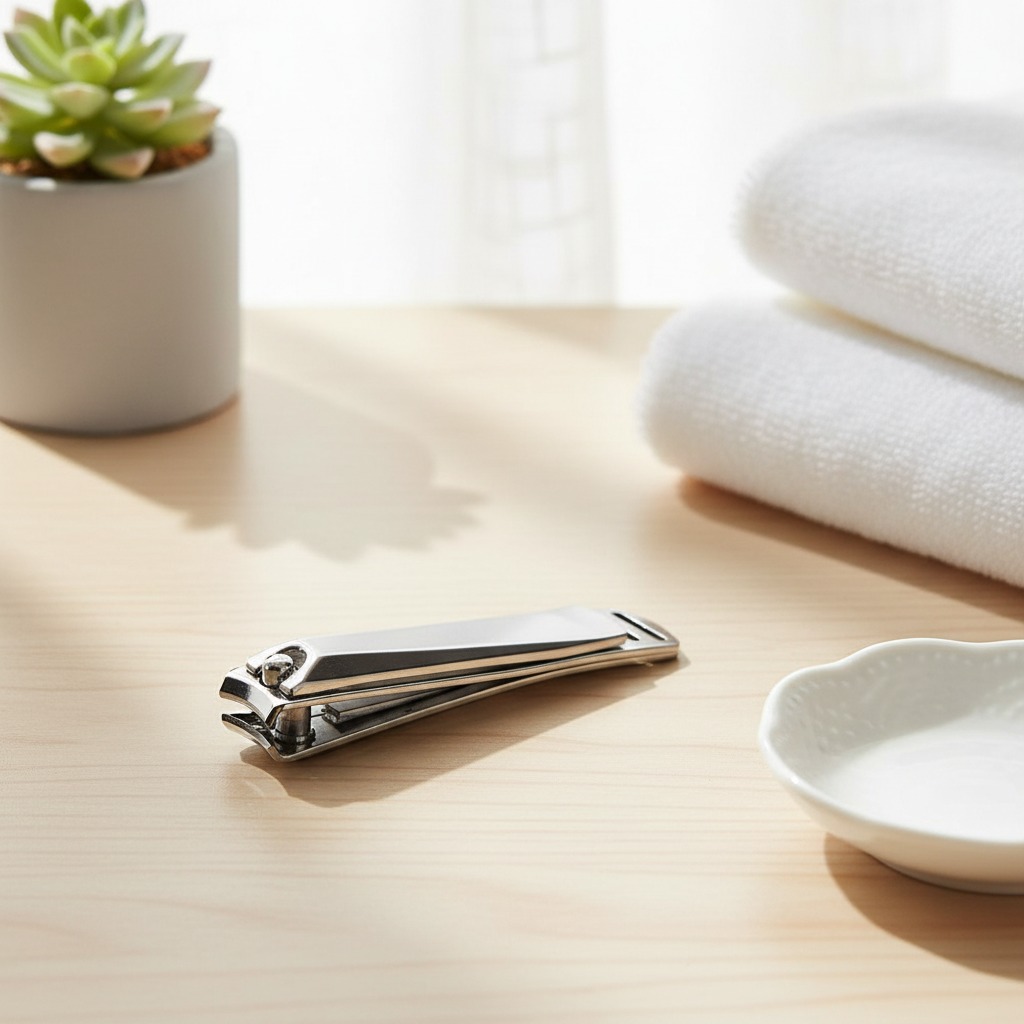
A nail clipper should be specified more carefully than many buyers expect. Small details affect the customer experience: the sharpness of the cutting edge, the curve of the jaw, the leverage of the handle, the smoothness of the hinge and the finish of the surface. The supplied Olimor Beauty article referenced a compact 70 mm nail clipper weighing 30 g, with stainless steel construction, precision blades, ergonomic design and an integrated nail catcher. These details illustrate the type of product information buyers should confirm before placing an order.
Before comparing quotes, prepare a specification sheet. It does not need to be complicated, but it should be specific enough to prevent misunderstandings. Include the following selection criteria:
- Target use: personal grooming, travel kits, salon resale, promotional gifts or retail multipacks.
- Material expectation: stainless steel or another agreed material, with finish and rust-resistance expectations clearly described.
- Size and weight: confirm whether the clipper is compact, standard or large enough for toenails.
- Cutting edge: ask for a clean cut without tearing, slipping or requiring excessive pressure.
- Handle comfort: check leverage, grip surface and whether the lever feels stable after repeated use.
- Added features: nail catcher, file, keychain hole, anti-slip texture or protective sleeve if relevant.
- Packaging: bulk pack, blister card, box, pouch or other retail-ready format.
Compare Global Suppliers and Local Alternatives Fairly
China remains an important sourcing base for beauty tools because of established production networks, export experience and access to a broad supplier ecosystem. For importers, this can mean more choices in shape, finish, packaging and order configuration. However, the lowest unit price should not be treated as the best offer. A cheaper clipper that fails inspection or produces customer complaints is more expensive over the full order cycle.
Local suppliers in the United States, Europe or other markets may offer faster delivery and easier returns, but they may also source from overseas themselves. When comparing a Chinese supplier with a local distributor, compare the landed cost rather than the item price alone. Landed cost includes product cost, packaging, inland transport, export handling, freight, duties, customs clearance, local delivery and the cost of any third-party inspection. A direct order from China can be competitive, but only if these items are planned from the beginning.
Also compare the level of product control. If you need a specific retail presentation, a certain finish, a nail catcher, logo placement or a stable batch-to-batch appearance, direct sourcing may provide more room to manage those requirements. If you only need stock quickly for a short-term promotion, local inventory might be the better fit.
Evaluate Supplier Capability Before You Commit
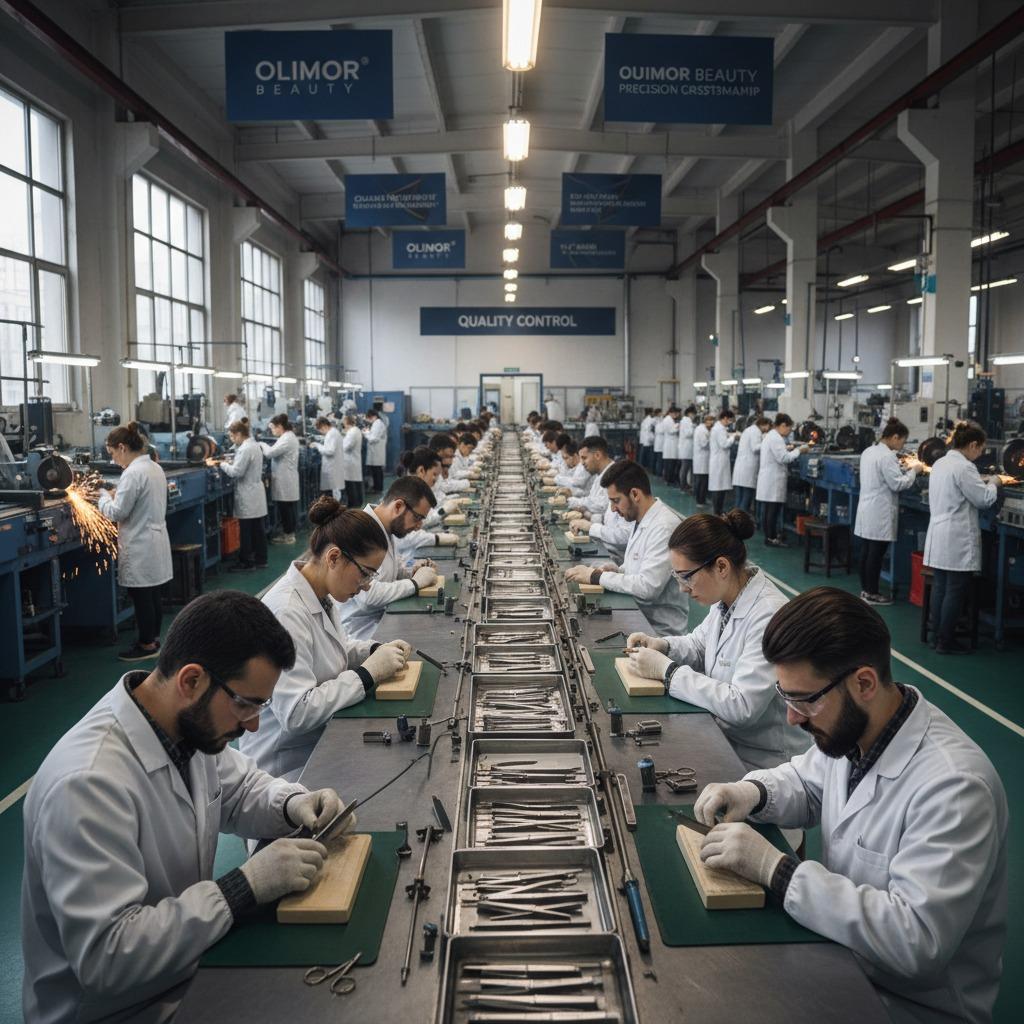
A reliable nail clipper supplier should help you verify product consistency, not just send a price list. Look for clear communication about materials, available packaging, sample preparation, production lead time, inspection points and shipping documents. You do not need to request sensitive factory information at the first contact, but you should expect practical answers to practical questions.
Useful supplier evaluation questions include:
- Can the supplier provide clear product photos, dimensions and available packaging options?
- Can samples be checked before bulk production or before confirming a repeat order?
- How are cutting performance, surface finish, hinge alignment and lever movement inspected?
- What packaging methods are available to protect the cutting edge during transport?
- Can cartons be labeled in a way that helps warehouse receiving and inventory management?
- Which export documents can be prepared for the destination market?
- How are defects, shortages or packaging problems handled after delivery?
When evaluating Olimor Beauty or any other beauty-tool source, keep records of communication, approved samples, product photos and packaging decisions. These records help reduce confusion when you reorder or expand into related grooming items.
Build Quality Control Around Real Customer Complaints
Quality control should focus on the problems customers actually notice. For nail clippers, those problems are usually dull blades, jagged cutting, misaligned jaws, a loose lever, rough edges, visible rust, scratched finish or packaging that arrives crushed. A practical inspection plan should check function and appearance, not just count pieces.
For a first order, consider checking samples from different cartons instead of only inspecting the top layer. Open and close the lever repeatedly. Test the cutting edge on an appropriate sample material. Check whether the jaw tips meet evenly. Look for burrs near the handle and around the nail catcher if the design includes one. Confirm that retail packaging matches the approved sample, including barcode placement, artwork position and language requirements if applicable.
If the clipper includes an integrated nail catcher, pay attention to fit and cleaning. The catcher should not rattle excessively, block normal cutting or make the tool difficult to wipe. If the product is intended for travel or compact grooming kits, confirm that the 70 mm size, 30 g weight or any selected compact specification works with the rest of the kit packaging.
Plan Packaging, Compliance and Shipping Early
Packaging is not an afterthought for sharp grooming tools. A nail clipper can scratch other items, puncture weak packaging or shift inside a carton during shipping. Retail buyers also judge perceived quality by how neatly the product is presented. Decide whether you need protective sleeves, blister cards, boxes or bulk packing before comparing final quotations.
Importers should also review destination-market rules. Requirements can vary by country and sales channel, especially for labeling, retail packaging claims, barcode use, recycling marks and customs classification. Avoid making unsupported claims on packaging. If you want to describe stainless steel, rust resistance, salon use or ergonomic design, make sure the wording reflects the agreed product and available documentation.
Shipping decisions depend on order size, delivery urgency and budget. Air freight can help with urgent replenishment or sample-stage launches, while sea freight is usually considered for larger repeat orders. For either method, confirm carton dimensions, gross weight, packing list details and consignee information before shipment. Accurate paperwork reduces customs delays and warehouse receiving issues.
When to Send an Inquiry to Olimor Beauty
You are ready to contact a supplier when you know your target customer, expected quantity range, preferred packaging, destination market and any special product details. You do not need every answer in advance, but the more specific your inquiry is, the more useful the response will be. If you are comparing nail clippers with other grooming accessories, include the full assortment plan so the supplier can help check packing and shipment efficiency.
To discuss sourcing options, you can send an inquiry with product requirements, packaging expectations and destination details. If you need help narrowing down the right beauty-tool category for your market, you can also contact Olimor for product communication. A clear inquiry should include size preference, material expectation, packaging style, target sales channel and whether samples are needed before bulk ordering.
A Practical Import Checklist
Use this short checklist before confirming a nail clipper order from China:
- Confirm the exact product size, weight, finish and functional features.
- Approve a sample or product reference before bulk production.
- Review cutting performance, jaw alignment, hinge movement and surface finish.
- Choose packaging that protects the tool and supports the sales channel.
- Calculate landed cost, not only the quoted unit price.
- Prepare inspection criteria for appearance, function and packaging.
- Confirm carton labels, packing list details and shipping documents.
- Keep written records for repeat orders and future product updates.
Importing nail clippers from China works best when buyers combine clear specifications with realistic quality control and early logistics planning. A small grooming tool can become a dependable retail item when the blade, handle, packaging and supply process are all treated as part of the same purchasing decision.