












How to Import Nail Clippers from China: A Practical Guide for Beauty Tool Buyers
Importing nail clippers from China can be a strong sourcing option for beauty retailers, grooming brands, wholesalers, promotional product buyers and private-label distributors. China has a mature personal care tool supply chain, with factories, component suppliers, polishing workshops, packaging vendors and export logistics providers located close to one another. That ecosystem can help buyers access competitive pricing, flexible product choices and scalable production.
At the same time, a nail clipper is a small product with very visible quality requirements. A low price is not enough if the cutting edge feels rough, the lever bends, the plating stains, the spring action is inconsistent or the packaging arrives damaged. A successful import plan should define the target user, product structure, material expectations, inspection points, packaging needs and shipping method before an order is placed.
This guide explains how to evaluate nail clipper export from China with a buyer-focused checklist. It also uses the example of a compact stainless steel nail clipper described as 91 mm long, 16 mm wide and 48 grams, which is the kind of portable grooming tool buyers may consider for retail, travel kits, salon resale or personal care sets.
Why China Is a Major Source for Nail Clippers
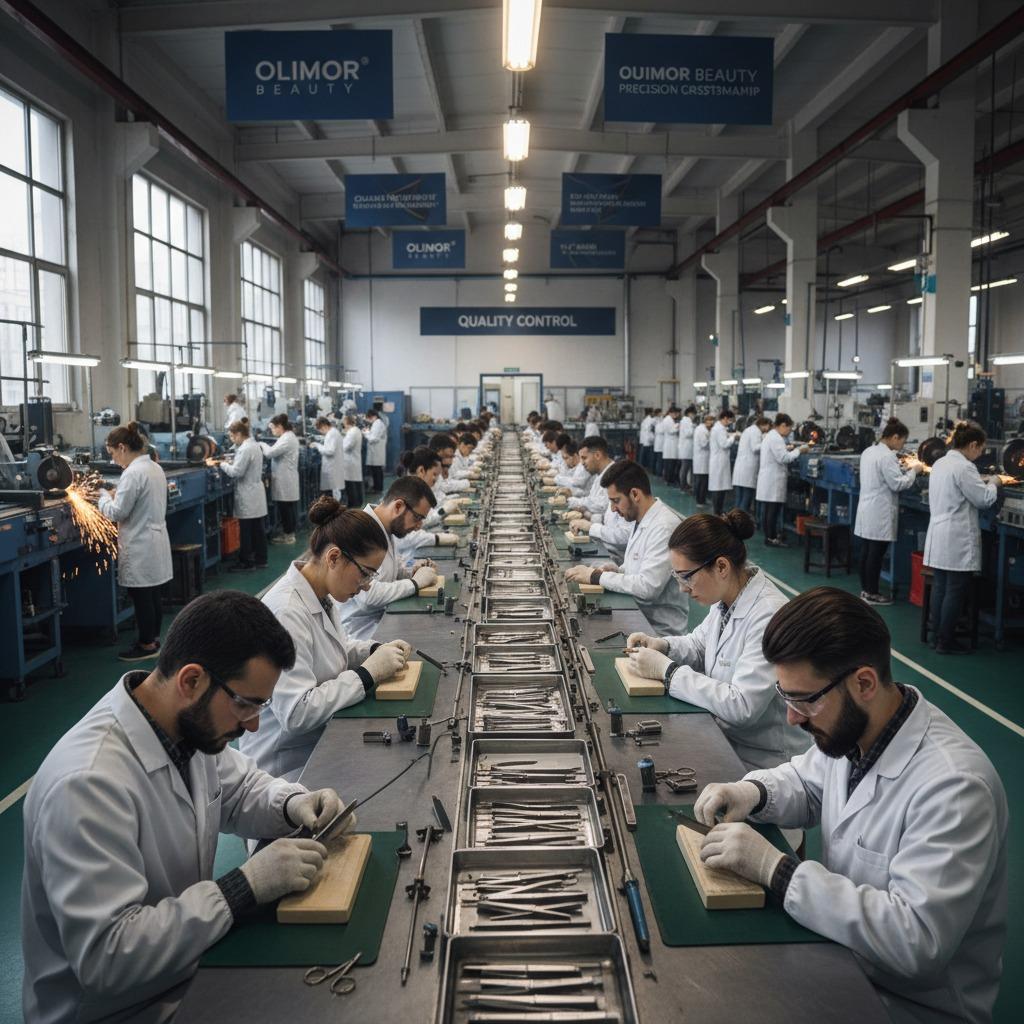
China is widely used as a sourcing base for personal grooming tools because production is supported by specialized processes: steel forming, edge grinding, heat treatment, polishing, surface finishing, assembly and retail packaging. For importers, that can make it easier to compare multiple product options and coordinate accessories, cartons or branded packaging in one sourcing region.

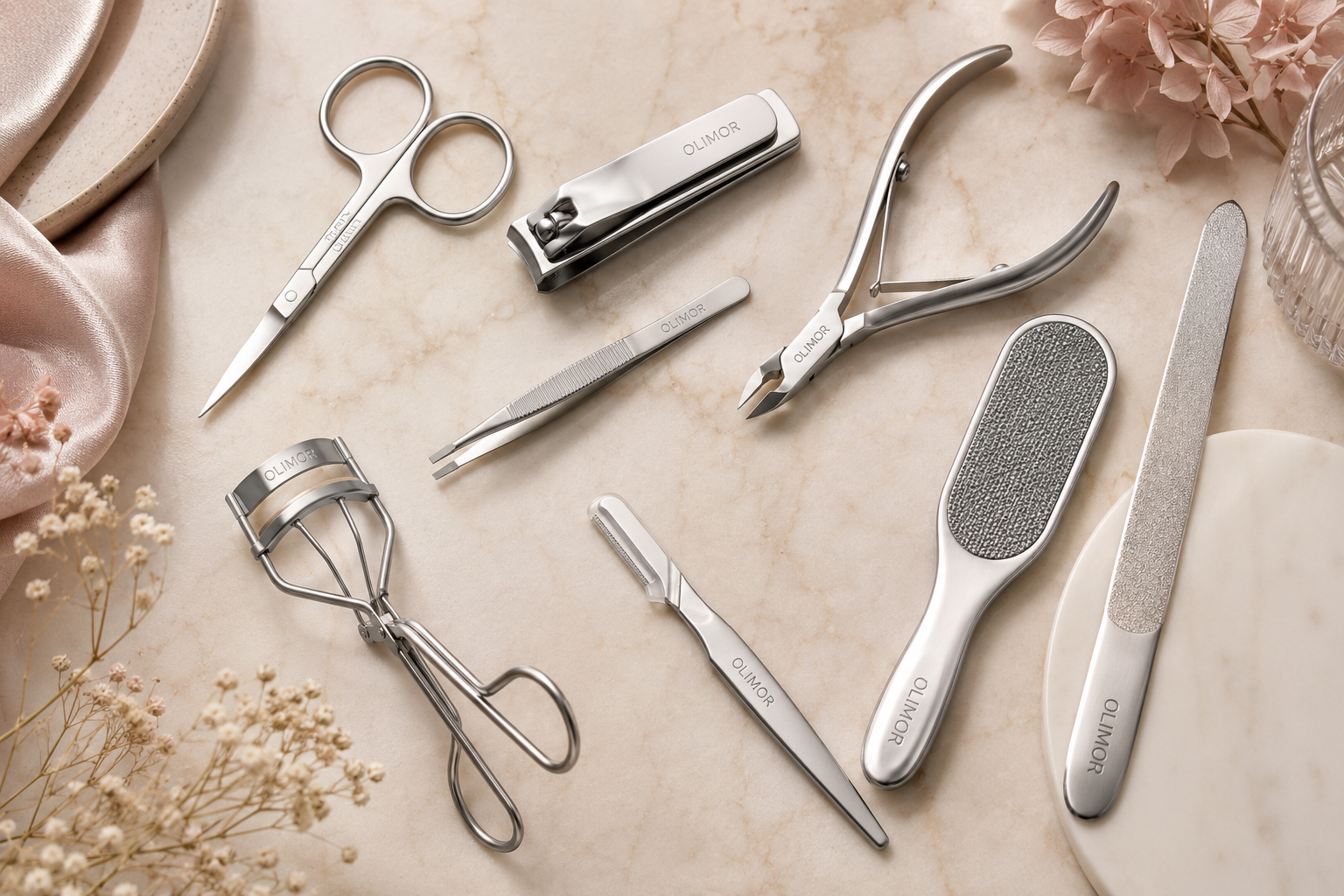
For beauty tool buyers, the main advantages are usually product variety and supply chain efficiency. A buyer can source simple economy clippers, heavier stainless steel designs, wide-jaw clippers, toenail clippers, travel-size options or clippers for grooming kits. The same buyer may also compare matching tools across beauty tool products to build a more complete retail range.
However, China sourcing should not be treated as automatically low-risk. The importer still needs to confirm whether the product matches the destination market’s requirements, whether the factory understands packaging and labeling expectations, and whether the production sample truly represents mass production. The best results come from clear specifications and disciplined quality checks.
Define the Nail Clipper You Want Before Comparing Prices
Many import problems start with a vague request such as “send your best nail clipper price.” Suppliers may quote different sizes, steel types, finishes, thicknesses, levers and packaging methods, making the prices impossible to compare. A better approach is to create a short product brief before asking for quotations.
For a compact stainless steel nail clipper, the product brief may include overall length, width, weight, target use, surface finish, cutting curve, lever feel and packaging format. If you are evaluating a 91 mm, 48 gram clipper, for example, consider whether that size fits your intended market. It may suit travel grooming, retail impulse displays, personal care sets or salon resale, but a buyer serving podiatry-adjacent grooming needs may require a different jaw shape or heavier structure.
- Target user: general consumers, travel users, salons, men’s grooming, gift sets or private-label beauty kits.
- Size and handling: confirm whether the length, width and weight feel comfortable for the intended customer.
- Material expectation: stainless steel is common, but the buyer should define the required appearance, corrosion resistance expectations and finish consistency.
- Cutting performance: check sharpness, alignment, edge smoothness and whether the clipper cuts cleanly without splitting the nail.
- Packaging: bulk pack, individual polybag, carded packaging, box packaging or inclusion in a grooming kit.
- Branding: logo position, printing method, packaging artwork and barcode or label requirements.
This level of definition helps suppliers quote more accurately and reduces the risk of approving one product while receiving another. It also makes it easier to compare options from product collections if you are building a coordinated beauty tool line.
Supplier Selection: What to Check Beyond the Unit Price
When choosing a nail clipper supplier in China, the lowest quote should not be the only deciding factor. Nail clippers appear simple, but small differences in tooling, steel processing, polishing and assembly can affect customer reviews and repeat orders. A dependable supplier should be able to discuss the product in concrete terms rather than only sending catalog photos.
Review whether the supplier can provide clear product dimensions, sample options, packaging details and production communication. A buyer should also check whether the supplier has experience with export packing, carton labeling and documentation. For private label orders, communication about artwork and logo placement is especially important because a small logo error can affect the entire shipment.
| Buyer Checkpoint | Why It Matters | What to Confirm |
|---|---|---|
| Sample consistency | A perfect sample is only useful if mass production follows it. | Keep an approved sample and compare production pieces against it. |
| Cutting edge quality | The user immediately notices pulling, cracking or rough cutting. | Test on nail-like material and inspect edge alignment visually. |
| Surface finish | Scratches, stains or uneven polishing reduce retail appeal. | Define acceptable cosmetic limits before production. |
| Lever strength | A weak lever makes the tool feel cheap and may bend during use. | Check action, resistance and return feel across multiple samples. |
| Packaging durability | Small metal tools can damage weak retail packaging in transit. | Confirm inner packing, carton strength and master carton layout. |
For buyers comparing suppliers, it is useful to separate “catalog supplier” capability from “production control” capability. A catalog may look broad, but the important question is whether the supplier can maintain tolerances, finish and packaging quality across the order quantity you plan to import.
Quality Control Points for Nail Clippers
A nail clipper inspection should combine appearance checks, function checks and packing checks. Because nail clippers are handled directly by consumers, surface defects and poor cutting performance can quickly lead to complaints. The inspection plan does not need to be complicated, but it should be specific.
- Check dimensions and weight: verify that the production item matches the approved sample, including length, width and general hand feel.
- Inspect cutting alignment: the upper and lower cutting edges should meet evenly. Misalignment may cause tearing instead of a clean cut.
- Test sharpness safely: use a consistent test material and compare results across different cartons, not just one tray.
- Review surface finish: look for scratches, discoloration, burrs, rough edges or residue from polishing.
- Check lever operation: open and close the lever repeatedly to confirm smooth movement and stable pressure.
- Inspect packaging: confirm logo placement, artwork, barcode, language, sealing and carton marks.
If the clipper is sold as stainless steel, the buyer should also define what visual and practical expectations are important for the sales channel. For example, a premium retail buyer may care about a more refined polish and consistent finish, while a kit assembler may focus on safe edges, compact size and reliable cutting. Do not rely only on a product photo; request real samples and evaluate several pieces.
Packaging, Labeling and Compliance Planning
Packaging is often where import projects become more complicated than expected. A nail clipper may be sold in a simple pouch, blister card, folding carton, gift box or grooming kit. Each choice affects cost, shipping volume, shelf presentation and inspection requirements.
Retail packaging should protect the product from scratching while also communicating the product clearly. If the product is sold in a market with specific language, labeling or consumer information requirements, the buyer should prepare artwork and label content carefully. The same applies to barcodes, recycling marks, country-of-origin labeling and any warnings that may be required by the destination market or sales platform.
For online sales, packaging must also survive parcel handling. A clipper that looks good in a showroom can still damage its box if the inner support is weak. For wholesale or salon channels, buyers may choose simpler packaging, but carton organization and item identification still matter. Poor carton labeling can slow receiving, warehousing and distribution.
Shipping and Import Cost Considerations
Nail clippers are compact, which can make them efficient to ship compared with larger beauty tools. Still, landed cost is more than the unit price. Importers should calculate product cost, packaging cost, inspection cost, inland transport, international freight, duties, customs clearance, warehousing and any rework risk.
Small trial orders may move by air or express courier, especially when a buyer is validating market response or preparing samples for a sales team. Larger orders are often planned by sea freight or consolidated shipment, depending on timing and carton volume. The right method depends on delivery deadline, order quantity, packaging size and the buyer’s cash flow.
Because tariffs and import rules can change, buyers should classify the product correctly and confirm current duty treatment before ordering. This is especially important when the nail clipper is part of a kit, because the classification and documentation may differ from a standalone grooming tool. A freight forwarder or customs broker can help interpret the destination market’s requirements.
How Olimor Beauty Supports Better Sourcing Decisions
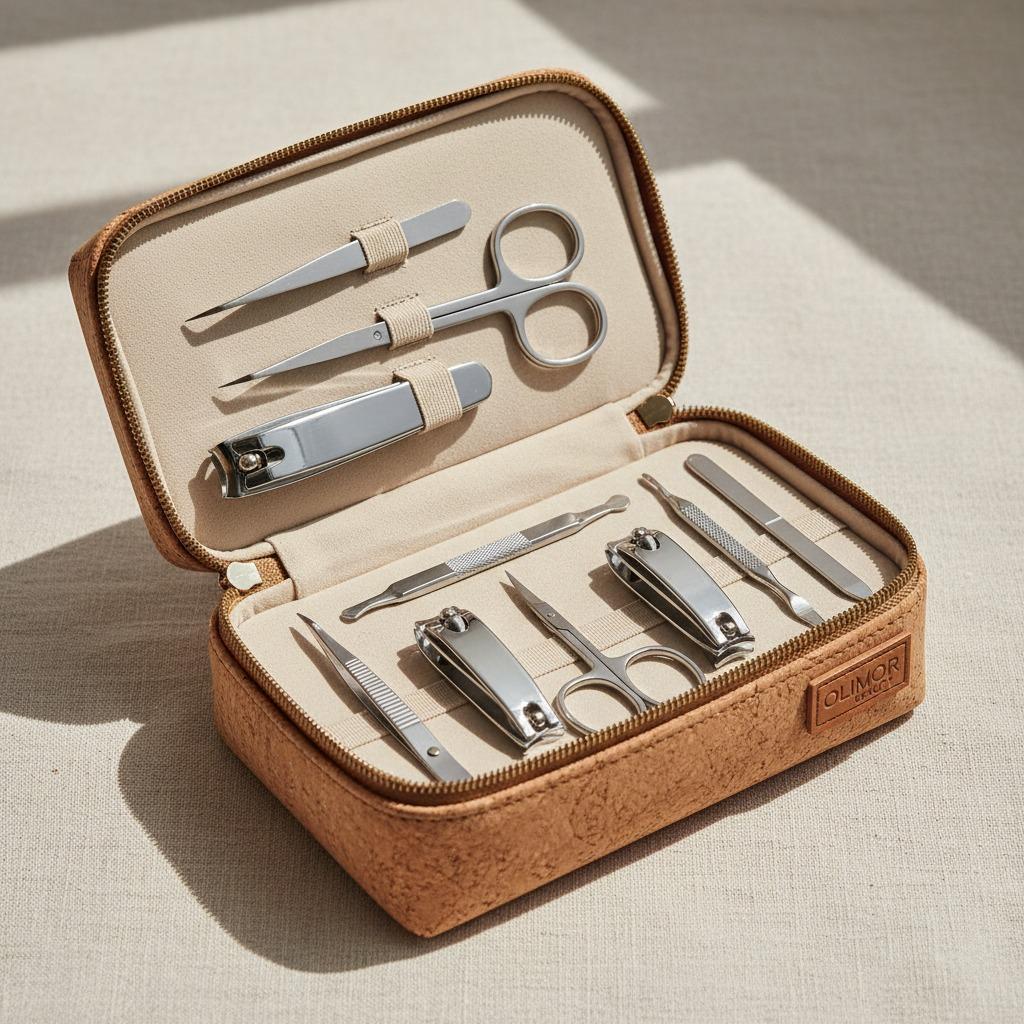
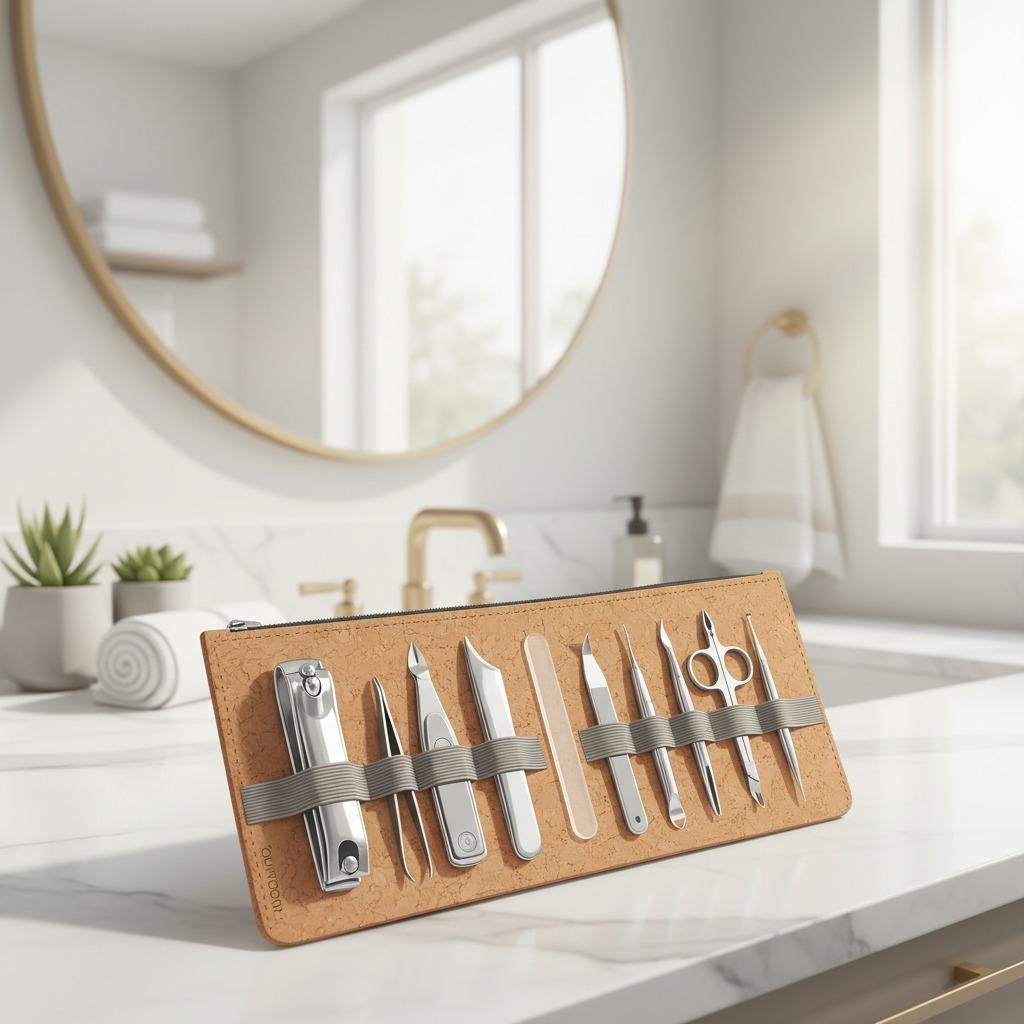
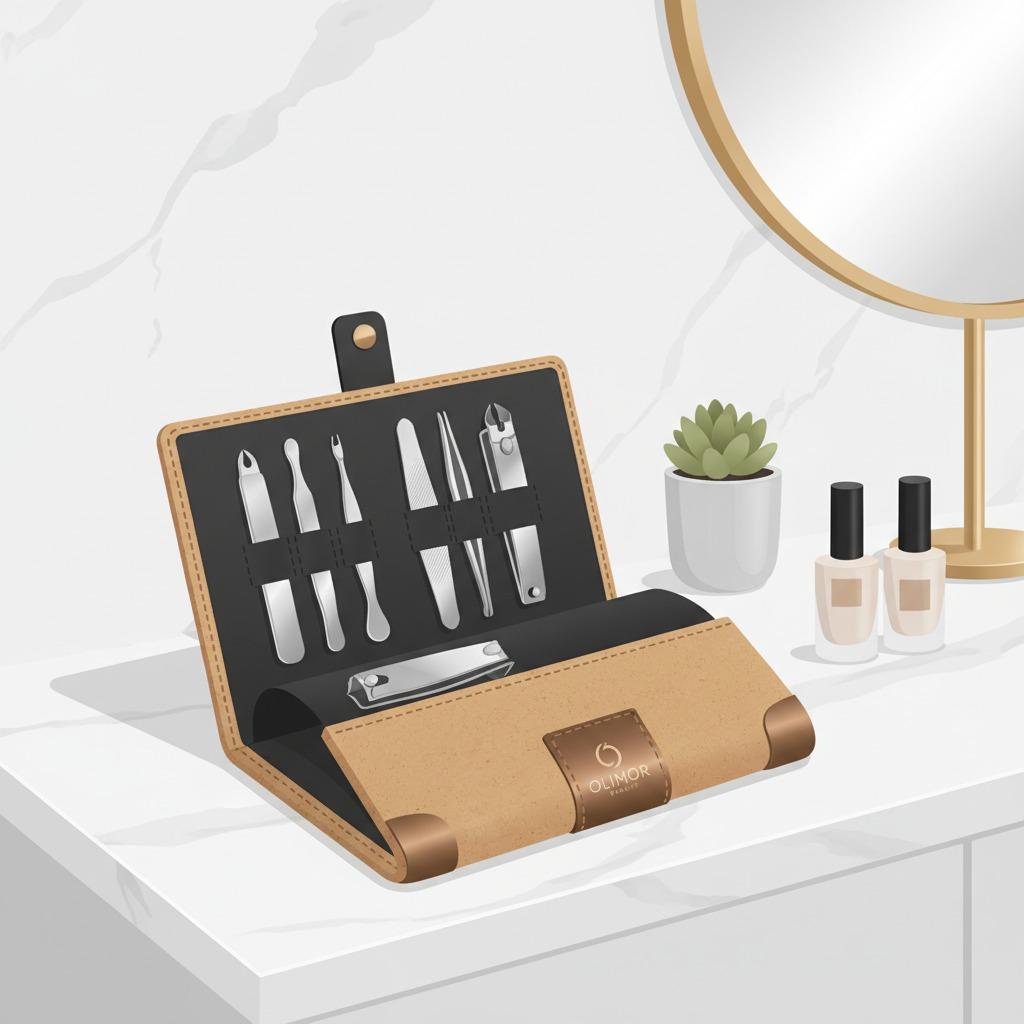
Olimor Beauty focuses on beauty and grooming tools, including stainless steel nail clipper options for buyers who need practical products for retail, wholesale or kit assembly. When evaluating any grooming tool, the goal should be to match the product to the channel rather than simply selecting the cheapest available item.
If you are building a nail care range, compare clipper size, finish, packaging and target price alongside related products. A compact 91 mm stainless steel clipper weighing 48 grams may be suitable for portable grooming and everyday consumer use, while other sales channels may call for different dimensions or packaging. The strongest sourcing decision is the one that balances user comfort, retail presentation, production consistency and landed cost.
Buyers who already have specifications can send an inquiry with dimensions, packaging needs and target market details. If you are still comparing product direction, you can also contact Olimor to discuss suitable beauty tool sourcing options without committing to a final specification too early.
Final Import Checklist for Nail Clippers from China
Before confirming an order, review the project from the customer’s point of view and the importer’s point of view. The customer wants a clean cut, comfortable handling and a product that looks trustworthy. The importer needs stable production, correct documentation, safe packaging and predictable landed cost.
- Approve a physical sample before mass production.
- Define acceptable limits for scratches, burrs, stains and finish variation.
- Confirm cutting performance and lever feel across multiple sample pieces.
- Prepare packaging artwork, barcode and labeling requirements early.
- Calculate landed cost instead of comparing only factory unit prices.
- Plan inspection before shipment, especially for first orders.
- Keep a retained approved sample for future production comparison.
Importing nail clippers from China can be cost-effective and commercially practical when the process is managed with clear specifications and quality expectations. By focusing on product fit, supplier capability, inspection planning and packaging details, buyers can reduce avoidable risks and source nail clippers that meet real market needs.