How to Choose an Eyebrow Razor for Precise, Comfortable Brow Grooming

Choosing an eyebrow razor is not only about picking the sharpest blade. The right tool should match the area you want to groom, the level of detail you need, your hand control, and the way the blade feels against the skin. A well-chosen eyebrow razor can help clean stray hairs around the brow line, refine the tail of the brow, tidy the upper lip or sideburn area, and support quick maintenance between salon appointments.
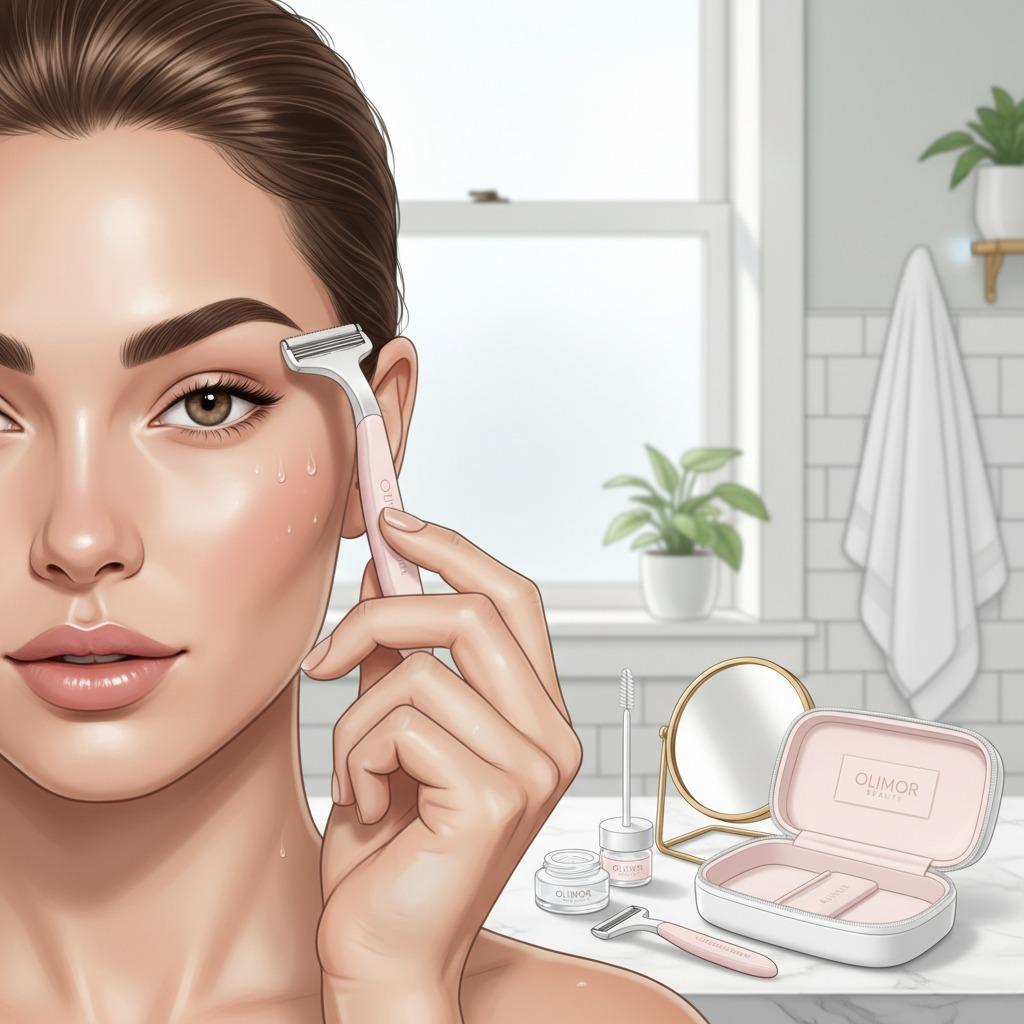
For buyers comparing beauty tool products, the main decision usually comes down to shape, blade quality, handle comfort, hygiene, and intended use. Olimor Beauty offers eyebrow razors designed for practical grooming, including options such as L-shape and T-shape designs. The supplied product image shows a pastel pink handle and stainless steel blade construction, two details that matter for both visual appeal and everyday performance.
Start With the Grooming Area You Need to Control
Before comparing razor styles, define exactly where the tool will be used. Brow grooming requires different control than wider facial hair removal. The skin around the brow arch is small and curved, while areas such as the forehead, cheeks, upper lip, or sideburns often need broader, smoother strokes.
If your main goal is detailed brow shaping, look for a razor that lets you see the blade edge clearly as you work. This makes it easier to remove a few hairs at a time without changing the brow outline too much. If your goal is quick facial touch-ups, a wider head may be more efficient because it covers more surface area with fewer passes.
- For brow arches: choose a shape that supports short, careful movements.
- For the space between brows: prioritize visibility and a narrow working edge.
- For upper lip or sideburns: consider a broader head for faster coverage.
- For beginners: select a design that feels stable in the hand rather than overly aggressive.
L-Shape Eyebrow Razors: Best for Detail and Brow Line Definition
An L-shape eyebrow razor is useful when the priority is precision. Its angled design helps the hand approach the brow from a controlled position, which can be helpful around the arch, the tail, and the underside of the brow. These are areas where removing too much hair can quickly change the expression of the face, so a tool that encourages small movements is valuable.
When evaluating an L-shape eyebrow razor, check how easily you can hold the handle while keeping the blade visible. A comfortable handle can reduce wrist strain and help you make steady strokes. The original Olimor Beauty article highlights stainless steel blades, which are commonly chosen for eyebrow razors because they can provide a clean cutting edge when manufactured and maintained properly.
An L-shape razor is a good match for users who already have a preferred brow shape and only need maintenance. It can also help beauty professionals or resellers who want a simple tool for clients interested in at-home brow upkeep. However, beginners should move slowly and avoid trying to create a new brow shape in one session. It is safer to remove a small amount, check symmetry, and then continue if needed.
T-Shape Eyebrow Razors: Better for Broader Facial Grooming
A T-shape eyebrow razor is often better when the task involves larger surface areas. The wider blade head can make it easier to groom the forehead, sideburns, or other facial areas where a narrow detail razor would take too long. It is also useful for quick touch-ups when the user wants a simple, even result rather than highly detailed brow sculpting.
The trade-off is that a wider head may not feel as precise near the brow tail or lower arch. If a buyer wants one tool only for eyebrow detailing, an L-shape design may be more appropriate. If the tool will be used for both brows and wider facial grooming, a T-shape design can be a practical addition to a beauty kit.
| Razor type | Best use | Buyer consideration |
|---|---|---|
| L-shape eyebrow razor | Detailed brow shaping, arch cleanup, small areas | Choose for control and visibility around curved brow lines |
| T-shape eyebrow razor | Forehead, sideburns, broader facial touch-ups | Choose for speed and coverage on larger areas |
| Combination purchase | Retail sets, salon use, varied grooming needs | Useful when customers want both precision and coverage |
Blade, Handle, and Safety Details Worth Checking
The blade is the working part of the eyebrow razor, but the handle and overall balance influence the result just as much. A blade that feels too exposed may make the user hesitant, while a handle that is too slippery can reduce control. The pictured Olimor Beauty eyebrow razor uses a pastel pink handle and stainless steel blade, giving buyers a simple visual cue for product positioning and material choice without relying on complicated claims.
When comparing eyebrow razors for personal use, retail, or wholesale sourcing, use a practical checklist. The goal is not to find the most decorative product, but the one that performs consistently and feels comfortable for the intended user.
- Blade edge: look for a clean, even edge that removes fine hair without repeated scraping.
- Blade protection: check whether the blade design helps reduce accidental contact when stored or handled.
- Handle grip: choose a handle that is easy to hold with dry hands and stable during short strokes.
- Head shape: match L-shape or T-shape to the main grooming area.
- Portability: compact tools are easier to keep in a travel pouch, salon drawer, or retail beauty kit.
- Packaging suitability: for retail buyers, consider whether the packaging communicates shape, use, and care clearly.
How to Use an Eyebrow Razor With Better Control
Even a well-made eyebrow razor can give uneven results if it is used too quickly. Start with clean, dry skin and brush brow hairs into place so the natural shape is visible. Work in good lighting and avoid stretching the skin aggressively. The best technique is usually a series of short, gentle strokes in the direction that gives you the most control.
For brow cleanup, begin outside the main brow shape rather than directly on the line you want to keep. Remove only the most obvious stray hairs first. Step back from the mirror and compare both brows before continuing. For wider areas such as sideburns or the forehead, keep the blade angle consistent and avoid going over the same patch repeatedly.
Users with sensitive or reactive skin should be especially cautious. Do not use an eyebrow razor over irritated skin, active breakouts, cuts, or recently treated areas. After grooming, wipe away loose hairs and apply a simple, non-irritating skin care step if desired. Avoid heavy exfoliation immediately before or after shaving the brow area.
Maintenance, Hygiene, and Replacement Habits
Hygiene is an important part of eyebrow razor performance. Fine facial hair, skin oils, and cosmetic residue can collect near the blade. After use, remove visible debris carefully and keep the razor dry before storage. Moisture and residue can shorten the useful life of many grooming tools, so storage matters as much as use.
Do not share eyebrow razors between users. In a salon or retail demonstration environment, single-user hygiene rules are especially important. If the blade begins to pull, drag, feel rough, or require repeated passes, it is time to replace the tool. A dull blade can increase friction and reduce the clean finish buyers expect from a brow grooming product.
Sourcing Eyebrow Razors for Retail, Salon, or Promotional Use
For business buyers, the best eyebrow razor choice depends on the customer segment. A beauty retailer may prefer compact, visually appealing razors that are easy to display. A salon may prioritize stable handling and reliable grooming performance. A promotional buyer may need a design that is simple, recognizable, and suitable for a broader audience.
When reviewing options from Olimor Beauty, compare the intended use case with product shape and presentation. You can browse related product collections to see how eyebrow razors fit with other grooming tools, or send an inquiry if you need to discuss sourcing details for a planned order. Keep your questions focused on practical points such as available shapes, packaging options, material information, and lead-time considerations rather than relying only on appearance.
If you are building a small beauty tool assortment, offering both L-shape and T-shape eyebrow razors can make sense because they solve different grooming problems. Customers who want detailed brow shaping may choose the L-shape, while customers who want broader facial grooming may prefer the T-shape. Clear product education can reduce returns and help users select the right tool the first time.
The Best Choice Depends on Precision, Coverage, and User Confidence
The right eyebrow razor is the one that matches the user’s grooming goal. Choose an L-shape eyebrow razor for precise brow line work, controlled arch cleanup, and small areas. Choose a T-shape eyebrow razor for broader grooming around the forehead, sideburns, or similar facial zones. Pay close attention to blade quality, handle comfort, storage, and hygiene habits, because these details influence both safety and results.
Olimor Beauty’s eyebrow razor options are designed for practical brow and facial grooming, with details such as stainless steel blades and a pastel pink handle shown in the product image. For buyers comparing beauty tools for retail, salon, or personal care use, the strongest choice is not always the most complex design. It is the razor that gives the intended user enough control to groom carefully, comfortably, and consistently.
Tag: