How Often to Change Eyelash Curler Refill Pads
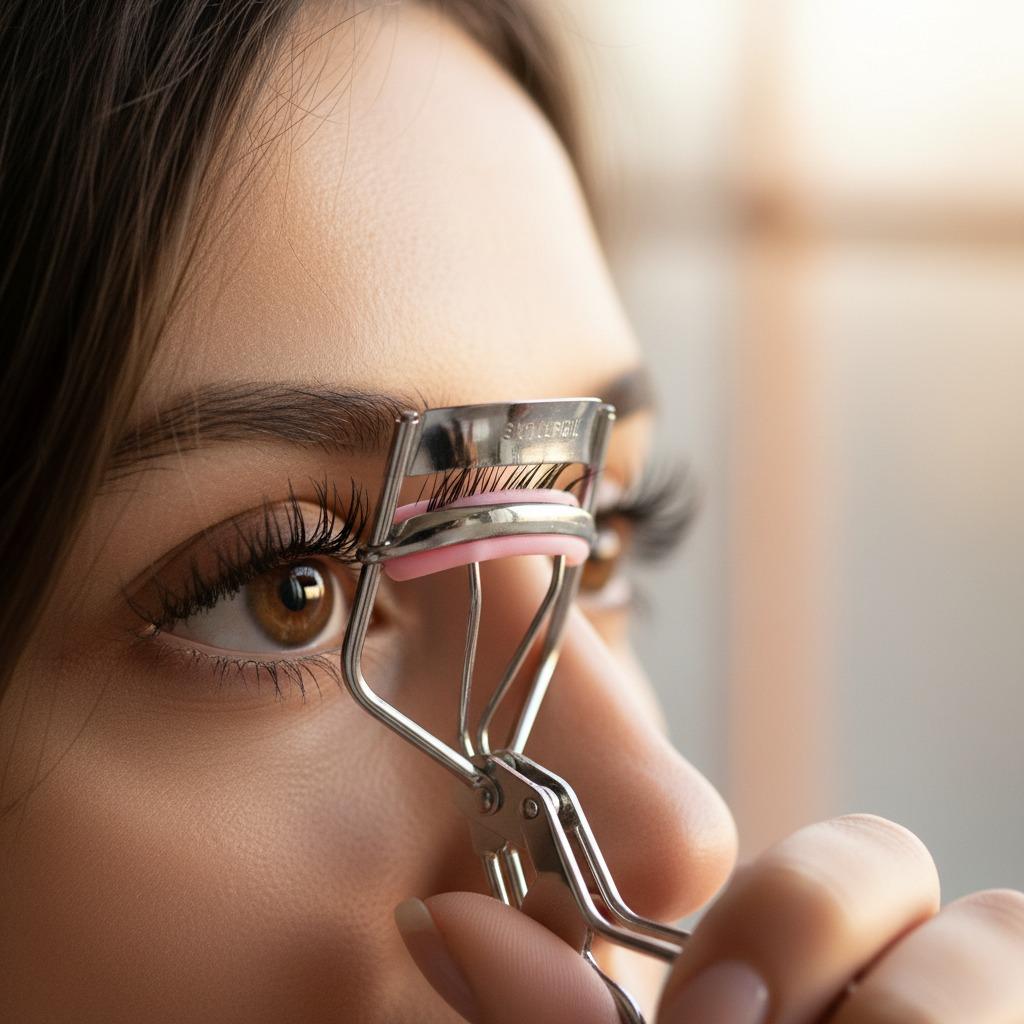
Eyelash curler refill pads should usually be replaced every 3 to 6 months for regular personal use, and sooner when the pad becomes grooved, flat, cracked, sticky, loose, or uneven. The calendar is only a starting point. The safest and most practical rule is to inspect the silicone pad often and replace it as soon as it no longer cushions the lashes smoothly.
The refill pad is a small part of the tool, but it has a large effect on comfort, curl shape, and customer satisfaction. It is the surface that receives pressure from the curler bar, supports the lashes, and helps prevent sharp bends. A fresh, resilient pad can create a smoother lift with less force. A worn pad can leave lashes looking crimped, make the tool feel uncomfortable, or cause the user to squeeze harder than necessary.
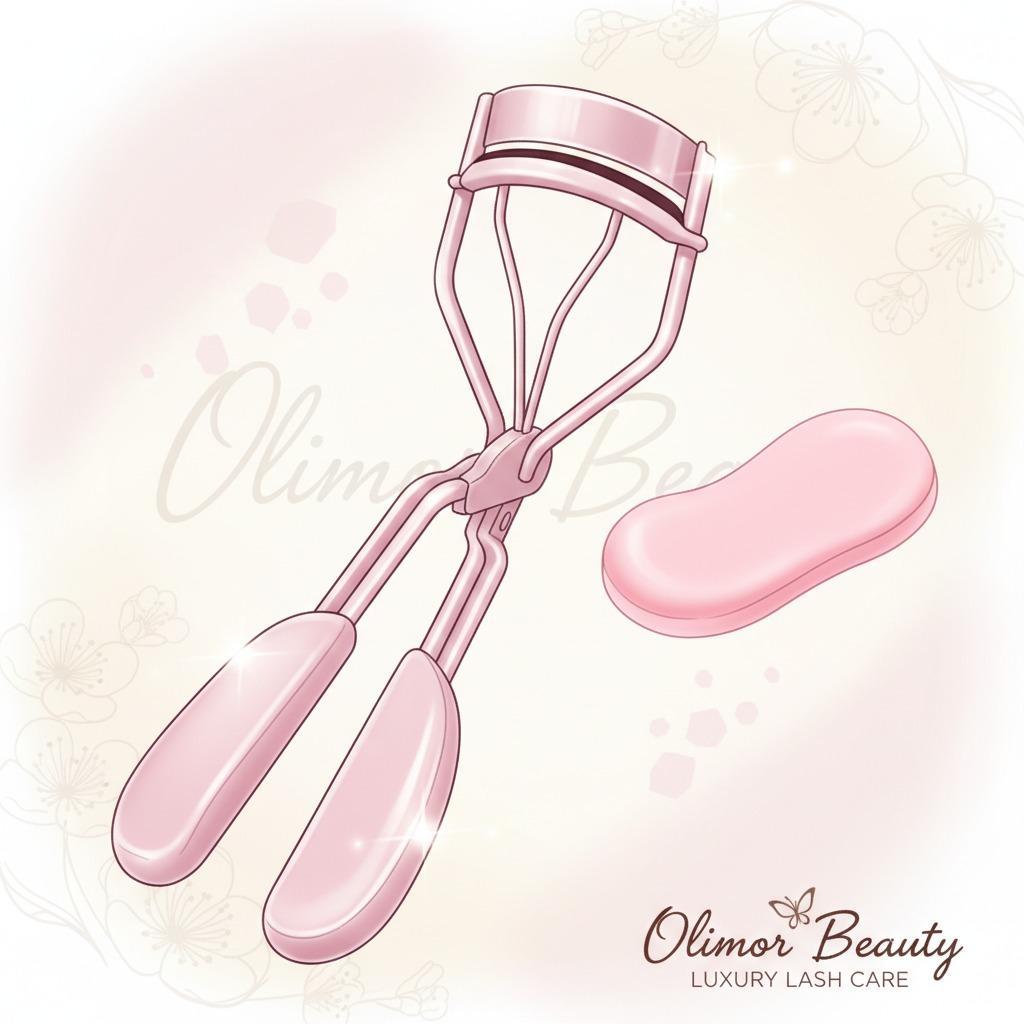
Olimor Beauty’s eyelash curler is described with a delicate pink finish and soft silicone padding, designed for precision and comfort. For individual users, that means the pad should feel clean, springy, and secure before use. For retailers, distributors, and private-label buyers, pad quality and replacement planning are also part of product performance after the first sale.
The Simple Replacement Rule: 3 to 6 Months, Then Inspect
For regular personal use, plan to change eyelash curler refill pads every 3 to 6 months. Daily users often need replacement closer to the 3-month point. Occasional users may reach the longer end of the range if the pad remains smooth, flexible, and firmly seated in the tool.
This range is practical because eyelash curlers work by pressing lashes against a cushioned surface. Over time, repeated pressure creates a groove in the pad. Once that groove becomes deep, the tool no longer distributes force evenly. Instead of a rounded curl, the user may see a hard crease at the lash base or uneven results across the eye.
Do not rely on time alone. A pad used heavily with mascara residue may wear faster than a pad used only on clean, dry lashes. A pad that looks damaged after a short period should be replaced immediately. Likewise, a pad that has been stored poorly in a hot makeup bag or exposed to cosmetic buildup may lose its clean surface and springy feel before the expected date.
Signs an Eyelash Curler Pad Needs Replacing
Condition is more important than the age of the pad. Before using the curler, look at the pad from above and from the side. Then gently press it with a clean fingertip. A usable silicone pad should look even, feel slightly resilient, and remain securely placed in the curler channel.
- Deep groove: A visible line where the upper bar presses means the pad is losing its cushioning function.
- Flat surface: A pad that no longer rebounds can create a sharp bend instead of a soft curl.
- Cracks or splits: Small cuts can catch lashes and make curling less comfortable.
- Sticky residue: Mascara, oil, adhesive, or skincare residue can pull at lashes and collect debris.
- Uneven height: If one side of the pad sits higher or lower, pressure may not be balanced.
- Loose fit: A refill pad that shifts in the channel should not be used near the eye.
- Inconsistent curl: If the tool suddenly produces a crimp or weak curl, the pad may be worn or misaligned.
- More squeezing required: Needing extra force is a sign that the pad or tool should be inspected.
If any of these signs appear, replace the pad before the next use. Cleaning can remove surface residue, but it cannot restore a split, flattened, or permanently grooved pad.
Why Pad Condition Affects Curl Shape and Lash Care
A good curl comes from controlled pressure, not excessive force. The silicone pad acts as the soft contact surface between the curler and the lashes. When the pad is fresh, it helps the tool apply pressure more evenly along the lash line. When the pad is worn, the upper bar may press into a hard groove, increasing the chance of a crimped appearance.
Lashes can be stressed by repeated friction, old mascara, aggressive squeezing, or tools that are not maintained. Curling clean, dry lashes before mascara is usually the better habit because mascara can stiffen lashes and transfer residue to the pad. If mascara is used before curling, the pad may become sticky faster and require earlier replacement.
Shared-use environments require stricter habits. Makeup artists, beauty counters, salons, and training kits should inspect and clean tools between users and replace pads whenever wear appears. A shared curler is exposed to more cosmetic residue and handling than a personal tool, so a calendar-only replacement schedule is not enough.
Replacement Timing by Usage Pattern
The right replacement interval depends on frequency, pressure, cleaning habits, cosmetic products, and storage. Use the table below as a condition-based guide rather than a fixed rule.
| Usage pattern | Inspection routine | Replacement guidance | Main risk to watch |
|---|---|---|---|
| Occasional personal use | Check before each use and clean visible residue | Often near 6 months if the pad stays smooth and springy | Forgotten age, dust, storage damage |
| Several times per week | Inspect weekly, especially the pressure line | Usually within the 3 to 6 month range | Gradual groove formation |
| Daily personal use | Inspect weekly and replace at the first sign of flattening | Often closer to 3 months | Loss of rebound and uneven curl |
| Use with mascara or lash products | Wipe after every use and check for stickiness | Sooner if residue does not clean off easily | Pulling, buildup, and tacky surface |
| Professional or shared kit | Clean and inspect between users | Replace whenever wear, residue, or looseness appears | Hygiene, comfort, and inconsistent results |
For retail packaging or user instructions, a clear message such as “replace the pad when worn, damaged, or no longer resilient” is often more useful than relying only on a date range. Buyers should also ask whether replacement pads are available, compatible with the tool, and packed in a way that keeps them clean before use.
How to Clean and Maintain Eyelash Curler Pads
Cleaning helps the refill pad perform throughout its usable life. It does not make the pad permanent, but it reduces residue, improves grip consistency, and makes inspection easier. The goal is to remove product buildup without damaging the silicone pad or leaving moisture trapped in the curler.
- Wipe after use. Use a clean, soft cloth or cotton pad to remove visible residue from the pad and frame.
- Clean residue gently. If makeup is visible, use a gentle method suitable for cosmetic tools. Avoid harsh soaking that may affect the tool or leave moisture in the pad channel.
- Dry fully. Let the curler dry completely before storing it, especially around the refill pad groove and hinge area.
- Store carefully. Keep the curler away from heat, direct sunlight, loose powder, and sharp objects in a makeup bag.
- Check pad seating. Before use, confirm the pad sits straight, flush, and secure in the channel.
- Replace when shape changes. If the pad remains grooved, cracked, sticky, or flat after cleaning, discard it.
Users should avoid curling lashes with heavy mascara buildup on the pad. A sticky pad can pull lashes and create uneven tension. For best results, start with clean, dry lashes, position the curler carefully, press gently, and release without tugging.
How to Replace an Eyelash Curler Refill Pad Correctly
Replacing a refill pad is simple, but it should be done carefully because the pad must sit evenly in the tool. A poorly seated pad can change the pressure point and make the curler feel less stable near the eye.
Step-by-step replacement
- Open the curler and remove the old pad from the channel.
- Wipe the channel to remove dust, mascara, and old residue.
- Check the new pad for smoothness, cracks, uneven edges, or contamination.
- Place the new pad into the channel so it sits straight from end to end.
- Open and close the curler several times away from the eye to confirm the pad does not shift.
- Inspect the contact line. The upper bar should meet the pad evenly.
If the pad is too short, too narrow, loose, or difficult to seat, it may not be compatible with the curler. Do not force a mismatched pad into the tool. Compatibility matters for comfort, appearance, and predictable curling.
Choosing Refill Pads and Curlers for Retail or B2B Sourcing
For B2B buyers, refill pads are not only an accessory. They affect customer reviews, repeat purchases, returns, and the perceived quality of the eyelash curler. A curler may look attractive on shelf, but if the pad wears quickly, fits poorly, or cannot be replaced, the product experience can decline after repeated use.
When comparing eyelash curlers, consider both the main tool and the refill system. Olimor Beauty’s eyelash curler combines a delicate pink finish with soft silicone padding, giving buyers a product direction that balances appearance and comfort. Buyers can review related beauty-tool options through the Olimor beauty tool range or browse broader product collections when planning assortments.
B2B selection checklist
- Pad fit: The refill pad should sit firmly in the channel without sliding during normal opening and closing.
- Pad surface: Inspect for a smooth, even surface from end to end.
- Resilience: The pad should feel softly cushioned and rebound after gentle pressure.
- Tool alignment: The upper bar should meet the pad evenly without obvious offset.
- Handle comfort: The curler should be easy to hold and control near the lash line.
- Finish consistency: Decorative finishes, including colored finishes, should support the intended retail look without interfering with function.
- Replacement planning: Ask whether refill pads can be supplied with the curler or as a separate replenishment item.
- Packaging: Confirm whether packaging protects the pad from dust, deformation, and cosmetic contamination before sale.
- Instructions: Clear cleaning and replacement guidance can reduce misuse and improve customer satisfaction.
- Inspection documents: Request current supplier documents that match the product, market, and order requirements.
Regulatory expectations vary by sales market and product type. For consumer goods, buyers may need to consider requirements from bodies such as the U.S. Consumer Product Safety Commission or the European Union’s General Product Safety Regulation framework. Always verify the current version of applicable rules and request supplier documents for the exact item being purchased. Do not assume a beauty tool has any certification unless the supplier provides valid, product-specific evidence.
Cost Factors: Why Refill Pads Affect Total Product Value
The lowest unit price is not always the lowest total cost. For eyelash curlers, refill pad quality can influence complaints, repeat orders, and brand perception. Buyers should look at the full product experience rather than only the initial tool cost.
Several factors can affect cost and value. Silicone pad quality and consistency influence comfort. Tool alignment affects how evenly pressure is applied. Packaging determines whether the item arrives clean and presentable. Replacement pad availability can extend the usable life of the curler and create a better customer experience. Custom colors, packaging, or assortment requirements may also affect quotation details, but specific pricing depends on the confirmed product specification and order discussion.
When requesting a quote, provide clear information: target market, desired finish, packaging style, whether refill pads are needed, inspection expectations, and any customization requirements. Clear specifications help suppliers respond accurately and reduce avoidable sampling or production misunderstandings.
Common Problems and Practical Fixes
If an eyelash curler suddenly performs poorly, the refill pad is one of the first parts to check. Many issues are caused by wear, residue, or poor seating rather than the user’s technique alone.
- Problem: The curl looks crimped. Check for a deep pad groove or excessive squeezing. Replace the pad and use lighter pressure.
- Problem: Lashes stick to the pad. Clean off mascara, oil, or adhesive residue. Replace the pad if it remains tacky.
- Problem: One side curls more than the other. Confirm the pad is seated evenly and the tool closes symmetrically.
- Problem: The pad slips out. Stop using it near the eye and replace it with a compatible refill pad.
- Problem: Customers ask for replacement timing. Provide a simple instruction: inspect regularly and replace every 3 to 6 months for regular personal use, sooner if worn or damaged.
These small instructions can be included in retail product pages, packaging inserts, or customer service replies. They help users understand that maintenance is part of safe, consistent beauty-tool use.
Supplier Evaluation Questions for Eyelash Curlers and Refill Pads
Before placing a B2B order, ask practical questions that connect directly to product experience. A good supplier conversation should cover fit, finish, packaging, customization, and quality inspection without relying on vague claims.
- Can the curler be supplied with spare refill pads or paired with separate replacement pads?
- How is pad fit checked during inspection?
- What finish and packaging options are available for the intended retail channel?
- Can the supplier provide product photos, samples, or pre-production confirmation before bulk supply?
- What documents can be provided for the exact product and destination market?
- How should customization artwork, color requirements, or packaging files be submitted?
For sourcing discussions, buyers can submit product requirements with details about the eyelash curler style, refill pad needs, packaging plan, and target sales market. For general assistance, contact Olimor Beauty to discuss available options.
FAQ
Can I request samples before ordering eyelash curlers or refill pads?
Sample availability depends on the product, customization request, and current supply arrangement. Buyers should share the intended style, finish, packaging needs, and whether refill pads are required so the supplier can respond with the most relevant option.
Is there a fixed MOQ for customized eyelash curlers?
MOQ can vary by product design, packaging, customization method, and order requirements. Do not assume a standard quantity. Confirm the current MOQ directly with the supplier for the exact eyelash curler and refill pad configuration.
Can the eyelash curler finish or packaging be customized?
Customization may be possible depending on the product and project requirements. Buyers should provide artwork, color direction, packaging format, target market, and any retail display needs for review before quotation or production confirmation.
How should quality be checked before shipment?
Inspection should include pad fit, pad surface condition, curler alignment, opening and closing action, finish appearance, packaging condition, and any agreed order specifications. Buyers should request supplier documents that apply to the exact product and verify current market requirements.
How is lead time confirmed?
Lead time depends on product availability, customization, packaging, order quantity, and production schedule. Confirm timing after the specification, sample requirements, and order details are reviewed rather than relying on a general estimate.
Key Takeaway
Replace eyelash curler refill pads every 3 to 6 months for regular personal use, and sooner if the pad shows a groove, flattening, cracks, stickiness, looseness, or uneven curling. A clean, resilient silicone pad helps the curler apply pressure more smoothly and supports a better curl with less force. For B2B buyers, refill pad fit, replacement availability, inspection, packaging, and clear user instructions are important parts of product value, not minor details.
Tag: