Heat Treatment Nail Clippers: Durability, Precision and Better Blade Longevity
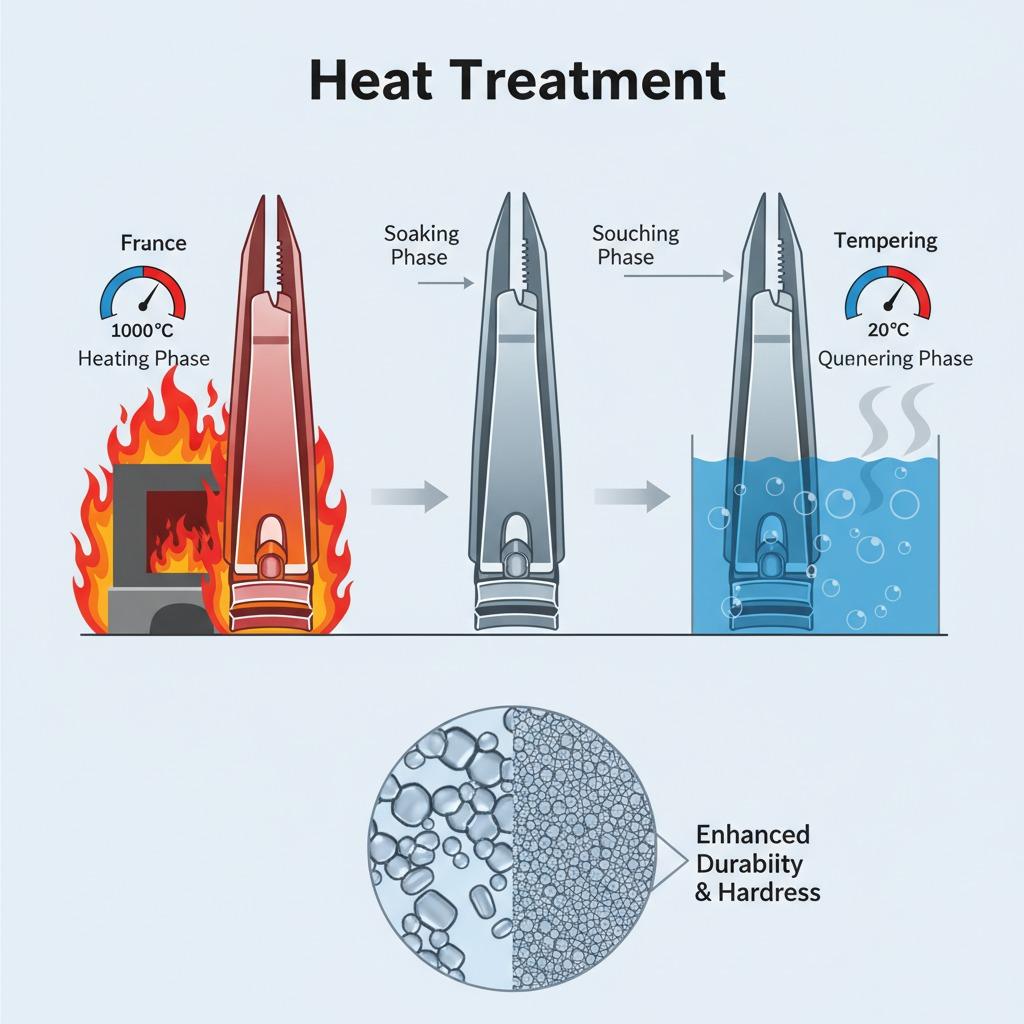
A nail clipper looks simple, but its performance depends on several manufacturing choices: the steel, the cutting edge geometry, the alignment of the jaws, the lever action and the way the metal is hardened. A heat treatment nail clipper is designed to improve the working properties of the blade area so the cutting edge can resist premature dulling, deformation and breakage during normal grooming use.
For buyers comparing nail care tools for retail, salon supply, personal care kits or promotional grooming sets, heat treatment is worth understanding. It is not only a technical phrase; it affects how cleanly the clipper cuts, how long the edge feels sharp, and how consistently the tool performs after repeated use. Olimor Beauty offers beauty tool products for buyers who need practical grooming tools with attention to usability and inspection. You can view related beauty tool products or explore broader product collections when planning a sourcing range.
What Heat Treatment Means for a Nail Clipper Blade
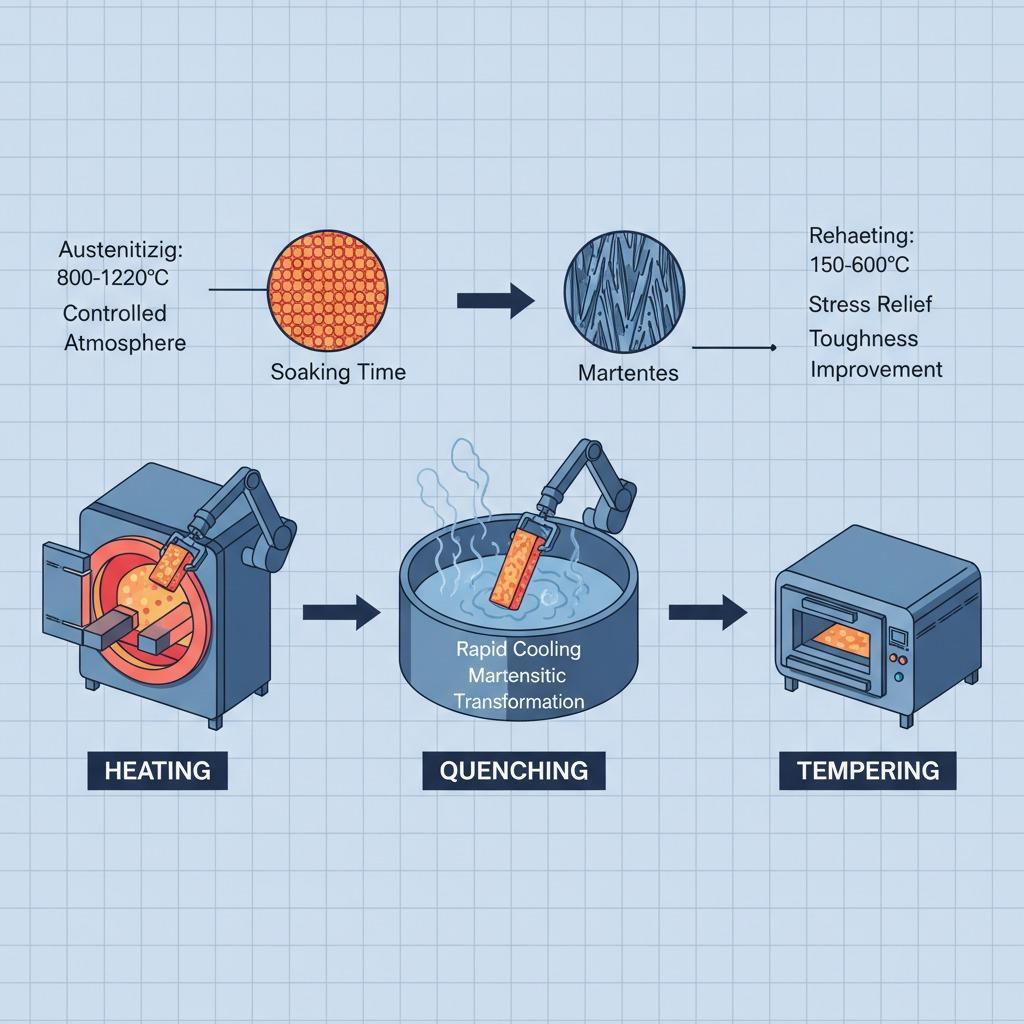
Heat treatment is a controlled process that changes the internal structure of metal through heating and cooling. In a nail clipper, the purpose is usually to balance hardness and toughness. A cutting edge must be hard enough to stay sharp against fingernails and toenails, but not so brittle that it chips or cracks under pressure. If the blade is too soft, it may bend, roll or become dull quickly. If it is too hard without proper control, it may lose resilience.
The original product description highlights stainless steel blades, metal heat treatment, resistance to corrosion and breakage, and blade longevity. These are the qualities buyers commonly look for when choosing a durable clipper. A well-made heat treatment nail clipper should create a clean cut rather than crushing the nail. It should also maintain alignment after repeated opening and closing, because even a sharp blade performs poorly if the upper and lower cutting edges do not meet correctly.
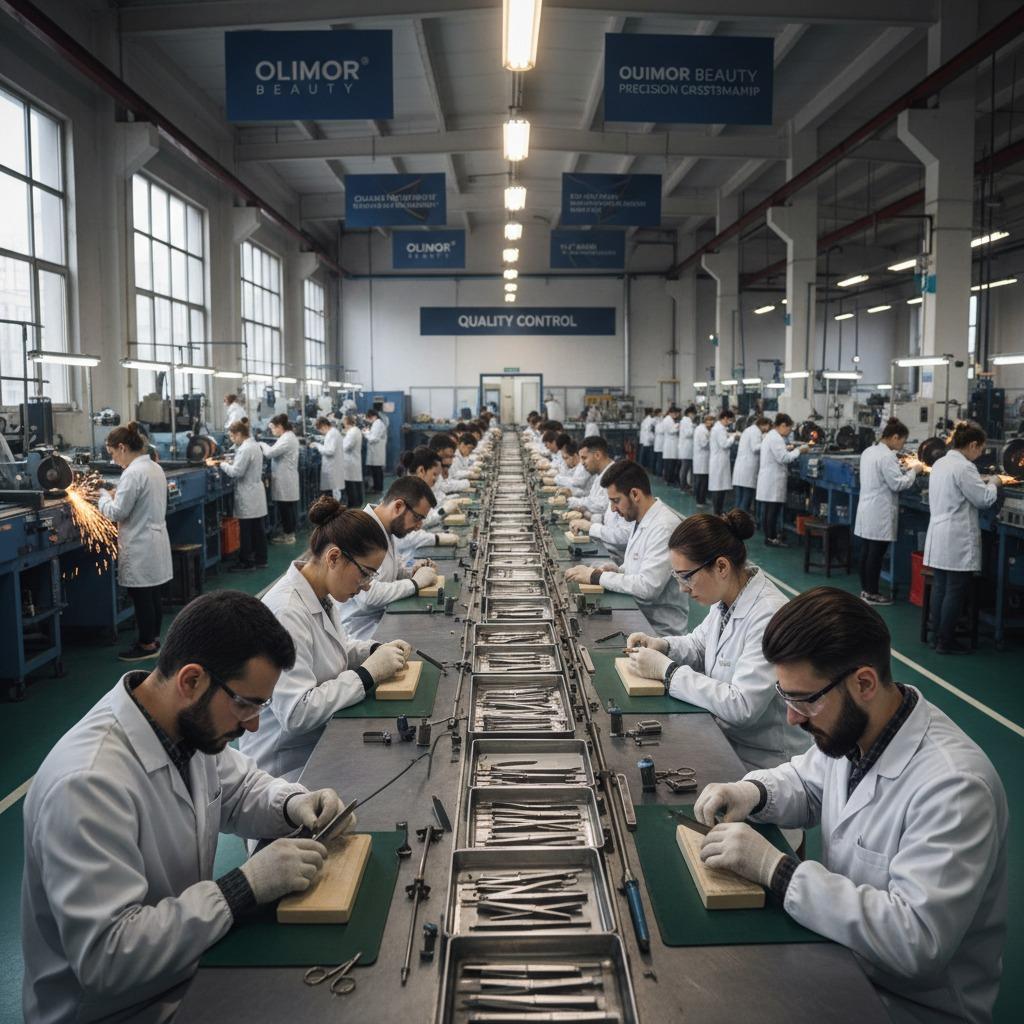
Heat treatment alone does not guarantee a good nail clipper. It works together with stamping or forming accuracy, sharpening, polishing, riveting, spring tension and final inspection. The best buying decision comes from looking at the full tool, not only one production step.
Why Blade Longevity Matters in Daily Grooming Tools
Blade longevity is important because nail clippers are often used over a long period with little maintenance. In a household, one clipper may be used by several people. In a travel kit, the tool may sit unused for weeks and then need to cut efficiently at once. In a retail grooming set, a dull clipper can quickly reduce customer confidence in the entire kit.
A heat-treated cutting edge can help reduce some common problems seen in lower-quality clippers:
- Ragged nail edges: A dull or poorly aligned clipper can tear the nail instead of cutting it cleanly.
- Extra pressure during cutting: If the blade loses sharpness, the user must press harder, which can feel uncomfortable and may increase nail splitting.
- Edge deformation: Softer metal can roll or flatten at the cutting edge, especially on thicker toenails.
- Short service life: A clipper that dulls quickly may need replacement sooner, increasing cost and waste.
- Inconsistent user experience: Two clippers that look similar can perform very differently if the blade hardening and finishing are not controlled.
For ordinary fingernail trimming, precision and comfort are usually the priority. For thicker nails, leverage and blade strength become more important. Heat treatment contributes to both use cases by helping the cutting edges keep their shape under pressure.
Selection Criteria for Buyers Comparing Nail Clippers
When evaluating a heat treatment nail clipper, it is useful to create a checklist that covers performance, appearance and packaging readiness. This is especially important for importers, distributors, brand owners and retailers who need consistency across larger quantities.
| Check Point | Why It Matters | What to Look For |
|---|---|---|
| Blade alignment | Misaligned jaws can leave uncut sections or crush the nail. | Upper and lower edges should meet evenly from side to side. |
| Cutting feel | A good clipper should cut without excessive force. | Test on suitable nail samples or approved test materials for smooth action. |
| Edge finish | Burrs or rough grinding can scratch skin or create ragged cuts. | Edges should be sharp, clean and free from visible defects. |
| Lever movement | The lever controls comfort and cutting power. | Opening and pressing should feel stable, not loose or gritty. |
| Surface finish | Finish affects corrosion resistance, appearance and perceived value. | Look for even polishing, clean plating or consistent surface treatment. |
| Packaging protection | Clippers can scratch during transport if packed poorly. | Check separation, sleeve protection or blister fit as appropriate. |
If you are sourcing for a private label line, also consider the final sales channel. A compact clipper for travel kits may need a different size and packaging format than a heavy-duty toenail clipper for personal care retail. If you need to discuss available nail clipper options, you can send an inquiry with your target market, intended use and packaging requirements.
Heat Treatment and Stainless Steel: What Buyers Should Understand
Stainless steel is commonly used in grooming tools because it offers a practical balance of strength, appearance and corrosion resistance. The original page notes stainless steel blades and corrosion resistance, but buyers should avoid assuming that all stainless steel clippers perform the same. Material choice, heat treatment control and finishing quality all matter.
Heat treatment can improve hardness and resilience, but stainless steel still needs proper care. Nail clippers are often used near sinks, in bathrooms or in humid environments. Moisture, cosmetic residue and skin oils can remain around the pivot and cutting edge. Over time, poor storage can affect movement and cleanliness. For retailers and distributors, clear care instructions can reduce complaints and help end users get better performance from the product.
When comparing samples, do not look only at shine. A highly polished surface can look attractive, but the blade must still be properly sharpened and aligned. Also check the underside of the lever, the pivot area and the edges around the body. These small details often reveal whether a clipper has been carefully finished.
How to Use a Heat Treatment Nail Clipper for Cleaner Results
Even a durable nail clipper works best when used correctly. Clean cutting is not only about the blade; it is also about angle, nail condition and pressure. For most fingernails, it is better to make several small cuts rather than one deep cut across the full nail. This reduces stress on the nail plate and helps create a smoother shape.
- Start with clean, dry hands or feet. Slightly softened nails after washing may be easier to trim, but avoid cutting when the nail is overly soft or swollen.
- Position the clipper carefully. Place the cutting edge where you can see the nail clearly, avoiding skin and cuticles.
- Trim in small sections. Follow the natural curve for fingernails; for toenails, many users prefer a straighter cut to reduce the chance of corners digging into the skin.
- Do not twist while cutting. Twisting can stress both the nail and the clipper alignment.
- Smooth the edge if needed. A nail file can finish corners after clipping, especially for people prone to splitting.
Users with painful, thickened, infected or medically sensitive nails should choose tools carefully and consider professional guidance. A nail clipper is a grooming tool, not a treatment device.
Maintenance Tips to Protect Sharpness and Hygiene
Maintenance is simple, but it makes a noticeable difference. Heat treatment helps the blade resist wear, yet the clipper still benefits from regular cleaning and dry storage. After use, remove nail fragments from the jaws and wipe the tool with a clean dry cloth. If the clipper has been exposed to water, dry the pivot and cutting edge before storing it.
For shared household use, cleaning is especially important. Depending on the setting, users may wipe the tool with an appropriate disinfecting method that is suitable for the clipper material and finish. Avoid harsh chemicals unless the product instructions allow them, because strong cleaners may affect surface appearance or moving parts. Store the clipper in a dry place rather than leaving it on a wet bathroom counter.
If the lever becomes stiff, check for debris around the pivot. If the cutting edge becomes visibly damaged or the jaws no longer meet evenly, replacement is usually safer and more practical than forcing the tool to cut.
Choosing Olimor Beauty for Nail Care Tool Sourcing
Olimor Beauty focuses on practical beauty and grooming tools, including nail clipper products designed for everyday trimming needs. For business buyers, the key is to match the product to the end user: compact daily clippers, travel-friendly formats, gift sets, salon retail items or broader grooming assortments. A heat treatment nail clipper can be a strong option when durability, cutting consistency and perceived quality are important to the product range.
Before confirming a sourcing decision, prepare a clear checklist: target user, nail type, preferred size, surface finish, packaging style, inspection expectations and any market-specific labeling needs. This helps compare samples fairly and prevents decisions based only on appearance. To discuss product direction or request more information, contact Olimor with your intended application and market requirements.
A well-selected heat treatment nail clipper should feel stable in the hand, cut cleanly with controlled pressure and maintain its edge through regular use. By paying attention to heat treatment, blade alignment, finishing and maintenance, buyers can choose nail clippers that offer dependable performance instead of short-term convenience.
Tag: