How to Choose a Tweezers Bulk Supplier for Retail, Salon and Grooming Brands
Buying tweezers in bulk looks simple until the first shipment arrives with uneven tips, inconsistent tension or packaging that does not match your sales channel. For beauty retailers, grooming brands, salons and e-commerce sellers, tweezers are small products with a large effect on customer satisfaction. A poorly finished tip can miss fine hairs, scratch the skin or make a product feel low value, even when the rest of your range is carefully selected.
Olimor Beauty supports buyers who need a dependable tweezers bulk supplier rather than a one-time trading contact. The goal is not only to supply tools, but to help businesses evaluate the practical details that affect performance, repeat orders and customer reviews. Whether you are adding tweezers to an existing beauty tool assortment or planning a focused grooming kit, the right sourcing decision begins with the details below.
Why Bulk Tweezers Require More Than a Price Comparison
Unit price matters, but it should never be the only point used to compare suppliers. Tweezers are precision tools. The most important part of the product is also the smallest: the meeting point of the tips. If the tips do not close evenly, if the edges are too blunt, or if the tension feels weak, the product may fail in normal use.
Bulk buyers also need consistency across the order. A single good sample does not guarantee that hundreds or thousands of units will perform the same way. For this reason, sourcing should focus on the supplier’s control over materials, production steps and inspection routines. Working directly with a tweezers manufacturer can reduce communication layers and make it easier to confirm expectations before production begins.
Olimor Beauty operates as a beauty tool supplier for businesses that need practical purchasing support. Buyers can also review broader beauty tool products when building a coordinated assortment around tweezers, nail tools or grooming accessories.
Core Product Details to Check Before Ordering
Before placing a bulk order, review the tweezers as a tool rather than just a catalogue item. The best option depends on how your customers will use it: eyebrow shaping, beard grooming, salon retail, travel kits or general personal care. The following criteria help narrow the selection.
- Tip alignment: The two sides should meet cleanly without visible gaps. Misaligned tips make it hard to grip fine or short hairs.
- Tip finish: Hand-filed tips, when specified, can support more accurate gripping. Edges should be precise without feeling sharp against the skin.
- Material choice: Stainless steel is commonly used for grooming tools because it supports durability and easy cleaning. Confirm the finish and care guidance for your target market.
- Spring tension: Tweezers should open and close smoothly. Excessive stiffness can fatigue the hand, while weak tension can reduce control.
- Ergonomic handling: A comfortable grip is important for salons, brow artists and frequent grooming users. The tool should feel stable between the fingers.
- Finish consistency: Surface finishing should be even across the order, especially for retail packs where appearance affects perceived value.
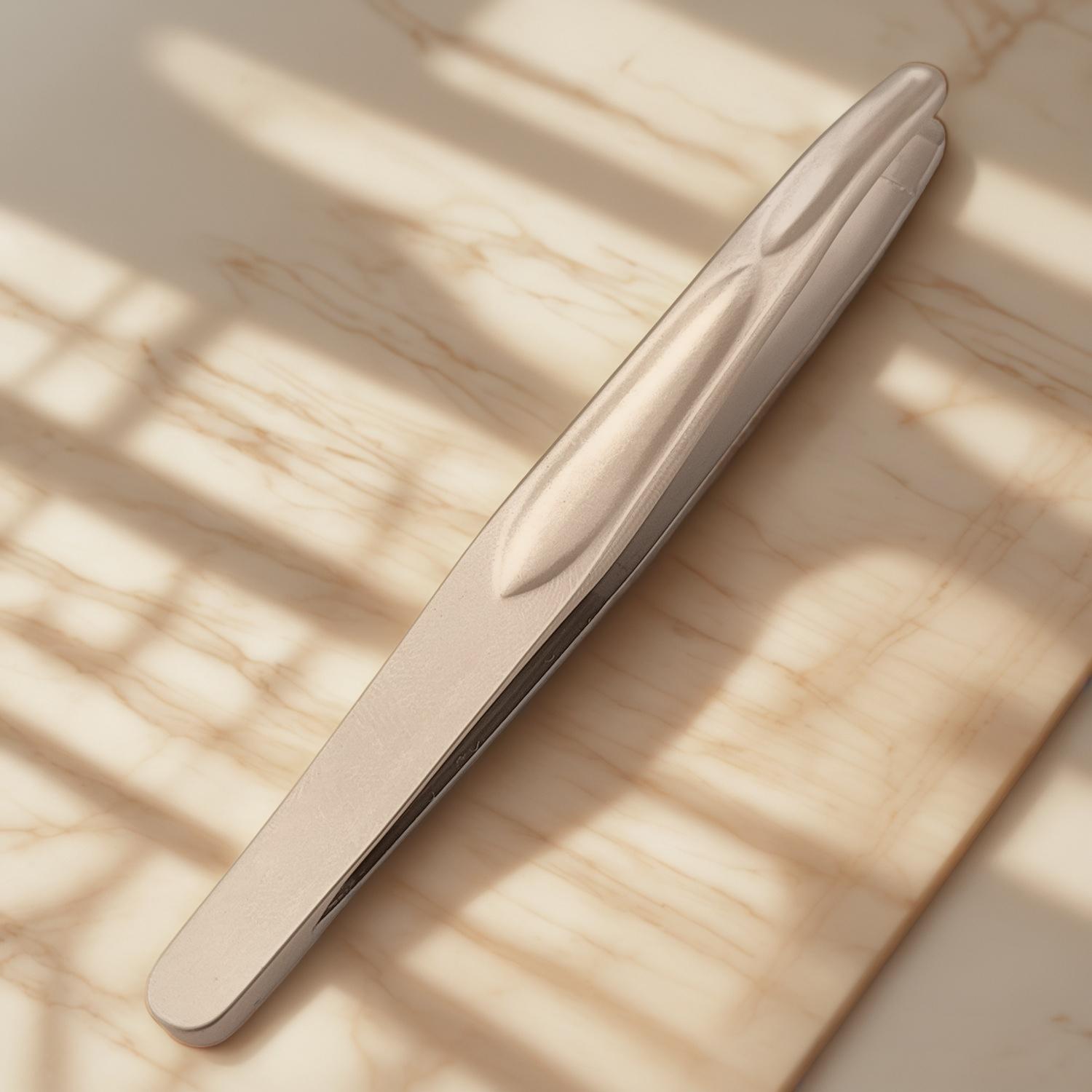
Olimor Beauty’s sourcing approach emphasizes these practical checks, including tip performance and handling comfort. The Beard-Tweezer mentioned in Olimor Beauty’s product communication is an example of a precision grooming tool where ergonomic design and hand-filed tips are important to the user experience.
Matching Tweezer Types to Your Sales Channel
Not every buyer needs the same tweezer shape or presentation. A salon may prioritize control and durability, while a retail brand may focus on attractive packaging, consistent finishing and an easy-to-understand use case. E-commerce sellers may need products that photograph clearly and arrive ready for fulfillment.
| Buyer type | Key priority | What to verify |
|---|---|---|
| Beauty retailers | Retail-ready appearance | Consistent finish, packaging format, barcode or label space if required |
| Salon and brow professionals | Precision and repeat use | Tip alignment, grip comfort, cleaning guidance and tension |
| Grooming brands | Fit within kits or product lines | Tool size, color or finish direction, and compatibility with other grooming items |
| E-commerce sellers | Low return risk | Clear product description, stable packaging and inspection consistency |
This type of comparison prevents a common mistake: choosing a tweezer that is technically usable but not suitable for the customer group. A beard grooming audience, for example, may value a firm grip and comfortable handling, while a brow-focused retail buyer may put more attention on fine hair removal and elegant packaging.
Questions to Use When Comparing Tweezers Manufacturers
A serious supplier should be able to discuss the production and quality points that affect your order. You do not need to request confidential factory information, but you should confirm the practical boundaries of the project before committing. This is especially important if you plan to reorder or build a private label range.
- What tweezer styles are available for bulk ordering? Compare the shapes and finishes against your customer use cases.
- How are the tips finished and checked? Tip contact is one of the most important performance factors.
- What material and surface finish options are available? Confirm what is suitable for your market and care instructions.
- Can packaging be adapted for retail, salon resale or kit assembly? Packaging affects shelf display, shipping protection and customer perception.
- What order flexibility is available? If you need low MOQ tweezers, discuss the available options without assuming a fixed quantity.
- How are defects handled before shipment? Inspection standards should be discussed before production, not after delivery.
These questions help buyers compare suppliers on capability rather than vague promises. They also make communication more efficient when requesting quotations or preparing samples through send an inquiry.
Why Direct Supplier Communication Matters
Many sourcing problems come from long communication chains. When a buyer speaks through multiple intermediaries, small technical details can be lost. Terms such as “sharp,” “fine,” “firm” or “premium” may mean different things to different parties. Direct discussion with a tweezers supplier helps turn those subjective words into measurable expectations, such as tip closure, finish consistency, sample approval and packaging layout.
Olimor Beauty’s value for bulk buyers is built around clearer communication and product-focused support. Instead of treating tweezers as a generic accessory, the product can be reviewed as part of a broader grooming or beauty tool program. Buyers planning an assortment can browse product collections to consider how tweezers may sit alongside other tools in a retail or professional offer.
Direct communication is also useful when planning repeat orders. If your first shipment sells well, you want the next purchase to match the approved product as closely as possible. Keeping approved samples, packaging files and agreed inspection points on record can reduce variation between batches.
Packaging and Branding Considerations for Bulk Tweezers
Packaging should protect the tips and explain the product clearly. For tweezers, damage during handling often occurs at the tip, so packaging must prevent unnecessary movement or pressure. A simple sleeve, card, box or kit insert may be suitable depending on the channel, but the chosen format should support both presentation and protection.
For private label or branded resale, avoid overcrowding the pack with unsupported claims. Focus on practical information customers understand: intended use, cleaning guidance, storage advice and safety reminders. If your audience includes professional users, clarity matters more than decorative copy. A brow artist or grooming specialist will quickly notice whether the tool performs as described.
When preparing artwork, leave enough time for confirmation of dimensions, print placement and any required labels. Even when the tweezer itself is approved, packaging delays can affect launch timing. Coordinating product and packaging decisions early helps reduce avoidable revisions.
Inspection Points That Protect Your Brand
Quality control for tweezers should be specific. A general statement that products are checked is less useful than a shared understanding of what is checked. The most relevant inspection points usually include tip alignment, opening and closing tension, surface finish, visible defects, packaging condition and quantity accuracy.
For buyers, it is helpful to create a reference sample. This approved sample becomes the comparison point for future production. If you sell across multiple channels, you may also want separate samples for the product, inner packaging and final packed presentation. This helps your team, supplier and warehouse evaluate goods consistently.
Inspection does not remove every business risk, but it significantly improves order reliability. For small beauty tools, where customer reviews often mention precision and feel, consistent checking is one of the most valuable parts of the sourcing process.
Building a Reliable Tweezers Supply Plan
A strong supply plan balances product quality, order flexibility and realistic timelines. If you are testing a new market, low MOQ options may help reduce inventory pressure. If you already have steady demand, consistency and reorder planning become more important. In both cases, the best supplier relationship is based on clear product expectations rather than rushed purchasing.
Olimor Beauty works with businesses looking for a tweezers wholesaler and manufacturer partner that understands retail, salon and grooming tool requirements. To move forward, prepare your target use case, preferred finish, packaging needs and estimated order direction. If you need help narrowing the options, you can contact Olimor with your project details.
The right tweezers bulk supplier should help you deliver tools that feel precise, look consistent and support repeat customer trust. By checking the details before ordering, your business can avoid common sourcing problems and build a more dependable beauty tool assortment.
Tag: