Eyelash Curler Cleaning and Use Guide for Safer, Better Curls
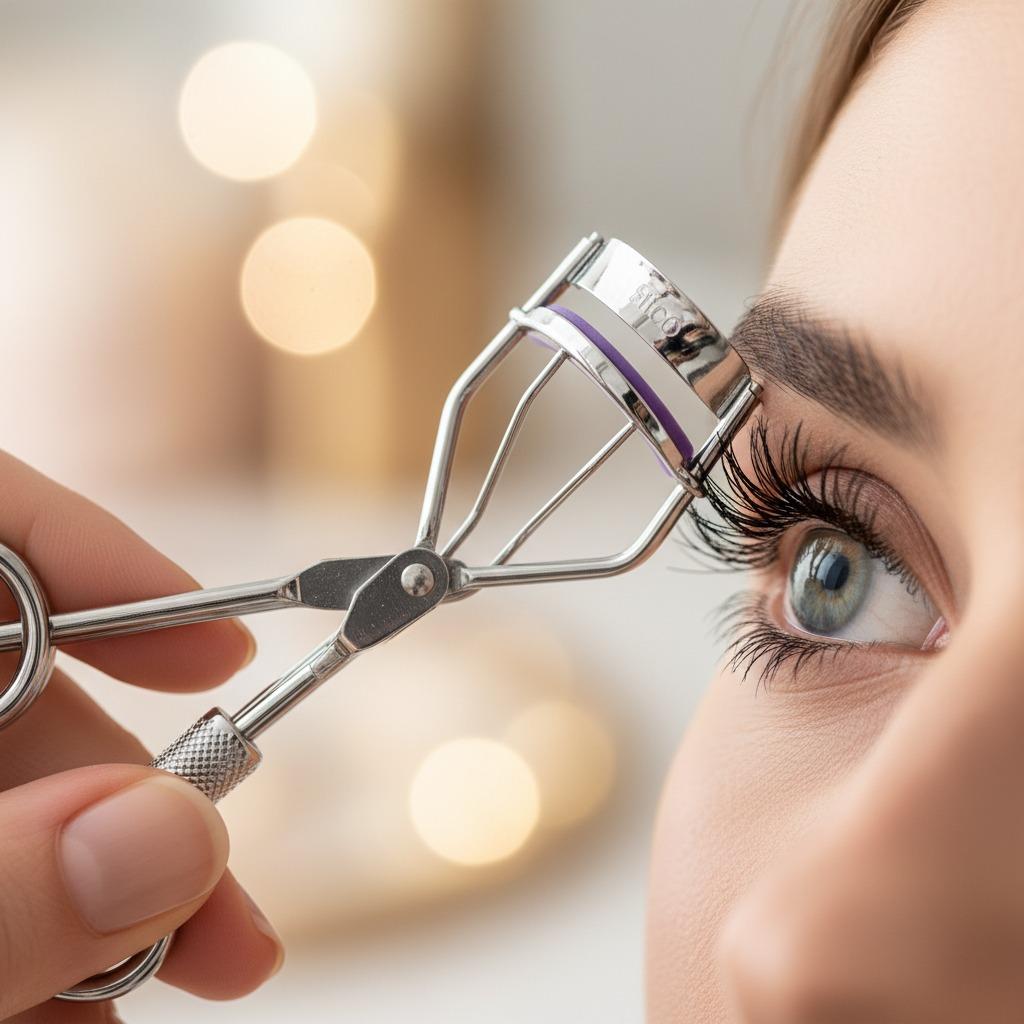
An eyelash curler is a small tool, but it has a direct effect on comfort, makeup finish and hygiene. A well-made curler can help lift the lashes before mascara, make the eye area look more open and reduce the need for heavy product. A poorly maintained one can pinch, pull, transfer old mascara or create uneven bends. For daily beauty users, makeup artists and buyers comparing beauty tool products, the real value of an eyelash curler is not only how it looks in packaging; it is how consistently it performs after repeated use.
The Olimor Beauty eyelash curler is described as a stainless steel tool with an ergonomic handle and a hinge designed for controlled pressure. Those details matter because lash curlers are repeatedly opened, closed, wiped and stored in humid bathroom or salon conditions. This guide explains what to look for when selecting an eyelash curler, how to use it without stressing the lashes, how to clean it properly and when to replace pads or retire a tool from service.
What Makes an Eyelash Curler Worth Choosing?
Most eyelash curlers appear similar at first glance, but small construction details can change the user experience. The frame should feel stable when squeezed, the handles should align smoothly, and the curved top should sit comfortably near the lash line without scraping the eyelid. A stainless steel body is useful because it is easy to wipe clean and can hold up well to regular handling when cared for correctly.
For retailers, distributors and beauty brands sourcing lash tools, selection should be based on more than product photos. A curler needs to suit the intended customer: a beginner may prioritize a comfortable grip and gentle pressure, while a makeup artist may focus on repeatable performance and easy sanitizing between clients. Buyers reviewing product collections should compare the tool as part of a full beauty accessory range, considering whether the finish, packaging and care instructions match the target market.
- Frame stability: The arms should not twist when the handle is pressed.
- Curvature: The upper curve should help reach lashes without forcing the user into an awkward angle.
- Handle comfort: Ergonomic handles support better control, especially for new users.
- Pad contact: The cushion should meet the upper bar evenly to reduce sharp bends.
- Cleanability: Smooth metal surfaces and accessible hinge areas make routine cleaning easier.
How to Use an Eyelash Curler Without Pulling Lashes
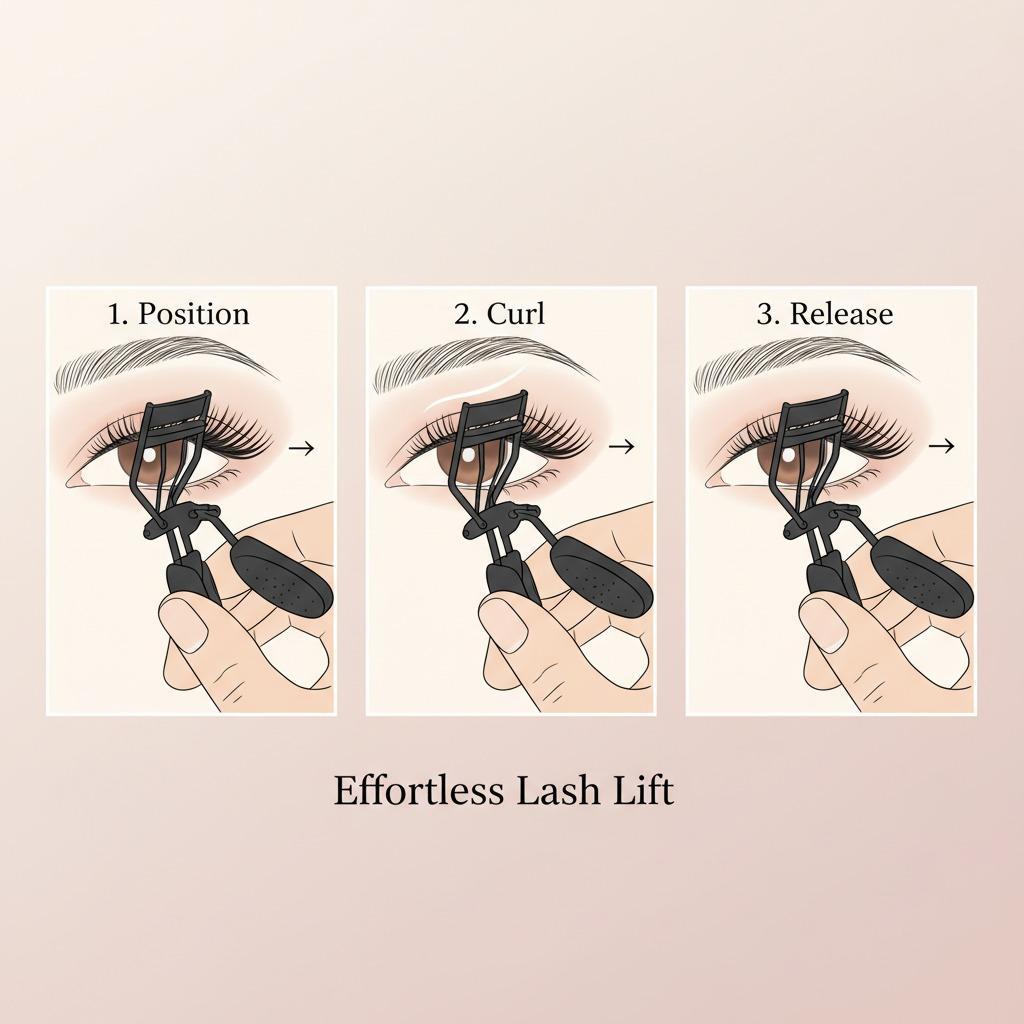
The safest time to curl is usually before mascara. Mascara can stiffen lashes, and curling after it dries may increase the risk of pulling or breaking. Start with clean, dry lashes and make sure the curler pad is free from old product. Look downward into a mirror, bring the curler close to the base of the upper lashes and check that skin is not caught between the pad and upper frame.
Use light, controlled pressure rather than a hard squeeze. Hold for a few seconds, release fully, then move the curler slightly toward the middle of the lashes if a softer curve is preferred. This approach can create a more natural-looking lift than clamping only at the base. Avoid tugging the curler away while it is closed; always open it before removing it from the eye area.
- Wash and dry hands before handling the tool.
- Check the pad for cuts, hard spots or mascara buildup.
- Position the curler at the base of the upper lashes without pinching skin.
- Press gently for a few seconds, then release completely.
- Repeat near the middle of the lashes if more curve is needed.
- Apply mascara after curling, if desired.
If the curler pinches, creates a crimped angle or fails to reach the lashes comfortably, do not force it. Eye shapes and lash lengths vary, so fit is important. A tool that works well for one person may not be the best match for another.
Daily Cleaning: The Habit That Protects Performance
Cleaning an eyelash curler after use is not complicated, but it should be consistent. Each use can leave behind skin oil, eye makeup, mascara flakes or skincare residue. If that residue builds up on the pad or upper bar, the curler may stick to lashes or create uneven pressure. For personal use, a quick wipe after each session is usually enough. For professional or shared environments, sanitation practices should be stricter and aligned with local hygiene requirements.
After using the curler, wipe the curved metal area and pad with a soft cloth dampened with mild soap and warm water. Remove visible residue, then dry the tool thoroughly. A cotton swab can help clean around the hinge and narrow edges. Rubbing alcohol may be used on a swab or wipe for sanitizing metal contact areas, but avoid soaking the tool or leaving liquid trapped in the hinge. Submerging the curler in water is not recommended because moisture can remain in moving parts and shorten service life.
A dry toothbrush can also be useful for brushing away mascara flakes before wiping. This is especially helpful when the product has dried along the pad channel. Do not use abrasive scrubbers that may scratch the finish or roughen areas that touch the skin.
Deeper Maintenance and Replacement Checks
Even a durable stainless steel eyelash curler needs periodic inspection. The pad takes most of the pressure during use, so it should stay smooth, resilient and properly seated. If it becomes cracked, flattened, loose or deeply stained, it can affect curl quality and comfort. The hinge should open and close smoothly without grinding, wobbling or sticking. If the arms no longer align, the pressure may become uneven.
| Area to Check | What to Look For | Why It Matters |
|---|---|---|
| Curler pad | Cracks, deep grooves, flattening or looseness | A damaged pad can bend lashes sharply or reduce cushioning. |
| Upper bar | Mascara buildup, rough residue or uneven contact | Clean contact helps create a smoother curl. |
| Hinge | Sticking, wobbling or trapped debris | A stable hinge supports controlled pressure. |
| Handles | Misalignment or uncomfortable grip | Good control reduces accidental pinching. |
| Overall frame | Bent metal, corrosion or sharp edges | Tools used near the eye should remain smooth and stable. |
For personal users, it is helpful to keep replacement pads available if compatible pads are supplied with the tool or product program. For business buyers, replacement pad availability, packaging clarity and care instructions can influence customer satisfaction after purchase.
Buyer Considerations for Retail and Private Label Programs
When sourcing an eyelash curler for retail, salon supply or promotional beauty sets, evaluate both the tool and the support materials around it. A curler may be simple, but customers often need guidance on safe use and cleaning. Clear instructions can reduce misuse and returns. Product photography should show the curve, handle shape and pad placement honestly, because these are the parts customers assess when comparing options.
Before adding a curler to a beauty range, build a neutral checklist. Confirm the intended material description, finish, pad style, packaging format and whether replacement pads are included or available. Review how the hinge feels over repeated open-close cycles and whether the handle remains comfortable for different hand sizes. If the product is for professional users, consider how quickly the tool can be wiped between uses and whether the surfaces are easy to access.
Olimor Beauty focuses on beauty tools, and buyers can review related categories through beauty tool products. For questions about product options, packaging direction or sourcing details, you can send an inquiry or contact Olimor with your intended market and use case.
Common Mistakes That Shorten Curler Life
Many eyelash curler problems come from habits rather than the tool itself. Curling after heavy mascara application can leave sticky residue and increase lash pulling. Storing the curler while damp can affect the hinge. Pressing too hard may flatten the pad sooner and create an unnatural crease instead of a smooth curl. Sharing a personal curler without proper sanitation is another avoidable hygiene risk.
Keep the curler in a clean, dry location, away from loose powder spills and wet countertops. If it is carried in a makeup bag, consider a small pouch or designated compartment so the pad does not collect lint, pencil shavings or cosmetic residue. A quick inspection before each use takes only a moment and can prevent discomfort.
A Better Curl Comes From Tool Care and Technique
An eyelash curler should feel controlled, clean and predictable. The stainless steel construction, ergonomic handle and pressure-focused hinge described for the Olimor Beauty eyelash curler support practical daily use, but results still depend on correct technique and regular maintenance. Clean the contact areas, avoid soaking the tool, inspect the pad and use gentle pressure before mascara. These simple habits help protect lashes while keeping the curler ready for consistent results.
For individual users, the goal is comfortable lash lift without pulling. For beauty buyers, the goal is a product that is easy to understand, easy to clean and suitable for the audience being served. In both cases, the best eyelash curler is the one that combines thoughtful construction with responsible care.
Tag: