Eyelash Curler Factory Guide for Beauty Tool Buyers
Choosing an eyelash curler factory is not only about finding a supplier that can make a familiar beauty tool. For beauty brands, distributors, salons, and private label buyers, the right factory decision affects product comfort, repeat purchase potential, packaging consistency, and customer trust. An eyelash curler may look simple, but its performance depends on the alignment of the frame, the shape of the handle, the feel of the silicone pad, the smoothness of the finish, and the consistency of inspection before shipment.
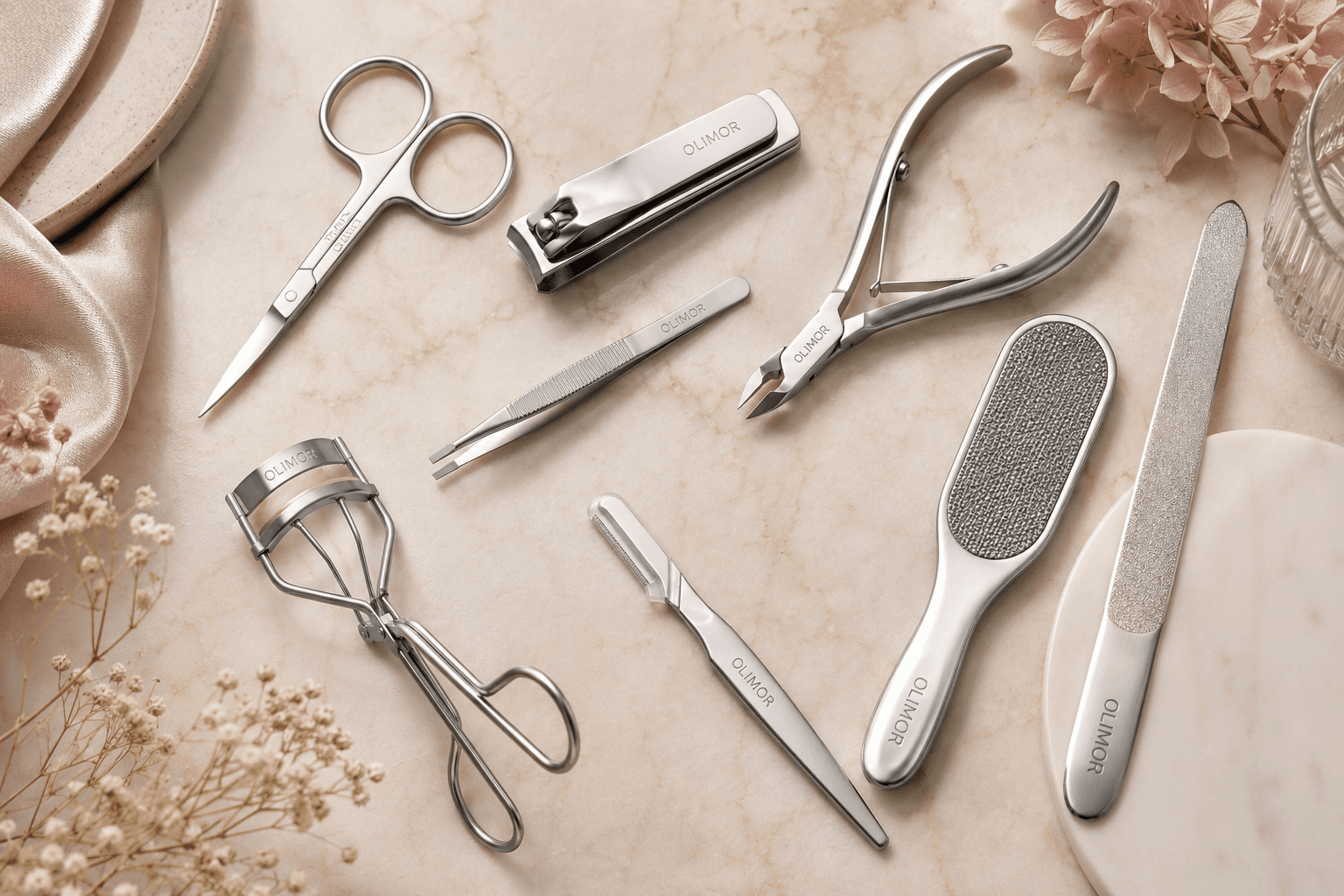
Olimor Beauty works with beauty tool buyers who need practical, reliable products for daily use. The eyelash curler described here is made from durable stainless steel and features comfortable curved handles, a vibrant red silicone pad, and a compact, lightweight format. The pad is replaceable, which supports hygiene and longer product usability. These details are especially important for buyers comparing an eyelash curler factory for retail, e-commerce, professional kits, or promotional beauty tool programs.
If you are building a complete sourcing plan, you can also review related beauty tool products or browse Olimor product collections to compare how eyelash curlers fit alongside other makeup and grooming tools.
What Buyers Should Expect from an Eyelash Curler Factory
A capable eyelash curler factory should understand both manufacturing consistency and the way consumers actually use the tool. A curler is applied close to the eye, so buyers need to look beyond appearance. The frame should open and close smoothly, the handles should feel controlled in the hand, and the silicone pad should cushion the lashes without creating a harsh bend.
For a stainless steel eyelash curler, the finish matters because rough edges, inconsistent polishing, or poor alignment can quickly lead to complaints. The tool should feel stable when pressed, not loose or uneven. Curved handles are also more than a visual feature; they help the user apply pressure with better control, whether the customer is a beginner or someone who uses beauty tools every day.
When evaluating a factory, buyers should consider whether the supplier can explain how it controls these core details. It is useful to review pre-production samples, approved reference samples, and final shipment samples so that the feel and function remain consistent from order to order.
Key Product Details That Influence Lash Curling Performance
The most important performance factors in an eyelash curler are shape, pressure distribution, pad resilience, and user grip. The stainless steel construction provides a durable base for the tool. The curved handle design supports a secure grip, helping users curl lashes with more controlled pressure. The red silicone pad gently cradles the lashes and is replaceable, which is useful for hygiene and product longevity.
For buyers, these features should be assessed in a structured way rather than judged only by product photos. A well-made curler should close evenly across the pad, and the pad should sit properly in its channel. The user should not need excessive force to create a curl. The product should also feel light enough for travel or daily storage, while still feeling firm in the hand.
- Frame alignment: The upper frame should meet the silicone pad evenly, without shifting to one side.
- Handle comfort: Curved handles should allow a steady grip and controlled pressure.
- Pad quality: The silicone pad should cushion lashes and return to shape after use.
- Replaceability: A replaceable pad helps extend the useful life of the tool.
- Surface finish: Stainless steel edges and contact areas should be smooth and polished.
- Portability: A compact, lightweight design supports travel kits and everyday makeup bags.
Quality Checks from Raw Materials to Packaging
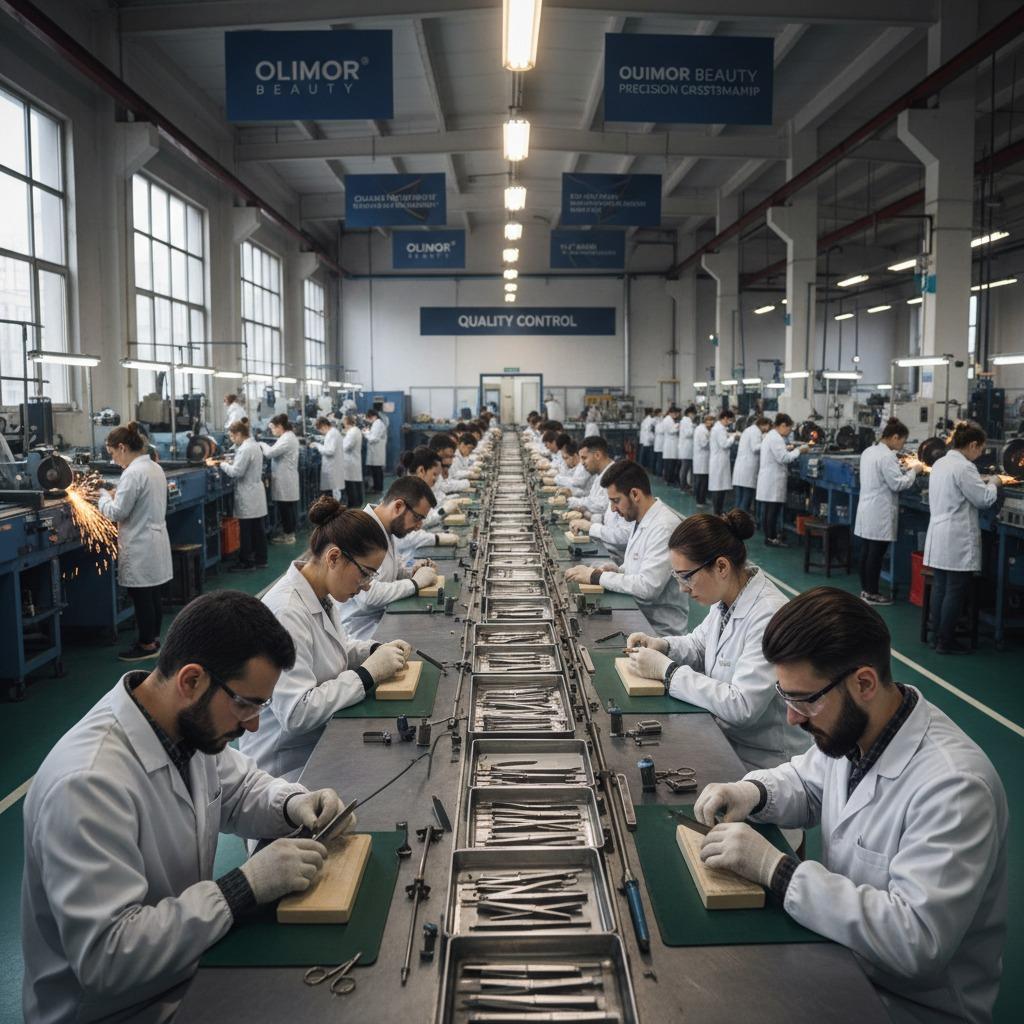
Quality assurance is a central part of selecting an eyelash curler factory. Olimor Beauty emphasizes internal controls from raw materials through packaging, which is important because eyelash curlers involve both metal components and soft pad components. A problem in either area can affect the user experience.
Raw material inspection helps confirm that the stainless steel components are suitable for the intended tool. During production, process checks can help identify issues such as uneven shaping, inconsistent spring action, sharp edges, loose parts, or poor pad fit. Final inspection should verify that each curler opens and closes smoothly, the handle movement feels stable, and the product is clean before packaging.
Packaging inspection is also important for buyers selling through retail or online channels. Even if the tool itself is well made, damaged packaging, unclear labeling, or inconsistent presentation can affect customer perception. A practical quality plan should include function, appearance, packaging condition, and shipment readiness.
How to Compare Factory Samples Before Ordering
Sample evaluation should be methodical. Many buyers receive several eyelash curler samples that look similar at first glance. The differences become clear only after handling the product, testing the closing action, and checking the pad and frame alignment. It helps to compare samples under the same conditions and record findings instead of relying on memory.
| Evaluation Area | What to Check | Why It Matters |
|---|---|---|
| Frame | Even shape, smooth edges, stable movement | Supports comfort and reduces risk of poor user experience |
| Handle | Curved grip, controlled pressure, no looseness | Helps users curl lashes with confidence |
| Silicone pad | Proper fit, soft cushion, replaceable design | Affects lash protection, hygiene, and product life |
| Finish | Clean polish, no rough contact areas | Improves perceived quality and safe handling |
| Packaging | Clean presentation, consistent packing condition | Supports retail display and online customer satisfaction |
When reviewing samples, test the curler both visually and by hand. Open and close it several times. Check whether the pad stays seated. Look at the contact line where the metal frame presses into the pad. If possible, compare the approved sample with production samples later to confirm consistency.
Use Cases for Retail, Professional, and Travel Beauty Kits
A compact, lightweight eyelash curler can serve several market needs. For retail beauty brands, it can be sold as an individual tool or as part of a makeup accessory range. For salons and makeup artists, a reliable curler may be included in professional kits, especially when paired with mascara for added lash definition. For travel-focused sets, the lightweight format makes it easier to include without adding bulk.
Different buyers may prioritize different details. A retail buyer may care strongly about presentation and packaging consistency. An e-commerce seller may focus on product photos, customer reviews, and replacement pad messaging. A professional buyer may emphasize comfort, control, and repeated use. Understanding the end use helps define the right inspection standards and product positioning.
Buyers should avoid treating all eyelash curlers as interchangeable. Even small differences in handle feel, pad firmness, and closing alignment can influence whether customers use the tool regularly or replace it quickly.
Maintenance Guidance to Support Customer Satisfaction
Clear maintenance guidance can reduce complaints and help customers get better results. Since the eyelash curler is used near the eye, cleanliness should be a basic part of the product instructions. The silicone pad should be checked regularly and replaced when it becomes worn, compressed, or damaged. Users should also avoid using a curler with a cracked or missing pad.
Basic user guidance may include wiping the pad after use, keeping the tool dry, and storing it in a clean makeup bag or case. Customers should curl lashes before applying heavy mascara to reduce sticking and buildup. If mascara is used afterward, it can help add volume and definition to the curled lashes.
For brands, adding simple care instructions to packaging or product pages is a practical way to improve the customer experience. It also shows that the product has been considered as a daily-use beauty tool, not just a low-cost accessory.
Sourcing Questions to Clarify Before Production
Before placing an eyelash curler order, buyers should prepare a focused checklist. The goal is not to collect unnecessary paperwork, but to confirm the factors that affect quality, consistency, and customer expectations. Useful questions may cover material confirmation, sample approval steps, inspection points, pad replacement options, packaging requirements, and shipment preparation.
- Confirm the stainless steel construction and required surface finish.
- Review the handle shape and comfort against the target customer group.
- Check the red silicone pad fit, cushioning feel, and replacement approach.
- Approve a reference sample before moving to production.
- Define inspection criteria for frame alignment, closing action, finish, and packaging.
- Prepare product care instructions for retail pages, inserts, or packaging.
- Compare the eyelash curler with other tools in the same product range for consistent presentation.
If you are planning a new beauty tool program or comparing sourcing options, you can send an inquiry with your product goals, packaging direction, and market requirements. For broader questions about available tools or cooperation details, you may also contact Olimor.
Choosing an Eyelash Curler Factory with Long-Term Value
The best eyelash curler factory for your business is one that understands the small details that make the tool comfortable, reliable, and suitable for your sales channel. Stainless steel construction, curved handles, a replaceable silicone pad, compact size, and internal quality checks all contribute to a stronger product experience.
For buyers, the practical approach is to compare samples carefully, define inspection standards clearly, and think about how customers will use and maintain the curler after purchase. With the right factory partner and a disciplined sourcing process, an eyelash curler can become a dependable part of a beauty tool range rather than a generic accessory.
Tag: