Custom Made Nail Clippers: What Buyers Should Evaluate Before Ordering
A custom made nail clipper may look simple, but small design decisions have a clear effect on cutting comfort, perceived quality, retail presentation, and repeat use. For beauty tool distributors, salons, grooming brands, gift suppliers, and private-label buyers, the goal is not only to place a logo on an existing tool. The goal is to select a nail clipper that trims cleanly, feels stable in the hand, suits the intended user, and can be supplied with consistent appearance from batch to batch.
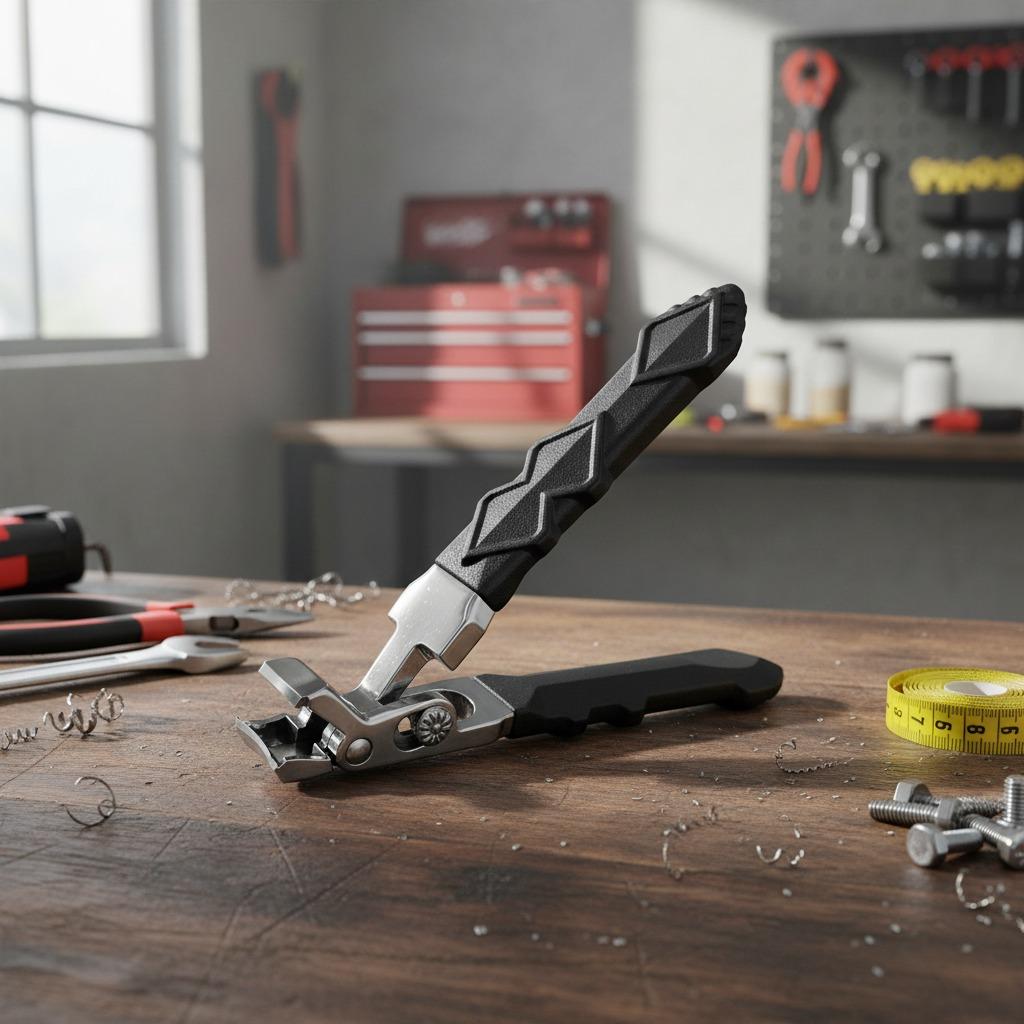
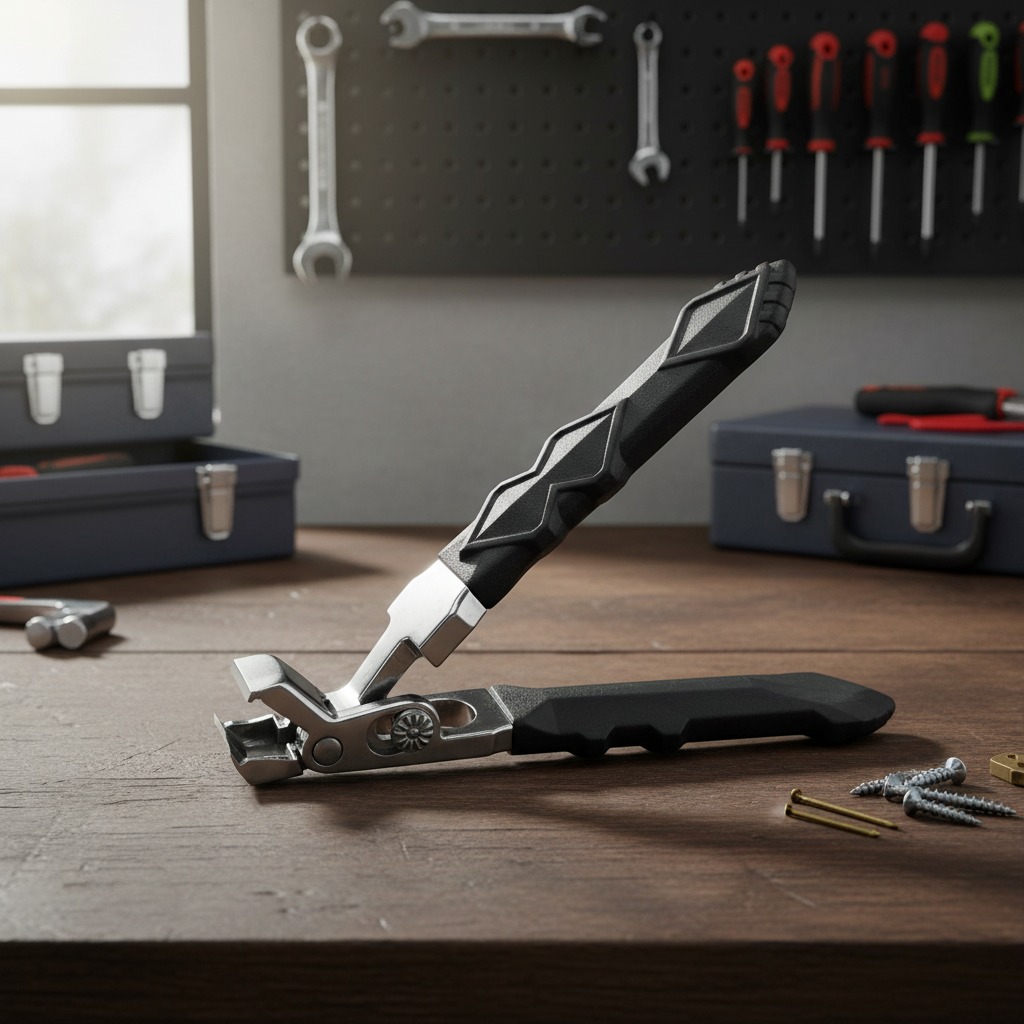
Olimor Beauty works with grooming tools for buyers who need practical product options rather than vague decoration choices. The nail clipper shown here uses a sleek stainless steel appearance, a sharp cutting edge, and an ergonomic handle with geometric patterns for a secure grip. Those features make it a useful starting point for discussing what matters in custom made nail clippers: cutting geometry, handle leverage, finish, packaging, inspection points, and how the final product fits a sales channel.
Start With the End User and Sales Channel
Before choosing a custom nail clipper, define where and how the product will be used. A tool sold in a pharmacy aisle, added to a manicure kit, included in a travel grooming set, or supplied to a salon counter may require different priorities. A retail buyer may focus on visible finish, packaging, and price positioning. A professional grooming buyer may care more about grip, repeat cutting performance, and easy cleaning. A promotional buyer may need a practical shape with enough branding area to carry a logo without making the tool feel cheap.
The intended user also affects size and leverage. A compact clipper is convenient for travel and handbags, while a larger clipper can feel more stable for thicker nails. If the article is part of a broader personal care assortment, compare it with other beauty tool products so the finish, packaging language, and user level are consistent across the range.
Useful planning questions include:
- Will the nail clipper be sold as a single item, in a set, or as part of a gift program?
- Is the buyer targeting everyday home grooming, salon retail, travel use, or promotional distribution?
- Should the clipper look minimalist, technical, decorative, or premium?
- Does the handle design need a broad branding area, a textured grip, or a distinctive pattern?
- Will the product need packaging that explains use, care, and safety in more than one market?
Cutting Performance Depends on More Than Sharpness
Many buyers describe a good nail clipper as simply “sharp,” but performance is broader than that. A clipper should cut without crushing the nail, should not require excessive hand force, and should leave an edge that needs minimal filing. The alignment of the cutting edges, the strength of the lever, and the way pressure transfers through the handle all influence the result.
For custom made nail clippers, review a production sample in real use rather than judging only by photographs. Open and close the lever several times. Check whether the jaws meet evenly. Trim test nails or suitable sample material to feel whether the cut is controlled. A clipper with a sharp edge but poor alignment can still pinch or split nails. A clipper with good leverage but an uncomfortable handle may not satisfy users who trim frequently.
The stainless steel construction described in this product direction is important because grooming tools often face moisture, skin oils, and repeated handling. However, the buyer should still evaluate finish consistency, edge smoothness, and cleaning convenience. A smooth surface is easier to wipe, while patterns on the handle can improve grip and add visual interest when applied carefully.
Handle Design, Grip, and Visual Identity
The handle is one of the most visible customization areas on a nail clipper. It affects both branding and ergonomics. The geometric pattern mentioned for this product is not only decorative; texture and pattern can help fingers stay in position during use. That is especially helpful when trimming after washing hands or when the user needs more controlled pressure.
When choosing a handle style, consider how the product will be presented. A bold pattern may help a clipper stand out in retail packaging. A plain finish may suit clinical, professional, or minimalist product lines. If adding a logo, make sure the logo position does not interfere with grip or become distorted where the lever bends or curves.
Good handle evaluation includes:
- Hold the clipper with dry hands and slightly damp hands to compare grip stability.
- Check whether the lever is comfortable for different hand sizes.
- Confirm that decorative patterns do not create sharp or irritating edges.
- Review logo placement from both the closed and open positions.
- Compare the sample against the rest of the brand’s grooming range for visual consistency.
Customization Choices That Actually Matter
Customization should support the product’s purpose. It is easy to focus only on color, logo, or packaging, but the most valuable custom decisions are often practical. For nail clippers, buyers commonly evaluate size, finish, handle texture, branding method, packaging format, and whether the item will be paired with other grooming accessories.
The following table can help buyers organize specifications before moving into sampling or quotation discussions:
| Decision Area | What to Review | Why It Matters |
|---|---|---|
| Clipper size | Compact, standard, or larger format | Affects portability, leverage, and target user |
| Cutting edge | Alignment, smoothness, cutting feel | Determines whether trimming feels clean or rough |
| Material appearance | Stainless steel look, surface finish, polishing | Influences durability perception and shelf appeal |
| Handle pattern | Geometric texture, smooth lever, branded area | Supports grip, identity, and visual differentiation |
| Packaging | Blister card, box, pouch, or kit format | Controls retail presentation, protection, and information space |
| Inspection focus | Edge alignment, finish defects, lever action | Reduces inconsistent user experience across batches |
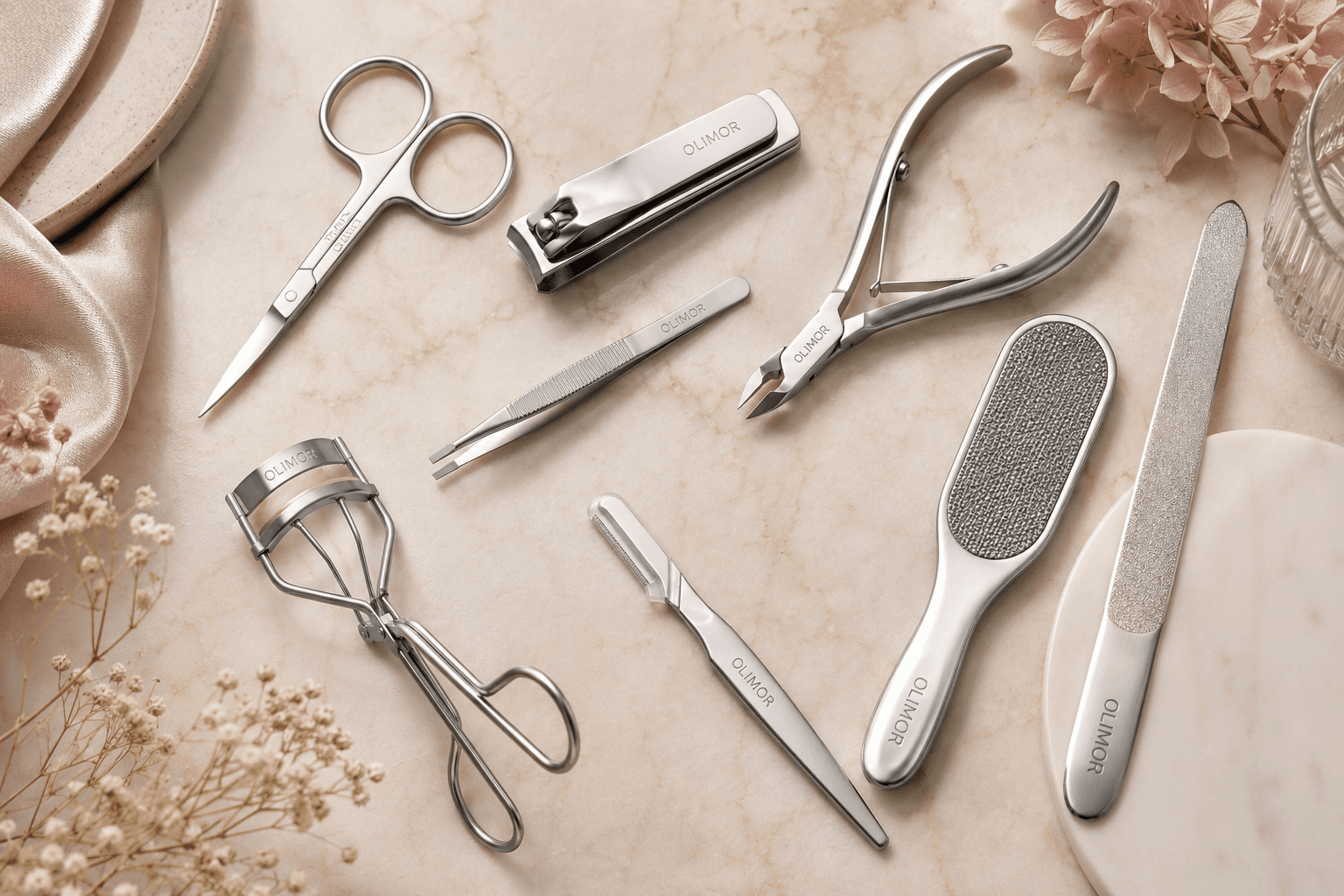
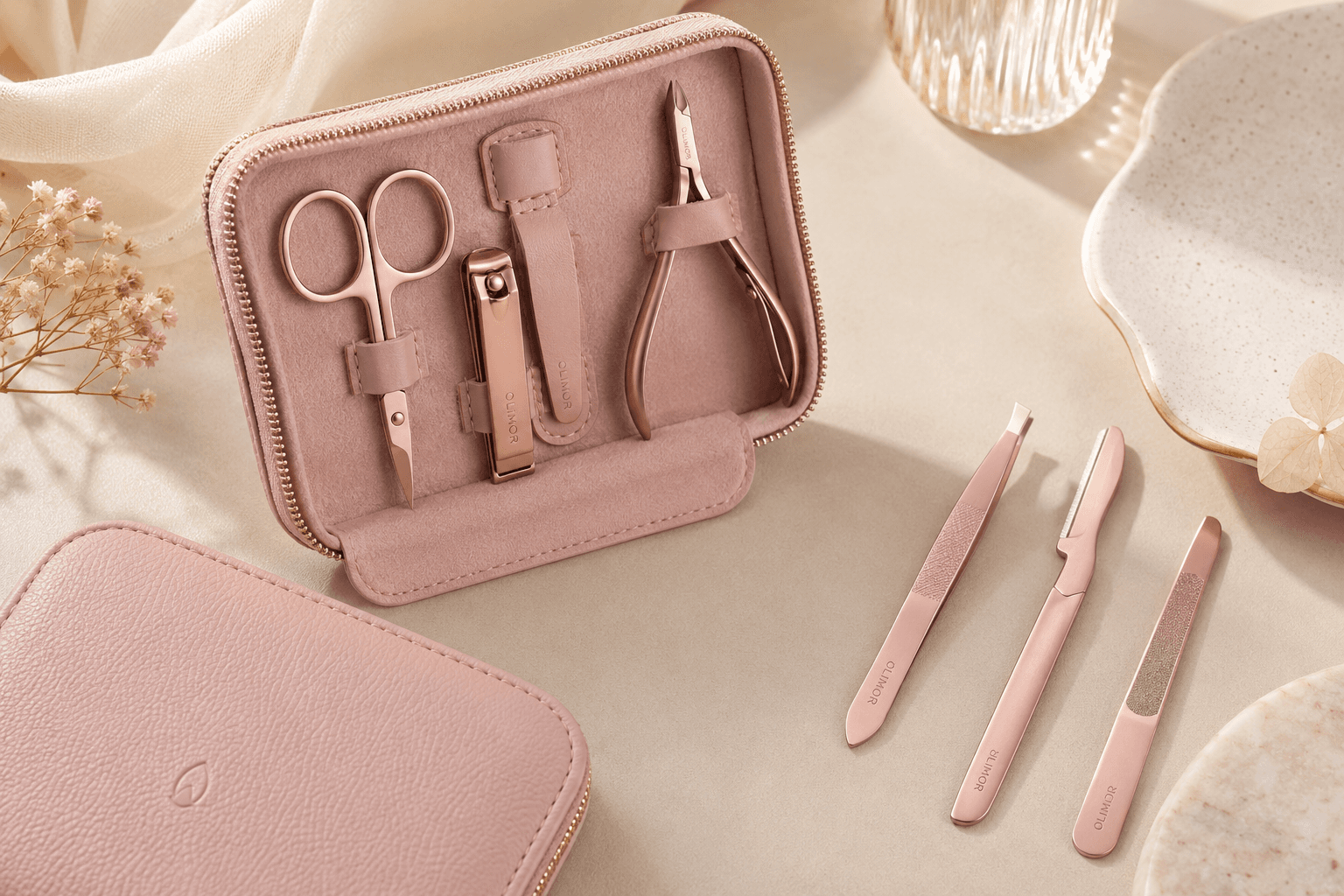
If you are building a coordinated grooming program, browse Olimor product collections to consider how the nail clipper may sit beside tweezers, scissors, files, or other beauty tools. A consistent assortment can help buyers present a more complete personal care range rather than a one-off accessory.
Quality Control Points for Nail Clipper Sourcing
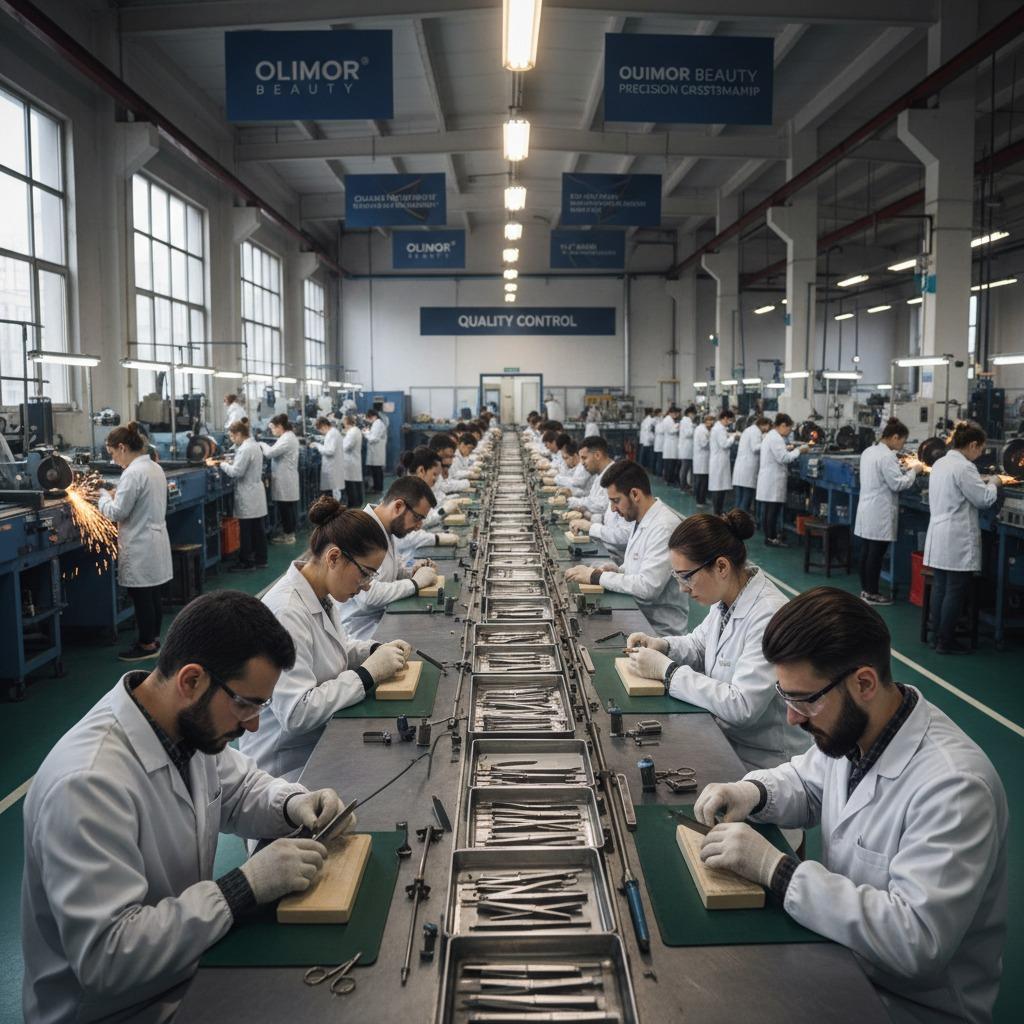
A reliable nail clipper supplier should be able to discuss inspection points in plain language. For this product type, useful quality checks are practical and visible: cutting edge alignment, lever movement, surface scratches, burrs, spring or pivot stability where applicable, printed logo position, and packaging condition. These checks matter because even a small defect is easy for the end user to notice when the tool is handled closely.
Buyers should define what is acceptable before production. For example, a minor surface mark hidden inside packaging may be treated differently from a burr near the cutting edge. A slightly off-center print may be less serious on a low-cost promotional item than on a premium retail tool, but it still needs a standard. Clear approval samples, finish references, and packaging proofs reduce misunderstandings.
For custom made nail clippers, it is also wise to review the first production samples against the approved sample. The feel of the lever, the closure of the jaws, and the polish of the edges should remain consistent. If the clipper is part of a kit, check the fit inside the tray, pouch, or box. A good tool can still create complaints if it arrives scratched, loose in packaging, or difficult to remove from the display card.
Maintenance Information Improves Customer Satisfaction
Simple care guidance can make a nail clipper feel more professional and can reduce avoidable complaints. Include concise instructions on the packaging or insert when space allows. Users should wipe the tool after use, keep it dry before storage, and avoid using it for materials other than nails. If the clipper has a textured or patterned handle, remind users to remove residue from grooves with a dry cloth or soft brush.
Maintenance wording does not need to be long. Clear, practical language is better than heavy marketing. For retail or private-label programs, care instructions also help the buyer present the product as a serious grooming tool. This is especially useful when selling through online listings, where shoppers compare details closely before choosing between similar-looking nail clippers.
How to Prepare a Better Custom Nail Clipper Inquiry
A strong inquiry helps the supplier understand the project quickly and reduces back-and-forth. Instead of asking only for a “custom nail clipper price,” prepare basic information about your target market, expected use, finish preference, packaging idea, and branding needs. If you already have a reference sample or drawing, describe what you like and what should be changed.
Include details such as intended channel, quantity planning, logo color, packaging style, and whether the nail clipper is a standalone item or part of a grooming set. If you are comparing several grooming tools, you can send an inquiry with the project scope so the response can address the full assortment. For questions about product options, packaging direction, or customization feasibility, you may also contact Olimor directly.
Custom made nail clippers are most successful when design, function, and sourcing expectations are considered together. A clean-cutting edge, stainless steel appearance, secure ergonomic handle, consistent finish, and suitable packaging all contribute to the final user experience. By evaluating samples carefully and defining practical specifications early, buyers can create a nail clipper program that fits its market rather than relying on decoration alone.
Tag: