Evolution of Eyelash Curlers: From Metal Frames to Eco-Conscious Designs
Eyelash curlers are small beauty tools, but their design has changed a great deal over time. A good curler has to do several things at once: fit the shape of the eye, press the lashes evenly, create a visible lift, and avoid pulling or crimping. For individual users, the goal is comfortable daily use. For beauty retailers, salons, and private-label buyers, the goal is also consistency, durability, safe packaging, and a design that customers can understand immediately.
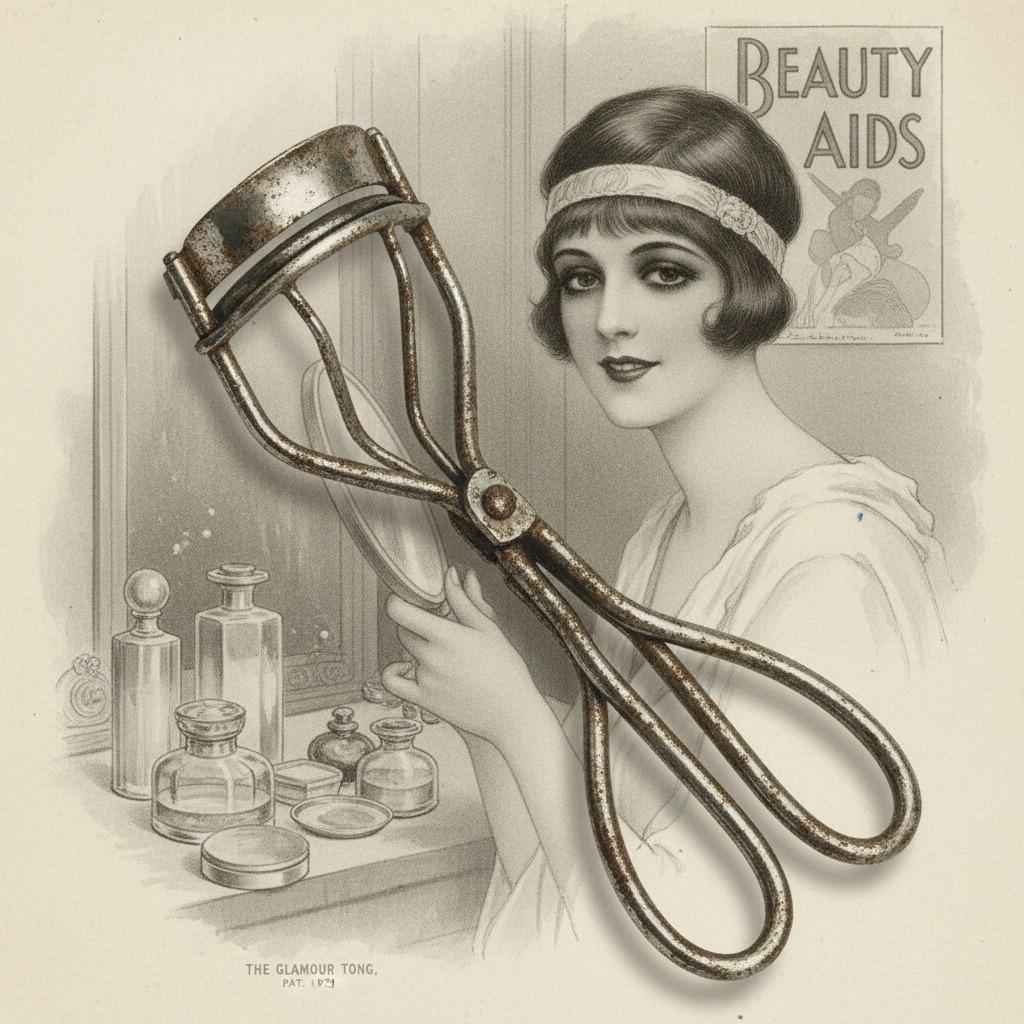
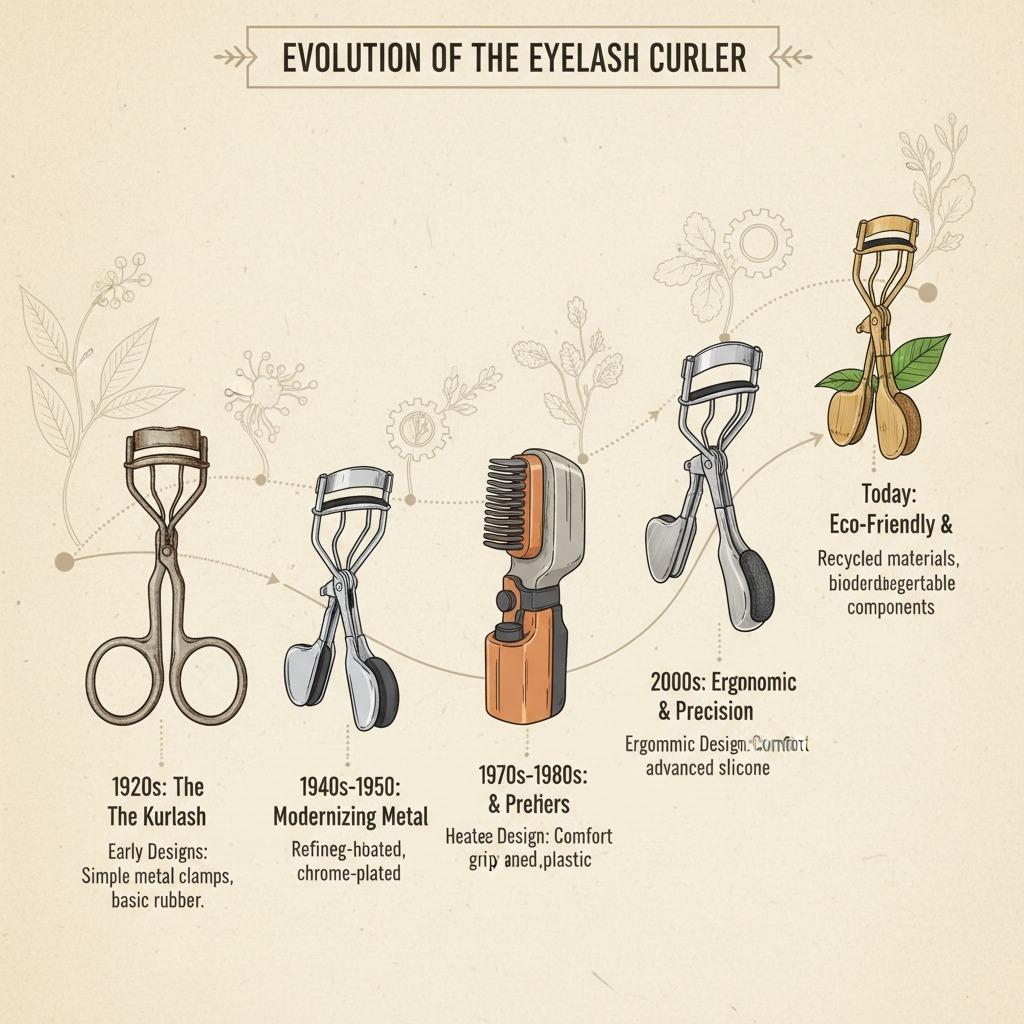
The history of eyelash curlers is often described as a move from basic metal pinching tools to more refined, ergonomic designs. Today, the category includes stainless steel curlers, lightweight frames, replaceable silicone pads, compact travel versions, and products marketed with more responsible material choices. Understanding that evolution helps buyers choose better tools instead of relying only on appearance.
Why Early Eyelash Curlers Were Mostly About Mechanical Lift
The basic principle of an eyelash curler has remained similar for decades: a curved upper bar and a cushioned lower pad meet around the lashes to shape them upward. Early tools were often simple metal devices, focused more on function than comfort. They could create lift, but fit and pressure control were not always refined. If the curve was too shallow or too deep for the user’s eye shape, the curler might miss corner lashes or press uncomfortably against the eyelid.
Modern lash tools still rely on mechanical pressure, but the details matter more. A better curler distributes pressure along the lash line instead of creating a sharp bend in one spot. The pad needs enough softness to protect lashes, yet enough resistance to hold shape during use. The handle should allow controlled pressure rather than forcing the user to squeeze too hard.
For product buyers comparing beauty tool products, this is where quality differences begin. Two curlers may look similar in a photo, but the curve, hinge movement, pad density, finishing, and alignment determine whether the product feels reliable in daily use.
The Rise of Metal Eyelash Curlers
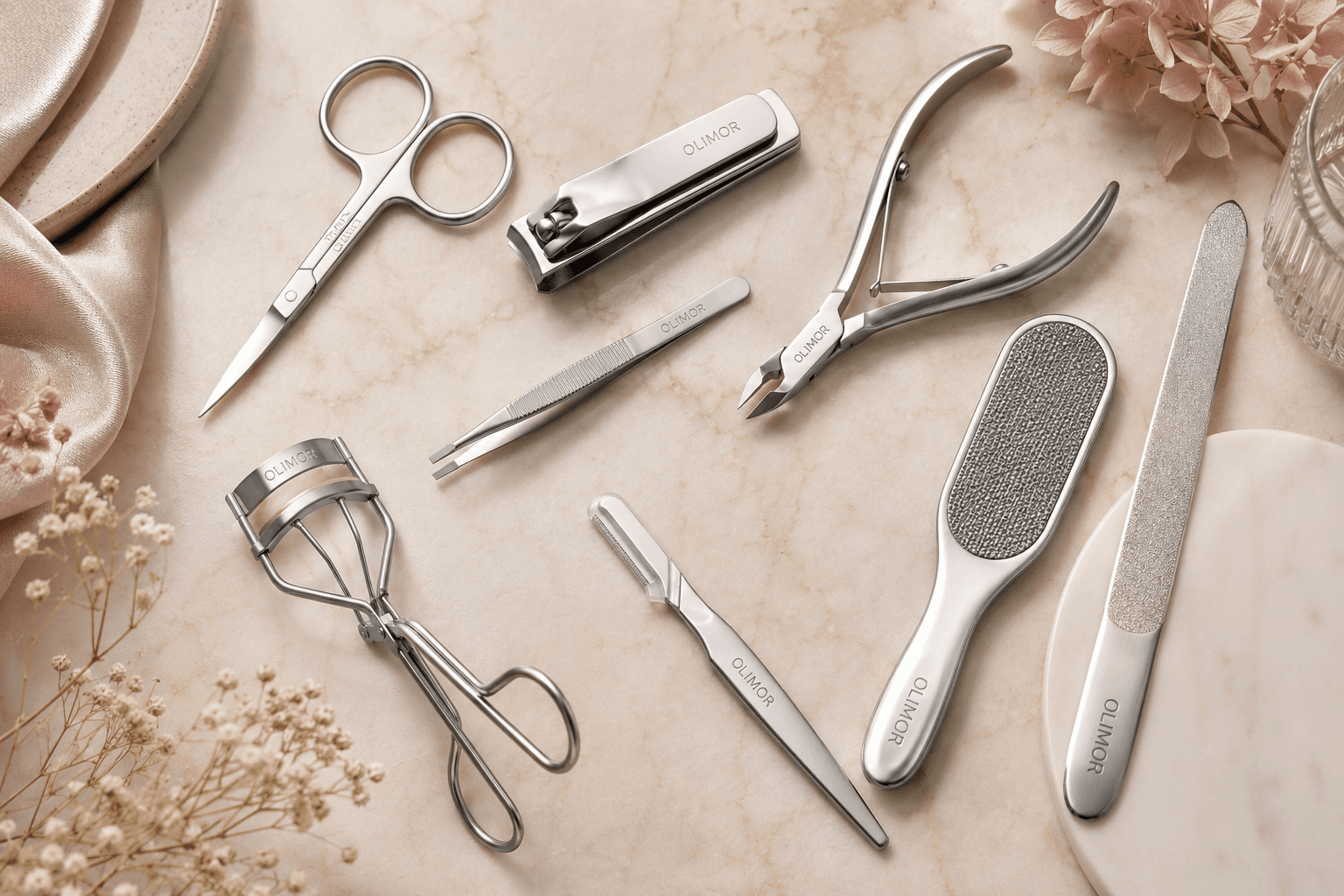
Metal eyelash curlers became popular because they offer strength, stability, and a familiar professional appearance. A well-made metal frame can hold its shape through repeated use, which is important because even slight misalignment can affect curl performance. Metal also allows a slimmer, more precise frame compared with some bulkier plastic designs.
Stainless steel is commonly used in beauty tools because it has a clean appearance and is suitable for products that need regular wiping and handling. However, buyers should not judge a metal curler by material name alone. The quality of the hinge, the smoothness of the edges, and the way the pad fits into the channel are equally important. A shiny frame is not enough if the tool pinches skin, squeaks, or presses unevenly.
Metal designs are also valued because they can feel more controlled in the hand. For makeup artists and frequent users, the resistance of the frame and handle can help with repeatable results. For retail customers, a metal curler often communicates durability. That said, comfort still depends on the curve and pad, not simply the fact that the product is metal.
Material Changes: Pads, Handles and Surface Finishing
The most visible evolution in eyelash curlers is the frame, but the pad is one of the most important performance components. Modern curlers commonly use silicone-style pads rather than very hard rubber-like cushions. A suitable pad helps reduce harsh creasing and makes the pressure feel smoother. Pads are also a wear part: over time, they can flatten, split, or collect cosmetic residue, which affects both hygiene and curl quality.
Surface finishing has also improved the category. Rounded edges, polished contact areas, and smoother hinge movement can reduce the risk of uncomfortable pulling. Handles have changed too. Some curlers use scissor-style finger loops, while others use broader grips or spring-assisted structures. Each format has a different feel, so the right choice depends on the target customer.
- Frame alignment: The upper bar and lower pad should meet evenly from end to end.
- Pad resilience: The pad should compress smoothly and return to shape after use.
- Eye curve: The curvature should suit the intended market, whether the design is more rounded, flatter, or general-purpose.
- Edge finishing: Areas near the lash line should feel smooth, with no rough burrs.
- Handle control: The user should be able to apply gradual pressure, not only a hard squeeze.
- Replacement plan: If pads are replaceable, confirm how replacements will be supplied or packaged.
What Eco-Conscious Design Means for Eyelash Curlers
Eco-friendly beauty tools are attracting more attention, but the term can mean different things. For eyelash curlers, a more responsible design may involve durable construction that lasts longer, reduced unnecessary packaging, recyclable packaging materials, replaceable pads, or careful material selection. It is important to separate practical sustainability choices from vague marketing language.
A curler that breaks quickly creates waste, even if it is promoted with natural-looking packaging. Durability, repairability, and pad replacement can be more meaningful than a single claim on the box. Buyers should review the entire product system: frame material, pad material, packaging, instructions, and how long the user can reasonably use the tool before replacement.
For brands and distributors building an eco-conscious assortment, it helps to create a checklist before requesting samples. Consider whether the product reduces excess plastic packaging, whether replacement pads are included, whether the outer carton is easy to recycle in your sales region, and whether the product claims can be supported with documentation. Olimor Beauty can discuss available beauty tool options through the main product collections or by helping buyers compare design directions for different market needs.
How to Choose an Eyelash Curler for Retail, Salon or Private-Label Use
Choosing an eyelash curler for a product line is different from choosing one for personal use. A personal buyer may only need a tool that fits their own eye shape. A retail buyer needs a product that performs well for many customers and generates fewer complaints. A salon buyer may care more about control, cleanability, and repeat use. A private-label buyer also needs packaging space for instructions, warnings, and brand presentation.
The following comparison can help clarify what to evaluate before placing an eyelash curler into an assortment:
| Buying focus | What to check | Why it matters |
|---|---|---|
| Daily consumer use | Comfortable curve, smooth squeeze, soft pad | Reduces pinching and helps beginners use the tool correctly |
| Salon or makeup kit | Durable frame, easy cleaning, consistent hinge movement | Supports frequent handling and repeatable results |
| Retail packaging | Clear usage instructions and visible pad information | Helps customers understand value before purchase |
| Eco-conscious positioning | Minimal packaging, long tool life, replacement pad plan | Makes sustainability claims more practical and credible |
| Private-label sourcing | Sample review, finish consistency, packaging compatibility | Protects brand presentation and customer experience |
When reviewing samples, test more than one unit. Open and close each curler several times, check whether the pad stays seated, and inspect the contact line under light. If the curler feels different from unit to unit, the issue may not be the design concept but the consistency of assembly and finishing.
Safe Use and Maintenance for Longer Tool Life
Even a well-designed eyelash curler needs proper use. The tool should be used on clean lashes before mascara whenever possible. Curling after mascara can cause lashes to stick to the pad or become more brittle, especially if the mascara has dried. Users should position the curler close to the lash base without catching the eyelid, then apply gentle pressure for a few seconds. Many users get a more natural curl by repeating lightly at the middle of the lashes rather than squeezing hard at the base.
Maintenance is simple but often ignored. Cosmetic residue, oils, and dust can collect on the pad and frame. Wiping the pad regularly helps protect lashes and keeps the curl smooth. If the pad develops a groove, crack, or flattened area, it should be replaced if replacements are available. A damaged pad can create a sharp crease or expose the lashes to harder contact with the frame.
- Wipe the pad after use with a suitable cosmetic tool wipe or soft cloth.
- Check the hinge for smooth movement and avoid forcing it if it feels misaligned.
- Store the curler in a dry place, away from loose powder and residue.
- Replace worn pads when they lose resilience or show visible cuts.
- Do not share lash tools without appropriate cleaning practices, especially in professional settings.
Questions Buyers Should Ask Before Sourcing Eyelash Curlers
For wholesale, retail, or custom packaging projects, the best sourcing conversations are specific. Instead of asking only whether a curler is “high quality,” define the inspection points that matter to your customer. Review the frame material, pad type, finish, packaging format, and any available replacement pad options. If you want an eco-conscious angle, define what that means for your market: reduced packaging, durable construction, recyclable materials, or documented material choices.
It is also useful to prepare your target price range, sales channel, and expected user profile. A tool designed for a premium makeup kit may not need the same packaging as a high-volume retail item. A salon-focused product may prioritize handling and durability over decorative finishes. Clear requirements help narrow the selection and avoid choosing only by appearance.
Olimor Beauty works with buyers looking for practical beauty tools, including eyelash curlers and related accessories. To compare available options, visit beauty tool products. For sourcing questions, packaging discussions, or product selection support, you can send an inquiry or contact Olimor.
The Future of Eyelash Curlers Is Practical, Comfortable and Better Defined
The evolution of eyelash curlers is not only about changing from metal to eco-friendly materials. It is about improving fit, pressure control, pad performance, durability, and the honesty of product claims. Metal curlers remain important because they can provide strength and precision. Modern pads improve comfort. Eco-conscious thinking adds another layer: how the product is packaged, how long it lasts, and whether replacement parts reduce unnecessary waste.
For consumers, the best eyelash curler is one that fits the eye comfortably and creates lift without damage. For beauty brands and retailers, the best choice is a tool that performs consistently, is easy to explain, and matches the expectations of the target market. By focusing on design details rather than broad claims, buyers can choose eyelash curlers that feel better in the hand, work better on lashes, and support a more thoughtful beauty tool assortment.
Tag: