Ergonomic Nail Clippers vs Traditional Designs: What Beauty Tool Buyers Should Compare
Nail clippers are small tools, but they influence a surprisingly large part of the grooming experience. A clipper that feels awkward, slips in the hand or leaves rough edges can make a daily care product feel low quality. That is why creative nail clippers, especially ergonomic and visually distinctive designs, are gaining attention among personal care brands, distributors, salons, gift set developers and retailers.
Traditional nail clippers still have an important place in the market. They are familiar, compact and cost-efficient. However, many buyers now look beyond the basic lever-and-jaw format. They want tools that feel stable in the hand, trim cleanly, look suitable for modern grooming kits and support a more considered personal care routine. Olimor Beauty focuses on beauty tools that combine practical function with thoughtful design, and nail clippers are a good example of how small changes can affect the user experience.
Why Creative Nail Clippers Are Becoming More Important
The phrase “creative nail clippers” does not simply mean a bright color or unusual shape. In a serious sourcing context, creativity should improve usability, shelf appeal or product differentiation. For example, a clipper may have a wider lever for better thumb contact, a curved profile that follows the hand more naturally, or a finish that helps the product fit into a grooming set. These details can be useful when a retailer needs a product that looks more giftable, or when a brand wants a nail tool that does not appear generic.
Consumer expectations have also changed. Many people now buy personal care tools with the same attention they give to skincare accessories, cosmetic bags or manicure implements. They expect the tool to be comfortable, easy to clean and visually consistent with the rest of their grooming collection. A nail clipper may be an entry-level item, but it can still communicate quality when the cutting action, surface finish and shape are well considered.
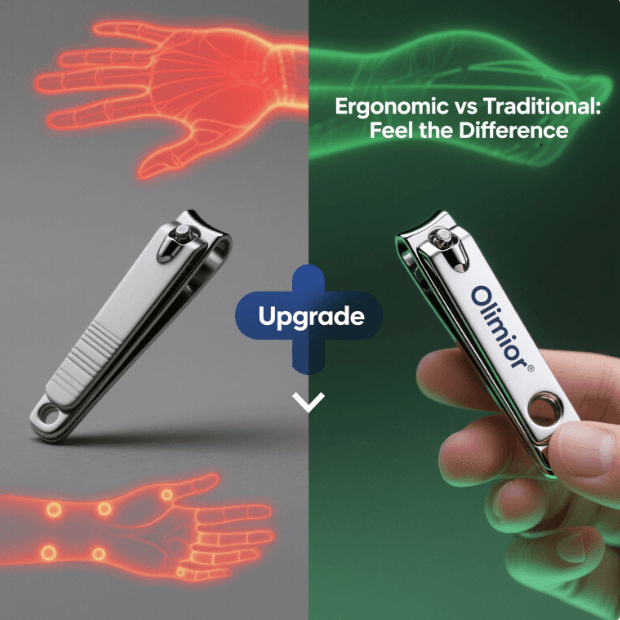
Ergonomic vs Traditional Nail Clippers
A traditional nail clipper usually uses a simple folded metal body with a lever on top and a cutting jaw at the front. This structure is efficient and widely understood. For many buyers, it remains the baseline product. The limitation is that traditional designs can feel narrow, especially for users with larger hands, reduced grip strength or frequent grooming needs.
Ergonomic nail clippers aim to reduce strain during use. The goal is not to make the tool complicated, but to make the pressure point, grip area and cutting control more comfortable. A better handle shape can help the user apply force more evenly. A stable lever can reduce the chance of slipping. A considered jaw angle can make it easier to see the nail while trimming. These design factors matter for home users, nail salons, travel kits and senior-friendly personal care items.
| Comparison point | Traditional design | Ergonomic design |
|---|---|---|
| Hand comfort | Familiar but often narrow | Usually designed for steadier grip and easier pressure |
| Visual appeal | Simple and functional | More room for trendy shapes, finishes and giftable presentation |
| User control | Depends heavily on lever size and jaw alignment | May improve control through wider contact areas and balanced shape |
| Best use cases | Basic retail packs, travel kits, budget grooming sets | Premium grooming kits, salon retail, comfort-focused product lines |
Selection Criteria for Beauty Brands and Retail Buyers
When comparing nail clippers for a product line, do not evaluate appearance alone. A stylish clipper that cuts poorly will create complaints, while a basic-looking clipper with a smooth cutting action can earn repeat trust. Buyers should assess the full experience from first touch to cleaning and storage.
- Cutting performance: The jaws should meet evenly and trim without crushing or tearing the nail.
- Lever feel: The lever should press smoothly without wobbling or requiring excessive force.
- Grip stability: The body should not feel slippery, sharp at the edges or too small for the intended user group.
- Material suitability: Stainless steel is commonly valued in nail tools because it supports durability and easier cleaning.
- Edge finishing: Surfaces and corners should feel comfortable in the hand and should not scratch cosmetic bags or packaging.
- Design consistency: The clipper should match the positioning of the set, whether minimalist, salon-focused, travel-friendly or gift-oriented.
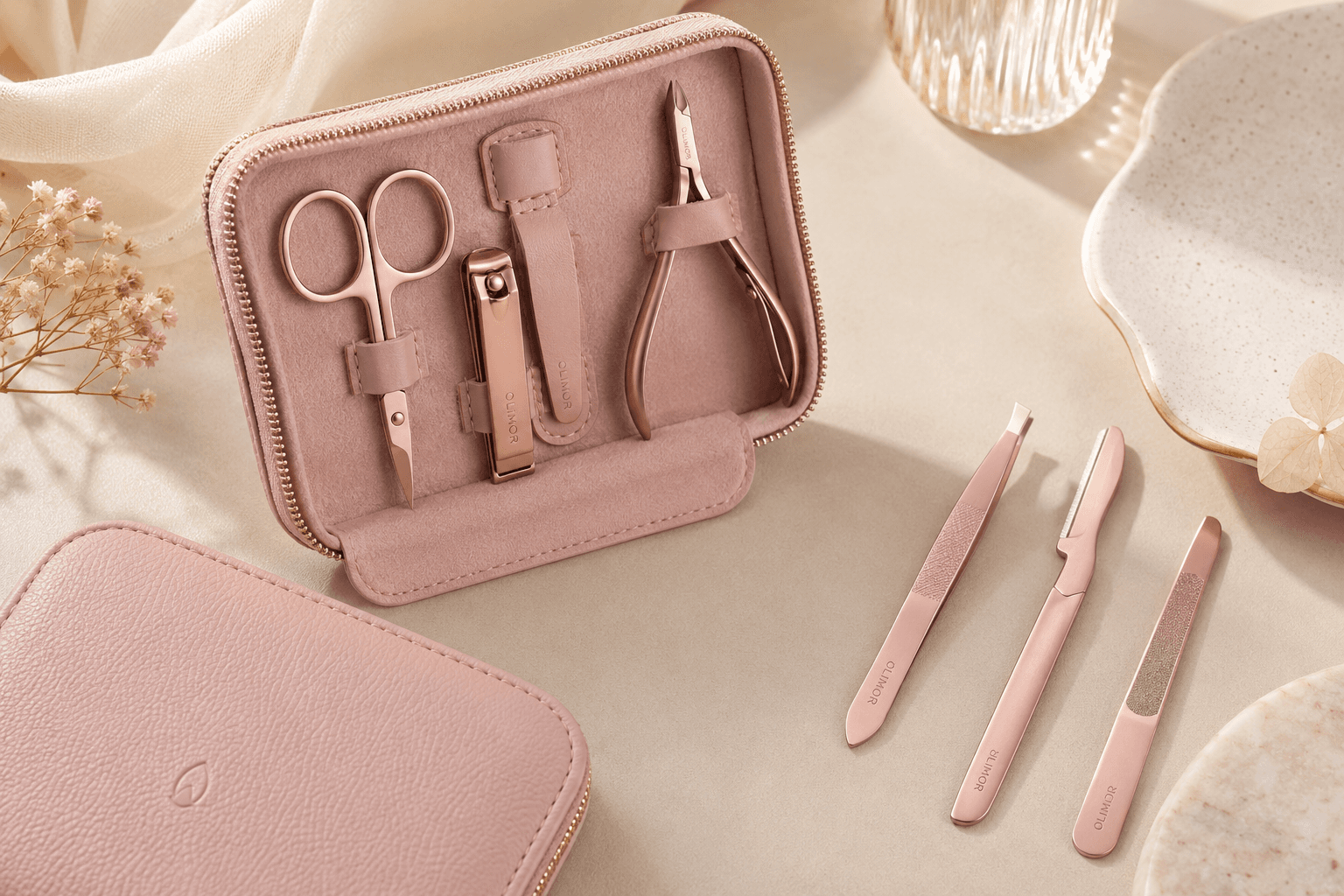
- Packaging compatibility: Consider whether the clipper will be sold individually, paired with a file, or included in a manicure kit.
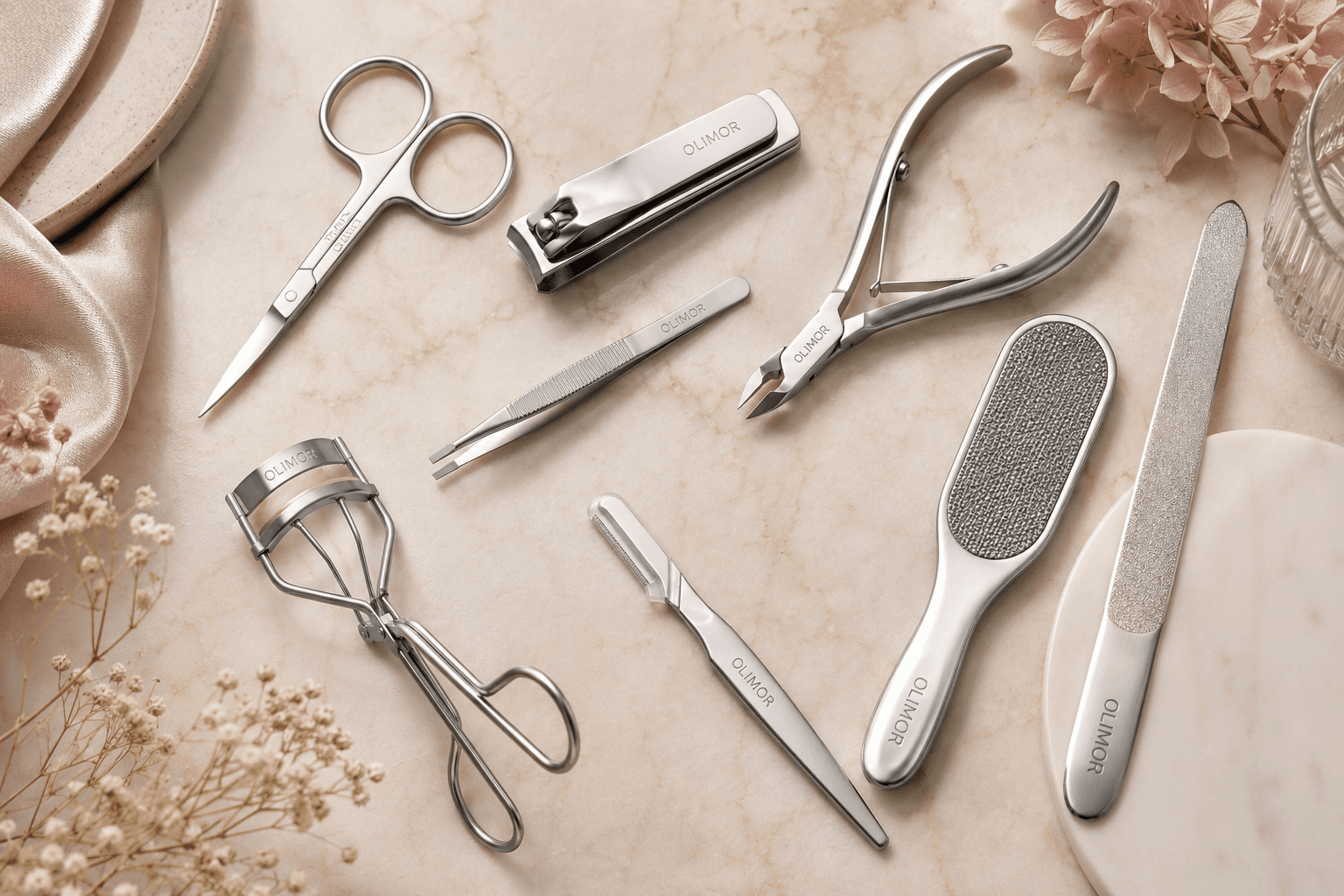
For buyers building a broader assortment, it can help to compare nail clippers alongside other beauty tool products. This makes it easier to align finish, packaging style and price positioning across a complete grooming category.
Where Trendy Designs Add Real Value
Trendy nail clippers are most effective when the design supports a clear buying reason. A distinctive shape can help the item stand out online, but it should still be easy to hold. A colored surface or polished finish can improve shelf impact, but it should not hide rough workmanship. A compact form can be useful for travel, but it should still provide enough leverage for clean trimming.
Retailers often use creative nail clippers in several ways. They may be sold as an impulse purchase near checkout, included in a personal care gift set, used as a salon retail add-on, or paired with other manicure tools for a seasonal promotion. In each situation, the design purpose is slightly different. A checkout product needs quick visual appeal and clear function. A gift set item needs a more refined finish. A salon add-on should feel reliable and professional in the hand.
For brand owners, creative design can also reduce direct price comparison. If a clipper looks and feels like every other option, buyers tend to focus only on cost. If the clipper offers a more comfortable handle, better presentation or a coordinated aesthetic, it becomes easier to position as part of a higher-value grooming solution.
Maintenance and User Care Considerations
Even a well-made nail clipper needs basic care. Product instructions do not need to be complicated, but they should encourage hygienic use and protect the cutting edge. This is especially important when selling clippers in manicure sets or to professional environments where users expect clean, dependable tools.
- Wipe the clipper after use to remove nail dust and residue.
- Keep the cutting jaws dry before storage, especially when the tool is kept in a bathroom or cosmetic pouch.
- Avoid using nail clippers on materials other than nails, as hard objects can damage the edge alignment.
- Store the clipper away from loose abrasive items that may scratch the finish.
- Replace the tool if the jaws no longer meet evenly or if trimming begins to crush the nail instead of cutting cleanly.
These care points are simple, but they help consumers understand that a nail clipper is a precision grooming tool rather than a disposable accessory. Clear care messaging can also reduce unnecessary returns caused by misuse or poor storage.
Sourcing Questions Before Choosing a Nail Clipper
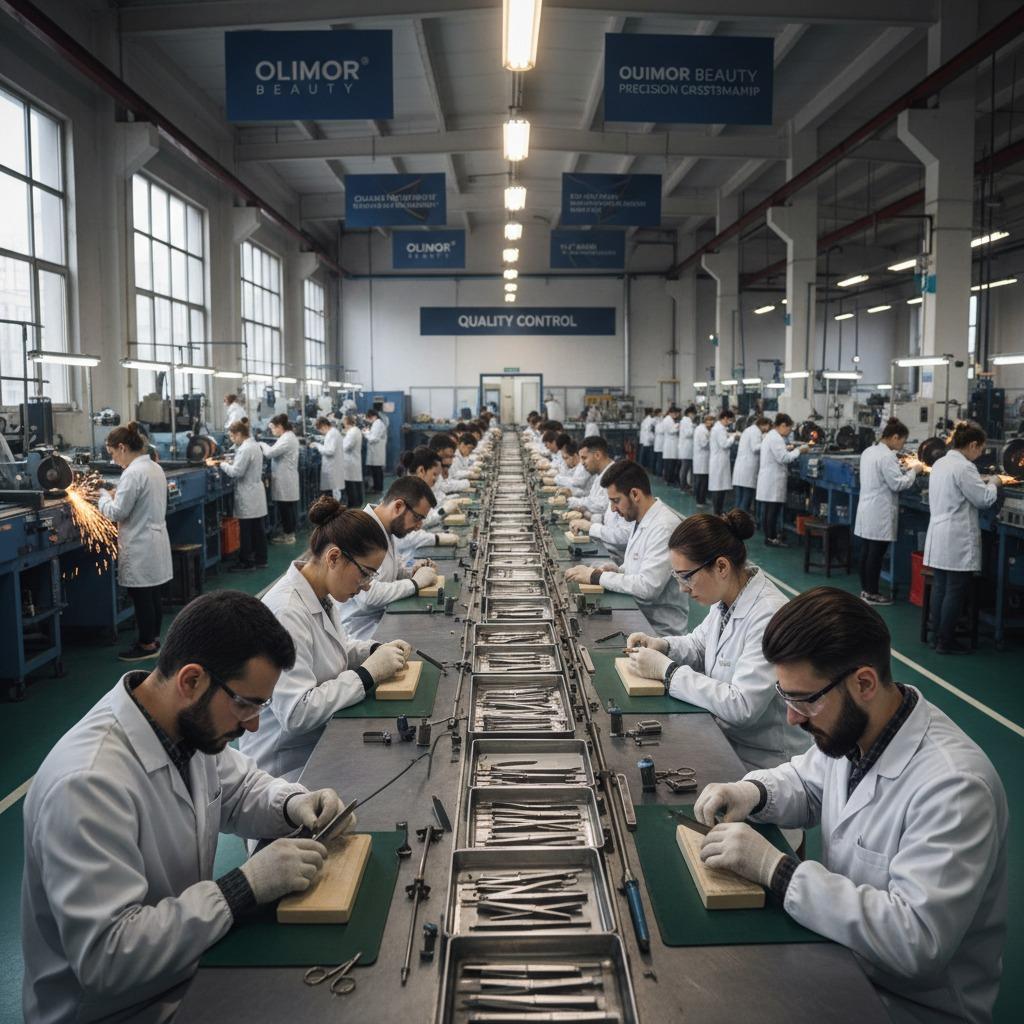
Before placing a nail clipper into a retail program or private-label beauty set, buyers should review both the sample and the production expectations. The most useful questions are practical and measurable. Instead of relying only on product photos, handle the sample, test the cut, inspect the finish and compare it with the intended audience.
Useful sourcing questions include: Is the body comfortable for the target user? Does the lever feel stable after repeated pressing? Are the jaw edges aligned? Is the stainless steel surface cleanly finished? Does the clipper fit the proposed packaging without rattling or damaging inserts? Can the visual design be coordinated with other manicure tools? Are there options for a simpler version and a more ergonomic version within the same buying plan?
If you are comparing multiple grooming accessories, browse Olimor Beauty product collections to understand how nail tools can sit within a wider assortment. For project-specific requirements, you can also send an inquiry with your target market, packaging concept and preferred product positioning.
How to Decide Between Classic and Ergonomic Options
The right choice depends on the selling channel and the user profile. A traditional clipper may be suitable for compact travel packs, basic grooming kits or highly price-sensitive assortments. An ergonomic nail clipper is often a better fit when comfort, gifting, repeat use or premium presentation are part of the product strategy.
For many buyers, the best approach is not to replace traditional nail clippers completely. Instead, build a small range with clear roles: a simple everyday clipper, a more comfortable ergonomic option and a visually distinctive creative design for gift or promotional use. This gives customers choice without confusing the assortment.
Nail clippers may be small, but they reveal a great deal about a beauty tool supplier’s attention to detail. Clean cutting action, comfortable grip, stainless steel construction, careful finishing and appropriate design all contribute to a better user experience. When these factors are reviewed together, ergonomic and creative nail clippers become more than a trend; they become a practical way to improve the quality and appeal of a grooming product line. To discuss a nail clipper project or broader beauty tool selection, contact Olimor for product guidance.
Tag: