B2B Nail Clipper Buying Guide for Distributors and Retailers
A nail clipper is a small product, but it can carry a large role in a beauty, grooming, pharmacy, travel, or personal care assortment. For B2B buyers, the right choice is not only about finding the lowest unit cost. It is about selecting a clipper that feels reliable in the hand, cuts cleanly, presents well on a retail shelf, and performs consistently across a bulk order. A poor clipper can lead to customer dissatisfaction and repeated replacements, while a well-made stainless steel nail cutter can become a steady, practical inventory item.
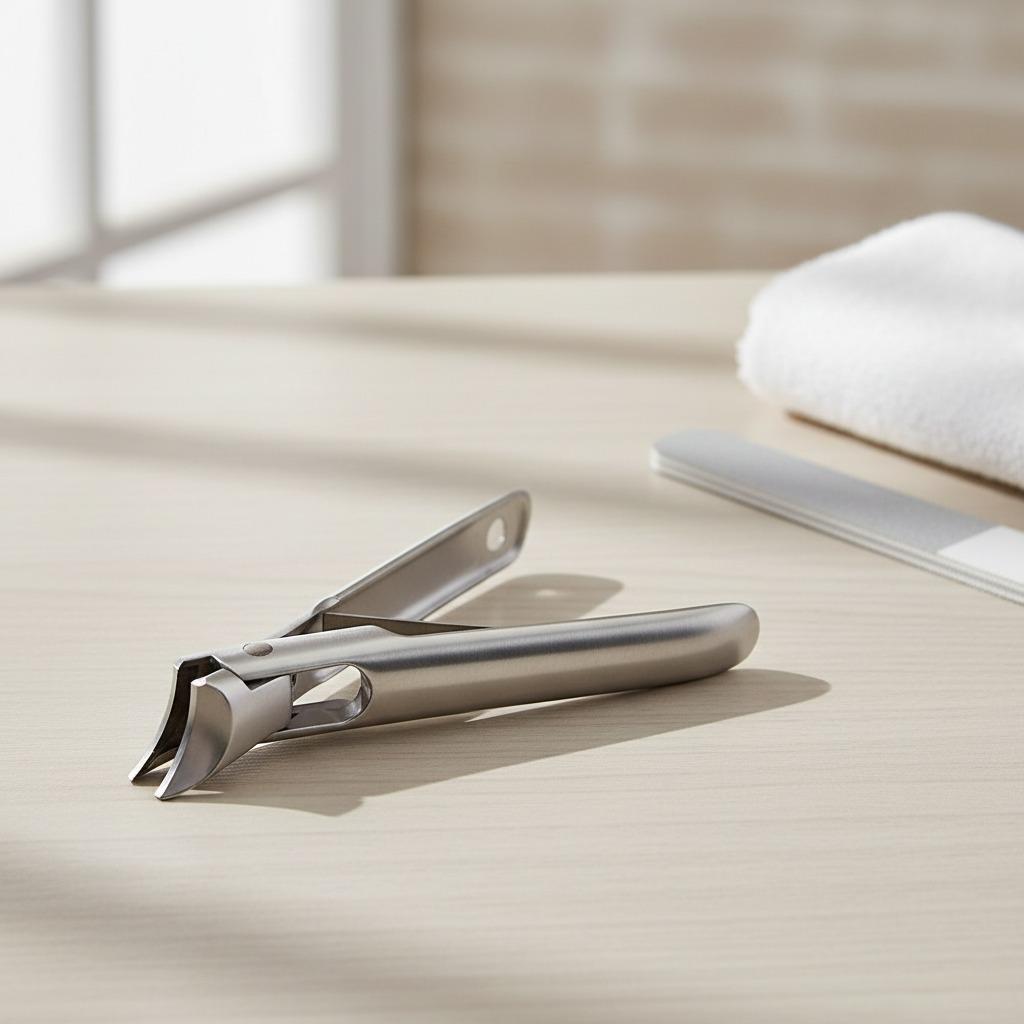
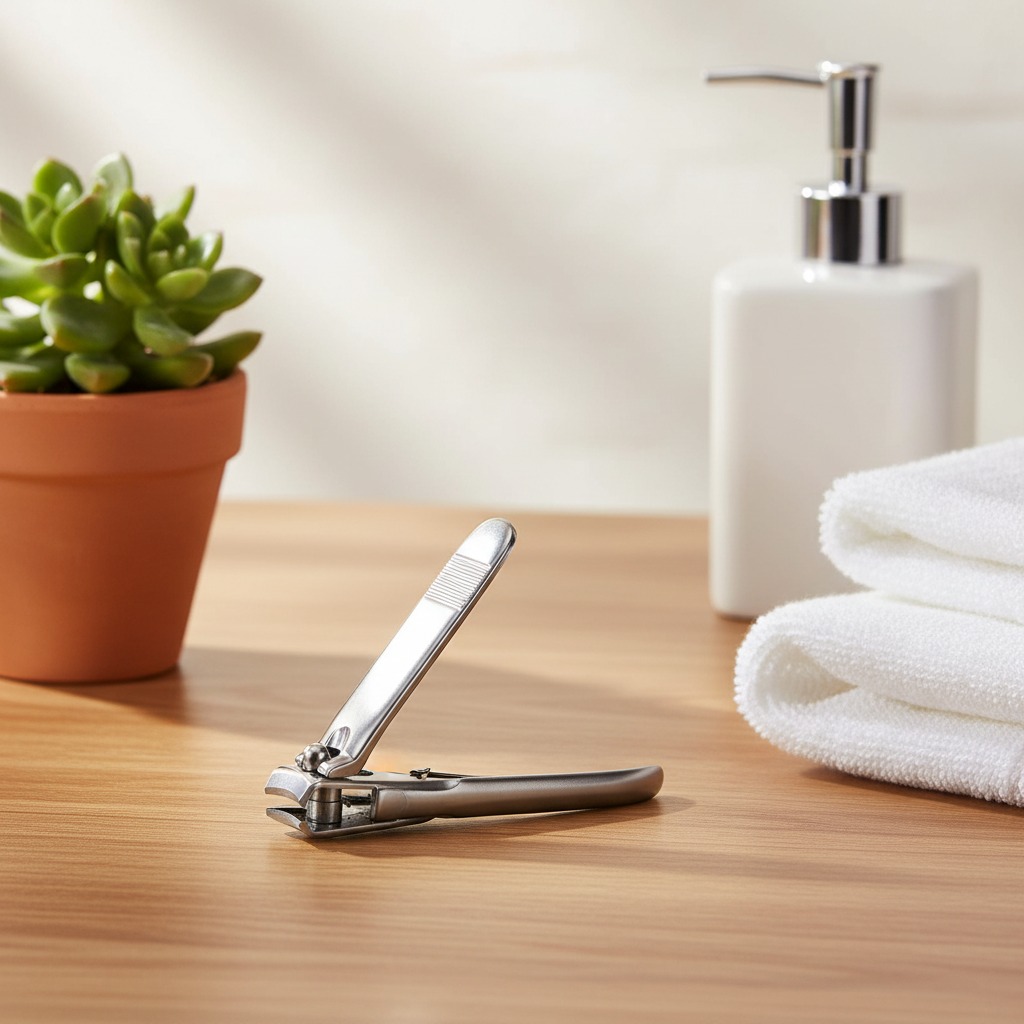
Olimor Beauty offers B2B nail clipper options designed for distributors and retailers that need dependable personal grooming tools. The supplied product information highlights stainless steel construction, a rust-resistant build, ergonomic design, and a compact specification of 90mm height, 15mm width, and 41 grams in weight. Those details matter because they affect handling, portability, merchandising, and perceived quality at the point of sale.
Why B2B Nail Clippers Need a Different Buying Standard
Consumer shoppers often judge a nail clipper quickly: is it sharp, comfortable, clean-looking, and easy to store? B2B buyers have to evaluate those points at scale. A distributor may need a product that can serve multiple retail formats, while a retailer may need a nail clipper that looks credible beside skincare, manicure, men’s grooming, or travel accessories.
Traditional low-cost clippers can meet basic expectations, but quality can vary across production batches. When a clipper feels loose, bends under pressure, or leaves a rough nail edge, the customer usually blames the store or brand that supplied it. For this reason, procurement teams should treat a B2B nail clipper as a repeat-use grooming tool, not a disposable accessory.
The main buying standard should combine three factors: material stability, cutting performance, and consistency. Stainless steel is important because nail clippers are often used near moisture in bathrooms, salons, and travel kits. A rust-resistant build supports cleaner storage and a longer usable life. Ergonomic design is also more than a comfort claim; it affects leverage, grip confidence, and control when trimming fingernails or toenails.
Product Details That Matter in Bulk Procurement
The Olimor Beauty stainless steel nail cutter described for this page has a 90mm height, 15mm width, and lightweight 41-gram construction. In bulk purchasing, those numbers are useful because they help buyers estimate how the product may fit into cartons, retail hooks, counter displays, travel kits, or manicure sets. A compact clipper can be easier to merchandise than oversized tools, but it should still have enough leverage for clean cutting.
When reviewing a nail clipper for distributors or retailers, use the specification sheet as the starting point, then compare it with the actual sales environment. A product intended for checkout counters may need clear, compact packaging. A product intended for salon resale may need a more professional appearance and smooth finishing. A product intended for travel or gift sets should be lightweight enough to support bundle economics.
- Material: Stainless steel supports a cleaner appearance and better resistance to everyday moisture exposure.
- Finish: Smooth edges and a consistent surface finish help the product feel more refined in the hand.
- Size: The 90mm by 15mm format supports portability while still giving users enough holding area.
- Weight: At 41 grams, the clipper is light enough for kits and retail stocking while still feeling substantial.
- Grip and leverage: Ergonomic design helps users control the cut and reduces awkward hand pressure.
- Cutting edge consistency: Bulk orders should be checked for clean closure and aligned cutting edges.
Bulk Nail Clipper Price: Value Beyond the Lowest Quote
Bulk nail clipper price should be evaluated as total value, not just the smallest number on a quote sheet. A lower upfront cost can become expensive if the product creates returns, complaints, damaged packaging, or slow-moving inventory. For a basic grooming tool, the most important question is whether the product can deliver a reliable experience repeatedly.
Buyers should compare the landed cost with the expected retail channel. A nail clipper for retailers may need stronger shelf appeal and a clean finish, because shoppers can see and compare grooming accessories quickly. A nail clipper for distributors may need broader usability across supermarkets, beauty shops, pharmacies, online sellers, or promotional kits. In both cases, durability and presentation affect how much value the buyer receives from the purchase.
It is also useful to separate cost into visible and hidden categories. Visible costs include unit price, packaging, and freight. Hidden costs may include inspection time, customer service issues, returns, repacking, product replacement, and poor sell-through caused by weak presentation. A rust-resistant stainless steel clipper with ergonomic handling can help reduce some of these risks because it is easier to position as a practical personal care item rather than a generic low-end accessory.
Selection Checklist for Distributors
Distributors usually need flexibility. A single B2B nail clipper may be sold into many different accounts, each with a different customer profile. Because of this, distributors should focus on consistency, neutral appeal, and reliable physical performance. The product should be easy for sales teams to explain and easy for buyers to place into existing grooming categories.
| Buying point | Why it matters | What to check |
|---|---|---|
| Material | Supports durability and rust resistance | Confirm stainless steel construction and surface finish |
| Cutting feel | Affects end-user satisfaction | Check edge alignment, closure, and smooth trimming action |
| Dimensions | Influences packing, display, and kit compatibility | Use the 90mm height and 15mm width for planning |
| Weight | Impacts shipping and perceived hand feel | Plan around the 41-gram product weight |
| Packaging fit | Determines retail readiness | Match packaging style to the sales channel |
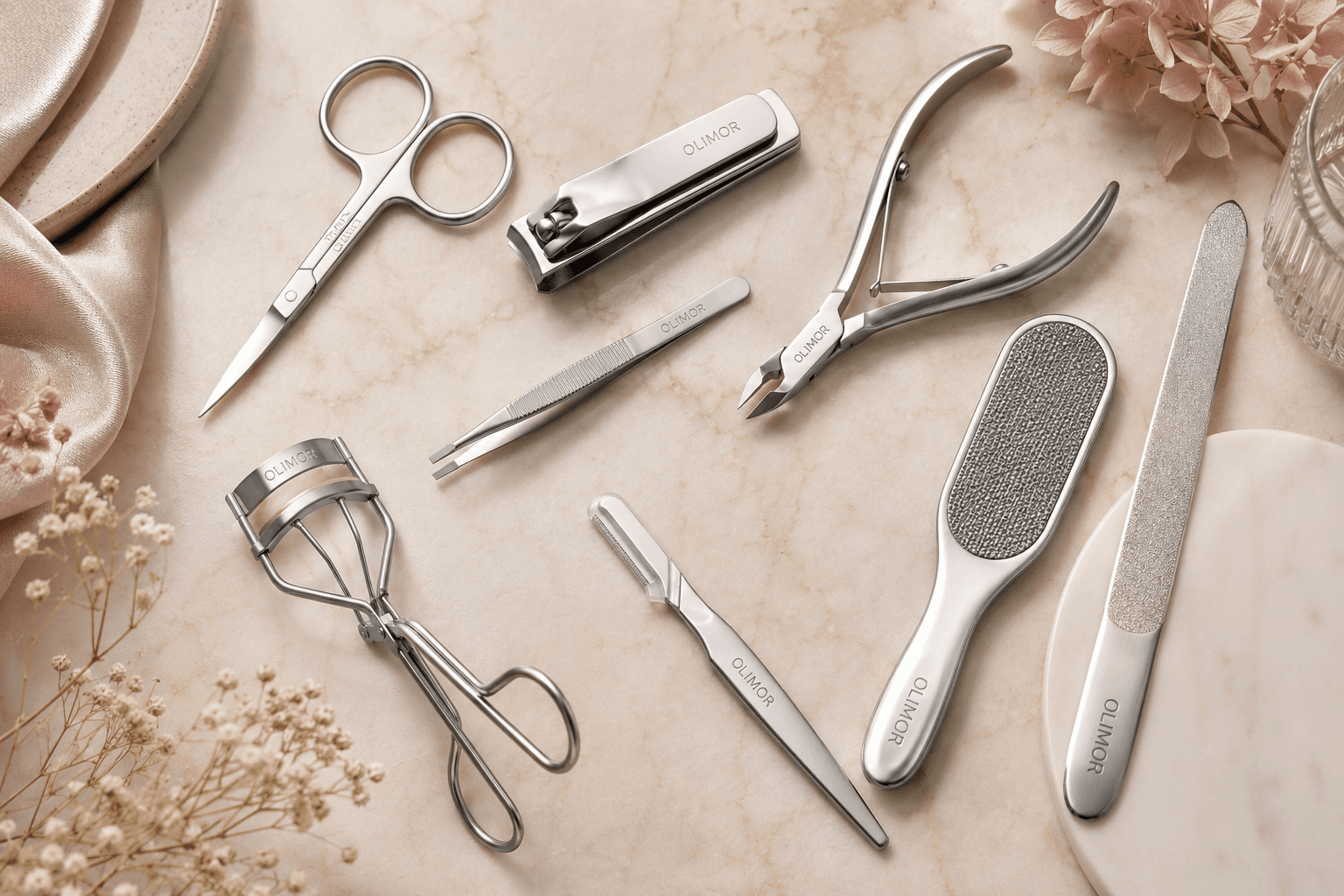
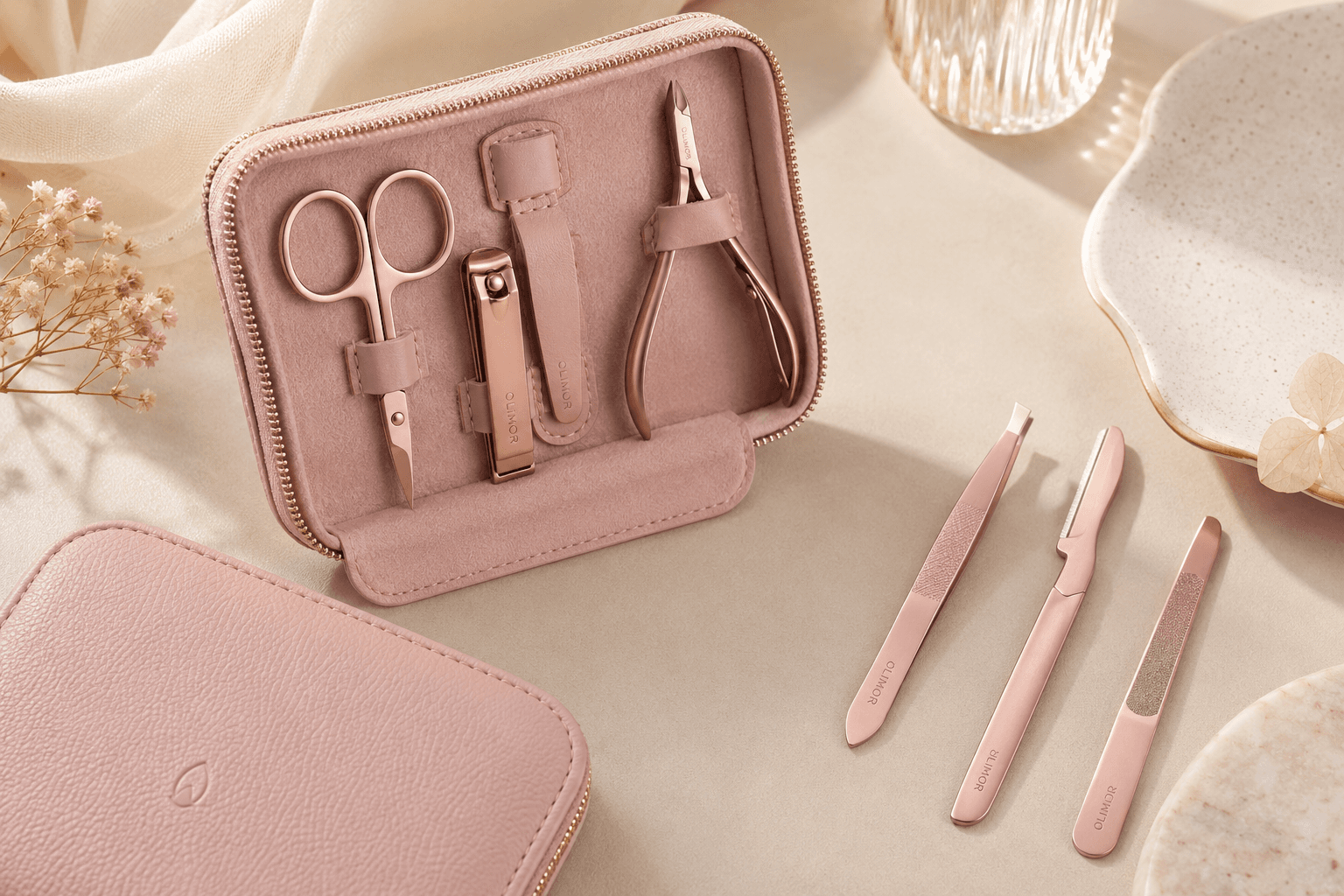
Distributors can also review adjacent beauty tool products to build a more complete grooming assortment. Nail clippers often sell well when grouped with manicure tools, eyebrow tools, facial grooming items, or compact travel accessories. A coordinated assortment can help wholesale customers place larger, more practical orders.
Retail Considerations: Shelf Appeal and Customer Trust
For retailers, the nail clipper must do two jobs before it ever touches a nail. First, it must look clean and trustworthy. Second, it must make the customer feel that the purchase will be useful for more than a few uses. Minimalist stainless steel construction can support both goals because it communicates simplicity, hygiene, and everyday practicality.
Retailers should think about where the clipper will be displayed. In a beauty store, it may sit near manicure care or foot care. In a pharmacy, it may be part of personal hygiene. In a boutique or lifestyle shop, it may work as a compact add-on item. In online retail, product photography and concise specifications become especially important, since the customer cannot test the cutting action before purchase.
A nail clipper for retailers should also be easy to understand at a glance. If packaging or product pages mention stainless steel, rust-resistant construction, ergonomic design, and compact dimensions, customers can quickly see the practical benefits. Avoid overcomplicated claims. Clear product facts usually work better for everyday grooming tools than exaggerated language.
Quality Inspection Points Before Stocking
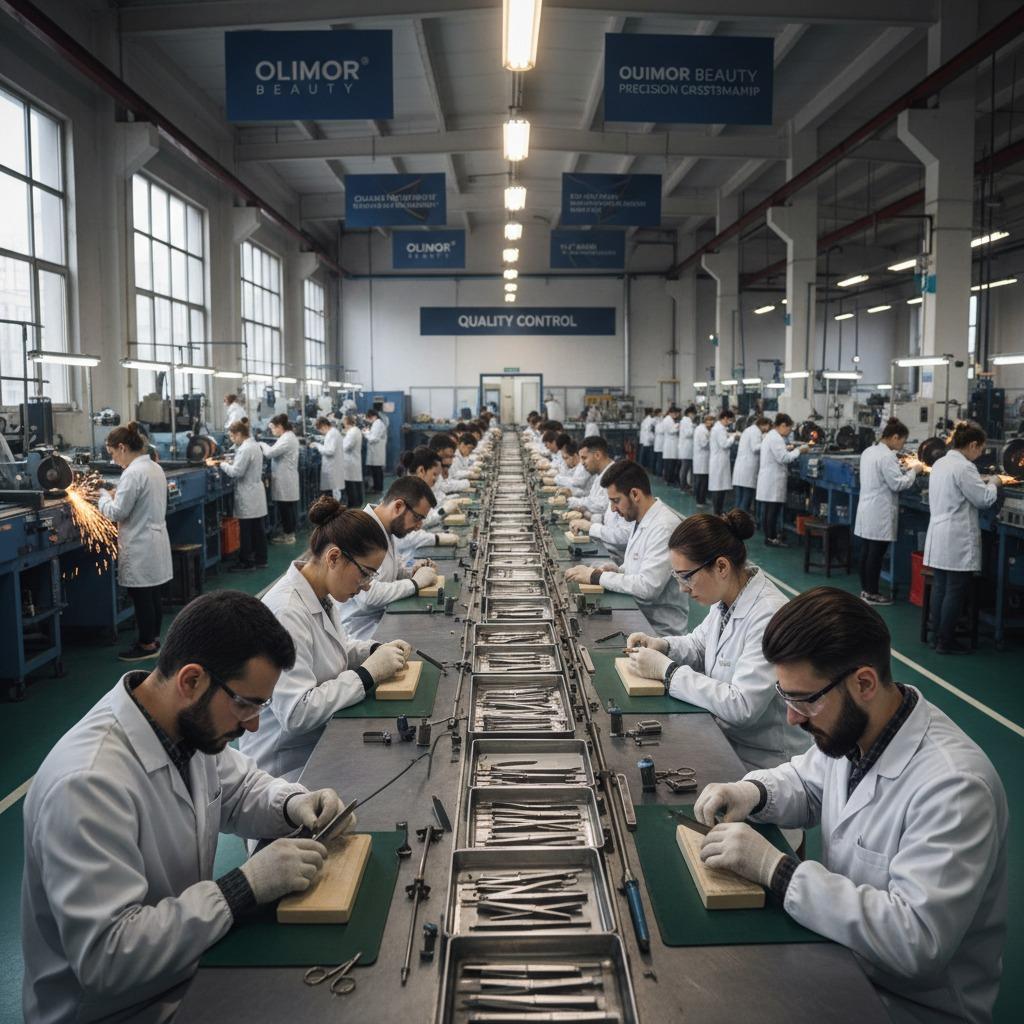
Even when a product is designed for B2B supply, buyers should use a structured incoming inspection process. Nail clippers have moving parts and cutting edges, so small variations can affect the user experience. A practical inspection does not need to be complicated; it should focus on the areas most likely to influence complaints or repeat purchases.
- Check cutting edge alignment. The blades should meet evenly without visible offset.
- Open and close the lever. Movement should feel stable, not loose or rough.
- Inspect the surface. Look for burrs, scratches, sharp non-cutting edges, or inconsistent finishing.
- Test grip comfort. The ergonomic shape should support controlled pressure during use.
- Review packaging condition. Retail-ready goods should arrive clean, intact, and easy to display.
- Confirm specifications. Compare received goods with the expected 90mm height, 15mm width, and 41-gram weight where relevant.
These checks are especially important for businesses planning repeat orders. A product that passes inspection once should still be monitored across future shipments so the inventory remains consistent over time.
Building a Stronger Grooming Assortment
A B2B nail clipper works best when it fits into a broader buying strategy. Distributors may use it as a core personal care item that supports steady reorder demand. Retailers may use it as a practical add-on product with broad customer appeal. Beauty and grooming sellers may pair it with other hand, foot, or manicure care items to create a more complete shopping experience.
Before finalizing an order, consider the sales channel, target customer, packaging expectations, and required presentation. If you are comparing options for a grooming tools program, Olimor’s product collections can help you review related categories. For sourcing questions, specifications, or business discussions, you can send an inquiry or contact Olimor.
The best B2B nail clipper is not simply the cheapest item available. It is the product that balances stainless steel durability, rust-resistant construction, comfortable handling, compact sizing, and dependable appearance across a bulk order. For distributors and retailers, that balance can improve customer confidence, reduce avoidable quality issues, and make a small grooming tool work harder within the overall inventory plan.
Tag: