How to Choose a Reliable Tweezers Manufacturer for Lash and Beauty Tool Sourcing
For lash artists, beauty retailers, distributors, and private-label tool brands, tweezers are small products with a large quality impact. A tweezer that looks attractive in packaging can still fail during isolation, volume fan pickup, brow shaping, or daily salon disinfection if the tip alignment, grip tension, finish, or material choice is not controlled carefully. Choosing a tweezers manufacturer is therefore not only about comparing unit cost. It is about finding a production partner that understands precision tools, repeatable inspection, branding needs, and the expectations of professional beauty users.
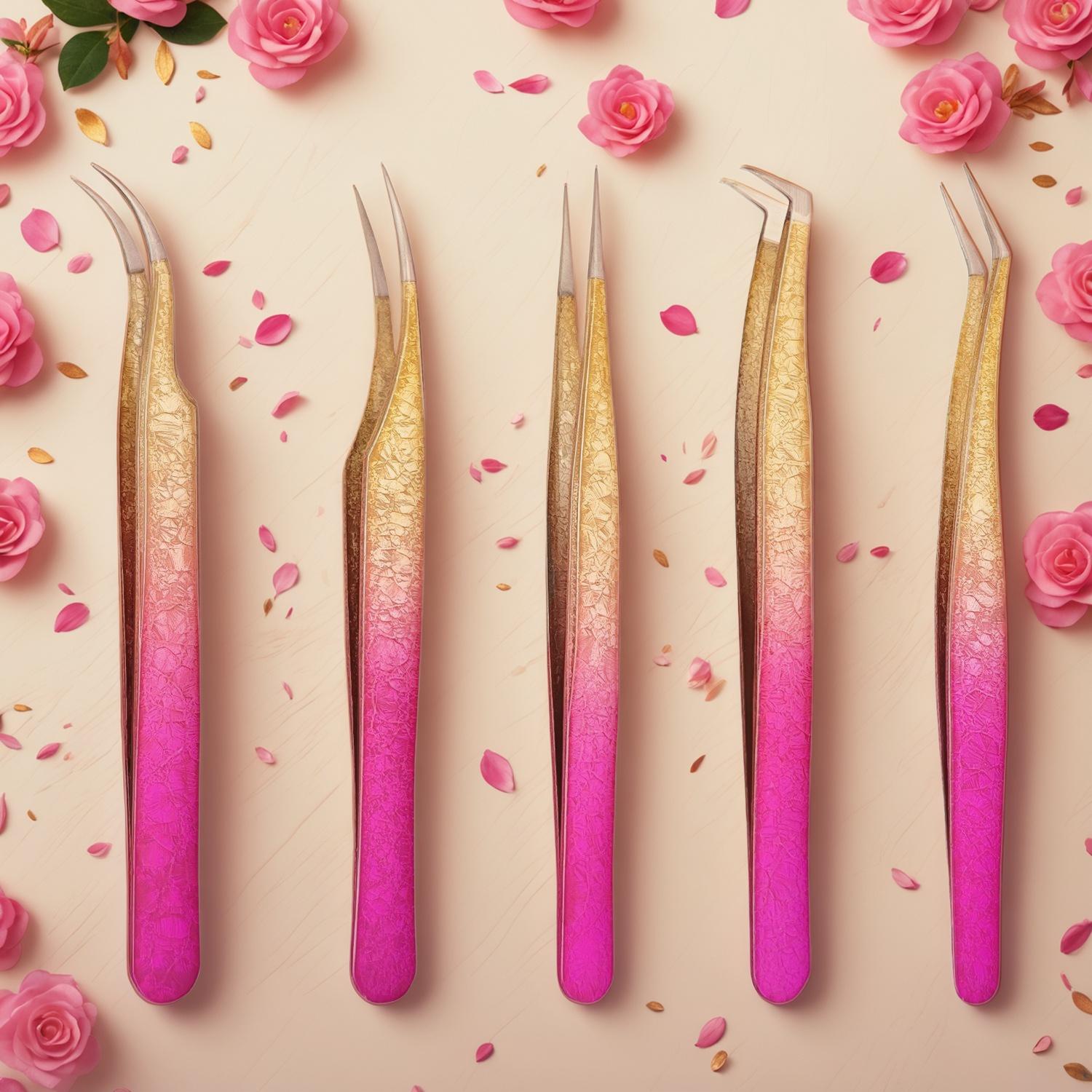
Olimor Beauty works with beauty tools for professional and retail use, including eyelash extension tweezers such as curved volume, angled volume, super fine tip, and pointed isolation styles. The gold-to-pink ombré eyelash extension tweezers collection mentioned by Olimor Beauty reflects an important buyer priority: beauty tools must feel precise in the hand while also matching the visual standards of modern salons and beauty brands. This guide explains what to check when evaluating a tweezers manufacturer for wholesale, custom logo, and export sourcing.
Start with the tweezer’s real working purpose
The best tweezer for one job may be uncomfortable or inefficient for another. Before discussing customization, finishes, or packaging, define exactly how the tool will be used. Lash extension professionals often need several tip shapes in one kit because isolation, classic pickup, volume fan making, and placement require different contact points and hand angles. Brow and facial hair tweezers may require different edge geometry and tension than lash extension tweezers.
When building a wholesale assortment, consider separating products by use case rather than selecting only by appearance. Curved volume tweezers can support fan pickup and placement, while pointed isolation tweezers are designed for meticulous separation work. Super fine tip designs can help with detailed handling, but they also require careful protection in storage and shipping. Angled volume tweezers may appeal to artists who prefer a specific wrist position or pickup angle. A strong manufacturer should be able to help buyers evaluate whether each shape supports the intended application, not simply present all styles as interchangeable.
Quality factors that matter in professional tweezers
Small differences in production can change the way a tweezer performs. For professional lash users, the most important details are often felt immediately: whether the tips meet evenly, whether the grip pressure causes fatigue, whether the closing point feels consistent, and whether the finish remains comfortable during long appointments. Stainless steel construction and rust-resistant materials are useful buyer priorities because beauty tools may be cleaned frequently and handled in humid salon environments.
Use the following checklist when comparing samples from any tweezers manufacturer:
- Tip alignment: The tweezer tips should meet cleanly and predictably without crossing, gapping, or sliding away from the hair or lash fan.
- Closing tension: The resistance should be firm enough for control but not so stiff that the user experiences hand fatigue during repeated use.
- Working area consistency: For lash tweezers, the sweet spot should be easy to identify and should not vary dramatically from sample to sample.
- Surface finish: Edges, shoulders, and handles should feel smooth in the hand, with no rough areas that interfere with grip or cleaning.
- Material and corrosion considerations: Stainless steel and rust-resistant construction should be evaluated alongside cleaning requirements and storage conditions.
- Tip protection: Fine tip tweezers should be protected during packaging and shipping to reduce the risk of bent points before the product reaches the user.
A manufacturer that performs internal quality checks from raw materials through packaging can reduce the chance of inconsistent batches. For wholesale buyers, that consistency is often more important than a perfect individual sample, because customers expect the second, third, and tenth order to feel like the first.
Wholesale sourcing: compare more than the catalog
The tweezers wholesale market includes many similar-looking products, so buyers should compare the entire sourcing experience, not only a photograph or finish color. A catalog image can show shape and style, but it cannot prove closing feel, surface comfort, tip consistency, or packaging protection. Requesting and testing samples is a practical step before placing repeat orders or building a branded collection.
Wholesale buyers should also think about assortment logic. A lash-focused distributor may need a balanced set that includes isolation tweezers, volume tweezers, and fine detail tweezers. A retail beauty brand may focus on a smaller range with packaging that explains intended use clearly. A salon chain may prioritize tools that are comfortable across many technicians rather than highly specialized shapes for only one technique. Olimor Beauty’s broader beauty tool products can help buyers review how tweezers fit within a wider beauty tool sourcing plan.
When comparing suppliers, keep a record of sample performance. Note the style, finish, handle comfort, grip tension, tip accuracy, and feedback from real users. This turns subjective impressions into a useful purchasing record and helps avoid choosing a tweezer only because it photographs well.
Custom logo tweezers and private-label decisions
Custom logo tweezers can help a beauty brand create a consistent professional identity, especially when tools are sold as part of a lash kit, training kit, salon retail display, or distributor collection. However, branding should never weaken the tool’s working function. Logo placement, finish selection, and packaging design should be considered alongside comfort, cleaning, and long-term appearance.
Before approving custom logo tweezers, review these decisions carefully:
- Logo position: The logo should be visible but should not interfere with grip, cleaning, or the user’s hand position.
- Finish compatibility: Decorative finishes, including gradient effects such as gold-to-pink ombré styling, should be evaluated for appearance, comfort, and suitability for the intended market.
- Packaging protection: Fine tips should remain secure in transit, and the packaging should communicate the tool type clearly.
- Assortment naming: Avoid confusing names. If one tweezer is for isolation and another is for volume pickup, the package or product page should make that distinction easy to understand.
- Repeat order consistency: Confirm that future production can follow the same approved appearance and functional benchmark.
For buyers planning a branded program, it is useful to review existing product collections and decide whether the goal is a compact hero range or a broader professional assortment. A narrower assortment can be easier to train sales teams on, while a wider assortment can better serve advanced lash artists with specific preferences.
Manufacturing and inspection questions buyers should ask
A reliable tweezers manufacturer should be prepared to discuss how quality is controlled, especially for tools sold to professional users. Buyers do not need to become engineers, but they should understand the inspection points that influence performance. The following table summarizes practical questions and why they matter.
| Buyer question | Why it matters |
|---|---|
| How is tip alignment checked? | Alignment affects pickup, isolation, and precision; inconsistent tips create user complaints. |
| How is grip tension evaluated? | Tension influences control and comfort during long lash appointments. |
| How are fine tips protected before shipping? | Delicate tips can bend if packaging and handling are not considered. |
| What material and finish options are suitable for the intended use? | Material and finish choices affect durability, cleaning, appearance, and brand positioning. |
| How are custom logo samples approved? | Clear approval steps help prevent branding errors and inconsistent repeat orders. |
These questions are not only for large distributors. Small salon brands and training academies benefit from the same discipline because a defective tweezer can damage customer confidence quickly. Even when order quantities are modest, sample testing and clear written requirements help both sides understand the expected standard.
Export and long-term supplier reliability
For importers and distributors, supplier reliability extends beyond the tool itself. A long-term tweezers supplier should be able to support communication, product consistency, packaging preparation, and repeat purchasing. Export quality tweezers should arrive in a condition that protects the fine working tips and presents the product professionally to the buyer’s market.
Long-term sourcing is easier when the buyer provides structured feedback after testing. If lash artists prefer a softer closing feel, if a fine tip needs stronger protection, or if packaging text should distinguish angled volume from pointed isolation, that information should be captured before the next production discussion. This creates a better relationship than only negotiating price after problems appear.
Buyers who are preparing a wholesale, private-label, or distributor project can send an inquiry with the intended application, preferred tweezer shapes, branding goals, and packaging needs. For broader questions about selecting beauty tools or planning a sourcing program, you can also contact Olimor.
A practical way to shortlist a tweezers manufacturer
The right tweezers manufacturer should combine product knowledge, consistent inspection, realistic customization options, and professional communication. Attractive finishes, such as a gold-to-pink gradient, can help a collection stand out, but the core value still comes from precise tips, comfortable tension, suitable materials, and reliable repeat orders. For lash professionals, the tool must support detailed work without unnecessary hand fatigue. For wholesalers and brand owners, the supplier must help protect customer trust across every batch.
When shortlisting suppliers, test real samples, document user feedback, compare packaging protection, and confirm how custom logo details will be approved. This method keeps the decision grounded in performance rather than generic claims. Whether you are building a salon kit, adding eyelash extension tweezers to a retail range, or developing custom logo tweezers for a private-label beauty brand, careful sourcing at the beginning will reduce problems later and create a more dependable product experience for the end user.
Tag: