Carbon Steel Eyelash Curler: What to Check Before You Buy or Source
A carbon steel eyelash curler is a small tool, but small differences in shape, spring response, pad quality, and finishing can change the entire user experience. For daily makeup users, the goal is a lifted lash line without pinching, harsh bends, or broken lashes. For beauty retailers, salons, distributors, and private-label buyers, the goal is also consistency: every unit should feel controlled in the hand, align correctly, and hold up to repeated use.
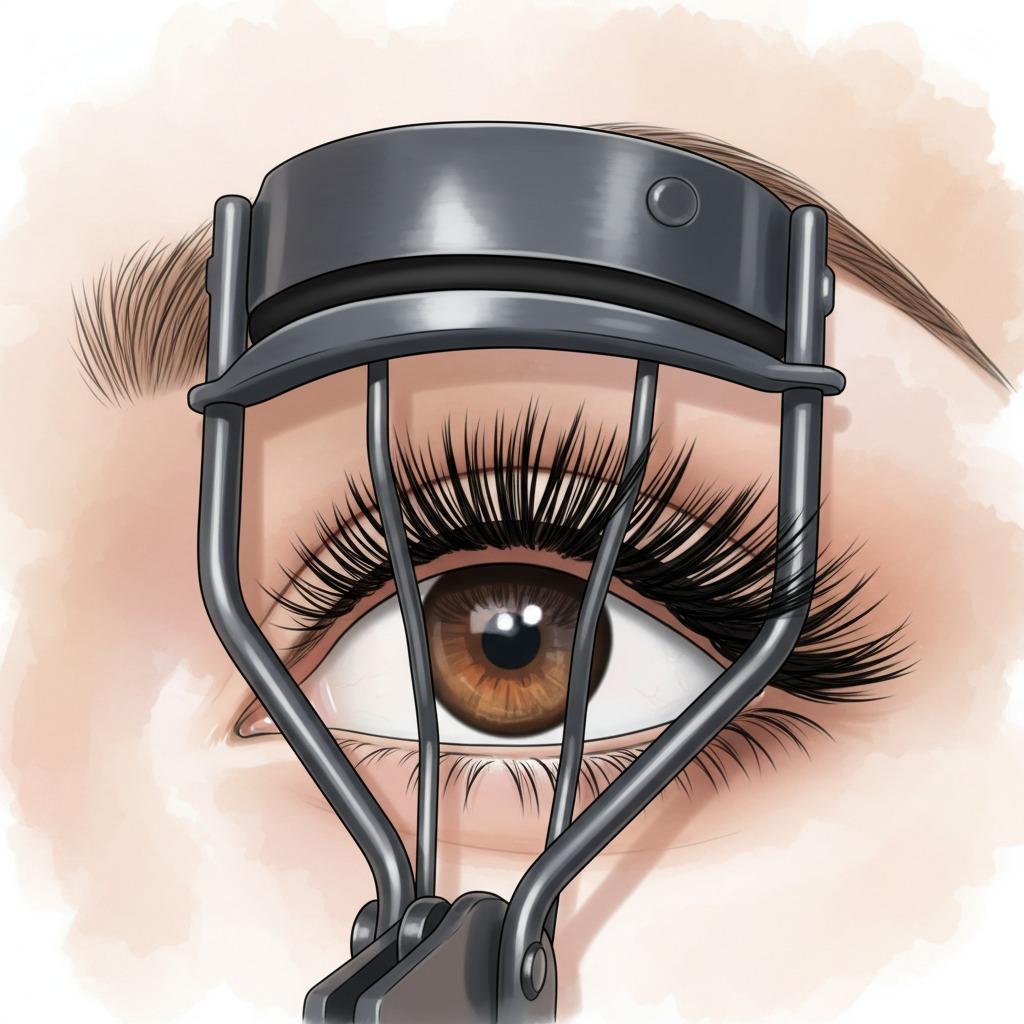
This guide explains how to evaluate a carbon steel eyelash curler from a practical buyer’s perspective. It focuses on useful selection criteria, application scenarios, maintenance habits, and sourcing questions rather than vague beauty claims. If you are comparing options across beauty tool products or preparing a product brief, these points can help you identify a curler that is comfortable, durable, and appropriate for your market.
Why Carbon Steel Is Used in Eyelash Curlers
Carbon steel is commonly valued in tools because it can provide a firm structure and responsive feel. In an eyelash curler, that matters because the frame must open and close smoothly while keeping the lash pad and upper bar aligned. A curler that flexes unpredictably can create uneven pressure, while one that feels too stiff may be uncomfortable for users who want gentle control near the eye area.
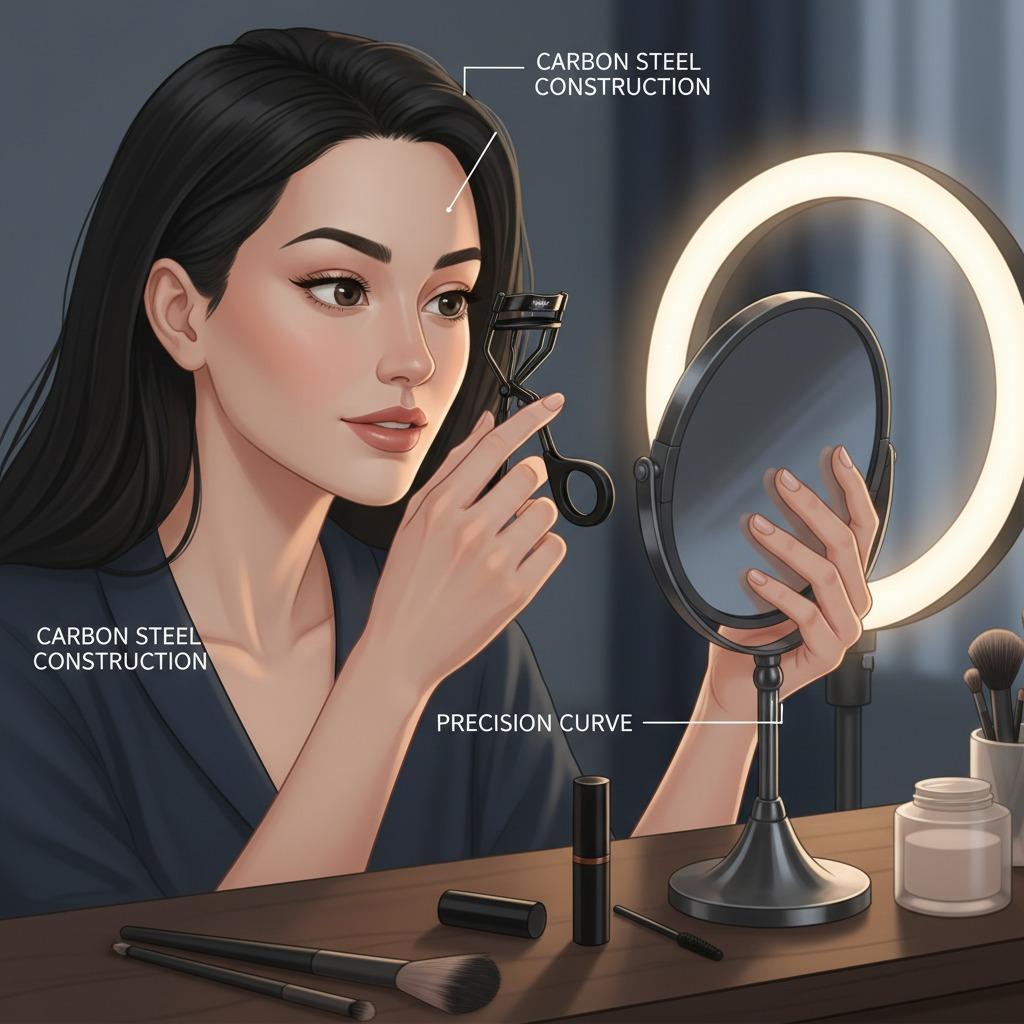
The original appeal of a carbon steel eyelash curler is its balance of strength and flexibility. When the tool is properly formed, it can deliver a controlled clamp that lifts lashes without requiring excessive force. That responsiveness is especially important for users with straight lashes, downward-facing lashes, or lashes that need a defined curl before mascara application.
Carbon steel should not be evaluated by material name alone. Buyers should also consider surface finishing, hinge smoothness, pad fit, and inspection consistency. A well-designed curler depends on the full assembly, not only the metal frame. For B2B buyers, this means samples should be tested with the same attention a daily user would give to comfort and results.
Carbon Steel vs. Stainless Steel: Practical Differences
Many buyers compare carbon steel and stainless steel eyelash curler options. Stainless steel is widely recognized for corrosion resistance, while carbon steel is often selected for its strength and responsive clamp feel. Neither material automatically guarantees a better tool. The better choice depends on user expectations, product positioning, finishing quality, and maintenance habits.
| Comparison point | Carbon steel eyelash curler | Stainless steel eyelash curler |
|---|---|---|
| Clamp feel | Often chosen for firm, responsive pressure when properly formed | Can feel smooth and stable depending on frame design |
| Corrosion consideration | Needs suitable finishing and sensible dry storage | Popular for corrosion resistance |
| Durability focus | Frame strength, hinge alignment, and coating quality are key | Surface resistance and construction quality are key |
| Best evaluation method | Test clamp response, pad contact, and finish consistency | Test comfort, alignment, and surface finishing |
For sourcing teams, it is better to compare complete samples rather than material descriptions on a specification sheet. Check whether the handles return smoothly, whether the pad sits securely in the groove, whether the upper bar meets the pad evenly, and whether the finish feels clean around edges and hinge areas. These details influence product reviews and repeat purchase potential.
How to Judge Curl Quality and User Comfort
A good eyelash curler should create a lifted curve, not a sharp crease. The tool should allow users to apply light, progressive pressure instead of forcing a single hard squeeze. This is where the geometry of the curler matters: the curve of the top bar, the angle of the frame, the handle spacing, and the softness of the silicone or rubber pad all affect results.
When evaluating a carbon steel eyelash curler, look closely at the pressure path. The top bar should press into the pad evenly from side to side. If one corner closes earlier than the other, users may experience uneven curling or pulling. The pad should not shift during use, and it should have enough resilience to cushion the lashes while still producing a visible lift.
- Eye shape fit: The curve should suit the target audience. A very deep curve may not fit flatter eyelids, while a flatter curve may not reach the outer lashes on some eye shapes.
- Handle control: Handles should feel stable and easy to grip, especially for users applying makeup quickly.
- Pad resilience: A pad that is too hard can crease lashes; one that is too soft may not create enough lift.
- Edge finishing: Areas near the eyelid should feel smooth, with no sharp or rough contact points.
- Return movement: Opening and closing should feel consistent without sticking or wobbling.
For retail buyers, it is useful to test the curler with and without mascara in mind. Eyelash curlers are generally used before mascara, but consumer habits vary. The tool should be easy to wipe clean and should not have unnecessary gaps that trap residue.
Durability Checks for Long-Term Use
Eyelash curler durability is not only about whether the frame bends or breaks. It also includes how well the hinge keeps alignment, how the surface finish resists everyday handling, and whether the pad continues to sit correctly after repeated use. A curler may look attractive in packaging but still fail if the hinge loosens quickly or the pad compresses unevenly.
For a carbon steel eyelash curler, buyers should inspect the frame under normal hand pressure. The tool should not feel flimsy, and the clamp should not twist when closed. If the handles shift sideways during use, pressure may be transferred unevenly to the lashes. Over time, that can lead to inconsistent results and customer dissatisfaction.
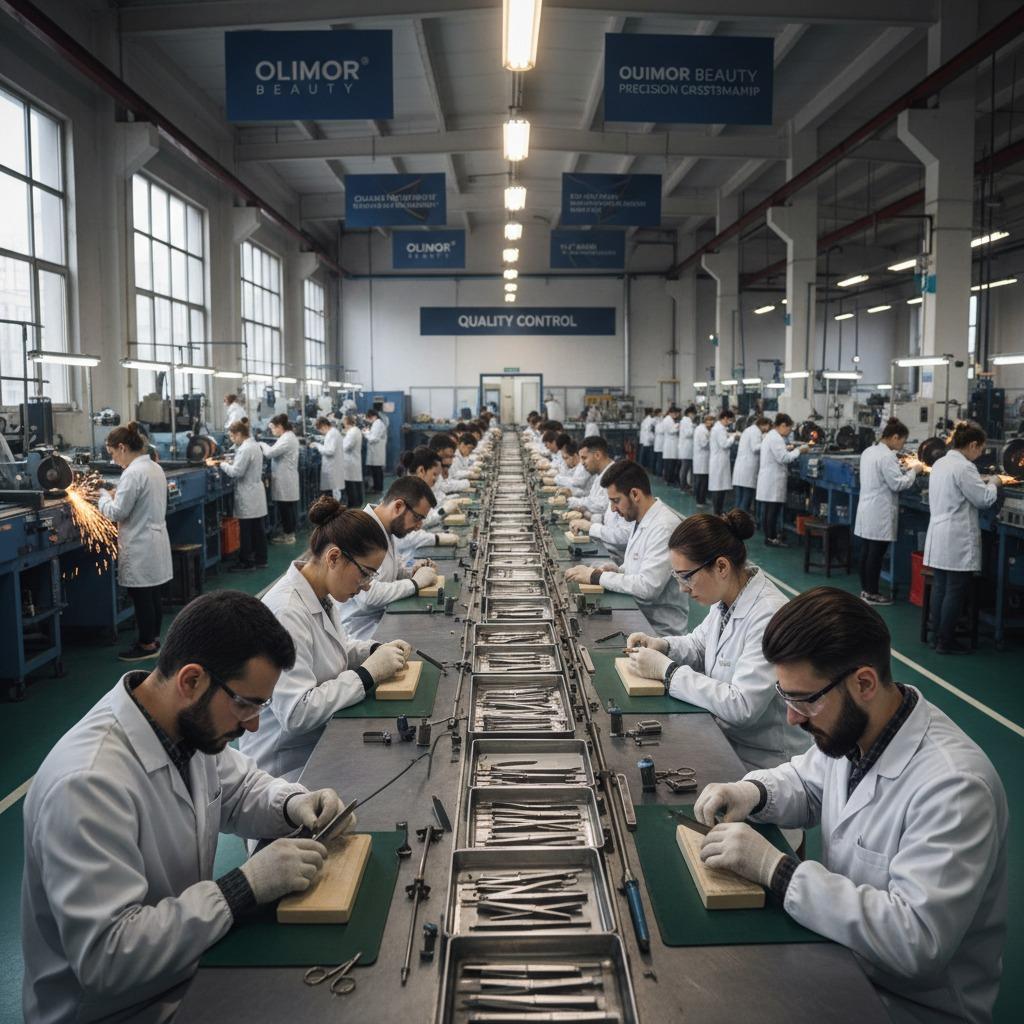
Durability testing does not have to be complicated at the first sample stage. Open and close the tool repeatedly, examine whether the pad remains seated, wipe the surface with a dry cloth, and check the hinge area for roughness or looseness. If you are comparing several products from product collections, use the same checklist for each sample so the comparison stays fair.
Maintenance Habits That Protect the Tool and Lashes
Even a well-made eyelash curler needs simple care. Makeup residue, skin oil, and mascara particles can build up on the pad and metal surface. This buildup may reduce grip, affect hygiene, or make the curler feel sticky during use. Clear care instructions can reduce complaints and help users get better results from the product.
- Use the curler on clean lashes before mascara whenever possible.
- After use, wipe the pad and metal contact area with a clean, dry or slightly damp cloth.
- Allow the tool to dry fully before storing it, especially in humid bathroom environments.
- Check the lash pad regularly for grooves, cracks, or loss of resilience.
- Replace the pad when it no longer cushions the lashes evenly.
For brands and distributors, packaging or product pages should explain these basics in simple language. Maintenance guidance is not just an after-sales detail; it can improve user satisfaction and reduce the chance that normal residue buildup is mistaken for a product defect.
Sourcing Questions for Beauty Brands and Retail Buyers
When sourcing a carbon steel eyelash curler, the most useful questions are specific and observable. Instead of relying only on broad claims about quality, prepare a checklist that covers material handling, finishing, assembly, packaging, and replacement pads. This helps you compare suppliers and communicate expectations clearly.
- Sample consistency: Do multiple samples close with the same pressure and alignment?
- Surface finish: Are the coating and exposed edges smooth around the frame, hinge, and finger grips?
- Pad compatibility: Is the pad shape stable in the groove, and are replacement pads available for the intended package format?
- Packaging protection: Does the package protect the curler from bending or surface scratches during shipping?
- Use instructions: Can the product include clear guidance for safe curling, cleaning, and pad replacement?
- Inspection criteria: Are alignment, hinge movement, and visual finish included in the inspection plan?
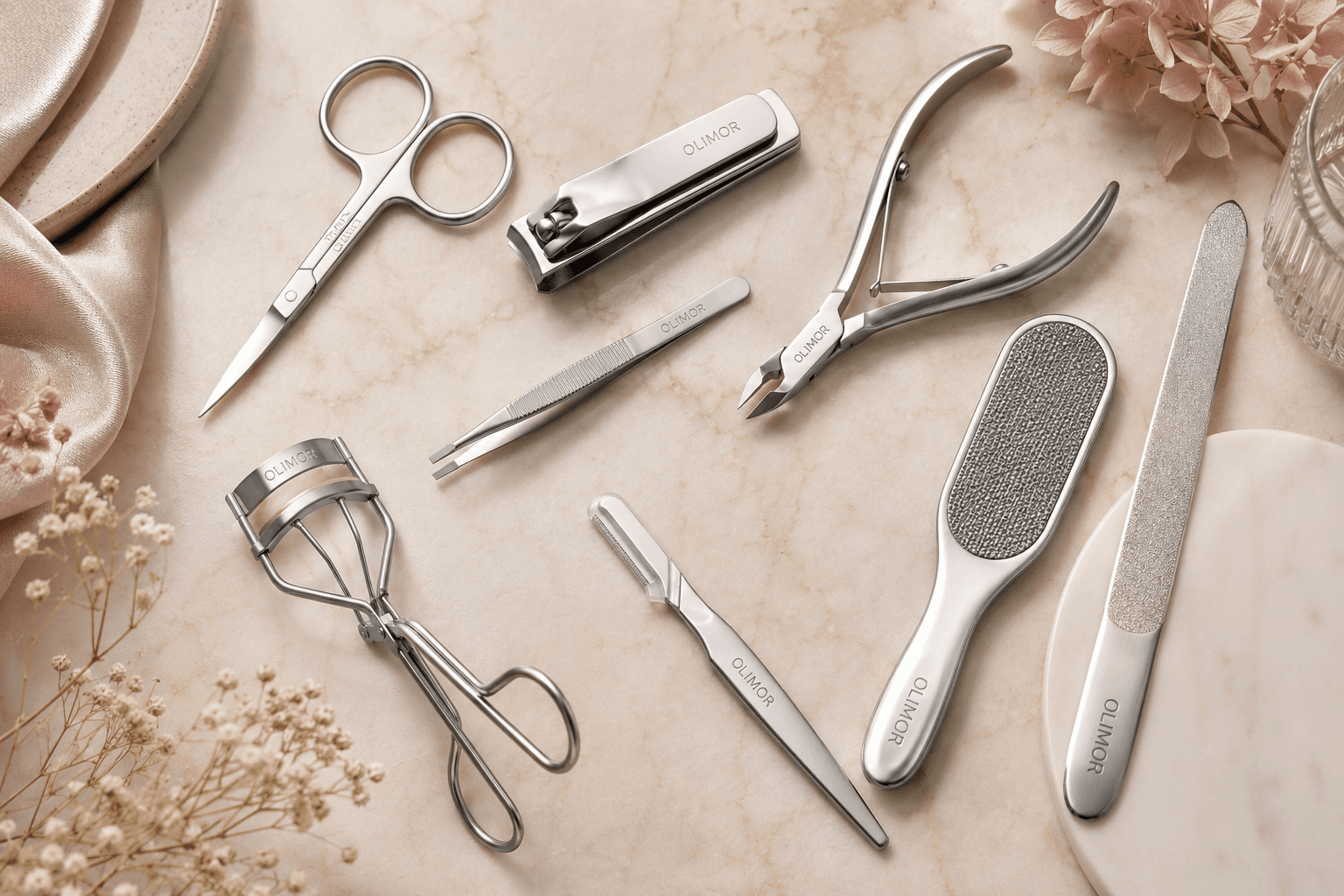
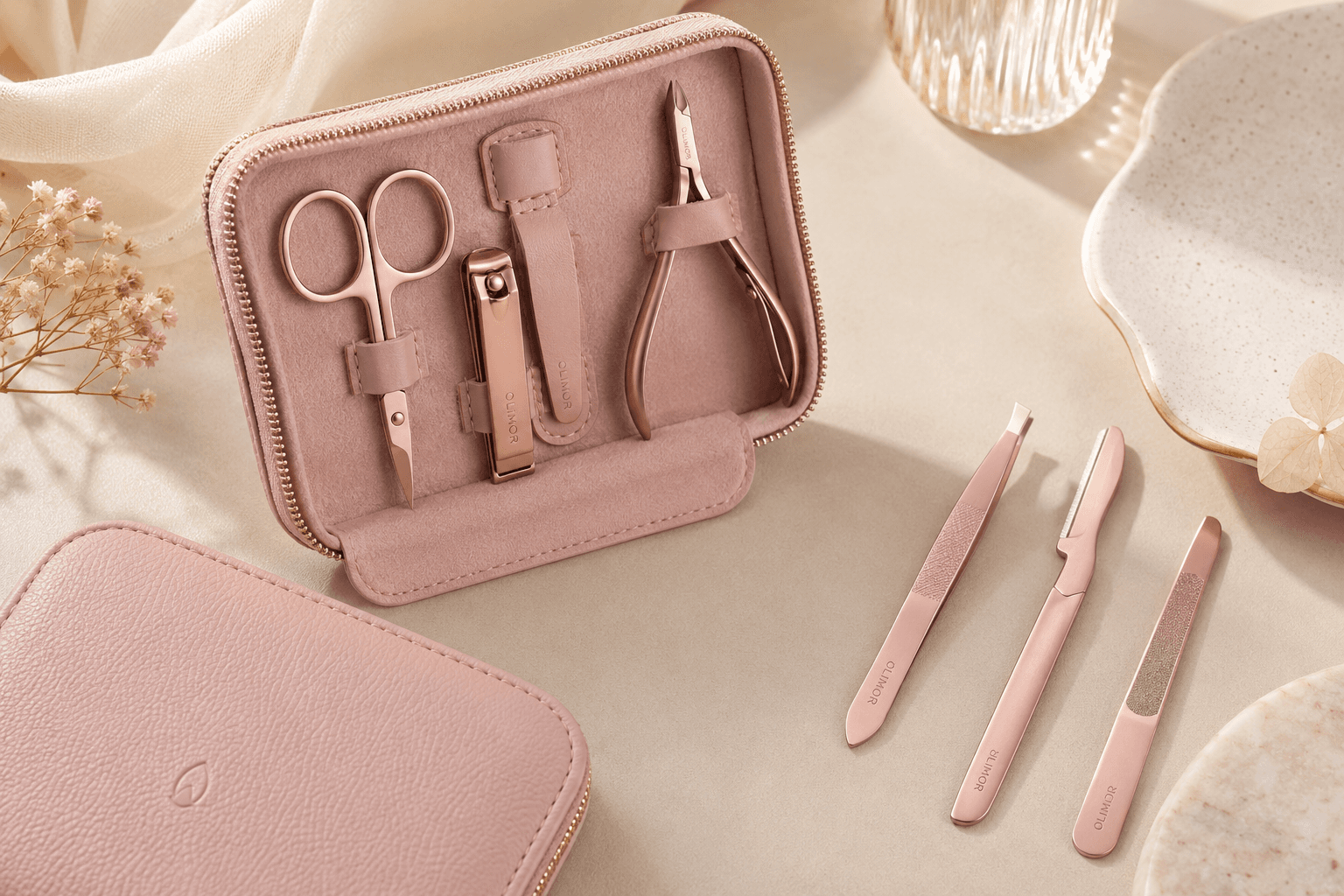
If you are building a beauty tool assortment or comparing eyelash curler options for a retail line, Olimor Beauty can help you review practical product details. You can contact Olimor for communication about available beauty tool categories, or send an inquiry when you are ready to discuss a sourcing requirement.
Choosing the Right Carbon Steel Eyelash Curler for Your Market
The right carbon steel eyelash curler should match the expectations of its users. A beginner-friendly option may need a comfortable handle, clear instructions, and a forgiving pad. A professional or salon-oriented product may place more emphasis on precise pressure control and easy cleaning between uses. A retail beauty set may need packaging that explains the tool quickly and protects the frame during display and shipping.
Before making a decision, define the target user, preferred price position, packaging format, and expected care instructions. Then evaluate samples with real handling tests: open, close, align, wipe, store, and repeat. A reliable eyelash curler is not judged by appearance alone. It is judged by how safely and consistently it helps users create a clean lash lift over time.
For buyers who want a durable, responsive beauty tool, a carbon steel eyelash curler remains a strong category to consider. Focus on construction, comfort, pad performance, and maintenance support, and you will be better prepared to choose a product that earns trust after the first use and continues to perform in daily routines.
Tag: