High-Quality Eyelash Curlers: A Buyer’s Guide to Fit, Safety and Sourcing
Eyelash curlers look simple, but buyers know that small details can decide whether a tool feels smooth, safe and repeatable or becomes a source of customer complaints. For retailers, beauty brands, salons, makeup artists and distributors, a high-quality eyelash curler must do more than create a lifted lash effect. It needs a stable frame, controlled pressure, a comfortable grip, a pad that supports lashes evenly and packaging that suits the sales channel.
Olimor Beauty supplies beauty tools for professional and retail needs, and eyelash curlers are a product category where practical evaluation matters. Before adding a new curler to a line, it is worth building a clear quality checklist instead of judging only by color, plating or a sample photo. The guidance below explains what to review when comparing eyelash curlers and how to make sourcing decisions with fewer surprises. You can also browse related beauty tool products or product collections to plan a broader tool assortment.
What Makes an Eyelash Curler Feel High Quality?
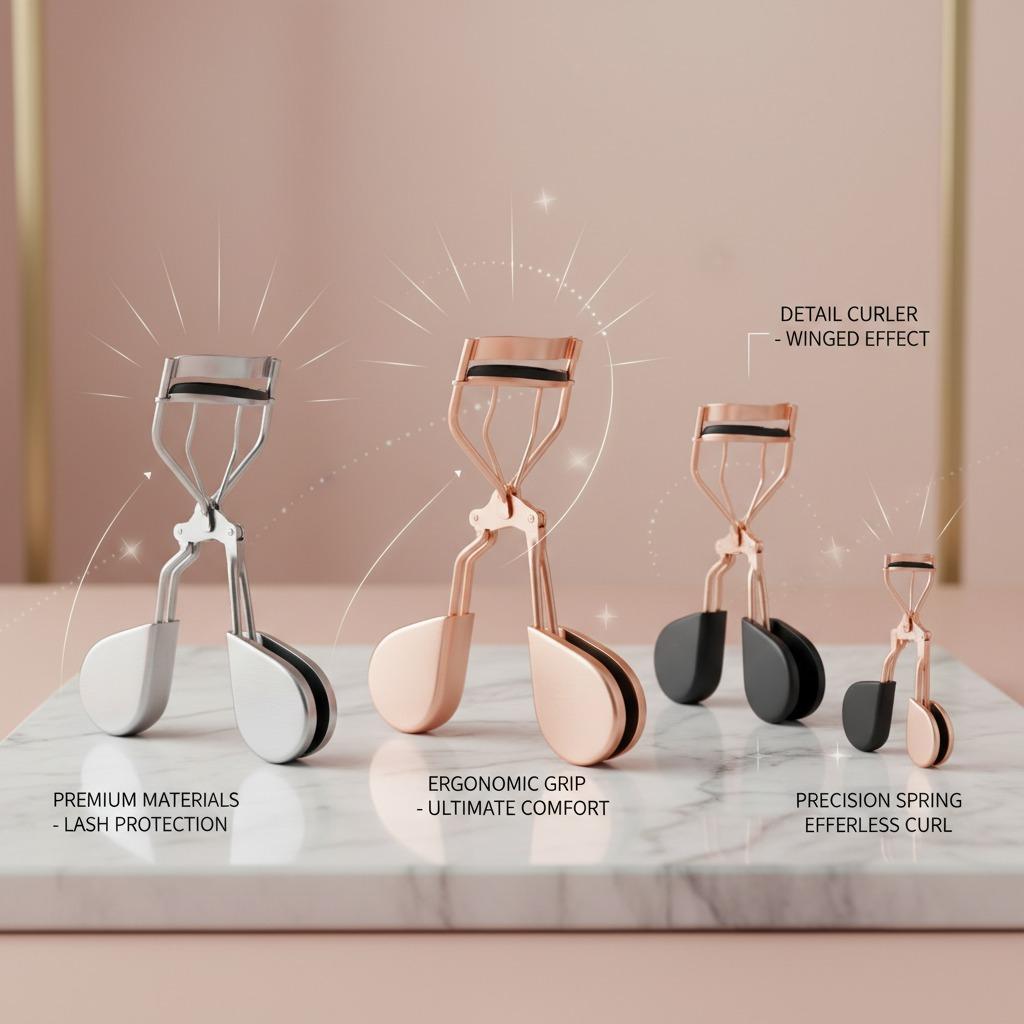
A quality eyelash curler is not defined by one feature. It is the result of several parts working together: the top bar, lower pad bed, side arms, hinge, handles and silicone or rubber pad. If any one of these is poorly formed, the user may feel uneven pressure, tugging, pinching or inconsistent curl.
The first sign to check is alignment. When the curler closes, the upper curling bar should meet the pad evenly from end to end. Gaps, twisting or offset contact can create uneven curl and may put stress on lashes. The hinge should open and close smoothly without loose wobbling. A hinge that is too tight can feel harsh, while a hinge that is too loose may reduce control.
Comfort also matters. The handles should allow a steady squeeze without forcing the wrist into an awkward angle. For consumer retail, ease of use is important because many users curl lashes quickly before mascara. For makeup artists, repeatability is the priority: the tool should deliver similar pressure over many uses and should be easy to position on different eye shapes.
Fit Matters: Eye Shape, Lash Length and Curling Surface
One common mistake in eyelash curler selection is assuming that one curve fits every customer. The curvature of the curling frame determines how naturally the tool sits against the lash line. A flatter curve may suit some eye shapes, while a more pronounced curve may suit others. If a curler does not sit close enough to the lash roots, users may only curl the lash tips. If it presses too closely at the corners, users may experience discomfort.
For wholesale or private-label planning, consider the primary audience. A drugstore-style retail range may need a general-purpose shape that is easy for beginners. A professional kit may benefit from more precise control and a curl profile that works across several client types. For salons, durability and hygiene routines can be as important as visual design.
Lash length also changes expectations. Shorter lashes need a tool that can reach close to the base without pinching skin. Longer lashes require enough pad width and frame clearance so the lash can sit naturally before pressure is applied. When reviewing a sample, test the tool with different lash types and note whether the user needs multiple presses to create a smooth curl.
Eyelash Curler Quality Check: A Practical Inspection List
A structured inspection helps buyers compare samples fairly. Instead of relying on a single first impression, review each sample under the same conditions. The following checklist is useful for retail buyers, importers, salons and beauty brands preparing to source new vendor eyelash curlers.
- Frame alignment: Close the curler slowly and confirm that the top bar meets the pad evenly across the full width.
- Hinge movement: Open and close the tool several times. Movement should feel controlled, not gritty, stuck or overly loose.
- Pad placement: The pad should sit securely in the base channel and should not slide out during normal use.
- Edge finishing: Check areas near the top bar, side arms and finger rests for sharp edges, burrs or rough points.
- Pressure feel: Squeeze gently and then with moderate pressure. The tool should provide control without sudden collapse.
- Surface appearance: Review the finish for obvious scratches, discoloration, uneven coating or visible defects.
- Replacement pad plan: Consider whether spare pads are needed for the target sales channel or professional use case.
- Packaging fit: Confirm that the curler is protected in transit and displayed appropriately for retail, salon or e-commerce sales.
This type of quality check is especially useful when comparing multiple suppliers or preparing a launch. It separates visual preference from functional performance, making it easier to identify which sample is suitable for your audience.
Retail, Salon and Wholesale Use Cases
Different buyers evaluate eyelash curlers differently. A retail buyer often focuses on shelf appeal, safe everyday use, clear instructions and packaging consistency. A salon or makeup artist may care more about hand comfort, control and cleaning between clients. A distributor or wholesaler needs a product that can be explained easily to downstream buyers and that performs consistently from batch to batch.
| Buyer Type | Main Concern | What to Check |
|---|---|---|
| Retail brand | Customer usability and presentation | Beginner-friendly grip, clear packaging, reliable pad fit |
| Salon or makeup artist | Control and repeat performance | Smooth hinge, comfortable handle, easy cleaning access |
| Distributor | Consistent product quality | Inspection standards, carton protection, stable appearance |
| E-commerce seller | Reduced returns and good product photos | Finish quality, product dimensions, protective packaging |
The right eyelash curler is therefore not always the most decorative option. It is the one that matches the channel, price position, user skill level and after-sale expectations. A simple tool with a dependable hinge and comfortable pad may outperform a more decorative tool if the decorative version is difficult to position or inconsistent in pressure.
Maintenance and Customer Education
Even a well-made eyelash curler needs correct care. Buyers should think about the instructions that will accompany the product, especially for consumer-facing sales. Clear usage guidance can reduce misuse and improve customer satisfaction.
- Use the curler on clean lashes before applying mascara to reduce sticking and pulling.
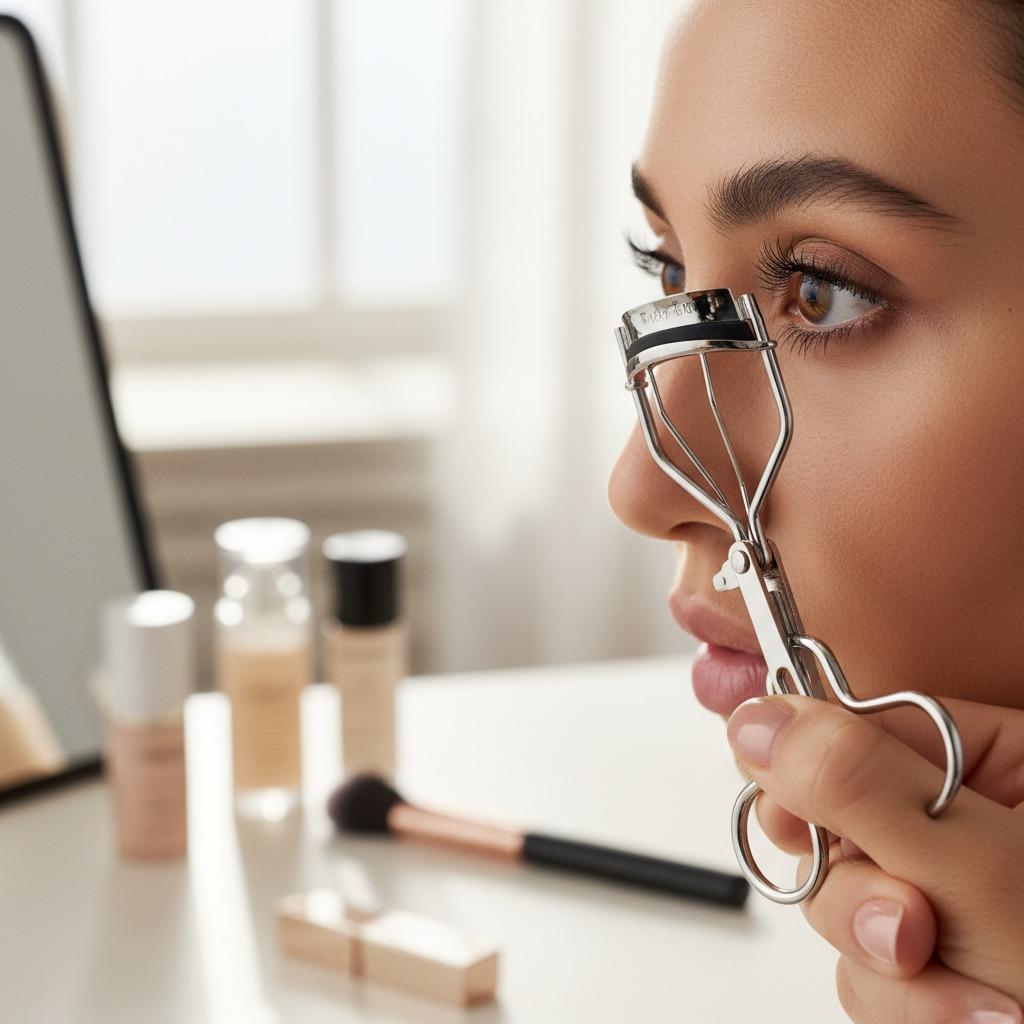
- Position the pad near the lash base without pressing the eyelid skin.
- Apply gentle, steady pressure rather than a sudden hard squeeze.
- Move slightly outward and press again if a softer, more natural curve is desired.
- Wipe the pad after use and replace the pad when it becomes worn, cracked or compressed.
For salons and makeup artists, cleaning practices should be compatible with the working environment and local hygiene expectations. For retail packaging, short instructions and a visible warning against using damaged pads are practical additions. If spare pads are included or sold separately, make sure customers understand when to replace them.
Sourcing Questions Before You Place an Eyelash Curler Order
When evaluating new vendor eyelash curlers, buyers should document expectations before confirming a purchase. This does not require overcomplicated specifications, but it should cover the areas that affect product performance and brand reputation. Useful sourcing questions include: What finish options are available? How is the hinge checked? How is pad fit verified? What packaging formats are suitable for your sales channel? Can the product be supplied with instructions or barcode space if needed?
It is also wise to review how the curler will sit within a wider beauty tool range. If you are building a coordinated assortment, compare color direction, packaging style and price positioning with tweezers, makeup brushes, manicure tools or other accessories. Olimor Beauty’s eyelash curler category can be considered alongside other tools when planning a practical assortment for stores, salons or online sales.
For custom sourcing discussions, prepare reference photos, target market, packaging needs and any inspection priorities before you send an inquiry. If your project requires clarification on available beauty tool options or order planning, you can also contact Olimor for the next step.
Choosing with Confidence
A high-quality eyelash curler should feel controlled from the first squeeze, sit comfortably near the lash line and create a consistent curl without unnecessary pressure. For buyers, the best approach is to evaluate the tool as both a beauty accessory and a mechanical product. Check the alignment, hinge, pad, edges, finish, packaging and instructions before making a decision.
By focusing on real user experience and clear inspection standards, you can select eyelash curlers that suit your audience rather than relying only on appearance. Whether you are sourcing for retail shelves, professional kits or wholesale distribution, a careful quality check helps protect your brand and gives customers a tool they can use with confidence.
Tag: