











Custom Made Nail Clippers: A Practical Guide for Beauty Tool Buyers
Custom made nail clippers may look like simple grooming tools, but small design choices can strongly affect cutting comfort, retail appeal, and long-term customer satisfaction. For beauty brands, salon suppliers, gift-set developers, and personal care distributors, the goal is not only to choose a nail clipper that looks attractive, but also to source a tool that cuts cleanly, feels secure in the hand, and can be supplied consistently.
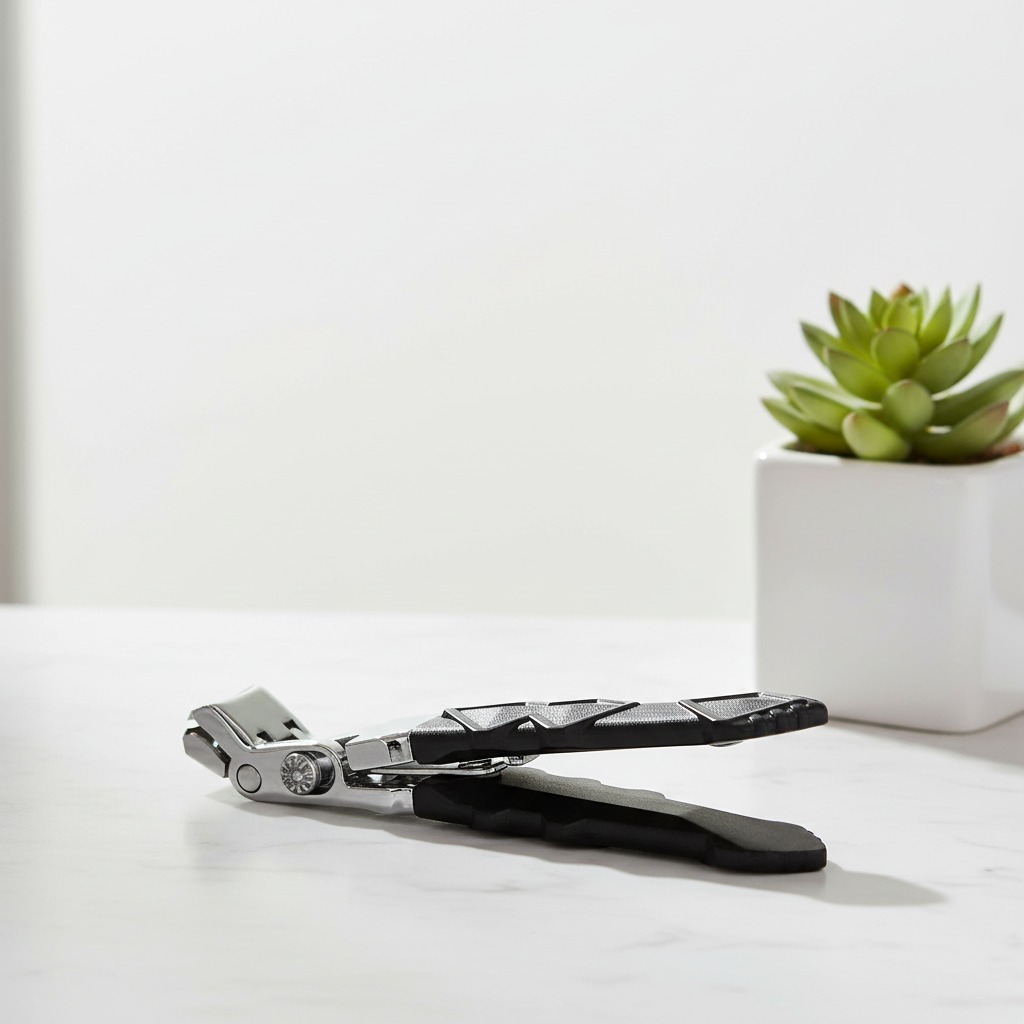
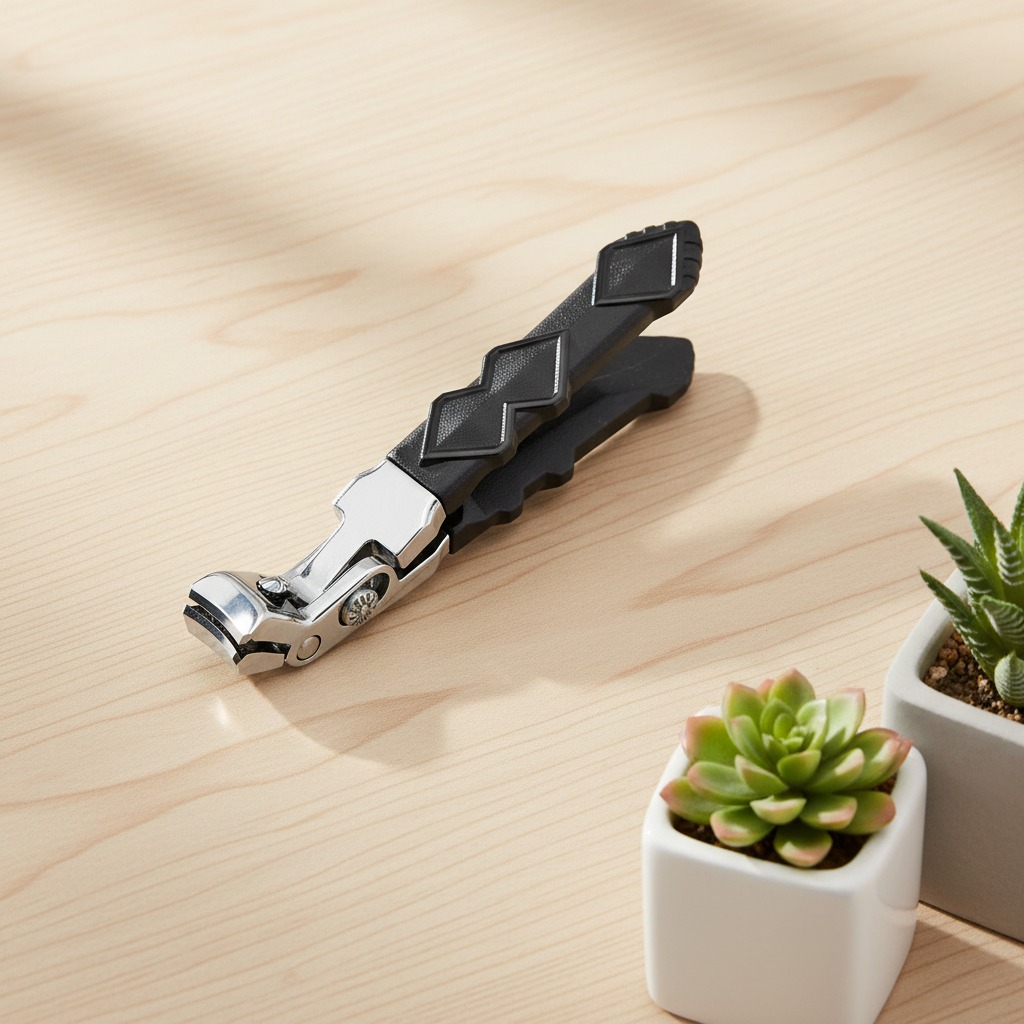
Olimor Beauty works with beauty tools for everyday grooming and professional presentation, including custom made nail clippers designed around practical use. The original product shown here features a stainless steel blade, a sleek black finish, and a diamond-like pattern on the handle for added grip and visual detail. Those features make it a useful example of what buyers should evaluate when selecting or customizing nail clippers for a product line.
Why Custom Made Nail Clippers Need More Than a Good Appearance
A nail clipper is a high-contact product. Customers use it close to the skin, often on both fingernails and toenails, and they expect it to perform without pulling, splitting, or leaving a jagged edge. A finish that looks premium can help on the shelf, but the cutting edge, lever action, grip area, and assembly consistency matter more once the product is in use.
For retailers and distributors, custom options can support different sales channels. A compact clipper may suit travel kits or promotional sets. A darker finish can work well for men’s grooming lines, minimalist beauty kits, or modern gift packaging. A textured handle can help differentiate the product while also improving control. The best sourcing decisions balance these selling points with repeatable manufacturing quality.
Before comparing colors, packaging, or branding placement, buyers should confirm the intended use case. A nail clipper for a hotel amenity kit may have different priorities from one designed for a professional manicure set. A product for e-commerce may need stronger visual distinctiveness and clearer packaging information, while a salon supply item may be judged primarily on durability and cutting consistency.
Key Construction Details to Evaluate
The supplied product information highlights a stainless steel blade, which is an important starting point. Stainless steel is commonly chosen for nail tools because it supports a clean cutting edge and is suitable for grooming environments where hygiene and corrosion resistance are important. However, buyers should still evaluate the actual blade alignment, edge finish, and closing action rather than relying on material wording alone.
When reviewing a custom nail clipper sample, check the following points:
- Blade alignment: The upper and lower cutting edges should meet evenly without visible gaps or twisting.
- Cutting feel: The clipper should cut the nail with controlled pressure, not crush or tear the edge.
- Lever resistance: The lever should be firm enough for control but not so stiff that users struggle with repeated clips.
- Handle grip: A textured or patterned surface, such as the diamond-like handle detail shown, can improve security during use.
- Edge smoothness: Corners and contact points should not feel sharp against the fingers.
- Finish consistency: A black finish should appear even, with no obvious patches, scratches, or rough coating around moving parts.
These checks are especially important for custom made nail clippers because visual customization can sometimes distract from mechanical performance. A good sample should look like the brand concept and still function reliably after repeated use.
How Handle Design Affects Everyday Use
Handle design is not only a style decision. A nail clipper is a small tool, and users need stability when applying pressure. The original product description mentions ergonomic design and textured handles for a secure grip. In practical terms, that means the handle should help the user maintain control, especially if the clipper is used after washing hands, applying lotion, or working in a salon environment where tools are handled frequently.
A diamond-like pattern can serve two purposes. First, it creates a distinctive surface that photographs well for online listings and packaging. Second, it gives the thumb a tactile area to press against. This is useful for customers who prefer a clipper that feels steady rather than slippery. Buyers should check whether the texture is deep enough to be useful but not so aggressive that it becomes uncomfortable.
For a custom order, the handle area may also be the most visible branding surface. If a logo, icon, or simple mark will be added, confirm that it does not interfere with grip. A decorative finish should not make the clipper harder to hold. If the nail clipper will be sold as part of a set, compare the handle texture with other tools in the same package so the full assortment feels coordinated.
Choosing Finishes, Colors, and Branding Options Carefully
The sleek black finish described in the current product content gives this nail clipper a contemporary appearance. Black can be a strong choice for gender-neutral grooming, men’s care, travel accessories, and modern beauty lines. It also helps the metal tool stand out from plain silver clippers commonly found in mass-market assortments.
Still, finish selection should be based on the sales channel and customer expectation. A glossy finish may look more decorative but can show fingerprints or scratches more easily. A matte or satin effect may feel more understated and practical. The most important issue is consistency across production: buyers should compare samples under normal retail lighting and check edges, hinge areas, and underside surfaces where finish problems can appear.
Branding should also be planned early. For a simple nail clipper, there may be limited space for marks, so oversized logos can look crowded. A small mark on the lever or handle may be enough, especially when packaging carries the full brand message. If the product is intended for a gift set, the finish and branding should align with the pouch, box, insert card, or other tools in the same assortment.
Sample Review Checklist for Custom Nail Clipper Orders
A structured sample review helps teams avoid subjective decisions based only on appearance. The table below gives a practical way to compare nail clipper samples before moving toward a larger order.
| Review Area | What to Check | Why It Matters |
|---|---|---|
| Blade performance | Clean cut, proper alignment, no nail tearing | Determines user satisfaction and repeat purchase potential |
| Lever action | Smooth opening and closing with controlled pressure | Affects comfort during repeated use |
| Grip surface | Texture, thumb placement, comfort | Improves control and reduces slipping |
| Finish quality | Even color, no visible scratches, clean edges | Supports retail presentation and perceived value |
| Assembly | No loose parts, stable hinge, consistent shape | Reduces complaints and returns |
| Packaging fit | Tool sits securely and looks aligned | Important for e-commerce, retail display, and gift sets |
During review, test more than one sample if possible. A single good sample is useful, but consistency across multiple pieces gives a better idea of production control. If your team has a target customer group, have several people test the sample and note whether the clipper feels too small, too stiff, too smooth, or appropriately balanced.
Quality Control Questions for Reliable Nail Clipper Supplies
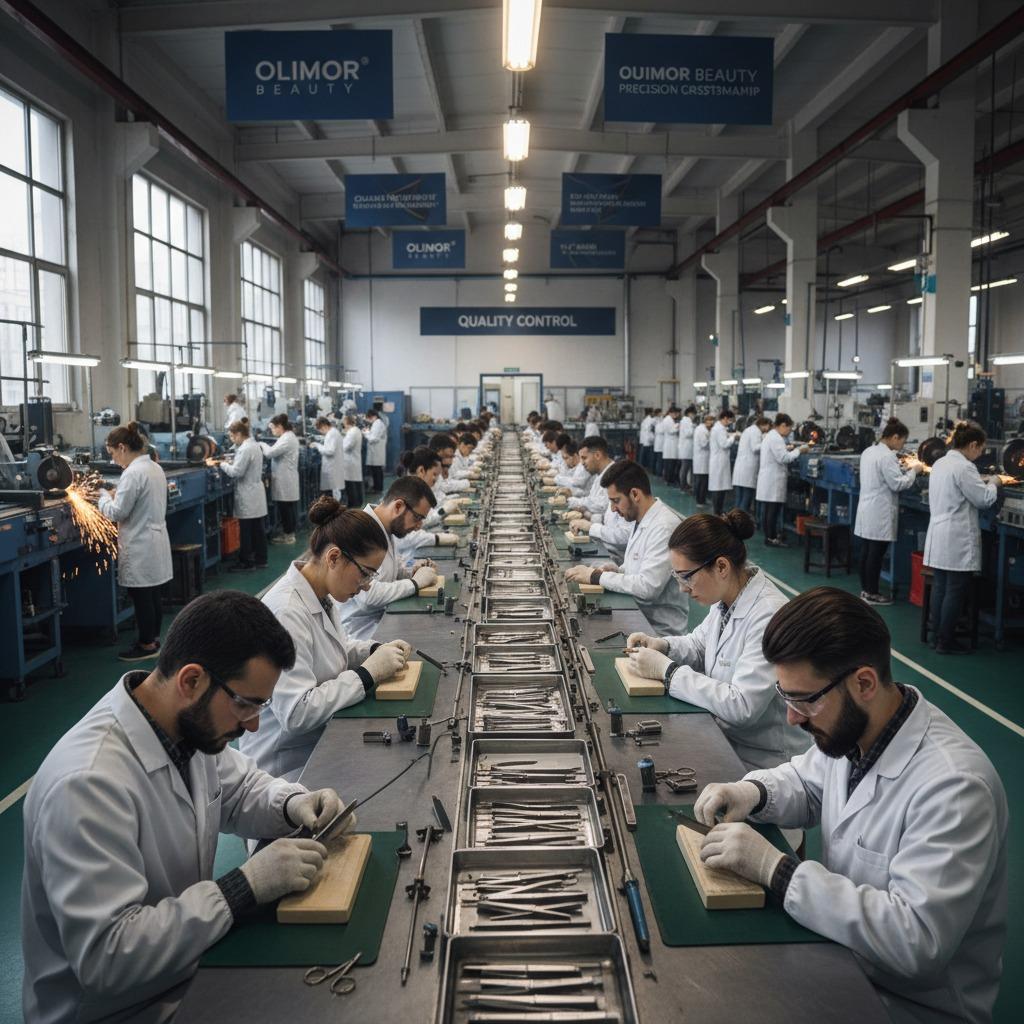
Reliable nail clipper supplies depend on repeatability. The original content mentions quality assurance from raw material selection to final inspection. For buyers, the practical task is to define what should be checked before shipment and how acceptable quality will be judged. This is especially important when a product has a visual finish, handle texture, or branding element that must remain consistent.
Useful quality control points include cutting edge inspection, lever function, surface finish, logo position if branding is added, packaging accuracy, and carton labeling. If the nail clipper will be sold in multiple markets, teams may also need to review local labeling and documentation requirements. Do not leave these details until the end of production, because packaging and marking changes can affect lead time and cost.
Buyers can prepare a simple approval sheet that includes reference photos, acceptable color range, logo placement, packaging layout, and functional checks. This gives both the buyer and manufacturer a clearer standard. If you are comparing several beauty tool products for the same collection, use a similar inspection approach across all tools so the final line feels consistent.
Where Custom Nail Clippers Fit in a Beauty Tool Line
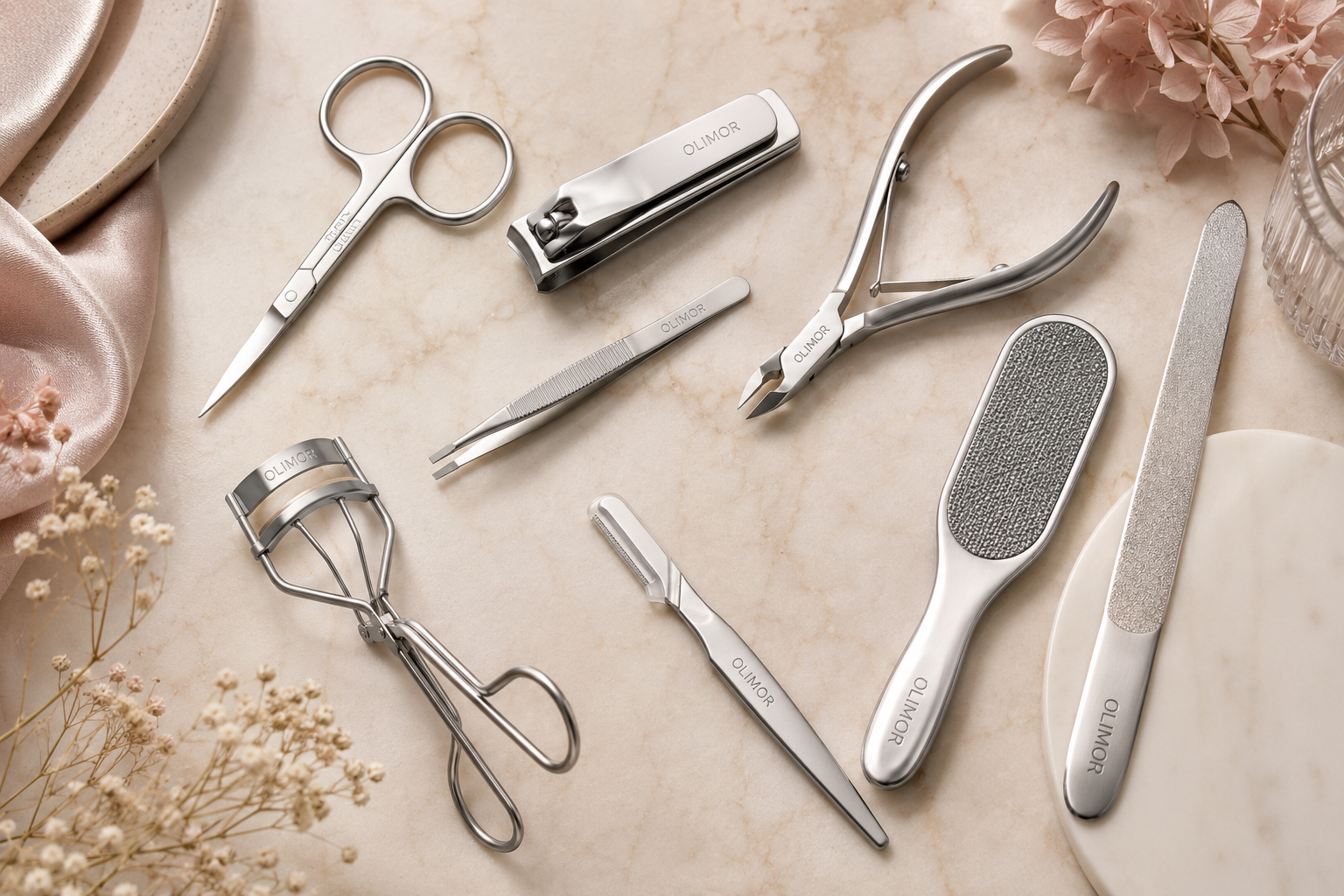
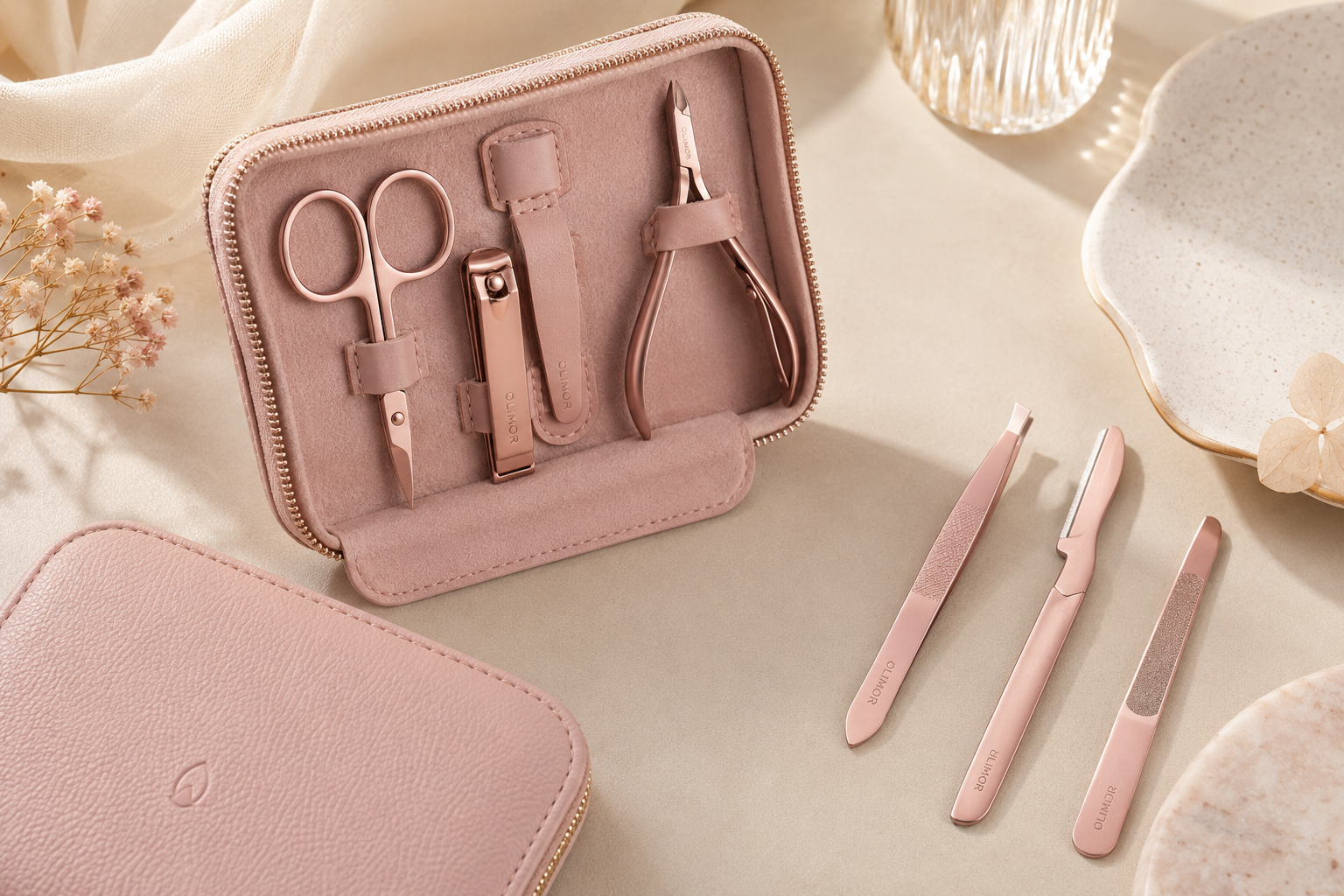
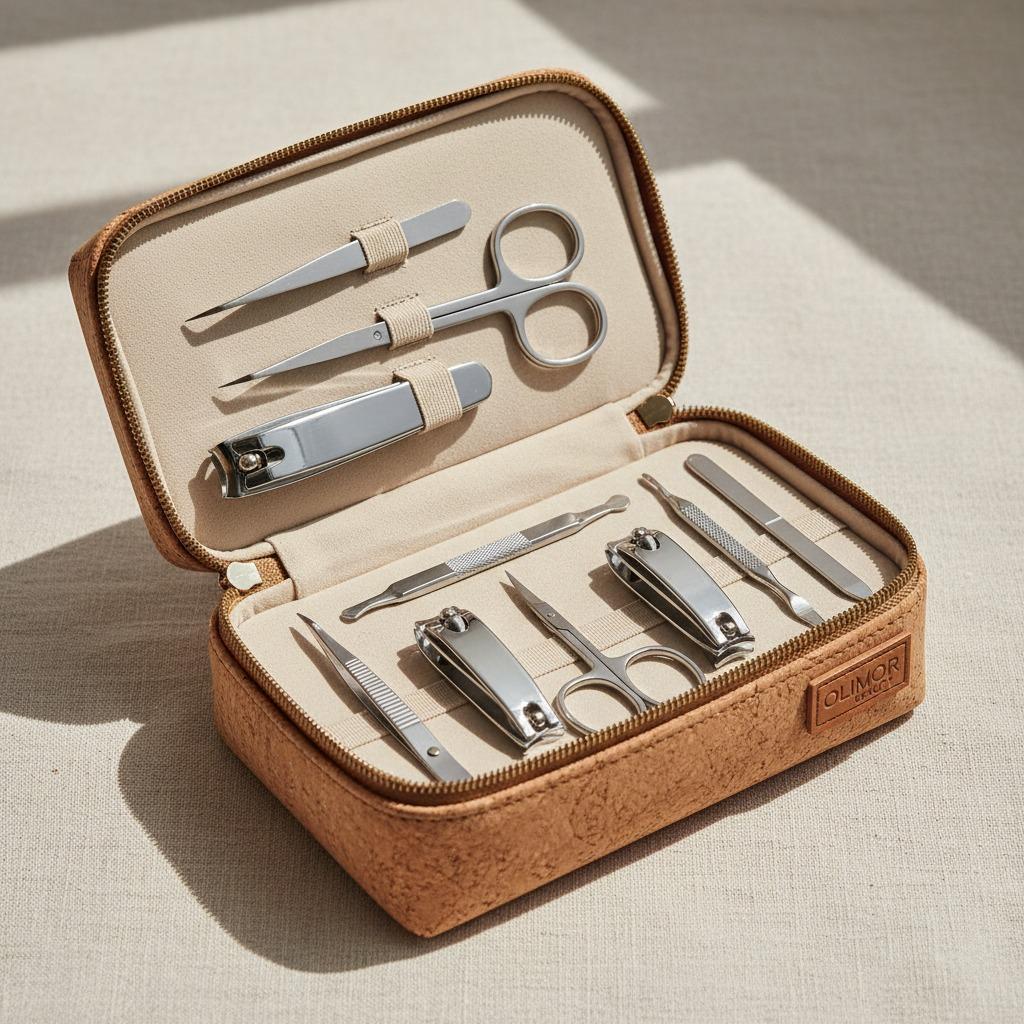
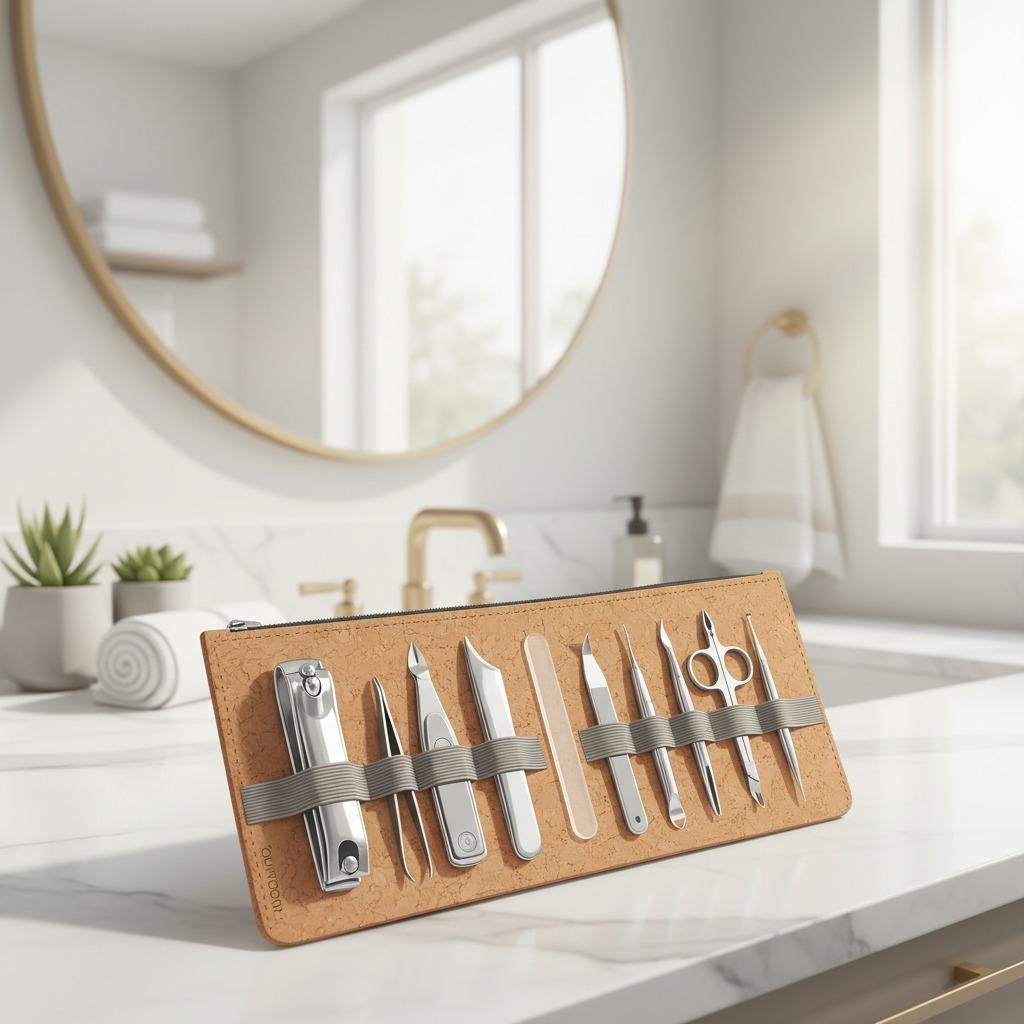
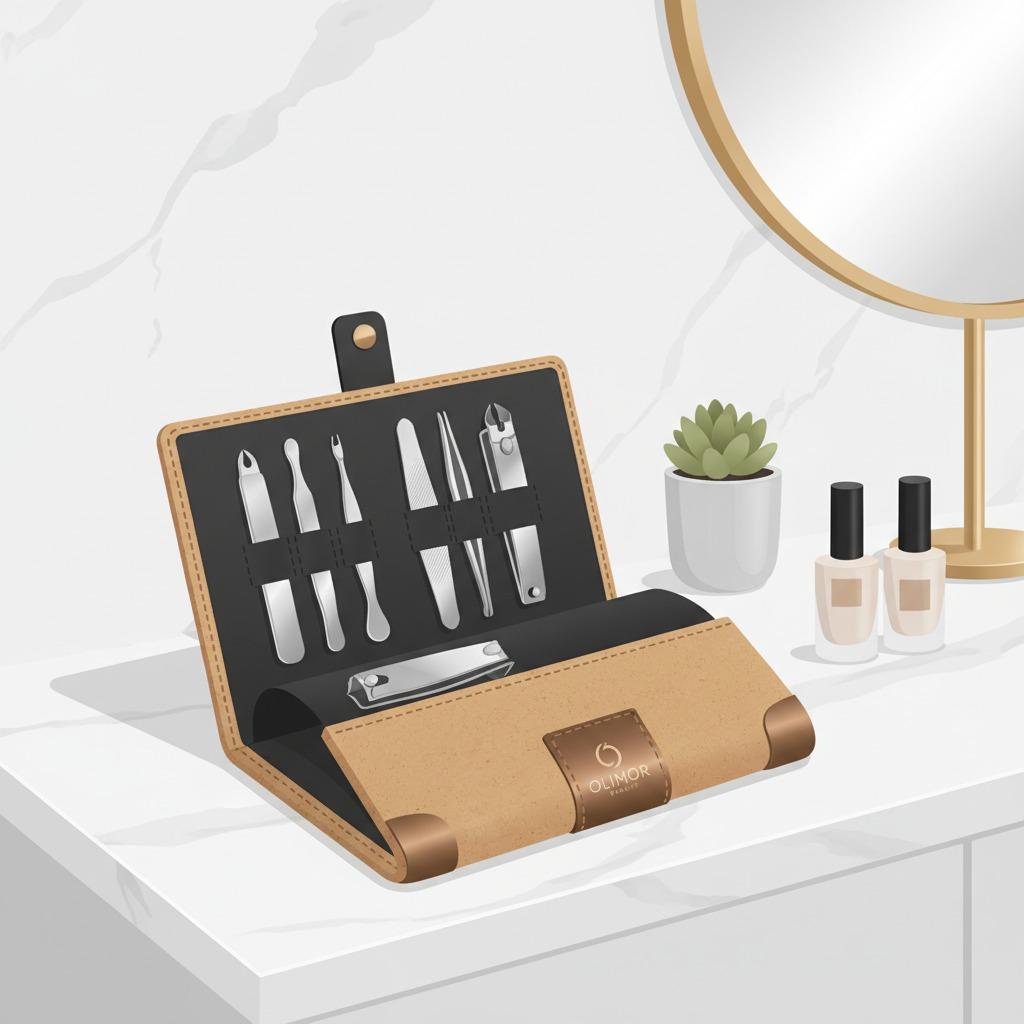
Custom made nail clippers can be sold as standalone grooming items or included in broader personal care assortments. They pair naturally with nail files, cuticle tools, tweezers, scissors, and travel grooming cases. A black textured clipper, for example, can work well in a compact manicure kit, a minimalist men’s grooming set, or a branded promotional care package.
For assortment planning, consider whether the clipper should be the visual highlight or a supporting item. If it is the main product, packaging may need more room for feature callouts such as stainless steel blade, textured grip, and clean cutting action. If it is part of a set, the design should coordinate with the other tools rather than compete with them. Buyers exploring broader options can review Olimor product collections to think about how nail tools may fit into a complete beauty accessory range.
E-commerce sellers should also think about photography. Dark finishes can look premium, but they need good lighting to show texture and shape. Close-up images of the blade alignment, lever, and patterned handle can help customers understand the product better than a single front view. For wholesale presentations, include dimensions and packaging visuals when available, but avoid making performance claims that have not been verified through your own review process.
Maintenance Guidance to Improve Customer Experience
Even a well-made nail clipper benefits from clear care instructions. Customers often store nail tools in bathrooms, travel bags, or shared drawers, so simple maintenance guidance can reduce avoidable complaints. After use, the clipper should be wiped clean and kept dry. Nail dust or residue should not be allowed to build up around the cutting edge or hinge. If the clipper is included in a set, a pouch or case can help protect the finish from scratches caused by contact with other metal tools.
For retail packaging or product inserts, keep care instructions short and practical. Explain that the tool should be used on nails only, cleaned after use, dried before storage, and kept away from children. If the product has a black finish, customers may also appreciate a note to avoid abrasive cleaning pads that could mark the surface. These small details help set realistic expectations and support long-term satisfaction.
How to Prepare a Clear Custom Nail Clipper Inquiry
A well-prepared inquiry saves time and helps the supplier understand the intended product. Before discussing production, define the target customer, sales channel, preferred finish, branding placement, packaging format, and any functional priorities. If you already have a reference sample, explain what you like and what needs to change, such as the grip texture, lever feel, or finish appearance.
For a custom made nail clipper, useful inquiry details include desired color direction, whether the black finish or another finish is preferred, logo requirements, packaging type, and whether the product will be sold alone or in a set. If your team is still comparing options, Olimor can help discuss practical beauty-tool sourcing considerations. You can contact Olimor for communication or send an inquiry with your project details.
The right custom nail clipper should be easy to understand at first glance and dependable in use. By checking the blade, grip, finish, assembly, packaging, and care instructions early, buyers can create a product that looks refined while meeting everyday grooming expectations.