Private Label Nail Products: How to Build a Nail Clipper Line Buyers Trust
Private label nail products give beauty brands, salons, retailers and distributors a practical way to offer grooming tools under their own identity. Among those tools, nail clippers are often one of the most important items because customers judge them quickly: they should cut cleanly, feel comfortable in the hand and remain reliable through repeated use. A private label nail clipper line does not need to be complicated, but it does need clear decisions about product type, finish, packaging, inspection and the end user you want to serve.
Olimor Beauty works with beauty tool buyers looking for custom nail clippers and nail grooming kits that can support a private label program. The best results come when a buyer looks beyond a logo and treats the tool as a complete retail or professional-use product. That means evaluating how the clipper opens and closes, how it fits into a kit, how the packaging communicates value and how consistency will be checked before shipment.
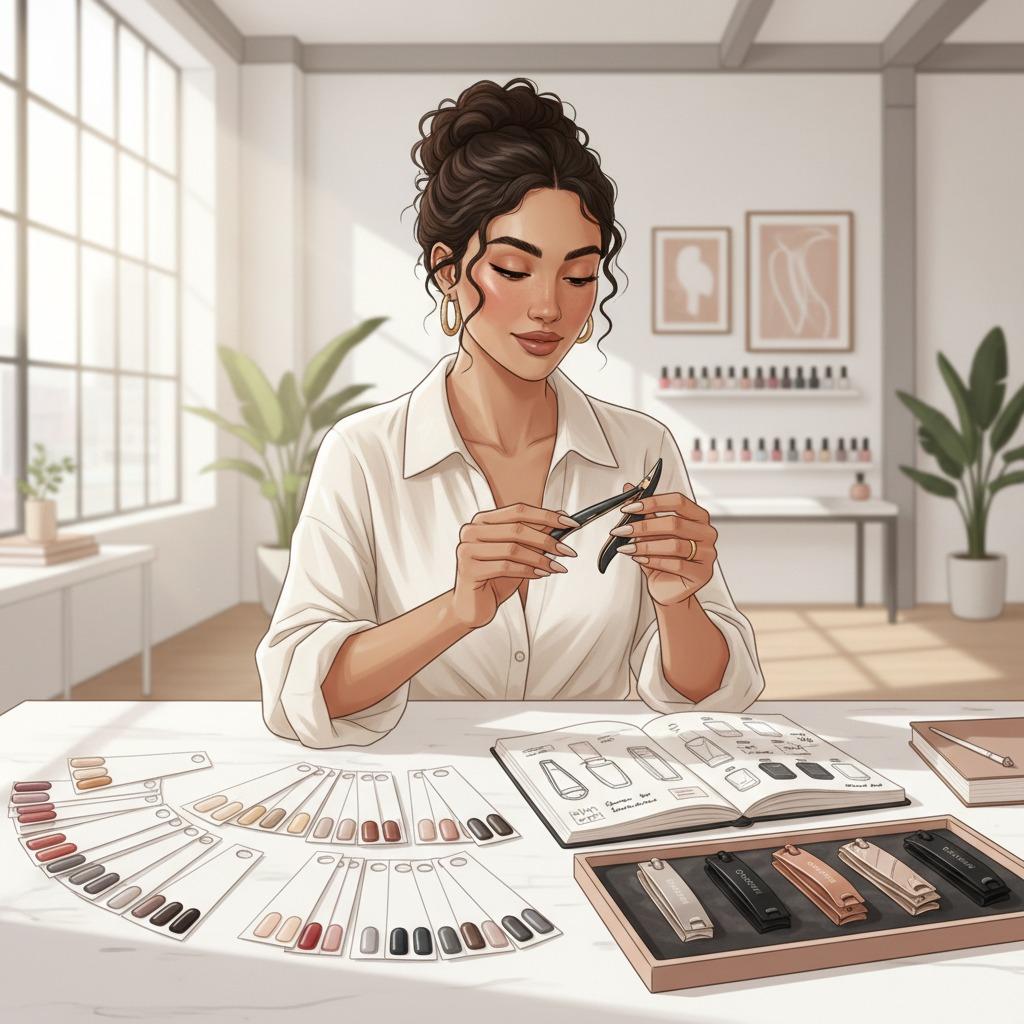
Why Nail Clippers Are a Strong Private Label Starting Point
Many private label beauty projects begin with products that are easy for customers to understand. Nail clippers fit that requirement well. They are familiar, useful across many customer groups and suitable for single-item retail, travel kits, salon back-bar use or gift sets. A buyer can position them for everyday home grooming, professional manicure support, men’s grooming, family care, travel convenience or value-focused retail assortments.
Custom nail clippers also allow a brand to show quality through touch and performance. A customer may not read every line on the package, but they will notice whether the clipper feels loose, whether the edges meet cleanly and whether the handle is comfortable to press. For this reason, a private label nail product program should start with product function before decoration. Branding is important, but the tool must first feel dependable.
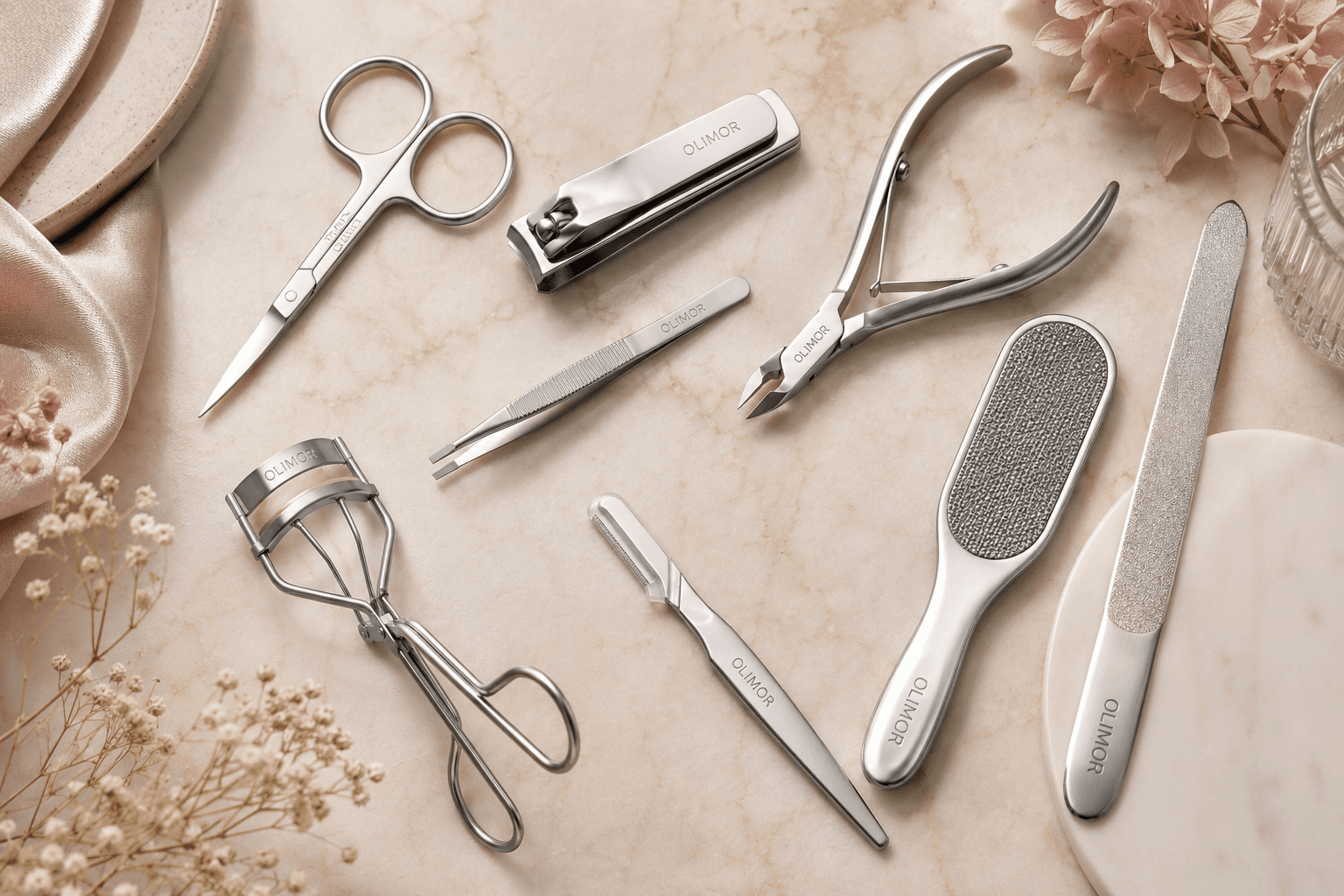
For brands building a wider assortment, nail clippers can also connect naturally with other beauty tool products. A clipper may be sold alone, paired with a file or placed inside a broader nail care kit. This flexibility makes it easier to test different retail formats without completely redesigning the product concept.
Choosing the Right Custom Nail Clipper Format
Before discussing packaging or logo placement, define the main use case. A compact clipper for travel may not need the same size, leverage or handle feel as a clipper promoted for pedicure use. A salon buyer may care more about repeat handling and easy cleaning, while an online retail buyer may focus on perceived value in photos, packaging and reviews. Clear positioning helps avoid a product that tries to serve everyone but satisfies no one.
Use the following selection points when planning private label nail products centered on clippers:
- Target user: Decide whether the clipper is for general consumers, salon professionals, travel kits, men’s grooming, family sets or promotional beauty programs.
- Clipper size: Consider whether one standard size is enough or whether a set should include different sizes for fingernails and toenails.
- Grip and leverage: Check how the tool feels when pressed. Ergonomic handling matters because clipping requires control, not only sharpness.
- Material expectation: Stainless steel is commonly valued in nail tools for its clean appearance and suitability for grooming products. Confirm material expectations early in the sourcing discussion.
- Edge alignment: Look for a clean meeting point between cutting edges. Poor alignment can lead to uneven cutting and customer dissatisfaction.
- Finish and surface: A smooth finish improves perceived value and can reduce the chance of rough spots that distract from the user experience.
- Packaging role: Decide whether the packaging should protect the tool, support retail display, explain product care or present the item as part of a giftable kit.
These points are simple, but they shape the entire project. They help the buyer compare samples fairly and communicate requirements before production begins.
Building a Nail Clipper Kit Instead of a Single Tool
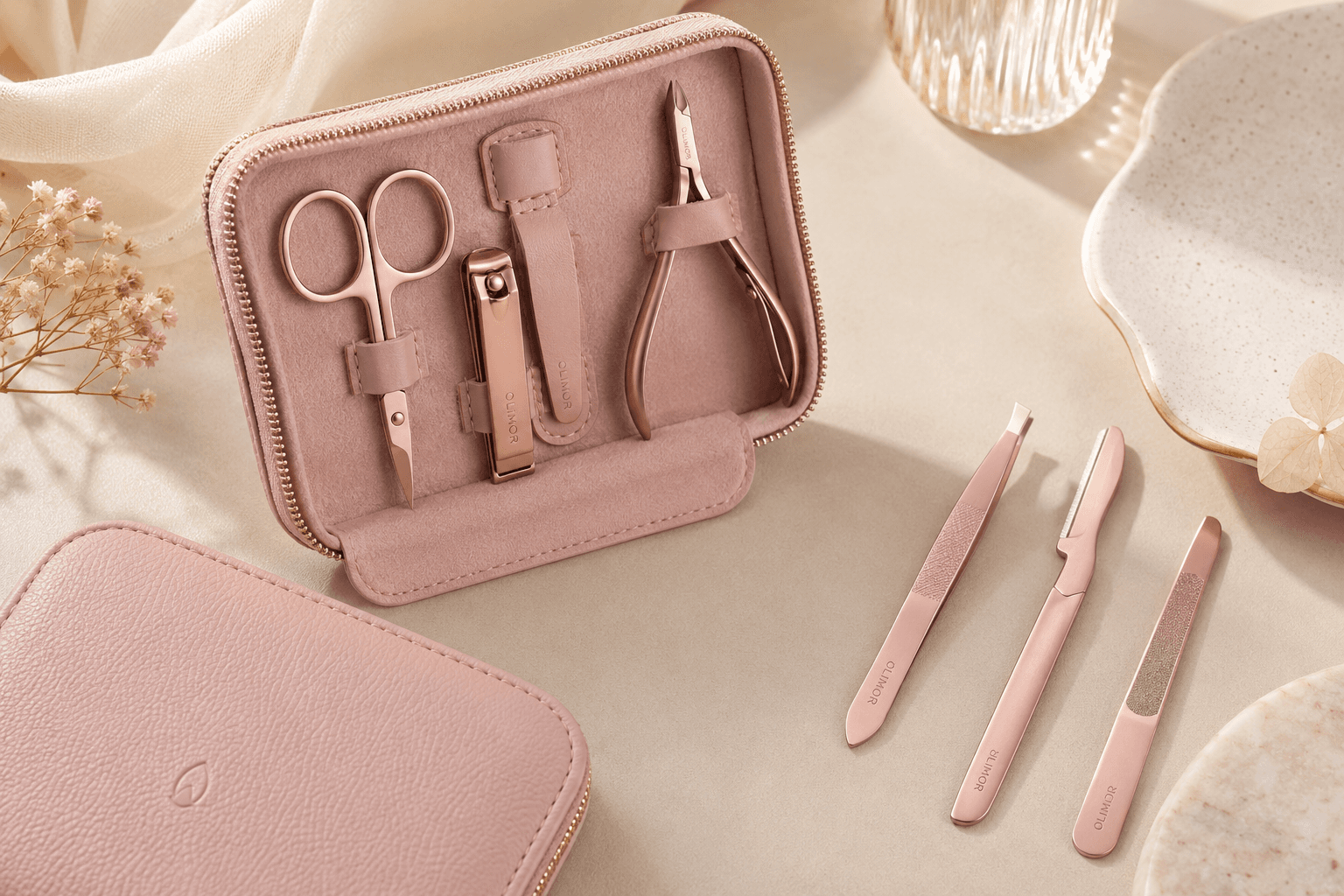
A nail clipper kit can make private label nail products more appealing when the target customer wants a complete grooming solution. Kits can also increase shelf presence and provide more room for brand messaging. However, adding more components also adds more quality variables, so kit planning should be deliberate.
A practical kit begins with a clear purpose. A travel kit may prioritize compact storage. A salon-inspired kit may focus on durable grooming essentials. A retail gift set may need packaging that looks organized and clean when opened. The kit should not include extra items only to look larger; every component should have a job and meet the same level of inspection as the main clipper.
| Kit planning area | What to decide | Why it matters |
|---|---|---|
| Core tool | Single clipper or multiple sizes | Determines the main user benefit and price positioning |
| Additional items | Whether to include related nail grooming tools | Creates a more complete offer but increases inspection needs |
| Storage | Pouch, box, tray or simple protective packaging | Affects portability, retail display and perceived value |
| Branding space | Logo placement on tool, package or insert | Helps the product feel like a true private label line |
| Instructions | Care notes, usage guidance or safety wording | Reduces confusion and supports a better customer experience |
If you are comparing kit options across product collections, review how each item supports the same customer story. A compact everyday grooming kit and a premium-looking retail gift set may use similar tools, but the packaging, finish and inspection focus can differ.
Quality Checkpoints That Matter for Private Label Buyers
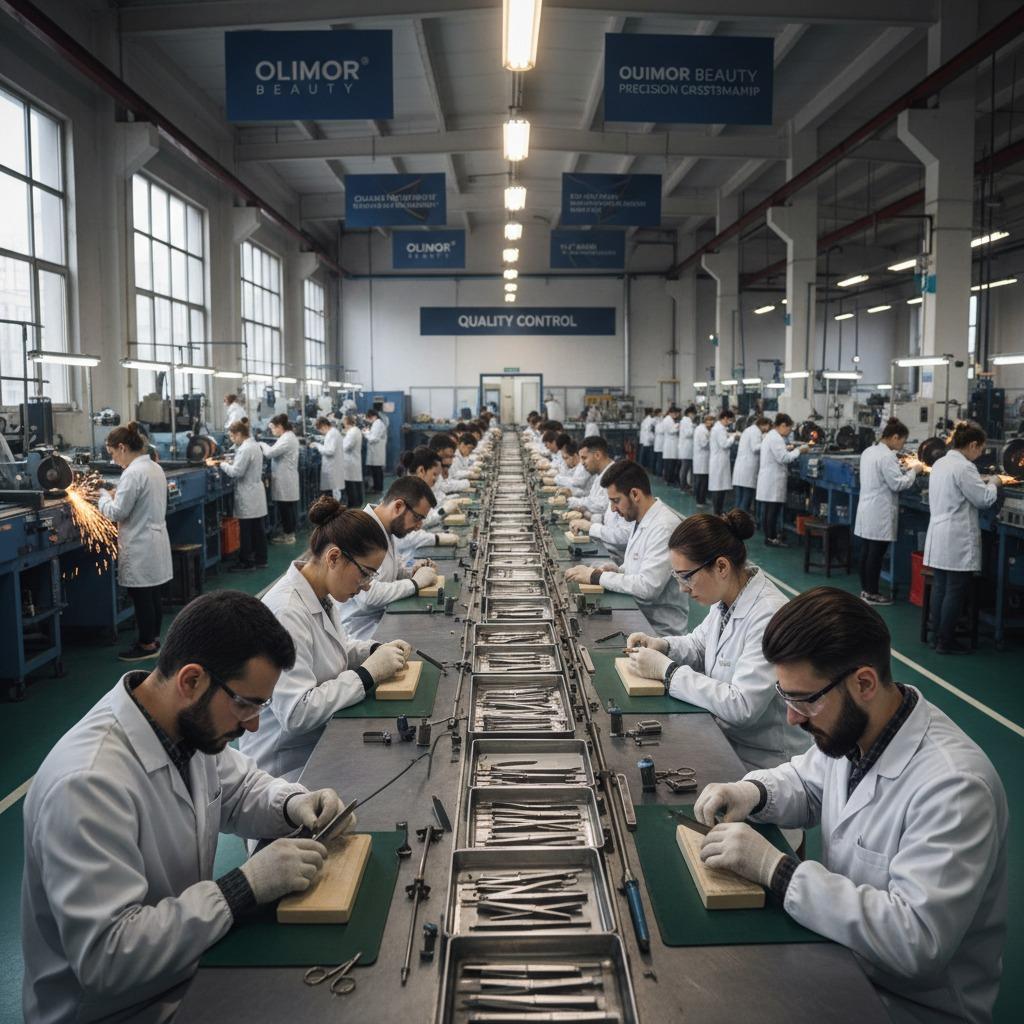
Quality assurance for private label nail products should be practical and visible. Buyers do not need to use overly technical language to define expectations, but they should identify the points that affect the customer most. For nail clippers, performance and feel are more important than decorative claims. A good review process considers the tool before, during and after packaging.
Useful checkpoints include:
- Visual inspection: Check for obvious surface defects, rough edges, inconsistent finish or visible assembly issues.
- Opening and closing feel: The lever should move smoothly enough for controlled use without feeling unstable.
- Cutting edge contact: Edges should align properly and meet cleanly along the intended cutting area.
- Comfort in hand: The clipper should be easy to hold and press for the target user group.
- Logo and decoration placement: Branding should appear correctly positioned and consistent with approved artwork.
- Packaging fit: The tool should sit securely inside the package or kit so it does not shift excessively during handling.
- Final assortment check: For kits, confirm that all components are present and arranged correctly before shipment.
These checks help protect the brand relationship with end customers. A private label product carries the buyer’s name, so inconsistency can affect trust even when the product is manufactured by a partner.
Packaging and Branding Decisions That Support Retail Sales
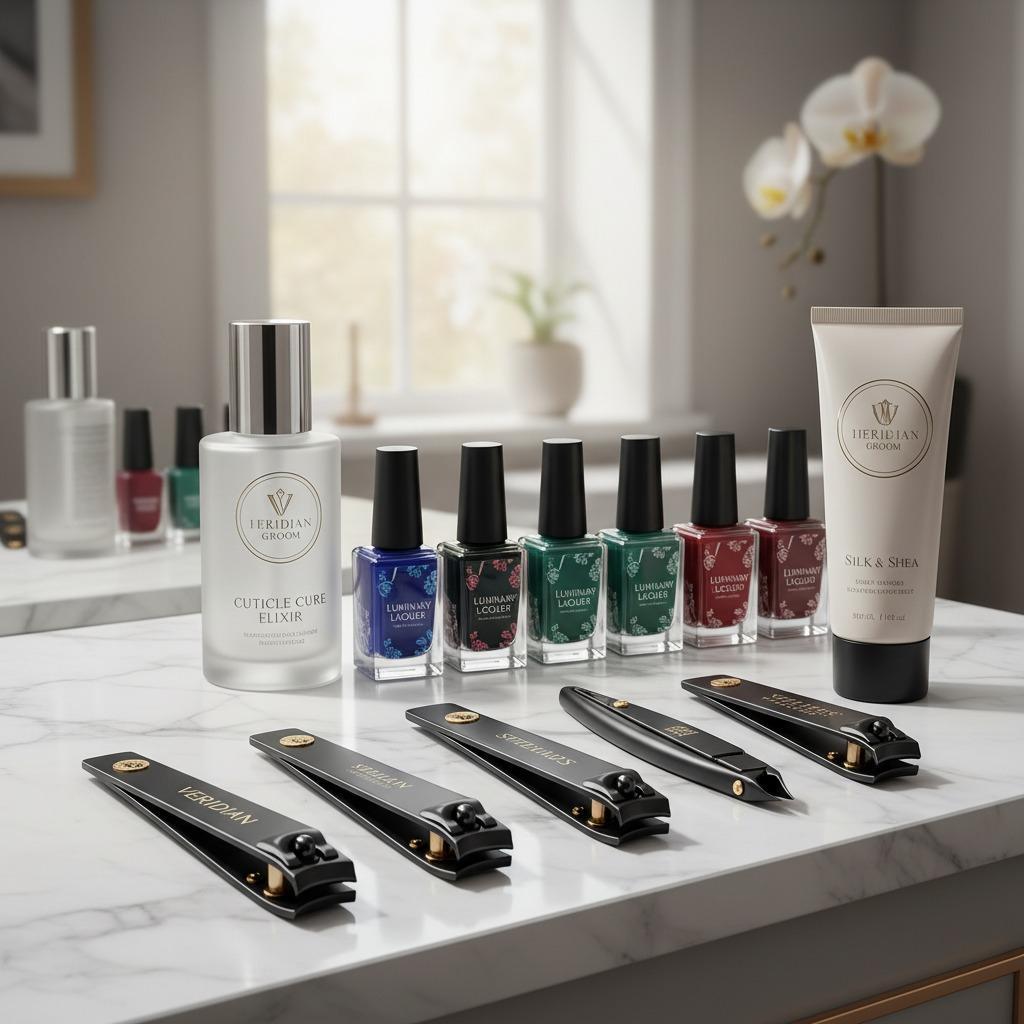
Branding a nail clipper is not only about adding a logo. The whole presentation should explain why the product belongs in the customer’s routine. Packaging can communicate cleanliness, precision, portability, professional grooming or value, depending on the target market. The best packaging choice is the one that matches the sales channel.
For e-commerce, packaging should photograph clearly and protect the tool during delivery. For retail shelves, the front panel may need simple benefit wording and a clear product view. For salon or distributor channels, practicality and easy identification may be more important than decorative complexity. If the product is sold as part of a kit, the internal arrangement should look organized when opened because that first impression influences perceived quality.
Buyers should prepare artwork carefully. Confirm logo files, colors, placement, package dimensions, barcode needs, language requirements and any usage or care wording before production artwork is finalized. When the packaging needs to serve multiple markets, keep the copy clear and avoid claims that require proof you have not verified.
Sourcing Questions to Clarify Before Production
A successful private label nail product project depends on clear communication before production begins. Instead of relying on broad phrases such as “high quality,” define what quality means for this product and sales channel. Samples should be reviewed with the same customer in mind who will eventually purchase the item.
Before moving forward, organize your requirements around these questions:
- What is the primary market: retail, salon, distributor, online store, promotional set or travel kit?
- Will the product be sold as one clipper, a pair of clippers or a broader nail grooming kit?
- What tool finish, handle feel and packaging style best match the brand position?
- Where should the private label logo appear: on the clipper, packaging, insert card or kit case?
- What inspection points are essential before goods are packed?
- Are there destination-market labeling or language requirements that need to be reflected in packaging?
- How should samples be reviewed, approved and documented before bulk production?
These questions help both sides work from the same expectations. If you are preparing a new beauty tool program and want to discuss product direction, you can send an inquiry with your target market, preferred kit format and branding needs. For broader project coordination or company questions, you can also contact Olimor.
How to Create a Private Label Line With Long-Term Value
The strongest private label nail products are not built around decoration alone. They combine practical tool performance, consistent appearance, suitable packaging and a clear reason for the customer to choose them again. Nail clippers are a useful foundation because they are familiar, repeatable and easy to connect with related grooming products.
When planning with Olimor Beauty, treat the project as a product system: the clipper, the kit components, the packaging, the inspection process and the sales channel should all support the same promise. Start with the user, define the function, review samples carefully and make packaging decisions that match how the product will actually be sold. With that approach, custom nail clippers can become more than a simple accessory; they can become a reliable part of a private label nail care assortment that customers recognize and trust.
Tag: