Export Quality Tweezers: How to Choose Precision Tools for Beauty Retail and Professional Use
Export quality tweezers look simple, but small differences in design and manufacturing can change how they feel in the hand, how cleanly they grip hair, and how confidently they fit into a beauty tool range. For brow artists, salons, retailers and import buyers, the right tweezer is not only a grooming tool. It is a product that must feel accurate, look appealing, and remain consistent from one batch to the next.
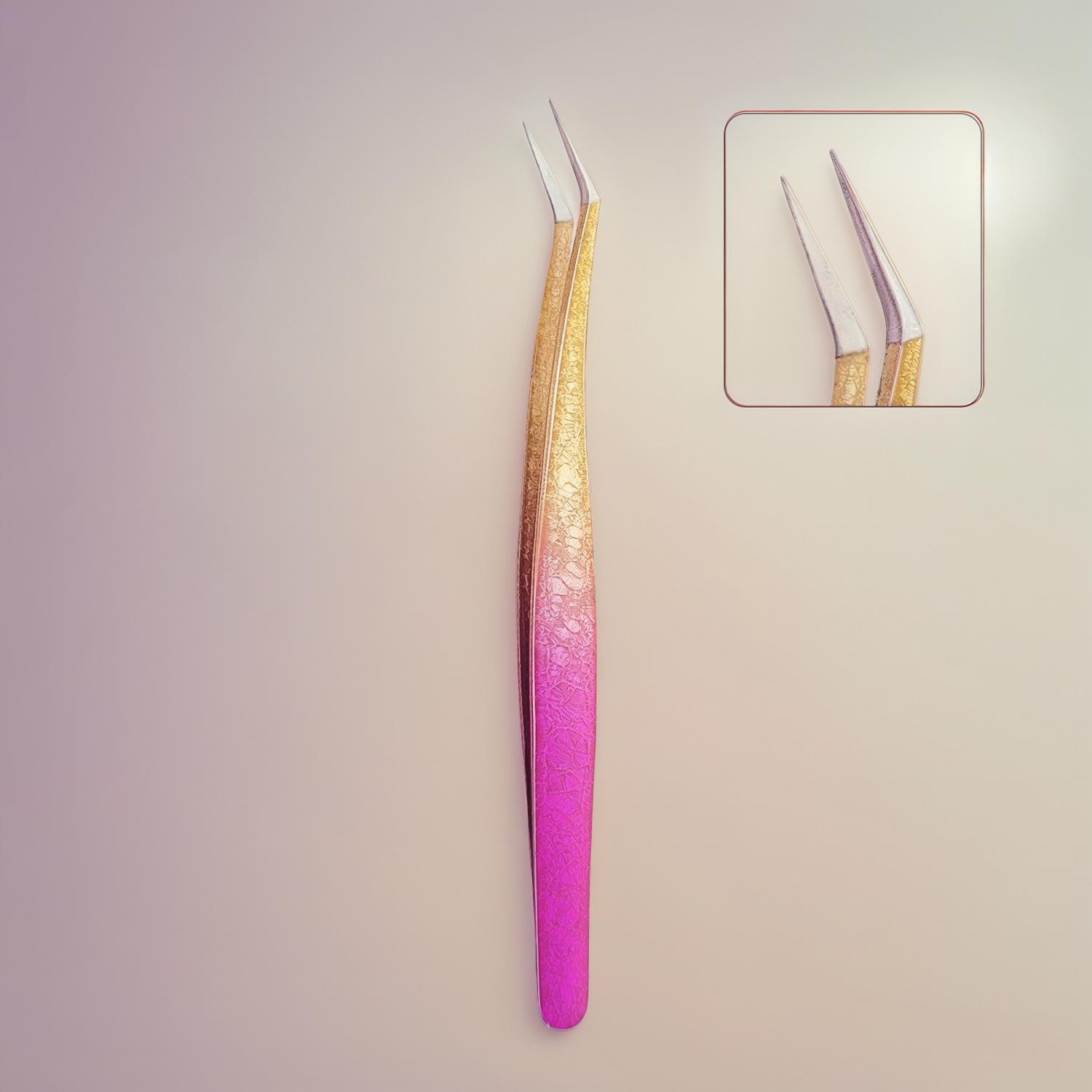
Olimor Beauty offers designer tweezers with a vibrant gold-to-pink gradient and an artistic cracked texture, combining a decorative finish with practical brow-shaping performance. The goal is not decoration alone. A tweezer must hold fine hair securely, meet the user’s expectations for control, and be suitable for repeated handling in daily beauty routines. When evaluating export quality tweezers, buyers should look beyond the first impression and consider tip alignment, stainless steel construction, grip comfort, packaging readiness and factory communication.
What “Export Quality” Should Mean for Tweezers
In beauty tools, “export quality” should describe a consistent product standard rather than a vague marketing phrase. Tweezers intended for international buyers need to meet expectations across appearance, usability and repeatability. A single sample may look attractive, but the real test is whether bulk production can maintain the same feel and finish.
For tweezers, the most important quality point is the meeting surface of the tips. If the tips do not align properly, the tweezer may cut hair, miss fine strands or require too much pressure. Export-focused tweezers should also have a smooth exterior finish, clean edges, stable tension and a shape that allows comfortable control during detailed work.
The gold-to-pink gradient and cracked texture described for Olimor Beauty’s designer tweezers add retail shelf appeal, especially for brands that want a tool with visual personality. However, the surface treatment should not interfere with use. The gripping area must still feel controlled, and the tips must remain precise enough for brow shaping and other delicate tasks.
Key Performance Details Buyers Should Inspect
Whether you are sourcing for a salon kit, an online beauty store or a private-label assortment, performance evaluation should be systematic. A tweezer that looks good in photos may not be suitable if it requires excessive force, slips on fine hair or feels unbalanced during repeated use.
- Tip alignment: The two tips should meet evenly without gaps or crossing. This is central to accurate plucking.
- Grip strength: The tweezer should hold fine and short hairs securely without forcing the user to squeeze too hard.
- Tension: The arms should open and close smoothly. Tension that is too stiff can cause fatigue, while tension that is too loose may reduce control.
- Edge comfort: The body should not have sharp unfinished edges along the sides or pressing area.
- Surface finish: Decorative coatings, gradients and textures should appear even and clean, without obvious scratches or patchy areas.
- Weight and balance: A lightweight build can improve comfort, but it should still feel stable enough for detailed brow work.
- Packaging compatibility: If the tweezer will be sold at retail, check that the finish remains protected during shipping and display.
These checks help buyers avoid relying only on appearance. A strong beauty tool assortment should include products that photograph well and perform reliably when customers use them.
Why Stainless Steel Construction Matters
The supplied product information highlights stainless steel construction, which is a sensible material choice for beauty tweezers. Stainless steel is widely used in grooming tools because it supports a clean finish, offers durability for regular handling, and can be shaped into fine working tips. For beauty buyers, the key question is not simply whether the product is stainless steel, but whether the finished tweezer meets the intended use case.
A brow-focused tweezer needs precise tips and dependable closure. A general grooming tweezer may be more forgiving, but customers still expect it to grip without slipping. If the product is positioned as a designer tool, the finish also becomes part of the quality promise. The cracked texture and gold-to-pink gradient should look intentional and refined, not uneven or accidental.
Importers and retailers can build a practical sample review process by testing several units rather than a single piece. Use the tweezers on fine fibers or suitable test material, compare the closing tension, and inspect the finish under normal retail lighting. This approach is especially useful when choosing products from beauty tool products for a wider product line.
Matching Tweezer Design to the Target Customer
Not every customer wants the same tweezer. A professional brow stylist may prioritize control and repeat comfort. A gift-focused retailer may value appearance and packaging. A beauty brand building a color-coordinated assortment may need a distinctive surface finish that stands out from plain metal tools.
The designer gradient style of these tweezers can work well for buyers who want more visual impact than a standard silver tool. The gold-to-pink transition has a decorative look, while the cracked texture adds detail that can support a premium presentation. This makes the product suitable for beauty kits, brow care assortments, retail displays and promotional sets where the tool’s appearance matters alongside function.
For professional use, comfort becomes more important. Ergonomic design is mentioned in the product details, and this matters because stylists may use tweezers repeatedly throughout the day. A tool that reduces hand strain can be more practical than one chosen only for appearance. For home users, a firm grip and aligned tips help make brow shaping easier and reduce repeated attempts on the same hair.
Factory Direct Sourcing: What to Clarify Before Ordering
Sourcing tweezers factory direct can reduce unnecessary layers in communication and make product development more efficient. For buyers importing tweezers from China, direct communication with a tweezers factory can also help clarify finish options, sample expectations and inspection points before an order is placed.
Factory direct sourcing should still be handled with a clear checklist. Buyers should define what matters for the product and confirm those points early. Instead of focusing only on price, compare the complete sourcing picture: sample consistency, finishing quality, packing method, responsiveness and the ability to maintain the agreed product appearance.
| Decision Area | What to Review | Why It Matters |
|---|---|---|
| Tip precision | Alignment, closing contact and grip on fine hair | Determines real grooming performance |
| Finish quality | Gradient color, cracked texture and visible surface defects | Affects retail appeal and customer perception |
| Comfort | Tension, weight and hand feel | Important for salons and frequent users |
| Consistency | Comparison across multiple samples | Helps predict bulk order reliability |
| Packing | Protection against scratches during shipping | Preserves decorative appearance for retail sale |
If you are comparing tweezers with other tools, Olimor’s product collections can help you think about how a tweezer fits within a broader beauty assortment.
Quality Checks That Support a Better Customer Experience
Quality assurance for tweezers should combine visual inspection with practical testing. Visual inspection catches coating issues, rough edges and inconsistent finishing. Practical testing confirms whether the tweezer actually performs as expected. Both matter, especially when the tool is sold as an export quality beauty product.
A useful receiving inspection can include opening and closing each sampled unit several times, checking whether the tips meet evenly, and looking for obvious surface marks. For decorative tweezers, the finish should be reviewed for uniformity. For brow tools, the gripping edge should be evaluated carefully because that is where customer satisfaction is won or lost.
Buyers may also want to define acceptable appearance standards before production. For example, a textured finish may naturally vary, but visible scratches, coating chips or poorly finished edges should be treated differently from normal design variation. Clear definitions help prevent confusion between intentional decorative texture and actual defects.
Care and Handling Tips for End Users
Good product content should help customers keep their tools in better condition. Retailers and beauty brands can include simple care guidance with tweezers to reduce misuse and improve satisfaction. Tweezers should be kept clean, stored dry, and protected from hard impacts that can damage tip alignment.
- Wipe the tips after use to remove oil, makeup or residue.
- Store the tweezers in a pouch, sleeve or clean compartment to protect the tips and decorative finish.
- Avoid dropping the tool, as impact can affect alignment.
- Do not use brow tweezers as general household tools, because prying or scraping can damage the tips.
- Check the tips periodically; if they no longer meet cleanly, performance will decline.
These care points are simple, but they help position tweezers as precision beauty tools rather than disposable accessories.
Choosing Olimor Beauty as a Long-Term Tweezers Supplier
A long-term tweezers supplier should offer more than a single attractive sample. Buyers need clear communication, consistent production expectations and a practical understanding of how beauty tools are used. Olimor Beauty focuses on tweezers factory direct supply for buyers who need tools that combine precision, stainless steel construction and retail-ready design features.
The designer gold-to-pink gradient tweezers with cracked texture are a strong option for buyers seeking a more distinctive look while still focusing on firm grip and brow-shaping accuracy. They can support beauty retail assortments, salon accessory ranges and grooming kits where appearance and practical control both matter.
Before selecting a tweezer for your next order, define the customer, the selling channel and the quality standard you want the tool to represent. If you are preparing a new beauty tool range or comparing sourcing options, you can send an inquiry with your product requirements or contact Olimor to discuss suitable tweezers for your market.
Tag: