How to Choose a Reliable Nail Clipper Supplier for Private Label Grooming Tools
For beauty brands, distributors, salons, hotels, pharmacies and grooming kit sellers, a nail clipper is a small product with a large impact on customer trust. A clipper that cuts cleanly feels simple and dependable. A clipper that bends, tears the nail or loses sharpness quickly creates returns, complaints and weak repeat business. Choosing a reliable nail clipper supplier is therefore not only a purchasing decision; it is a product quality decision that affects how customers judge your entire grooming range.
Olimor Beauty supplies beauty and personal care tools for businesses that need practical product options, consistent presentation and a clear sourcing process. When evaluating nail clippers, buyers should look beyond the surface finish and compare the parts that determine daily performance: the cutting edge, lever tension, stainless steel body, grip feel, finish durability, inspection process and packaging suitability. This guide explains how to assess those details before placing a private label or wholesale order.
What Makes a Nail Clipper Supplier Reliable?
A reliable nail clipper supplier should help you reduce sourcing uncertainty. That means the supplier can explain how the product is made, which customization choices are realistic, what quality points are checked and how packaging is prepared for your sales channel. For simple grooming tools, the difference between acceptable and poor quality often appears in small details: uneven cutting edges, loose levers, rough corners, visible plating flaws or inconsistent alignment between samples and bulk goods.
Reliability also depends on communication. A professional supplier should be able to discuss the intended user, target price segment, packaging method and expected retail environment before recommending a nail clipper structure. A hotel amenity kit, a salon resale product and an online private label grooming set may all use nail clippers, but the finish, packaging protection and branding approach can differ significantly.
- Clear product definition: size, finish, cutting edge style, packaging and logo method should be confirmed before production.
- Sample consistency: approved samples should represent the look, feel and function expected in bulk goods.
- Inspection focus: edges, lever movement, surface defects, alignment and packaging should be checked systematically.
- Practical customization advice: the supplier should explain what can be adjusted without weakening product function.
- Export-ready communication: labeling, carton marks and shipping preparation should match the buyer’s sales channel requirements.
Key Product Details to Check Before Ordering
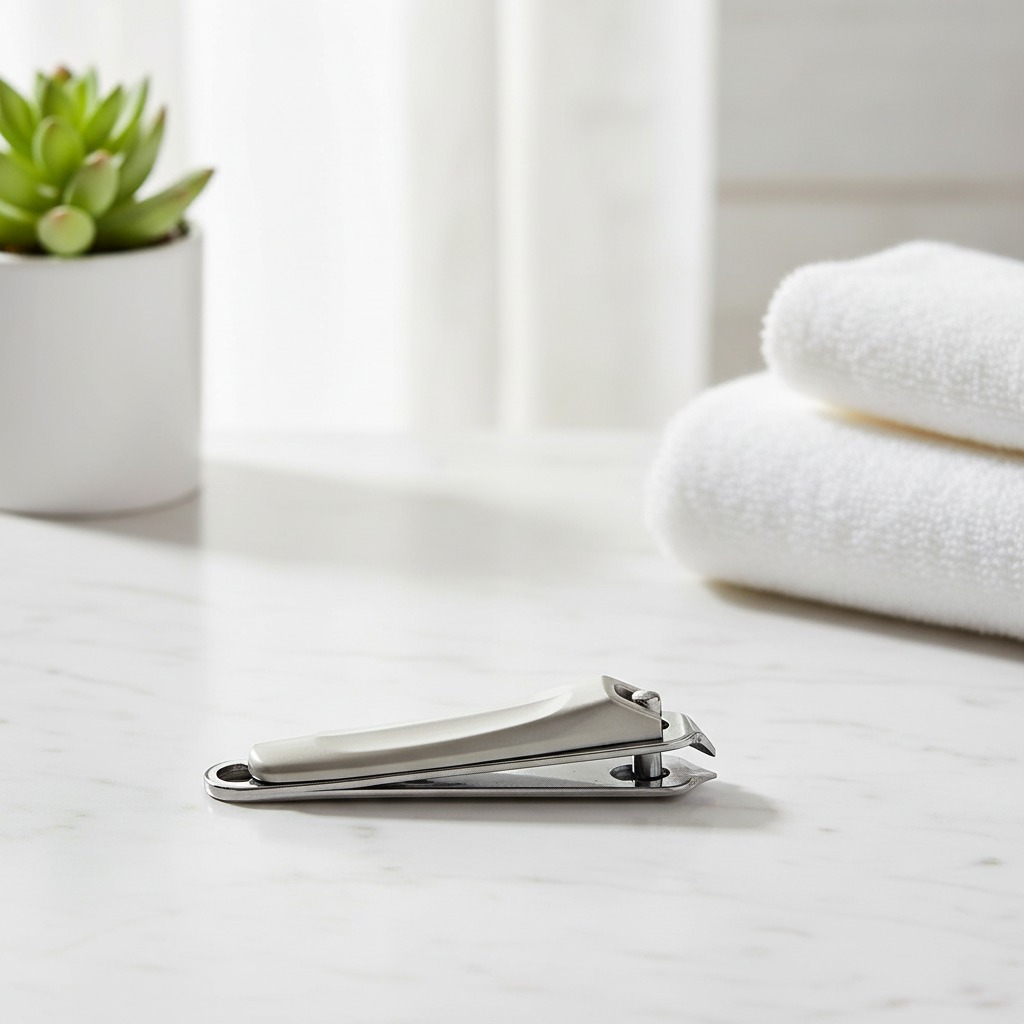
Because nail clippers are handled close to the skin and used on hard nail edges, comfort and control matter. The original product focus highlights stainless steel construction, ergonomic grip, matte finish, curved cutting edge and quality checks. These are important starting points, but buyers should evaluate each detail in a measurable way.
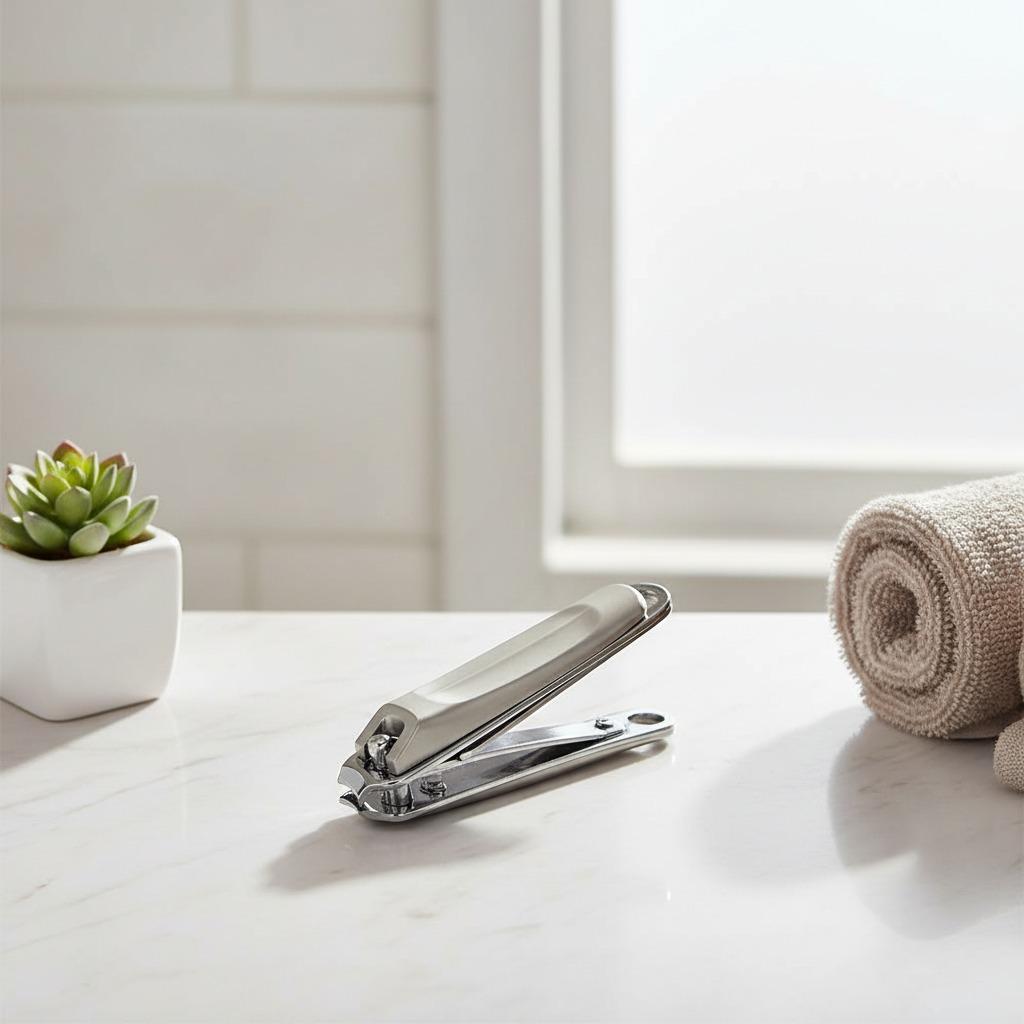
Cutting edge: The cutting blades should meet evenly and cut through the nail without requiring excessive pressure. A curved cutting edge can help follow natural nail contours, but the curve should match the intended use. Fingernail clippers are often smaller and more curved, while toenail clippers may need a wider jaw and stronger leverage.
Lever tension: A clipper should feel controlled when pressed. If the lever is too loose, it may feel cheap or unstable. If it is too stiff, it can be uncomfortable for older users or people with reduced hand strength. Test repeated clipping movement, not only the first press.
Stainless steel body: Stainless steel is widely used for grooming tools because it offers strength and resistance to everyday moisture when properly finished and maintained. Buyers should still check surface smoothness, edge polishing and the absence of burrs around the handle, jaws and file area if included.
Grip and finish: A matte finish can improve visual appeal and help reduce a slippery feel. However, finish quality must be consistent across the full surface. Look for scratches, uneven color, fingerprints sealed under coating, or sharp unfinished corners.
Custom Made Nail Clipper Options for Brand Programs
A custom made nail clipper can help a grooming line feel more coherent, especially when sold as part of a manicure set, travel kit, men’s grooming kit or salon retail display. Customization should support the product’s purpose rather than simply adding decoration. The most useful choices usually involve branding, finish, packaging and sometimes small functional adjustments.
Logo placement can be considered on the lever, handle surface or packaging depending on the clipper structure. Packaging choices may include retail cards, boxes, pouches or inclusion in a larger grooming set. Finish options should be reviewed through physical samples because online images rarely show the true feel of matte, polished or coated surfaces.
| Customization Area | Why It Matters | Buyer Checkpoint |
|---|---|---|
| Logo or brand mark | Supports private label recognition | Confirm size, position, contrast and durability on sample |
| Surface finish | Affects grip, appearance and perceived quality | Inspect for even color, smooth touch and scratch visibility |
| Cutting edge shape | Influences comfort and nail contour fit | Test on intended fingernail or toenail use case |
| Packaging | Protects the tool and communicates retail value | Check barcode space, label area, instructions and shipping strength |
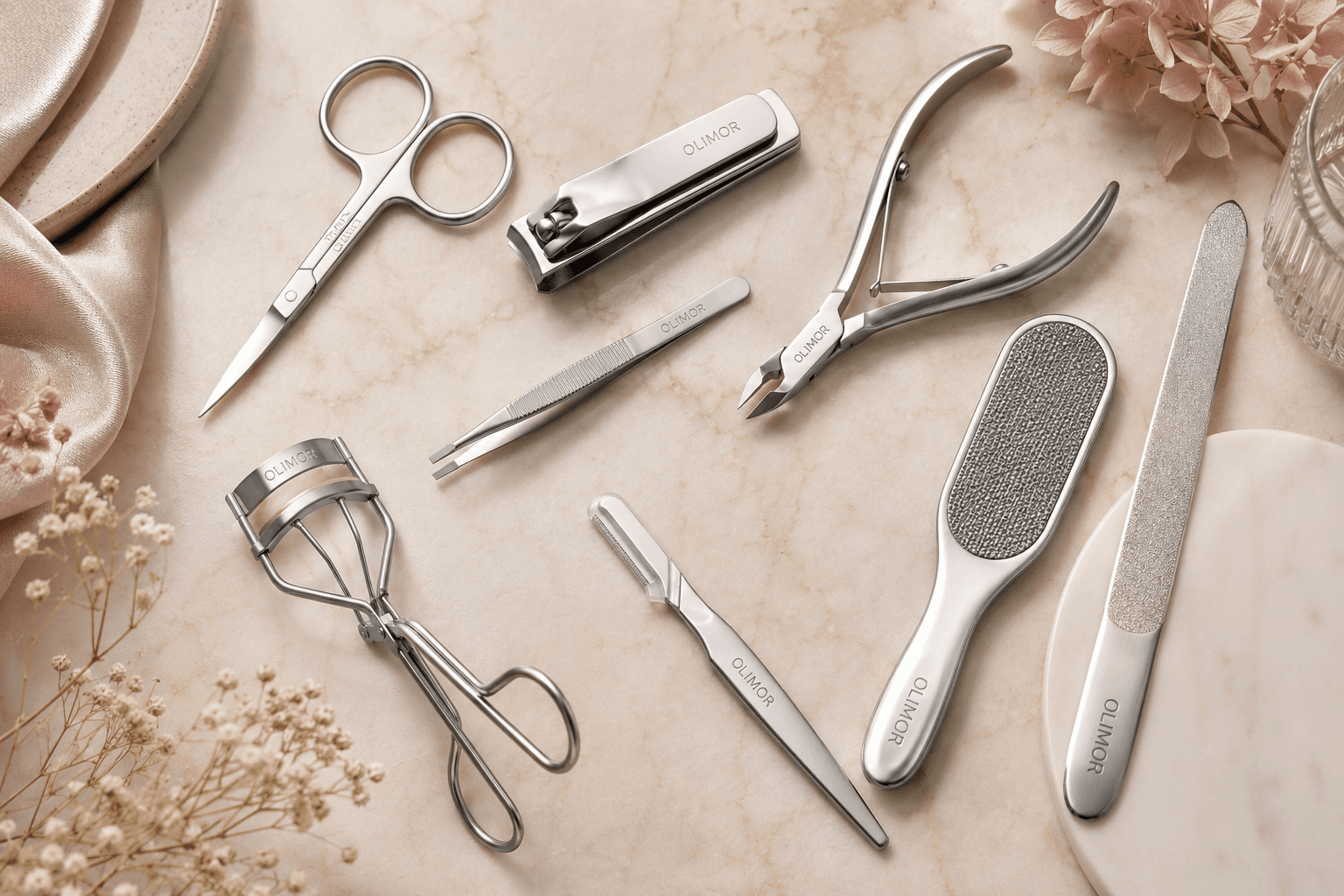
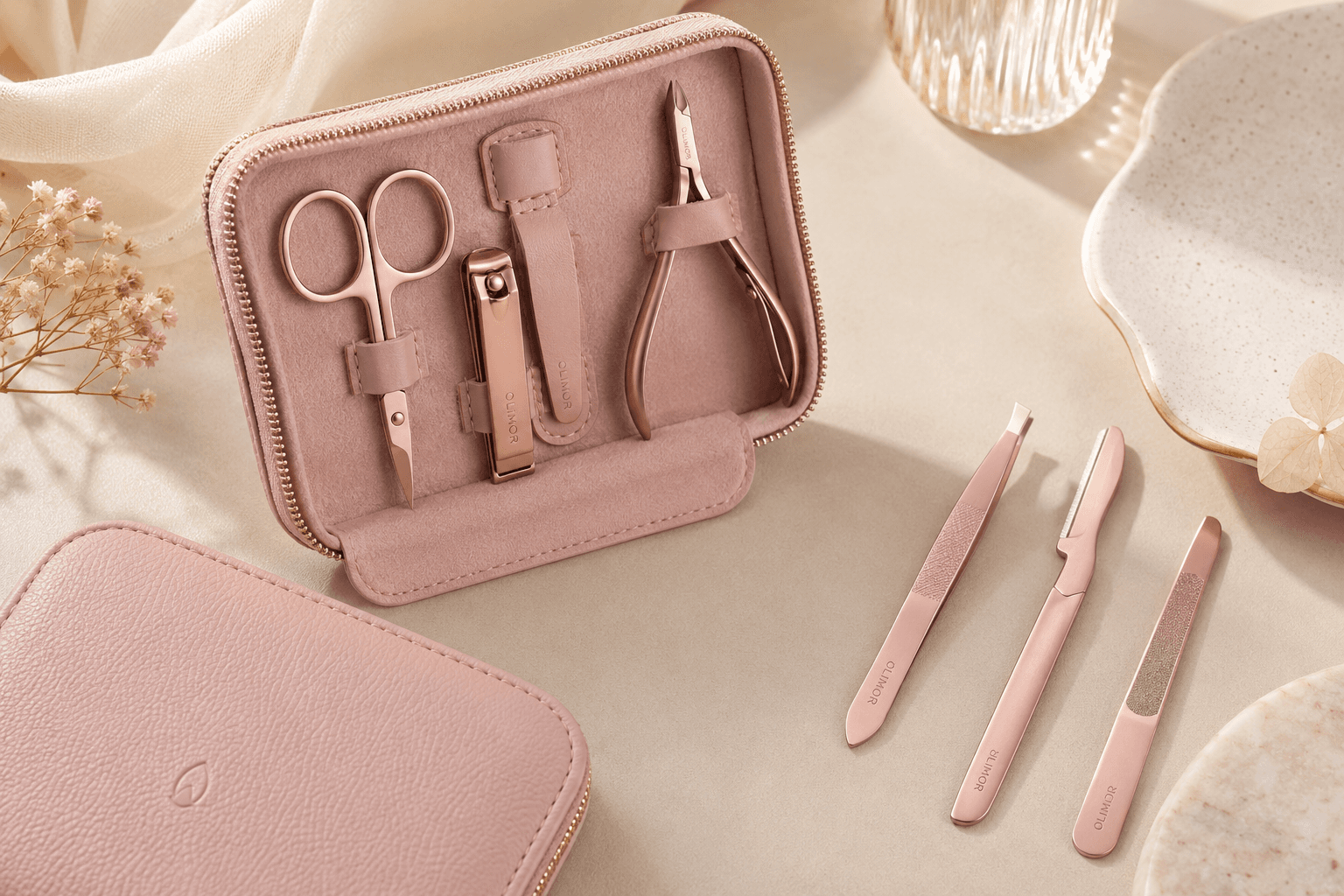
If you are comparing nail clippers with other grooming items, browse Olimor’s beauty tool products to plan a consistent range. For buyers building a themed kit or seasonal retail set, the product collections page can also help organize related beauty tools before finalizing packaging direction.
Quality Control Questions That Prevent Common Problems
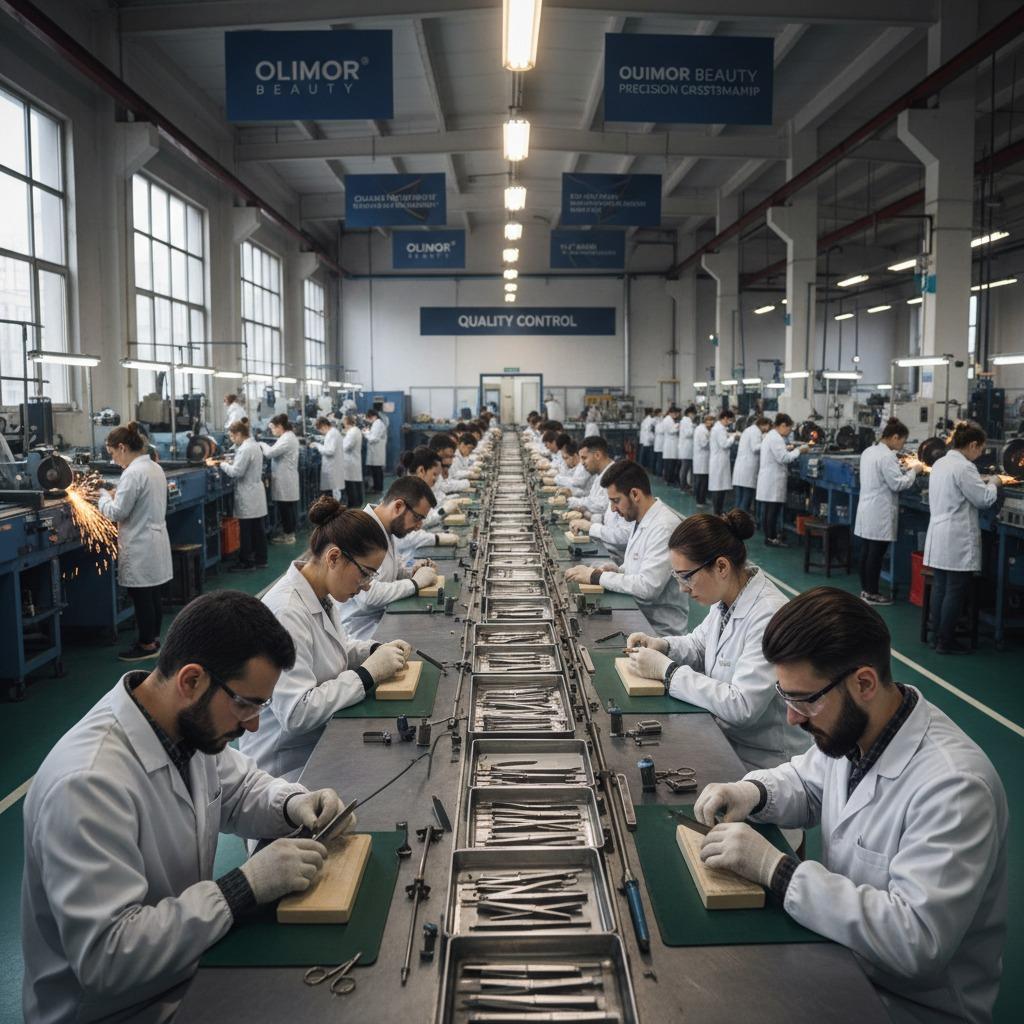
Quality control for nail clippers should focus on function first, then appearance. A shiny clipper that cuts poorly is not a successful product. Before confirming an order, create an inspection checklist that separates critical defects from cosmetic concerns. Critical defects may include misaligned blades, broken springs or pins, rough cutting edges, sharp burrs on areas touched by the user, or lever failure. Cosmetic concerns may include light surface marks, minor color variation or packaging scuffs, depending on your brand standard.
- Approve a reference sample. Keep one approved sample for comparison against production goods.
- Define cutting performance expectations. The clipper should cut cleanly without crushing or tearing the nail edge.
- Check user contact points. Areas touched by fingers should feel smooth and free of burrs.
- Inspect finish consistency. Matte or polished surfaces should be even across the visible parts.
- Review packaging fit. The clipper should not move excessively, scratch itself or damage the retail pack during transport.
- Confirm carton labeling. Product name, quantity, item reference and handling marks should match your receiving process.
For larger programs, it is helpful to define acceptable quality standards in writing before production begins. This does not require complicated language, but it should be specific enough that both sides understand what will be accepted, repaired or rejected. Photos of acceptable and unacceptable examples can be especially useful for surface finish and logo placement.
Matching Nail Clippers to Sales Channels and Users
The right nail clipper depends on where and how it will be sold. A low-profile clipper for a travel pouch may prioritize compact size and simple packaging. A salon resale product may need stronger visual presentation and a comfortable grip for frequent use. A men’s grooming kit may focus on a clean finish and sturdy lever feel, while a hotel amenity program may need efficient packaging and consistent appearance across high-volume distribution.
Think about the user’s hand size, the intended nail type and whether the product will be purchased alone or as part of a kit. A clipper for general fingernail care should feel controlled and easy to store. A clipper intended for toenails may need a stronger jaw and more leverage. If the product will be sold online, clear product photos and packaging that protects the finish during shipping become more important, because customers will judge the item immediately after unboxing.
Buyers should also consider instructions and aftercare. Even a well-made stainless steel nail clipper benefits from being kept clean and dry after use. Simple care guidance on the package or insert can reduce misuse and help customers keep the tool performing well for longer.
How to Start a Nail Clipper Sourcing Discussion with Olimor Beauty
A productive sourcing conversation begins with a clear brief. Include your target market, preferred size, finish direction, logo needs, packaging style and whether the nail clipper will be sold individually or inside a set. If you already have a benchmark sample, share photos and describe what you like or dislike about it. If you do not have a final design, define the user and price positioning first so the supplier can recommend practical options.
Olimor Beauty can discuss nail clipper sourcing for buyers who need standard product options or custom made nail clipper development. To prepare, collect the information your purchasing, design and sales teams already know: sales channel, expected retail presentation, compliance or labeling needs for your market, and the schedule you are working toward. You can send an inquiry with these details, or contact Olimor to discuss the most suitable next step.
Choosing a reliable nail clipper supplier is not about finding the most decorative tool. It is about selecting a product that cuts cleanly, feels safe in the hand, presents your brand well and arrives with consistent quality. By checking materials, edge alignment, grip design, finish, packaging and customization limits before ordering, buyers can build a grooming product that customers will use repeatedly and associate with dependable care.
Tag: