Cuticle Nippers vs Nail Clippers: The Practical Difference for Better Nail Care
Cuticle nippers and nail clippers are often stored in the same manicure kit, but they are designed for very different jobs. A nail clipper cuts the nail plate: the hard keratin surface that grows beyond the fingertip or toe. A cuticle nipper is made for careful trimming of small pieces of dead skin around the nail fold, hangnails, or excess non-living cuticle tissue. Using one tool in place of the other can lead to rough edges, torn skin, discomfort, or a manicure result that looks unfinished.
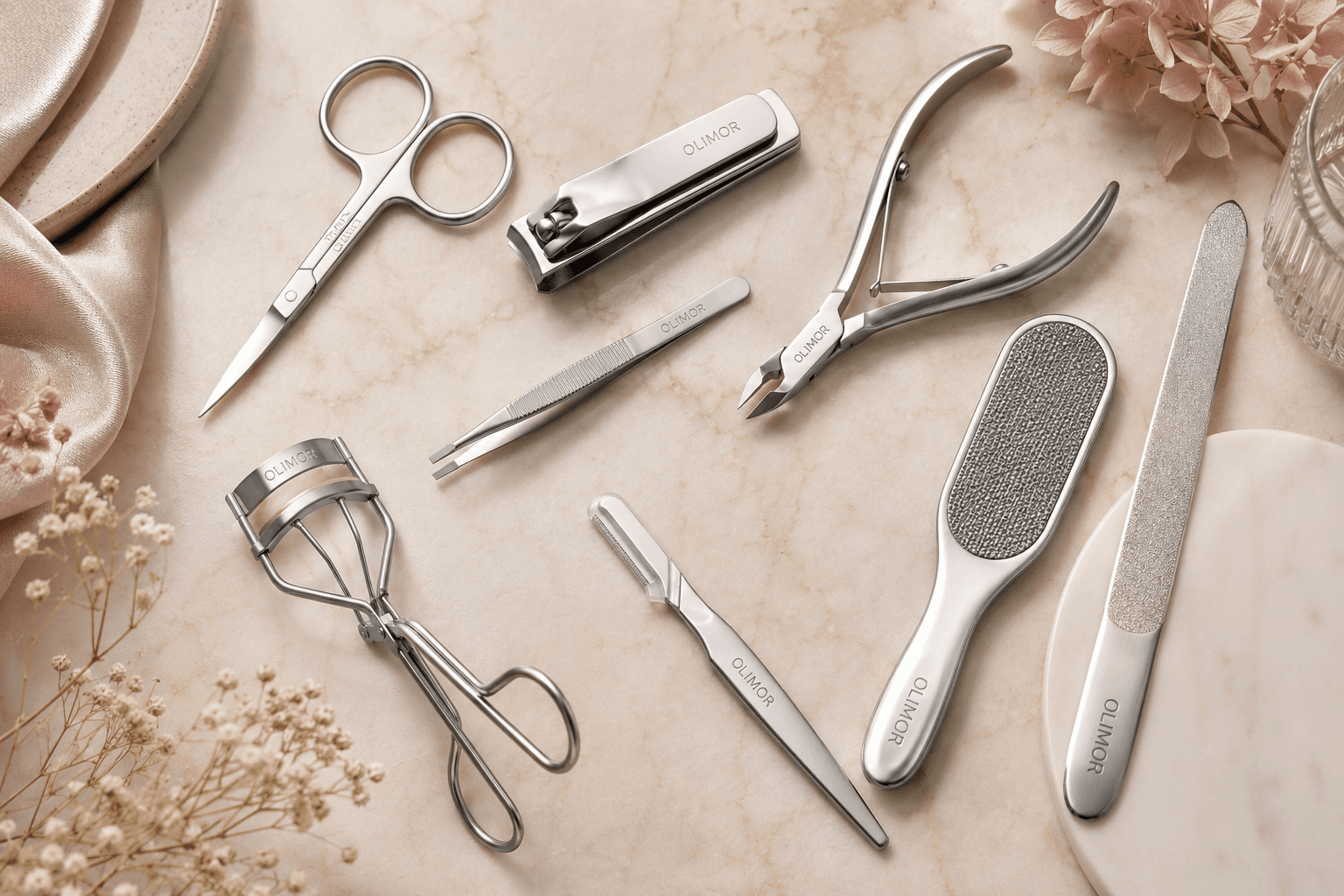
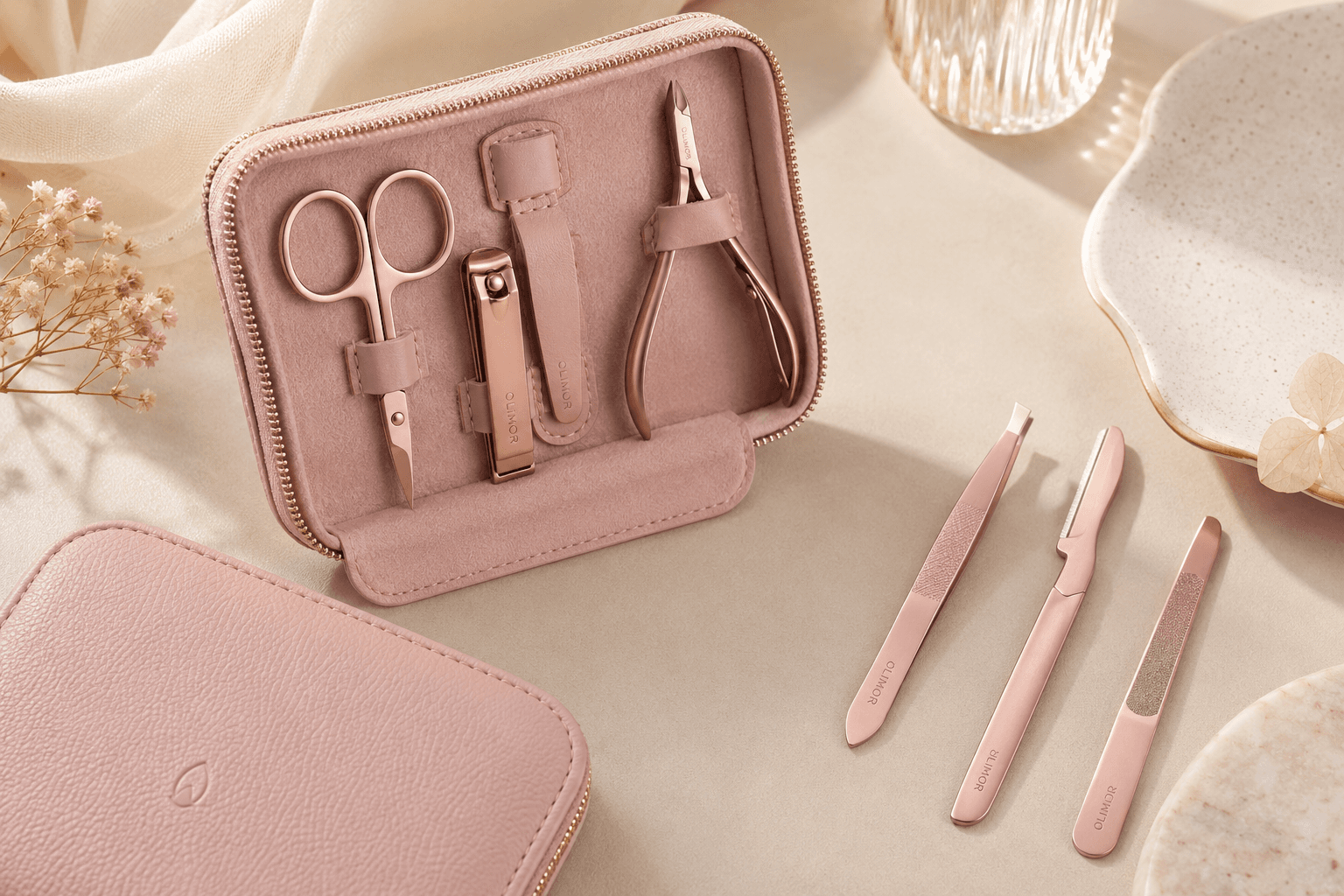
For home grooming, salon work, or private-label sourcing, the difference matters because tool geometry, blade contact, handle control, and cleaning requirements are not the same. Olimor Beauty supplies beauty tools for buyers who need practical, reliable product options, including nail care categories such as cuticle nippers. This guide explains what each tool is for, how to choose between them, and what to check before adding them to a nail care range.
What a Cuticle Nipper Is Designed to Do
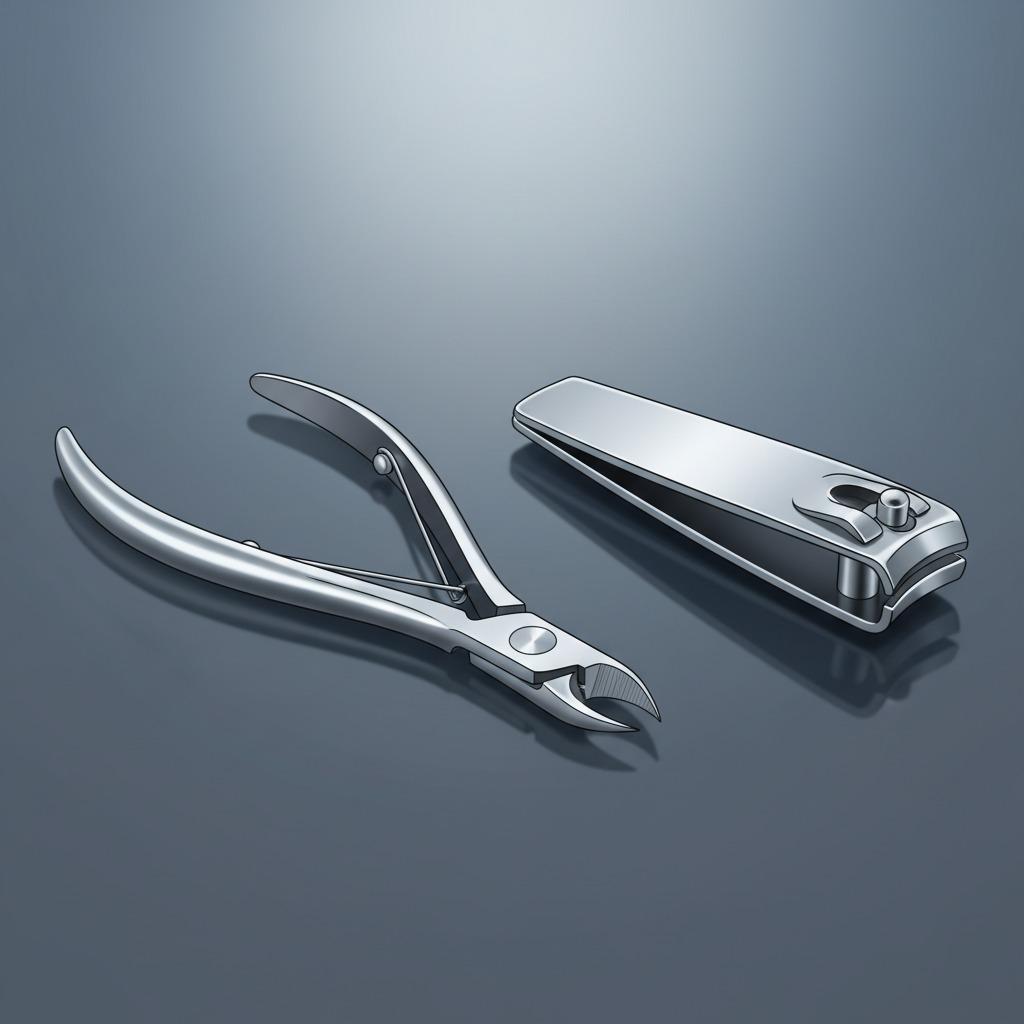
A cuticle nipper is a precision trimming tool with two narrow jaws that meet at a fine cutting edge. Its purpose is not to cut the main nail. Instead, it is used to remove small, loose, non-living skin around the nail area after the cuticle has been softened and gently pushed back. The tool is also commonly used to trim hangnails when they are lifted away from healthy skin.
The value of a cuticle nipper is control. The user can target a very small area and make a clean snip without pulling. This is important because the skin around the nail protects the nail matrix and nail fold. Aggressive cutting can create irritation or open the skin to infection. A good cuticle nipper should close evenly, feel stable in the hand, and allow the user to see exactly where the blade is placed.
Cuticle nippers are most useful when the goal is neat skin detail around the nail. They are commonly chosen by nail technicians, beauty tool distributors, manicure kit brands, and careful home users who want a tidy finish after soaking, softening, or applying cuticle care products.
What Nail Clippers Are Designed to Do
Nail clippers are built for cutting the nail plate. The cutting edge is usually broader than a nipper jaw, and the tool works by pressing two curved or straight blades together with lever force. This design makes it efficient for reducing nail length, especially when nails are too long to file down comfortably.
A nail clipper is not ideal for trimming cuticles because its cutting area is too wide and its motion is not precise enough for delicate skin. When used on skin, it can catch more tissue than intended or leave a rough tear. On the other hand, a cuticle nipper is not efficient for trimming an entire nail plate. It may create uneven bites along the nail edge and can strain the jaw alignment if used on thick nails.
For best results, nail clippers should be used before detailed cuticle work. Cut nails gradually rather than removing too much length in one cut. After clipping, a file can smooth the edge and reduce splitting or snagging.
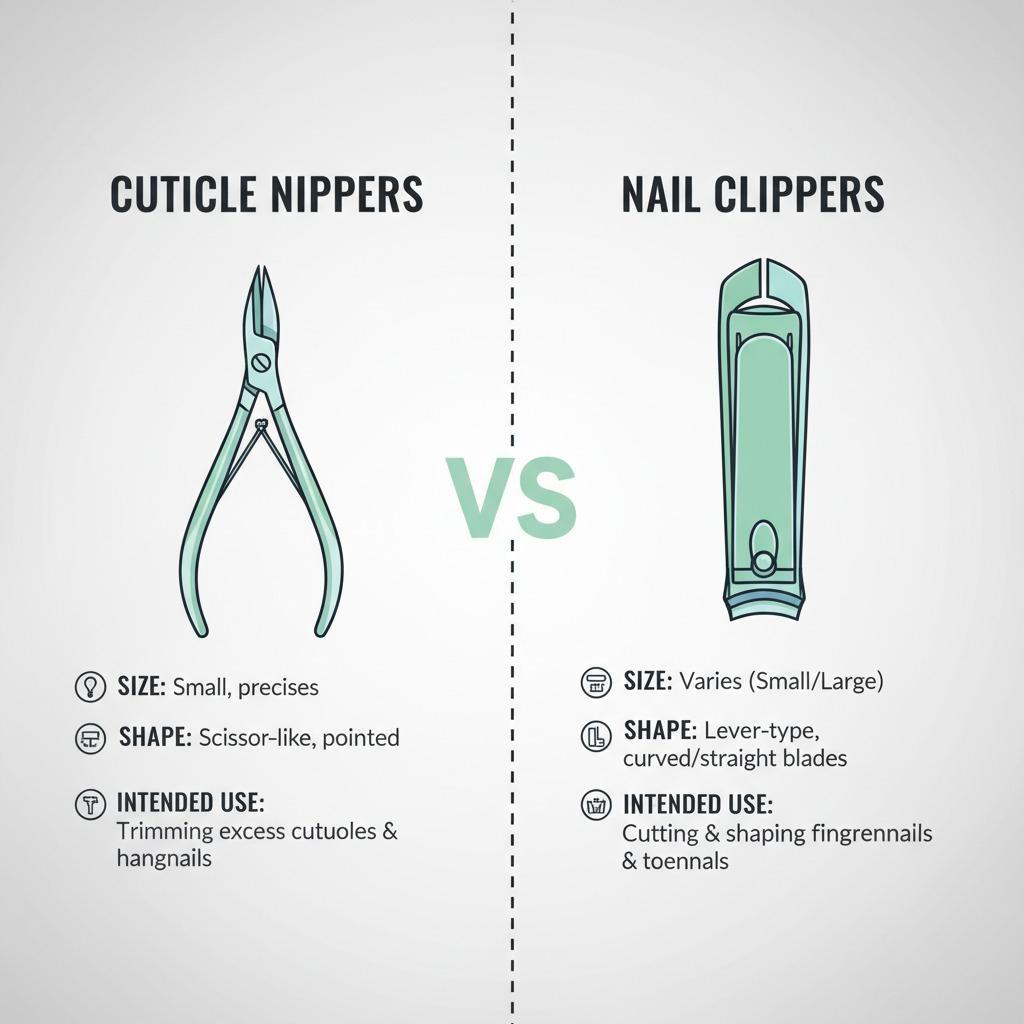
Quick Comparison: Cuticle Nippers vs Nail Clippers
The simplest way to choose the right tool is to match it to the material being trimmed. Use nail clippers for hard nail length. Use cuticle nippers only for small, loose skin detail around the nail.
| Feature | Cuticle Nippers | Nail Clippers |
|---|---|---|
| Main purpose | Trimming loose cuticle tissue and hangnails | Shortening fingernails or toenails |
| Cutting area | Small, narrow, precise jaws | Wider cutting edge for nail plate |
| Best use | Detail work after softening and pushing cuticles | Reducing nail length before filing |
| Risk when misused | Uneven nail cutting or tool stress on hard nails | Torn skin or accidental over-cutting near cuticle |
| Buyer focus | Jaw alignment, spring action, grip control, sharpness | Lever strength, edge shape, stability, clean cutting |
How to Use Each Tool Safely
Safe nail care is mostly about preparation and restraint. Cutting dry, tight cuticle tissue increases the chance of pulling or tearing. Cutting nails too short can expose sensitive skin and create discomfort. The right sequence helps both tools perform better.
- Clean the tools first. Wipe or disinfect tools according to the intended use environment. Professional settings require stricter hygiene procedures than personal home kits.
- Trim nail length with nail clippers. Clip in small sections instead of forcing one large cut across the entire nail. Leave a small free edge if possible.
- Smooth the nail edge. Use a file to refine sharp corners and reduce the chance of snagging.
- Soften the cuticle area. Warm water, cuticle softener, or post-shower timing can make dead skin easier to manage.
- Push back gently. Do not force the living skin. Only loose, excess tissue should be considered for trimming.
- Use the cuticle nipper sparingly. Place the jaws around the small piece of dead skin and snip cleanly. Avoid pulling or cutting a continuous deep line around the nail.
- Clean and dry the tools after use. Moisture and residue can affect long-term performance and hygiene.
Selection Criteria for Buyers and Product Teams
If you are choosing tools for retail, salon supply, promotional kits, or an e-commerce beauty category, the decision should go beyond appearance. A tool that looks polished may still perform poorly if the cutting edges do not meet evenly or the handle does not provide steady control.
- Cutting edge alignment: The jaws of a cuticle nipper should meet cleanly from base to tip without visible gaps. Nail clipper blades should press evenly across the cutting edge.
- Hand feel and control: A cuticle nipper should allow small, controlled movements. A nail clipper should feel stable when pressure is applied.
- Edge suitability: Fine cuticle work needs a sharp, precise edge. Nail length trimming needs a shape that fits the intended nail type, such as fingernail or toenail use.
- Spring or lever response: For nippers, the return action should feel smooth. For clippers, the lever should not wobble excessively.
- Finish quality: Surfaces should be smooth enough to clean and comfortable to hold, with no sharp unfinished areas on handles.
- Packaging fit: For retail or kit assembly, check whether the tool can be protected from damage during storage and shipping.
- Use instructions: Clear guidance reduces misuse, especially when selling to consumers who may not understand the difference between nail and cuticle trimming.
Olimor Beauty offers a broader view of beauty tool sourcing through its beauty tool products and related product collections. For buyers comparing nail care tools, it is useful to review the full product context rather than selecting a single item in isolation.
Common Mistakes to Avoid
One common mistake is cutting too much cuticle. The visible cuticle area is often treated as something to remove completely, but healthy skin around the nail has a protective role. Only loose, dead tissue should be trimmed. Another mistake is using nail clippers to remove hangnails. A clipper can catch surrounding skin and worsen the tear. A precise cuticle nipper is the better tool when the hangnail is small and accessible.
Some users also try to cut thick toenails with a fine cuticle nipper. This can damage the tool and create jagged nail edges. A suitable nail clipper, followed by filing, is a better choice. If nails are unusually thick, painful, discolored, or lifting from the nail bed, grooming tools are not a substitute for professional advice.
Cleaning, Storage, and Long-Term Care
Both tools should be cleaned after use, but cuticle nippers deserve particular attention because they contact skin around the nail. Remove visible residue, dry the tool thoroughly, and store it in a clean place where the cutting edges are protected. Avoid tossing nippers loosely into a drawer with other metal tools, as impacts can affect jaw alignment or dull the fine tips.
For businesses, maintenance guidance should be part of the product experience. Simple care instructions can reduce returns caused by misuse, moisture exposure, or improper storage. If tools are supplied for professional environments, the buyer should also consider the hygiene practices expected in that market and ensure end users receive appropriate cleaning information.
Which Tool Should You Choose?
For a complete nail care setup, most users need both tools. Nail clippers handle length; cuticle nippers handle detail. If the immediate problem is long nails, choose a nail clipper. If the issue is a small hangnail or excess loose cuticle after softening, choose a cuticle nipper. For product buyers, offering both can reduce customer confusion and support a more complete manicure routine.
When evaluating nail care tools for a catalog or sourcing project, focus on function first: clean cutting, comfortable control, appropriate edge design, and packaging that protects the tool. To discuss nail care tool options or share requirements for a buying project, you can contact Olimor or send an inquiry. The right choice starts with understanding exactly what each tool is meant to cut—and what it should never be used for.
Tag: