Custom Nail Clippers for Business: A Practical Buying Guide for Retail and Export
A nail clipper is a small product, but it carries a surprising amount of responsibility for a retailer, importer or promotional buyer. It must feel secure in the hand, cut cleanly, resist corrosion in normal use, fit packaging requirements and represent the brand printed on it. For businesses comparing generic stock with a custom nail clipper for business programs, the most important question is not simply whether the product can carry a logo. The better question is whether the clipper is suitable for the target customer, sales channel and quality expectation.
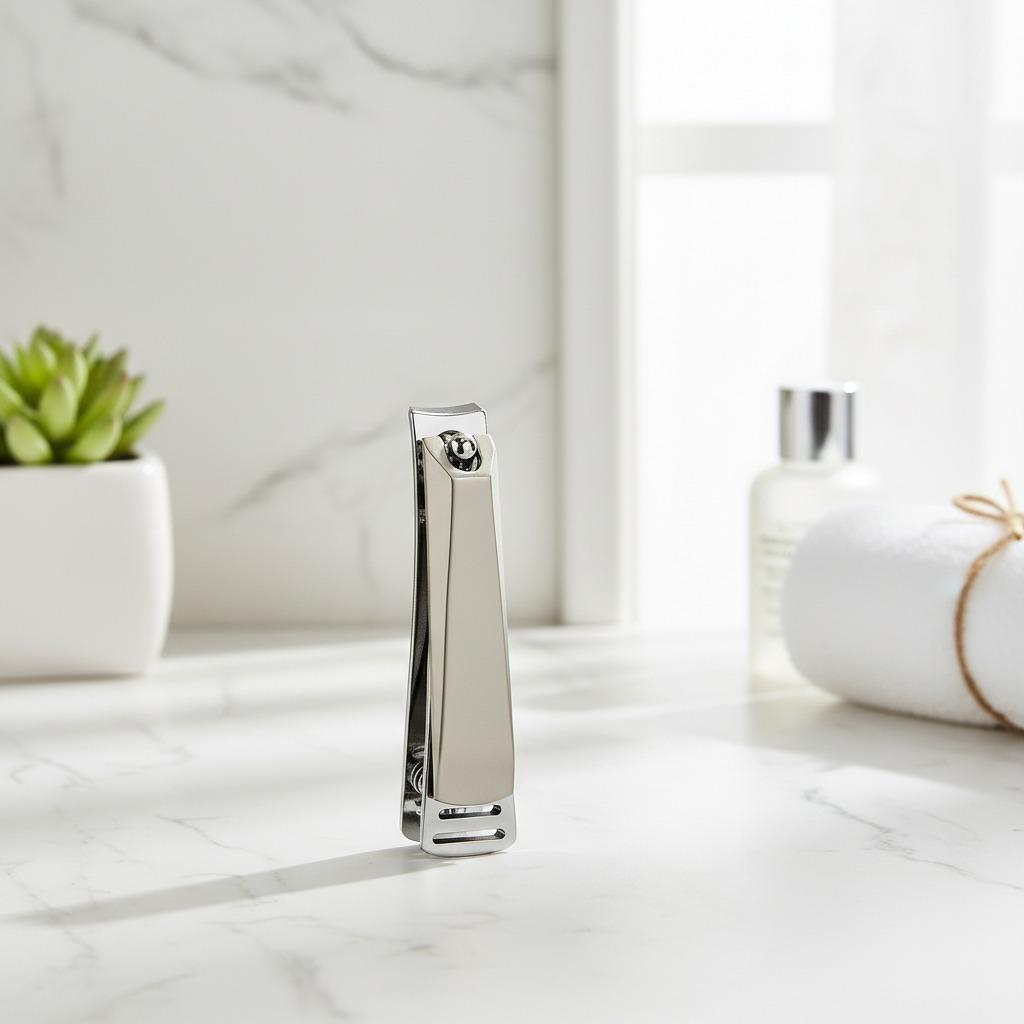
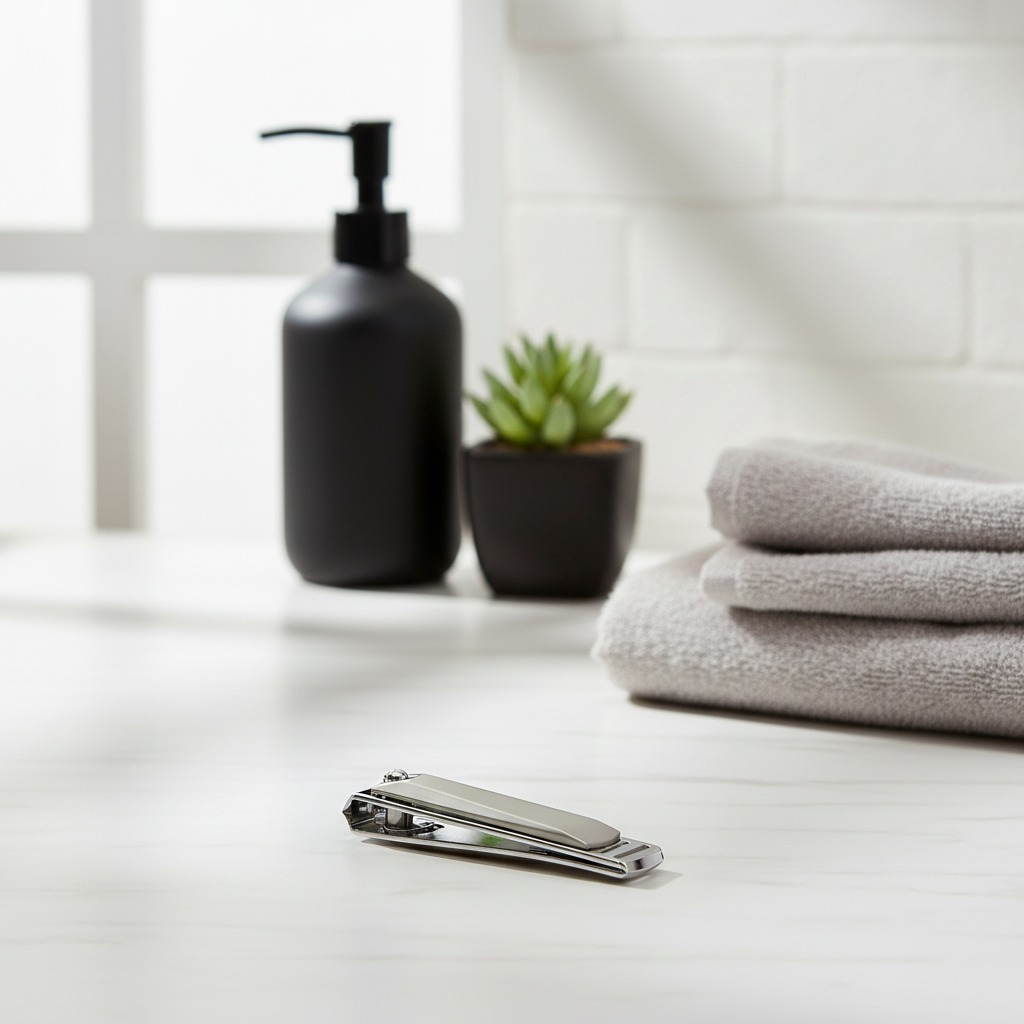
Olimor Beauty offers custom nail clipper options for business buyers who need a practical grooming tool with a branded presentation. The product shown here is a compact stainless steel nail clipper measuring 66 mm in length and 15 mm in width, with a lightweight 30 g body. Those dimensions make it suitable for daily grooming kits, retail checkout displays, travel sets, gift packs and promotional personal care programs.
Why Custom Nail Clippers Work for Business Buyers
Generic nail clippers are often purchased because they are easy to source and familiar to customers. However, the same familiarity can make them difficult to differentiate on a retail shelf. A custom nail clipper gives a business more control over presentation, brand recognition and perceived value. For pharmacies, beauty retailers, hotel amenity suppliers, salon distributors and promotional gift companies, that control can be more important than adding another unbranded low-cost item to the assortment.
Customization is useful when the nail clipper is part of a wider product strategy. A retailer may want a grooming accessory that supports its private label range. A distributor may need a compact, dependable product for several markets. A brand owner may want a logo or pattern on a functional item that customers keep for a long time. Unlike disposable promotional goods, a stainless steel nail clipper can remain in a bathroom drawer, handbag, travel pouch or manicure kit for repeated use, giving the brand continued visibility.
For buyers reviewing beauty tool products, the key is to match customization with practical performance. A branded clipper that looks attractive but cuts poorly can damage trust. A plain clipper that performs well but has weak retail presentation may miss commercial opportunities. The right sourcing decision balances both.
Product Details That Matter Before You Customize
The visible design is only one part of the buying decision. For nail clippers, small physical details influence how the customer experiences the tool. The Olimor Beauty clipper referenced on this page is made from stainless steel and has a compact size of 66 mm by 15 mm, with a weight of 30 g. These facts help buyers decide where the product fits best.
- Size: A 66 mm length is compact enough for travel and retail sets, while still offering enough leverage for ordinary fingernail trimming.
- Width: A 15 mm body helps keep the tool slim for packaging, pouches and multi-piece manicure kits.
- Weight: At 30 g, the clipper feels more substantial than very light plastic alternatives without becoming heavy for shipping or daily use.
- Material: Stainless steel is a practical choice for grooming tools because it supports durability and a clean appearance.
- Branding surface: Logo or pattern placement should be planned so it remains visible without interfering with grip or operation.
When preparing artwork, avoid treating the clipper like a flat paper label. The shape, lever movement and user handling all affect where branding works best. A simple logo, clear initials or restrained pattern usually reads better than a complex design at this scale. If the product will sit in retail packaging, buyers should also consider whether the brand will appear on the tool, packaging or both.
Custom Versus Generic Nail Clippers for Retail Shelves
For retail programs, the difference between custom and generic nail clippers is often seen at the point of comparison. A shopper may see several similar grooming items together. If all products look alike, price becomes the main deciding factor. If one item has cleaner presentation, credible packaging and a clear brand identity, it can compete on value rather than only on price.
A custom stainless steel nail clipper can be positioned in several ways. It may be sold as a single everyday grooming tool, included in a manicure kit, added to a travel care range or offered as an affordable branded accessory near checkout. The 66 mm format is especially useful for these channels because it does not require oversized packaging and can fit into compact displays.
Retailers should consider the following selection criteria before confirming a custom order:
- Target user: Decide whether the clipper is intended for general household use, travel, salon resale, hotel amenities or promotional gifting.
- Packaging format: Confirm whether the item will be carded, boxed, packed in a kit or supplied as part of another grooming set.
- Brand visibility: Choose logo placement that remains readable when the clipper is displayed or stored.
- Handling feel: Review whether the lever action, edges and grip are appropriate for the intended customer group.
- Retail message: Keep claims practical. Focus on material, size, use case and care rather than unsupported performance promises.
Buyers building a broader personal care assortment can also compare categories through Olimor Beauty product collections to decide whether the nail clipper should be sold alone or paired with related grooming tools.
Export and Import Considerations for Nail Clipper Sourcing
In international nail clipper trade, buyers often face a choice between mass-produced imports and custom production. Mass-produced stock may be suitable when speed and uniformity are the only priorities. Custom sourcing is more appropriate when the buyer needs brand consistency, controlled presentation or a product that fits a particular retail concept.
Because nail clippers are compact, they may seem simple to import. In practice, business buyers still need clear documentation and a structured approval process. The tool should be reviewed not only as a metal product but also as a finished consumer item. Edges, spring function, lever pressure, surface finish, logo placement, packaging and carton labeling all influence commercial success.
A useful import checklist includes:
- Confirm the final product dimensions and weight against the approved sample.
- Review the stainless steel finish for visible scratches, stains or inconsistent polishing.
- Check that the cutting edges align properly and close smoothly.
- Test logo position and readability after normal handling.
- Verify that packaging protects the clipper and presents the product clearly.
- Make sure carton labels, barcodes and language requirements match the destination market needs.
- Keep a retained sample for comparison before repeat orders.
These steps help reduce common problems such as inconsistent appearance, weak presentation or mismatched packaging. They also make communication clearer between purchasing teams, designers and production partners.
Branding Choices: Logo, Pattern and Packaging
A custom nail clipper is a small object, so successful branding depends on restraint. Large, complicated graphics can become hard to read. A simple logo, short brand name or clean pattern is usually more effective. The goal is to make the product recognizable without making the surface look crowded.
Packaging should support the same brand message. If the clipper is for a beauty retailer, the package may need to look clean and shelf-ready. If it is for a hotel or amenity program, compact and efficient packaging may be more important. If it is part of a gift set, the clipper should visually match the surrounding tools so the set feels intentional rather than assembled from unrelated items.
For business buyers, branding decisions should be made early. Changing artwork after sampling can affect schedules, packaging layout and approval steps. Before confirming production, prepare the logo file, color guidance, placement preference and any packaging text that must appear on the final product. To discuss a custom project, buyers can contact Olimor or send an inquiry with artwork and intended use details.
Maintenance Guidance for End Customers
Good sourcing does not end when the product ships. Retailers and brand owners can improve customer satisfaction by giving simple care guidance. Stainless steel grooming tools should be kept clean and dry after use. The clipper should be used for its intended purpose and stored away from damp environments when possible. If sold in retail packaging, short care instructions can help customers understand how to keep the tool in better condition.
Practical customer guidance may include wiping the clipper after use, avoiding prolonged contact with water, keeping it out of reach of children and storing it in a dry pouch or drawer. These instructions are simple, but they reduce misuse and support a better long-term impression of the branded product.
How to Decide If This Custom Clipper Fits Your Program
The 66 mm stainless steel custom nail clipper is best suited to buyers who need a compact branded grooming product rather than an oversized specialty tool. It can work for retail, export distribution, promotional gifting and personal care kits when the program values both function and presentation. Its 30 g weight and compact body make it practical for shipping, display and everyday storage.
Before placing a custom order, define the customer, sales channel, packaging method and branding objective. Then evaluate the clipper against those requirements rather than judging on price alone. A well-chosen custom nail clipper can support repeat brand exposure, improve shelf differentiation and add a useful grooming item to a broader beauty tool range.
Tag: