Custom Nail Clippers for Business: How to Source Better B2B Grooming Tools
A custom nail clipper for business is a small item, but it can carry a surprisingly large amount of brand value. For distributors, retailers, hotels, salons, spas, corporate gifting teams and wellness program buyers, the right nail clipper is not just a low-cost accessory. It is a product people handle directly, keep in a bag or bathroom drawer, and judge instantly by how cleanly it cuts.
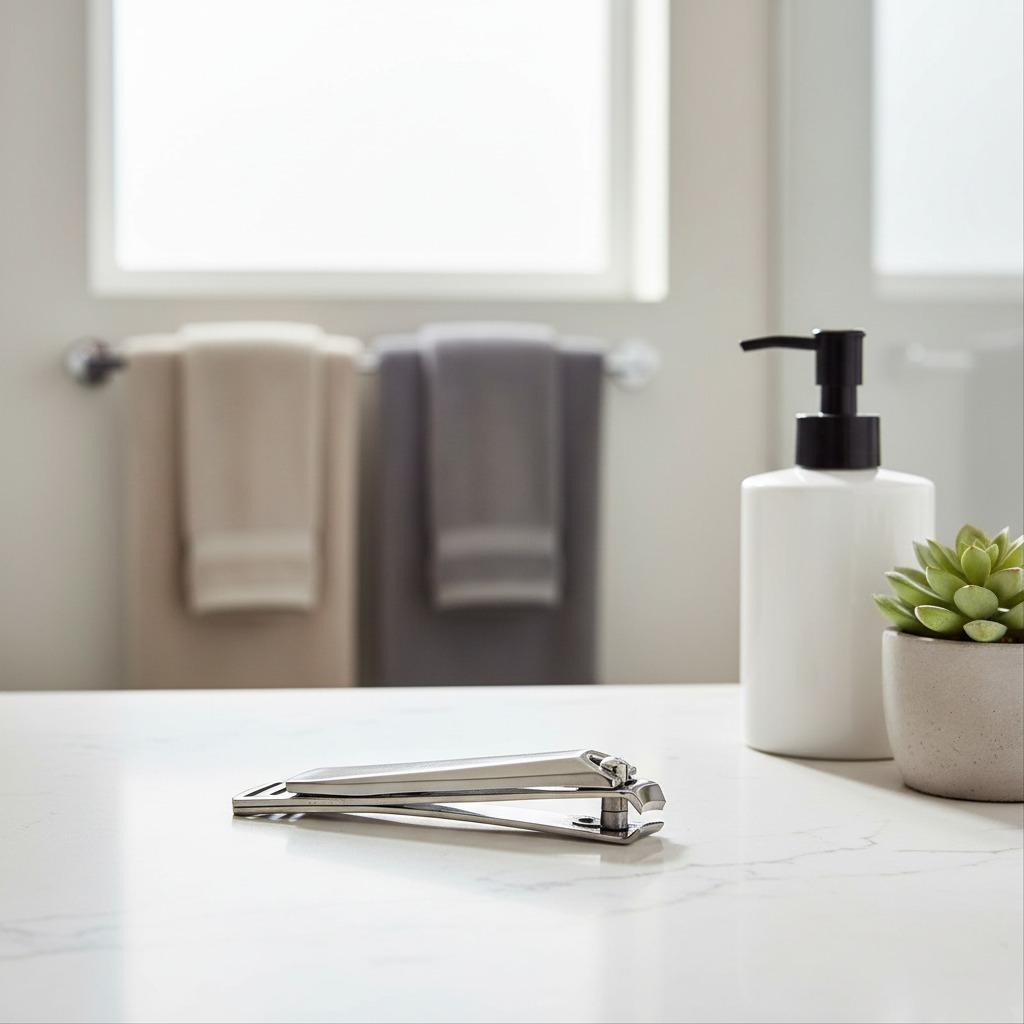
Olimor Beauty supplies beauty tools for B2B buyers who need practical grooming products with reliable finishing and customization potential. For nail clippers, the supplied product details point to a stainless steel tool with a 70mm length, approximately 30g lightweight construction, ergonomic design, matte finish and sharp curved blades. Those details matter because they affect portability, grip comfort, cutting performance and the perceived quality of the finished product.
This guide explains how to evaluate custom nail clippers for bulk orders, what to check before committing to production, and how to position them for different business channels without relying on vague claims or unnecessary specifications.
Who Buys Custom Nail Clippers in B2B Channels?
Business buyers usually approach nail clippers with one of several goals. A distributor may want a compact grooming item that can be sold to regional retailers. A hotel or travel supplier may need a portable tool for amenity programs. A salon, spa or personal care retailer may want a branded accessory that fits an existing grooming assortment. A corporate buyer may choose nail clippers for practical gifting because they are useful, gender-neutral and easy to store.
The buying decision should start with the end user. A nail clipper intended for resale must look polished enough for shelf display and withstand repeated use. A nail clipper for gifting should feel substantial in hand and carry branding cleanly. A clipper for distributors should be easy to explain in a sales sheet: material, size, finish, blade shape, packaging and customization options should all be clear.
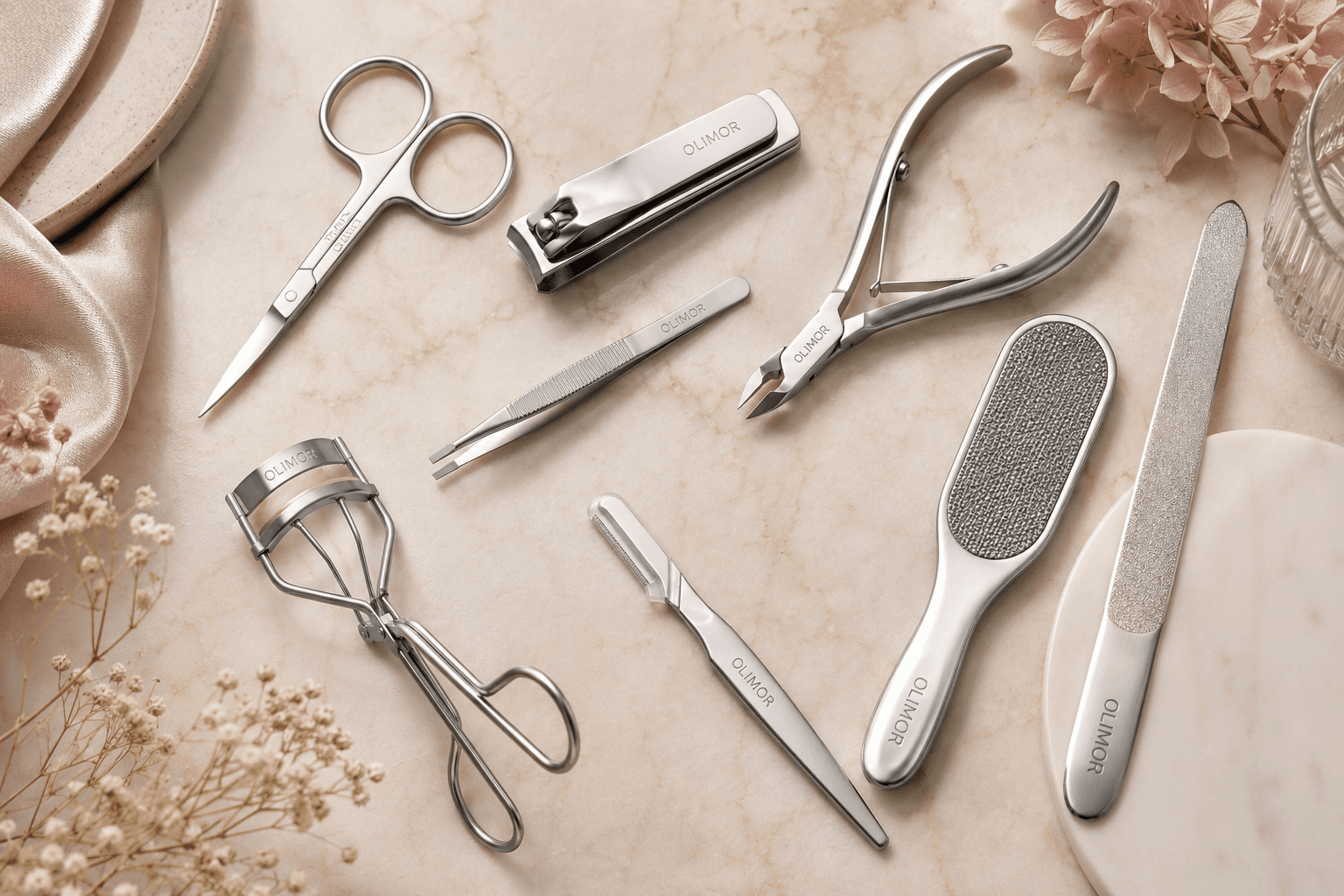
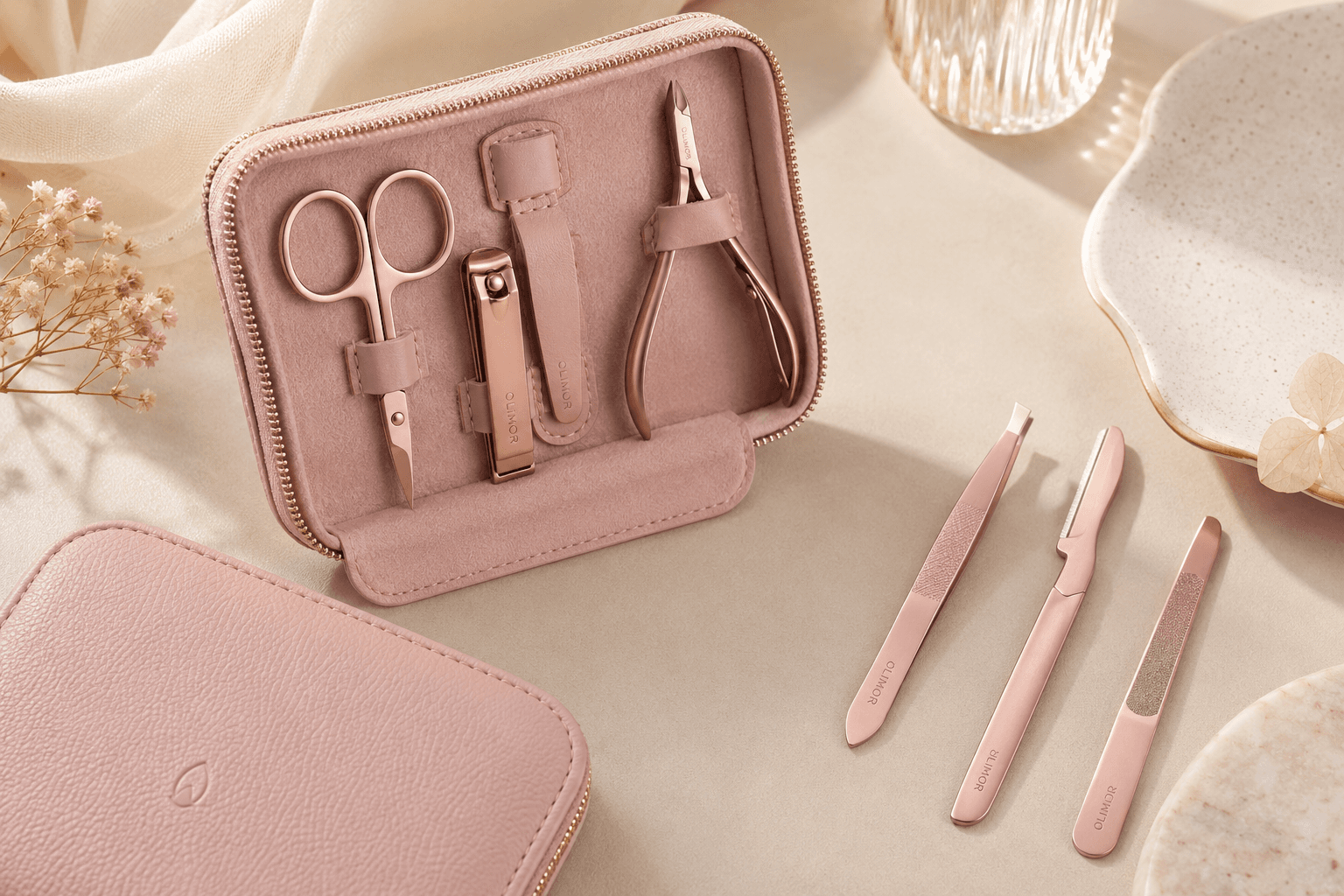
For buyers building a wider range, nail clippers can sit alongside other manicure, pedicure and grooming tools. You can explore related beauty tool products or review broader product collections when planning a coordinated assortment.
Key Product Details to Evaluate Before Ordering
Not every nail clipper that looks similar will perform the same. In bulk sourcing, small differences in metal finish, blade alignment and handling can become customer complaints if they are not checked early. Use the product sample stage to review both appearance and practical function.
- Material: Stainless steel is a preferred choice for nail clippers because it supports durability, a clean appearance and daily grooming use.
- Blade shape: Sharp curved blades help create a smoother cutting path and can feel more natural for trimming fingernails.
- Size: A 70mm length is compact enough for toiletry kits, gift sets, travel pouches and retail blister or box packaging.
- Weight: A lightweight construction of about 30g helps keep shipping and handling convenient while still giving the tool a usable feel.
- Grip and ergonomics: An ergonomic design should support comfortable pressure when cutting, not just look attractive in photographs.
- Finish: A matte finish can help create a more understated, professional appearance for B2B programs and branded gifts.
- Customization: Logo engraving is a practical branding option when the available surface and finish support clean visibility.
During review, test several pieces rather than only one sample. Open and close the lever repeatedly, check whether the blades meet evenly, and cut different nail thicknesses where appropriate. A buyer does not need laboratory testing for every early-stage decision, but a structured handling check can quickly separate acceptable products from risky ones.
How to Build a Sourcing Brief for a Custom Nail Clipper
A clear sourcing brief reduces confusion and helps both the buyer and supplier confirm what is being evaluated. The brief does not need to be complicated, but it should be specific enough to prevent assumptions. Include the intended sales channel, target user, branding needs, packaging expectations and any compliance or documentation requirements relevant to your market.
- Define the use case. State whether the clipper is for retail resale, promotional gifting, hospitality amenities, distributor stock or a grooming kit.
- Confirm core product details. Record the stainless steel construction, 70mm length, approximate 30g weight, curved blades, ergonomic design and matte finish if those are the features being considered.
- Specify branding requirements. If logo engraving is needed, prepare vector artwork and decide preferred placement, size and orientation.
- Plan packaging early. Packaging affects perceived value, shipping volume, barcode placement, multilingual labeling and retail readiness.
- Set inspection points. Decide how samples and bulk goods will be checked for blade alignment, finish consistency, lever movement, visible defects and packaging accuracy.
- Clarify commercial expectations. Review pricing structure, lead time, payment terms, shipping method and after-sales handling before scaling the order.
If your project has special market requirements, it is best to organize them before requesting a quote. For example, a retailer may need carton marks and barcodes, while a hotel supplier may care more about compact packaging and simple presentation. Buyers can send an inquiry with project details or contact Olimor to discuss suitable sourcing steps.
Understanding Bulk Nail Clipper Price Without Looking Only at Unit Cost
Bulk nail clipper price is important, but the lowest unit price is not always the lowest total cost. A nail clipper that arrives with inconsistent finish, weak packaging or poor cutting performance can create returns, rework, repacking or lost distributor confidence. For B2B buyers, cost efficiency should be measured across the complete order.
Several factors can influence the final price. Stainless steel quality, finishing method, blade grinding, logo engraving, packaging type, inspection requirements, order quantity and shipping terms can all affect the landed cost. A simple bulk item packed in plain packaging will not price the same as a customized gift-ready item with engraving and retail presentation.
| Cost Factor | Why It Matters | Buyer Checkpoint |
|---|---|---|
| Material and construction | Influences durability, cutting feel and perceived value | Confirm stainless steel and review sample handling |
| Blade finishing | Affects cutting cleanliness and user satisfaction | Check blade alignment and cutting performance |
| Surface finish | Impacts appearance and branding visibility | Inspect matte finish consistency across samples |
| Logo engraving | Adds brand identity but requires artwork control | Approve placement, size and sample result |
| Packaging | Changes shelf appeal, protection and shipping volume | Match packaging to retail, gifting or distribution use |
| Quality checks | Reduces risk before goods enter the sales channel | Define inspection criteria before production |
When comparing quotes, ask whether each offer covers the same product details and packaging scope. A quote that excludes engraving, special packaging or agreed inspection steps may appear cheaper but become more expensive once the order is finalized.
Branding and Packaging Decisions for Distributors and Gift Buyers
Customization should make the nail clipper easier to sell or remember, not more complicated to produce. Logo engraving is often suitable for metal grooming tools because it can create a durable brand mark without adding loose labels to the product itself. However, the logo needs to be simple enough to remain clear at a small size. Thin lines, tiny text and complex icons may not reproduce well on a compact 70mm tool.
Packaging should be selected according to channel. A distributor may prefer packaging that is compact, easy to count and suitable for wholesale cartons. A retailer may need attractive individual packaging that displays product information clearly. A corporate gift buyer may value a more refined presentation, especially if the nail clipper is included in a larger wellness or travel set.
Before confirming packaging, consider these practical questions:
- Will the product be sold individually or inside a kit?
- Does the packaging need a barcode, item number or multilingual copy?
- Should the clipper be visible through the packaging, or is a closed box preferred?
- How will the matte finish be protected during transport?
- Will the logo engraving remain visible once the product is packed?
These questions help prevent late-stage changes that can delay production or increase costs. They also help sales teams present the product more confidently to retailers or regional distributors.
Quality Control Points for B2B Nail Clippers
For a small grooming tool, quality control should focus on the points users notice immediately. The clipper should open smoothly, close securely and cut cleanly. The edges should not feel rough in the hand. The finish should look consistent, especially when multiple pieces are displayed together.
A practical inspection plan can include appearance checks, functional checks and packaging checks. Appearance checks cover scratches, stains, uneven matte finish and engraving accuracy. Functional checks cover lever movement, blade contact, cutting ability and grip comfort. Packaging checks cover correct item placement, label accuracy, carton condition and quantity count.
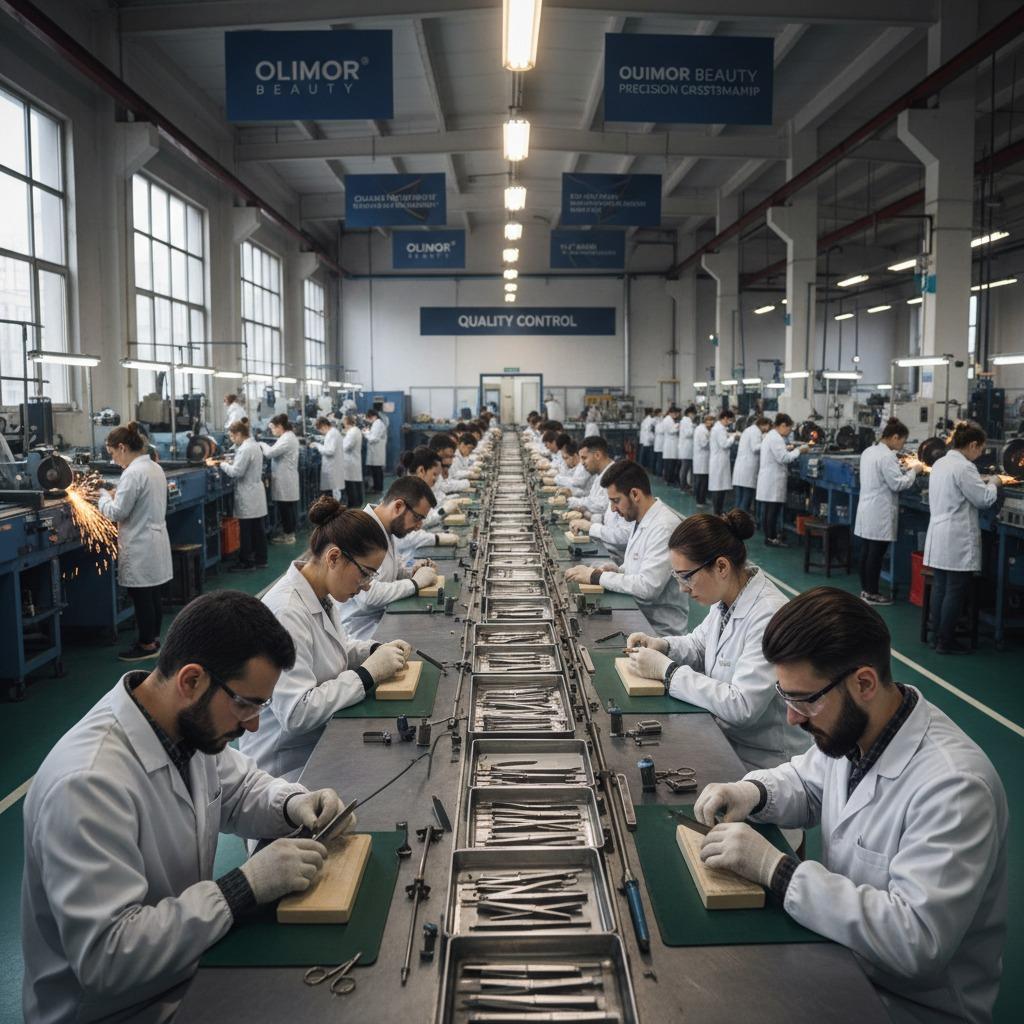
Olimor Beauty emphasizes quality checks from raw materials to packaging in its B2B tool supply process. For buyers, the best result comes from turning that general quality focus into measurable approval points: what defect level is unacceptable, what sample is approved, what packaging is final, and what product images or reference samples should be used for comparison.
How to Position Custom Nail Clippers in Your Sales Channel
A custom nail clipper for business performs best when it is positioned around practical value. For distributors, the selling points are compact size, stainless steel construction, ergonomic handling, matte appearance and customization potential. For retail buyers, the message can focus on everyday grooming, portability and clean cutting. For corporate buyers, emphasize usefulness, long storage life and simple branding.
Product descriptions should be specific. Instead of using broad promotional language, explain that the tool is a 70mm stainless steel nail clipper with curved blades, a matte finish and a lightweight 30g construction. If the order includes engraving, show the logo placement clearly in sales materials. If packaging is customized, include packaging dimensions and display style in the buyer presentation.
After launch, collect feedback from the channel. Distributors can report whether retailers prefer different packaging. Gift buyers can note whether the engraving is visible enough. Retail teams can track whether customers respond better to compact travel positioning or daily grooming positioning. This feedback helps improve the next order and supports a more stable B2B program.
Final Checklist Before Placing a Bulk Order
Before confirming a purchase, review the complete order as a business project rather than a single item. The right nail clipper should match your user, your channel and your branding plan.
- Confirm the intended channel: resale, distribution, gifting, hospitality or kit assembly.
- Approve the physical sample, including cutting feel, blade alignment and surface finish.
- Check the 70mm size and approximately 30g weight against your packaging and shipping plan.
- Review logo engraving artwork, placement and sample visibility.
- Confirm packaging structure, labeling needs and carton requirements.
- Compare bulk nail clipper price based on the same scope of product, branding and packaging.
- Set inspection criteria for appearance, function and packing before bulk production.
A well-specified custom nail clipper can be a dependable B2B grooming product because it is compact, useful and easy to brand. By focusing on material, cutting performance, finish, packaging and channel fit, buyers can make better sourcing decisions and build a product that supports long-term customer confidence.
Tag: