Custom Made Nail Clippers for Beauty Brands, Salons and Retail Buyers
A custom made nail clipper may look like a small item in a beauty assortment, but it has a direct impact on customer trust. A clipper that feels stable in the hand, cuts cleanly and holds up through repeated use can support a brand’s reputation far more effectively than a decorative item with weak performance. For salons, retailers, distributors and private-label beauty companies, the goal is not simply to add a nail tool to the shelf. The goal is to create a practical grooming product that matches the target customer, price position, packaging plan and everyday use case.
Olimor Beauty works with beauty-tool buyers who need custom nail clipper options for professional and retail channels. The supplied product concept includes a stainless steel clipper with a sleek ergonomic form, a vibrant blue handle with a geometric pattern, and a distinctive blue pivot point. These visible details help the tool stand apart, but the deeper value comes from how the clipper is specified, checked and positioned before production begins.
Why Custom Nail Clippers Matter in B2B Beauty Supplies
In B2B beauty supplies, nail clippers are often purchased in volume, included in grooming kits, sold as individual retail items or supplied to salons as a daily-use tool. Because the category is familiar, buyers may assume all clippers are similar. In practice, differences in leverage, cutting alignment, handle comfort and surface finish can affect whether customers repurchase or complain.
Customization allows a buyer to align the tool with a defined market. A salon may prefer a reliable, easy-grip clipper that can be used repeatedly throughout the day. A retailer may need a visually distinctive item that photographs well for online listings and looks organized in display packaging. A beauty brand may want a clipper that fits into a broader nail-care kit without looking generic. If you are comparing this item with other beauty tool products, the selection process should balance appearance with functional expectations.
The RevolutionEdge Nail Clipper concept described for Olimor Beauty is an example of this balance. Its blue handle and geometric pattern give it a recognizable retail appearance, while the stainless steel construction and lever design speak to practical cutting performance. For B2B buyers, this combination is useful because the product can support both visual merchandising and routine grooming use.
Design Features to Evaluate Before Custom Production
A custom made nail clipper should be reviewed from the user’s point of view before artwork, packaging or order planning goes too far. The key question is simple: will the product feel comfortable and dependable in the hand of the intended customer?
Several design elements deserve attention:
- Cutting edge alignment: The upper and lower cutting edges should meet cleanly so the clipper cuts rather than bends or tears the nail.
- Lever resistance: The lever should offer enough control for a firm cut without requiring excessive force, especially for frequent salon use.
- Grip surface: A patterned handle, such as the blue geometric handle described for this product, can improve handling and create a more recognizable look.
- Pivot stability: The pivot area affects leverage and consistency. The distinctive blue pivot point on the RevolutionEdge concept also adds a visual design cue.
- Material choice: Stainless steel is valued in grooming tools because it supports durability and a clean, professional feel when properly manufactured and finished.
- Edge feel and finish: The clipper should not have rough corners, uncomfortable pressure points or visible finishing defects that reduce perceived quality.
These factors are more important than adding excessive decoration. A nail clipper is handled directly and judged quickly. If it looks appealing but does not cut cleanly, the buyer’s brand carries the risk.
How ODM Planning Helps Beauty Brands Build the Right Tool
Nail clipper ODM services are useful when a company wants a tailored product but does not want to manage every engineering decision from the beginning. ODM development can help organize the practical choices that affect cost, usability, packaging and brand fit. The best approach is to define the intended sales channel first, then decide which custom details matter most.
For example, a retail-focused clipper may require stronger visual differentiation, such as a color handle, patterned surface or coordinated packaging. A salon-focused version may prioritize grip, cutting comfort and easy cleaning. A distributor serving multiple beauty accounts may prefer a balanced specification that performs reliably and can fit different sales presentations.
Before confirming an ODM direction, buyers can prepare a concise brief covering:
- Target user: professional salons, beauty retailers, grooming kits, travel sets or promotional beauty programs.
- Preferred appearance: handle color, pattern direction, surface finish and whether the tool should look minimal, colorful or premium.
- Functional priorities: cutting feel, leverage, size preference, grip comfort and edge consistency.
- Packaging needs: individual retail pack, set packaging, display-ready format or bulk supply for operational use.
- Quality expectations: inspection points for edge alignment, lever movement, surface finish, cleanliness and packaging condition.
This planning avoids a common sourcing problem: focusing on logo placement before the tool’s basic performance has been defined. A custom clipper should first work well, then express the brand through color, pattern, packaging and presentation.
Quality Checkpoints for Custom Made Nail Clippers
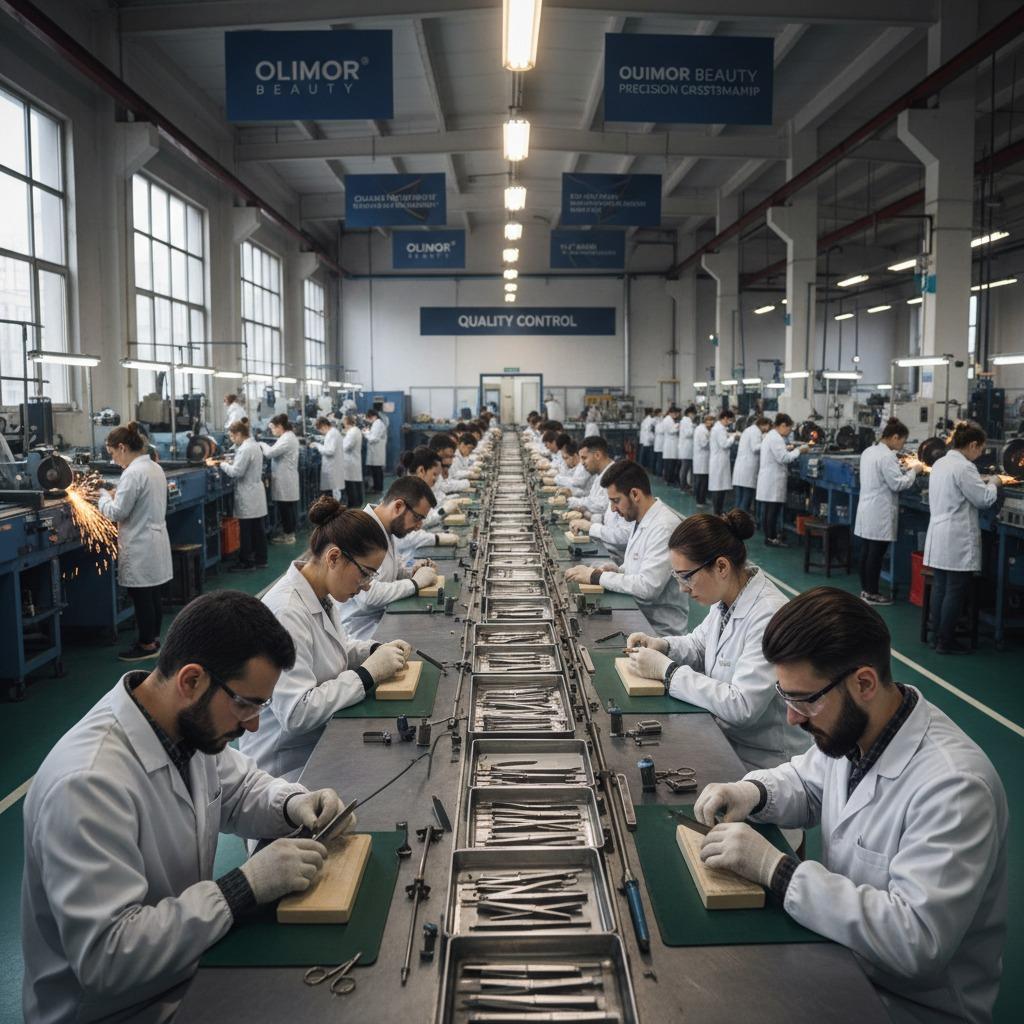
Quality assurance for nail clippers should be practical and repeatable. Buyers do not need to invent complicated testing language, but they should know which details can be inspected consistently before shipment. Olimor Beauty describes quality checks from material selection to final assembly, and buyers can use that idea to structure their own approval process.
| Checkpoint | What to Review | Why It Matters |
|---|---|---|
| Material and surface | Confirm the stainless steel appearance, finish consistency and absence of visible defects. | Supports product durability and customer confidence. |
| Cutting edge | Review alignment, sharpness feel and whether the cut is clean. | Directly affects user satisfaction and return risk. |
| Lever action | Check opening, closing, pressure and stability of the lever mechanism. | Determines comfort during repeated use. |
| Handle design | Inspect color, geometric pattern placement, grip feel and surface quality. | Protects both appearance and usability. |
| Assembly | Check the pivot point, moving parts and overall tool stability. | Helps prevent loose or uneven operation. |
| Packaging | Review labeling, cleanliness, protection and consistency across units. | Reduces merchandising issues and shipping damage concerns. |
For buyers creating a branded line, these checkpoints should be part of sample approval, pre-production confirmation and final inspection planning. The same criteria also help compare custom nail clippers with other items in product collections, especially when building a coordinated nail-care or grooming assortment.
Matching the Clipper to Retail, Salon and Distributor Needs
Different channels value different details. A salon buyer may judge the clipper mainly by how it performs in repeated daily use. A retailer may care about shelf impact, product photography and packaging clarity. A distributor may need a product that is attractive enough for resale but practical enough for a wide customer base.
The blue handle and geometric pattern on the RevolutionEdge concept make it suitable for buyers who want more personality than a plain metal clipper. The ergonomic shape and lever design support usability claims without relying only on decoration. This is the type of balance that works well in beauty tools: the product looks intentional, but the design choices remain tied to function.
When deciding whether a custom nail clipper belongs in your assortment, consider the role it will play. Is it an entry-level add-on item, a core grooming essential, part of a manicure set or a branded gift? That decision affects the acceptable finish level, packaging investment and quantity planning. It also helps determine whether visual customization should be bold or restrained.
Sourcing Questions Buyers Should Settle Early
Custom projects run more smoothly when the buyer resolves key questions before finalizing samples. Instead of starting with a broad request for a custom nail clipper, prepare a focused decision list. This improves communication and reduces revision rounds.
- What customer segment will use the clipper most often?
- Should the design emphasize professional simplicity, retail color appeal or gift-ready presentation?
- Which elements are fixed: stainless steel body, handle color, geometric pattern, pivot color, packaging format or logo position?
- What level of sample review is needed before confirming production?
- How will the product be inspected for edge alignment, lever movement and surface finish?
- Does the clipper need to coordinate with other grooming tools or stand alone as a single item?
These questions are useful whether you are developing a private-label nail tool or comparing custom options for a distribution catalog. If you need to discuss a project direction, you can send an inquiry with your intended channel, design preferences and packaging goals. For broader sourcing support or questions about working with Olimor Beauty, you can also contact Olimor.
Building a Better Custom Nail Clipper Assortment
A well-planned custom made nail clipper should not rely on novelty alone. It should solve the buyer’s practical needs: dependable cutting, comfortable handling, consistent appearance, suitable packaging and a clear fit within the sales channel. The RevolutionEdge Nail Clipper concept shows how a stainless steel grooming tool can combine an ergonomic form, a blue patterned handle and a distinctive pivot detail while remaining focused on daily nail-care function.
For beauty brands, salons and retailers, the strongest custom nail clipper projects begin with the user experience and then add brand expression. Decide how the clipper should feel, how it should be inspected and how it should sit within your assortment. With those choices defined, customization becomes more than decoration. It becomes a way to deliver a small but important beauty tool that customers can use with confidence.
Tag: