Custom Made Nail Clippers: A Practical Sourcing Guide for Beauty and Grooming Buyers
A custom made nail clipper is a small product, but it carries a large responsibility. It must cut cleanly, feel stable in the hand, resist everyday wear, and match the expectations of the brand selling it. For beauty retailers, grooming kit developers, hotel amenity buyers, promotional product teams, and private label brands, the right nail clipper is not simply a low-cost accessory. It is a daily-use tool that can affect how customers judge the quality of an entire set.
Olimor Beauty works with beauty-tool buyers who need practical customization and reliable production thinking. This guide explains what to evaluate before developing a custom nail clipper, which product details matter most, and how to compare a nail clipper supplier without relying only on appearance or price.
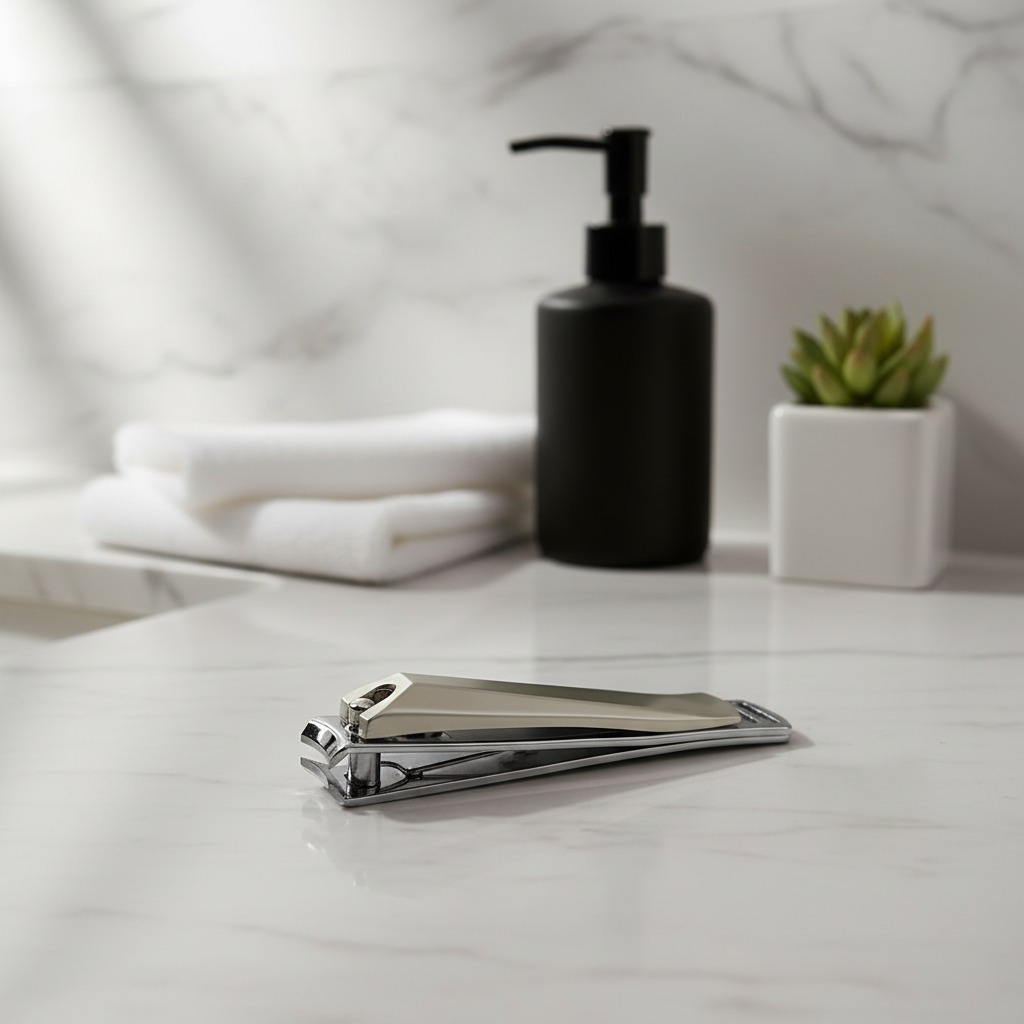
What Makes a Custom Made Nail Clipper Worth Developing?
Customization should improve the product’s usefulness, brand fit, or market position. A logo alone may be enough for a simple giveaway, but retail programs and grooming sets often need a more complete decision process. Buyers should consider who will use the clipper, where it will be sold, and whether it needs to coordinate with other tools in a kit.
A compact nail clipper for travel may need a slim profile and secure lever feel. A grooming gift set may require a consistent metallic finish and packaging that presents the clipper neatly. A salon or professional retail environment may place more importance on cutting accuracy, smooth edges, and long-term comfort. Before discussing samples, define the customer use case as clearly as possible.
- End user: personal grooming customer, retail buyer, hotel guest, promotional recipient, or professional user.
- Product format: single clipper, manicure kit component, travel grooming item, or private label accessory.
- Visual direction: sleek metallic appearance, simple neutral finish, or a finish matched to a wider beauty tool range.
- Comfort target: grip shape, lever length, weight, and ease of control.
- Packaging role: protective packaging, retail display packaging, gift-ready presentation, or kit insertion.
Design Details That Influence Cutting Performance
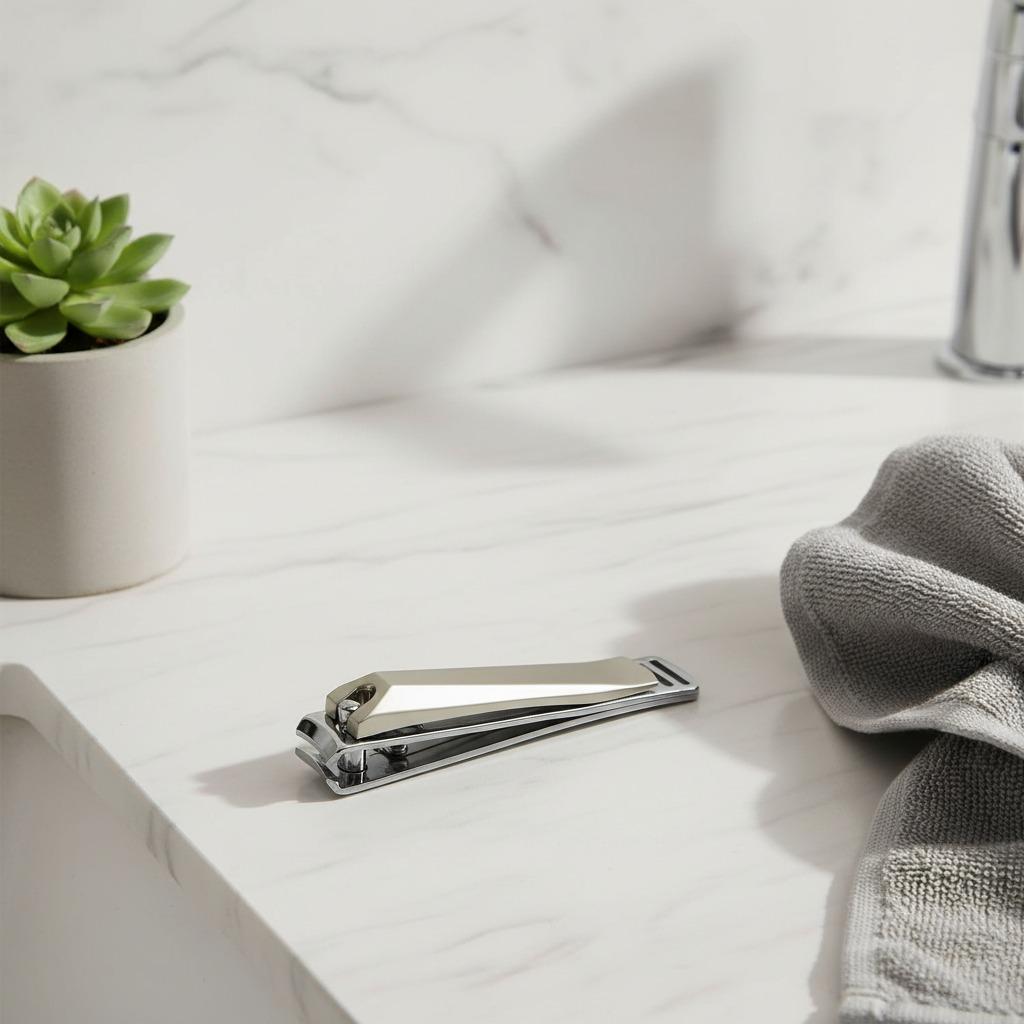
The most important part of a nail clipper is the cutting experience. Good design helps the user trim nails cleanly without needing excessive pressure. A custom made nail clipper can include decisions about blade curve, handle shape, finish, and overall size, but each choice should support function rather than decoration alone.
Curved blades are commonly selected when the desired result is a natural nail shape. Straight or less curved cutting profiles may suit different trimming preferences, especially for buyers developing multiple grooming tools. The best choice depends on the intended audience and whether the clipper is for fingernails, toenails, or a general-purpose kit. When exact technical specifications are not fixed, sample evaluation becomes especially important.
Ergonomic design is another useful focus. A nail clipper should sit securely between the fingers, and the lever should feel controlled through the cut. A smooth grip can improve comfort, but it should not become slippery during use. Buyers should also check whether edges around the body and lever feel refined. Even if the blades are sharp, an uncomfortable body shape can reduce the perceived value of the item.
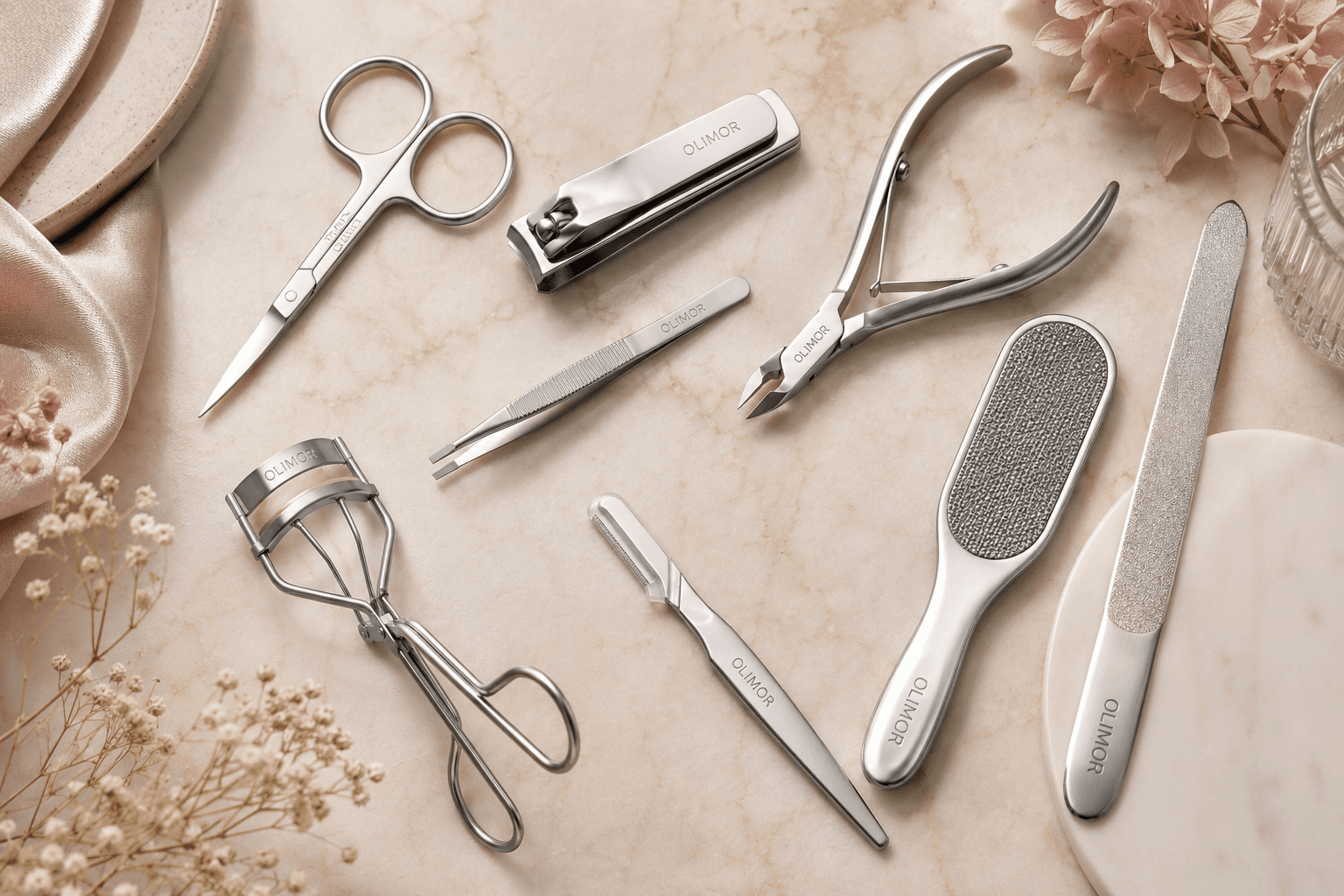
Finish selection should be treated as both an appearance and durability question. A sleek metallic finish can work well for travel kits and modern grooming collections, but consistency matters. Uneven tone, visible marks, or rough transitions can make a small tool look poorly made. For related items and category planning, buyers can review Olimor beauty tool products to consider how a custom clipper may fit with other grooming accessories.
Quality Checkpoints Before Confirming Production
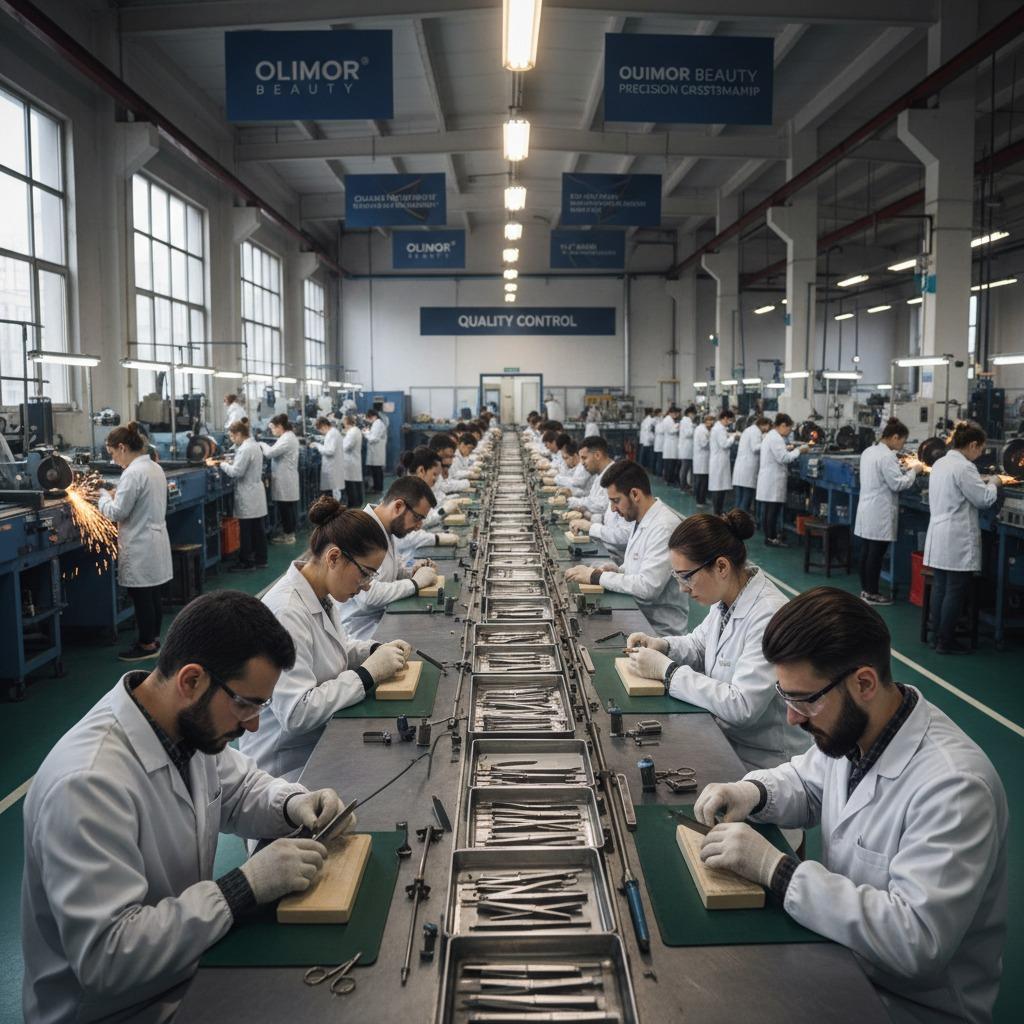
Because nail clippers are mechanical tools, quality control should cover more than surface appearance. Olimor Beauty emphasizes precise manufacturing steps and internal quality control from raw material review through final packaging. For buyers, the useful approach is to define measurable and visual checkpoints before mass production begins.
A good inspection plan should consider cutting alignment, lever movement, surface finishing, comfort, logo placement if required, and packaging condition. These factors affect both user satisfaction and return risk. The following table shows practical checkpoints that can be used during sample review or pre-shipment evaluation.
| Checkpoint | What to Review | Why It Matters |
|---|---|---|
| Blade alignment | Edges meet evenly without visible offset | Supports cleaner trimming and reduces nail tearing |
| Lever action | Opening, closing, and pressure feel consistent | Affects comfort and perceived quality |
| Surface finish | No sharp burrs, rough patches, stains, or inconsistent shine | Improves handling and retail appearance |
| Grip comfort | Body shape and lever are comfortable during repeated use | Important for travel kits and daily grooming items |
| Customization position | Logo, color, or finish is placed consistently | Protects brand presentation |
| Packaging fit | Clipper remains secure and protected | Reduces damage during shipping and display |
When reviewing samples, test more than one piece. A single sample can show the design concept, but multiple samples reveal consistency. Buyers should check whether each clipper cuts with similar pressure and whether the visible finish remains consistent across units. For a private label product, small variations can become noticeable once products are displayed together.
How to Evaluate a Reliable Nail Clipper Supplier
Choosing a reliable nail clipper supplier is partly about production capability and partly about communication. A supplier should be able to discuss customization possibilities in practical terms, including material choices, finish options, sample process, packaging direction, and quality expectations. The strongest sourcing conversations are specific: intended market, product positioning, target packaging, and acceptable appearance standards.
Buyers looking for a nail clipper manufacturer in China often compare many similar-looking tools. To make that process more useful, avoid judging by photos alone. Request clear sample information, inspect the tool in hand, and evaluate whether the supplier understands the difference between a promotional item, a retail product, and a component of a higher-value grooming set.
Useful supplier questions include:
- Which design elements can be customized without affecting cutting performance?
- What finish options are suitable for the intended market and packaging style?
- How are raw materials, blade alignment, surface finishing, and final packaging checked?
- Can the clipper be matched visually with other beauty tools in a set?
- What artwork format and placement limitations apply for branding?
- How are samples reviewed and approved before production proceeds?
These questions help buyers compare suppliers on process, not just cost. If you are planning a custom grooming tool project, you can send an inquiry with your target market, packaging idea, and preferred finish direction. For broader category development, Olimor product collections can also help you think about how a nail clipper fits into a coordinated range.
Packaging, Branding, and Use Cases for Custom Nail Clippers
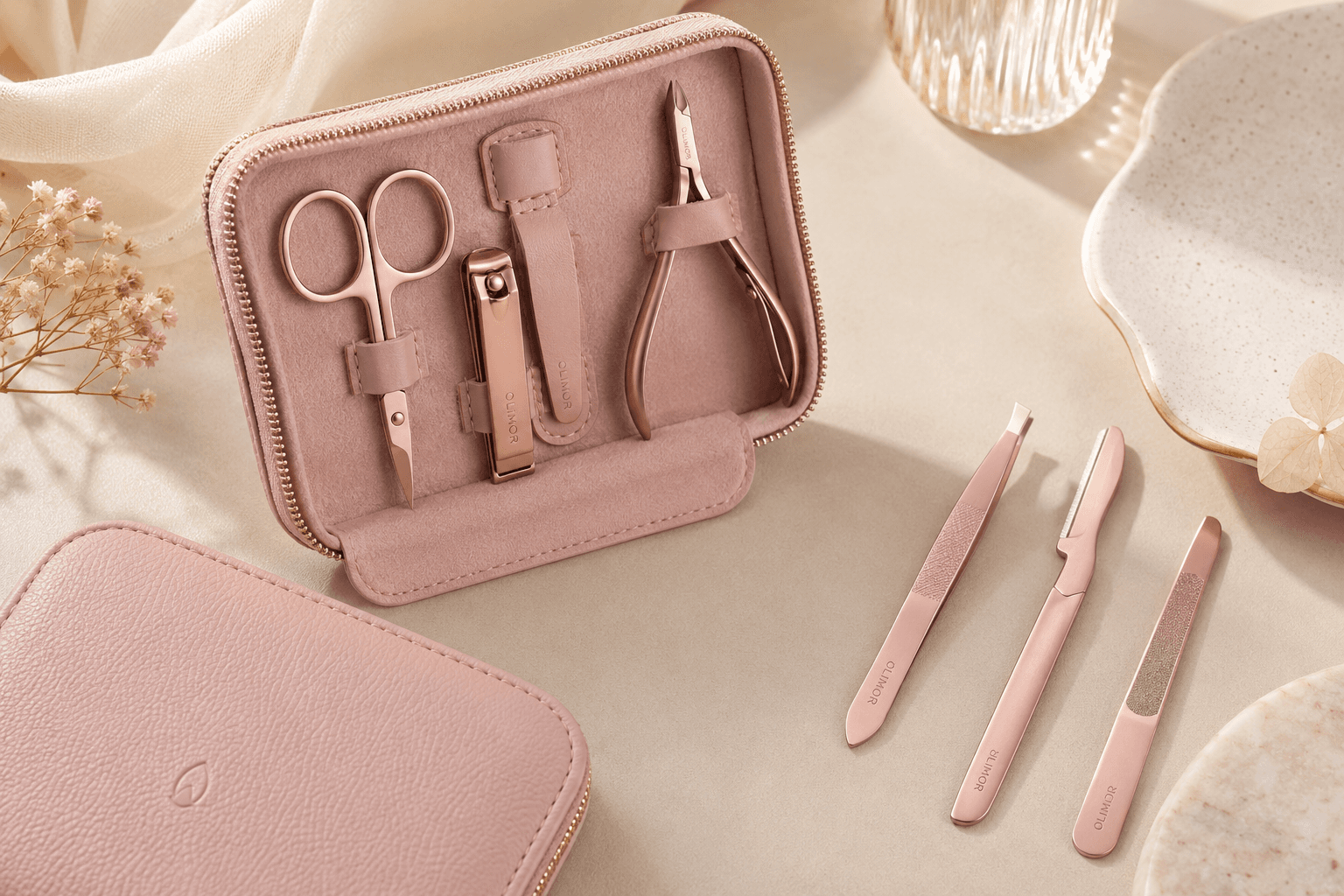
Packaging should match the product’s role. A simple protective bag may be enough for internal kit assembly, while a retail-facing item may need a card, box, tray, or set packaging that presents the clipper cleanly. Gift programs often need packaging that feels organized and protects the finish from scratching during transit. The packaging decision should be made early because it can influence logo placement, size constraints, and how the clipper is displayed.
Branding should also be balanced. On a small metal grooming tool, an oversized logo can look crowded. A subtle logo placement may be more suitable for premium-looking kits, while clearer branding may work better for promotional distribution. Buyers should check whether the branding remains legible after production and whether it resists normal handling for the product’s intended life cycle.
Common use cases for custom made nail clippers include personal grooming sets, travel amenity kits, beauty retail accessories, men’s grooming programs, manicure kits, promotional health and wellness gifts, and private label personal care lines. Each use case has different priorities. A hotel amenity buyer may prioritize compact packaging and consistent appearance. A beauty retailer may focus on shelf presentation and finish. A kit developer may care most about how the clipper coordinates with tweezers, scissors, files, or other tools.
Care Instructions That Improve the User Experience
Even a well-made nail clipper benefits from simple care. Clear care instructions can reduce complaints and help the end user get better results. A custom product package or insert can include short, practical guidance without overloading the customer.
- Trim nails when they are clean and dry unless the user specifically prefers trimming after softening.
- Cut gradually instead of removing too much nail in one press.
- Wipe the clipper after use to remove nail dust and moisture.
- Store the clipper in a dry place, especially when included in a travel bag or bathroom kit.
- Avoid using the clipper on materials other than nails, as this can affect edge performance.
For branded programs, these instructions can be printed on packaging or included as a short care card. Clear usage guidance is especially helpful when the clipper is part of a gift set or grooming bundle where the buyer wants the customer to associate the full set with practical quality.
Building a Better Custom Nail Clipper Program with Olimor Beauty
A custom made nail clipper succeeds when the product is designed around real use, not just a catalog image. Buyers should define the user, confirm the desired cutting profile, review sample consistency, evaluate finish quality, and plan packaging before approving production. These steps help create a grooming accessory that feels dependable and appropriate for the brand behind it.
Olimor Beauty supports custom beauty-tool sourcing with attention to design, comfort, precision manufacturing steps, and quality checks. Whether the requirement is a compact travel-friendly clipper, a sleek metallic tool for a grooming kit, or a branded item for retail distribution, the best results begin with clear product expectations. To discuss a project, packaging direction, or sample review needs, contact Olimor and share the intended market and customization goals.
Tag: